
Water you can store and use
Work out a starting supply, find manageable containers and know when treatment is not enough.
Read the guideBuild a kit for the people at home.
Water, food, light and backup charging. Choose a starter kit, then add supplies for your household.
Build your own kit from these recommendations. Add the quantities, food and personal supplies your household needs.
We may earn a commission from these links, at no extra cost to you.
A compact starting point for an apartment or a room with limited storage.
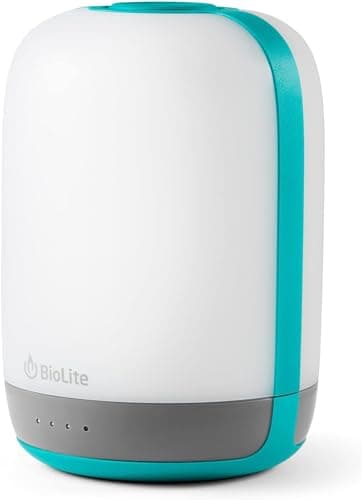
Shared light
Keep a rechargeable lantern by the table or in the room you will use most.
This model charges by Micro-USB. Keep its cable with the kit.
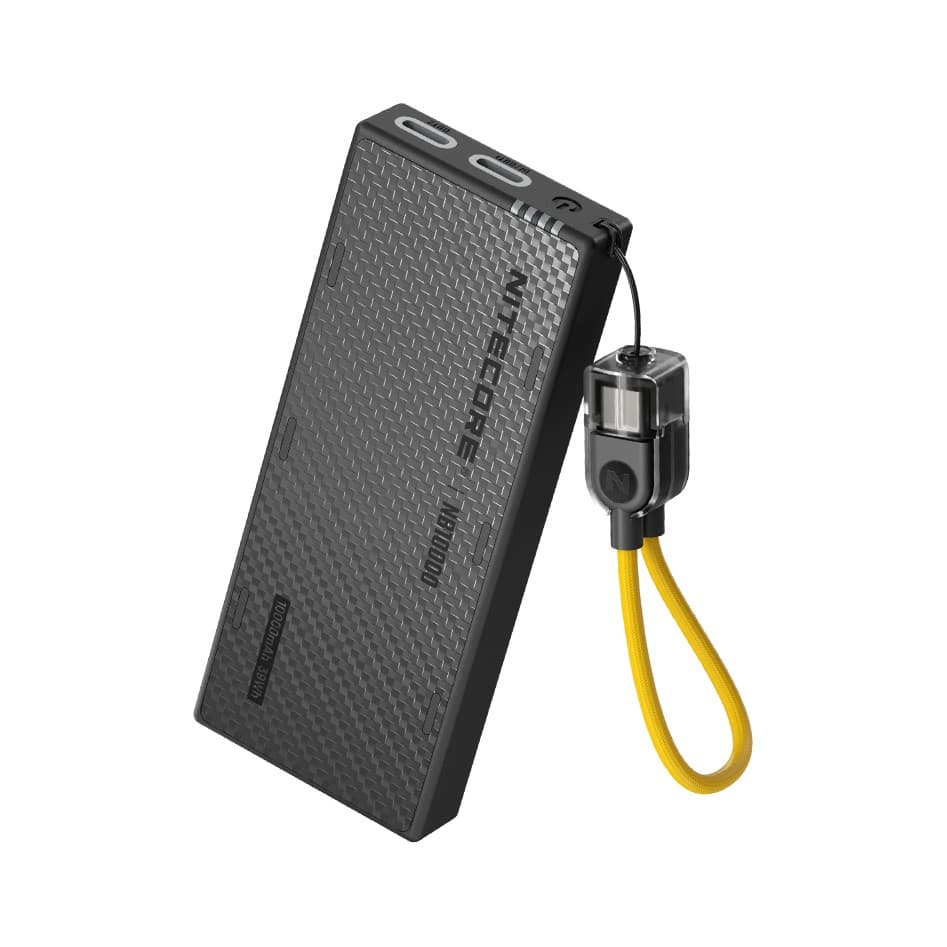
Phone charging
A separate USB power bank keeps a charging option ready for compatible devices.
Both ports are USB-C. Match the cable and charging profile to your device.
Nitecore Store listed a backorder on Nov 2. Check the delivery date before ordering.
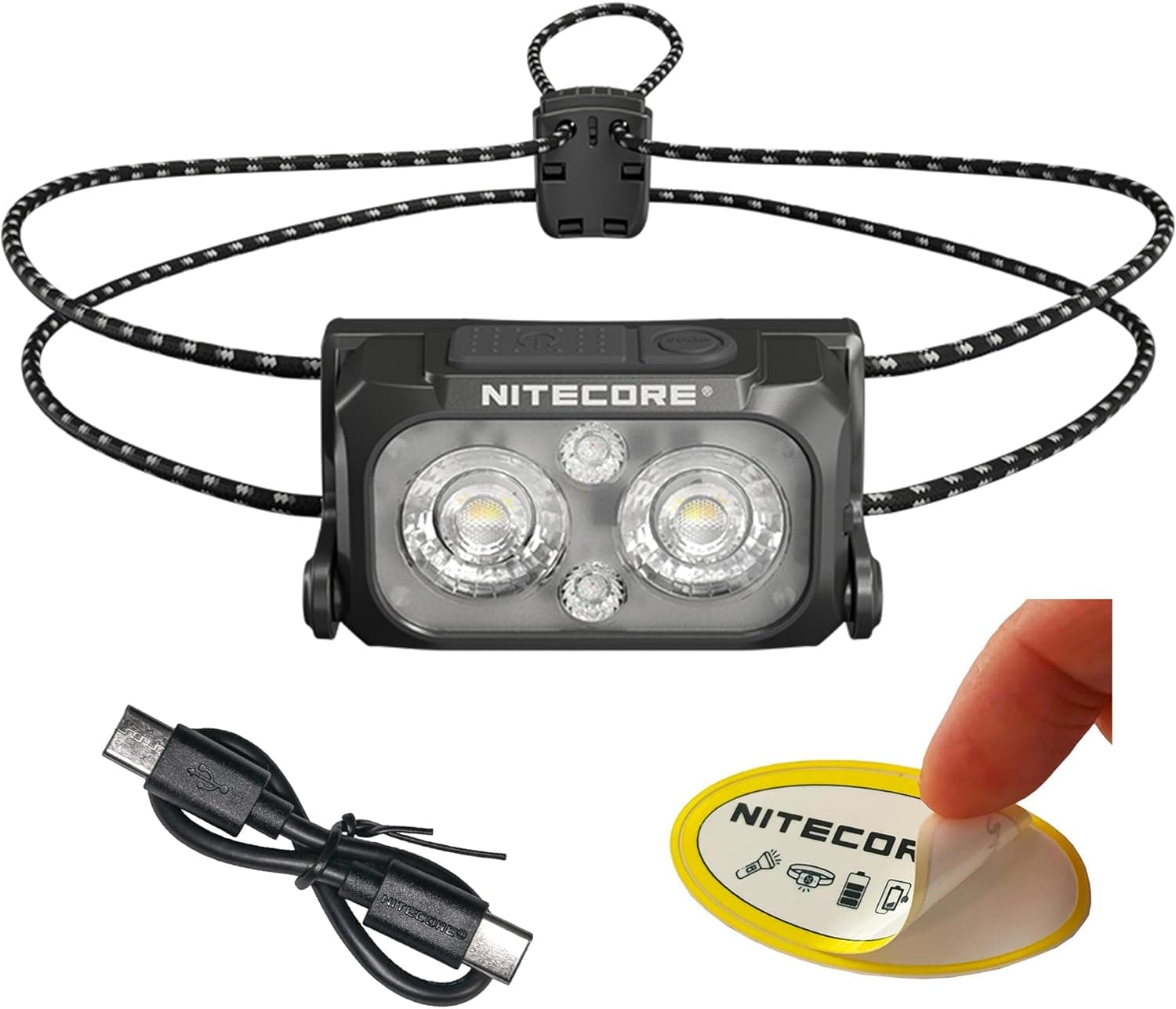
Hands-free light
A headlamp frees both hands for finding supplies or carrying a bag.
Choose the MCT UL model shown and keep its USB-C charging cable nearby.
Nitecore Store listed a backorder on Nov 2. Check the delivery date before ordering.
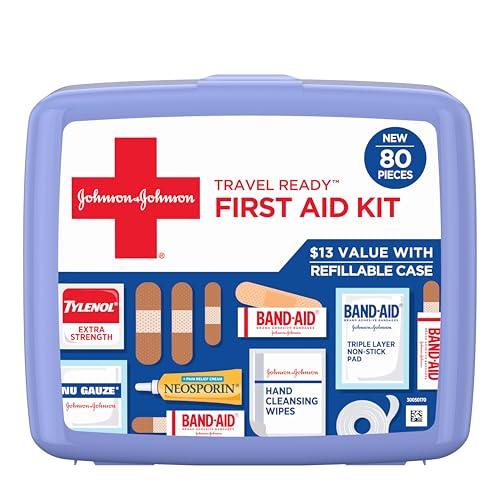
First aid
A small first-aid kit keeps basic supplies together.
Check the contents and add household-specific supplies.
Stored water, light, charging and first aid, with an optional step up to AC power.
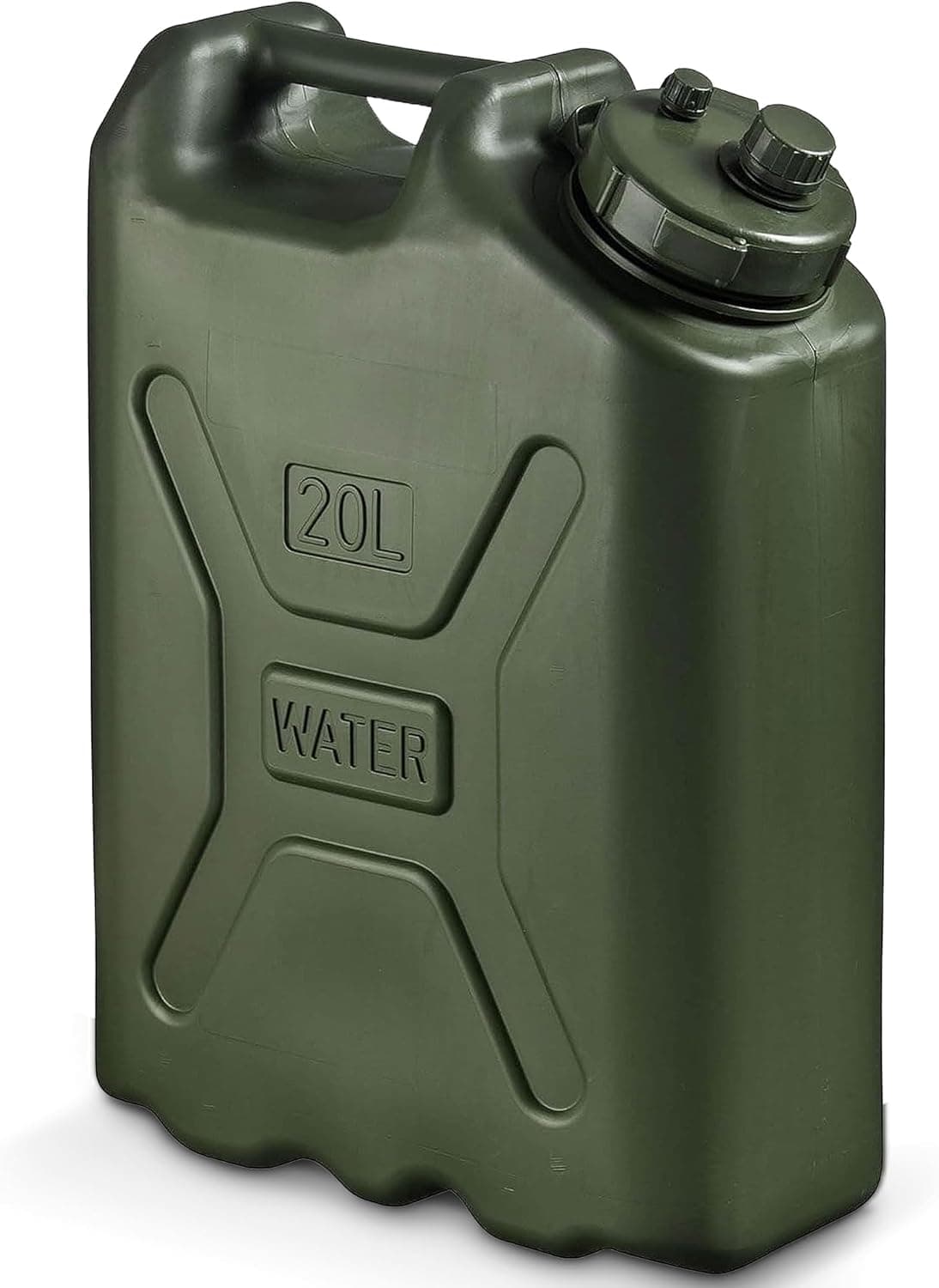
Water storage
A food-grade rigid container gives you a reusable place to store drinking water.
An empty container is not a water supply. Follow cleaning and filling instructions, and check the weight and storage space.
Shared light
One rechargeable lantern gives a shared room or table its own light source.
Keep its Micro-USB cable with it, and another working light available.
Device charging
Keep a portable USB source ready for compatible phones and other small devices.
Check each device and cable. Battery capacity is not a promise of a particular number of charges.
Nitecore Store listed a backorder on Nov 2. Check the delivery date before ordering.
First aid
A compact case keeps basic minor-injury supplies together.
Check contents, medication labels and expiry dates against your household's needs.
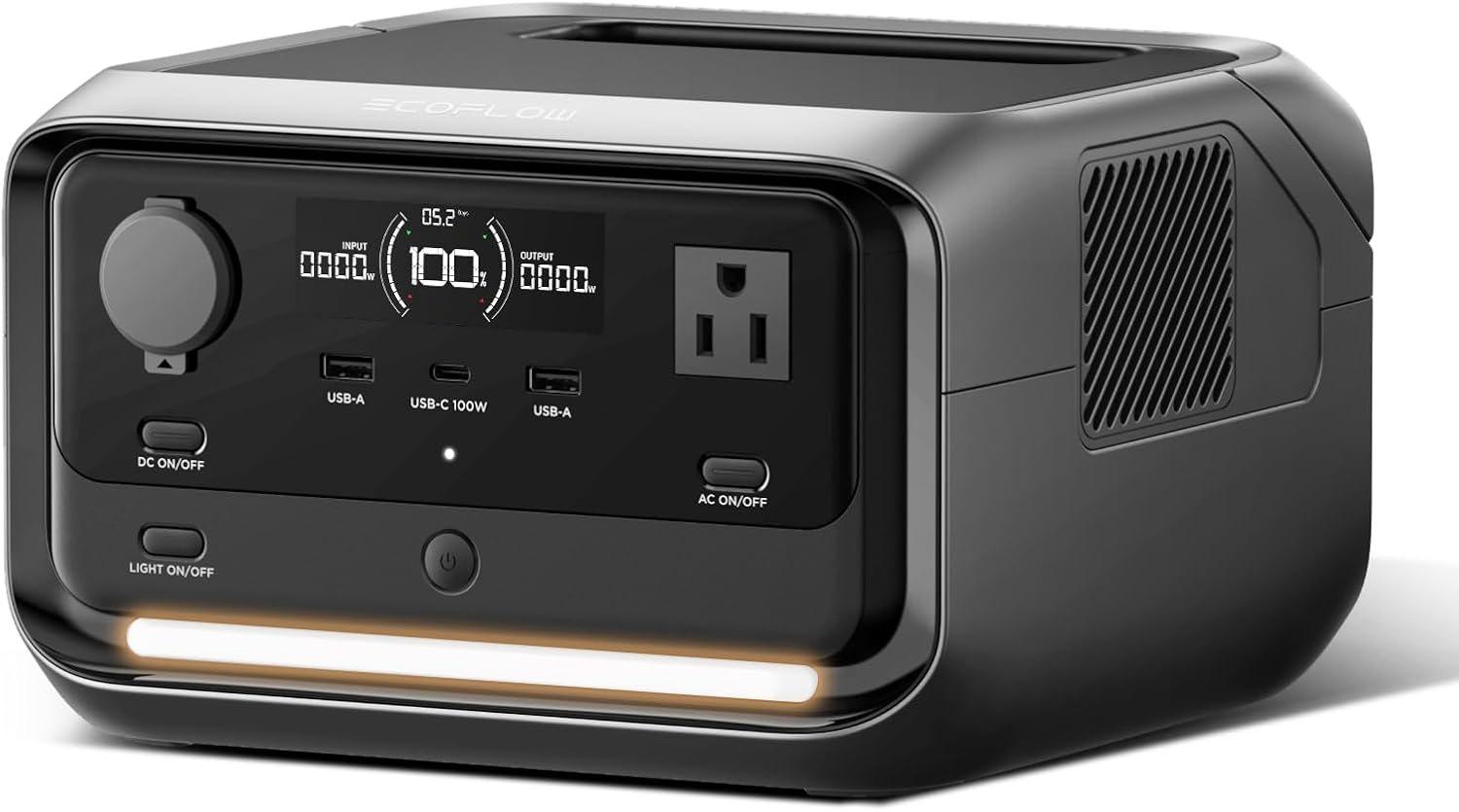
Optional AC backup
Consider a small power station when your checked equipment needs an AC outlet rather than USB alone.
Match the exact load and required runtime. This is not whole-home backup or an individual medical-device plan.
A few portable items to add to a bag you can take when you need to leave.
Hands-free light
A headlamp leaves your hands free for moving or sorting supplies.
Charge it, pack its USB-C cable and keep a backup light available.
Nitecore Store listed a backorder on Nov 2. Check the delivery date before ordering.
Phone backup
A compact power bank fits into a carry-out bag.
Check the ports and cable against your device, and recharge periodically.
Nitecore Store listed a backorder on Nov 2. Check the delivery date before ordering.
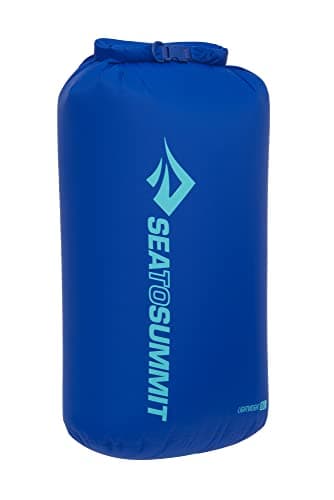
Packing liner
A roll-top liner groups kit contents inside a larger carry bag.
Check that the 35 L size fits your bag. The closure is not for submersion; keep papers in a separate sealed sleeve.
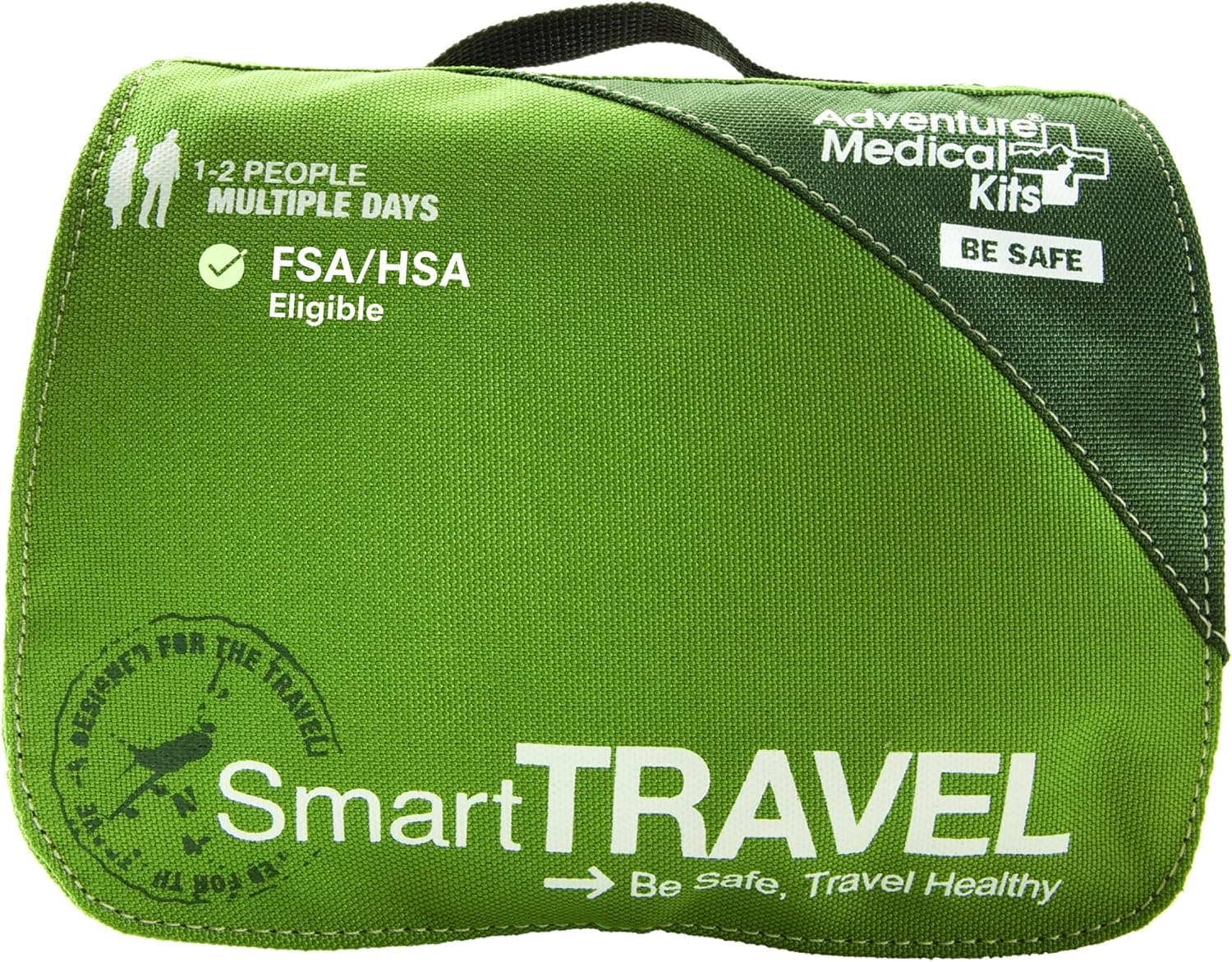
Portable first aid
An organized travel kit keeps dressings, tools and other basic supplies together.
Check the contents and medication labels, then add personal supplies.
Plan with the Red Cross supply list and CDC water storage guidance.
Manufacturer documentation checked November 2, 2026.
A prepacked starting point to supplement for your household.
We may earn a commission from these links, at no extra cost to you.
The twelve pouches hold 50.7 fl oz total, not per person.
Food and water have a stated five-year shelf life from manufacture. Check dates and contents when received; packaging and contents may vary.
Buy on AmazonChoose a variety and quantities for your household. Plan to finish opened portions when refrigeration is unavailable.
We may earn a commission from these links, at no extra cost to you.
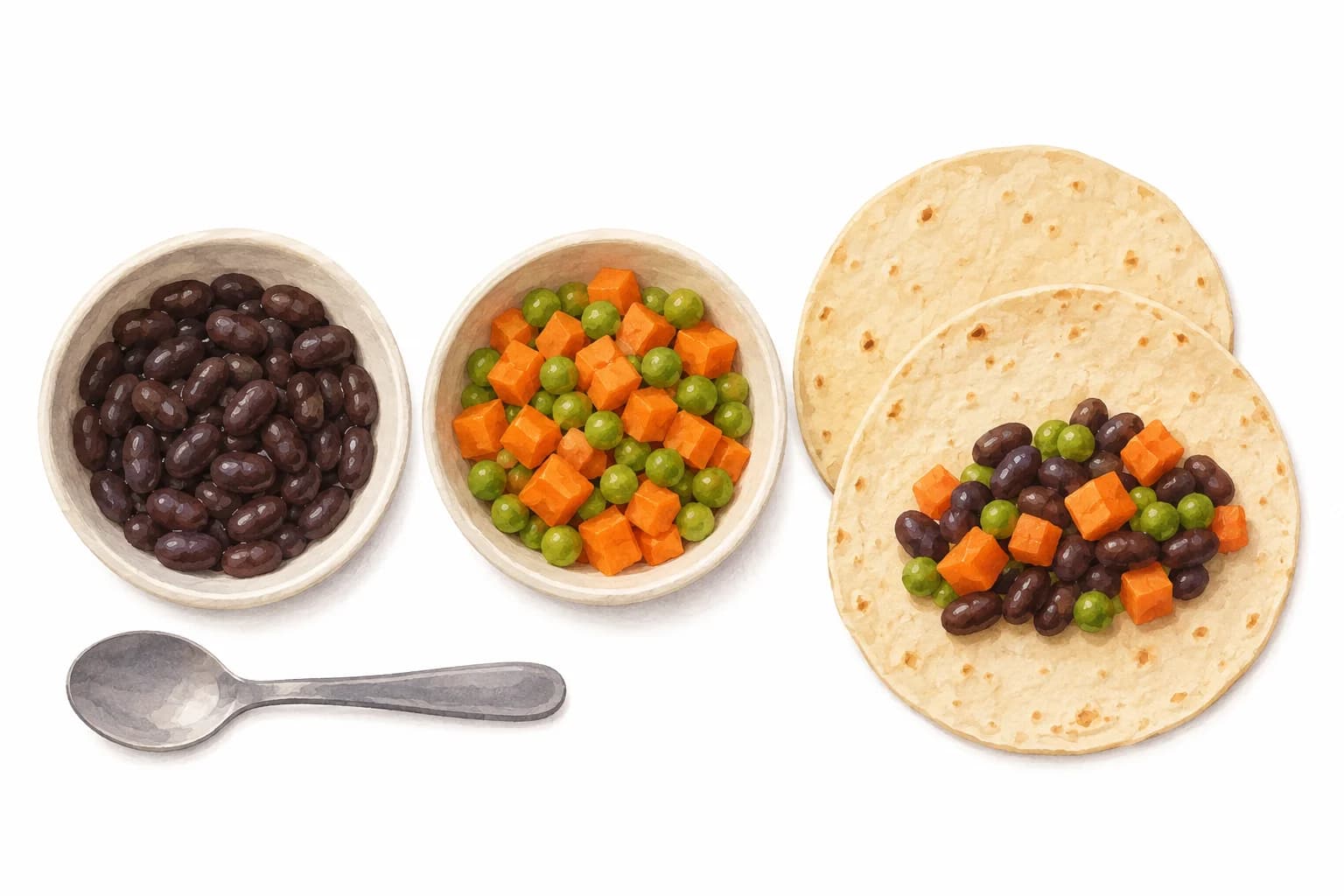
Beans
Fully cooked beans can be eaten without heating.
Contains bacon. Open with a can opener and refrigerate leftovers.
Tuna
A ready-to-eat pouch needs no draining.
Contains fish. Refrigerate leftovers after opening.
Spread
A familiar spread for crackers or a spoonful on its own.
Contains peanuts. Follow the package date and storage instructions.
Crackers
Individually wrapped stacks pair with pantry foods.
Contains wheat and soy. Check the package date.
Fruit
Twelve ready-to-eat peach cups provide individual portions.
May contain pits or fragments. Follow package storage and date instructions.
Manual opener
Keep an opener with cans that need one.
Check that it opens the cans your household stores.
Choose supplies that work for your home and local conditions.
We may earn a commission from these links, at no extra cost to you.
Weather alerts
A home radio receives NOAA weather alerts for your area.
Set the county and channel, check reception, and add three AA backup batteries.
Portable toilet
A bucket toilet is one option when plumbing is unavailable.
Check the exact model and weight limit before purchase. Bags are separate.
Toilet waste bags
These six bags are compatible with the Luggable Loo.
This pack has no gel. Follow local disposal rules and add hygiene supplies.
Work out a starting supply, find manageable containers and know when treatment is not enough.
Read the guidePut together familiar no-cook meals, rotate what you buy and make safe outage food decisions.
Read the guideStart with supplies you can use without electricity, a working tap or a hot meal. Familiar groceries and accessible water storage are more useful than a collection of unfamiliar emergency products.
Sources: CDC water storage; FoodSafety.gov outage guidance; CDC outage safety.
Keep enough light to move around, a way to charge essential devices and more than one way to receive warnings. A charged phone or battery does not guarantee a working mobile network.
Compare portable charging options for the devices you want to keep running.
Read the comparison Compare portable power stations for camping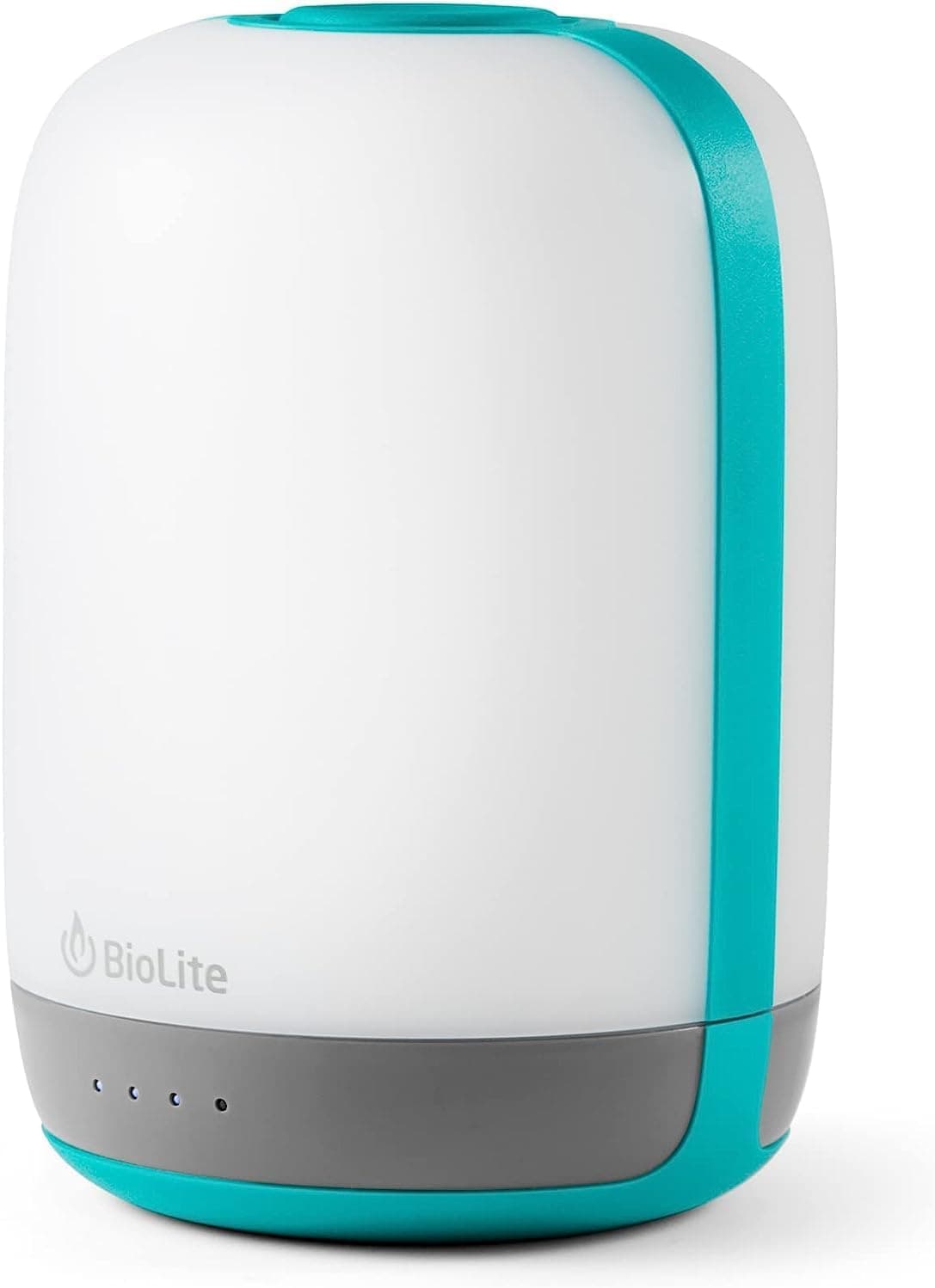
Choose between lighting a room and carrying a focused beam.
Read the comparison Compare camping lanternsSources: NWS warning and family planning guidance; Red Cross family plan.
Decide where to go if the home becomes too hot or too cold. Blankets and clothing are useful supplies, but owning them is not proof that staying home will be safe.
Sources: CDC power outage safety; CDC CO and generator precautions; CDC heat guidance.
Plan around the hazards where you live and the building you live in. Local warnings and a usable escape plan matter more than buying a generic weather kit.
Sources: USFA smoke alarms; NWS flood safety; CDC CO prevention.
Include the ordinary items people rely on every day. A travel first-aid pouch is not a substitute for a household's medication, accessibility or hygiene plan.
Sources: Red Cross supply checklist; CDC individual and medical planning.
Include roommates, children, people who need assistance and pets in the plan. Shared responsibilities need a backup when the person who normally handles them is away.
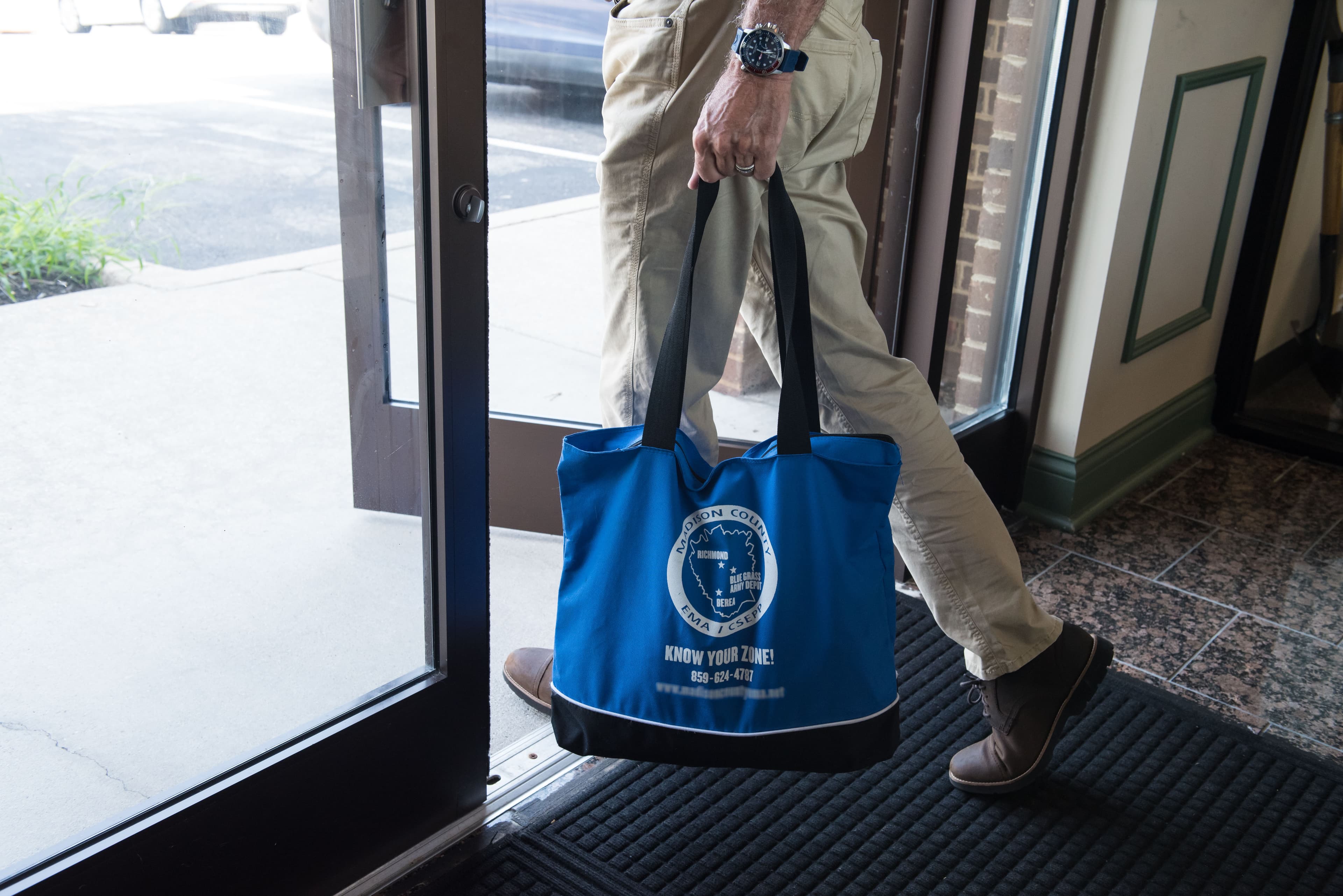
Sources: Red Cross household planning; Red Cross pet preparedness.
Prepare to leave as well as to stay. Choose a destination, transport and another route, and keep a bag that household members can actually carry.
Sources: Red Cross family plan; NWS flood and evacuation guidance; CDC returning home safely.
These resources cover camping equipment and camping power estimates. They are not household water-treatment certification, home electrical design or medical-device backup advice.
General U.S. planning guidance, reviewed November 2, 2026. Follow current local emergency instructions and get individual medical or building advice when needed. How we research.


