
Best rain jackets for hiking
The most useful differences here are practical: how the jacket packs, what the hood is built to fit over, and whether the shell has stretch or extra ventilation. Start with the feature you'll use most, then try the jacket over your usual hiking layers.
Our quick picks
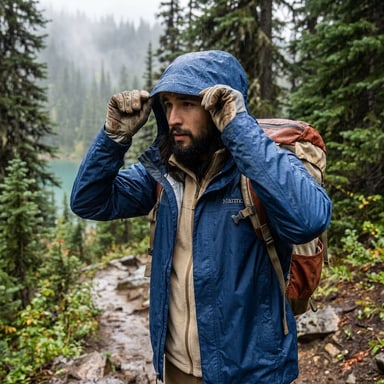
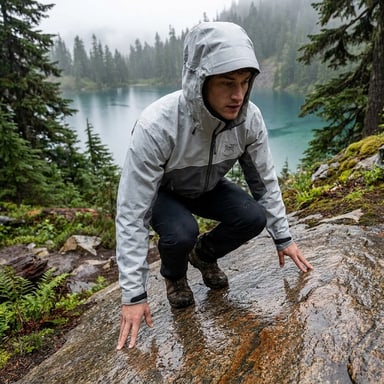
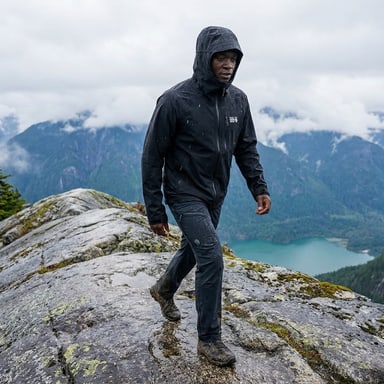
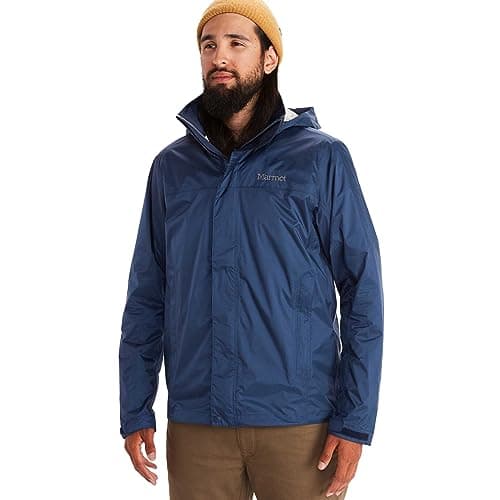
Marmot PreCip Eco: pocket-stow packability
The PreCip Eco combines pit zips with a hood that adjusts and stows away. It also stuffs into its own pocket, making it a straightforward pick when you want a shell that's easy to carry between showers.
POCKET-STOW SHELL
Marmot Men's PreCip Eco Rain Jacket
Best for: Shoppers who prioritize a listed pocket-stow design and pit zips.
- The linked listing specifies pit zips and an adjustable hood that rolls into the collar.
$134.97 Price checked Oct 25, 3:41 PM CDT
Buy on AmazonProduct details
The linked Arctic Navy listing is a men's XX-Large PreCip Eco, model 41500_F22 (part 41500). Its listing describes NanoPro nylon ripstop, sealed seams, pit zips, an adjustable hood that rolls into the collar, and own-pocket stowage. Marmot's current M15881 page is not established as the same revision, so its generation-specific specifications are not transferred here. Select your size on the retailer page before ordering.
- Listing model
- 41500_F22 (part 41500); linked Arctic Navy listing is XX-Large
- Fabric
- NanoPro nylon ripstop, per linked listing
- Seam construction
- Sealed seams, per linked listing
- Ventilation
- Pit zips, per linked listing
- Packability
- Stuffs into its own pocket, per linked listing
- Hood
- Adjustable; rolls into collar, per linked listing
More strengths
- The linked listing says the jacket stuffs into its own pocket.
- The linked listing specifies NanoPro nylon ripstop and sealed seams.
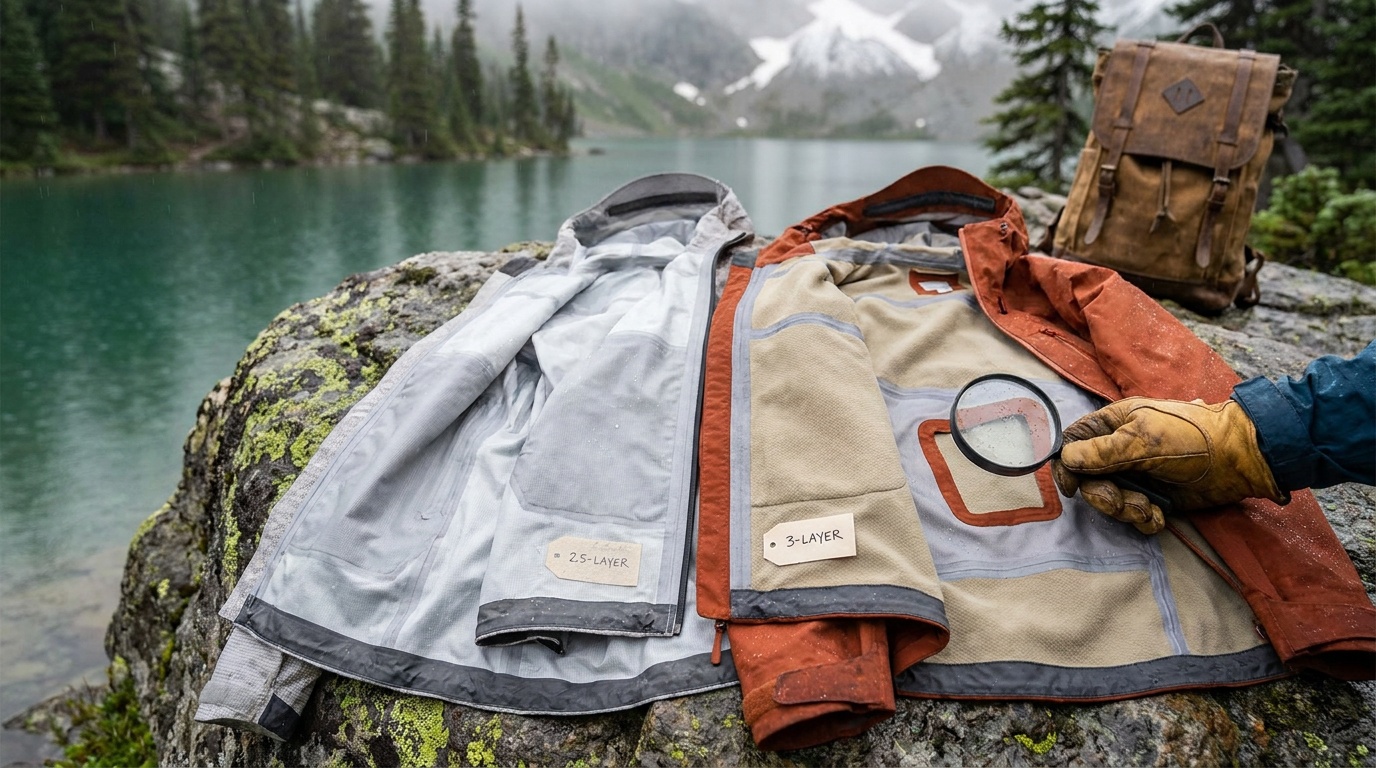
Arc'teryx Beta SL: technical hood and locator features
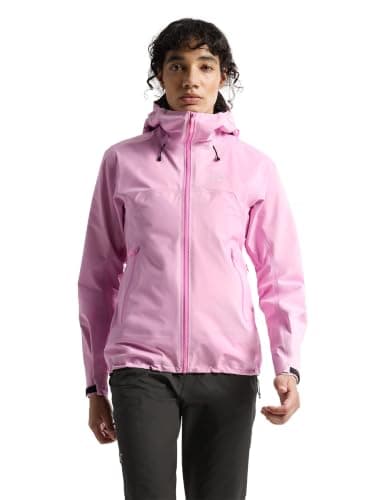
The women's Beta SL pairs a helmet-compatible StormHood with pit zips and a RECCO reflector. If you hike in a helmet or want those specific mountain-oriented features, check the fitted cut over the layers you plan to wear.
TECHNICAL FEATURES
Arc'teryx Women's Beta SL Jacket
Best for: Shoppers seeking a women's technical shell with a helmet-compatible hood, underarm vents and a RECCO reflector.
- Helmet-compatible StormHood, pit zippers and RECCO reflector are listed for the reconciled maker model.
- Fitted cut; confirm sizing and intended layering using Arc'teryx's size guide.
$500.00 Price checked Oct 25, 3:41 PM CDT
Buy on AmazonProduct details
The linked offer is the women's Beta SL in Pineberry, size Large. Arc'teryx's maker page for matching model X000010020 lists 3-layer GORE-TEX ePE with C-KNIT, a helmet-compatible StormHood, pit zippers and a RECCO reflector. The maker's listed weight is for size Small and is not assigned to this linked size Large.
- Model
- X000010020 (listed part X000010020068)
- Construction
- 3-layer GORE-TEX ePE with C-KNIT backer, maker-listed for model X000010020
- Ventilation
- Pit zippers, maker-listed for model X000010020
- Locator feature
- RECCO reflector, maker-listed for model X000010020
- Fit
- Fitted, maker-listed for model X000010020
More strengths
- The maker lists a 3-layer GORE-TEX ePE shell with C-KNIT backer.
Mountain Hardwear Stretch Ozonic: stretch and ventilation
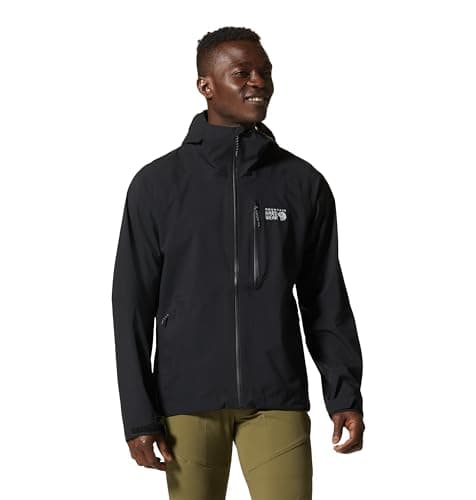
The Stretch Ozonic's stretch-ripstop shell is the choice here for hikers who prefer more give in the fabric. An adjustable hood, underarm vents, zippered chest and hand pockets, and own-pocket stow round out its feature set.
STRETCH SHELL
Mountain Hardwear Men's Stretch Ozonic Jacket
Best for: Shoppers who prefer a stretch shell and want underarm vents and zippered storage.
- Stretch-ripstop construction, underarm vents, adjustable hood and zippered pockets are listed for style 2093461.
$280.00 Price checked Oct 25, 3:41 PM CDT
Buy on AmazonProduct details
The linked men's listing's part/model number shares maker style 2093461. Maker pages describe a 2.5-layer stretch-ripstop shell with an adjustable hood, underarm vents, zippered chest and hand pockets, and hand-pocket stowage. The exact fabric trade name is omitted because the linked listing says Dry.Q while the current maker page says DrySpell.
- Maker style family
- 2093461; linked listing part/model 2093461010
- Construction
- 2.5-layer stretch ripstop shell; maker-listed for style 2093461
- Ventilation
- Underarm zip vents
- Pockets
- Zippered chest and hand pockets
- Packability
- Maker page says shell stuffs into a hand pocket
- Hood
- Adjustable hood
More strengths
- The maker describes a hand-pocket stow design.
What to check before buying
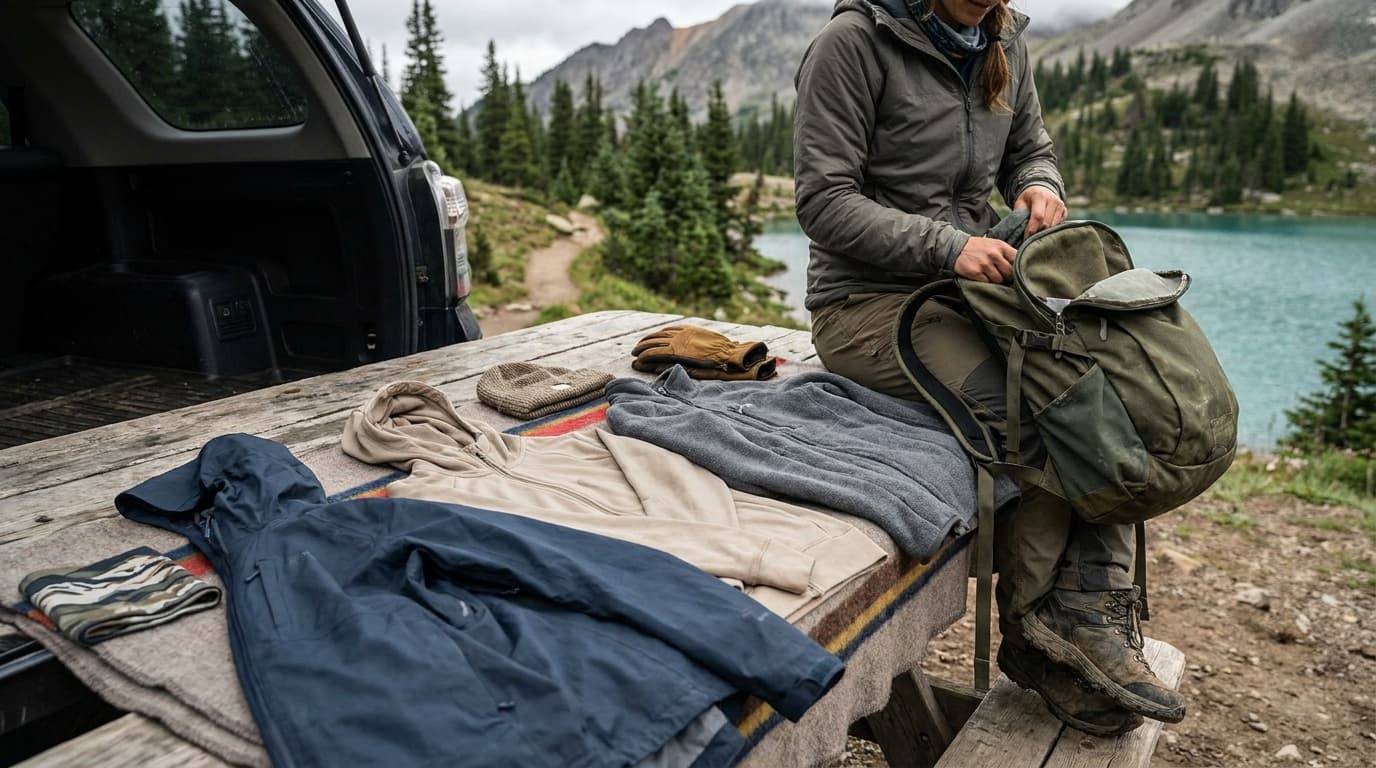
Try the jacket over the midlayer you expect to wear and raise your arms to check mobility and coverage. See whether the hood works with your usual hat or helmet, and whether the cuffs and hem adjust comfortably. Follow the care label for the exact garment; instructions can differ between styles and revisions.
Frequently asked questions
Which of these jackets should I choose?
Choose by the feature you value: the PreCip Eco has a pocket-stow design and pit zips; the women's Beta SL adds a helmet-compatible hood and RECCO reflector; the Stretch Ozonic has stretch fabric, underarm vents, and zippered storage. The picks are not ranked by comparative field testing.
Do all three jackets have underarm ventilation?
Yes. The PreCip Eco and Beta SL list pit zips; Mountain Hardwear lists underarm zip vents for the Stretch Ozonic. Each lets you open the underarm area for airflow without removing the shell.
How should I check the fit for hiking?
Try the jacket over the layers you expect to wear. Reach forward and overhead, then check that the sleeves and hem still cover you and that the hood moves with your head. Use the maker's size guide for the specific men's or women's cut.
How should I care for a rain jacket?
Follow the care instructions on that jacket's label. Don't assume two shells with the same product name have identical fabric or care requirements.
Sources
- Marmot Men's PreCip Eco Rain Jacket: Marmot's currently indexed page lists style M15881. The linked Amazon offer is Arctic Navy, XX-Large, part 41500/model 41500_F22; this page's revision-specific details are not assigned to that listing. Choose your size on the retailer page. Linked Amazon listing
- Arc'teryx Women's Beta SL, model X000010020: the linked Amazon listing is the women's Pineberry, size Large, part X000010020068/model X000010020. The maker page lists the same model. Linked Amazon listing
- Mountain Hardwear Men's Stretch Ozonic, style 2093461: the linked Amazon listing is men's Black, size XX-Large, part/model 2093461010. The listing says Dry.Q; the current maker page says DrySpell, so the formulation for this listing's revision is not specified here. Historical maker page for style 2093461 also identifies Dry.Q. Linked Amazon listing
Sorting the rest of your hiking kit? Browse all hiking gear, or read how we research and rate.
Keep going
Complete loadoutDay hike kitSeven slots for a full trail day, from the pack and water system to light and weather protection.Related guides

Our recommendations draw on manufacturer documentation, retailer listings, owner feedback, and comparisons with alternatives.
As an Amazon Associate I earn from qualifying purchases. We may earn a commission from links here, at no extra cost to you. How we research →