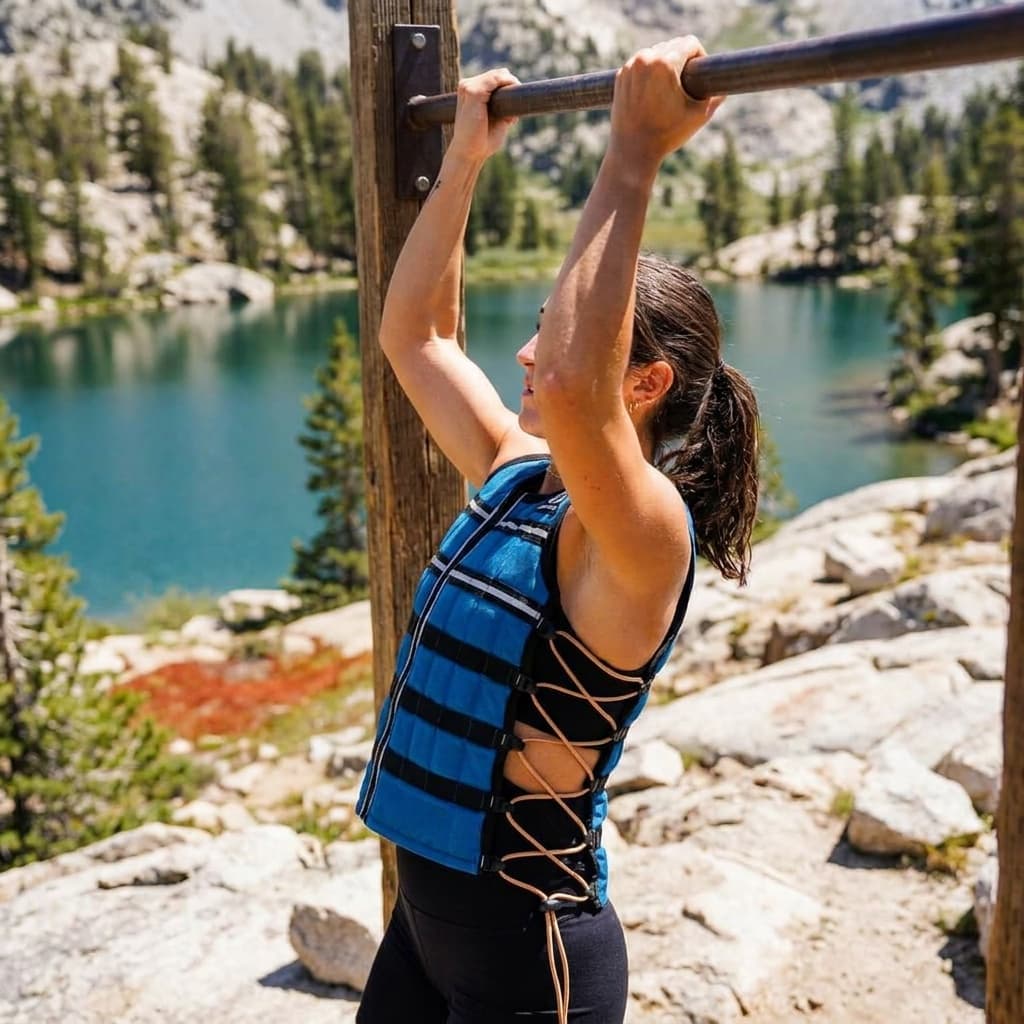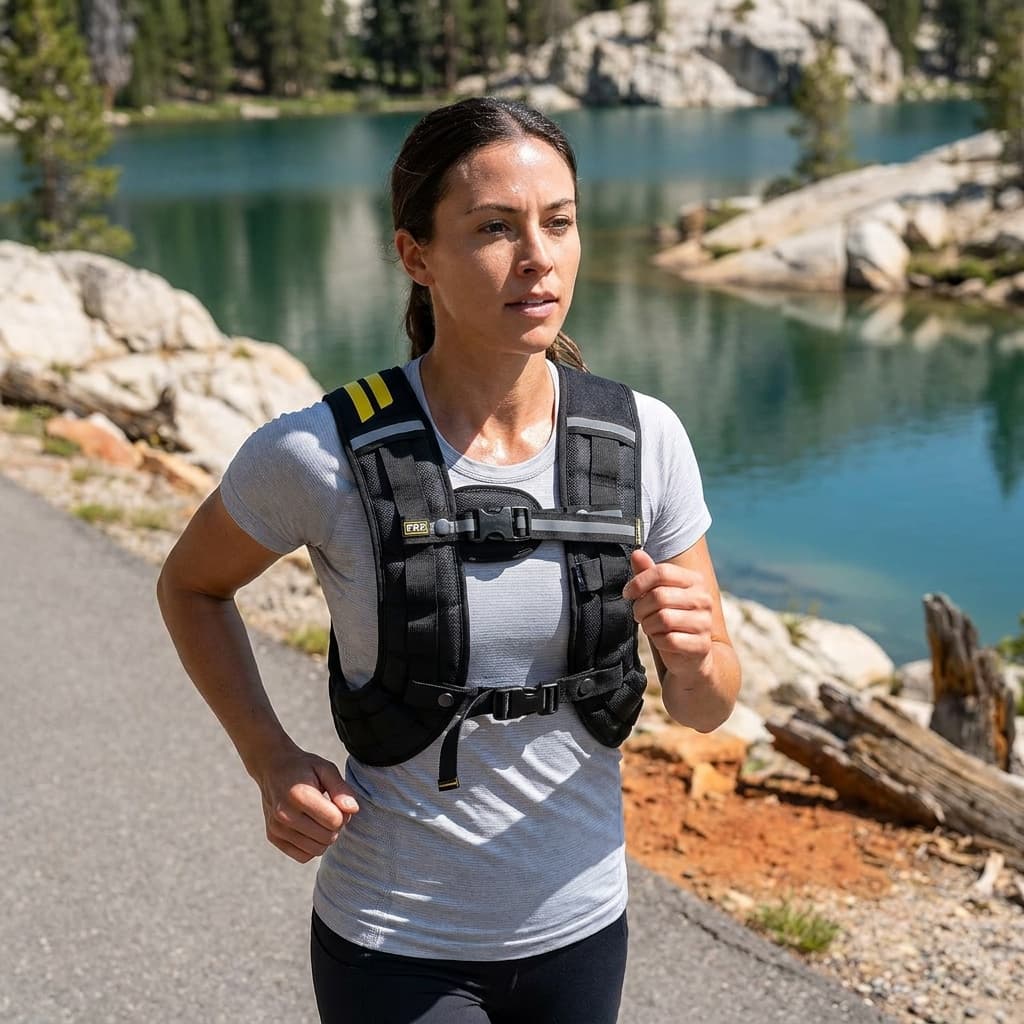
The Hyperwear HyperVest ELITE is the best adjustable weighted vest for most people because its 1 lb increments and close-fitting shell make gradual progression easier without excessive bounce. The less expensive TRX, MiR, and Sportneer alternatives trade some comfort or precision for lower prices or much higher maximum loads.
Our quick picks
Compare the picks
| Product | Kit Score | Price | Best for |
|---|---|---|---|
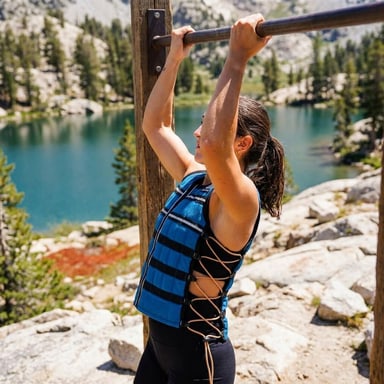
| Hyperwear HyperVest ELITE Adjustable Weighted Vest | 8.1 | $219.95 Price checked Oct 23, 6:22 AM CDT | Best for: Walkers, ruckers, and anyone doing HIIT or bone-density work who needs precise, granular load progression in a no-bounce, close-fit shell. Why it stands out: Finest weight increment available at this price: 2.25 oz per plate means you can add exactly as much load as your program calls for Tradeoff: Individual plate pockets are tight by design, which secures them well but makes adding or removing many plates at once time-consuming |
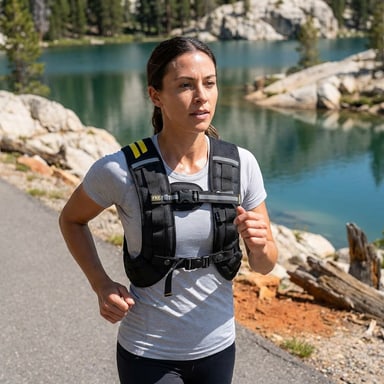
| TRX HexGrip Weight Vest (10 lb) | 8.6 | $99.95 Price checked Oct 23, 6:22 AM CDT | Best for: Progressive walkers and strength training athletes who want 1 lb adjustment granularity, a two-year warranty, and a vest that stays locked to the body through high-intensity work. Why it stands out: 1 lb increments on the 10 lb model give fine-grained progressive overload without the plate-fiddling of micro-weight designs Tradeoff: Wide shoulder straps can press against the neck during overhead pulling movements such as pull-ups |
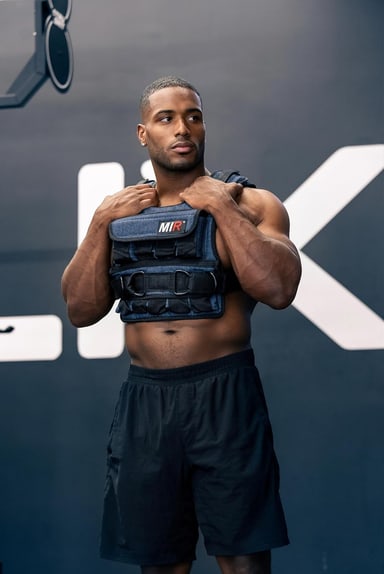
| miR Air Flow Adjustable Weighted Vest | 8.8 | $130.46 Price checked Oct 23, 6:22 AM CDT | Best for: Walkers and conditioning athletes who want easy in-session weight changes, lasting build quality, and a vest that stays put without shoulder padding on long efforts. Why it stands out: Short vest profile rides high and tight, preventing the downward shift and shoulder dig common in longer designs during calisthenics and loaded walks Tradeoff: Bulkier silhouette than compression-style or ultra-thin vests, which can limit range of motion in overhead pressing movements |
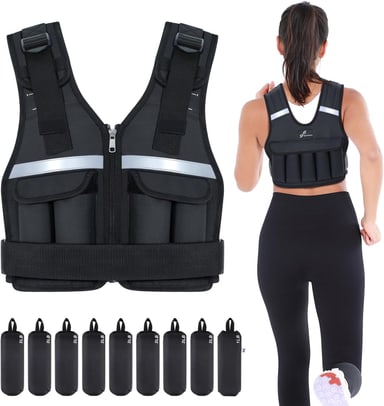
| Sportneer Adjustable Weighted Vest 2 – 18 lb | 7.4 | Check current price | Best for: Walkers and beginners who want true progressive overload from 2 lb to 18 lb, a machine-washable neoprene build, and front-zip convenience without committing to a premium price. Why it stands out: Nine distinct load settings starting from 2 lb give true beginner-friendly progressive overload at a budget price Tradeoff: 18 lb ceiling means most users will outgrow it within 6 to 12 months of consistent progressive training |
Hyperwear HyperVest ELITE Adjustable Weighted Vest
- Best for
- Walkers, ruckers, and anyone doing HIIT or bone-density work who needs precise, granular load progression in a no-bounce, close-fit shell.
- Why it stands out
- Finest weight increment available at this price: 2.25 oz per plate means you can add exactly as much load as your program calls for
- Tradeoff
- Individual plate pockets are tight by design, which secures them well but makes adding or removing many plates at once time-consuming
TRX HexGrip Weight Vest (10 lb)
- Best for
- Progressive walkers and strength training athletes who want 1 lb adjustment granularity, a two-year warranty, and a vest that stays locked to the body through high-intensity work.
- Why it stands out
- 1 lb increments on the 10 lb model give fine-grained progressive overload without the plate-fiddling of micro-weight designs
- Tradeoff
- Wide shoulder straps can press against the neck during overhead pulling movements such as pull-ups
miR Air Flow Adjustable Weighted Vest
- Best for
- Walkers and conditioning athletes who want easy in-session weight changes, lasting build quality, and a vest that stays put without shoulder padding on long efforts.
- Why it stands out
- Short vest profile rides high and tight, preventing the downward shift and shoulder dig common in longer designs during calisthenics and loaded walks
- Tradeoff
- Bulkier silhouette than compression-style or ultra-thin vests, which can limit range of motion in overhead pressing movements
Sportneer Adjustable Weighted Vest 2 – 18 lb
- Best for
- Walkers and beginners who want true progressive overload from 2 lb to 18 lb, a machine-washable neoprene build, and front-zip convenience without committing to a premium price.
- Why it stands out
- Nine distinct load settings starting from 2 lb give true beginner-friendly progressive overload at a budget price
- Tradeoff
- 18 lb ceiling means most users will outgrow it within 6 to 12 months of consistent progressive training
The numbers worth knowing before you shop
These are the figures that separate a vest you keep wearing from one you quit.
How we picked
Every vest here was scored against our Kit Score: weight-increment granularity, max load capacity, fit and bounce control, weight system (iron vs. sandbag), comfort over long sessions, and overall value. Ratings draw from verified owner reviews, manufacturer specs, and independent analysis from sources including OutdoorGearLab, Wirecutter, and category specialists. We do not claim hands-on results we did not produce.
Best overall: Hyperwear HyperVest ELITE
BEST OVERALL
Hyperwear HyperVest ELITE Adjustable Weighted Vest
Best for: Walkers, ruckers, and anyone doing HIIT or bone-density work who needs precise, granular load progression in a no-bounce, close-fit shell.
- Finest weight increment available at this price: 2.25 oz per plate means you can add exactly as much load as your program calls for
- Individual plate pockets are tight by design, which secures them well but makes adding or removing many plates at once time-consuming
Kit Score 8.1/10 · $219.95 Price checked Oct 23, 6:22 AM CDT · how we score gear
Buy on AmazonProduct details
The HyperVest ELITE uses hundreds of 2.25 oz galvanized steel plates distributed across the full front and back of the vest, enabling granular progressive overload that no sandbag-pocket design can match. Its stretch CORDURA shell hugs the torso like a compression layer, keeping weight from shifting during walking, running, or loaded strength work.
- Weight range
- 10 – 20 lb (25 lb on XL)
- Increment granularity
- 2.25 oz per steel plate (micro-loading)
- Weight system
- Galvanized steel plates in individual vest pockets
- Fabric
- Stretch CORDURA nylon (waterproof, non-porous)
- Sizing
- S / M / L / XL; front zipper closure with elastic side lacing
- Warranty
- 1 year
More strengths
- Form-fitting CORDURA shell virtually eliminates bounce, even at a brisk walk or light run
- Breathable and machine washable (remove plates first); wears closer to athletic apparel than a gear harness
Other tradeoffs
- 20 lb ceiling (25 lb on XL) limits usefulness for athletes who need heavier loaded carries
The HyperVest ELITE earns the top spot for a combination of reasons that no other vest in this tier matches at once: genuine 1 lb steel-shot increments, a four-way stretch neoprene-blend shell that compresses against your torso like a base layer, and a cut short enough to stay completely clear of your hips through a full range of motion.
The stretch fabric is the defining feature. Most weighted vests sit on your shoulders and chest like a plate carrier and can migrate during movement. The ELITE uses a woven stretch material (Hyperwear calls it a "stretch mesh shell") that cinches the vest at the sternum and sides. Owner feedback commonly describes low bounce, but fit still depends on torso shape, size selection, and load.
Increments run from 1 to 2 lb steel-shot packs that slide into individual pockets. The 20 lb model ships with 20 pockets and 20 packs. You add or remove packs in under two minutes, which means you can genuinely adjust load for different sessions rather than buying a second vest. The pockets distribute weight across the front and back in equal columns, keeping the load balanced rather than biased toward the chest.
At $250–$280 it is the most expensive vest here. The price buys the fit system and the granularity; if you do not need sub-2 lb increments or a form-fitting shell, the MiR or Sportneer are the better calls. The ELITE best fits programs that need small load changes and low profile, including high-rep bodyweight work and progressive loaded walking.
Best for: walkers, ruckers, and anyone doing HIIT who needs precise load progression in a close-fit shell.
Editor's choice: TRX HexGrip Weight Vest
EDITOR'S CHOICE
TRX HexGrip Weight Vest (10 lb)
Best for: Progressive walkers and strength training athletes who want 1 lb adjustment granularity, a two-year warranty, and a vest that stays locked to the body through high-intensity work.
- 1 lb increments on the 10 lb model give fine-grained progressive overload without the plate-fiddling of micro-weight designs
- Wide shoulder straps can press against the neck during overhead pulling movements such as pull-ups
Kit Score 8.6/10 · $99.95 Price checked Oct 23, 6:22 AM CDT · how we score gear
Buy on AmazonProduct details
The TRX HexGrip uses patented Hex Node texture and a full wrap-around torso shell to distribute 1 lb removable metal bars evenly across the body, producing one of the lowest bounce profiles of any adjustable vest in independent testing. The 10 lb model is available on Amazon; the 20 lb and 40 lb versions sell from $269.95 on trxtraining.com.
- Weight range
- 10 lb (this Amazon ASIN); 20 lb and 40 lb available on trxtraining.com
- Increment granularity
- 1 lb per bar (10 lb model); 2 lb per bar (40 lb model)
- Weight system
- Removable metal bars in neoprene pockets, front and back
- Fabric
- PU-coated outer shell; neoprene foam + Taslan polyester interior
- Fit system
- Multi-adjustable shoulder and waist straps; wrap-around torso design; 1.55 lb vest weight
- Warranty
- 2 years
More strengths
- Full wrap-around shell and Hex Node surface lock the vest to the torso: OutdoorGearLab rates it 91/100 overall in the weighted vest category
- 2-year warranty and HSA/FSA eligibility set it apart from most competitors at this price
Other tradeoffs
- Neoprene interior traps heat in warm conditions more than a mesh or CORDURA alternative
The TRX HexGrip earns the Editor's Choice by delivering 1 lb adjustment granularity at $99.95 for the 10 lb entry model, with an upgrade path to 20 lb and 40 lb versions for athletes who need room to grow. That price-to-granularity ratio is the best in the category.
The HexGrip system uses a hex-textured rubber coating over the weight plates, which serves two functions: it prevents the plates from shifting inside the pockets during movement, and it gives the vest a slightly more compliant feel against the body than bare iron. The cut is fitted through the torso with adjustable side straps; TRX designed it to work across pull-ups, push-ups, and loaded carries without riding up or rotating.
The two-year warranty is a genuine differentiator at this price point. Most budget and mid-range vests carry 30-to-90-day coverage. TRX's warranty covers manufacturing defects for 24 months, which matters on a product where stitching and zipper hardware take real stress loads.
The 10 lb version is the right starting point for progressive walkers and anyone returning to loaded training. The 20 lb and 40 lb versions (available via TRX direct from $269.95) keep the same weight system and body geometry, so you are not relearning a new fit when you scale up.
Best for: progressive walkers and strength training athletes who want 1 lb adjustment granularity, a two-year warranty, and a vest that stays locked to the body through high-intensity work.
Granularity is the variable most buyers overlook: a vest that only adjusts in 4 lb increments cannot match a progressive overload program that calls for adding 1 lb per week.
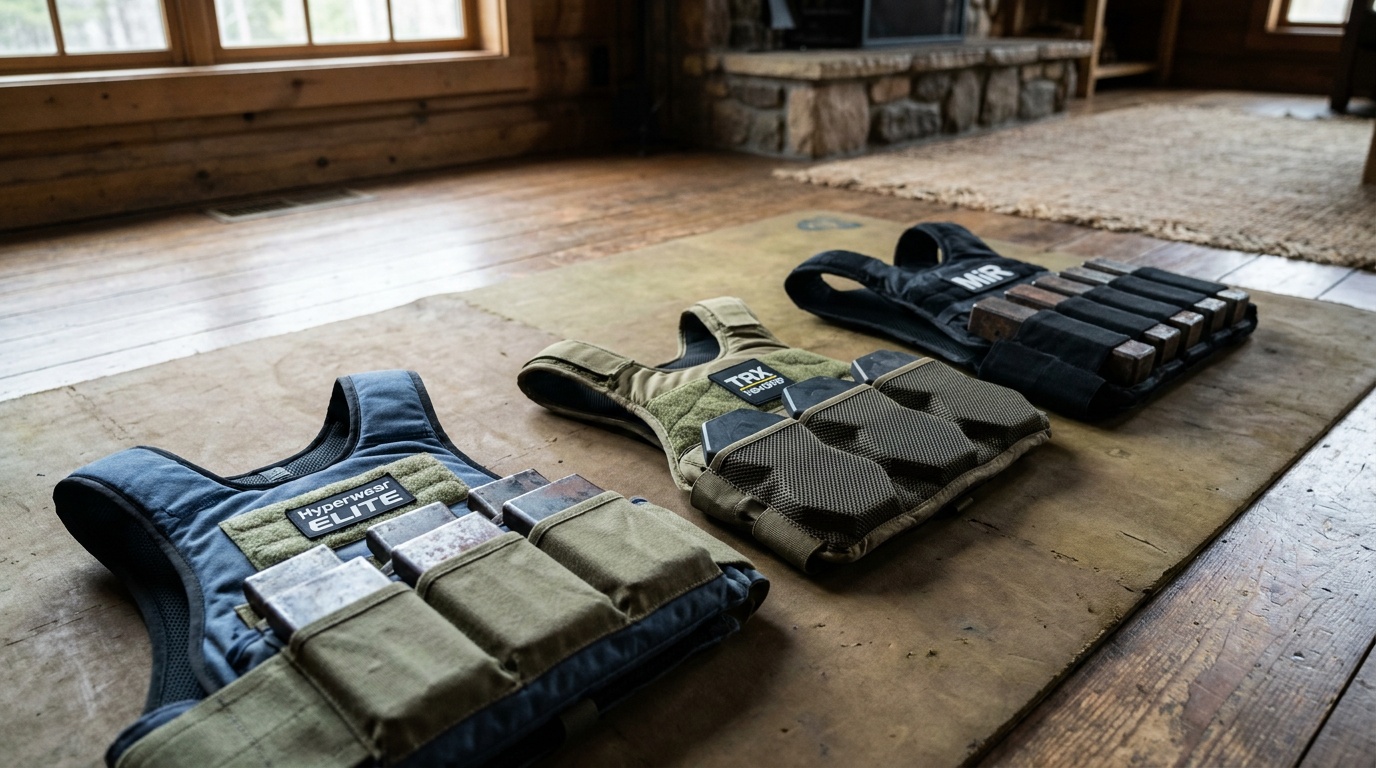
Best value: MiR Air Flow Adjustable Weighted Vest
BEST VALUE
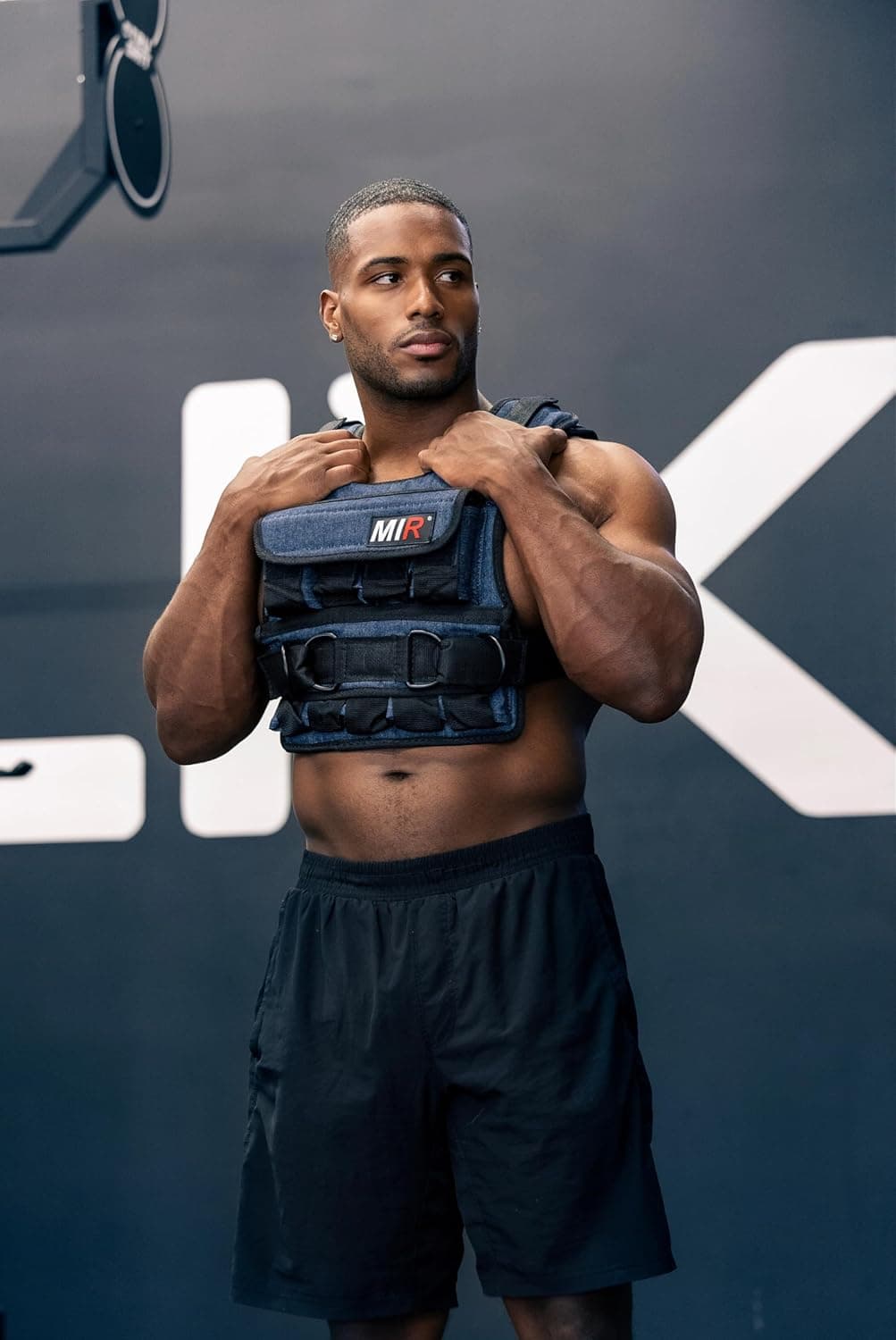
miR Air Flow Adjustable Weighted Vest
Best for: Walkers and conditioning athletes who want easy in-session weight changes, lasting build quality, and a vest that stays put without shoulder padding on long efforts.
- Short vest profile rides high and tight, preventing the downward shift and shoulder dig common in longer designs during calisthenics and loaded walks
- Bulkier silhouette than compression-style or ultra-thin vests, which can limit range of motion in overhead pressing movements
Kit Score 8.8/10 · $130.46 Price checked Oct 23, 6:22 AM CDT · how we score gear
Buy on AmazonProduct details
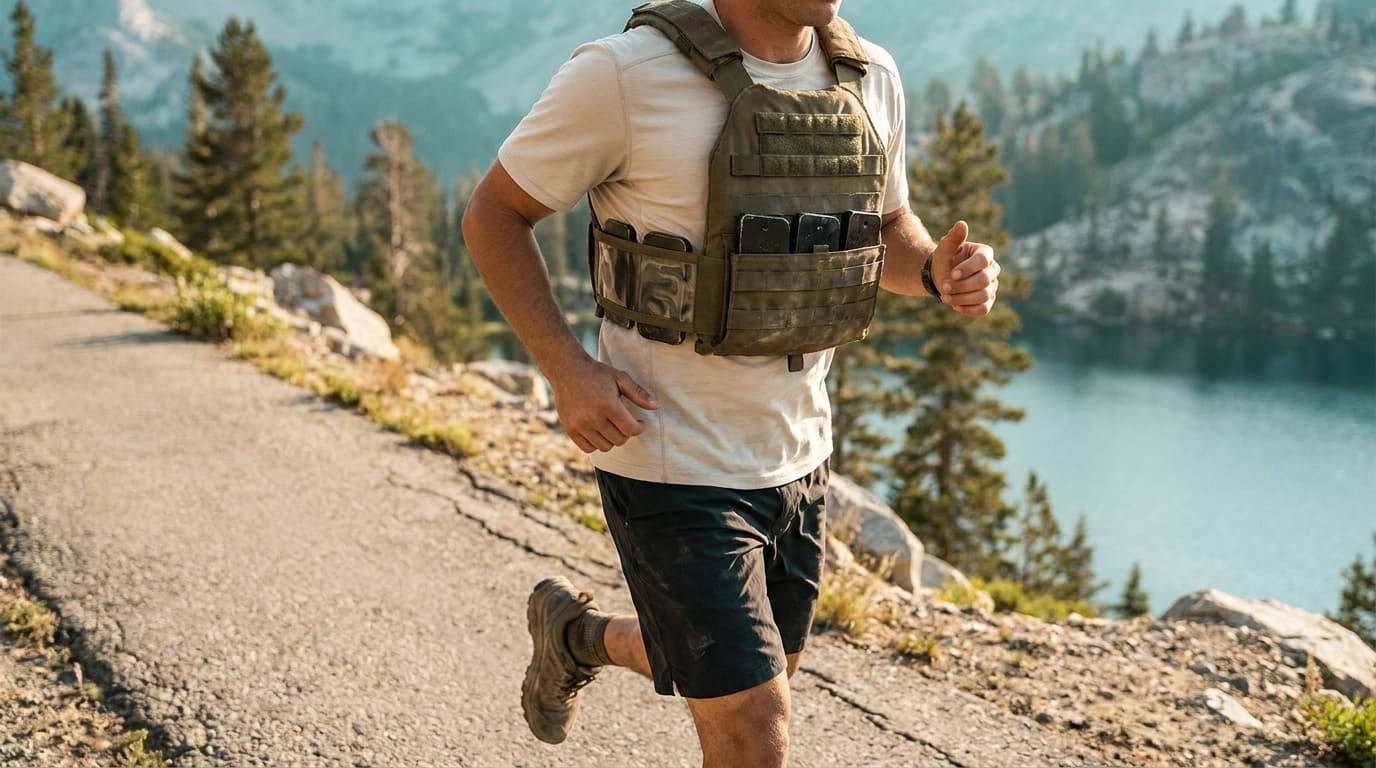
The miR Air Flow uses a compact, torso-hugging cut and removable 3 lb solid iron weights to keep load close to center of gravity, which is the core reason it earns the top slot. miR describes the shell as a hybrid material meant to keep you cooler than the hard, scratchy fabric on many vests, which helps on long walks and outdoor conditioning sets.
- Weight range
- Sold at 20, 30, 40, 50, or 60 lb, or vest only; 60 lb max
- Fill type
- Removable 3 lb solid iron weights
- Design
- Small, compact cut built for cardio, per miR
- Adjustability
- Adjustable belt and shoulder strap
- Washability
- Machine washable (remove weights first)
- Warranty
- Lifetime
More strengths
- Removable 3 lb bars allow repeatable load changes without replacing the vest
- Machine-washable construction and a lifetime warranty give long-term owners real confidence in the buy
Other tradeoffs
- Lightest loaded configuration is 20 lb, so beginners should remove weights to start near 5% of body weight
The MiR Air Flow covers the capacity range no other vest in this roundup can touch: 20 lb to 60 lb in the same vest, using solid iron weight bars rather than sandbags. For intermediate and advanced athletes who have outgrown the 20 lb ceiling of the ELITE or HexGrip, the MiR is the only option here that scales with them.
Iron bars are the right call at this load range. Sandbag vests in the 30–60 lb category have documented issues with bag compression and shifting over time; verified owners report that the bags flatten unevenly after several months of regular use and that weight distribution becomes less predictable. The MiR's solid bars maintain consistent weight and position throughout the vest's lifespan.
The Air Flow design cuts mesh panels into the vest body to reduce heat retention, which matters considerably on long-duration carries and outdoor sessions. The short cut (stopping well above the hip) keeps the vest from interfering with squats, deadlifts, lunges, and step-ups. A zipper option is available for easier on/off under load.
At $105–$180 depending on configuration, the MiR offers more maximum capacity per dollar than the Hyperwear ELITE. The trade-off is increment size: the manufacturer lists each removable solid-iron weight at 3 lb, not 2.5 lb, so it cannot make the 1 lb changes available on the most granular alternatives.
Best for: intermediate athletes who need a 20–60 lb adjustable range, want solid iron weights over sandbags, and prefer a short cut that stays clear during compound movements and walking.
Best budget: Sportneer Adjustable Weighted Vest 2–18 lb
BEST BUDGET
Sportneer Adjustable Weighted Vest 2 – 18 lb
Best for: Walkers and beginners who want true progressive overload from 2 lb to 18 lb, a machine-washable neoprene build, and front-zip convenience without committing to a premium price.
- Nine distinct load settings starting from 2 lb give true beginner-friendly progressive overload at a budget price
- 18 lb ceiling means most users will outgrow it within 6 to 12 months of consistent progressive training
Kit Score 7.4/10 · Check current price · how we score gear
Buy on AmazonProduct details
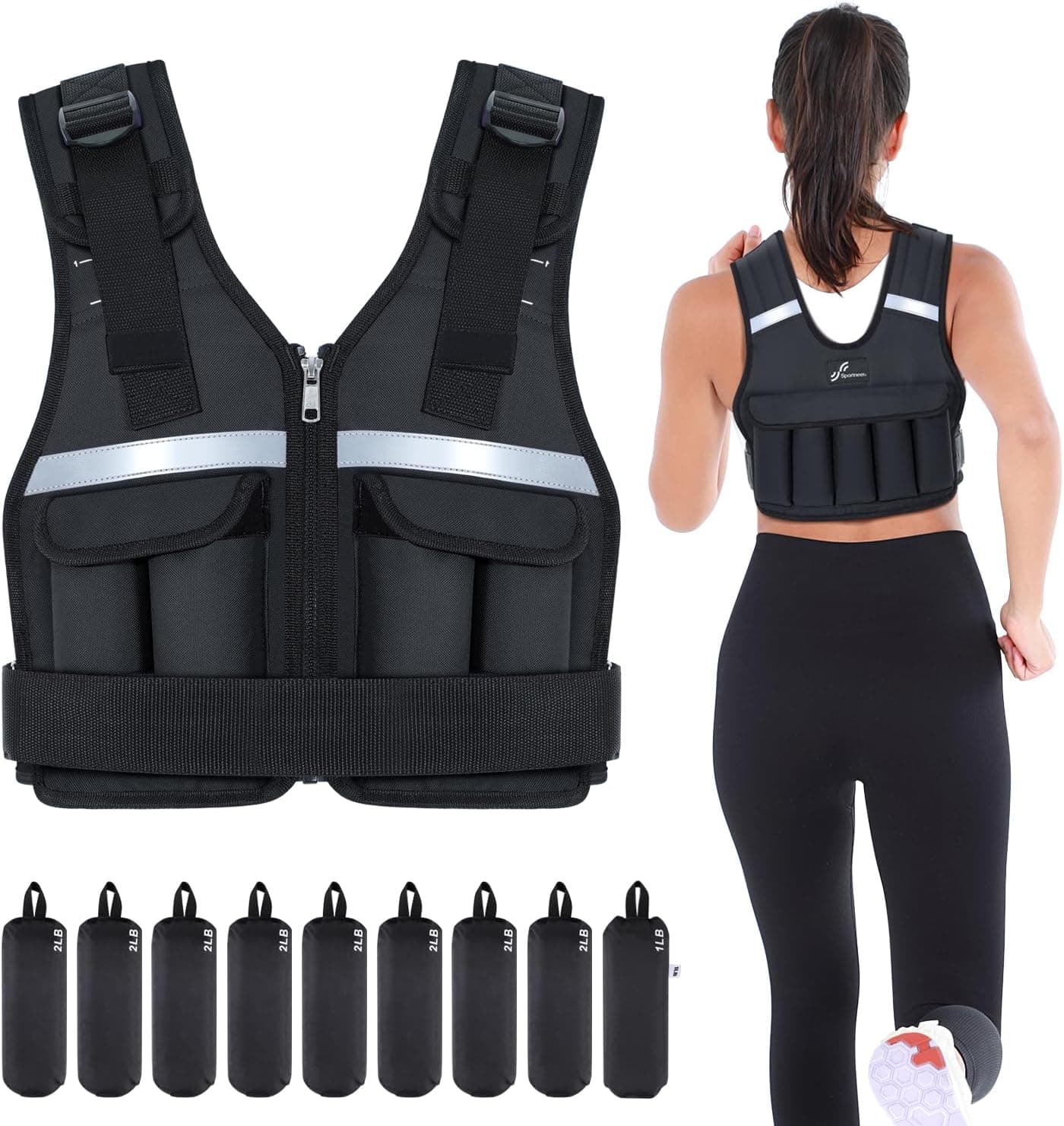
The Sportneer 2-18 lb vest offers nine discrete weight settings in 2 lb steps (plus a 1 lb fine-tune pack), making it the most granular entry-level option for walkers and beginners building toward loaded exercise. Neoprene construction and a front zip keep it comfortable across shorter daily sessions.
- Weight range
- 2 – 18 lb (9 steps: 2, 4, 6, 8, 10, 12, 14, 16, 18 lb)
- Increment granularity
- 8 packs at 2 lb each, plus one 1 lb pack
- Weight system
- Iron-sand pouches in front (4) and back (5) pockets
- Fabric
- Neoprene (skin-friendly, sweat-absorbent, machine washable)
- Fit system
- Front zip closure; double shoulder and waist lock straps; reflective strips
- Colors available
- Black, Navy, Purple, Gray, Pink
More strengths
- Balanced front and back pocket layout (4 front, 5 back) keeps weight distribution even and reduces lower back fatigue on walks
- Machine washable neoprene with reflective strips adds practical value for daily walkers who go out early or late
Other tradeoffs
- Neoprene retains more heat than CORDURA or mesh alternatives; owners report mild chafing at higher intensities without a base layer
The Sportneer 2–18 lb vest is the most accessible entry point to progressive loaded walking without meaningful compromises on the features that matter most at the beginner level. It starts at 2 lb, adjusts in small increments across an 18 lb range, uses a neoprene construction that is machine-washable, and opens with a front zip for easy on/off.
The neoprene shell is the main structural choice to understand. Neoprene is softer and more flexible than the woven fabrics used on higher-tier vests, which makes the Sportneer more forgiving on the skin during longer walks. The trade-off is breathability: neoprene traps heat more than mesh or stretch-woven fabrics, so it is better suited for cooler-weather outdoor use or climate-controlled indoor sessions than summer midday walks.
Weight packets are small iron-sand units that distribute across front and back pockets in the vest body. Adjustment is not quite 1 lb per step (packets ship in approximately 1 lb units, but the exact increment depends on the configuration), but it is close enough to support week-over-week progressive walking programs.
At $50–$80 it is the only vest here under $100 that can genuinely be described as adjustable from a starting weight. Many budget vests in this price range are fixed-weight or have only two or three increments. The Sportneer's range makes it a real progressive overload tool for beginners, not just a cheap fixed vest with a marketing label.
Best for: walkers and beginners who want true progressive overload from 2 lb to 18 lb, a machine-washable neoprene build, and front-zip convenience without committing to a premium price.
How to choose the right adjustable weighted vest
The right vest depends on your current load, your target load, and how you plan to progress.
Four questions to narrow your choice
What is your starting load and where do you want to be in six months?
Beginners adding load to walking programs need fine increments (1 lb or less) at a low starting weight. Athletes adding load to strength circuits need a higher max capacity. Match the vest's range to your actual programming, not a theoretical ceiling.
Plate pockets or sandbags?
Solid iron bars and plates (MiR, TRX) hold their weight and shape indefinitely. Sandbag and steel-shot packs (Hyperwear, Sportneer) are softer and conform better to the body. For loads under 20 lb where fit matters most, shot packs win. For loads above 30 lb where structural integrity matters, solid iron wins.
Will you wear it for 30-minute sessions or two-hour-plus carries?
Short HIIT sessions tolerate almost any vest. Long rucking and walking sessions reward close-fitting, low-bounce designs with even front-to-back load distribution. The Hyperwear ELITE is the specific answer for two-hour-plus carries; the MiR Air Flow is the answer for high-load two-hour sessions.
How often will you adjust the load?
If you adjust infrequently, the MiR's 3 lb bars may be workable. If your program calls for microloading, only vests with roughly 1 lb increments, such as the Hyperwear ELITE and TRX HexGrip, can make those smaller changes.
FAQ
What weight should I start with in a weighted vest for walking?
Around 5% of bodyweight is the conservative editorial starting estimate used by Kit Authority, not a clinically proven safe dose. For a 160 lb person, that estimate is 8 lb. Use the weighted-vest sizing calculator to see the assumptions, then choose a vest whose minimum load and increments can match that plan.
Are plate pockets or sandbag pockets better in an adjustable weighted vest?
Both work, but for different use cases. Steel shot packs and sandbag-style pockets (Hyperwear ELITE, Sportneer) conform to the body better and distribute pressure more evenly, which matters most for comfort over long sessions and for close-fit designs. Solid iron bars and plates (MiR, TRX) hold their weight consistently over time and do not flatten or shift the way softer weight media can at high loads. For loads under 20 lb, shot packs are the more comfortable choice. For loads above 30 lb, solid iron is the more reliable choice.
Can I wear a weighted vest for walking every day?
There is no universal evidence-based daily schedule. Start with unweighted or rest days between loaded sessions, keep gait and posture normal, and change only one variable at a time. The 2025 INVEST trial studied prolonged daily vest use in older adults during weight loss, but it did not prevent hip bone loss and should not be used as a general daily-walking prescription.
Looking for more fitness gear guidance? Inspect the weighted vest research index, browse the full fitness hub, or read how we research and rate gear.
Keep going
Complete loadoutWeighted-vest starter kitA beginner setup that pairs an adjustable vest with shoes, socks, and tracking for a repeatable walking routine.Free tool: Which Vest? Quiz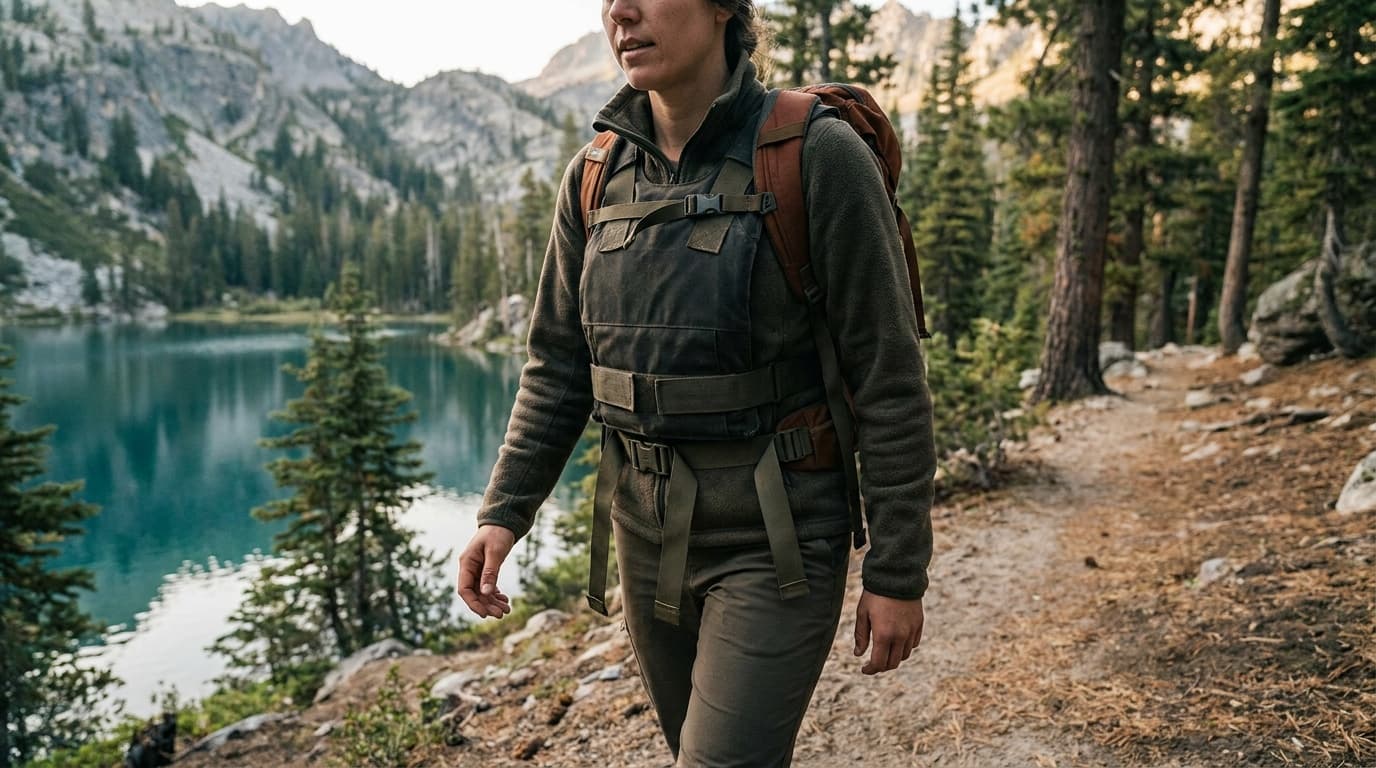
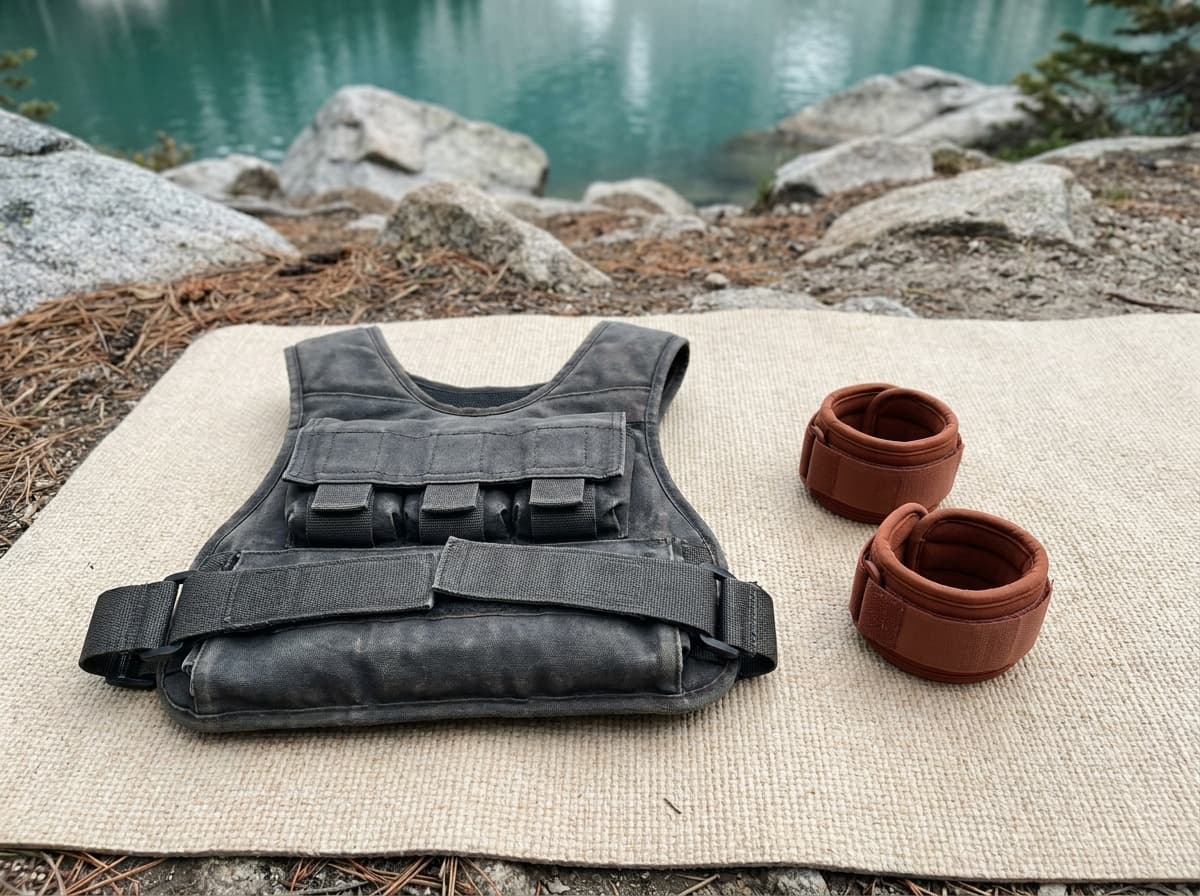
Our recommendations draw on manufacturer documentation, retailer listings, owner feedback, and comparisons with alternatives.
As an Amazon Associate I earn from qualifying purchases. We may earn a commission from links here, at no extra cost to you. How we research →