We may earn a commission from links on this page, at no extra cost to you.
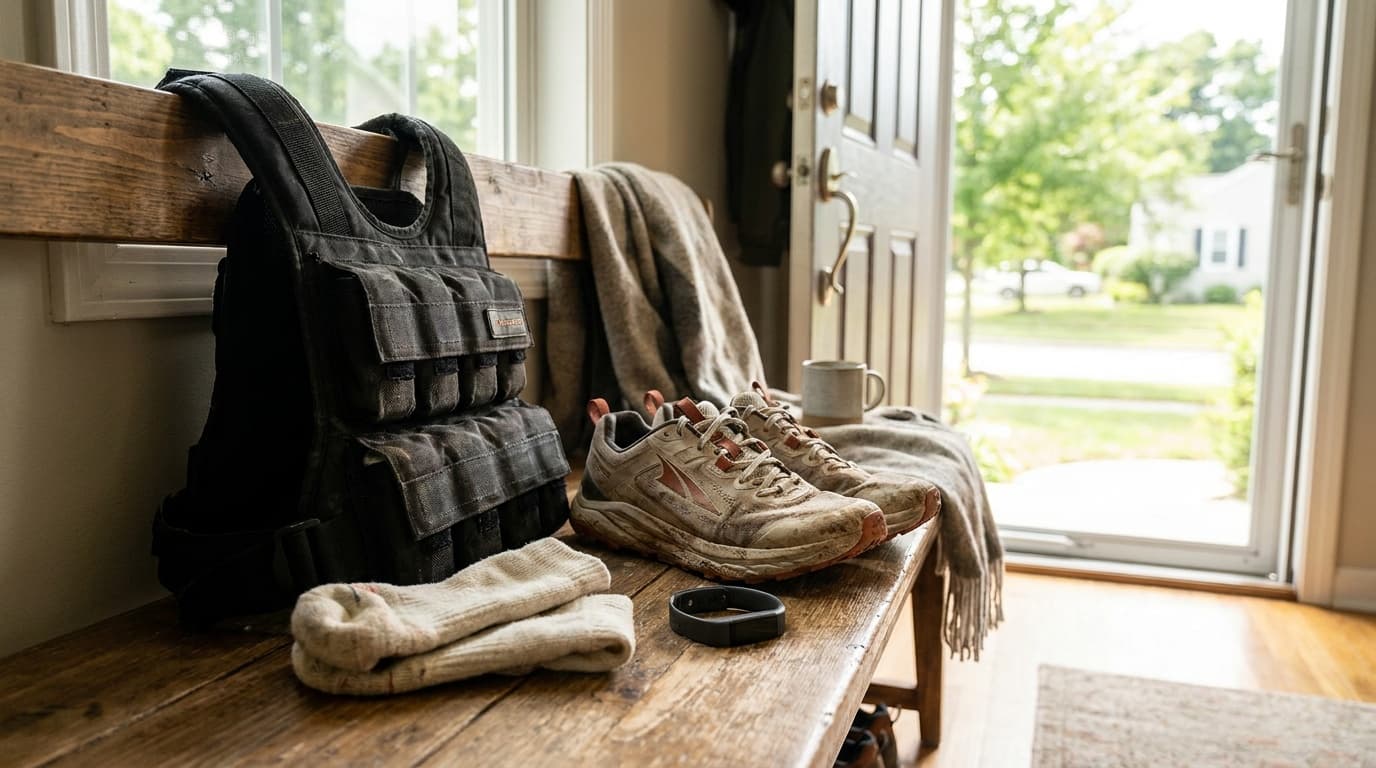
Starting weighted vest walking takes four pieces of gear, and only one of them is the vest. This kit covers the whole setup: the vest, the shoes, the socks, and the tracker, plus the two things beginners buy too early.
Build the complete kit
Your weighted-walking setup
Four core pieces create a repeatable walking routine. Buy the vest first; the recovery tool can wait until weekly volume increases.
Gear links open current retailer listings. Price bands are planning ranges; prep steps stay on this page.
Load
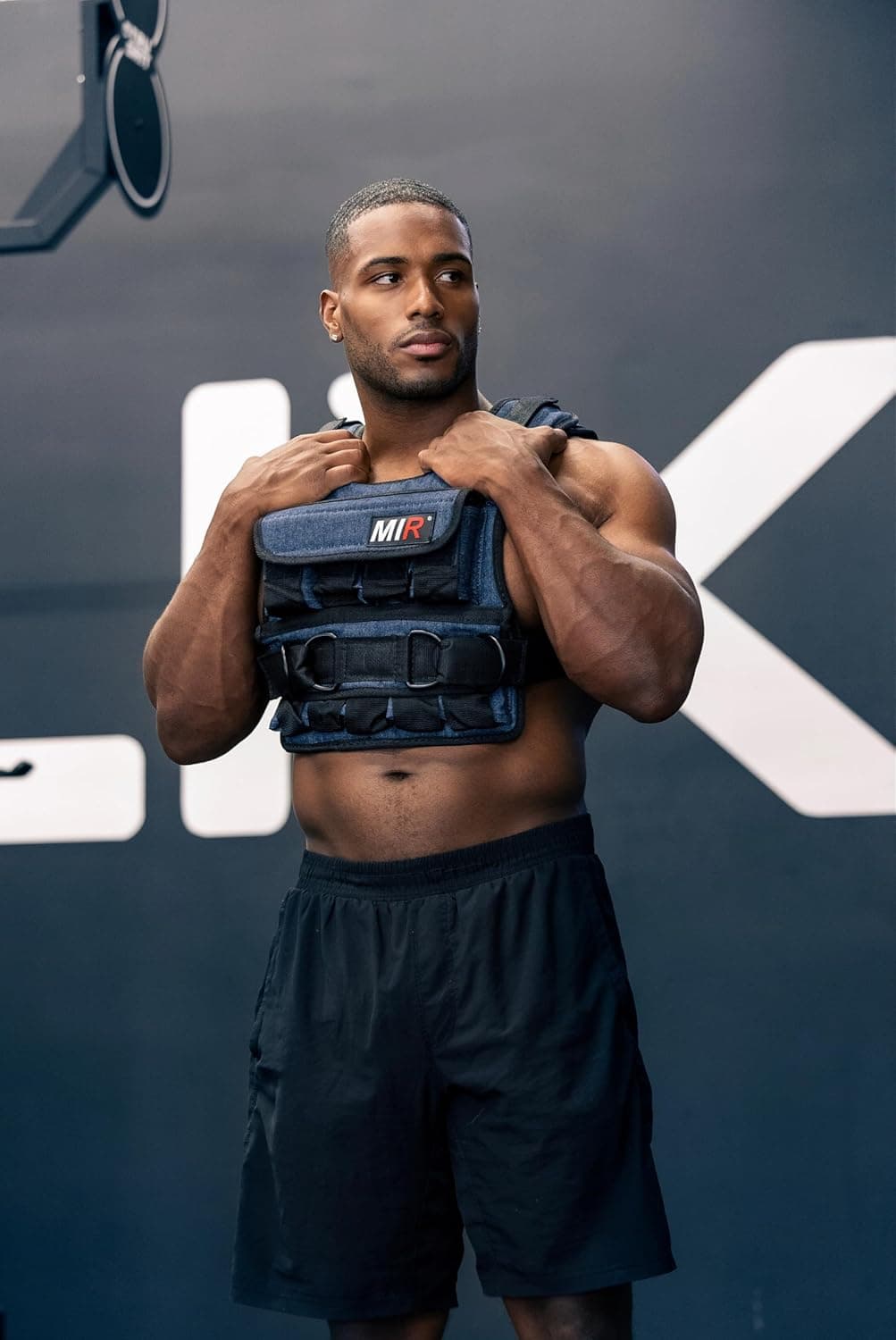
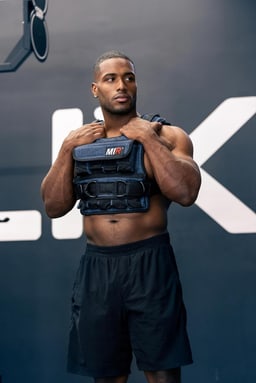
miR Air Flow Adjustable Weighted Vest
An adjustable vest that lets a beginner start light and progress gradually.
Kit Score 8.8/10 · Check current price
Shoes
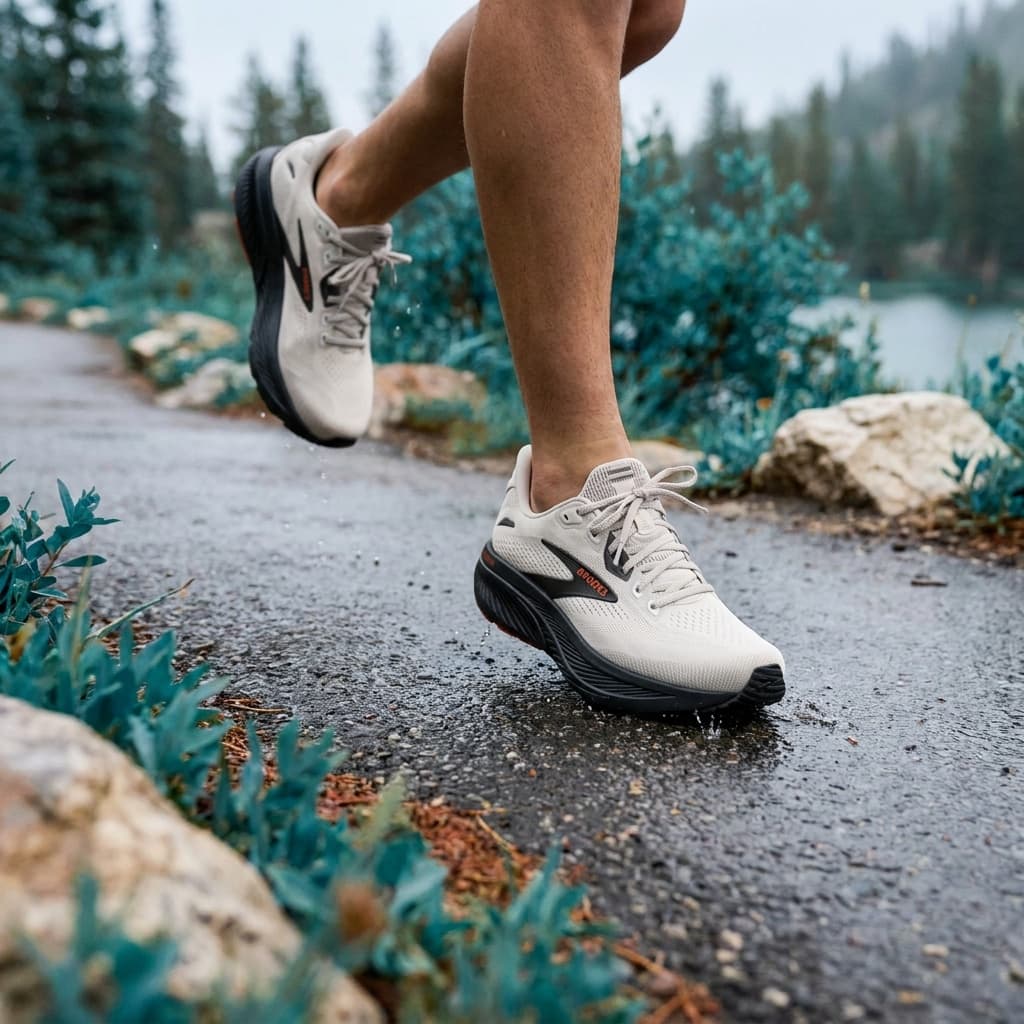
Brooks Ghost 18
A stable daily trainer with enough cushioning for loaded walking.
Kit Score 8.8/10 · Check current price
Socks
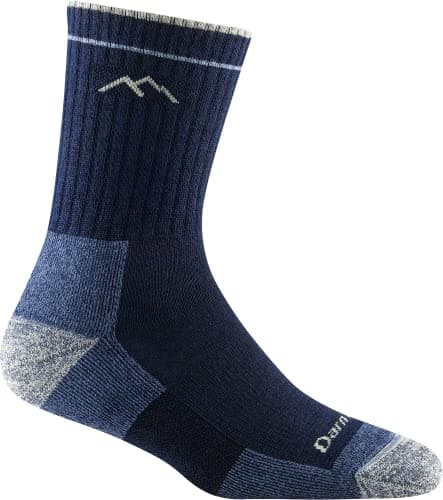
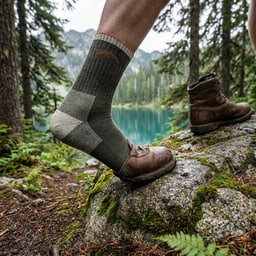
Darn Tough Hiker Micro Crew Midweight with Cushion
Moisture-managing socks that reduce friction as the walk gets longer.
Kit Score 8.9/10 · Check current price
Tracking
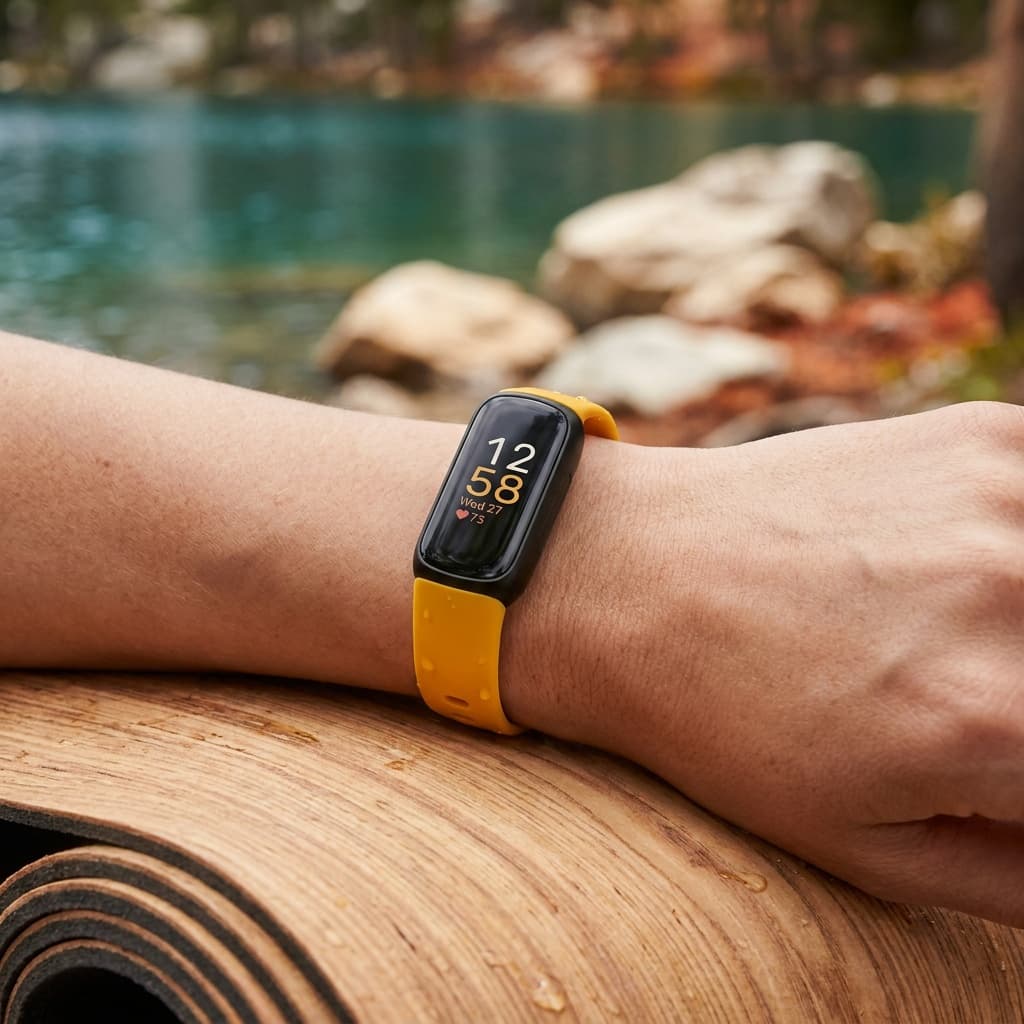
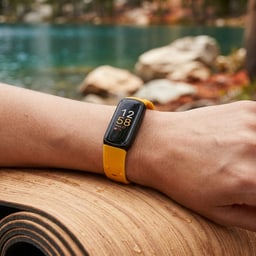
Fitbit Inspire 3
A simple way to track time, distance, and recovery without turning the walk into a spreadsheet.
Kit Score 8.0/10 · Check current price
Recovery · Optional
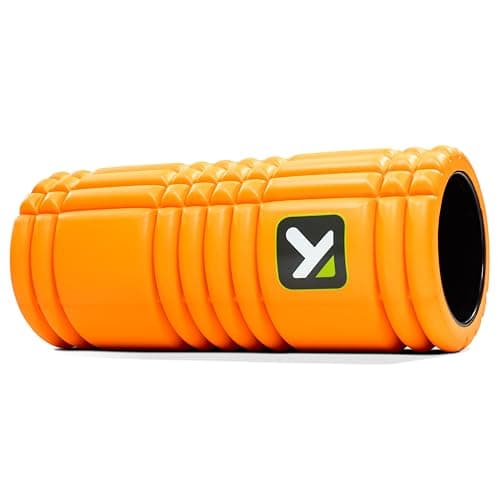
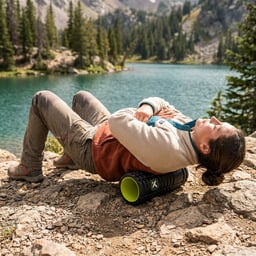
TriggerPoint Grid 1.0 Foam Roller
A compact roller for calves, quads, and glutes after higher-volume weeks.
Kit Score 8.8/10 · Check current price
Who this kit is for
This kit is built for someone starting weighted vest walking from scratch: daily walks, rucking-style neighborhood loops, treadmill sessions, or the "carry weight, walk more" protocols that keep showing up in bone density and body composition research. It assumes no existing gear beyond regular workout clothes.
If you already own a vest and want to optimize the rest, jump to the shoes and socks sections. If you are still deciding whether vest walking fits your goals at all, the guide to weighted vest walking for beginners covers the evidence and the technique before you spend anything.
Total cost lands between $250 and $350 depending on the vest you choose. That is not cheap, but every item here survives years of use, and three of the four pieces (shoes, socks, tracker) upgrade your regular walking whether or not the vest habit sticks.
The vest: one adjustable vest can cover gradual progress
THE VEST
miR Air Flow Adjustable Weighted Vest
The miR Air Flow uses a compact, torso-hugging cut and removable 3 lb solid iron weights to keep load close to center of gravity, which is the core reason it earns the top slot. miR describes the shell as a hybrid material meant to keep you cooler than the hard, scratchy fabric on many vests, which helps on long walks and outdoor conditioning sets.
Best for: Walkers and conditioning athletes who want easy in-session weight changes, lasting build quality, and a vest that stays put without shoulder padding on long efforts.
- Short vest profile rides high and tight, preventing the downward shift and shoulder dig common in longer designs during calisthenics and loaded walks
- Removable 3 lb bars allow repeatable load changes without replacing the vest
- Bulkier silhouette than compression-style or ultra-thin vests, which can limit range of motion in overhead pressing movements
Kit Score 8.8/10 · Check current price · how we score gear
Buy on AmazonThe single most common buying mistake is choosing the weight that sounds impressive rather than one that preserves normal gait and posture. The miR Air Flow uses removable 3 lb bars, so its load can change without replacing the vest.
Why this vest leads the category:
- Removable 3 lb weight bars provide defined increments. Add only the smallest increment that can remain evenly distributed and only while symptom-free.
- Airflow fabric is designed to manage heat better than a solid shell during longer walks.
- One-size shoulder and belt adjustment fits most builds without the bounce that plagues cheaper vests at walking pace.
The full breakdown is in the miR Air Flow review. If the price stings, the CAP Barbell 20 lb adjustable vest delivers the same adjustable concept for far less, with rougher finishing. If comfort under clothing is the priority, the Hyperwear Hyper Vest Pro carries thin steel weights in a snug, low-profile shell that moves with you. The complete field is ranked in the best weighted vests roundup, with dedicated guides for budget picks and adjustable models.
How much weight to start with: around 5% of bodyweight is a conservative starting point used in this guide, not a universal clinical standard. Choose a load that preserves normal gait and posture, and individualize progression. The vest weight calculator provides a planning estimate, while how much a weighted vest should weigh explains the tradeoffs.
Walking shoes: the vest multiplies every cushioning flaw
THE SHOES
Brooks Ghost 18
Brooks officially markets the Ghost 18 as a Neutral Running and Walking Shoe, and the tagline holds up: its DNA Loft v3 midsole, 10mm drop, and wide-width lineup (narrow through 4E) make it the most walker-friendly general-purpose shoe in this roundup. The Ghost line has logged 18 generations because it reliably delivers a stable, cushioned ride that works from a 20-minute morning walk to a full day on pavement. The Ghost 18 carries both the APMA Seal of Acceptance and PDAC A5500 Diabetic footwear certification.
Best for: Daily fitness walkers who want a proven, durable, width-inclusive shoe that transitions from neighborhood walks to the gym without fuss.
- Men's version comes in four widths, narrow (1B) through extra wide (4E), so it fits a wide range of foot shapes
- 10mm drop and stable neutral platform suit heel-strike walkers who log miles daily without specialty support needs
- Forefoot cushioning is firmer and lower-stack than the Clifton 10 or 1080v14, so heavier walkers or those with joint sensitivity may want more underfoot volume
Kit Score 8.8/10 · Check current price · how we score gear
Buy on AmazonAdded load increases mechanical and cardiovascular demand, but the response varies by person, pace, surface, footwear, and health history. Use shoes that are already comfortable for walking and stop if the vest changes your gait or produces pain.
The Brooks Ghost 18 is the default recommendation for weighted walking for the same reasons it dominates general walking-shoe lists: a stable, neutral platform, soft-but-not-mushy midsole foam, and a fit that accommodates the slightly flatter, heavier stride a vest produces. It is a road running shoe by design, which means it is built for repetitive forward motion under load.
Two practical fit notes:
- Follow the shoe maker's fit guidance. Do not prescribe a half-size change solely because you are adding a vest.
- Replace shoes based on wear, comfort, and support. A universal 300- to 400-mile rule cannot account for the shoe, surface, gait, or walker.
Alternatives at different price points, including max-cushion and budget options, are compared in the best walking shoes roundup.
Socks: a low-cost comfort upgrade
THE SOCKS
Darn Tough Hiker Micro Crew Midweight with Cushion
The 1466 earns its reputation across tens of thousands of thru-hiker miles: a tight merino knit with just enough midweight cushion to absorb trail impact without adding volume in a snug boot. The unconditional lifetime warranty removes the durability question entirely.
Best for: Hikers who want one sock that handles everything from summer day hikes to week-long backpacking trips and expect it to last for years.
- Goldilocks cushion level works for day hikes and multi-week backpacking without sizing up footwear
- Lifetime warranty with a real no-hassle replacement policy makes the per-wear cost competitive over time
- Some owners note the fit runs slightly large and recommend sizing down
Kit Score 8.9/10 · Check current price · how we score gear
Buy on AmazonExtra load means extra friction inside the shoe, and cotton socks turn that friction into blisters with impressive speed. Merino wool socks are the fix: they manage moisture, cushion the footbed, and resist odor across multiple wears.
The Darn Tough Hiker Micro Crew is the standard pick because of the density of its cushioning and a lifetime warranty that is genuinely honored: wear a pair through and the company replaces them. Two or three pairs cover a daily walking habit with laundry slack.
This is a $20-$25 line item that can improve moisture management and comfort. More options, including thinner summer weights, are in the best hiking socks guide.
The tracker: a simple band beats a smartwatch here
THE TRACKER
Fitbit Inspire 3
The Inspire 3 is the lightest, most wrist-friendly tracker in this group and came within 41 steps of a hand-tallied 7,000 in a published Tom's Guide walk. Its 10-day battery, Fitbit app ecosystem, and sub-$100 street price make it the practical pick for everyday walkers who do not need onboard GPS.
Best for: Daily walkers who want a slim, accurate, set-and-forget band and already carry a phone on most walks.
- Excellent step accuracy relative to price
- Among the lightest trackers in its class at 17.69 g
- No onboard GPS: route maps require carrying a phone
Kit Score 8.0/10 · Check current price · how we score gear
Buy on AmazonVest walking progress is measured in three numbers: minutes walked, distance, and heart rate trend. A $99 band tracks all three for a week per charge. A $400 smartwatch tracks the same three numbers and 40 other things you will not use.
The Fitbit Inspire 3 earns the slot on battery life (up to 10 days), automatic walk detection, and heart-rate trend tracking. Use the readings to compare your own sessions, not as a promised 10- to 20-bpm increase or a medical measurement; Fitbit documents factors that affect accuracy.
If you want GPS on your wrist rather than pulled from your phone, step up to the options in the best fitness trackers for walking roundup.
Optional: a foam roller for the adaptation weeks
RECOVERY (OPTIONAL)
TriggerPoint Grid 1.0 Foam Roller
The Grid 1.0 packs three surface textures into a compact 13-inch roller: flat zones for broad muscle work, tubular ridges for kneading, and dense nodules for targeted trigger-point pressure. The rigid hollow core is built not to break down or lose shape with repeated use, where cheaper solid-foam rollers can compress and flatten.
Best for: Athletes and regular gym-goers who want one versatile roller that handles everything from warm-up to post-session recovery.
- Three distinct surface zones let you modulate pressure without switching tools
- Rigid hollow core is built to hold its shape and firmness with repeated use
- 13-inch length limits coverage for rolling the full back or hamstrings in a single pass
Kit Score 8.8/10 · Check current price · how we score gear
Buy on AmazonSome people find that foam rolling temporarily improves comfort after a loaded walk. A basic roller like the TriggerPoint GRID is an optional recovery tool, not a proven way to prevent next-day stiffness, soreness, or injury.
This is the one genuinely optional item in the kit. If the budget is tight, skip it now and revisit after your first few weeks. The best foam rollers guide covers densities and sizes if you want to compare.
What not to buy yet
Beginners routinely overspend on gear that only makes sense after months of consistency. Hold off on all of these:
- A second, heavier vest. An adjustable vest already covers your progression. If you max out its capacity, that is a month-twelve problem, not a day-one purchase.
- Ankle or wrist weights. They change your gait mechanics and load joints differently than a vest does. If you are curious, read the weighted vest vs ankle weights comparison before spending.
- Compression sleeves and recovery gadgets. Massage guns and compression boots are upgrades for high-volume training, not walking three times a week.
- A walking pad or treadmill. Prove the outdoor habit first. Indoor equipment is a weather-proofing upgrade for an existing routine, not a starter item.
- Plate carriers and rucking plates. Tactical-style carriers are excellent for heavy rucking but overkill and less comfortable for fitness walking. The weighted vest vs rucking breakdown explains where each shines.
How to progress from here
Your first eight weeks
Weeks 1-2
Use a short familiar walk and the lightest evenly balanced load that preserves normal gait and posture. Around 5% is this guide's conservative estimate, not a prescription.
Weeks 3-4
If you remain symptom-free and recover normally, extend duration modestly while holding the load steady.
Weeks 5-6
If you still remain symptom-free, add only the smallest available evenly distributed increment, then shorten the session while you assess it. The miR bars change in 3 lb steps.
Weeks 7-8
Hold, reduce, or remove the load based on gait, pain, and recovery. A calendar does not override symptoms or clinician guidance.
Two tools automate this planning: the vest weight calculator sets your starting and target loads, and the vest progression planner builds the week-by-week ramp. If you want structure for the walking itself (pace, duration, weekly volume), the walking plan builder generates a schedule around your current fitness.
Frequently asked questions
How much does a complete weighted vest starter kit cost?
Between $250 and $350 for everything new: $60-$150 for an adjustable vest, $120-$140 for walking shoes, $20-$25 for merino socks, and about $99 for a basic tracker. The budget floor is closer to $180 if you pick a value vest like the CAP Barbell adjustable and already own decent walking shoes.
What do I actually need to start weighted vest walking?
Only the vest is strictly required, and footwear you already tolerate may be enough. The four-piece kit can improve comfort and make progress easier to track, but no gear combination can prevent blisters, soreness, injury, or dropout.
Should a beginner buy an adjustable or fixed-weight vest?
Adjustable vests make small, repeatable changes easier and may suit people who expect to progress or share the vest. A conservative fixed-weight vest can also be appropriate when its load already matches the user's plan. Around 5% is the starting estimate used here, not a universal clinical standard.
Is 20 pounds too much to start with?
Twenty pounds is 12.5% of a 160 lb body and is above this guide's conservative starting estimate. Whether it is appropriate depends on bodyweight, training history, health, gait, and clinician guidance. Start with a load that preserves normal movement and stop if pain or gait changes appear.
Can I use running shoes for weighted vest walking?
Yes. Use footwear you already tolerate, follow the manufacturer's fit guidance, and replace it based on wear and comfort. Minimalist and zero-drop shoes are not categorically unsafe, but any major footwear change should be introduced gradually, especially when external load is also changing.
The vest is the anchor purchase, so start with the full best weighted vests roundup if you want to compare beyond the miR Air Flow. Browse the fitness gear hub for every category in this kit, and read how we research to see how Kit Authority evaluates gear.
Keep going
Free toolVest Walking PlanA multi-week weighted-walking plan built around your level.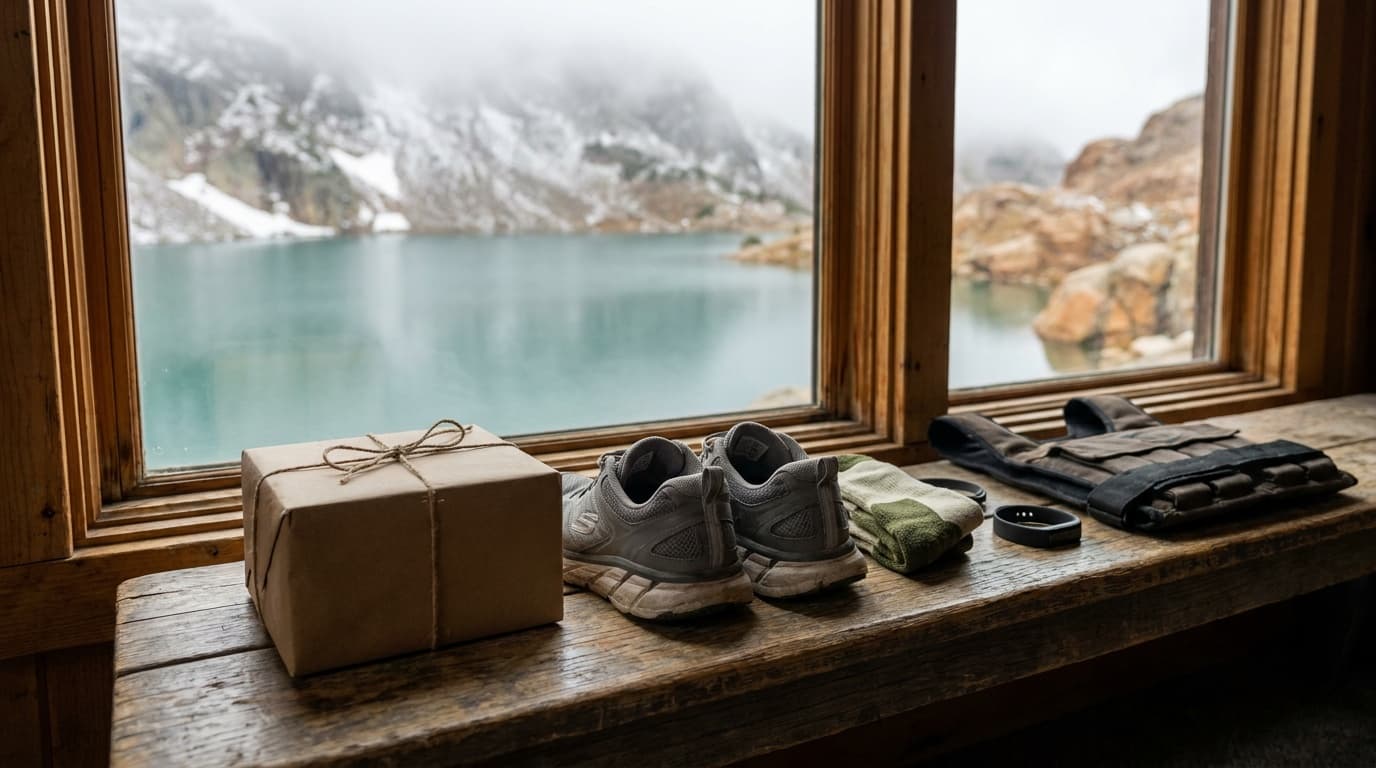
Our recommendations draw on manufacturer documentation, retailer listings, owner feedback, and comparisons with alternatives.
As an Amazon Associate I earn from qualifying purchases. We may earn a commission from links here, at no extra cost to you. How we research →