We may earn a commission from links on this page, at no extra cost to you.
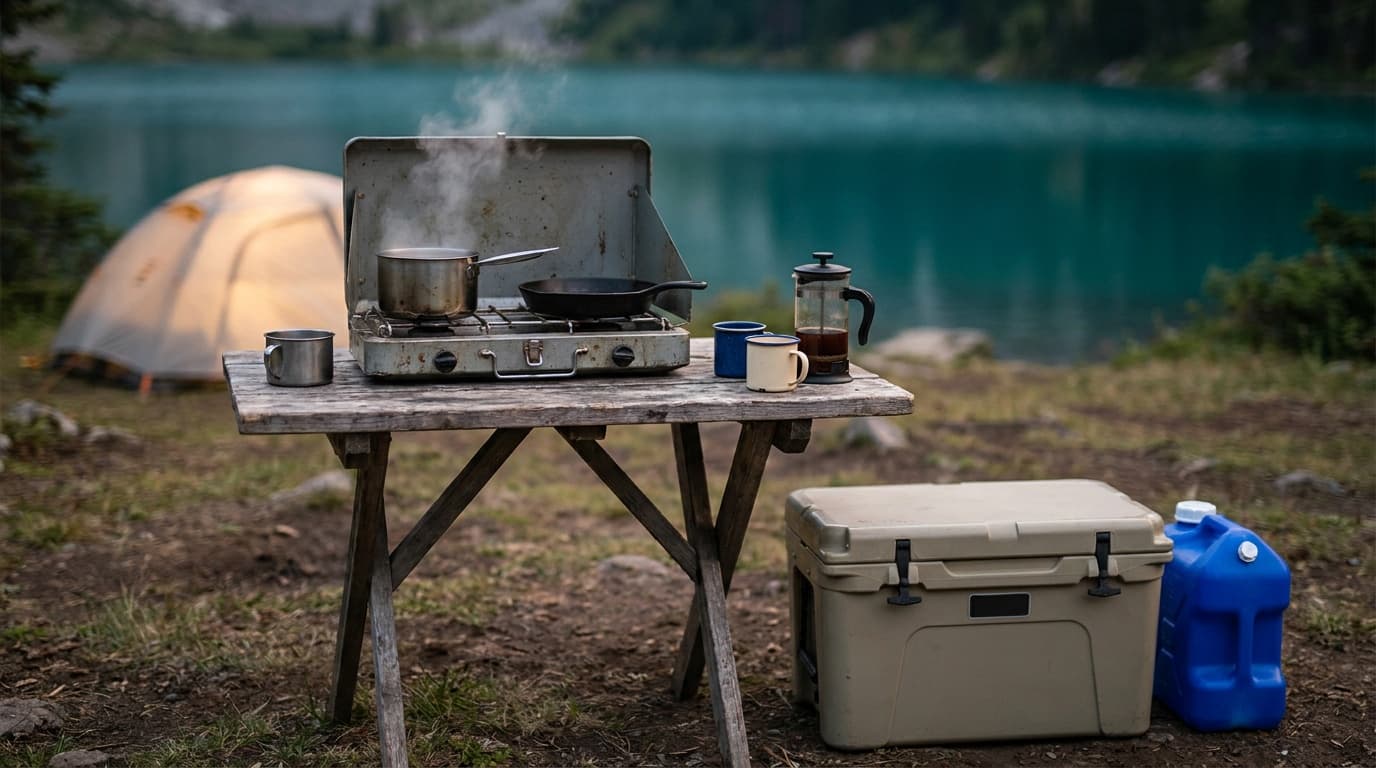
A camp kitchen is six pieces of gear: heat, pots, coffee, cold storage, a work surface, and water. Get those six right and campsite cooking stops being an act of endurance and starts being the best part of the trip.
Build the complete kit
Your camp-kitchen loadout
These six pieces form a durable base-camp kitchen. Keep what already works in your garage and buy only the missing pieces.
Gear links open current retailer listings. Price bands are planning ranges; prep steps stay on this page.
Heat
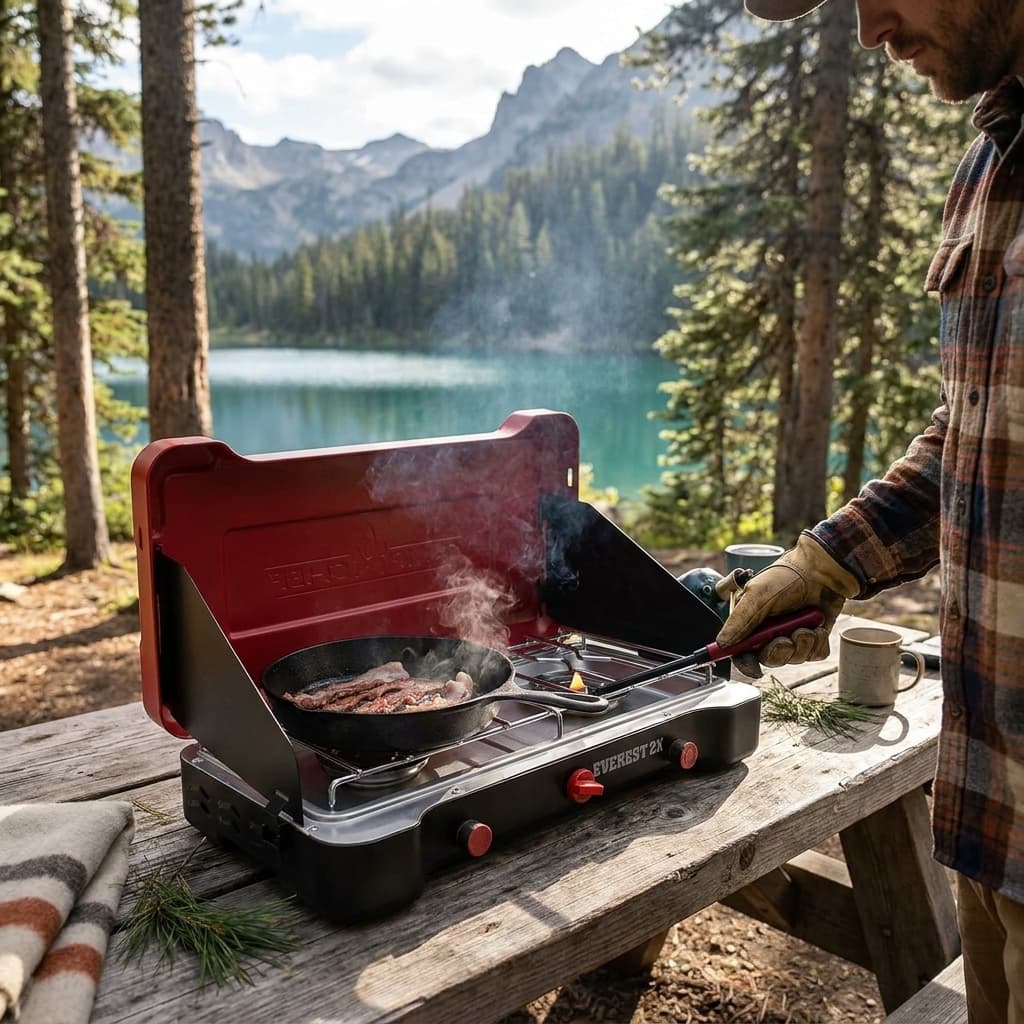
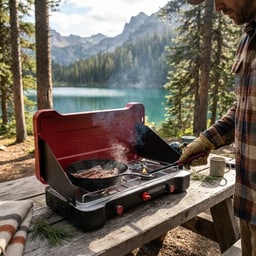
Camp Chef Everest 2X 2-Burner Camping Stove
A powerful two-burner stove with reliable simmer control.
Kit Score 8.1/10 · Check current price
Cookware
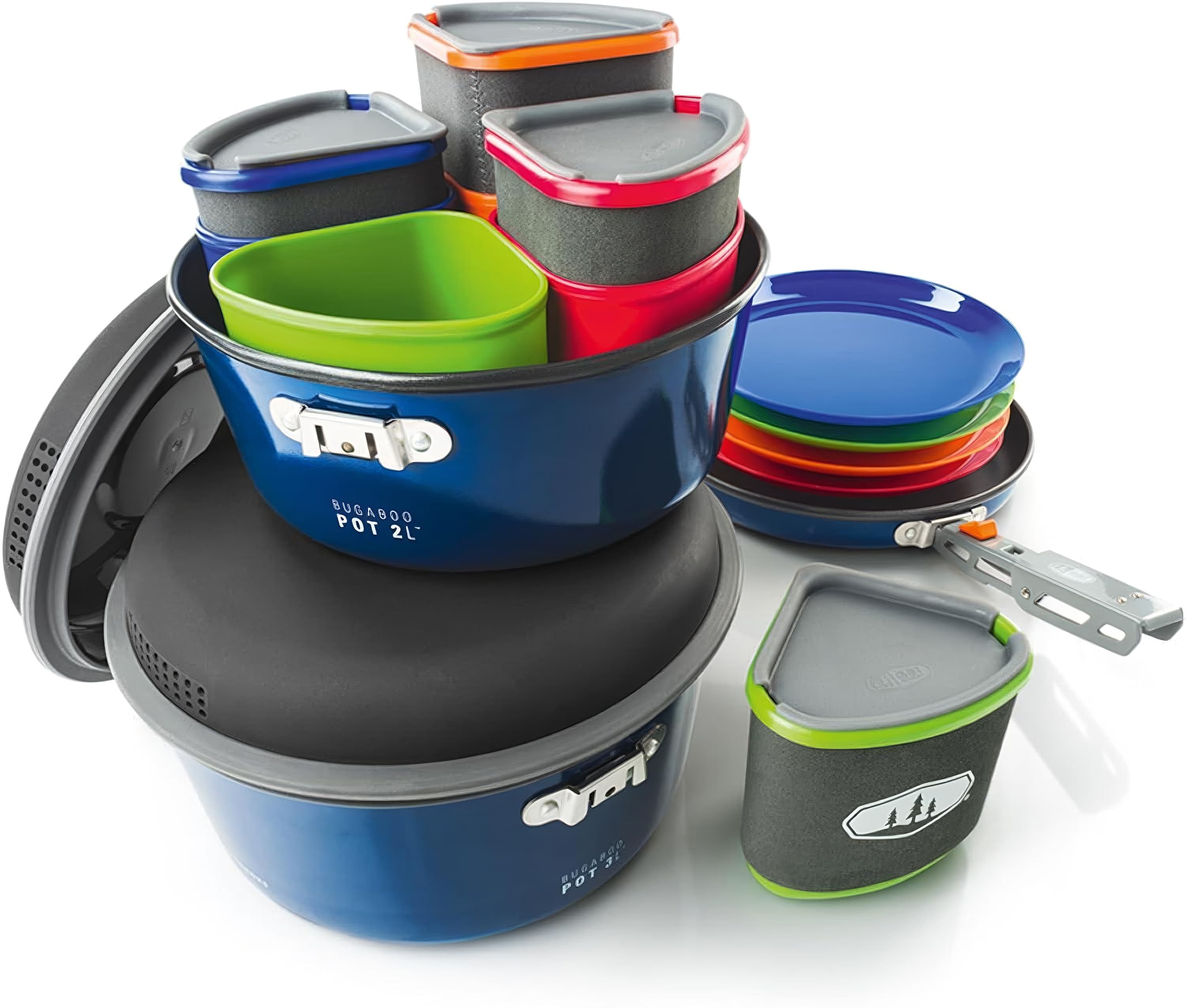
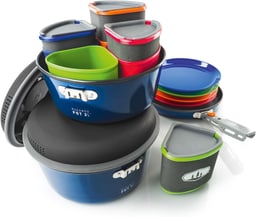
GSI Outdoors Pinnacle Ceramic Camper Cookware Set
A nesting set that handles group meals without filling the cargo area.
Kit Score 8.1/10 · Check current price
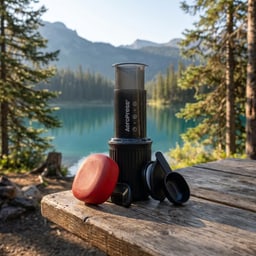
Coffee
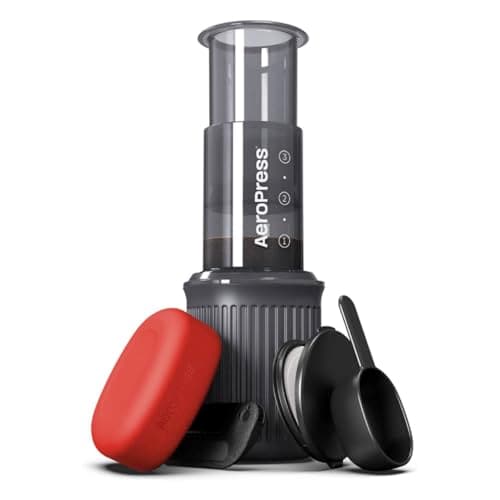
AeroPress Go
A compact brewer that is fast to use and easy to clean at camp.
Kit Score 8.8/10 · Check current price
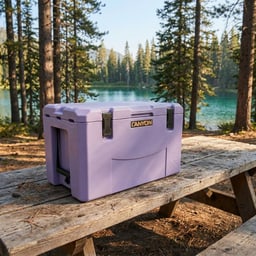
Cold storage
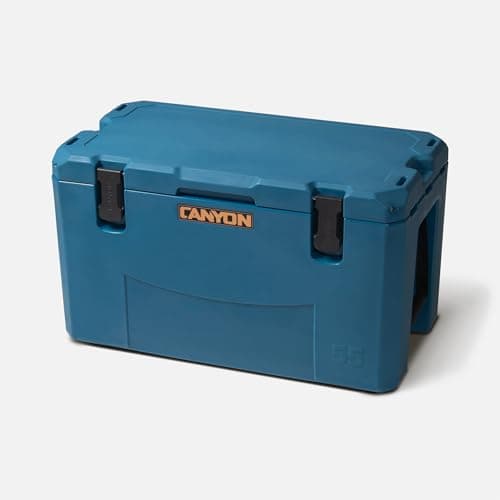
Canyon Outfitter 55 V2
A hard cooler sized for a long weekend of food and ice.
Kit Score 9.1/10 · Check current price
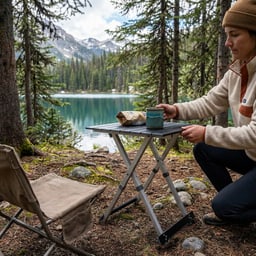
Workspace
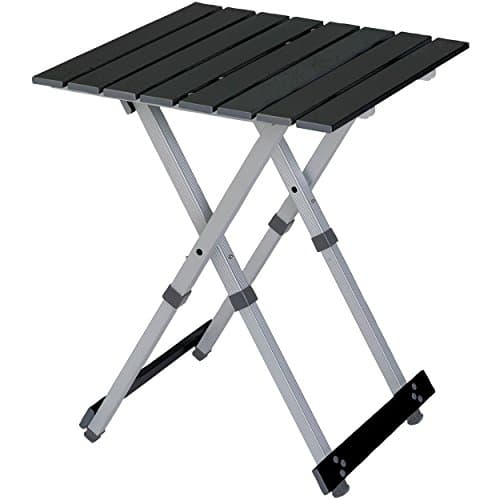
GCI Outdoor Compact Camp Table 20
A stable surface that keeps prep away from the stove and ground.
Kit Score 8.7/10 · Check current price
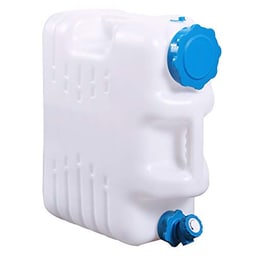
Water
CAMPMAX 5 Gallon Water Container with Spigot
A five-gallon rigid container with a controllable spigot for cooking and cleanup.
Kit Score 8.1/10 · Check current price
Who this kit is for
This loadout is for car camping and basecamp cooking: drive to the site, cook real meals for two to six people, pack it all in bins between trips. It is the kitchen module that plugs into the broader car-camping starter kit, which covers shelter, sleep, and the rest of the campsite.
Backpackers should look elsewhere; this kit optimizes for cooking quality and group capacity, not weight. Everything here rides in a vehicle.
The stove: two burners, and simmer control is the spec that matters
THE STOVE
Camp Chef Everest 2X 2-Burner Camping Stove
The Everest 2X is the most versatile two-burner propane stove in its class, pairing jet-level output with enough low-end control to hold a steady simmer. A three-sided folding windscreen lid and stainless steel burner heads handle breezy conditions that stall most competitors.
Best for: Car campers who want a single stove that can sear, saute, and simmer without compromise, and cook fast for groups of two to four.
- Exceptional simmer control despite high peak output: OGL rated simmering 9/10
- Near-seamless folding windscreen performs well in moderate wind; boil time barely affected by breeze in third-party testing
- At roughly 14 lbs it is bulkier and heavier than budget alternatives
Kit Score 8.1/10 · Check current price · how we score gear
Buy on AmazonEvery camp kitchen decision downstream of the stove gets easier if the stove is good. Two burners let you cook a main and a side at once (or coffee and breakfast), and burner quality determines whether you can hold a low flame or just torch everything.
The Camp Chef Everest 2X is the performance benchmark for the class: two 20,000 BTU burners with genuinely fine simmer control, a matchless igniter that keeps working, and wind protection from three sides. It runs on the same 1 lb propane canisters as the classic Coleman stoves, or a bulk 20 lb tank with an adapter hose, which drops fuel cost dramatically for frequent campers.
Fuel math is worth doing once: the stove fuel calculator estimates how many canisters a trip needs from your burner size and cooking time, and the propane vs butane breakdown explains why propane wins for car camping in most climates. Cheaper and single-burner options are ranked in the best camping stoves roundup, and the Everest 2X review goes deeper on this pick.
Cookware: one nesting set instead of raided kitchen drawers
THE COOKWARE
GSI Outdoors Pinnacle Ceramic Camper Cookware Set
The Pinnacle Ceramic Camper is a complete kitchen-to-table system for groups of four, built around a ceramic-coated hard-anodized aluminum pot and pan set that nests with plates, bowls, and mugs into a single tight bundle.
Best for: Car campers, paddlers, and van travelers who want a full four-person cook-and-eat system in one bag.
- One of the most comprehensive nesting camp kitchen sets available: pots, pan, and full dinnerware for four in one carry
- Ceramic nonstick handles real cooking (eggs, fish, grains) with minimal sticking and simple cleanup
- At 3.6 lbs it is car-camping gear, not a set to carry on your back
Kit Score 8.1/10 · Check current price · how we score gear
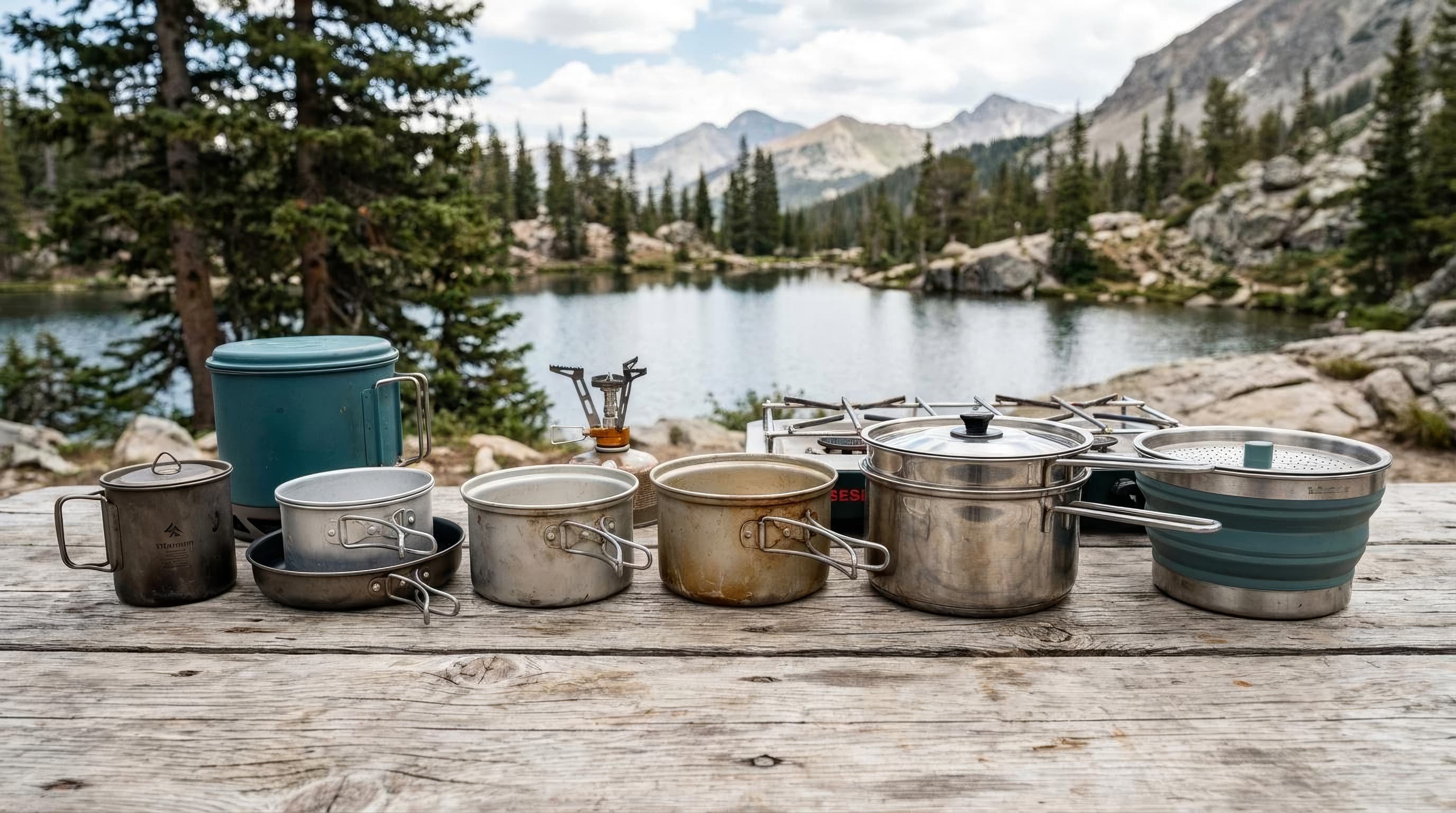
Buy on AmazonHome pots and pans technically work at camp, and everyone who tries it once spends the trip juggling lids that fit nothing and handles that will not pack. Purpose-built camp cookware nests: the GSI Pinnacle Camper packs a 3 L pot, a 2 L pot, a frypan, four plates, four insulated mugs, and a strainer lid into a single 9-inch bundle that doubles as a sink for washup.
The nonstick surfaces release camp-stove cooking (which runs hotter and less evenly than home ranges) and wipe clean with a paper towel, which matters when dishwater is a luxury. Add a long-handled spatula, a chef's knife with a blade guard, a cutting board, and a bin for washup, and the cookware slot is done. Alternatives, including stainless and titanium sets, are in the best camping cookware guide, with buying logic in the cookware how-to-choose guide.
Coffee: solve it deliberately or it ruins every morning
THE COFFEE
AeroPress Go
A travel-sized version of the cult AeroPress, fast, forgiving, and nearly indestructible. The default answer for one or two campers who want good coffee with no fuss.
Best for: Solo and duo campers who want excellent coffee with minimal weight and cleanup.
- Packs into its own 15 oz mug
- Very forgiving brew, hard to make a bad cup
- Brews one mug at a time
Kit Score 8.8/10 · Check current price · how we score gear
Buy at AeroPressCoffee is the first meal of every camping day and the one most often left to improvisation. The AeroPress Go ends that: real, grit-free coffee in about 90 seconds, a cleanup that amounts to ejecting a puck, and the whole kit nests inside its own mug.
It brews one cup at a time, which is its only real limit. For crowds, a percolator or a big French press earns the space; the best camp coffee makers roundup compares every approach, and the camp coffee methods guide matches brewing style to group size and patience level.
The cooler: buy the size you will actually keep cold
THE COOLER
Canyon Outfitter 55 V2
The Canyon Outfitter 55 V2 earns its Editors' Choice from OutdoorGearLab with an exceptional balance of build quality, usability, and price. Its grippy rotomolded construction, lifetime warranty, and 5+ day ice life deliver premium-tier performance in a mid-market package.
Best for: Weekend and multi-night car camping trips where you want near-premium ice retention without paying YETI prices.
- Unique rotomolded kayak plastic feels noticeably grippy and rugged
- FAT CAM family-friendly latches are effortless for all ages
- Availability can be inconsistent, especially for specific colorways
Kit Score 9.1/10 · Check current price · how we score gear
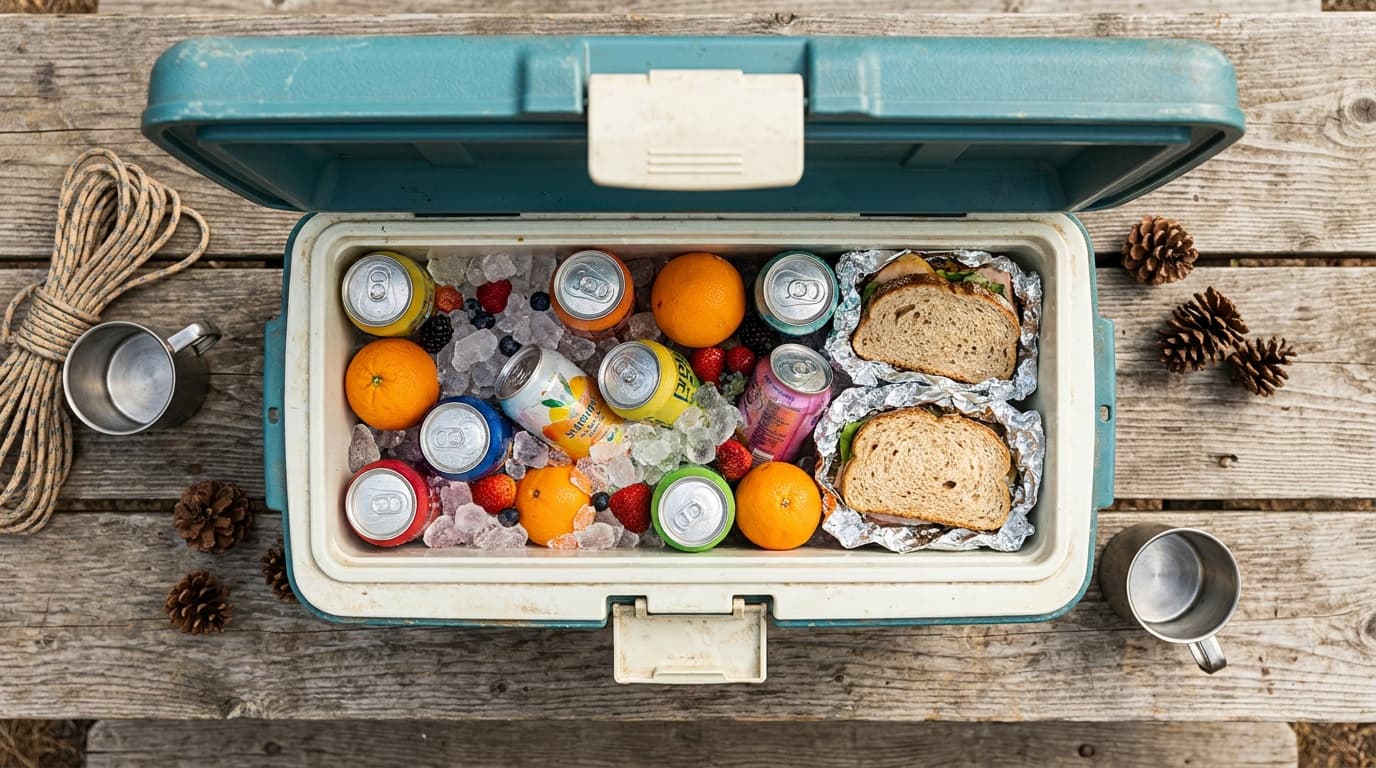
Buy on AmazonCooler marketing is a war of ice-retention claims, and most of them assume conditions no campsite provides. The honest numbers: a quality rotomolded cooler like the Canyon Outfitter 55 holds safe food temperatures for 3-4 days of real use, which covers the long weekend that most camping trips actually are.
Capacity guidance: 55 quarts feeds two to four people for a weekend with ice taking a third of the space. The what size cooler do I need guide maps group size to quarts, and technique moves the needle as much as hardware: pre-chill the cooler overnight, use block ice plus cube ice, keep it in shade, and open it less. The full method is in the ice retention guide, and cheaper wheeled and soft options are in the best camping coolers roundup.
The table: the slot everyone forgets until the first site without one
THE TABLE
GCI Outdoor Compact Camp Table 20
A 4-pound folding side table with a heat-resistant aluminum top, Squeeze Telescoping legs, and a 60-pound weight capacity that surprises owners at every price tier. It folds to a slim 18 x 2 x 17.9-inch profile and deploys in seconds, making it the most packable full-function table in this roundup.
Best for: Solo campers and couples who want a packable, heat-safe surface for cooking or a drink station without hauling a full-size table.
- At 4 lbs and under 2 inches packed, it fits alongside gear in any vehicle without rearranging
- 60-pound capacity reliably supports a stove, cookware, and meal spread despite its compact build
- 20 x 18-inch surface is a side table, not a dining table; it seats one comfortably, not a group
Kit Score 8.7/10 · Check current price · how we score gear
Buy on AmazonHalf of camp cooking is prep and staging, and picnic tables are not guaranteed: dispersed sites never have them, and even developed campgrounds put them in the sun or too far from where you want the kitchen. A dedicated camp table turns any patch of ground into counter space.
The GCI Compact Camp Table 20 folds flat to briefcase size, sets up in seconds, and holds a loaded stove or a full prep spread. Bigger roll-top tables handle group kitchens; the best camping tables roundup compares heights and pack sizes, and the table how-to-choose guide covers stability on uneven ground.
Water: five gallons on tap beats twenty trips to the spigot
THE WATER
CAMPMAX 5 Gallon Water Container with Spigot
A 5-gallon rigid HDPE container that can stand upright or lie on its side for spigot use at camp. The silicone-sealed spigot is the standout feature: it provides controlled flow with no reported drips under normal use, and the translucent body lets you read the water level at a glance.
Best for: Car campers who want a spigot that works well out of the box and do not want to fuss with aftermarket parts.
- Integrated spigot with silicone seals delivers consistent, drip-free flow without the thread-leak issues common to cheaper taps
- Dual-position design works both upright and on its side, giving flexibility for table or ground use at basecamp
- Priced noticeably higher than the Aqua-Tainer for roughly the same capacity
Kit Score 8.1/10 · Check current price · how we score gear
Buy on AmazonCooking, drinking, and dishwashing burn through a gallon per person per day, and hauling it one bottle at a time gets old by the first dinner. A rigid container with a spigot, like the 5-gallon CAMPMAX container, fills at home or at the campground tap and gives the kitchen running water: set it on the table edge, open the vent, and wash hands or rinse a cutting board hands-free.
Rigid beats collapsible for durability, though collapsible jugs pack away smaller between trips; the best camping water containers roundup covers both, and the water storage guide explains keeping containers clean season to season.
The upgrade path: what to add later, and what to skip
Resist completing the kitchen in one order. Three common additions, in the order they usually earn their place:
- A griddle. Once you know your camp breakfasts lean pancakes-and-bacon, a dedicated flat-top like the Blackstone 22-inch tabletop griddle cooks for a crowd in one batch. The best camping griddles guide compares sizes, but let two trips confirm the need first.
- A dishwashing station. Two collapsible bins (wash and rinse) plus a drying net solve the worst chore in camp cooking.
- A utensil roll and spice kit. Assembled from home duplicates, not bought; a $0 upgrade that ends the "did anyone pack a spatula" ritual.
What to skip entirely at the start: cast iron dutch ovens (heavy, specialized, and a skill of their own), camp ovens, and 12V powered coolers, which solve problems most weekend campers do not have.
Frequently asked questions
What are the essentials for a camp kitchen?
Six items: a two-burner propane stove, a nesting cookware set, a coffee maker, a hard-sided cooler, a folding camp table, and a 5-7 gallon water container with a spigot. Add a knife, cutting board, spatula, biodegradable soap, and two wash bins from home. That covers cooking real meals for a group of two to six.
How much does a complete camp kitchen cost?
Around $400-$600 new at quality tiers: $130-$180 for the stove, $70-$100 for cookware, $40 for coffee, $150-$250 for a rotomolded cooler, $40-$60 for a table, and $20-$25 for water storage. A functional budget version comes in near $250 with a Coleman stove and a conventional cooler; every piece is a buy-once item at either tier.
Do I need a camp table if campgrounds have picnic tables?
If you only camp at developed campgrounds, you can defer the table, but it earns its slot fast: picnic tables are often absent at dispersed sites, occupied by everything else at group sites, or fixed in full sun. A 20-inch folding table costs about $40, packs flat, and lets you put the kitchen where the shade and the wind protection are.
How do I keep food cold for a long weekend?
Treat the cooler as a system: pre-chill it overnight indoors, load pre-frozen food and block ice on the bottom, fill gaps with cube ice, keep the cooler in shade with the lid closed as much as possible, and drain meltwater only when it rises above the ice. Done well, a quality 55-quart cooler holds safe temperatures for 3-4 days even in summer.
Is a camping griddle worth it?
For a specific kind of cook, yes: griddles excel at big-batch breakfasts and smash burgers for groups. They are heavy, single-purpose, and need seasoning care, which is why they are an upgrade rather than a starter item. Camp with the two-burner stove and a frypan first; if you find yourself cooking in batches every morning, the griddle earns the bin space.
The stove anchors the kitchen, so start with the best camping stoves roundup if you want to compare beyond the Everest 2X. The rest of the campsite (shelter, sleep, lighting, seating) is covered in the car-camping starter kit, the camp gear hub has a roundup for every slot, and how we research explains how Kit Authority evaluates gear.
Keep going
Complete loadoutCar-camping starter kitThe first-trip essentials across shelter, sleep, cooking, lighting, seating, and water, with the extras left out.Free tool: Stove Fuel Calculator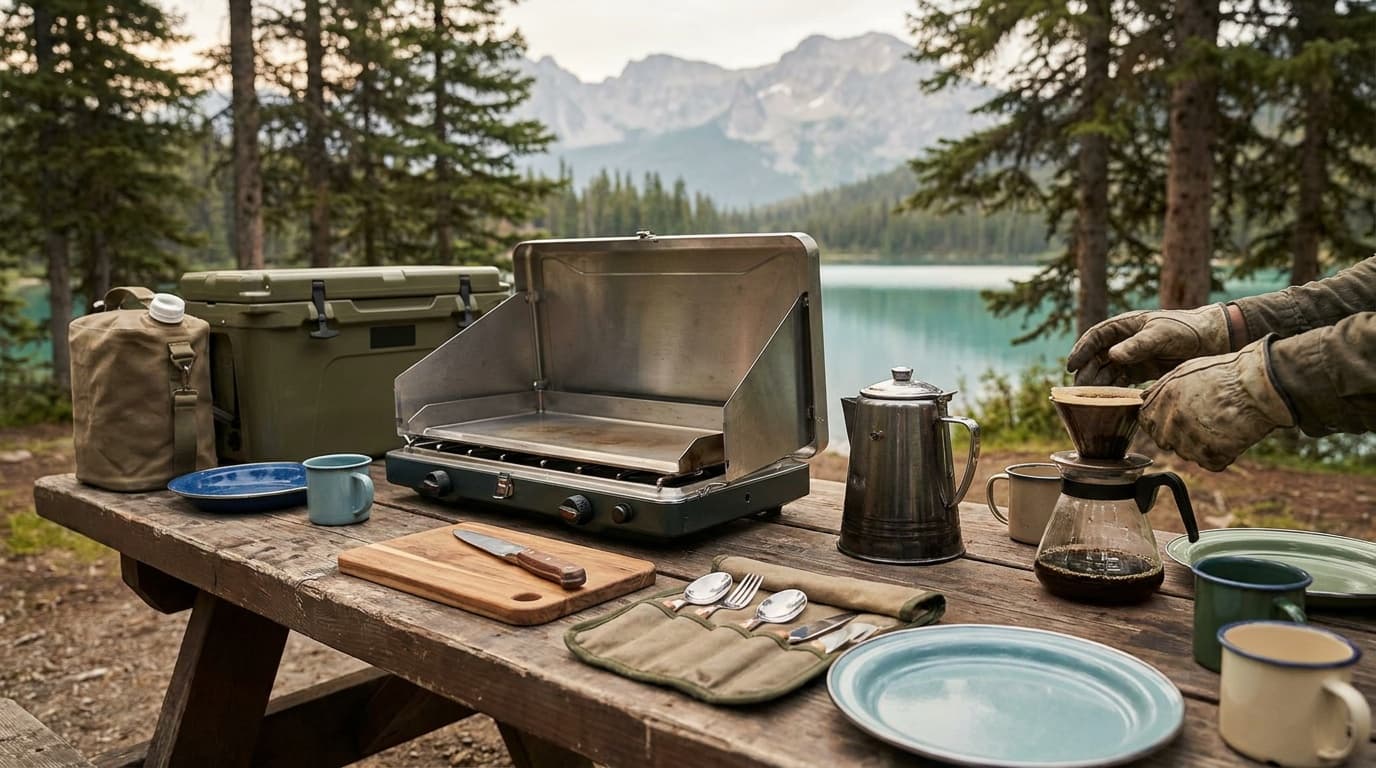
Our recommendations draw on manufacturer documentation, retailer listings, owner feedback, and comparisons with alternatives.
As an Amazon Associate I earn from qualifying purchases. We may earn a commission from links here, at no extra cost to you. How we research →