When to go
Conditions, crowds, and what each season asks you to pack.
Spring
60-70F
Highs 60-70F in the valleys, cooler and wetter up high. Wildflowers peak in April.
Pack Rain shell and layers; trails stay muddy.
Summer
80-90F
Warm and humid, highs 80-90F low down, frequent afternoon storms. Cool on the ridges.
Pack Light layers, real rain protection, and plenty of water.
Fall
60-70F
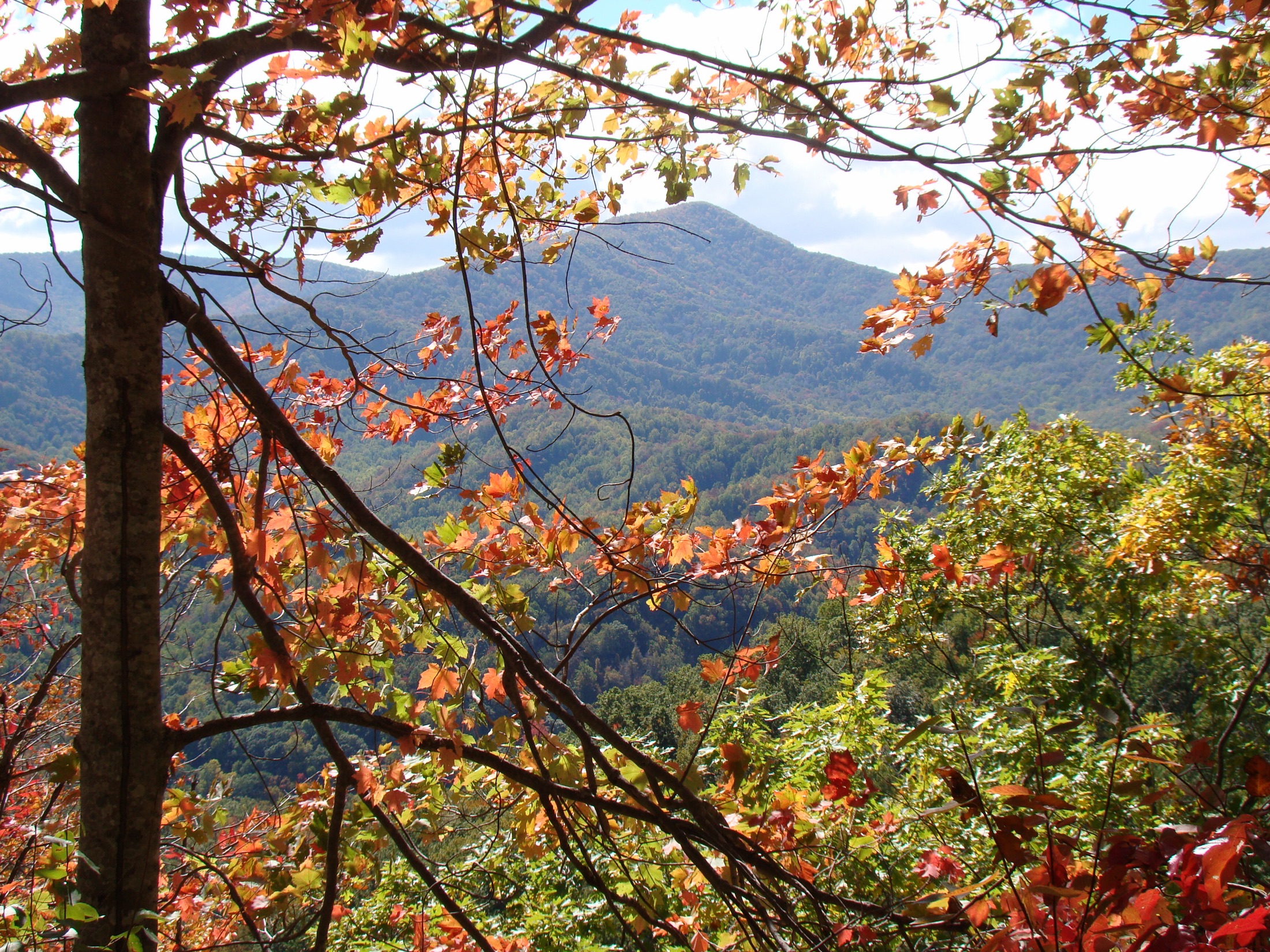
Crisp and clear, highs 60-70F. Leaf color sweeps down the mountains through October.
Pack Insulating layers for cold mornings; book ahead.
Winter
40-50F
Cold, highs 40-50F low down and well below freezing up high. Higher roads may close.
Pack Insulation, traction, and a plan B if roads are iced.
Crowds by month, from NPS visit counts
Busiest: October. An average October brings about 1,610,000 recreation visits to Great Smoky Mountains, roughly 51,900 a day. Peak crowds run June to July and October.
Quietest: January. About 381,000 visits, 24% of the busiest month.
- Low
- Moderate
- High
- Peak
Bar height is each month's average visits compared with the busiest month. Low is under 25% of that peak, Moderate 25 to 49%, High 50 to 74%, Peak 75% and up.
See the monthly numbers
| Month | Avg visits | Share of year | Crowds |
|---|---|---|---|
| January | 381,476 | 3% | Low |
| February | 462,868 | 4% | Moderate |
| March | 865,946 | 7% | High |
| April | 988,128 | 8% | High |
| May | 1,203,539 | 10% | High |
| June | 1,420,077 | 11% | Peak |
| July | 1,476,977 | 12% | Peak |
| August | 1,145,903 | 9% | High |
| September | 1,101,707 | 9% | High |
| October | 1,607,803 | 13% | Peak |
| November | 995,934 | 8% | High |
| December | 746,906 | 6% | Moderate |
Source: NPS Visitor Use Statistics, monthly recreation visits, averaged over 2023–2025. October and November 2025 are left out of the averages because of the federal government shutdown. Visits count entries, not unique people. NPS monthly report for Great Smoky Mountains · Crowd calendar for all 63 parks
Great Smoky Mountains weather by month
Average daily highs and lows, plus monthly precipitation, from NOAA's 1991-2020 climate normals for two parts of the park that behave very differently. Shaded months are the park's best season. Tap a month to build a pack list for it.
Sugarlands, the low valley entrance near Gatlinburg1,454 ft
| Month | Jan | Feb | Mar | Apr | May | Jun | Jul | Aug | Sep | Oct | Nov | Dec |
|---|---|---|---|---|---|---|---|---|---|---|---|---|
| High (F) | 47 | 51 | 59 | 69 | 75 | 80 | 83 | 82 | 78 | 69 | 58 | 50 |
| Low (F) | 27 | 29 | 35 | 42 | 51 | 59 | 63 | 62 | 56 | 44 | 34 | 29 |
| Precip (in) | 4.8 | 4.3 | 5.6 | 4.9 | 5.5 | 6.0 | 6.3 | 4.4 | 4.3 | 3.2 | 4.0 | 4.9 |
| Snow (in) | 2.4 | 2.4 | 1.3 | 0.0 | 0.0 | 0.0 | 0.0 | 0.0 | 0.0 | 0.0 | 0.2 | 1.4 |
Station GATLINBURG 2 SW (USC00403420), 1,454 ft, under a mile from Sugarlands Visitor Center.
Newfound Gap, on the crest5,040 ft
| Month | Jan | Feb | Mar | Apr | May | Jun | Jul | Aug | Sep | Oct | Nov | Dec |
|---|---|---|---|---|---|---|---|---|---|---|---|---|
| High (F) | 39 | 42 | 49 | 58 | 66 | 71 | 74 | 72 | 68 | 59 | 50 | 43 |
| Low (F) | 22 | 25 | 30 | 38 | 47 | 54 | 57 | 57 | 51 | 41 | 32 | 27 |
| Precip (in) | 6.8 | 6.0 | 6.6 | 6.0 | 6.2 | 6.1 | 7.3 | 5.1 | 5.4 | 5.4 | 5.9 | 7.0 |
Station NEWFOUND GAP (USC00406500), 5,040 ft, under a mile from Newfound Gap.
Source: NOAA NCEI U.S. Climate Normals, 1991-2020 monthly averages. Averages describe a typical year, not a forecast; check current conditions and alerts before you go. Precipitation includes the water in melted snow.
Top things to do
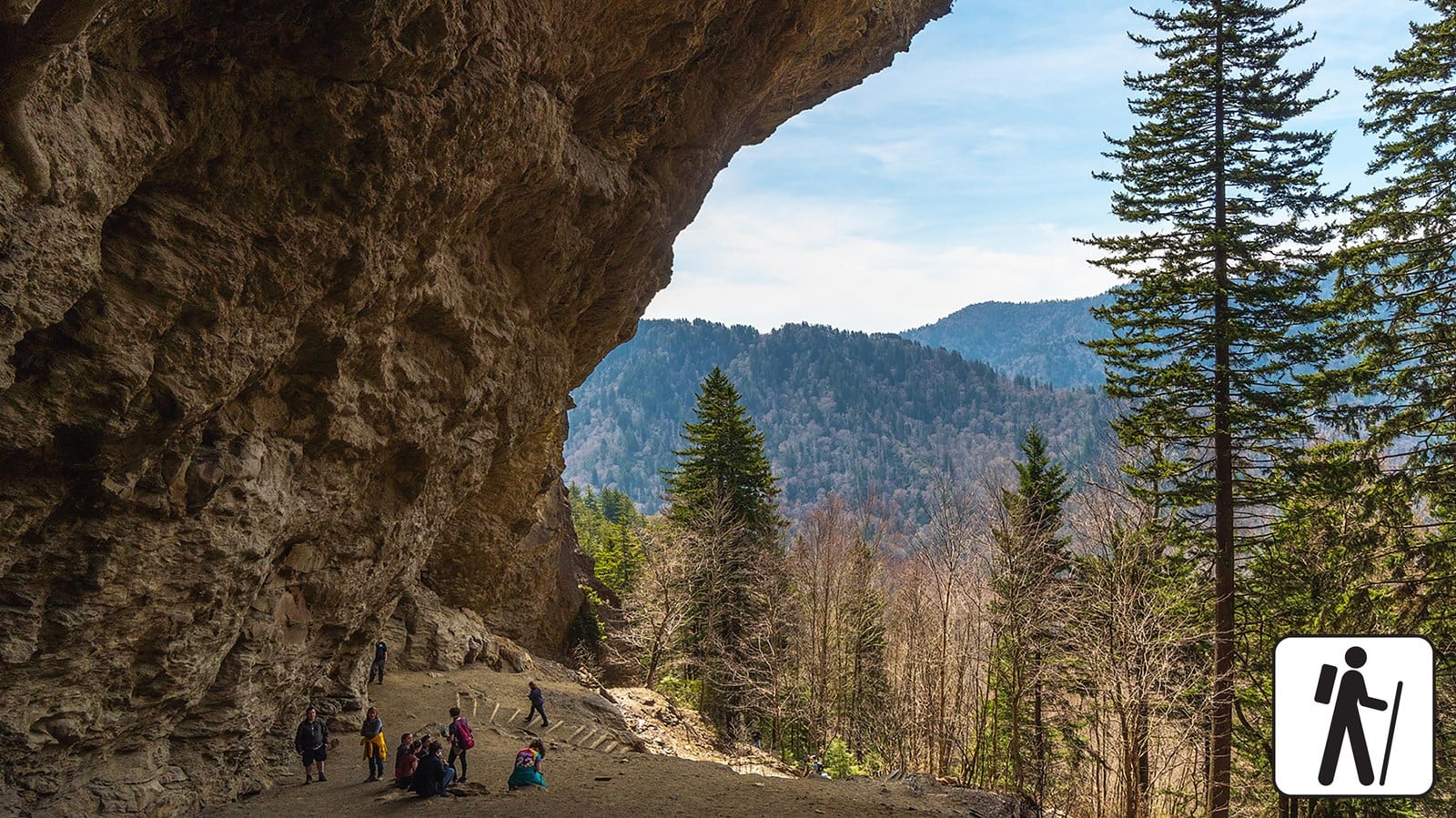
Alum Cave Trail to Mount LeConte
11 miles round trip, one of the park's classic climbs.
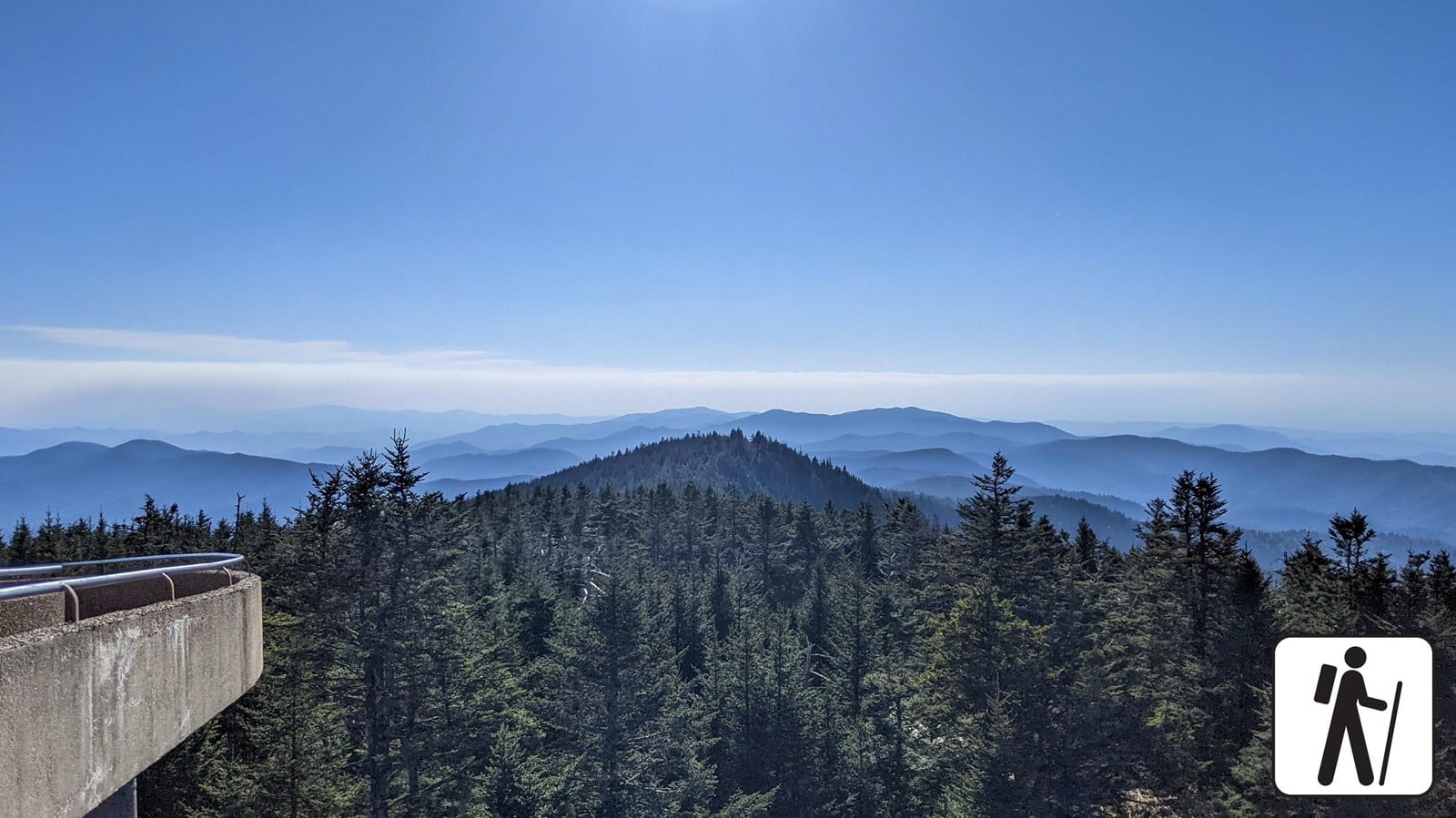
Clingmans Dome
The highest point in the park; a paved half-mile to a 360-degree tower.
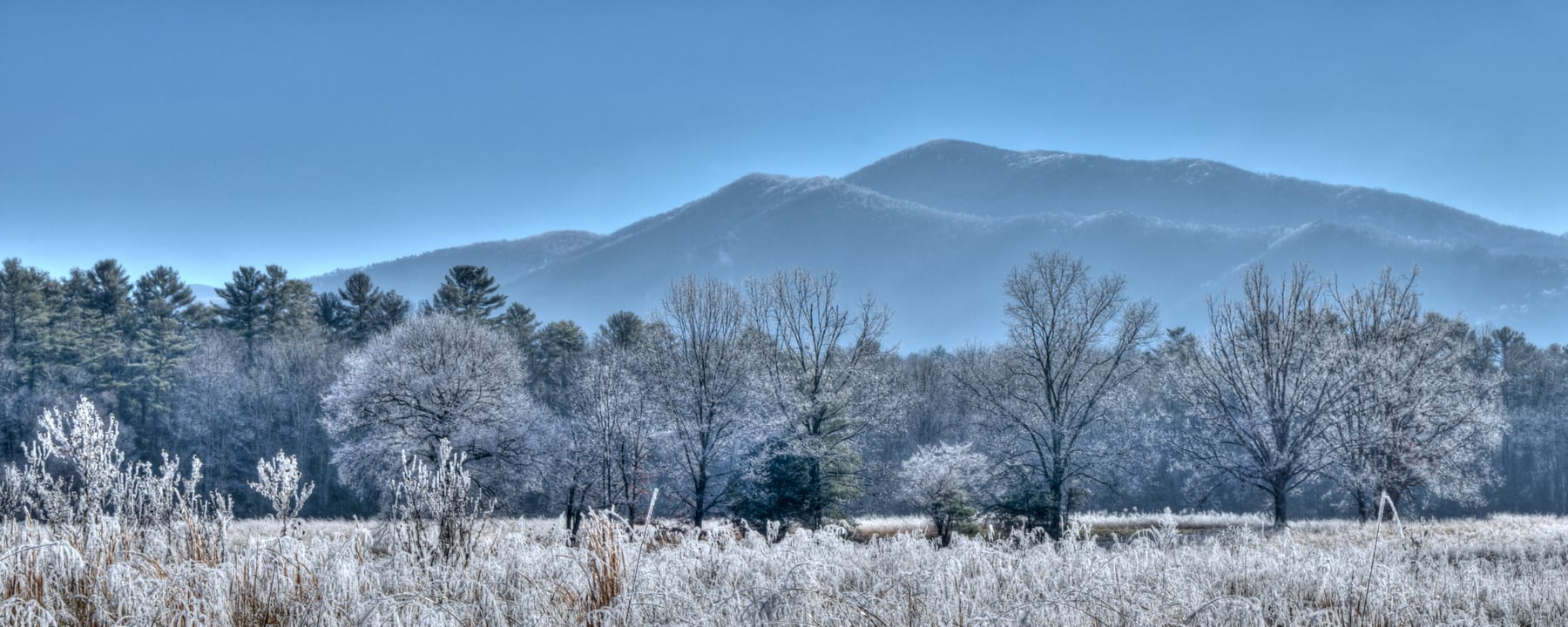
Cades Cove Loop
An 11-mile scenic loop that is the best bet for spotting black bears and deer.
Anchor the day around Alum Cave Trail to Mount LeConte
Put the access rule first: shuttle, parking, timed-entry, or reservation windows should decide the order of the day. For one day in Great Smoky Mountains, make Alum Cave Trail to Mount LeConte the non-negotiable, add Clingmans Dome only if the first stop runs clean, and keep Cades Cove Loop as the flexible finish.
- 1Start with Alum Cave Trail to Mount LeConte: 11 miles round trip, one of the park's classic climbs.
- 2Add Clingmans Dome: The highest point in the park; a paved half-mile to a 360-degree tower.
- 3Use Cades Cove Loop as the optional finish, not as a reason to rush the whole day.
Where to stay
Stay strategy
Sleep where the first morning stays simple.
Stay strategy
Choose your side of the mountains before you choose the room.
The Smokies are a drive-in park with no central lodge, so the base decision is about which entrance you want to solve each morning. Gatlinburg keeps you closest to the busiest Tennessee trailheads, Townsend is quieter for Cades Cove, and Cherokee works better for the North Carolina side.
- Entry
- Free entry, parking tag required after 15 minutes
- Only in-park lodging
- Hike-in LeConte Lodge
- Campgrounds
- 10 developed campgrounds, Cades Cove and Elkmont fill first
- Main road
- Newfound Gap Road connects both sides but can close in winter
Compare base options
Compare each base by the first morning: where you park, what you ride, and how many decisions happen before the trail or viewpoint.
Paid links: we may earn a commission if you book, at no extra cost to you.
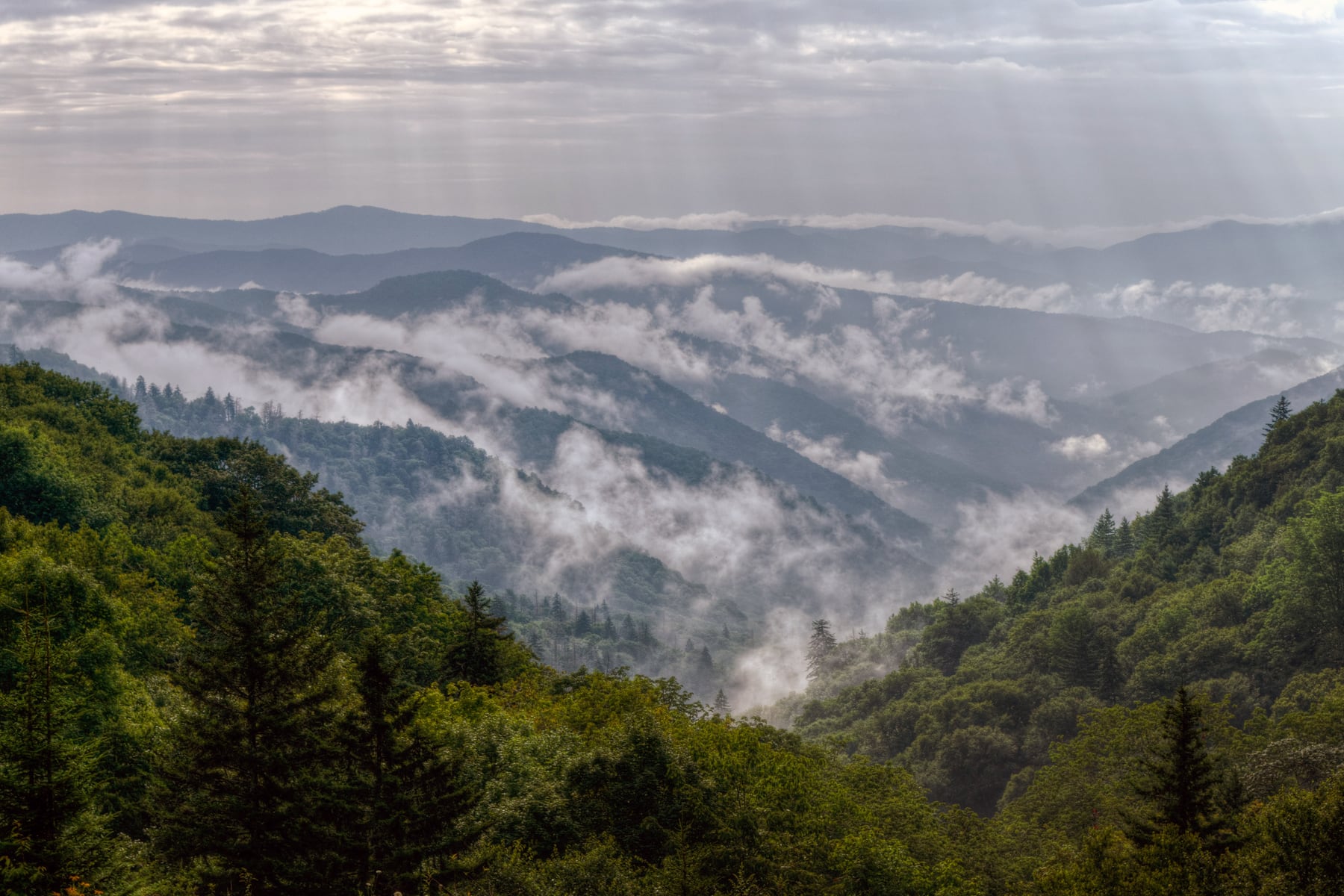
- Best for
- First trips, Alum Cave, Newfound Gap, Kuwohi, and the fastest Tennessee-side access
- Tradeoff
- Traffic and room rates peak hard on summer weekends and fall color weeks.
Planning detail
Use Gatlinburg when your days center on the Sugarlands entrance, Newfound Gap Road, and the highest trailheads. Build in early starts because the same access that makes it convenient also attracts the thickest traffic.
- Best for
- Cades Cove, calmer evenings, families, and travelers who dislike Gatlinburg congestion
- Tradeoff
- Longer drives to Newfound Gap, Kuwohi, and many classic ridge hikes.
Planning detail
Townsend is the better call when your must-do is Cades Cove or when a quieter gateway matters more than being closest to the central spine of the park.
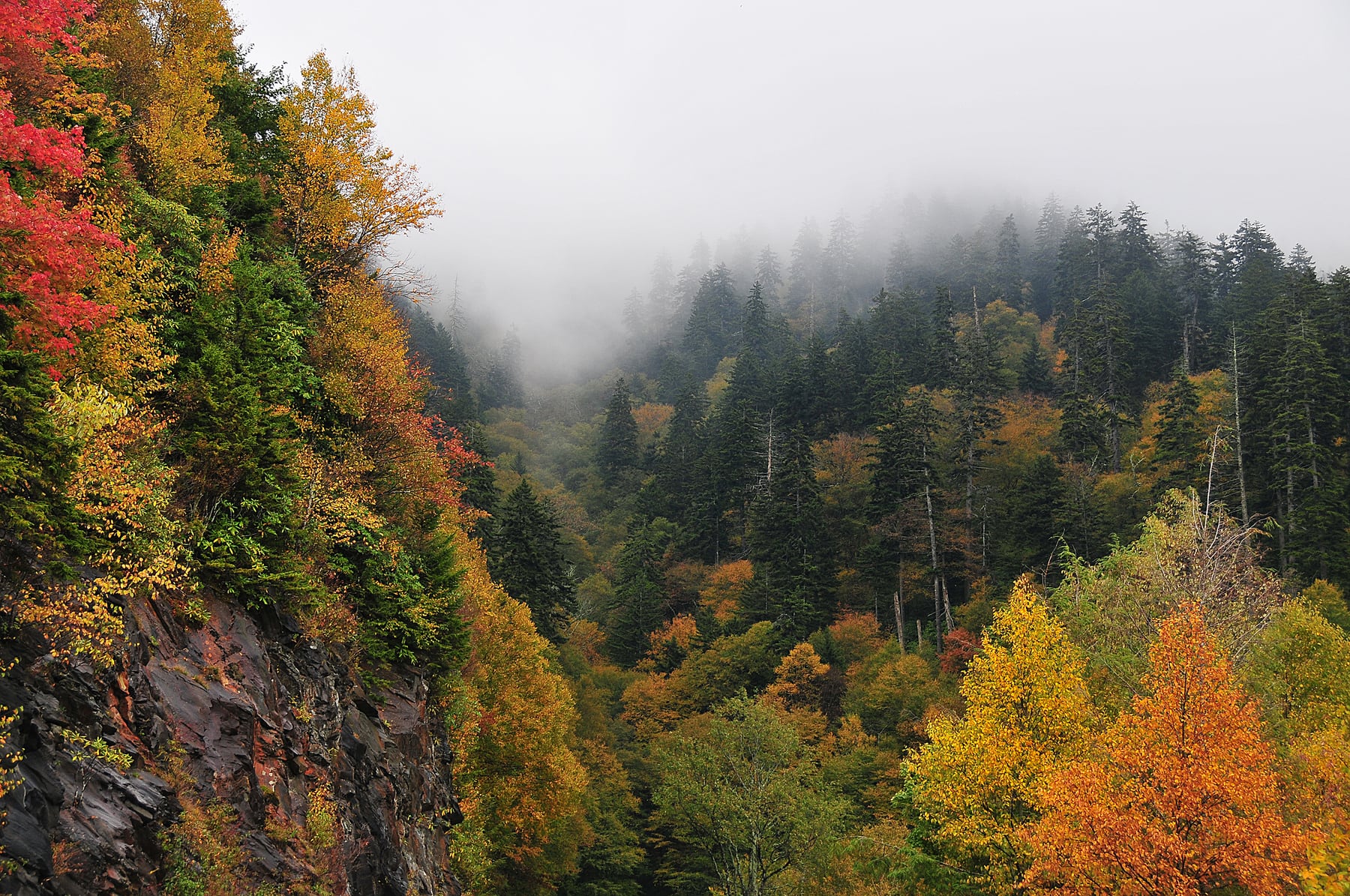
- Best for
- Oconaluftee, Mingus Mill, elk viewing, and a less hectic North Carolina approach
- Tradeoff
- It is the wrong base if every day starts near Gatlinburg or Cades Cove.
Planning detail
Choose Cherokee when you want the North Carolina valleys and a direct climb to Newfound Gap without sleeping in the Tennessee resort corridor.
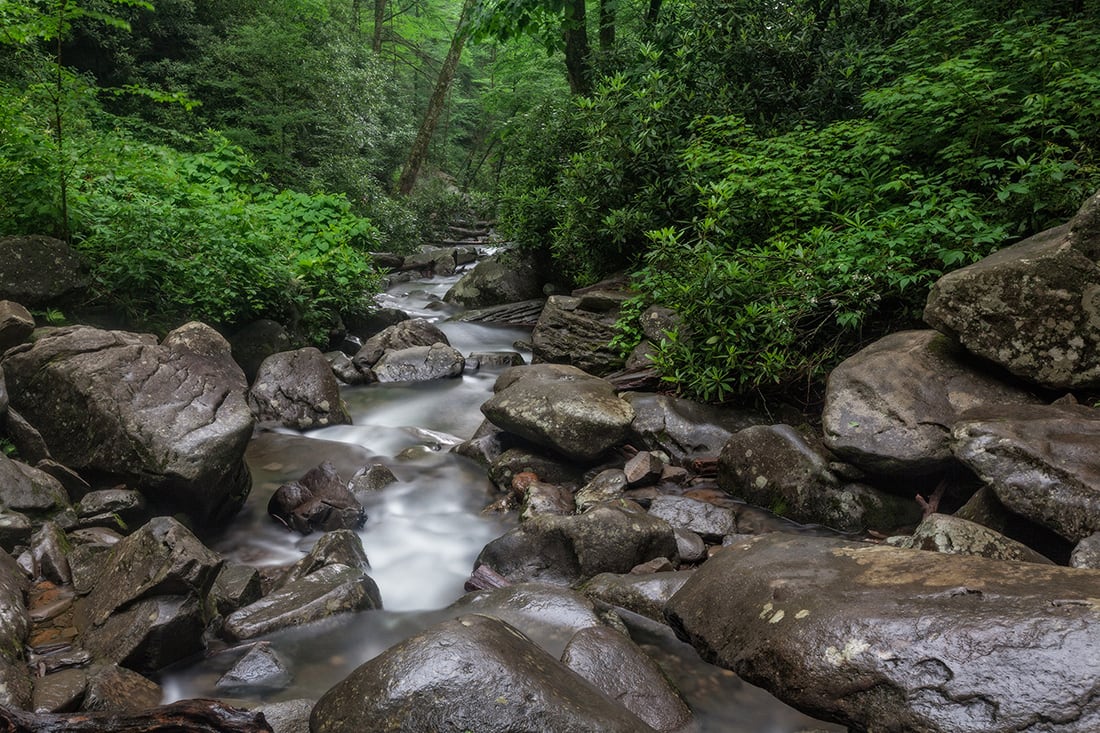
- Best for
- Campers who want early trail starts without crossing a gateway town first
- Tradeoff
- Reservations and parking tags still matter, and services stay basic.
Planning detail
Campgrounds put you closer to dawn trailheads, but the high-demand sites sell early. Backcountry shelters and sites require their own permit and reservation plan.
Book around color
Treat mid-October like a peak holiday week, especially around Cades Cove and Newfound Gap.
Road logic
If your route crosses Newfound Gap Road, check closures before committing to the opposite side of the park.
Camping reservations
Camping reservations
Book Smokies camping the day your window opens, starting with Cades Cove or Elkmont.
All ten frontcountry campgrounds in the park are reservation-only through Recreation.gov, and Cades Cove and Elkmont sell out first. Book the moment your dates open and keep the quieter outlying campgrounds as a realistic fallback.
Reviewed June 11, 2026
Booking window
Sites release on Recreation.gov up to 6 months ahead on a rolling basis; Cades Cove and Smokemont take reservations year-round while the other eight campgrounds are seasonal.
- There are no first-come campsites: every frontcountry campground requires an advance reservation on Recreation.gov.
- No park campground has showers, and the only hookups are ten electric-and-water sites at Look Rock, so plan a self-contained setup.
- Backcountry camping, including Appalachian Trail shelters, requires a separate permit and reservation.
- Outside firewood is banned unless it is USDA-certified heat-treated; concessioners sell it at Cades Cove, Elkmont, and Smokemont in season.
Where to book or verify
Start here for all ten campgrounds, seasons, regulations, and official reservation links.
All frontcountry, group, and horse campsites book through Recreation.gov.
Use this first for current campground status and park-specific rules.
Use this for wilderness permits, timed systems, tours, and other park-specific reservations.
Campgrounds to know
Cades Cove Campground
Details- Booking
- Reserve up to 6 months ahead on Recreation.gov.
- Season
- Open year-round.
- Sites
- 161 sites: tent, RV, and group sites, no hookups.
- The classic pick, steps from the Cades Cove Loop and the park's best bear and deer watching; it books out fastest.
Elkmont Campground
Details- Booking
- Reserve up to 6 months ahead on Recreation.gov.
- Season
- Seasonal. Check the NPS page for current open dates.
- Sites
- 211 sites, the park's largest: tent, RV, walk-in, and group sites.
- Closest campground to Sugarlands Visitor Center and Gatlinburg, and the famous synchronous firefly site in early June.
Smokemont Campground
Details- Booking
- Reserve up to 6 months ahead on Recreation.gov.
- Season
- Open year-round.
- Sites
- 142 sites: tent, RV, and group sites, no hookups.
- The North Carolina-side base near Oconaluftee Visitor Center and Cherokee, with milder winters at 2,200 feet.
Cosby Campground
Details- Booking
- Reserve up to 6 months ahead on Recreation.gov.
- Season
- Seasonal. Check the NPS page for current open dates.
- Sites
- 157 sites, mostly tent-only, shaded and primitive.
- The quiet northeast-corner alternative when Cades Cove and Elkmont are full, with good access to Mount Cammerer.
Deep Creek Campground
Details- Booking
- Reserve up to 6 months ahead on Recreation.gov.
- Season
- Seasonal. Check the NPS page for current open dates.
- Sites
- 92 sites: tent, walk-in, and group sites beside Deep Creek.
- Waterfall and tubing country near Bryson City, the best family pick on the North Carolina side.
Getting there and practical info
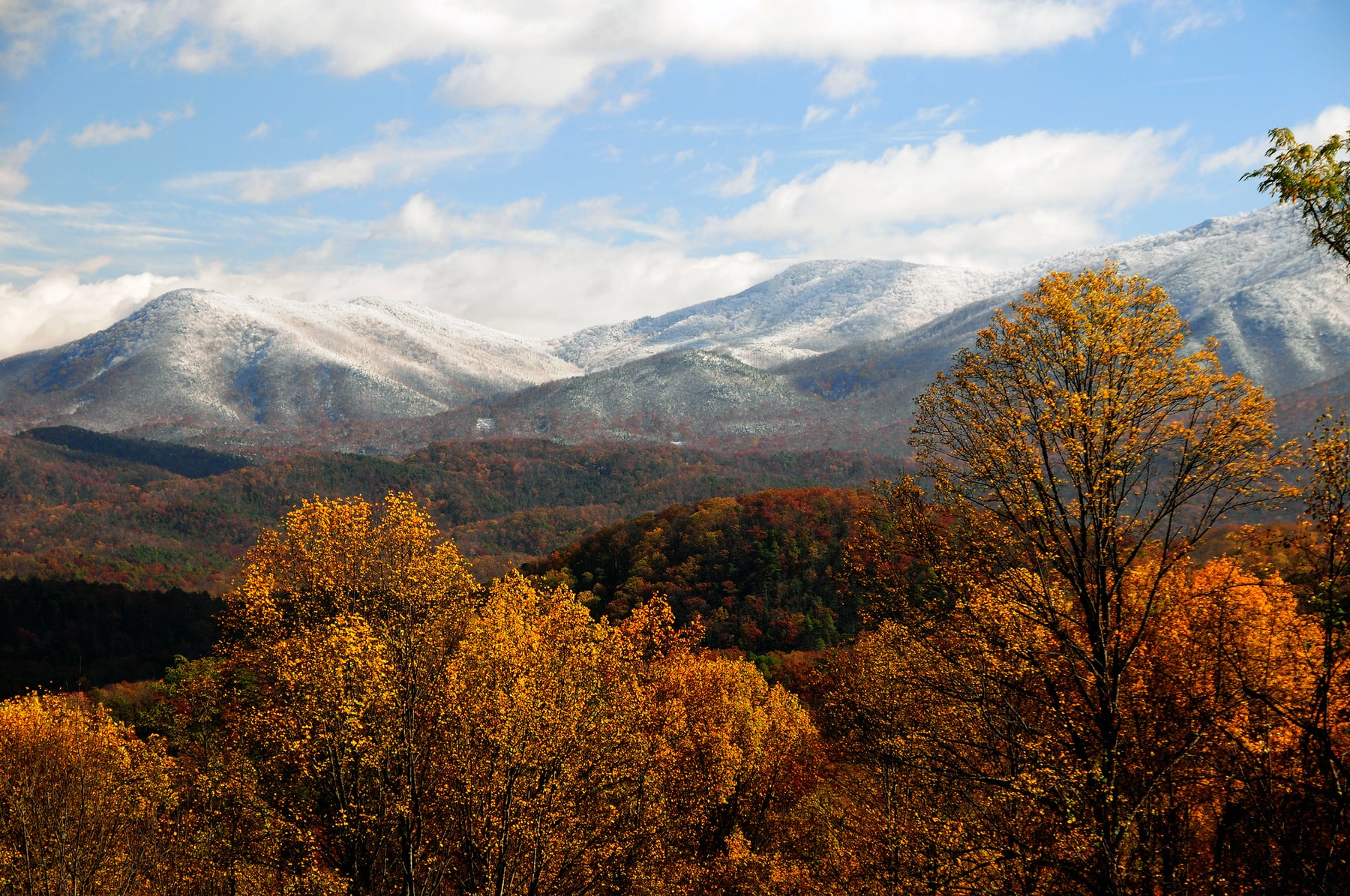
Plan the handoff from arrival to shuttle.
Parking, pedestrian entrances, and shuttle timing decide how calmly the first morning starts.
Getting there
Get to Great Smoky Mountains, then remove the first-morning friction.
- Nearest airport
- McGhee Tyson (TYS), Knoxville, about 45 minutes from Gatlinburg
- Access rhythm
- Car required
- Region
- Tennessee
Fly in
The closest major airport is McGhee Tyson (TYS) near Knoxville, roughly 45 minutes from the Gatlinburg entrance.
Car strategy
There is no public transit into the park, so a car is essential.
Car strategy
Newfound Gap Road, the main route across the park, is the scenic spine; higher side roads can close in winter, so check current road status before you drive up.
Book ahead
- Rental cars at McGhee Tyson (TYS)Paid link, Economybookings
- Guided tours in Great Smoky MountainsPaid link, Viator
Paid links: we may earn a commission if you book, at no extra cost to you.
Pair this with lodging: sleep where the park transfer is simple, especially if your route needs an early start.
Plan your trip
Build one complete pack brief from Great Smoky Mountains's season, activity, and trip length. Fine-tune an individual calculation only if you need it.
Fine-tune water, pack size, warmth, or stove fuel
Build around conditions
Let season, elevation, and weather set the plan.
Plan your trip
4 quick tools, already seeded for Great Smoky Mountains. Tune the numbers around temperature swings, footing, layers, and how much margin the route needs.
What to pack
Start with the gear decisions Great Smoky Mountains changes: water, footing, weather, and overnight needs. The checklist is there once your route and dates are set.
Kit Authority
Great Smoky Mountains packing list
0 of 22 packed. Check items as you pack, then take this list to the store, trailhead, or campsite.
Pack planning
Decide what Great Smoky Mountains asks of your kit before you start checking boxes.
Use this as a constraint check while you are still shaping the trip. The active checklist becomes useful once your route, dates, and sleep plan are set.
- First constraintHydration and exposureWater, Electrolyte mix, hat, sunscreen, sunglasses, 4 more
- Route realityFooting and tractionHiking boots, Hiking socks, Trekking poles
- Load choicePack and carry systemBackpacking pack
- If overnightSleep and shelterBackpacking tent, Sleeping bag, Sleeping pad, 1 more
Checklist mode
22 items, grouped for the trip you are actually taking.
- Dates and season are set.
- Primary route, campground, or lodge is chosen.
- Water, footwear, and overnight needs are sized.
One researched pick
The first gear decision for Great Smoky Mountains
A stable daypack is the one purchase that organizes water, layers, food, first aid, and the small safety margin.
We may earn a commission from links on this page, at no extra cost to you. Product prices and availability are accurate as of the date/time indicated and are subject to change. Any price and availability information displayed on Amazon at the time of purchase will apply to the purchase of this product.
THE DAY-HIKE PICK
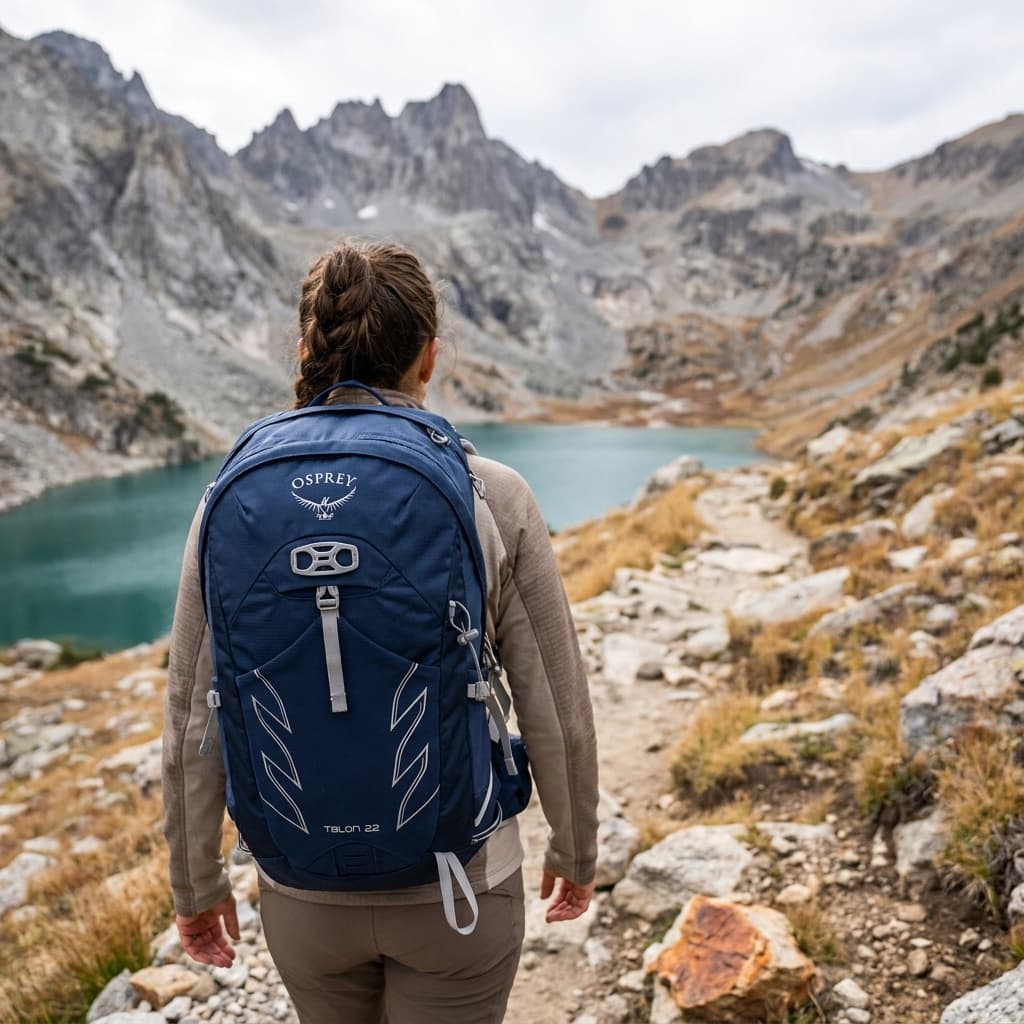
Osprey Talon 22
Best Overall
Kit Score 8.6/10
$169.95 Price checked Oct 25, 3:41 PM CDT
Best for: Hikers who want a proven all-around daypack with solid load support, plenty of adjustment, and a warranty they can actually use.
- Adjustable torso fit covers a wide range of body sizes
- At 2 lb 1 oz it runs heavier than ultralight rivals for the same volume
- Volume
- 22 L
- Weight
- 2 lb 1 oz (945 g)
- Back Panel
- AirScape foam with ventilation channels
- Hipbelt Pockets
- 2 zippered
- Hydration
- Compatible up to 3 L reservoir (sold separately)
- Warranty
- All Mighty Guarantee (lifetime repair or replace)
About this pick
The Talon 22 is the daypack you see on the trail more than any other for good reason: it packs in a padded hipbelt, adjustable torso harness, and dual hipbelt pockets into a 22-liter package that handles loads up to 20 lb without complaint. Owners across hundreds of Amazon ratings consistently cite its adjustability and durability as standouts.
Strengths
- Adjustable torso fit covers a wide range of body sizes
- Padded hipbelt and dual hipbelt pockets at this size are rare
- Osprey lifetime warranty backs years of hard use
Weaknesses
- At 2 lb 1 oz it runs heavier than ultralight rivals for the same volume
- AirScape back panel ventilation is functional but not class-leading compared to suspended-mesh designs
Kit Score breakdown
Gear for Great Smoky Mountains
The buying guides that match what Great Smoky Mountains asks of your kit. Each one has our current top picks across budget and use case.
Can you photograph here? Permit and drone rules
Permit and drone rules for the most-visited US national park, including the parking-tag rule that catches photographers out.
- Permit
- Usually fine for personal shoots; commercial or large productions can need a permit
- Drones
- Effectively banned: launching, landing, or operating a drone within park boundaries is prohibited
- Land
- Yes for personal and editorial photography throughout the park
From our photography sister site, Aperture Authority. Verified 2026-06-28.
Frequently asked questions
Do you need a reservation to enter Great Smoky Mountains National Park?
No, there is no timed-entry reservation to drive in, and entry itself is free. You do need a paid parking tag to park anywhere in the park for more than 15 minutes; tags are sold daily, weekly, and annually.
When is the best time to see fall colors in the Smokies?
Color usually peaks in mid-October at high elevations and sweeps down to the valleys through late October and early November. Exact timing shifts with the year, so check recent reports before booking.
Are there bears in Great Smoky Mountains National Park?
Yes, the park is home to roughly 1,500 black bears. Store food properly, never feed wildlife, and keep at least 50 yards away. Cades Cove is the most reliable place to see them safely from a distance.
Keep planning
Compare with another park
Nearby parks
 Shenandoah105 miles of Skyline Drive, waterfall hikes, and the famous Old Rag scramble, all about 75 minutes from D.C.
 Mammoth CaveThe world's longest known cave system, with over 400 mapped miles of passages under green Kentucky hills.
 CongareeWalk a free boardwalk through the largest old-growth bottomland hardwood forest in the Southeast.