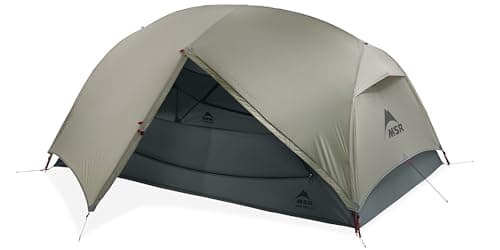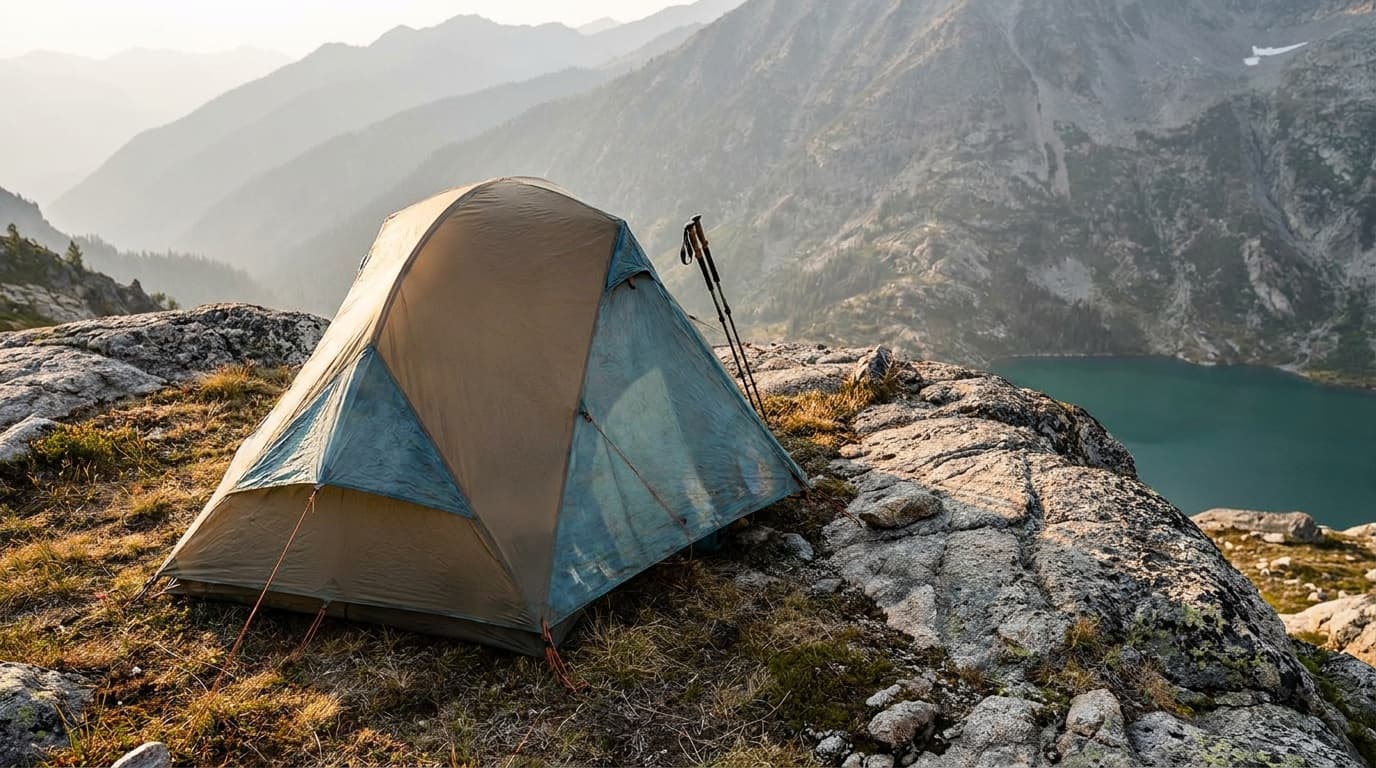
The Durston X-Mid 2 is the best ultralight tent for most backpackers: a double-wall, two-person trekking-pole tent that weighs 31.3 oz complete and gives you a 33.2 sq ft floor and a 48-inch peak, and Switchback Travel names it the best budget ultralight tent. If you need a tent that stands on its own poles, the Big Agnes Copper Spur UL2 is the freestanding pick, and the Zpacks Duplex Classic is the lightest at 17.8 oz.
Our quick picks
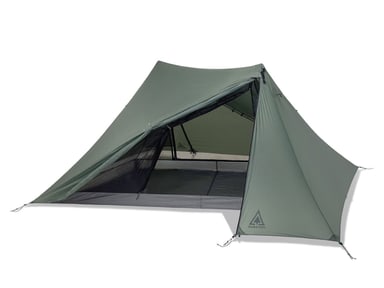
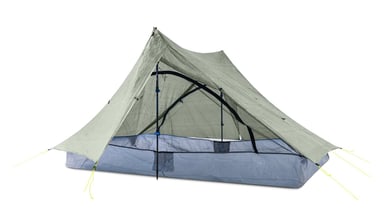
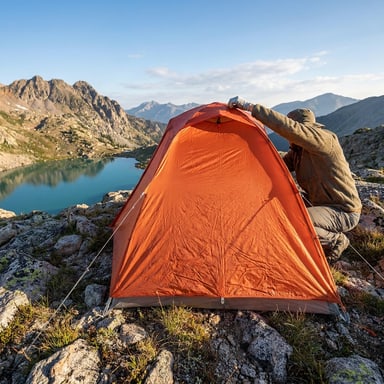
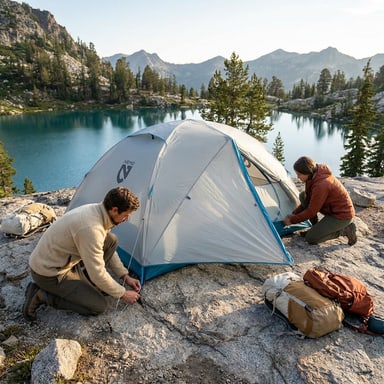
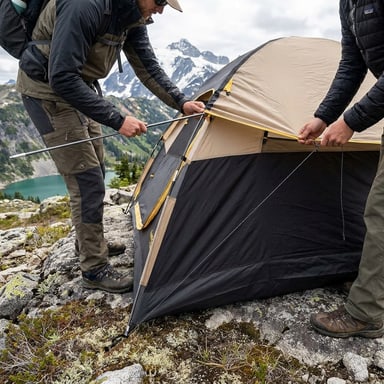
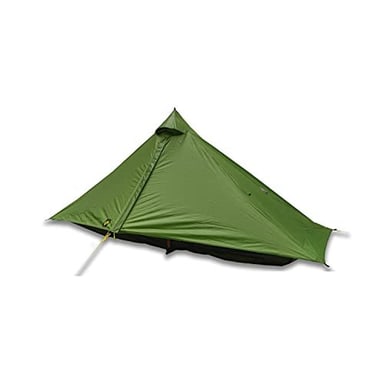
How we picked
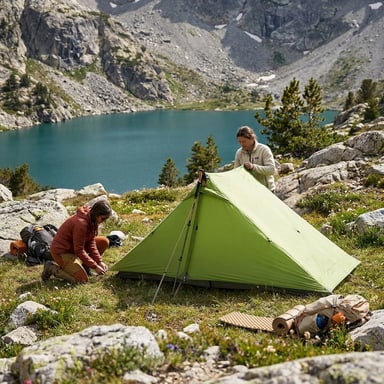
This is a researched roundup, not a field test. We started from the 2026 ultralight tent rankings at Outdoor Gear Lab, Switchback Travel, and CleverHiker, checked every weight, floor, height, and fabric figure against the maker's own spec page, and confirmed each tent was in stock or orderable from the brand or a major retailer. Every pick is scored with the Kit Score: fit for the job, owner and tester sentiment, build quality, and value.
Trekking-pole and freestanding tents are both here, because the right one depends on whether you carry poles and where you camp. Several of the best ultralight tents are sold mainly by the brands that make them, so some links go to Durston, Zpacks, and 3F UL Gear instead of Amazon.
The picks
Best overall: Durston X-Mid 2
BEST OVERALL
Durston X-Mid 2
Best for: Backpackers who carry trekking poles and want the most space and weather protection per ounce and per dollar.
- 33.2 sq ft floor and 48-inch peak, the largest published floor area here
- Needs two trekking poles and good stake placement; not freestanding
Kit Score 8.8/10 · Check current price · how we score gear
Buy at Durston GearProduct details
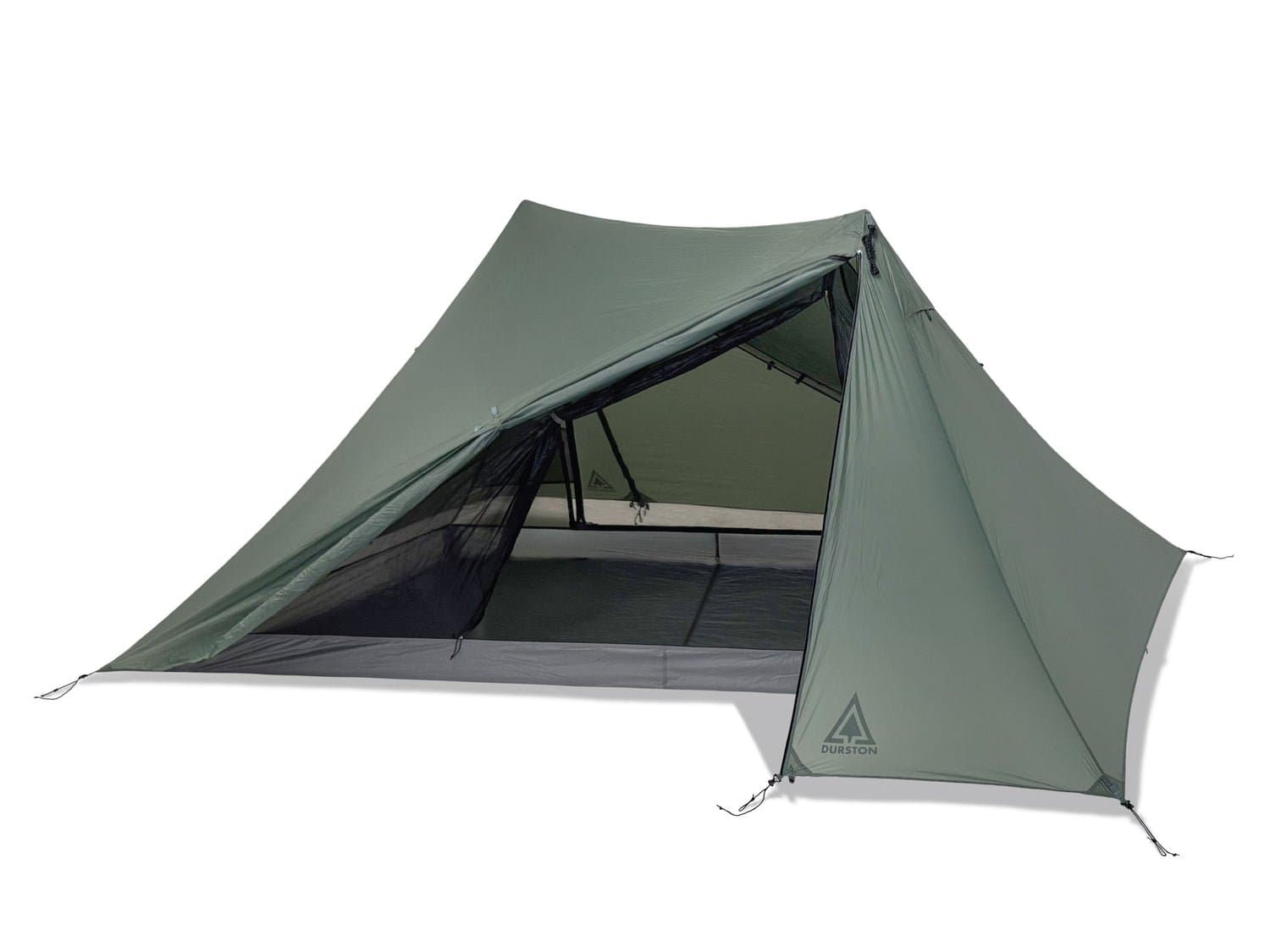
The X-Mid 2 is Durston's two-person, double-wall trekking-pole tent: 31.3 oz complete, a 92 x 52 inch floor, a 48-inch peak, and two large vestibules. It pitches on two trekking poles instead of tent poles, which is where most of the weight savings come from.
- Type
- 2-person, double wall, trekking-pole pitch
- Weight
- 31.3 oz complete (fly 18.8 oz, inner 12.5 oz)
- Floor
- 33.2 sq ft (92 x 52 in)
- Peak height
- 48 in
- Vestibules
- 2 x 11.5 sq ft, two doors
- Fly fabric
- 15D sil/PE polyester, 3,500 mm
- Packed size
- 12 x 6 in
More strengths
- Double wall with a separate inner, so condensation stays on the fly
- Lowest price of the double-wall two-person picks
Other tradeoffs
- Sold direct by Durston, so stock and returns run through one small brand
The X-Mid 2 is the tent most ultralight backpackers should start with. Durston lists it at 31.3 oz complete (an 18.8 oz fly and a 12.5 oz mesh inner) for a 92 x 52 inch floor, 33.2 sq ft of space, a 48-inch peak, and two 11.5 sq ft vestibules. That is the largest published floor area and the most vestibule space of any pick here, at the lowest price of the double-wall tents.
Testers agree on Durston's design. Switchback Travel names the X-Mid 2 its best budget ultralight tent, Outdoor Gear Lab gives the one-person X-Mid 1 a Best Buy, and CleverHiker names the Dyneema X-Mid Pro 2+ the best two-person ultralight tent. Because it is double wall, condensation forms on the 15D sil/PE polyester fly (rated to 3,500 mm), not on your sleeping bag.
The trade-offs: it needs two trekking poles and solid stake placement, so it is a poor fit for rock slabs and wooden platforms, and it is sold direct by Durston rather than through Amazon.
Weight: 31.3 oz complete | Floor: 33.2 sq ft | Peak: 48 in | Vestibules: 2 x 11.5 sq ft | Pitch: two trekking poles
Lightest: Zpacks Duplex Classic
LIGHTEST
Zpacks Duplex Classic
Best for: Thru-hikers and gram-counters who carry trekking poles and want the lightest two-person shelter they can trust.
- 17.8 oz for two people, the lightest two-person tent here by more than half a pound
- Single wall: condensation forms on the inside in humid weather
Kit Score 8.4/10 · Check current price · how we score gear
Buy at ZpacksProduct details
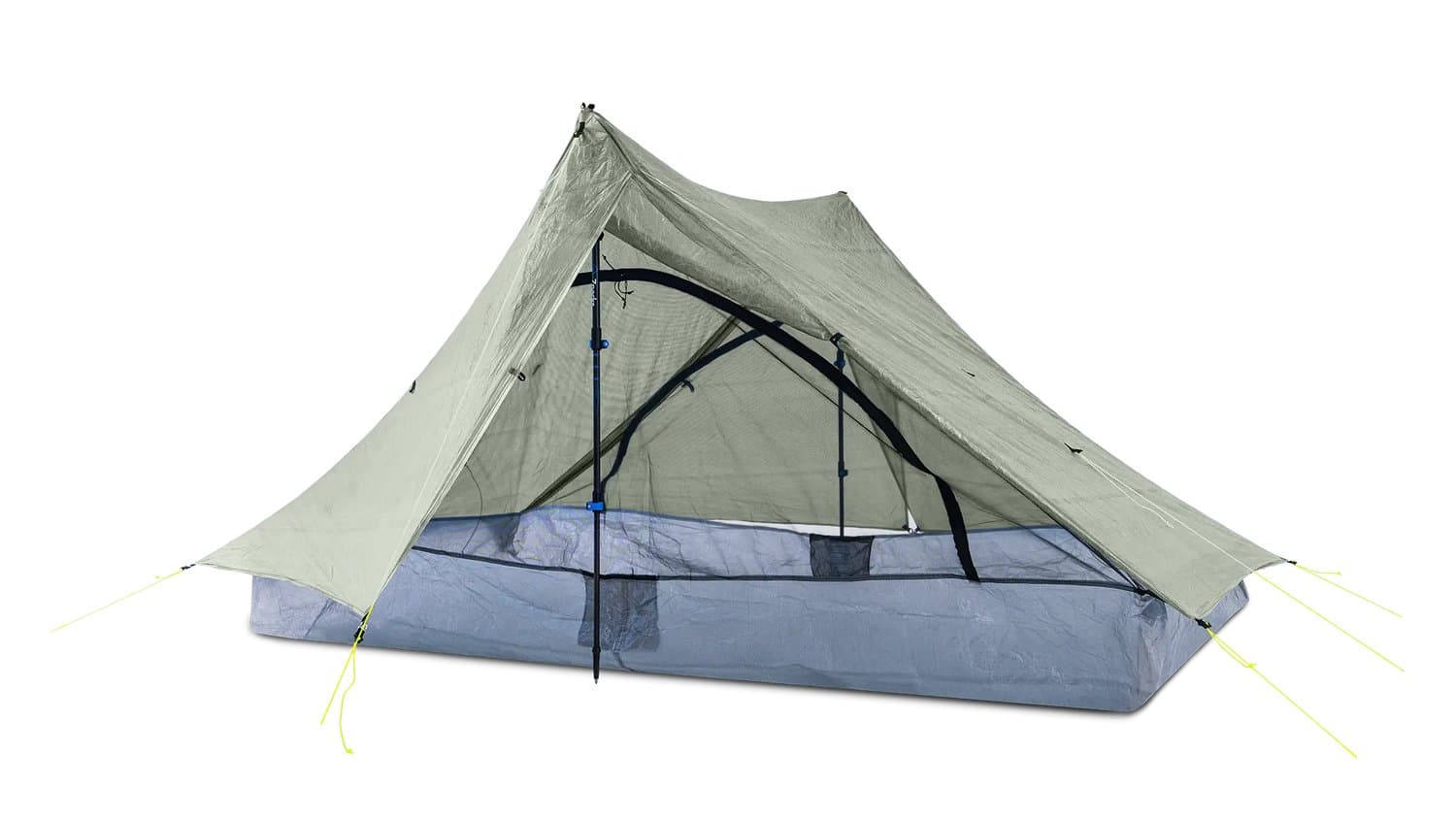
The Duplex Classic is Zpacks' two-person Dyneema trekking-pole tent: 17.8 oz with taped seams and guylines, two doors, and a 45 x 90 inch floor. Zpacks calls it the most used two-person ultralight tent on the Appalachian and Pacific Crest Trails.
- Type
- 2-person, single wall, trekking-pole pitch
- Weight
- 17.8 oz (504 g), stakes not included
- Floor
- 28.1 sq ft (45 x 90 in)
- Peak height
- 48 in (with 48 in poles)
- Doors
- 2 screen doors, 4 storm doors
- Fabric
- DCF canopy, 1.0 oz/sq yd DCF floor
- Warranty
- 2-year limited
More strengths
- Seams come taped from Zpacks, so there is no seam sealing
- Two doors and two vestibules, so neither person climbs over the other
Other tradeoffs
- 45-inch floor width is narrow for two wide pads, and it needs trekking poles and 6 to 8 stakes
At 17.8 oz with guylines and taped seams, the Duplex Classic is the lightest two-person tent here by more than half a pound. Outdoor Gear Lab names it the best two-person ultralight tent, CleverHiker calls it the best low-weight design, and Zpacks calls it the most used two-person ultralight tent on the Appalachian and Pacific Crest Trails.
It is a single-wall Dyneema Composite Fabric shelter that pitches on two 48-inch trekking poles and six to eight stakes. Zpacks lists a 45 x 90 inch floor (28.1 sq ft), a 48-inch peak, two screen doors with four storm doors, and a 1.0 oz/sq yd DCF floor. The seams come taped, so there is nothing to seal.
The cost is the catch: it lists for more than twice the X-Mid 2 to save about 13.5 oz. Single-wall tents also collect condensation on humid nights, and a 45-inch floor is narrow for two wide pads.
Weight: 17.8 oz | Floor: 28.1 sq ft | Peak: 48 in | Fabric: DCF | Pitch: two trekking poles
Best freestanding: Big Agnes Copper Spur UL2
BEST FREESTANDING
Big Agnes Copper Spur UL2
Best for: Backpacking pairs who want a light tent that pitches anywhere, including rock and wooden platforms, without trekking poles.
- Fully freestanding, so it pitches on rock slabs, platforms and hardpan where stakes will not hold
- Thin 15D fabric needs a careful choice of tent site and, for many owners, a footprint
Kit Score 8.1/10 · Check current price · how we score gear
Buy at REIProduct details
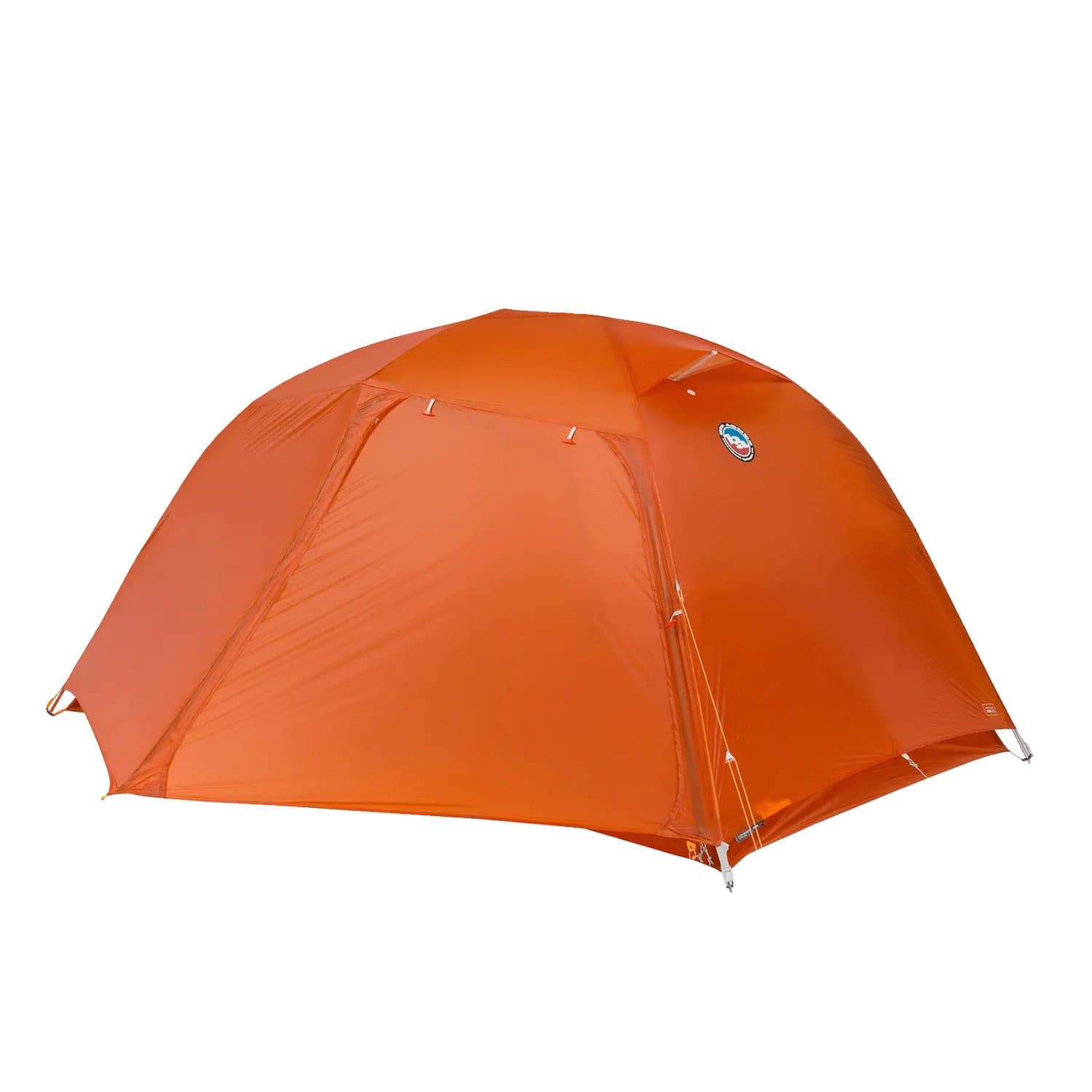
The Copper Spur UL2 is Big Agnes's freestanding ultralight tent for two, now built in HyperBead fabric that Big Agnes says is 6% lighter, 25% more waterproof and 50% stronger than traditional fabrics. Two doors, two 9 sq ft vestibules and a 40-inch peak make it one of the most livable tents at its weight.
- Type
- 2-person, double wall, freestanding
- Trail weight
- 2 lb 10 oz (3 lb total)
- Floor
- 29 sq ft (88 x 52/42 in)
- Peak height
- 40 in
- Vestibules
- 2 x 9 sq ft, two doors
- Fabric
- HyperBead 15D nylon, 1,500 mm
- Packed size
- 19.5 x 4 in
More strengths
- Two doors and two 9 sq ft vestibules, so each person has their own entrance and gear space
- Packs to 19.5 x 4 in and weighs 2 lb 10 oz on the trail
Other tradeoffs
- Stock was thin in October 2026: sold out at Big Agnes and on pre-order at REI
A freestanding tent stands on its own poles, so it pitches on granite, sand, wooden tent platforms, and anywhere else stakes will not hold. The Copper Spur UL2 is the best of them: Switchback Travel names it the best overall backpacking tent, and Outdoor Gear Lab ranks it second among backpacking tents, behind the three-person Copper Spur UL3.
Big Agnes lists a 2 lb 10 oz trail weight (3 lb total), a 29 sq ft floor that tapers from 52 to 42 inches, a 40-inch peak, two doors, and two 9 sq ft vestibules. The current version uses Big Agnes's HyperBead 15D nylon, which the brand says is 6% lighter, 25% more waterproof, and 50% stronger than traditional fabrics.
Stock is the problem right now. In early October 2026 it was sold out at Big Agnes and on pre-order at REI, which is where the link here goes. If you need a freestanding tent this week, the Hubba Hubba LT 2 below is in stock at Amazon.
Trail weight: 2 lb 10 oz | Floor: 29 sq ft | Peak: 40 in | Vestibules: 2 x 9 sq ft | Pitch: freestanding
Best semi-freestanding: NEMO Hornet Elite OSMO 2P
BEST SEMI-FREESTANDING
NEMO Hornet Elite OSMO 2P
Best for: Solo hikers who want a roomy one-person tent at two-person weight, or fast-and-light pairs who will share a tight floor.
- Lightest double-wall tent here at 1 lb 11 oz minimum, without needing trekking poles to stand
- Floor tapers from 50 to 42 inches, tight for two adults on wide pads
Kit Score 7.9/10 · $699.95 Price checked Oct 23, 6:22 AM CDT · how we score gear
Buy on AmazonProduct details
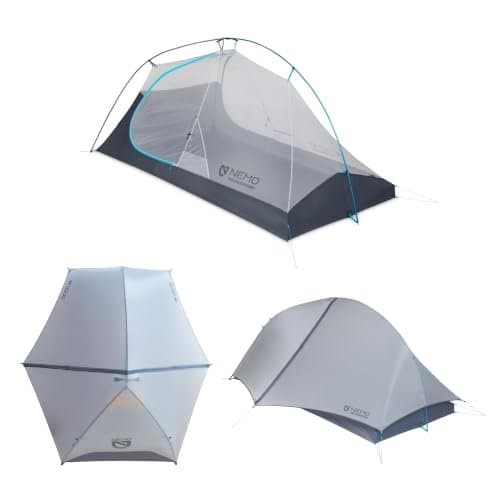
The Hornet Elite OSMO 2P is NEMO's ultralight two-person tent for minimalists: 1 lb 11 oz minimum, two doors, and a semi-freestanding pole frame. NEMO says its OSMO fabric is made from 100% recycled yarns and has 3x less stretch when wet.
- Type
- 2-person, double wall, semi-freestanding
- Minimum weight
- 1 lb 11 oz (2 lb 1 oz packed)
- Floor
- 27.3 sq ft (85 x 50/42 in)
- Peak height
- 37 in
- Vestibules
- 2 x 6.2 sq ft, two doors
- Fabric
- OSMO ripstop, 1,200 mm fly and floor
- Packed size
- 19 x 4 x 2 in
More strengths
- Two doors and two vestibules, rare at this weight
- Sold by NEMO's own Amazon store
Other tradeoffs
- Needs a few stakes to fully pitch, and the light fabrics need a smooth tent site
Switchback Travel names the Hornet Elite OSMO 2P its best overall ultralight backpacking tent. NEMO lists a 1 lb 11 oz minimum weight and 2 lb 1 oz packed, which makes it the lightest double-wall tent here, and it still has two doors and two 6.2 sq ft vestibules.
It is semi-freestanding: the DAC Featherlite pole frame holds most of the shape, and a few stakes finish the pitch. NEMO says its OSMO fly and floor fabric (rated to 1,200 mm) is made from 100% recycled yarns and has 3x less stretch when wet.
The floor is the compromise. It tapers from 50 to 42 inches over 85 inches of length, and the 37-inch peak is the lowest here. Solo hikers who use it as a roomy one-person tent get the most from it; two adults on wide pads will be close.
Minimum weight: 1 lb 11 oz | Floor: 27.3 sq ft | Peak: 37 in | Vestibules: 2 x 6.2 sq ft | Pitch: semi-freestanding
Roomiest freestanding: MSR Hubba Hubba LT 2
ROOMIEST FREESTANDING
MSR Hubba Hubba LT 2-Person
Best for: Backpacking pairs who want the most floor space in a freestanding tent and do not mind carrying a few extra ounces.
- Rectangular 32 sq ft floor, the largest of the freestanding picks, fits two wide pads side by side
- At 3 lb minimum and 3 lb 6 oz packaged it is the heaviest tent here
Kit Score 7.8/10 · $549.95 Price checked Oct 23, 6:22 AM CDT · how we score gear
Buy on AmazonProduct details
The Hubba Hubba LT is MSR's current freestanding two-person backpacking tent: a true rectangular 32 sq ft floor, a 40-inch peak, two doors and 16 sq ft of vestibule at 3 lb minimum.
- Type
- 2-person, double wall, freestanding
- Minimum weight
- 3 lb (3 lb 6 oz packaged)
- Floor
- 32 sq ft, rectangular
- Peak height
- 40 in
- Vestibules
- 16 sq ft total, two doors
- Fabric
- 20D nylon, 1,200 mm fly, 1,800 mm floor
- Packed size
- 20 x 5.5 in
More strengths
- Freestanding hub-and-pole frame pitches anywhere without trekking poles
- Sold and shipped by Amazon.com
Other tradeoffs
- Footprint sold separately
The Hubba Hubba LT 2 is the freestanding tent for pairs who care more about floor space than ounces. MSR lists a true rectangular 32 sq ft floor, a 40-inch peak, two doors, and 16 sq ft of vestibule, so two wide pads fit side by side without overlapping at the feet. Switchback Travel calls it the time-tested runner-up among backpacking tents.
At 3 lb minimum and 3 lb 6 oz packaged, it is the heaviest tent here, about 6 oz more than the Copper Spur UL2. MSR uses solution-dyed 20D ripstop nylon for the fly (1,200 mm) and floor (1,800 mm), with a single DAC NFL pole hub. It is sold and shipped by Amazon.com, which makes it the easy freestanding choice while the Copper Spur is hard to find.
Minimum weight: 3 lb | Floor: 32 sq ft | Peak: 40 in | Vestibules: 16 sq ft total | Pitch: freestanding
Best solo: Six Moon Designs Lunar Solo
BEST SOLO
Six Moon Designs Lunar Solo
Best for: Solo backpackers who want a light, roomy one-person tent and already carry a trekking pole.
- 90-inch floor and 49-inch peak give tall hikers room to sit up and stretch out
- Seams must be sealed before it is fully waterproof (Six Moon Designs sells a sealing service)
Kit Score 8.5/10 · $270.00 Price checked Oct 23, 6:22 AM CDT · how we score gear
Buy on AmazonProduct details
The Lunar Solo is Six Moon Designs' one-person trekking-pole tent: 26 oz, a 90 x 48 inch floor, a 49-inch peak, and an 8.5 sq ft vestibule, in silicone-coated polyester, which Six Moon Designs says reduces fabric stretch and packed size.
- Type
- 1-person, single wall, trekking-pole pitch
- Weight
- 26 oz (740 g), pole and stakes not included
- Floor
- 26.25 sq ft (90 x 48 in)
- Peak height
- 49 in
- Vestibule
- 8.5 sq ft, one large side door
- Fabric
- 20D silpoly canopy, 40D floor, 3,000 mm
- Packed size
- 11 x 4.5 in
More strengths
- Pitches on a single trekking pole and six stakes
- Sold by Six Moon Designs' own Amazon store and its website
Other tradeoffs
- Single wall, so condensation forms on the inside on humid nights
CleverHiker calls the Lunar Solo the easiest one-person ultralight tent to recommend, and the numbers explain why. Six Moon Designs lists 26 oz (without pole and stakes), a 90 x 48 inch floor, a 49-inch peak, and an 8.5 sq ft vestibule, which is a lot of room for one person at that weight. It pitches on a single 49-inch trekking pole and six stakes.
The canopy is 20D silicone-coated polyester and the floor 40D, rated to 3,000 mm; Six Moon Designs says the polyester reduces stretch and packed size compared with other fabrics. It is single wall, so expect some condensation, and the seams must be sealed before it is fully waterproof (Six Moon Designs sells that as a service). It is sold by Six Moon Designs' own Amazon store and its website.
Weight: 26 oz | Floor: 26.25 sq ft | Peak: 49 in | Vestibule: 8.5 sq ft | Pitch: one trekking pole
Best budget: 3F UL Gear Lanshan 2 Pro
BEST BUDGET
3F UL Gear Lanshan 2 Pro
Best for: Hikers on a tight budget, or anyone who wants to try a trekking-pole shelter before buying Dyneema.
- Two-person, two-door ultralight shelter for well under the price of any other pick
- Single-wall construction collects condensation in humid weather; wipe it down before you pack
Kit Score 7.6/10 · Check current price · how we score gear
Buy at 3F UL GearProduct details
The Lanshan 2 Pro is a single-wall, two-door trekking-pole shelter from 3F UL Gear that weighs about 32 oz in SilNylon, at a fraction of the price of name-brand ultralight tents. The trade-offs are condensation and seams you must seal yourself.
- Type
- 2-person, single wall, trekking-pole pitch
- Weight
- Tent body 900 g / 31.8 oz (SilNylon)
- Dimensions
- 270 x 120 cm (8 ft 10 in x 3 ft 11 in)
- Peak height
- 125 cm (49 in)
- Doors
- 2, with side vestibules
- Fabric
- 20D SilNylon or SilPoly fly 2,000 mm, 20D floor 6,000 mm
- Packed size
- 34 x 15 cm (13.7 x 5.9 in)
More strengths
- 125 cm (49 in) peak and two side vestibules
- Two testers name it the best budget ultralight tent
Other tradeoffs
- Seams require sealing before wet-weather use, per 3F UL Gear
The Lanshan 2 Pro is the low-cost way into trekking-pole shelters. Outdoor Gear Lab gives it a Best Buy as the best ultralight tent on a budget, and CleverHiker names it the best budget ultralight tent. 3F UL Gear lists a tent body of about 900 g (31.8 oz) in SilNylon, a 270 x 120 cm footprint, a 125 cm (49 in) peak, two doors, and two side vestibules.
The fly is 20D SilNylon or SilPoly rated to 2,000 mm and the bathtub floor 20D PU nylon rated to 6,000 mm. The work is on you: 3F UL Gear says the seams require sealing, and as a single-wall tent it collects condensation. Check it at home before a wet trip.
Weight: about 31.8 oz (tent body) | Footprint: 270 x 120 cm | Peak: 49 in | Doors: 2 | Pitch: two trekking poles
How they compare
| Spec | Durston X-Mid 2 | Zpacks Duplex Classic | Big Agnes Copper Spur UL2 | NEMO Hornet Elite OSMO 2P | MSR Hubba Hubba LT 2 | Six Moon Lunar Solo | 3F Lanshan 2 Pro |
|---|---|---|---|---|---|---|---|
| Kit Score | 8.8/10 | 8.4/10 | 8.1/10 | 7.9/10 | 7.8/10 | 8.5/10 | 7.6/10 |
| Price | Check current price | Check current price | Check current price | $699.95 Price checked Oct 23, 6:22 AM CDT | $549.95 Price checked Oct 23, 6:22 AM CDT | $270.00 Price checked Oct 23, 6:22 AM CDT | Check current price |
| Best for | Backpackers who carry trekking poles and want the most space and weather protection per ounce and per dollar. | Thru-hikers and gram-counters who carry trekking poles and want the lightest two-person shelter they can trust. | Backpacking pairs who want a light tent that pitches anywhere, including rock and wooden platforms, without trekking poles. | Solo hikers who want a roomy one-person tent at two-person weight, or fast-and-light pairs who will share a tight floor. | Backpacking pairs who want the most floor space in a freestanding tent and do not mind carrying a few extra ounces. | Solo backpackers who want a light, roomy one-person tent and already carry a trekking pole. | Hikers on a tight budget, or anyone who wants to try a trekking-pole shelter before buying Dyneema. |
| Why it stands out | 33.2 sq ft floor and 48-inch peak, the largest published floor area here | 17.8 oz for two people, the lightest two-person tent here by more than half a pound | Fully freestanding, so it pitches on rock slabs, platforms and hardpan where stakes will not hold | Lightest double-wall tent here at 1 lb 11 oz minimum, without needing trekking poles to stand | Rectangular 32 sq ft floor, the largest of the freestanding picks, fits two wide pads side by side | 90-inch floor and 49-inch peak give tall hikers room to sit up and stretch out | Two-person, two-door ultralight shelter for well under the price of any other pick |
| Tradeoff | Needs two trekking poles and good stake placement; not freestanding | Single wall: condensation forms on the inside in humid weather | Thin 15D fabric needs a careful choice of tent site and, for many owners, a footprint | Floor tapers from 50 to 42 inches, tight for two adults on wide pads | At 3 lb minimum and 3 lb 6 oz packaged it is the heaviest tent here | Seams must be sealed before it is fully waterproof (Six Moon Designs sells a sealing service) | Single-wall construction collects condensation in humid weather; wipe it down before you pack |
| Capacity | 2 | 2 | 2 | 2 | 2 | 1 | 2 |
| Weight | 31.3 oz complete | 17.8 oz | 2 lb 10 oz trail | 1 lb 11 oz min | 3 lb min | 26 oz | About 31.8 oz (body) |
| Floor | 33.2 sq ft | 28.1 sq ft | 29 sq ft | 27.3 sq ft | 32 sq ft | 26.25 sq ft | 270 x 120 cm |
| Peak height | 48 in | 48 in | 40 in | 37 in | 40 in | 49 in | 49 in |
| Pitch | 2 trekking poles | 2 trekking poles | Freestanding | Semi-freestanding | Freestanding | 1 trekking pole | 2 trekking poles |
| Walls | Double | Single | Double | Double | Double | Single | Single |
| Doors | 2 | 2 | 2 | 2 | 2 | 1 | 2 |
| Fly fabric | 15D sil/PE polyester, 3,500 mm | DCF | HyperBead 15D nylon, 1,500 mm | OSMO ripstop, 1,200 mm | 20D nylon, 1,200 mm | 20D silpoly, 3,000 mm | 20D SilNylon or SilPoly, 2,000 mm |
| Seams | Not stated | Taped | Not stated | Not stated | Not stated | Seal before use | Seal before use |
How to choose an ultralight backpacking tent
Five decisions that narrow the field
Trekking poles or tent poles
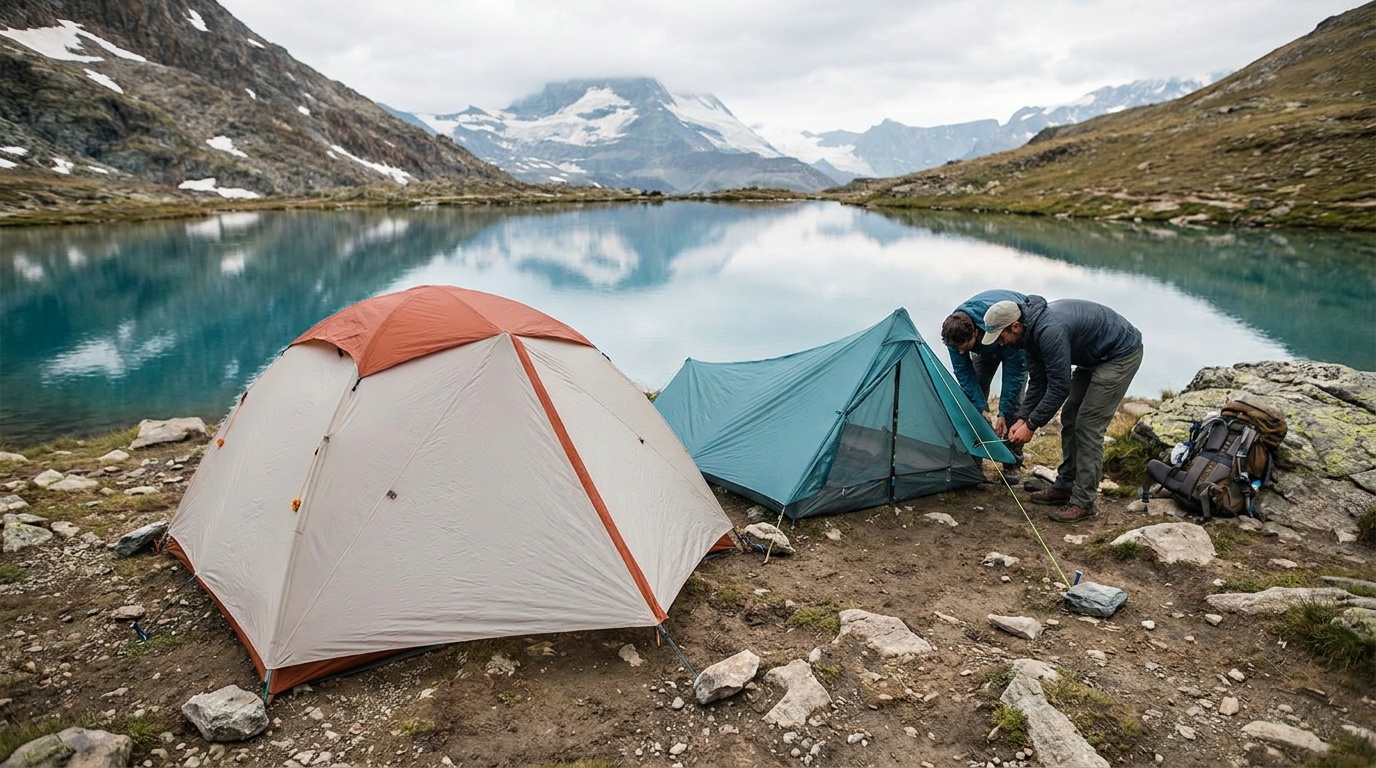
If you hike with trekking poles, a trekking-pole tent like the X-Mid 2 or Duplex uses them as the frame and saves the weight of tent poles. If you do not, or you camp on rock, sand, or wooden platforms, choose a freestanding tent like the Copper Spur UL2 or Hubba Hubba LT 2.
Single wall or double wall
Double-wall tents (X-Mid 2, Copper Spur UL2, Hornet Elite, Hubba Hubba LT 2) keep condensation on the fly, away from your bag. Single-wall tents (Duplex, Lunar Solo, Lanshan 2 Pro) save weight but need good ventilation and a wipe-down on humid nights.
Compare the right weight
Makers quote different numbers: minimum weight (tent, fly, poles), trail or complete weight, or packed weight with stakes and sacks. The Copper Spur UL2 is 2 lb 10 oz on the trail but 3 lb total. Compare like with like.
Check floor width, not just area
For two people, look for about 50 inches of width or more. The X-Mid 2 is 52 inches wide; the Duplex is 45; the Hornet Elite tapers from 50 to 42.
Weigh Dyneema against price
DCF tents like the Duplex are the lightest and come with taped seams, but they cost about twice as much as a silicone-coated polyester tent of similar size.
The lightest tent is the one you will actually carry and sleep well in: weight saved at the cost of a soaked night is not a saving.
Frequently asked questions
What is the best ultralight backpacking tent in 2026?
The Durston X-Mid 2 is the best for most backpackers who carry trekking poles: 31.3 oz complete, a 33.2 sq ft floor, a 48-inch peak, and double-wall construction. Switchback Travel names it the best budget ultralight tent. If you need a freestanding tent, choose the Big Agnes Copper Spur UL2, Switchback Travel's best overall backpacking tent.
What is the lightest two-person tent?
Of the picks here, the Zpacks Duplex Classic is the lightest at 17.8 oz, per Zpacks. Outdoor Gear Lab names it the best two-person ultralight tent. The lightest double-wall tent here is the NEMO Hornet Elite OSMO 2P at 1 lb 11 oz minimum.
Are trekking pole tents worth it?
If you already hike with trekking poles, usually yes. They use your poles as the frame, so tents like the X-Mid 2 and Duplex are lighter and roomier for their weight than freestanding tents. The trade-off is that they need solid stake placement and do not work well on rock or wooden platforms.
Is a Dyneema tent worth the money?
Only if every ounce matters to you. The Zpacks Duplex Classic saves about 13.5 oz over the Durston X-Mid 2 but lists for more than twice as much. For most backpackers, a silicone-coated polyester tent like the X-Mid 2 or Lunar Solo is the better value.
Can two adults fit in an ultralight two-person tent?
Yes, but check the floor width. The X-Mid 2 (52 inches) and Hubba Hubba LT 2 (rectangular, 32 sq ft) fit two adults on standard pads. The Hornet Elite OSMO 2P tapers to 42 inches at the feet and is tight for two; many owners use it as a roomy one-person tent.
Where these numbers come from
| Claim | Source | Checked |
|---|---|---|
| Durston X-Mid 2: 31.3 oz complete (fly 18.8 oz, inner 12.5 oz), 92 x 52 in floor, 33.2 sq ft, 48 in peak, 2 x 11.5 sq ft vestibules, dual doors, double wall, 15D sil/PE polyester fly 3,500 mm, 12 x 6 in packed | Durston X-Mid 2 | 2026-10-03 |
| Zpacks Duplex Classic: 17.8 oz (504 g) with guylines and taped seams, stakes not included, 45 x 90 in floor, 28.1 sq ft, 48 in peak, 2 screen doors and 4 storm doors, two 48 in trekking poles and 6 to 8 stakes, DCF canopy and 1.0 oz/sq yd DCF floor, single wall, 2-year warranty, most used two-person UL tent on the AT and PCT (Zpacks claim) | Zpacks Duplex Classic | 2026-10-03 |
| Big Agnes Copper Spur UL2: 2 lb 10 oz trail, 3 lb total, 88 x 52/42 in, 29 sq ft, 40 in peak, 2 x 9 sq ft vestibules, dual doors, HyperBead 15D nylon at 1,500 mm, 6% lighter, 25% more waterproof, 50% stronger than traditional fabrics, sold out at Big Agnes | Big Agnes Copper Spur UL2 | 2026-10-03 |
| Copper Spur UL2: freestanding, pre-order at REI, 4.4 of 5 from about 94 reviews | REI, Big Agnes Copper Spur UL2 | 2026-10-03 |
| NEMO Hornet Elite OSMO 2P: 1 lb 11 oz minimum, 2 lb 1 oz packed, 27.3 sq ft, 85 x 50/42 in, 37 in peak, 2 x 6.2 sq ft vestibules, 2 doors, OSMO ripstop fly and floor 1,200 mm, 19 x 4 x 2 in packed, recycled yarns and 3x less stretch when wet | NEMO Hornet Elite OSMO | 2026-10-03 |
| MSR Hubba Hubba LT 2: 3 lb minimum, 3 lb 6 oz packaged, 32 sq ft rectangular floor, 40 in peak, 16 sq ft vestibule, 2 doors, one DAC NFL 9.3 mm pole, 20D nylon fly 1,200 mm, 20D floor 1,800 mm, 20 x 5.5 in packed | MSR Hubba Hubba LT 2 | 2026-10-03 |
| Six Moon Designs Lunar Solo: 26 oz (740 g) without pole and stakes, 11 x 4.5 in packed, 26.25 sq ft, 90 x 48 in floor, 49 in peak, 8.5 sq ft vestibule, single 49 in pole, 6 stakes, 20D silpoly canopy, 40D floor, 3,000 mm, single wall, seams need sealing | Six Moon Designs Lunar Solo | 2026-10-03 |
| 3F UL Gear Lanshan 2 Pro: tent body 900 g (31.8 oz) SilNylon, 270 x 120 x 125 cm, 2 doors and side vestibules, 20D SilNylon or SilPoly fly 2,000 mm, 20D PU nylon floor 6,000 mm, single wall, seams require sealing, 34 x 15 cm packed | 3F UL Gear Lanshan 2 Pro | 2026-10-03 |
| Ultralight awards: Switchback Travel (Hornet Elite OSMO 2P best overall; X-Mid 2 best budget); Outdoor Gear Lab (Duplex Classic best 2-person; X-Mid 1 Best Buy; Lanshan 2 Pro best on a budget); CleverHiker (X-Mid Pro 2+ best 2-person; Lunar Solo easiest 1-person to recommend; Lanshan 2 Pro best budget; Duplex Classic best low-weight design) | Switchback Travel, Outdoor Gear Lab, CleverHiker | 2026-10-03 |
| Backpacking tent awards: Switchback Travel (Copper Spur UL2 best overall; Hubba Hubba LT 2P time-tested runner-up); Outdoor Gear Lab (Copper Spur UL3 first, UL2 second) | Switchback Travel, Outdoor Gear Lab | 2026-10-03 |
| Seller and stock: Hornet Elite OSMO 2P sold by NEMO's Amazon store; Hubba Hubba LT 2 by Amazon.com; Lunar Solo by Six Moon Designs' Amazon store; X-Mid 2, Duplex Classic, and Lanshan 2 Pro in stock direct from the makers | Amazon listings B0DK7NQGYG, B0DN3QGTPD, B01839LMRY; maker product pages | 2026-10-03 |
We did not pitch these tents ourselves. Weights and dimensions are the makers' published specs, and makers measure weight differently, as the table notes. Awards belong to the testers named above.
For winter and above-treeline trips, see the best 4-season tents. For the rest of a light kit, browse the hiking and backpacking hub, or read how we research and rate gear.
Keep going
Free toolBase-Weight BuilderAdd up your pack base weight and see where to cut.Related guides
 Complete hike loadoutDay hike kitBuild the complete kit
Our recommendations draw on manufacturer documentation, retailer listings, owner feedback, and comparisons with alternatives.
As an Amazon Associate I earn from qualifying purchases. We may earn a commission from links here, at no extra cost to you. How we research →