When to go
Conditions, crowds, and what each season asks you to pack.
Spring
Mild, highs in the low 60s to high 60s F, with green hills and peak wildflowers in March and April.
Pack Layers and a windbreaker; the boat crossing is breezy even on warm days.
Summer
Warm and dry, highs in the high 60s to mid 70s F, with the calmest seas and best kayaking conditions.
Pack Sun protection and plenty of water; there is no shade or store on the islands.
Fall
Warm and clear, highs in the high 60s to mid 70s F, often the best visibility of the year.
Pack Light layers plus a warm top for cool evenings and the ride back.
Winter
Cool and changeable, highs in the high 50s to low 60s F, with the best chance to see migrating gray whales.
Pack Rain shell and warm layers; crossings can be rough, so pack for seasickness.
Crowds by month, from NPS visit counts
Busiest: July. An average July brings about 33,400 recreation visits to Channel Islands, roughly 1,080 a day. Peak crowds run May to August and October.
Quietest: January. About 14,600 visits, 44% of the busiest month.
- Low
- Moderate
- High
- Peak
Bar height is each month's average visits compared with the busiest month. Low is under 25% of that peak, Moderate 25 to 49%, High 50 to 74%, Peak 75% and up.
See the monthly numbers
| Month | Avg visits | Share of year | Crowds |
|---|---|---|---|
| January | 14,589 | 5% | Moderate |
| February | 15,887 | 6% | Moderate |
| March | 22,821 | 8% | High |
| April | 23,747 | 8% | High |
| May | 25,826 | 9% | Peak |
| June | 29,704 | 11% | Peak |
| July | 33,365 | 12% | Peak |
| August | 27,105 | 10% | Peak |
| September | 23,492 | 8% | High |
| October | 26,315 | 9% | Peak |
| November | 22,508 | 8% | High |
| December | 16,021 | 6% | Moderate |
Source: NPS Visitor Use Statistics, monthly recreation visits, averaged over 2023–2025. October and November 2025 are left out of the averages because of the federal government shutdown. Visits count entries, not unique people. NPS monthly report for Channel Islands · Crowd calendar for all 63 parks
Channel Islands weather by month
Average daily highs and lows, plus monthly precipitation, from NOAA's 1991-2020 climate normals for the Ventura and Oxnard coast, where boats depart. Shaded months are the park's best season. Tap a month to build a pack list for it.
| Month | Jan | Feb | Mar | Apr | May | Jun | Jul | Aug | Sep | Oct | Nov | Dec |
|---|---|---|---|---|---|---|---|---|---|---|---|---|
| High (F) | 66 | 65 | 66 | 67 | 68 | 70 | 73 | 74 | 74 | 74 | 70 | 66 |
| Low (F) | 46 | 48 | 49 | 51 | 54 | 58 | 61 | 61 | 60 | 55 | 50 | 47 |
| Precip (in) | 2.9 | 3.3 | 2.3 | 0.7 | 0.3 | 0.1 | 0.0 | 0.0 | 0.1 | 0.5 | 0.7 | 2.1 |
Station OXNARD VENTURA CO AP (USW00093110), 36 ft, a gateway station about 5 miles from Robert J. Lagomarsino Visitor Center in Ventura Harbor. No island station publishes normals. The islands are usually windier than the mainland harbor.
Source: NOAA NCEI U.S. Climate Normals, 1991-2020 monthly averages. Averages describe a typical year, not a forecast; check current conditions and alerts before you go. Precipitation includes the water in melted snow.
Top things to do
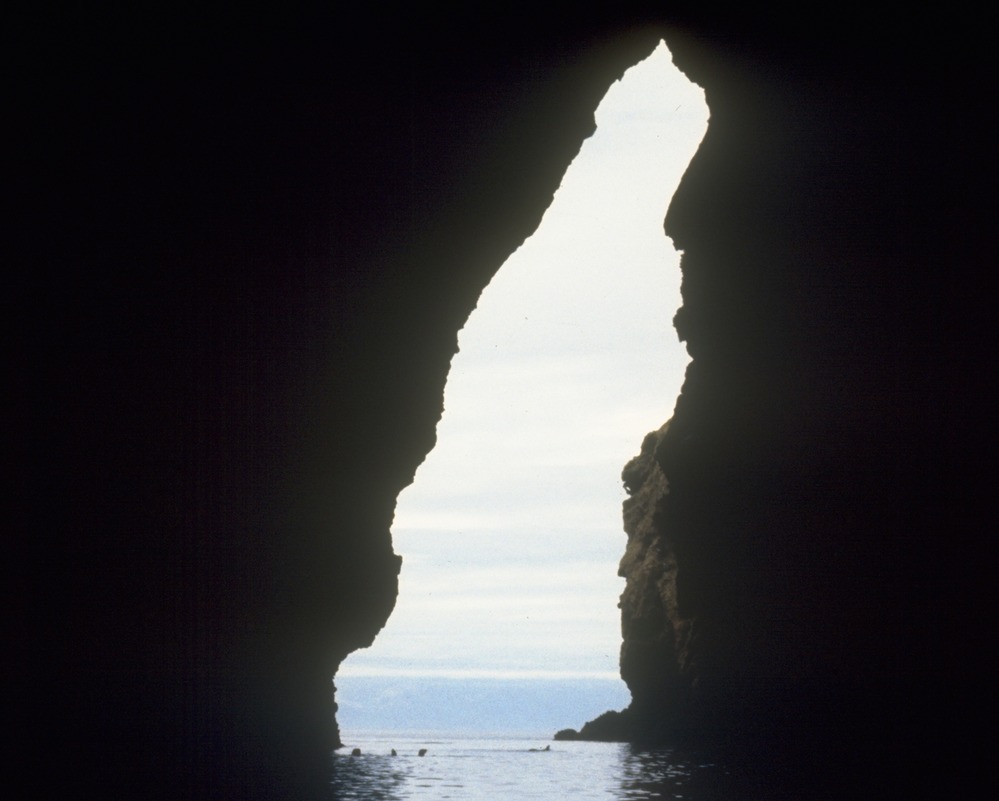
Sea cave kayaking at Scorpion Anchorage
Paddle into some of the world's largest sea caves on Santa Cruz Island; guided tours run from the landing.
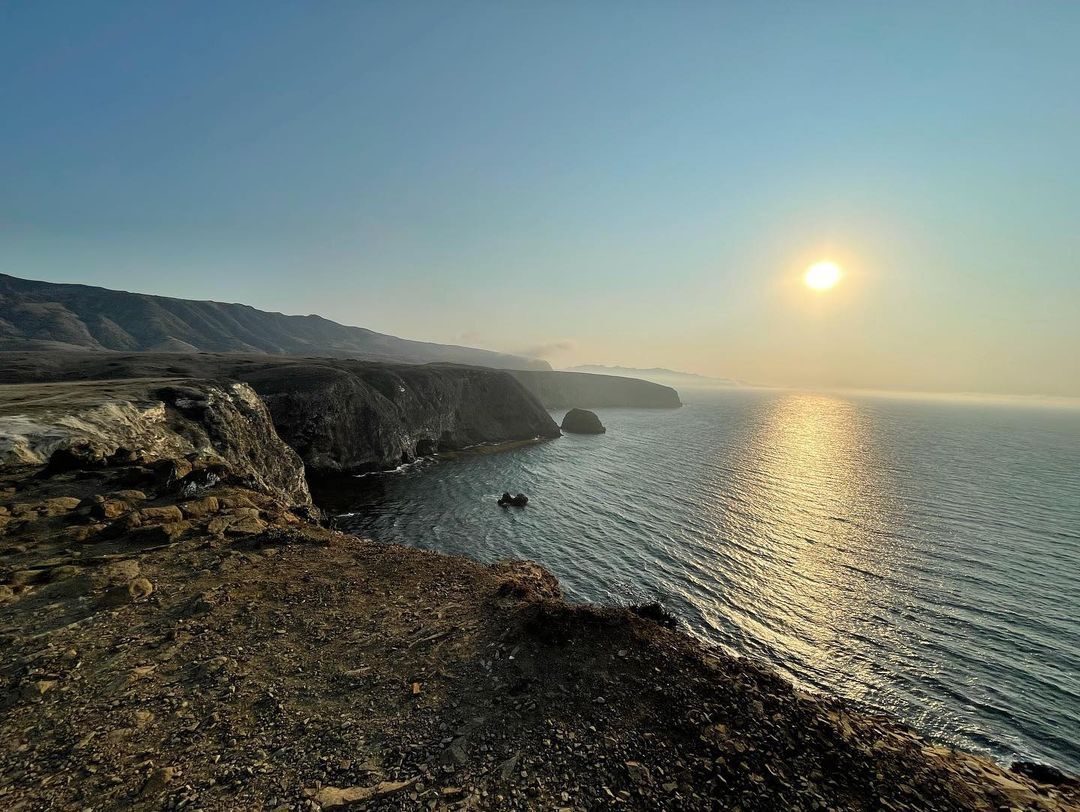
Cavern Point Loop (Santa Cruz)
A 2-mile loop climbing to bluff-top views of the channel, with whale and dolphin sightings in season.
Potato Harbor Trail (Santa Cruz)
A moderate 5-mile round trip to a turquoise cove framed by sheer sea cliffs.
Inspiration Point (Anacapa)
A short walk to the park's classic postcard view of the chain of islets; the climb up 154 steps from the cove starts it off.
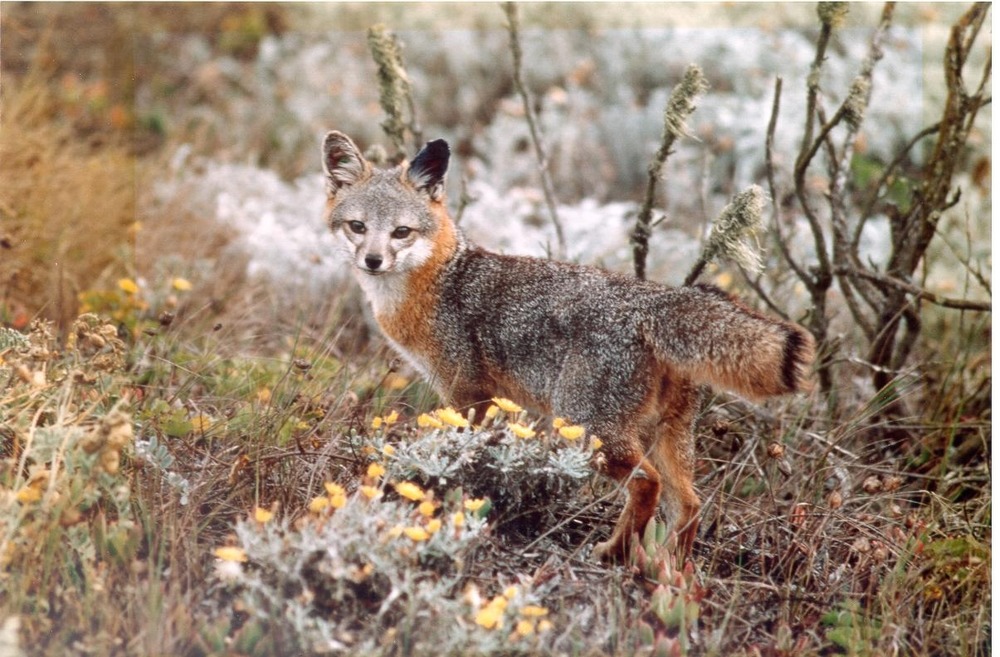
Island fox spotting
The cat-sized island fox lives nowhere else on Earth and is commonly seen around the Scorpion campground.
Anchor the day around Sea cave kayaking at Scorpion Anchorage
Put the access rule first: shuttle, parking, timed-entry, or reservation windows should decide the order of the day. For one day in Channel Islands, make Sea cave kayaking at Scorpion Anchorage the non-negotiable, add Cavern Point Loop (Santa Cruz) only if the first stop runs clean, and keep Potato Harbor Trail (Santa Cruz) as the flexible finish.
- 1Start with Sea cave kayaking at Scorpion Anchorage: Paddle into some of the world's largest sea caves on Santa Cruz Island; guided tours run from the landing.
- 2Add Cavern Point Loop (Santa Cruz): A 2-mile loop climbing to bluff-top views of the channel, with whale and dolphin sightings in season.
- 3Use Potato Harbor Trail (Santa Cruz) as the optional finish, not as a reason to rush the whole day.
Where to stay
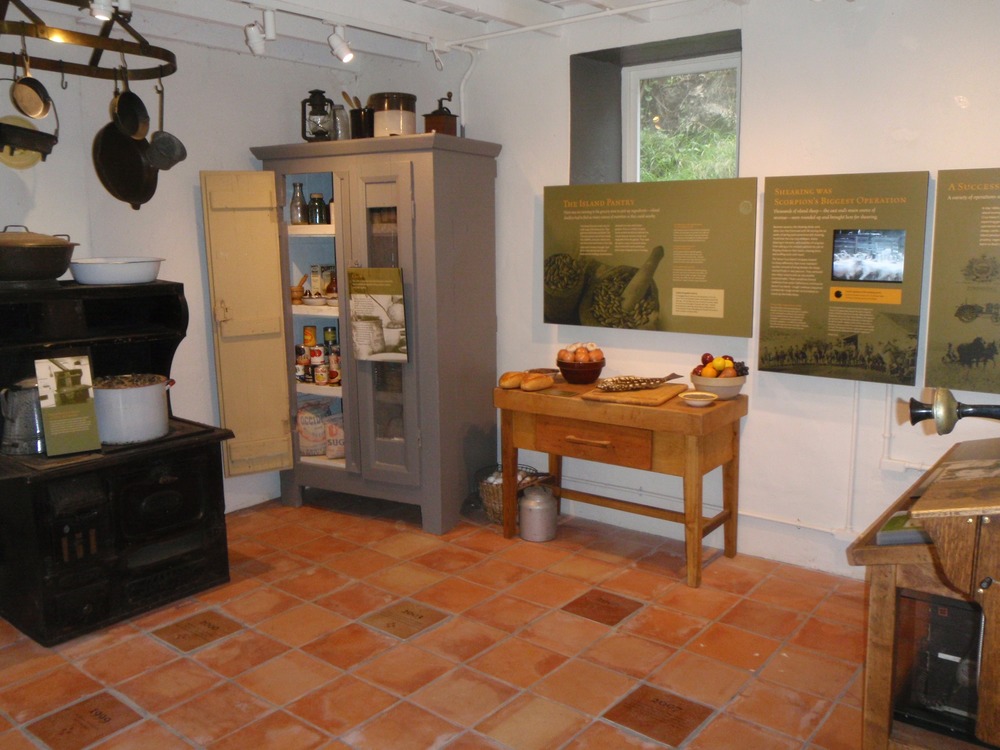
Stay strategy
Make the access plan before the lodging plan.
Stay strategy
Solve the boat schedule before you choose a bed.
Channel Islands trips are built around ferry timing, sea conditions, and which island you actually booked. Ventura and Oxnard are the practical mainland bases. Scorpion on Santa Cruz is the easiest first overnight, while the outer islands demand more self-sufficiency and schedule flexibility.
- Main access
- Concession boat or private boat, no road bridge
- Easiest first island
- Santa Cruz Island, Scorpion area
- Services
- No food, lodging, or gear rentals on the islands
- Camping
- Primitive NPS campgrounds on all five islands
Compare base options
Read these as access plans first. The right base is the one that makes the transfer reliable, then the room or campsite can follow.
Paid links: we may earn a commission if you book, at no extra cost to you.
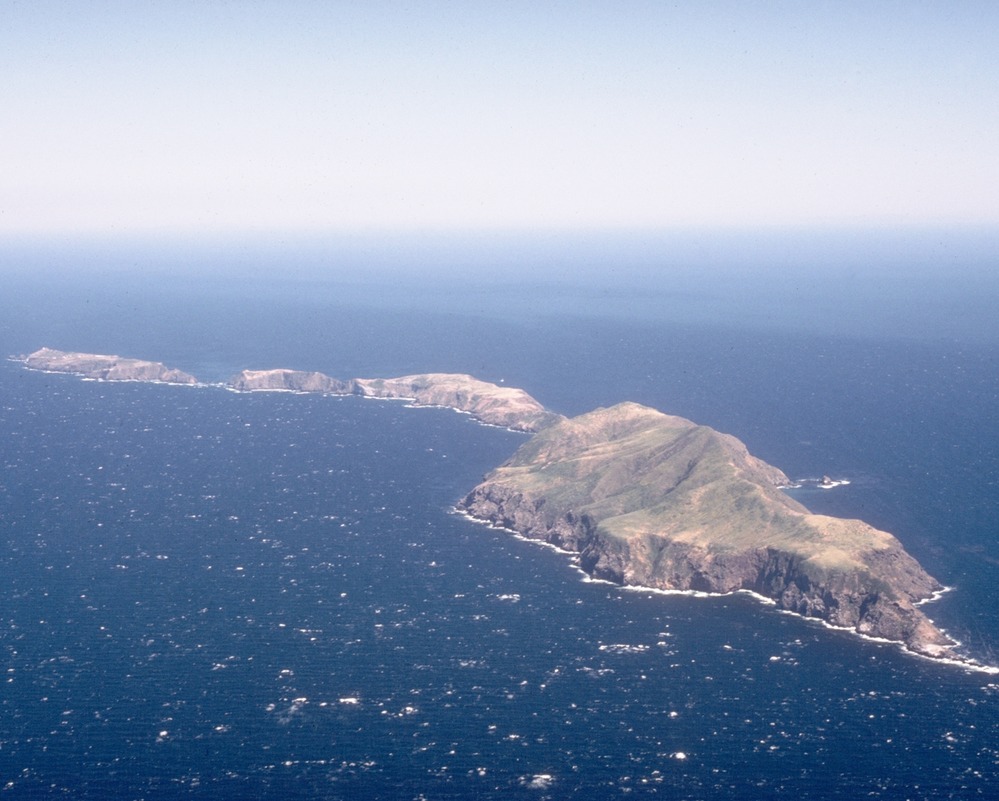
- Best for
- Ferry departures, one-day trips, family logistics, and weather rescheduling
- Tradeoff
- You still need to wake early for boat check-in and parking.
Planning detail
Stay near the harbor when ferry timing matters. The mainland bed gives you flexibility if wind changes the island plan.
- Best for
- First-time campers, sea cave kayaking, Cavern Point, Potato Harbor, and the most forgiving logistics
- Tradeoff
- You carry everything from the landing and must pack for no island services.
Planning detail
Scorpion is the simplest overnight because trails, paddling, and the campground cluster near the landing. Book ferry seats and campsite together.
- Best for
- Repeat visitors, solitude, birding, longer hikes, and island-specific wildlife trips
- Tradeoff
- Fewer transport windows and more exposure to wind, fog, and limited water.
Planning detail
Treat the outer islands like a remote coastal trip. Carry water where required, pad your schedule, and let ferry availability choose the island before lodging does.
Pack self-contained
Food, water, layers, sun protection, and seasickness backup all matter because there are no island stores.
Respect landings
Weather can change landings or cancel boats, so avoid same-night flight plans after an island return.
Camping reservations
Camping reservations
Book the boat before the campsite: Island Packers fills faster than the campgrounds.
Scorpion Canyon Campground on Santa Cruz Island is the first choice: 31 walk-in sites a half mile from the landing, with potable water and the most frequent ferries. Every island campground requires an advance Recreation.gov reservation year-round, and the boat is the real bottleneck, so lock in transportation first.
Reviewed June 11, 2026
Booking window
All five island campgrounds book on Recreation.gov up to 6 months in advance at $15 per night per site; there is no walk-up camping anywhere in the park.
- Concession boats fill to capacity faster than the campgrounds: secure your Island Packers ferry (or the seasonal small plane to Santa Rosa) before booking the campsite, then carry your camping confirmation for the island ranger.
- Every campground is walk-in: you haul all gear 0.25 to 1.5 miles from the landing, and the boat concessionaire caps each item at 45 pounds.
- Potable water exists only at Scorpion Canyon (Santa Cruz) and Water Canyon (Santa Rosa); on Anacapa, San Miguel, and Santa Barbara you carry 1 gallon per person per day.
- No fires anywhere, enclosed gas stoves only, and food goes in the provided animal-proof boxes: island foxes and ravens can open zippers.
Where to book or verify
Official rundown of all five island campgrounds, fees, and what each landing demands of you.
All island campgrounds book through Recreation.gov, up to 6 months ahead.
Book the concessionaire boat or plane first; without transport, a campsite reservation is worthless.
Use this for wilderness permits, timed systems, tours, and other park-specific reservations.
Campgrounds to know
Scorpion Canyon Campground (Santa Cruz Island)
Details- Booking
- Reserve up to 6 months ahead on Recreation.gov.
- Season
- Open year-round.
- Sites
- 31 walk-in tent sites including 6 group sites; potable water and pit toilets.
- The easiest and most popular island camp: a half-mile flat walk from the landing, with sea-cave kayaking and island foxes at your tent.
Santa Rosa Island Campground (Water Canyon)
Details- Booking
- Reserve up to 6 months ahead on Recreation.gov.
- Season
- Open year-round; check park alerts, the island saw a wildfire closure in 2026.
- Sites
- 15 tent sites with wind shelters, potable water, and toilets.
- Outer-island camping near a white-sand beach; expect serious wind (30-knot gusts are routine) and a 1.5-mile flat walk from the pier.
Anacapa Island Campground
Details- Booking
- Reserve up to 6 months ahead on Recreation.gov.
- Season
- Open year-round; nesting gulls dominate April to mid-August.
- Sites
- 7 primitive tent sites; pit toilet, no water, no shade.
- The closest crossing, but earn it: 157 stairs up from the cove, then a half mile with everything you packed.
San Miguel Island Campground
Details- Booking
- Reserve up to 6 months ahead on Recreation.gov when open.
- Season
- Check the NPS page for current status; the campground was listed closed at review time.
- Sites
- 9 tent sites with wind shelters; pit toilet, no water.
- The wildest island: a 1-mile, 400-foot climb from the beach, frequent fog and wind, and boats that run far less often.
Santa Barbara Island Campground
Details- Booking
- Reserve up to 6 months ahead on Recreation.gov.
- Season
- Open year-round; boat service is sparse, check schedules first.
- Sites
- 10 primitive tent sites; pit toilet, no water, no shade.
- The smallest, most remote island camp, a quarter-mile steep climb above Landing Cove; pack an extra day of food in case seas delay your pickup.
Getting there and practical info
Make the transfer plan before the trail plan.
Weather windows, boat schedules, flight buffers, and backup days shape what is realistic.
Getting there
Get to Channel Islands by solving the transfer first.
- Nearest airport
- Santa Barbara Airport (SBA), about 45 minutes by car to the Ventura ferry harbor; Los Angeles (LAX) is roughly 1.5 to 2 hours north to Ventura.
- Access rhythm
- Transfer time matters
- Region
- California
Car strategy
The park is islands only, so you cannot drive in.
Transfer plan
Fly into Santa Barbara (about 45 minutes away) or Los Angeles (1.5 to 2 hours), then drive to Ventura Harbor and take the Island Packers ferry, the park concessionaire.
Local movement
Santa Cruz Island (Scorpion) is the most popular crossing at roughly one hour each way; Anacapa is closest, and the outer islands take longer and run less often.
Book ahead
- Rental cars at Santa Barbara Airport (SBA)Paid link, Economybookings
- Guided tours in Channel IslandsPaid link, Viator
Paid links: we may earn a commission if you book, at no extra cost to you.
Pair this with lodging: the best base is the one that protects the departure window, pickup point, or weather buffer.
Plan your trip
Build one complete pack brief from Channel Islands's season, activity, and trip length. Fine-tune an individual calculation only if you need it.
Fine-tune water, pack size, warmth, or stove fuel
Build around access
Plan the transfer before the trail list.
Plan your trip
4 quick tools, already seeded for Channel Islands. Tune the route, pack weight, weather margin, and overnight setup after the access plan is real.
What to pack
Start with the gear decisions Channel Islands changes: water, footing, weather, and overnight needs. The checklist is there once your route and dates are set.
Kit Authority
Channel Islands packing list
0 of 19 packed. Check items as you pack, then take this list to the store, trailhead, or campsite.
Pack planning
Decide what Channel Islands asks of your kit before you start checking boxes.
Use this as a constraint check while you are still shaping the trip. The active checklist becomes useful once your route, dates, and sleep plan are set.
- First constraintHydration and exposureWater, hat, sunscreen, sunglasses, Navigationmap, downloaded GPS, or a GPS watch, 3 more
- Route realityFooting and tractionHiking boots, Hiking socks, Trekking poles
- Load choicePack and carry systemBackpacking pack
- If overnightSleep and shelterBackpacking tent, Sleeping bag, Sleeping pad, 1 more
Checklist mode
19 items, grouped for the trip you are actually taking.
- Dates and season are set.
- Primary route, campground, or lodge is chosen.
- Water, footwear, and overnight needs are sized.
One researched pick
The first gear decision for Channel Islands
A stable daypack is the one purchase that organizes water, layers, food, first aid, and the small safety margin.
We may earn a commission from links on this page, at no extra cost to you. Product prices and availability are accurate as of the date/time indicated and are subject to change. Any price and availability information displayed on Amazon at the time of purchase will apply to the purchase of this product.

THE DAY-HIKE PICK
Osprey Talon 22
Best Overall
Kit Score 8.6/10
$169.95 Price checked Oct 23, 4:16 PM CDT
Best for: Hikers who want a proven all-around daypack with solid load support, plenty of adjustment, and a warranty they can actually use.
- Adjustable torso fit covers a wide range of body sizes
- At 2 lb 1 oz it runs heavier than ultralight rivals for the same volume
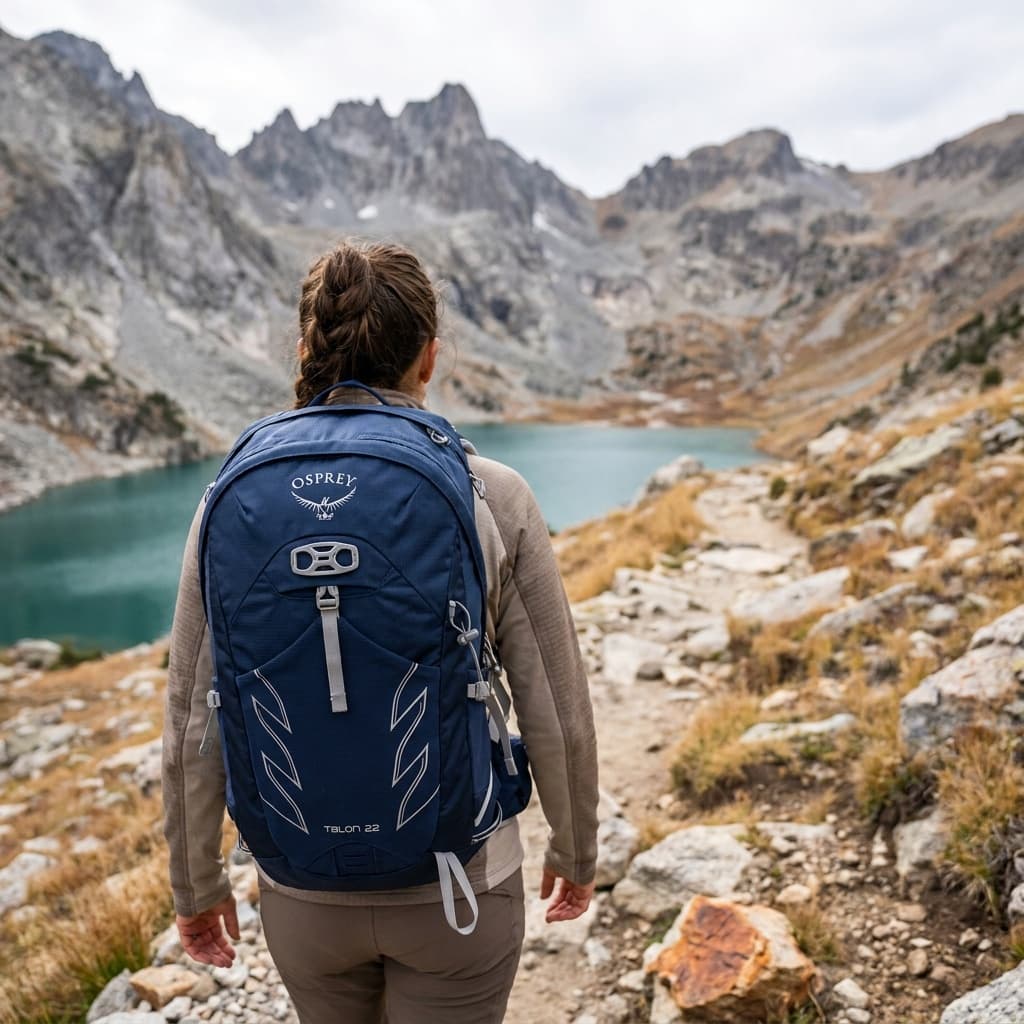
- Volume
- 22 L
- Weight
- 2 lb 1 oz (945 g)
- Back Panel
- AirScape foam with ventilation channels
- Hipbelt Pockets
- 2 zippered
- Hydration
- Compatible up to 3 L reservoir (sold separately)
- Warranty
- All Mighty Guarantee (lifetime repair or replace)
About this pick
The Talon 22 is the daypack you see on the trail more than any other for good reason: it packs in a padded hipbelt, adjustable torso harness, and dual hipbelt pockets into a 22-liter package that handles loads up to 20 lb without complaint. Owners across hundreds of Amazon ratings consistently cite its adjustability and durability as standouts.
Strengths
- Adjustable torso fit covers a wide range of body sizes
- Padded hipbelt and dual hipbelt pockets at this size are rare
- Osprey lifetime warranty backs years of hard use
Weaknesses
- At 2 lb 1 oz it runs heavier than ultralight rivals for the same volume
- AirScape back panel ventilation is functional but not class-leading compared to suspended-mesh designs
Kit Score breakdown
Gear for Channel Islands
The buying guides that match what Channel Islands asks of your kit. Each one has our current top picks across budget and use case.
Can you photograph here? Permit and drone rules
Channel Islands still publishes pre-EXPLORE permit guidance, wants two weeks and a hard-copy application, and every shoot is shaped by the boat ride out.
- Permit
- Usually fine for personal shoots; commercial or large productions can need a permit
- Drones
- Effectively banned: launching, landing, or operating a drone within park boundaries is prohibited
- Land
- Yes for personal and editorial photography throughout the park
From our photography sister site, Aperture Authority. Verified 2026-07-01.
Frequently asked questions
Do you need a reservation to visit Channel Islands National Park?
The park itself is free and needs no entry reservation, but you almost always need a boat reservation to get there. Ferries run through the concessionaire Island Packers out of Ventura, and they fill up in summer, so book ahead. Camping requires a separate Recreation.gov reservation on top of your boat.
How do you get to Channel Islands National Park?
By boat or small plane only, there are no roads or bridges. Most visitors drive to Ventura Harbor and take the Island Packers ferry, with Santa Cruz Island about an hour away and Anacapa the closest. Private boats are also allowed, and seasonal flights serve Santa Rosa Island.
Which Channel Island is best for a first visit?
Santa Cruz Island at Scorpion Anchorage is the easiest and most popular choice. It has the shortest reliable ferry, good day hikes like Cavern Point and Potato Harbor, the park's best sea-cave kayaking, and frequent island fox sightings. Anacapa is a good second option for a shorter trip.
Can you do Channel Islands as a day trip?
Yes, and most people do. A typical Santa Cruz Island day trip gives you several hours on the island between morning and afternoon ferries, enough for a hike or a guided kayak tour. Just remember there is no food, water, or shade for sale, so pack everything you need before you board.
Keep planning
Nearby parks
 PinnaclesVolcanic rock spires, two talus caves you can climb through, and the best odds anywhere of spotting a wild California condor.
 Joshua TreeWhere the Mojave and Colorado deserts meet: spiky Joshua trees, golden boulder piles, and some of the darkest night skies in Southern California.
 SequoiaHome of the General Sherman, the largest tree on Earth, in a high Sierra forest of giant sequoias.