Destinations
Tennessee outdoors
From the Smokies' 800 miles of trail to the Cumberland Plateau's waterfall gorges, Tennessee packs big mountain country into easy reach.
Top parks in Tennessee
See all 65 parks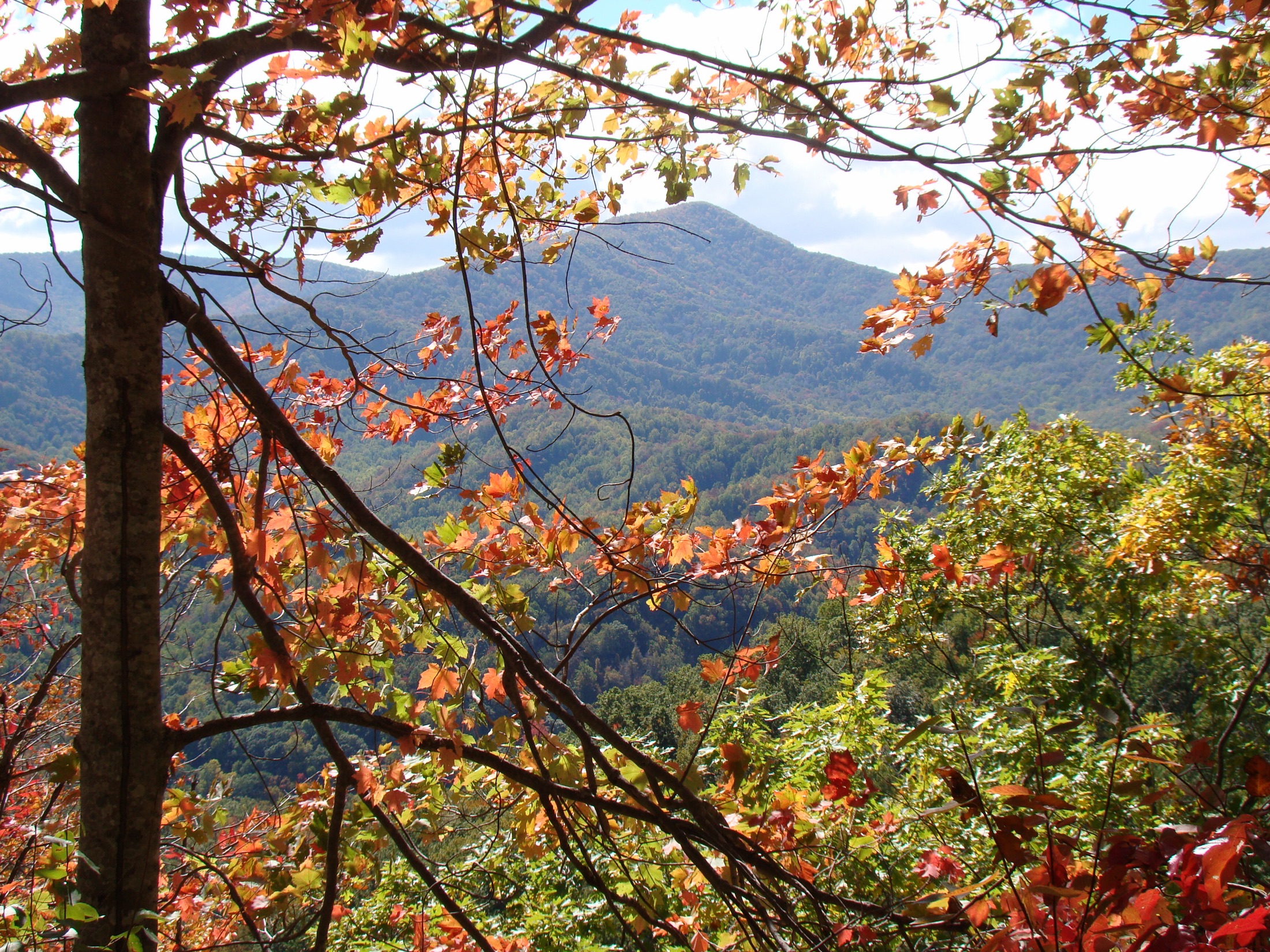
Great Smoky Mountains
The most-visited US national park: misty ridgelines, 800 miles of trail, and free entry.
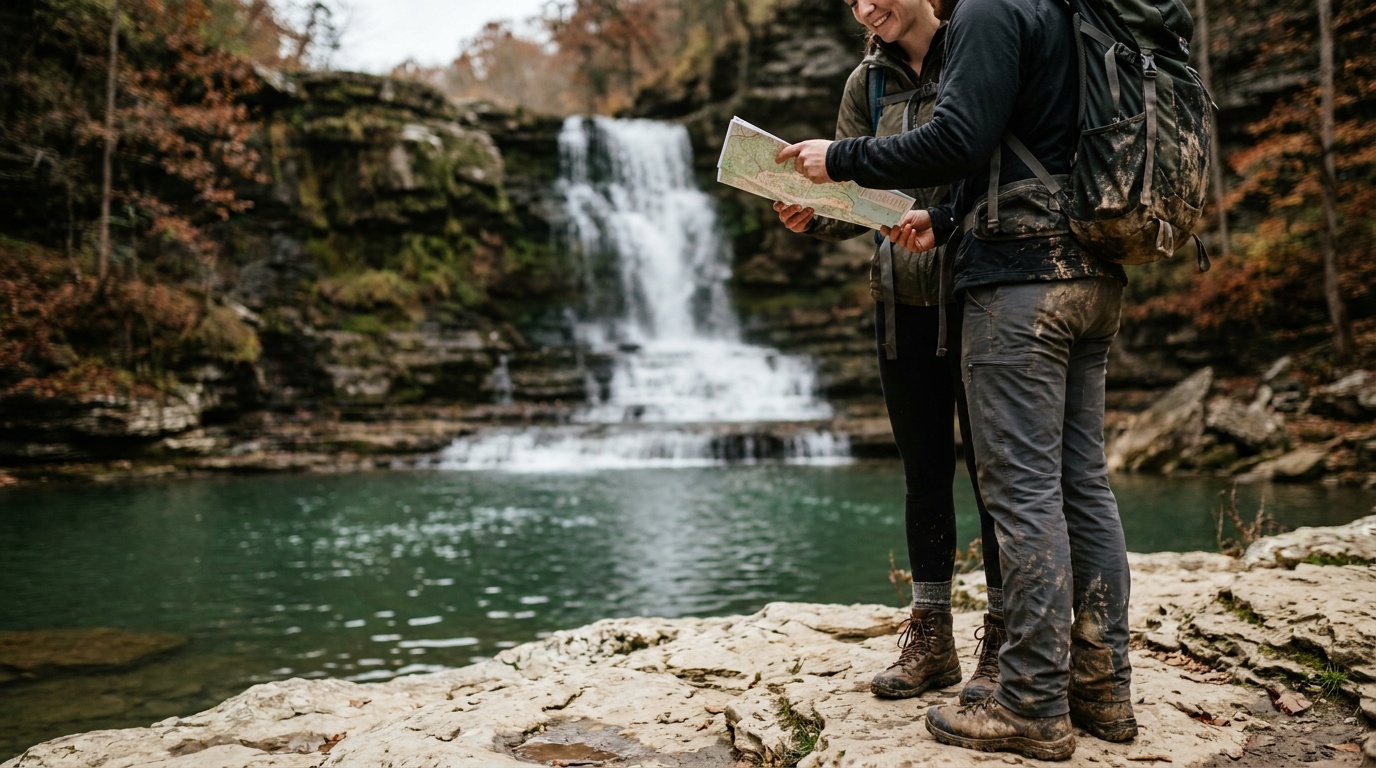
Cummins Falls State Park
A 457-acre natural area in Jackson County with a 75-foot waterfall plunging into a natural swimming pool, requiring a Gorge Access Permit and a strenuous hike through the Blackburn Fork gorge to reach.
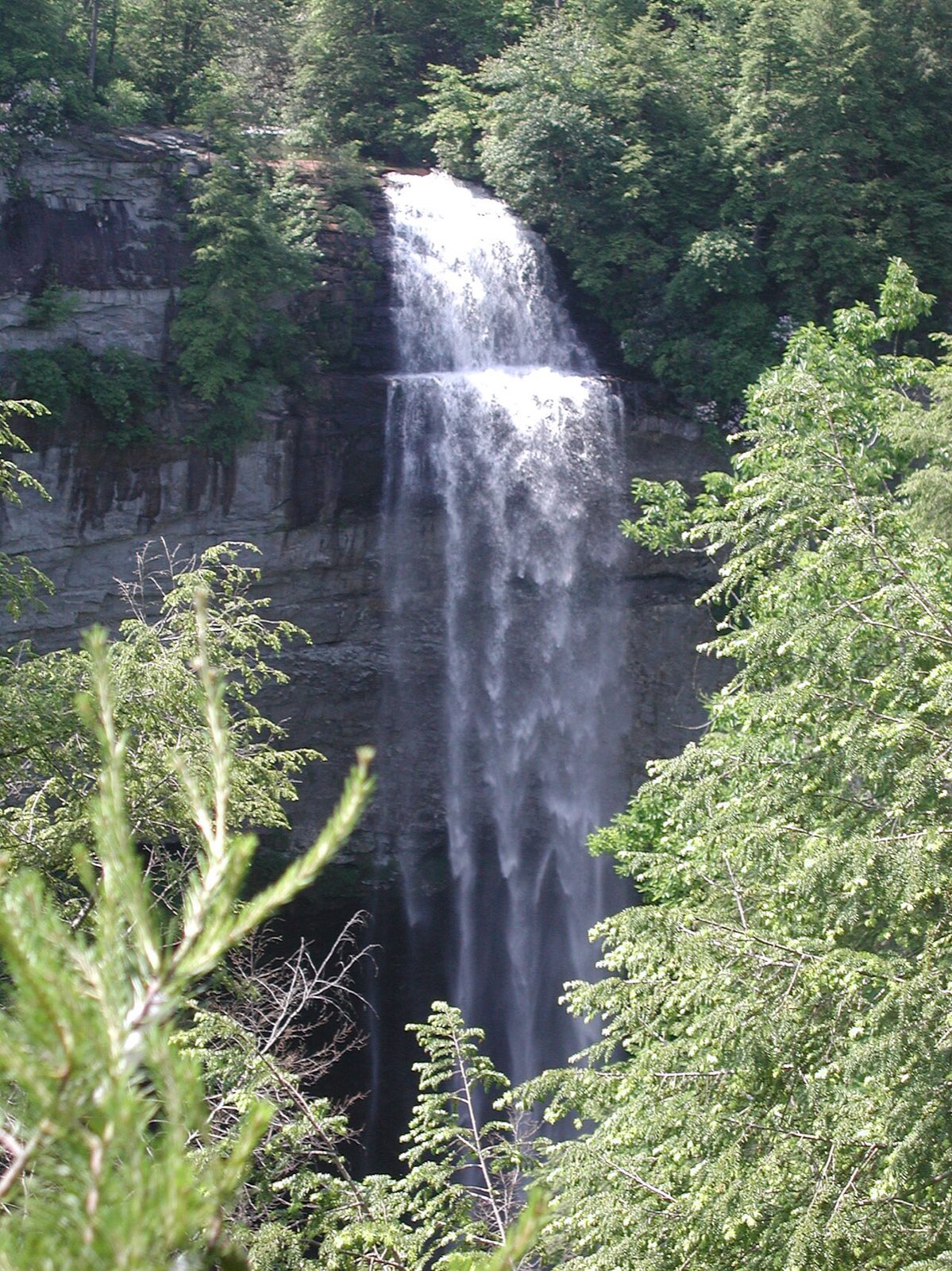
Fall Creek Falls State Park
Tennessee's largest and most popular state park: a 256-foot waterfall, a Cumberland Plateau gorge, and a resort-style mix of inn, cabins, and a 200-plus-site campground.
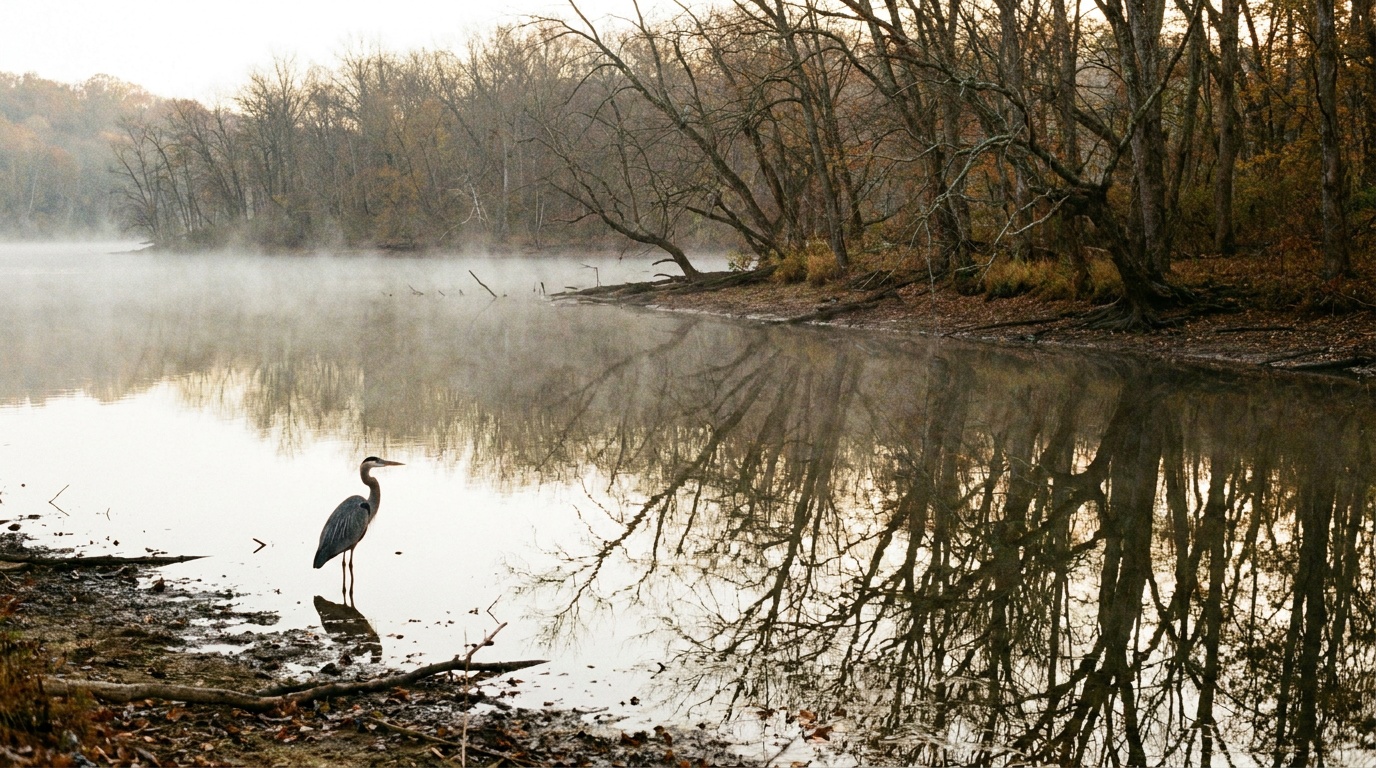
Radnor Lake State Natural Area
A 1,400-acre day-use nature preserve minutes from downtown Nashville: a quiet lake, abundant wildlife, and quiet hiking trails. No camping, no pets, and no bikes on the natural-area trails.
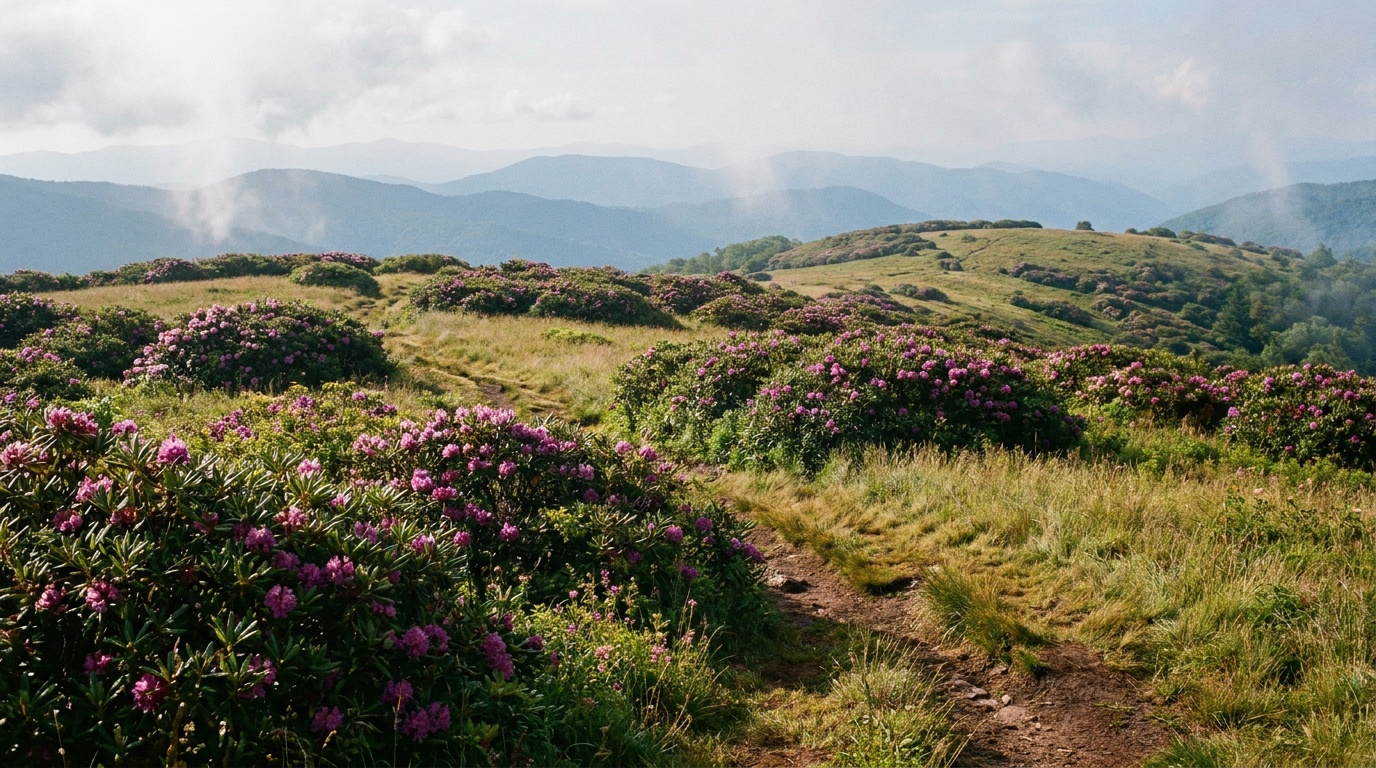
Roan Mountain State Park
A 2,156-acre East Tennessee park at the base of the 6,285-foot Roan massif: the famous June Catawba rhododendron bloom, a trout-rich Doe River, cabins, and a large campground.
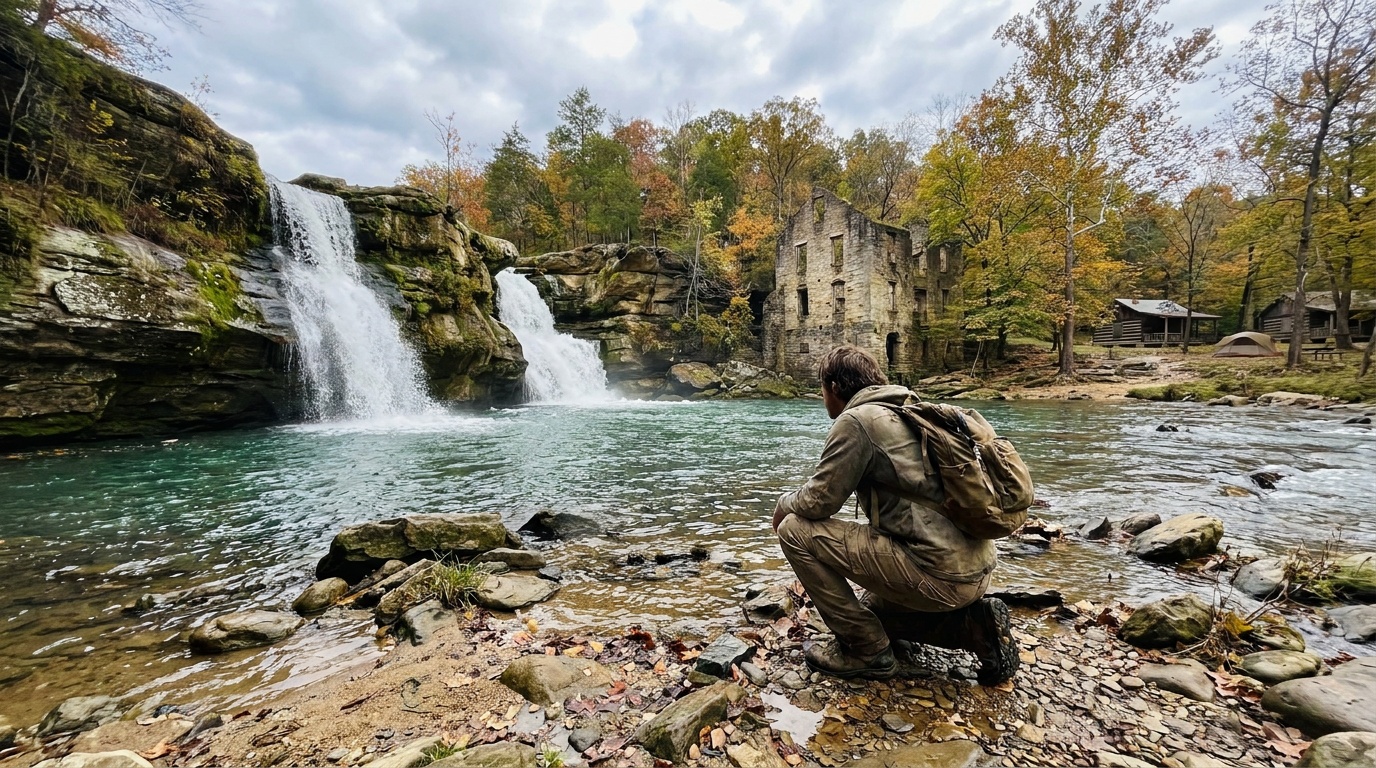
Rock Island State Park
Where the Caney Fork, Collins, and Rocky Rivers converge at the headwaters of Center Hill Lake: Great Falls, Twin Falls, a natural sand beach on limestone cliffs, a historic cotton mill ruin, and cabins plus camping on a 2,000-plus-acre park.
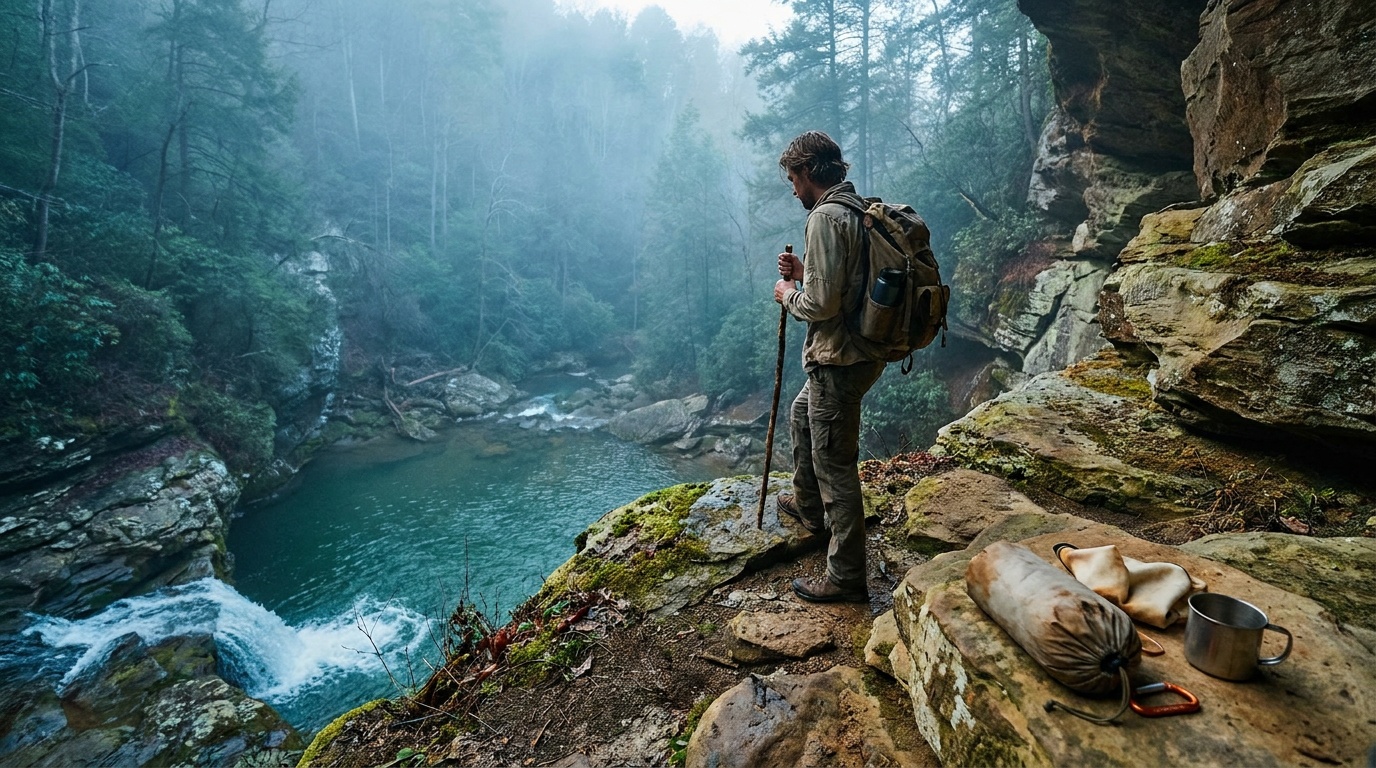
Savage Gulf State Park
One of Tennessee's great wilderness areas on the western Cumberland Plateau: nearly 19,000 acres of sandstone cliffs, rugged canyons, and waterfalls with four separate trailheads, backcountry camping, and the Stone Door overlook.
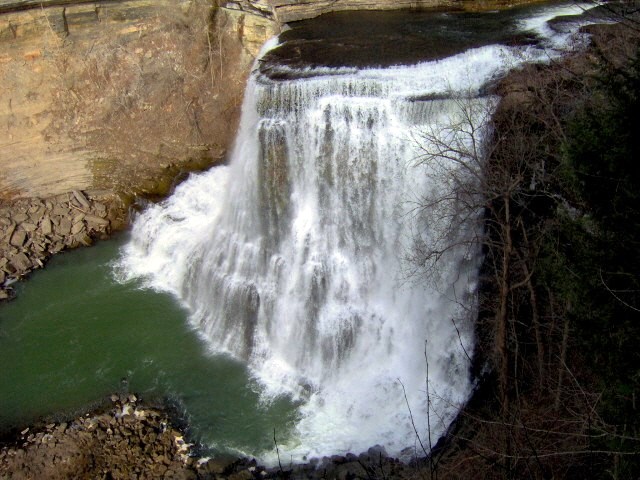
Burgess Falls State Park
Burgess Falls State Park, encompassing approximately 304 acres, is a captivating destination renowned for its breathtaking waterfalls and scenic beauty.

Reelfoot Lake State Park
Reelfoot Lake State Park, encompassing 280 non-contiguous acres, is a natural wonder born from the New Madrid earthquakes of 1811 and 1812.
Planning a Tennessee trip
Tennessee stretches roughly 440 miles west to east, and the outdoors changes character as you cross it. The eastern third is the dramatic one: forested ridges of the Great Smoky Mountains, plus the Cumberland Plateau, a high tableland cut by deep gorges and some of the tallest waterfalls in the eastern United States. Move into Middle Tennessee and the land softens into rolling hills, river valleys, and limestone bluffs around Nashville. The far west flattens toward the Mississippi River, with bottomland forest and quiet lakes near Memphis.
For most visitors the headline is the high country in the east. The national parkland here gives you a huge trail network (over 800 miles), a long stretch of the Appalachian Trail, waterfalls like Laurel Falls and Ramsey Cascades, and the famous wildlife loop at Cades Cove. Just to the west, the Cumberland Plateau is the quieter alternative: Fall Creek Falls State Park, South Cumberland, and Savage Gulf deliver overlooks, gorge hikes, and big drops without the same crowds. Middle Tennessee adds rivers and rolling state parks closer to the city.
Fall is the standout season. Daytime highs sit in the mid 50s to mid 70s F, the crowds thin on weekdays, and the color peaks around the third week of October in the east, drifting later into Halloween and early November as you head west. Spring brings wildflowers and full waterfalls; summer is green and humid with afternoon showers; winter is mild at low elevation but cold and sometimes icy up high. Whenever you go, pack for layers and rain: a light shell, sturdy trail shoes with grip for wet rock, and a warm midlayer if you are climbing into the mountains, where it runs noticeably cooler than the valleys.
Getting around Tennessee
Three airports cover most of the state. Knoxville (TYS) is your gateway to the eastern mountains and the Smokies, roughly an hour from the park's Tennessee-side entrances. Nashville (BNA) sits in the middle and works well for the Cumberland Plateau and Middle Tennessee parks. Memphis (MEM) anchors the west. Chattanooga (CHA) is a useful smaller option for the southern plateau and gorge country.
Driving is how you actually move between outdoor areas, and I-40 is the spine, running the full width of the state through Knoxville, the plateau, and Nashville. From Knoxville, the Smokies are about an hour southeast. The Cumberland Plateau sits between the two big cities: figure a little over an hour from Knoxville and around an hour and a half to two hours from Nashville to reach Fall Creek Falls and the Crossville area. Chattanooga puts you roughly an hour from the southern plateau parks. Nashville to Memphis is a longer haul, about three hours straight across on I-40, so it helps to pick an end of the state and base there rather than trying to cross it in a day.
All 7 Tennessee park guides
State park directory
Every Tennessee state park
A source-backed inventory layer for planning breadth. Full Kit Authority guides are marked when a park has camping detail, rules, and packing notes; the rest link straight to the official page. Looking for rail trails and state trails? They have their own Trail Guide.
65 parks
6 full guides · 47 with photos
Cummins Falls State Park
State Park
Discover the rugged beauty of Cummins Falls State Park, encompassing 457 acres in the hills of Jackson County.
- Hiking
- Fishing
- Swimming
Tennessee State Parks
Full guideFall Creek Falls State Park
State Park
Fall Creek Falls State Park is one of Tennessee’s largest and most visited state parks, encompassing approximately 29,800 acres across the Cumberland Plateau.
- Camping
- RV Camping
- Cabins
- Hiking
Tennessee State Parks
Full guideRadnor Lake State Park
State Park
Radnor Lake State Park, encompassing 1,389 acres, is a serene natural oasis nestled in the heart of Nashville.
- Hiking
- Wildlife Viewing
Tennessee State Parks
Full guideRoan Mountain State Park
State Park
Nestled at the base of the Roan Mountain massif, Roan Mountain State Park offers a serene escape into the heart of the Appalachian Mountains.
- Camping
- RV Camping
- Cabins
- Hiking
Tennessee State Parks
Full guideRock Island State Park
State Park
Discover the rugged beauty of Rock Island State Park, encompassing over 2,000 acres at the headwaters of Center Hill Lake.
- Camping
- RV Camping
- Cabins
- Hiking
Tennessee State Parks
Full guideSavage Gulf State Park
State Park
Savage Gulf State Park, encompassing approximately 19,000 acres, is one of Tennessee's most scenic wilderness areas.
- Camping
- Climbing
Tennessee State Parks
Full guideBicentennial Capitol Mall State Park
State Park
Bicentennial Capitol Mall State Park is a unique urban park nestled in the heart of Nashville, Tennessee, spanning 20 acres.
Tennessee State Parks
Official pageBig Hill Pond State Park
State Park
Big Hill Pond State Park, encompassing 4,300 acres, offers a diverse landscape of timberland and hardwood bottomland, inviting exploration and outdoor adventure.
- Camping
- RV Camping
- Hiking
- Fishing
Tennessee State Parks
Official pageBig Ridge State Park
State Park
Escape to the tranquil beauty of Big Ridge State Park, encompassing 3,687 acres of diverse landscapes.
- Camping
- RV Camping
- Cabins
- Hiking
Tennessee State Parks
Official pageBledsoe Creek State Park
State Park
Bledsoe Creek State Park, encompassing 169 acres, is a haven for outdoor recreation nestled on the shores of Old Hickory Lake.
- Camping
- RV Camping
- Hiking
- Fishing
Tennessee State Parks
Official pageBurgess Falls State Park
State Park
Burgess Falls State Park, encompassing approximately 304 acres, is a captivating destination renowned for its breathtaking waterfalls and scenic beauty.
- Hiking
- Fishing
- Playground
- Wildlife Viewing
Tennessee State Parks
Official pageCedars of Lebanon State Park
State Park
Discover the unique beauty of Cedars of Lebanon State Park, encompassing 1,200 acres of diverse landscapes.
- Camping
- RV Camping
- Cabins
- Hiking
Tennessee State Parks
Official pageCherokee Trail of Tears State Park
State Park
Cherokee Trail of Tears State Park builds on an existing place of reflection, learning, and connection, where visitors gather to honor those who suffered and those who persevered along what has become.
- Historic Site
Tennessee State Parks
Official pageCordell Hull Birthplace State Park
State Park
Discover the humble beginnings of Cordell Hull, a sharecropper's son who rose to become Secretary of State and a Nobel Peace Prize recipient.
- Hiking
Tennessee State Parks
Official pageCove Lake State Park
State Park
Cove Lake State Park, encompassing over 630 acres, is a haven of tranquility nestled in the Cumberland Mountains.
- Camping
- RV Camping
- Hiking
- Fishing
Tennessee State Parks
Official pageCumberland Mountain State Park
State Park
Escape to the scenic Cumberland Mountain State Park, a haven of natural beauty and rich history spanning 1,720 acres.
- Camping
- RV Camping
- Cabins
- Hiking
Tennessee State Parks
Official pageCumberland Trail State Park
State Park
Cumberland Trail State Park is a linear park encompassing over 40,000 acres, beckoning adventurers to explore the rugged beauty of the Cumberland Plateau.
- Camping
- Hiking
- Climbing
Tennessee State Parks
Official pageDavid Crockett Birthplace State Park
State Park
Nestled on 105 acres in Limestone, Tennessee, David Crockett Birthplace State Park marks the humble beginnings of the legendary frontiersman.
Tennessee State Parks
Official pageDavid Crockett State Park
State Park
David Crockett State Park, encompassing 1,400 acres, invites visitors to step back in time and immerse themselves in the legacy of the legendary frontiersman.
- Camping
- RV Camping
- Cabins
- Hiking
Tennessee State Parks
Official pageDunbar Cave State Park
State Park
Dunbar Cave State Park, encompassing 140 acres, is a captivating destination that blends natural beauty with a rich history.
- Hiking
- Wildlife Viewing
Tennessee State Parks
Official pageEdgar Evins State Park
State Park
Edgar Evins State Park, encompassing 6,338 acres, is a haven for outdoor beauty and recreational opportunities.
- Camping
- RV Camping
- Cabins
- Hiking
Tennessee State Parks
Official pageFort Loudoun State Historic Park
State Historic Park
Discover Fort Loudoun State Historic Park, an 853-acre historical site nestled on the shores of Tellico Lake.
- Hiking
- Fishing
- Boating
- Picnicking
Tennessee State Parks
Official pageFort Pillow State Park
State Park
Fort Pillow State Park, encompassing 1,642 acres, is steeped in both natural beauty and Civil War history.
- Camping
- RV Camping
- Hiking
- Fishing
Tennessee State Parks
Official pageFrozen Head State Park
State Park
Frozen Head State Park encompasses over 24,000 acres of rugged wilderness in the Cumberland Mountains.
- Camping
- RV Camping
- Hiking
- Fishing
Tennessee State Parks
Official page


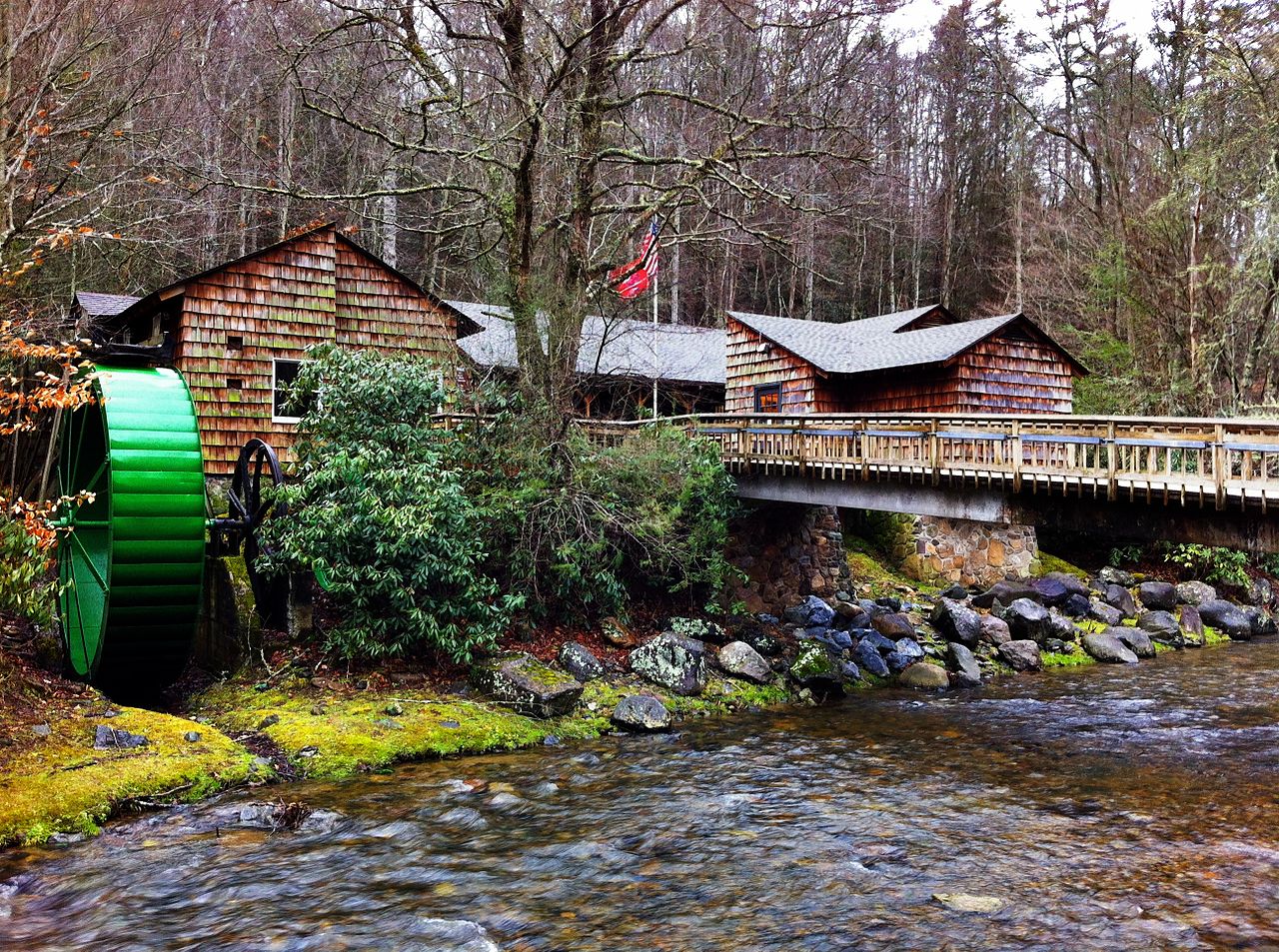
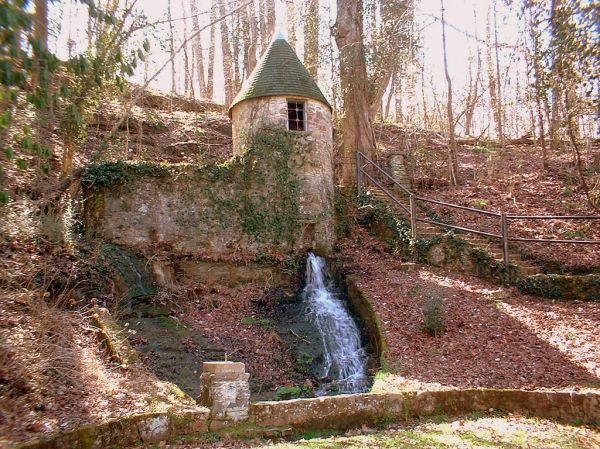

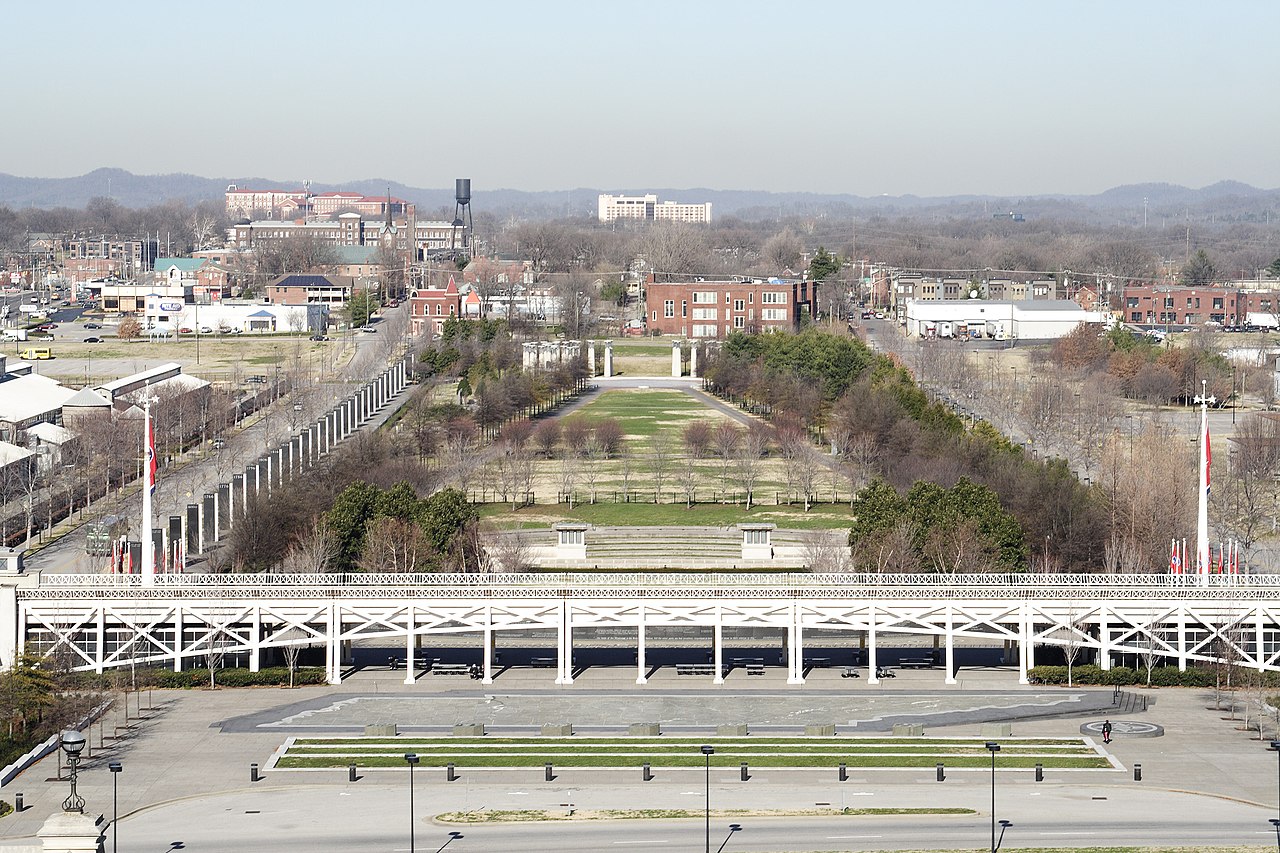










Inventory source: USGS PAD-US 4.1. Photos are public-domain or Creative Commons via Wikimedia Commons, credited per image. Official reservations and rules remain state-specific, so use the state booking links before committing to dates.
Native plants of Tennessee
Tennessee's cove forests put on one of North America's great spring ephemeral displays, and its cedar glades hold plants that grow nowhere else. The woodland natives here are the same ones that anchor a Tennessee shade garden.
Great white trillium
Trillium grandiflorum
Three-petaled white flowers by the thousand in rich cove forest each April.
A patient, long-lived woodland classic. Grow itMayapple
Podophyllum peltatum
Umbrella colonies across the forest floor, each pair of leaves hiding a single white flower.
A bold-textured colonizer for shade. Grow itBlack cohosh
Actaea racemosa
White flower wands rising head-high in midsummer coves.
Architectural height for a woodland border. Grow itCelandine poppy
Stylophorum diphyllum
Clear yellow poppies along limestone streambanks in April.
A bright, self-sowing spring native. Grow itCanadian wild ginger
Asarum canadense
Heart-shaped leaves paving the ground in rich hollows, the flower hidden at soil level.
A dense deciduous groundcover for deep shade. Grow itCreeping phlox
Phlox stolonifera
Mats of lavender bloom on shaded banks and bluff edges in spring.
A woodland-edge groundcover in spring color. Grow itPurple coneflower
Echinacea purpurea
Pink-purple cones in glades and open barrens through the summer.
The backbone perennial of pollinator gardens. Grow it
Grow-at-home guides for these come from our sister site, Sprout Authority.
Frequently asked questions
What is the best time to visit Tennessee parks?
Fall is the sweet spot, with daytime highs in the mid 50s to mid 70s F and the lightest crowds on weekdays. Color peaks around the third week of October in the eastern mountains and drifts later toward Halloween and early November as you move west. Spring is a close second for wildflowers and full waterfalls, while summer stays green but humid with afternoon showers.
What is the best national park in Tennessee?
Great Smoky Mountains National Park is the standout, straddling the Tennessee-North Carolina line with over 800 miles of trail, a long stretch of the Appalachian Trail, and the popular Cades Cove wildlife loop. It is the most visited national park in the country, so go on weekdays or early mornings to beat the crowds. For a quieter mountain experience, the Cumberland Plateau state parks just to the west are an excellent alternative.
Where can I see the tallest waterfalls in Tennessee?
Head to the Cumberland Plateau in the eastern-central part of the state. Fall Creek Falls State Park, near Spencer, has the tallest waterfall in the eastern United States, and nearby South Cumberland and Savage Gulf add more gorge overlooks and cascades. Spring snowmelt and rain make the falls fullest, and the trails can be slick, so bring shoes with good grip.