We may earn a commission from links on this page, at no extra cost to you.
The miR Air Flow is a high-capacity adjustable vest for walking and conditioning, with 20 to 60 lb configurations, removable iron bars, a washable shell, and a bulkier profile than Hyperwear. The manufacturer specifies 3 lb bars, not the 2.5 lb increments shown in some retailer copy. This research-not-tested review covers the full specifications, fit, and buying tradeoffs.
Fit check
Is the miR Air Flow the right vest for your plan?
The Air Flow makes sense for higher adjustable loads. It is a poor default when you need a very light start, fine increments or a low-profile running fit.
Strong fit
miR Air Flow Adjustable Weighted Vest
You want a stable, washable vest at 20 lb or more and can progress in 3 lb iron-bar increments.
See this path →Start lighter
Choose a lighter walking vest
A sub-15 lb start and smaller changes matter more than the Air Flow's high maximum capacity.
See this path →Prioritize movement
Compare lower-profile weighted vests
Running and fast bodyweight work reward a thinner, closer fit more than maximum iron-bar capacity.
See this path →Calculate first
Estimate a sensible starting load
Capacity is not the first decision when your starting range is still unknown.
See this path →
OUR TOP PICK
miR Air Flow Weighted Vest with Zipper Option
Best for: Walkers and conditioning athletes who want easy in-session weight changes, lasting build quality, and a vest that stays put without shoulder padding on long efforts.
Kit Score 8.8/10 · Check current price
- Short vest profile rides high and tight, preventing the downward shift and shoulder dig common in longer designs during calisthenics and loaded walks
- Removable 3 lb bars allow repeatable load changes without replacing the vest
- Bulkier silhouette than compression-style or ultra-thin vests, which can limit range of motion in overhead pressing movements
Who the miR Air Flow is for
This vest fits one buyer especially well: someone who walks or trains and wants to change the load without re-buying. The bars pull in and out in seconds, so a single vest covers a warm-up walk and a heavier conditioning block on the same day. The short, torso-hugging cut keeps the weight high and centered, which is why owners report almost no bounce or forward sway even at higher loads.
It is less ideal when your plan needs small 1 lb changes. The configurations describe maximum loaded capacity, and the 3 lb removable weights create coarser steps than the most granular beginner vests. Use the weighted-vest calculator first; its 5% start and 10% walking ceiling are transparent editorial defaults, not clinical thresholds.
Full specifications
| Spec | Detail |
|---|---|
| Kit Score | 8.8 / 10 (researched, not lab-tested) |
| Weight configurations | 20, 30, 40, 50, 60 lb |
| Bar weight | 3 lb solid iron bars (load changes in 3 lb steps) |
| Fill type | Removable iron bars in individual pockets |
| Vest length | Short cut, approx. 11 in. from collarbone |
| Shell | Breathable mesh-composite (the "Air Flow" feature) |
| Adjustability | Shoulder and bottom straps; zipper option at higher price tier |
| Washability | Machine washable once bars are removed |
| Warranty | Lifetime |
| Price | $105–$178 depending on configuration |
The single spec people get wrong: the manufacturer's current Air Flow page says each removable solid-iron weight is 3 lb, so the vest adjusts in 3 lb steps. Some retailer copy implies 2.5 lb increments. Check the seller's included-weight count before ordering, because the listed configuration is the maximum total, not a promise that every intermediate total is possible.
Pros and cons
What it does well:
- Short profile rides high and tight, which prevents the downward shift and shoulder dig common in longer vests during calisthenics and loaded walks.
- Iron bars slot in and out in seconds, so micro-loading is practical rather than theoretical.
- Breathable shell moves more air than neoprene or canvas, keeping heat buildup manageable on long walks.
- Machine-washable construction plus a lifetime warranty give long-term owners real confidence.
Where it falls short:
- Bulkier silhouette than compression-style or ultra-thin vests, which can limit range of motion in overhead pressing.
- The 20 lb base configuration means true beginners must size down or run the vest near-empty to start lighter.
- Velcro is the eventual wear point owners cite, though stitching and hardware hold up for years.
How it compares
Against the Hyperwear Hyper Vest PRO, the trade is profile versus value. The Hyper Vest PRO is thinner, hugs the torso without traditional shoulder straps, and starts lighter at 10 lb, which makes it the better runner's and calisthenics vest. It also costs more. The miR Air Flow gives up a little thinness but wins on price, adjustability range, and the lifetime warranty.
Against the budget options, the miR sits above them on build and adjustability. The ZELUS iron-sand vest is cheaper and comfortable but fixed at purchase weight. The CAP 20 lb adjustable is the lowest-cost way to get adjustable load, but tops out at 20 lb and feels less refined. If you want one vest to keep for years and grow into, the miR is worth the step up.
For walking specifically, our best weighted vests for walking guide goes deeper on lighter loads and all-day comfort, and the miR Air Flow is a pick there too. If you are coming from a rucking background, the Ruck Authority guides cover loaded carries with packs rather than vests.
Frequently asked questions
How much does each miR Air Flow weight bar weigh?
Each weight is a 3 lb solid iron bar. The total load changes in 3 lb steps as you add or remove bars. It is sometimes listed as adjusting in 2.5 lb increments, which is incorrect, so plan your progression in threes (for example 21, 24, 27 lb).
Is the miR Air Flow worth it?
For most walkers and general-fitness users, yes. It earns our highest weighted-vest Kit Score (8.8) because it combines mid-session adjustability, a stable bounce-free fit, a breathable shell, and a lifetime warranty at a mid-range price. The main reasons to spend more are if you want the thinnest possible profile for running or if you need a starting load under 20 lb.
Can you wash the miR Air Flow vest?
Yes. Remove all the iron bars first, then machine wash the shell. Keeping the bars out protects both the vest and your machine. This washability is one reason it holds up over years of sweaty use.
What weight miR Air Flow should I buy?
Pick the configuration by the highest load you realistically expect to use, then confirm that the vest-only weight and 3 lb increments can also reach your conservative starting estimate. More capacity is not automatically better. The weighted-vest calculator shows Kit Authority's assumptions before you choose a configuration.
miR Air Flow vs Hyperwear Hyper Vest PRO: which is better?
The Hyper Vest PRO is thinner, starts lighter at 10 lb, and is the better choice for runners who want a vest that disappears against the body. The miR Air Flow is more affordable, adjusts across a wider range, and is backed by a lifetime warranty, which makes it the better all-around value for walking and conditioning.
For the full field, including budget and premium alternatives scored the same way, see our best weighted vests guide. For the exercise claims behind the category, use the weighted vest research index.
Related buying guide
Best weighted vests 2026: 4 scored picks from $32 to $240Make the next decision
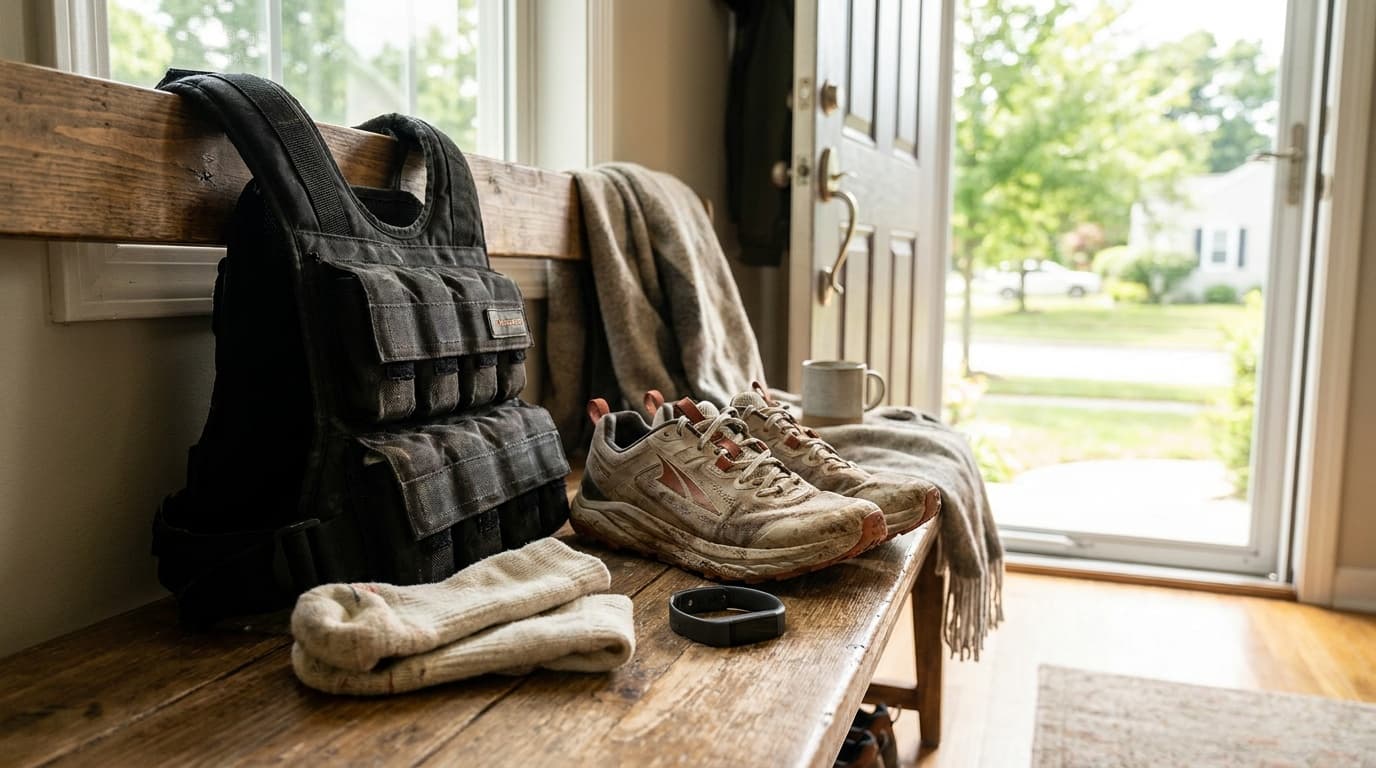
Complete fitness loadout
Weighted-vest starter kit
A beginner setup that pairs an adjustable vest with shoes, socks, and tracking for a repeatable walking routine.
Build the complete kitRelated guides
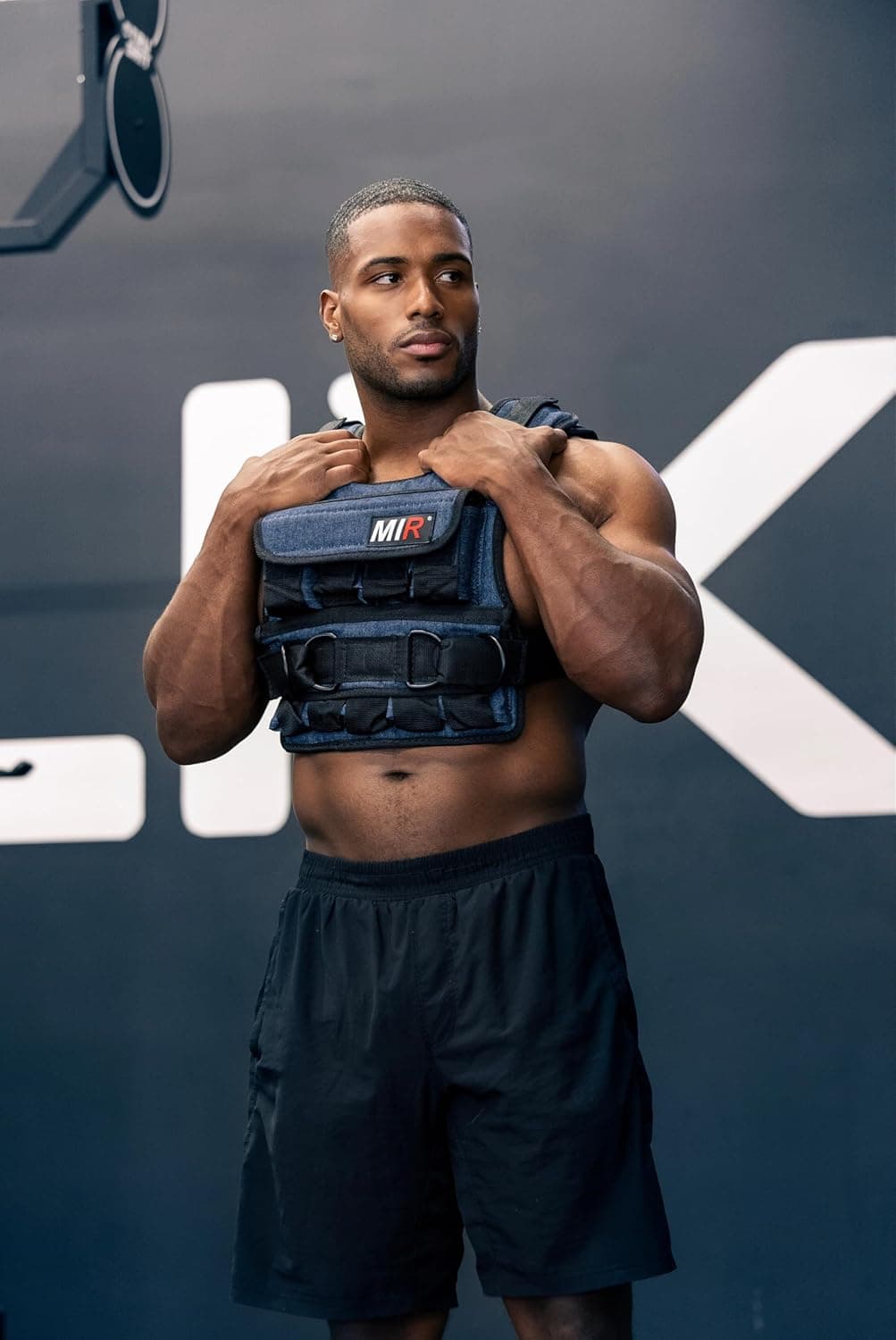
Comparison
miR Air Flow vs Hyperwear Hyper Vest PRO: which weighted vest wins?
A researched head-to-head between our two top-rated weighted vests: the miR Air Flow (best value, widest load range, lifetime warranty) and the Hyperwear Hyper Vest PRO (thinnest, bounce-free profile for running and calisthenics). Specs, prices, and who should buy which.
Read guide
Buying guide
Best adjustable weighted vests 2026: true 1 lb increments
Looking for 2.5 lb increments? The HyperVest ELITE adjusts in true 1 lb steps. Four vests compared on increments, bounce, max load, and price from $60.
Read guide
Field guide
Are weighted vests safe? Mistakes to avoid
Weighted vests are safe for most healthy adults used correctly. The real risk is in the mistakes: starting too heavy, poor fit, and ignoring posture. Here is what to avoid.
Read guide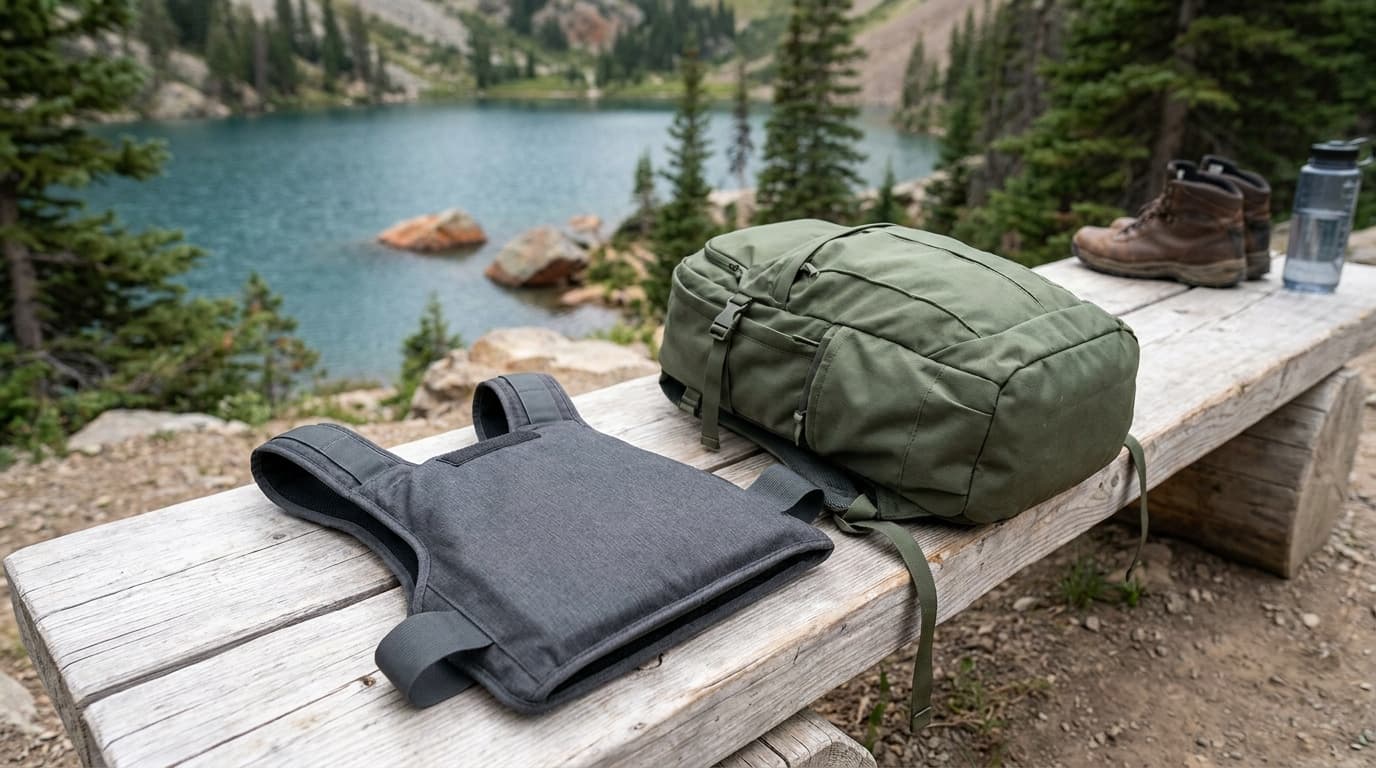
Comparison
Weighted vest vs rucking: which is better for you?
Vest or ruck? The honest split: vests load your torso evenly for joint-friendly even-load training, rucking builds posterior-chain and carry strength. Here is how to choose.
Read guideResearch-based review
Updated Aug 22, 2026Our recommendations draw on manufacturer documentation, retailer listings, owner feedback, and comparisons with alternatives.
As an Amazon Associate I earn from qualifying purchases. We may earn a commission from links here, at no extra cost to you. How we research →