We may earn a commission from links on this page, at no extra cost to you.
These are the two highest-scoring vests in our best weighted vests guide, separated by a tenth of a point and by a clear difference in what they are built to do. The miR Air Flow is the value and durability play; the Hyperwear Hyper Vest PRO is the thinnest, most stable vest we have researched. This head-to-head lays out the specs side by side and helps you self-select.
| Spec | miR Air Flow | Hyperwear Hyper Vest PRO |
|---|---|---|
| Price | $105–$178 | $240–$330 |
| Kit Score | 8.8 / 10 | 8.9 / 10 |
| Weight range | 20, 30, 40, 50, 60 lb configs | Up to 20 lb (S), 25 lb (M), 30 lb (L) |
| Fill | Removable solid iron plug weights | Removable no-bounce steel micro-weights |
| Shell | Breathable mesh-composite | Xyflex stretch compression fabric |
| Profile | Short cut, bulkier silhouette | Thinnest profile in the category |
| Adjustability | Shoulder and bottom straps; zipper option | Zipper front, side lace-up compression tuning |
| Warranty | Lifetime | Standard manufacturer |
| Best use | Walking, conditioning, progressive loading | Running, calisthenics, low-profile all-day wear |
Where the miR Air Flow wins
BEST VALUE
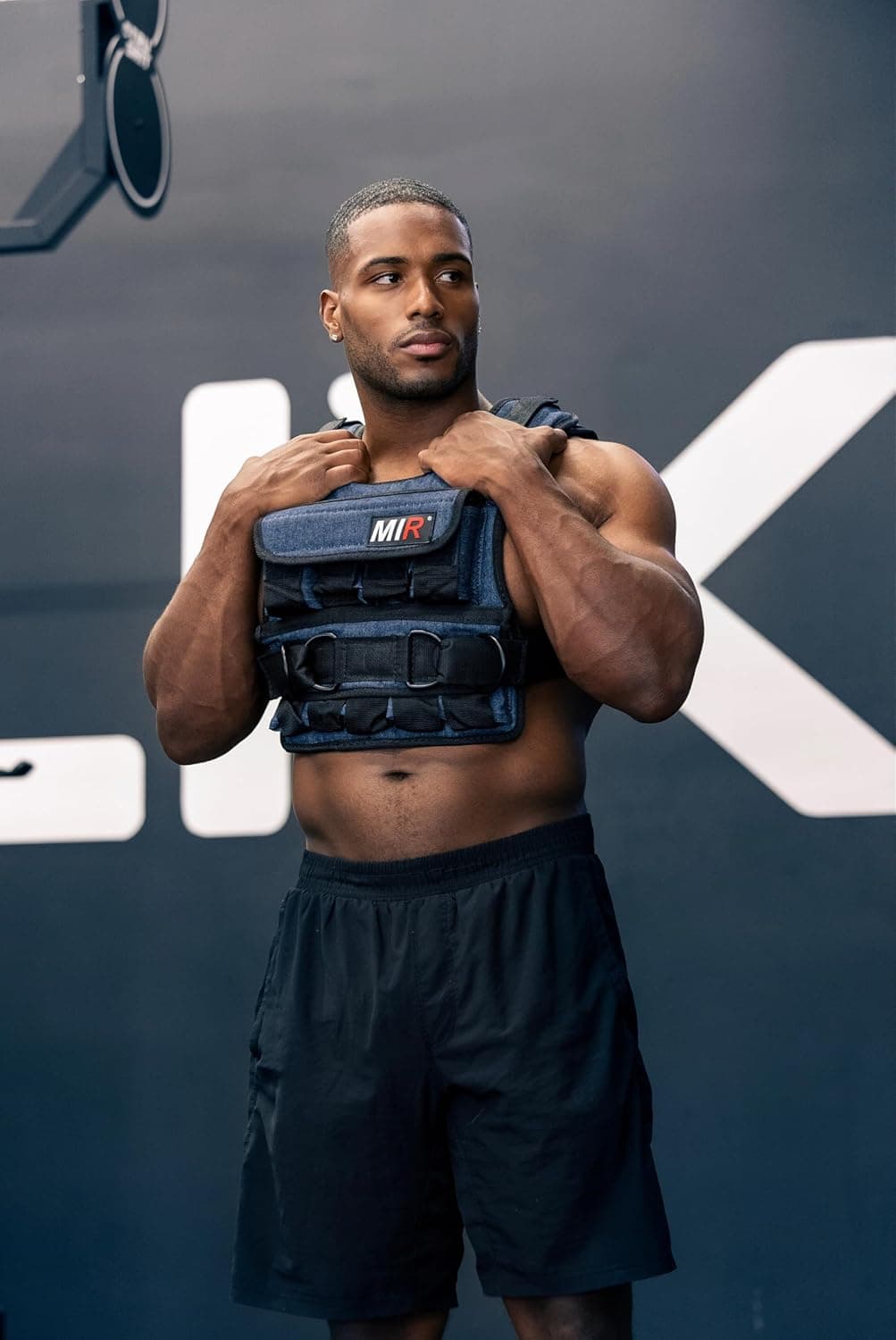
miR Air Flow Weighted Vest with Zipper Option
Best for: Walkers and conditioning athletes who want easy in-session weight changes, lasting build quality, and a vest that stays put without shoulder padding on long efforts.
Kit Score 8.8/10 · Check current price
- Short vest profile rides high and tight, preventing the downward shift and shoulder dig common in longer designs during calisthenics and loaded walks
- Removable 3 lb bars allow repeatable load changes without replacing the vest
- Bulkier silhouette than compression-style or ultra-thin vests, which can limit range of motion in overhead pressing movements
The miR Air Flow wins on the things most buyers actually weigh first: price, load range, and how long the vest will last. It starts at $105, roughly half the entry price of the Hyperwear, and tops out at $178 fully kitted. For that you get a vest that climbs to 60 lb, which is far past where the Hyper Vest PRO stops (30 lb on the largest size). If your plan is to keep adding load over months or years, the miR gives you headroom the Hyperwear simply does not have.
The solid iron plug weights pull in and out in seconds, so changing load mid-session is practical rather than fiddly. You can warm up light, then add bars for a heavier conditioning block without re-buying anything. The short, torso-hugging cut keeps the weight high and centered, which is why owners report almost no bounce or forward sway even at higher loads.
Then there is the warranty. The miR carries a lifetime warranty, and that is backed by owner reports of multi-year use without seam failure. Combined with a machine-washable shell, it is the easier vest to recommend to someone who wants to buy once and keep it. Our full miR Air Flow weighted vest review digs into the build details and the one spec people get wrong (each bar is 3 lb, so the vest adjusts in 3 lb steps, not 2.5).
The trade-off is bulk. The mesh-composite shell breathes well, but the silhouette is thicker than a compression vest, which can limit range of motion in overhead pressing. And the 20 lb base configuration means true beginners have to size down or run the vest near-empty to start lighter.
Where the Hyperwear Hyper Vest PRO wins
BEST PROFILE
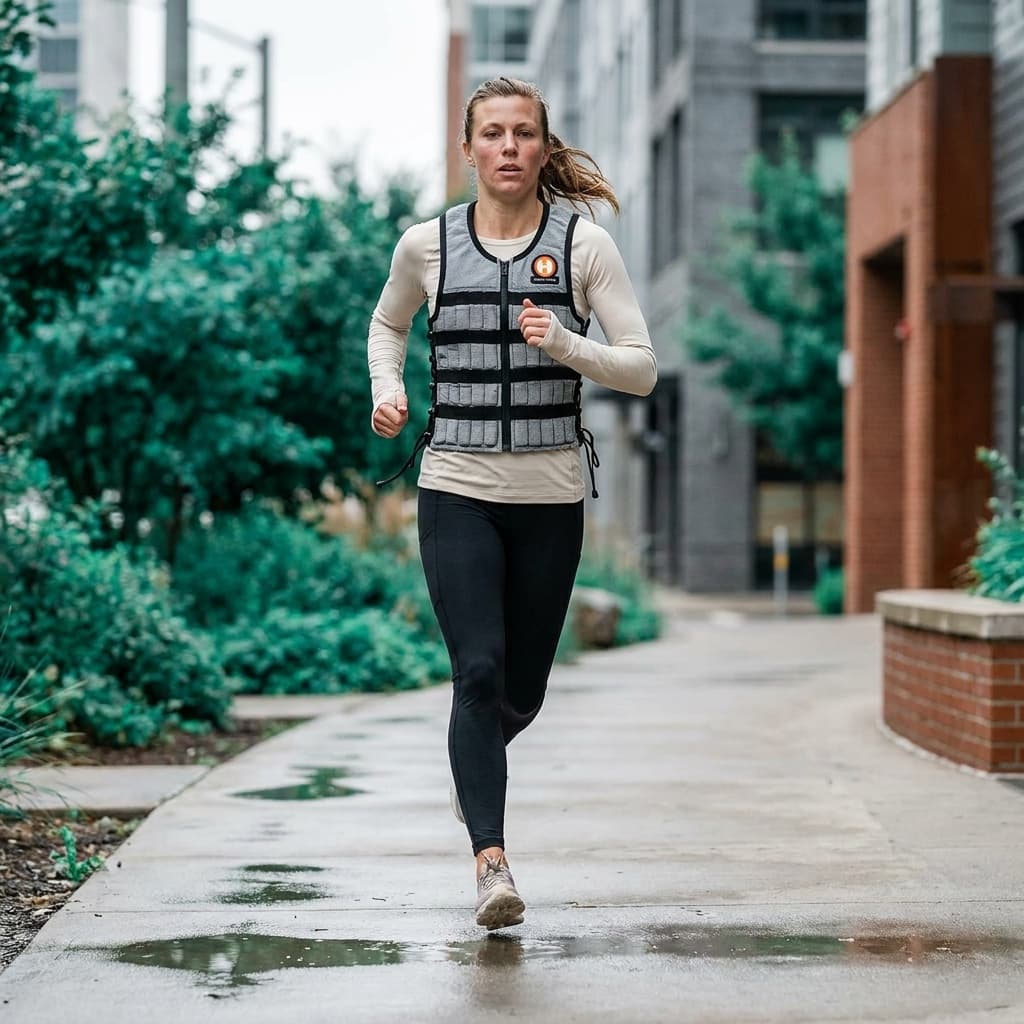
Hyperwear Hyper Vest PRO Adjustable Weighted Vest
Best for: Serious walkers, runners, and calisthenics athletes who prioritize a low-profile, no-bounce fit over everything else and want a vest that doubles as osteoporosis-prevention exercise equipment.
Kit Score 8.9/10 · Check current price
- Ultra-thin micro-weight distribution across the full torso eliminates shoulder hot spots and prevents the lopsided loading common in pocket-based designs
- Side lace-up system provides a body-specific compression fit that eliminates bounce even during running, pull-ups, and plyometrics
- Adding or removing individual micro-weights to reach a precise target weight requires counting and time; the adjustment system rewards patience
The Hyperwear Hyper Vest PRO wins on fit, and it wins decisively. It earns a perfect fit-for-purpose score in our breakdown because no other vest we have researched matches its bounce-free feel across walking, running, and dynamic bodyweight work. Dozens of ultra-thin steel micro-weights are distributed across the full torso, so the load spreads evenly instead of sitting in a few heavy pockets. Most wearers describe the sensation as simply feeling heavier, not as wearing a vest.
The reason it stays that quiet is the Xyflex stretch compression fabric paired with a side lace-up system. You tune the compression to your own torso, and that body-specific fit eliminates bounce even during running, pull-ups, and plyometrics. If your training involves a lot of movement, this is the vest that will not slap or shift on you. It is also the thinnest profile in the category, which is why it layers under a jacket or sits comfortably for all-day wear better than a pocketed vest.
It starts lighter, too. The smallest size tops out at 20 lb but you can run it well below that, which suits a beginner or anyone who wants sub-20 lb loads without buying a separate vest. The Hyper Vest PRO has also been recognized by outlets like Consumer Reports, BarBend, and Gear Patrol as a top pick for walking and running. Our full Hyperwear Hyper Vest PRO review covers the sizing chart and the osteoporosis-prevention angle in more depth.
The cost of all that is price and ceiling. At $240 to $330 it is a significant step up, and it is hard to justify for users whose training stays light. The largest size also caps at 30 lb, so heavy loaders will outgrow it. Reaching a precise target weight means counting micro-weights, which rewards patience.
Which should you buy?
Both vests are excellent, and the Kit Scores (8.8 vs 8.9) are close enough that price and intended use should decide it, not the number.
Buy the miR Air Flow if you want the better value, plan to progress past 30 lb, change load often within a session, or simply want one durable vest backed by a lifetime warranty. It is the right call for most walkers and conditioning athletes, and it is the vest we recommend first overall.
Buy the Hyperwear Hyper Vest PRO if a thin, bounce-free profile is non-negotiable: serious runners, calisthenics athletes, and anyone doing a lot of dynamic movement will feel the difference and find it worth the premium. It is also the better choice if you want to start under 20 lb without buying a separate config, or if bone-density training is part of your motivation.
Still unsure how heavy to go before you choose either one? Read how much a weighted vest should weigh first. Most people start around 5% of bodyweight and cap near 10%, and that target shapes which vest makes sense.
Frequently asked questions
miR Air Flow vs Hyperwear Hyper Vest PRO: which is better?
Neither is strictly better; they win at different jobs. The miR Air Flow is the better value, adjusts across a wider 20 to 60 lb range, and carries a lifetime warranty, which makes it the stronger all-around pick for walking and conditioning. The Hyperwear Hyper Vest PRO is thinner and effectively bounce-free, which makes it the better choice for running and dynamic calisthenics. Pick by use case and budget, not by the half-point score gap.
Which weighted vest is cheaper?
The miR Air Flow is significantly cheaper. It runs $105 to $178 depending on configuration, while the Hyperwear Hyper Vest PRO runs $240 to $330. If price is your main constraint, the miR delivers most of what you need at roughly half the entry cost, with a wider load range on top.
Which weighted vest is better for running?
The Hyperwear Hyper Vest PRO. Its Xyflex compression fabric and side lace-up system create a body-specific fit that eliminates bounce, and its thin profile keeps the vest from shifting during a run. The miR Air Flow is stable for its class, but its pocketed, bulkier design is built more for walking and conditioning than for sustained running.
Which weighted vest goes heavier?
The miR Air Flow, by a wide margin. It offers configurations up to 60 lb, while the largest Hyperwear Hyper Vest PRO size caps at 30 lb. If your plan is to keep adding load over time, the miR gives you far more headroom and is the better long-term pick for progressive training.
For the full field, including budget and premium alternatives scored the same way, see our best weighted vests guide.
Related buying guide
Best weighted vests 2026: 4 scored picks from $32 to $240Make the next decision
Related guides
Comparison
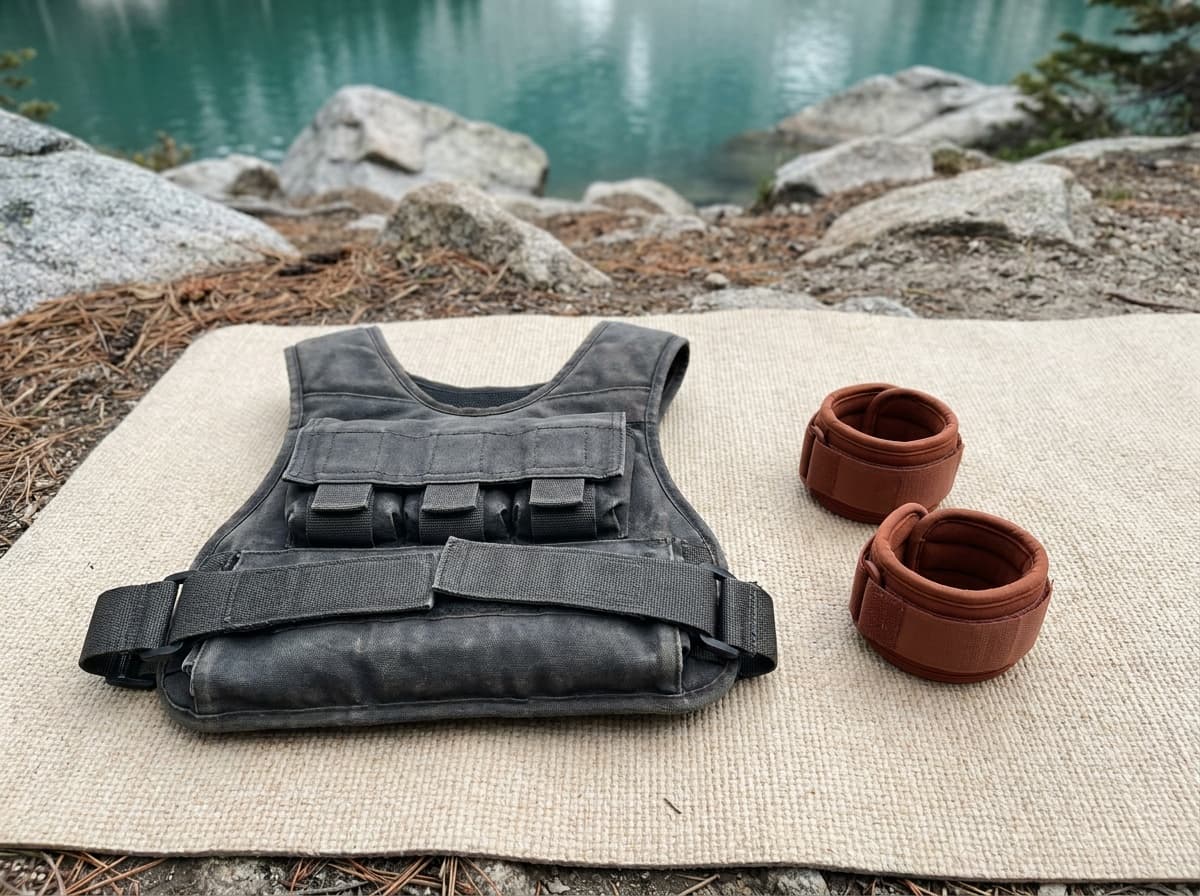
Weighted vest vs ankle weights: the vest wins for walking
For walking, a weighted vest is safer and more effective. Ankle weights alter gait and load joints, so PTs save them for controlled strength work. Here is why.
Read guide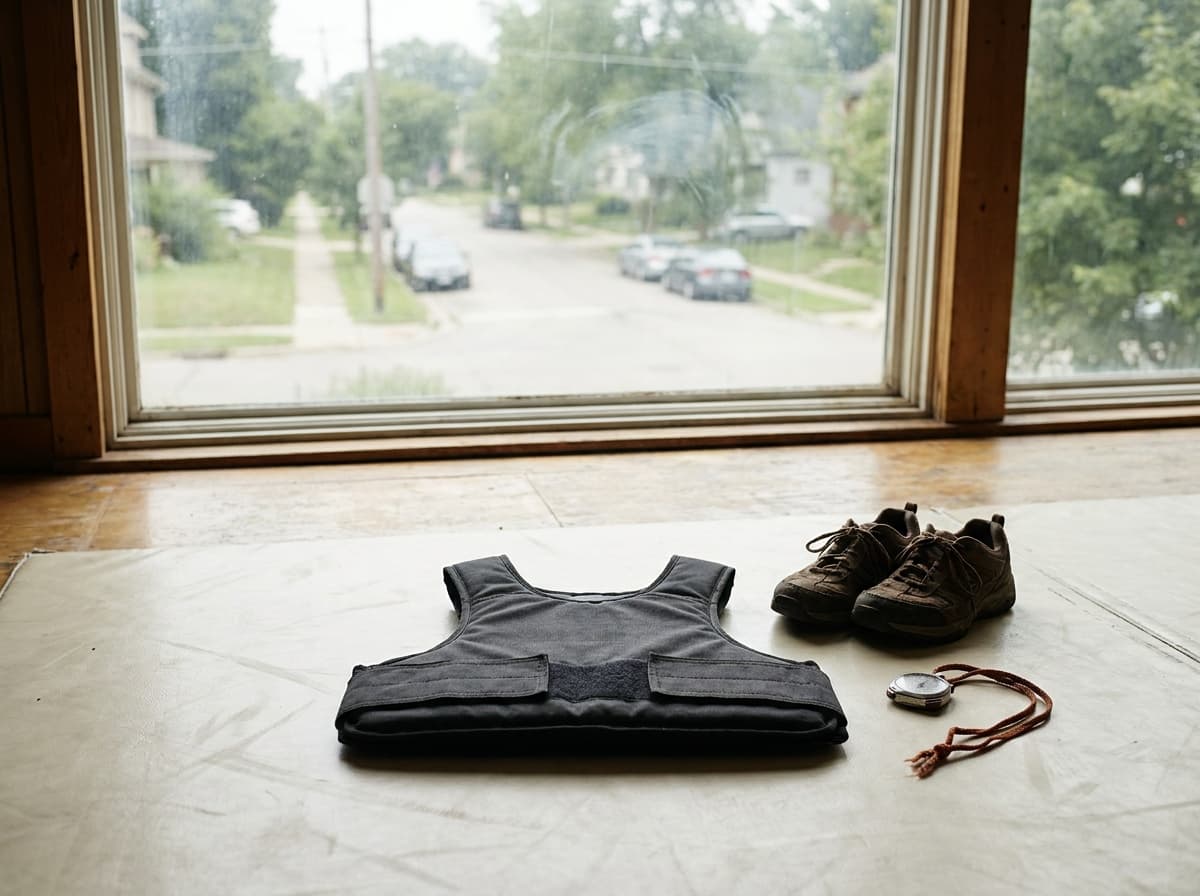
Field guide
Weighted vest benefits: what the research actually shows
A research-backed look at weighted vest benefits: extra calorie burn, balance and bone-loading effects, cardiovascular load, and the honest limits the studies reveal.
Read guide
Field guide
Are weighted vests safe? Mistakes to avoid
Weighted vests are safe for most healthy adults used correctly. The real risk is in the mistakes: starting too heavy, poor fit, and ignoring posture. Here is what to avoid.
Read guide
Comparison
Weighted vest vs rucking: which is better for you?
Vest or ruck? The honest split: vests load your torso evenly for joint-friendly even-load training, rucking builds posterior-chain and carry strength. Here is how to choose.
Read guideResearch-based guide
2 products comparedUpdated Jun 22, 2026Our recommendations draw on manufacturer documentation, retailer listings, owner feedback, and comparisons with alternatives.
As an Amazon Associate I earn from qualifying purchases. We may earn a commission from links here, at no extra cost to you. How we research →