Tight quads after a long run, a knotted upper back from desk hours, calves that won't release before a morning session: a decent foam roller fixes all of that, if you pick the right one for how you move.
Our quick picks


How we picked
Every pick here was evaluated using the Kit Score: a composite of construction quality, verified-owner feedback across thousands of reviews, expert physical therapist guidance on density and texture, and value relative to the category. No pick made the list on brand name alone.
The picks
TriggerPoint Grid 1.0 foam roller
BEST OVERALL
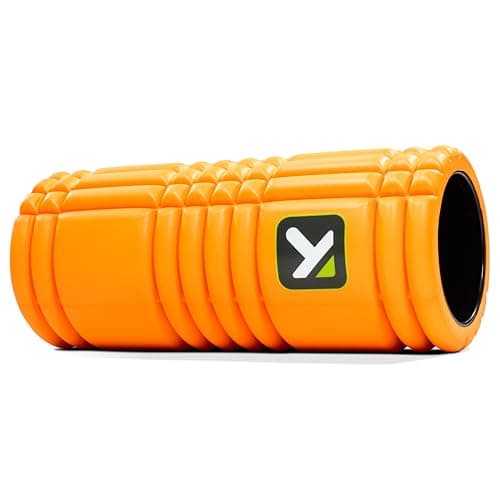
TriggerPoint Grid 1.0 Foam Roller
Best for: Athletes and regular gym-goers who want one versatile roller that handles everything from warm-up to post-session recovery.
- Three distinct surface zones let you modulate pressure without switching tools
- 13-inch length limits coverage for rolling the full back or hamstrings in a single pass
Kit Score 8.8/10 · $28.99 Price checked Oct 23, 4:16 PM CDT · how we score gear
Buy on AmazonProduct details
The Grid 1.0 packs three surface textures into a compact 13-inch roller: flat zones for broad muscle work, tubular ridges for kneading, and dense nodules for targeted trigger-point pressure. The rigid hollow core is built not to break down or lose shape with repeated use, where cheaper solid-foam rollers can compress and flatten.
- Dimensions
- 13" x 5.5" diameter
- Density
- Standard (multi-density surface)
- Surface
- Patented 3-zone GRID: flat panels, tubular ridges, dense nodules
- Core
- EVA foam surface over a rigid, hollow core
- Weight limit
- 300 lb
- Warranty
- 1 year
More strengths
- Rigid hollow core is built to hold its shape and firmness with repeated use
- Compact enough to pack for travel; fits most gym bags
Other tradeoffs
- Firmer than entry-level rollers, which can feel intense for first-time users
The Grid 1.0 has earned its place as the default recommendation for a reason: TriggerPoint's three-zone surface (flat, grid, and tube patterns) mimics the varied pressure of a therapist's fingers, thumb, and palm across one 13-inch cylinder. The hollow EVA-over-plastic-core construction means it won't compress and flatten out after six months of daily use, which is the failure mode that kills cheaper solid-foam rollers.
At $28–$32, the Grid 1.0 sits at a price point where it's easy to justify. Verified owners note it tolerates aggressive use on IT bands and thoracic spine without losing structural integrity after years of rolling. The 5.5-inch diameter is compact enough to travel and wide enough to stay stable under a glute or calf.
Who it suits: athletes and regular gym-goers who want one versatile roller for warm-up activation, post-session flushing, and everything between. If you are only buying one roller, this is it. Read our full TriggerPoint Grid foam roller review.
321 STRONG Medium Density foam roller
BEST VALUE
321 STRONG Medium Density Foam Roller
Best for: Anyone building their first serious recovery routine who wants more than a blank cylinder without the intensity of a deep-bump or extra-firm roller.
- Medium density is accessible for beginners yet effective enough for experienced users
- 12.75-inch length is compact but limits one-pass back coverage
Kit Score 8.7/10 · $25.99 Price checked Oct 23, 4:16 PM CDT · how we score gear
Buy on AmazonProduct details
A solid-core medium-density roller with a patented three-zone texture that mimics fingertips, thumbs, and palms. It sits between a smooth beginner roller and the firmer TriggerPoint, making it approachable for daily use while still driving enough pressure to flush lactic acid and address common trigger points.
- Dimensions
- 12.75" x 5.25" diameter
- Density
- Medium
- Surface
- Triple-zone 3D texture: fingertip, thumb, and palm zones
- Material
- Closed-cell BPA-free EVA foam
- Core
- Solid EVA
- Includes
- Free 4K video instructional library
More strengths
- Solid EVA core resists deformation with daily use over multiple years according to owner reports
- 4.5-star rating across more than 41,000 Amazon reviews, with consistent praise for versatility and durability
Other tradeoffs
- Texture is more aggressive than smooth entry-level rollers, which can surprise new users
The 321 STRONG sits between the blank-cylinder beginner rollers and the aggressive deep-bump tools, which makes it one of the more useful rungs on the density ladder. Its multi-zone grid surface offers enough variation in pressure to target different tissue depths, and the medium-density EVA core provides meaningful resistance without the pain barrier that keeps some people from rolling consistently.
At $27–$31, the price is nearly identical to the Grid 1.0, which means the buying decision comes down to intent: the Grid 1.0 is for people who already know they want moderate-to-firm pressure; the 321 STRONG is for people building a first serious recovery routine who want encouragement to roll daily rather than a tool that demands tolerance.
Who it suits: beginners building a recovery habit, or intermediate movers who roll infrequently and need a surface that rewards consistency over toughness.
RumbleRoller Original (22 inch midsize)
EDITOR'S CHOICE
RumbleRoller Original Foam Roller (22 inch Midsize)
Best for: Experienced foam rollers, endurance athletes, and anyone dealing with chronic or stubborn soft-tissue tightness who has outgrown standard grid-texture rollers.
- High-profile bumps penetrate substantially deeper than standard grid textures, reaching stubborn trigger points that flat-surface rollers miss
- Noticeably intense for anyone new to foam rolling; multiple reviewers recommend beginner users start on a standard roller first before graduating to this
Kit Score 8.4/10 · $59.95 Price checked Oct 23, 4:16 PM CDT · how we score gear
Buy on AmazonProduct details
The RumbleRoller uses deep patented bumps and wide spacing between them to produce a fundamentally different sensation than a grid-texture roller: the bumps compress and deflect around bony prominences while driving into soft tissue, producing deep pressure similar to sustained thumb work. The 22-inch midsize length is the practical sweet spot between the 12-inch compact (awkward for back) and the 31-inch full size.
- Dimensions
- 22" x 5.5" diameter
- Density
- Moderate (original version; extra-firm also available)
- Surface
- High-profile patented bumps with wide inter-bump spacing
- Material
- EVA foam, latex-free, antimicrobial
- Core
- Solid
- Safety
- CPSIA 2008 tested for lead and phthalates
More strengths
- Solid EVA core with antimicrobial surface; bump firmness softens slightly over the first month of use but holds long-term according to owner reports
- 22-inch length covers the full back and major muscle groups without being unwieldy
Other tradeoffs
- Price premium over grid-style rollers is real and not justified for casual or infrequent users
The RumbleRoller's 2.5-inch flexible bumps do not smooth out under bodyweight: they are engineered to deform slightly, then push back into the tissue as you roll over them. That spring-loaded feedback is what separates it from grid rollers that simply vary surface texture without changing how much pressure concentrates on a given spot.
The Original (medium firmness, not the Extra Firm) is the correct starting point even for experienced users. Verified owners who came from standard grid rollers consistently report that the Original delivers noticeably deeper myofascial release on the IT band, glutes, and thoracic spine than anything they had used before. The Extra Firm version exists for people who have spent months on the Original and still want more.
At $59–$62, it is the most expensive pick here. The 22-inch midsize length covers every major muscle group without the bulk of the full-size 31-inch version. Durability reports from owners with three-plus years of daily use are strong.
Who it suits: experienced foam rollers, endurance athletes, and anyone dealing with chronic or stubborn soft-tissue tightness who has already maxed out what a grid roller can do.
How to choose
| Product | Kit Score | Price | Best for |
|---|---|---|---|
| TriggerPoint Grid 1.0 Foam Roller | 8.8 | $28.99 Price checked Oct 23, 4:16 PM CDT | Best for: Athletes and regular gym-goers who want one versatile roller that handles everything from warm-up to post-session recovery. Why it stands out: Three distinct surface zones let you modulate pressure without switching tools Tradeoff: 13-inch length limits coverage for rolling the full back or hamstrings in a single pass |
| 321 STRONG Medium Density Foam Roller | 8.7 | $25.99 Price checked Oct 23, 4:16 PM CDT | Best for: Anyone building their first serious recovery routine who wants more than a blank cylinder without the intensity of a deep-bump or extra-firm roller. Why it stands out: Medium density is accessible for beginners yet effective enough for experienced users Tradeoff: 12.75-inch length is compact but limits one-pass back coverage |
| RumbleRoller Original Foam Roller (22 inch Midsize) | 8.4 | $59.95 Price checked Oct 23, 4:16 PM CDT | Best for: Experienced foam rollers, endurance athletes, and anyone dealing with chronic or stubborn soft-tissue tightness who has outgrown standard grid-texture rollers. Why it stands out: High-profile bumps penetrate substantially deeper than standard grid textures, reaching stubborn trigger points that flat-surface rollers miss Tradeoff: Noticeably intense for anyone new to foam rolling; multiple reviewers recommend beginner users start on a standard roller first before graduating to this |
TriggerPoint Grid 1.0 Foam Roller
- Best for
- Athletes and regular gym-goers who want one versatile roller that handles everything from warm-up to post-session recovery.
- Why it stands out
- Three distinct surface zones let you modulate pressure without switching tools
- Tradeoff
- 13-inch length limits coverage for rolling the full back or hamstrings in a single pass
321 STRONG Medium Density Foam Roller
- Best for
- Anyone building their first serious recovery routine who wants more than a blank cylinder without the intensity of a deep-bump or extra-firm roller.
- Why it stands out
- Medium density is accessible for beginners yet effective enough for experienced users
- Tradeoff
- 12.75-inch length is compact but limits one-pass back coverage
RumbleRoller Original Foam Roller (22 inch Midsize)
- Best for
- Experienced foam rollers, endurance athletes, and anyone dealing with chronic or stubborn soft-tissue tightness who has outgrown standard grid-texture rollers.
- Why it stands out
- High-profile bumps penetrate substantially deeper than standard grid textures, reaching stubborn trigger points that flat-surface rollers miss
- Tradeoff
- Noticeably intense for anyone new to foam rolling; multiple reviewers recommend beginner users start on a standard roller first before graduating to this
Density is the single most important variable. Light-to-medium density works best if you are new to rolling or recovering from an acute injury. Firm and extra-firm are for people with a tolerance built over months and a specific need for deeper tissue work.
Texture determines how concentrated the pressure is. Smooth distributes load broadly. Grid distributes it moderately with variation. Deep-bump (RumbleRoller) concentrates it at small contact points that target adhesions and trigger points directly.
Length controls what you can reach in a single pass. 12–13 inches works for targeted limb work (calves, IT band, quads). 18–22 inches handles hips and upper back in most body sizes. 36 inches is the only length that covers a full prone thoracic pass without repositioning.
Durability splits on construction. Hollow-core (TriggerPoint) and bump-over-core (RumbleRoller) hold shape under repeated load better than solid-foam cylinders at the same price point. Solid EPE foam is fine for light-to-moderate use but compresses over time.
How to build a foam rolling routine
Start with large muscle groups
Quads, hamstrings, and upper back are forgiving entry points. Spend 30 to 60 seconds per area before moving to smaller or more sensitive spots.
Roll slow
Move two to three inches per second, not a fast scrub. Slower passes let the tissue respond to pressure changes and give the myofascial system time to release.
Pause on tender spots
When you find a knot, stop and hold 20 to 30 seconds of sustained pressure before rolling through. Moving past it quickly reduces the release you get.
Work proximal before distal
Roll the hip flexors before the quads, the glutes before the IT band. Releasing the proximal tissue first reduces resistance in the distal zone.
Finish with movement
Two minutes of light movement after rolling helps the nervous system reset. Static holds after a session are fine; finishing with motion locks in the range-of-motion gain.
Foam rolling works best as a daily habit done briefly rather than an occasional long session done when something hurts.
Frequently asked questions
How firm should a foam roller be for a beginner?
Medium density is the right starting point for most beginners. It provides enough resistance to actually compress and mobilize soft tissue, which a light-density roller often fails to do, without the pain barrier that firm and extra-firm rollers create for people who have not built up rolling tolerance. If you find medium density genuinely uncomfortable after two to three weeks, that is a signal to roll more frequently at the same density before stepping up.
Is a textured foam roller better than a smooth one?
For most users, yes. Textured surfaces (grid or bump patterns) vary the pressure across a roll pass, which engages different tissue depths and produces more myofascial release than a uniform surface. The exception: people recovering from acute muscle injury or those with a very low pain tolerance often do better starting on smooth before progressing to texture. The TriggerPoint Grid 1.0's three-zone surface is a well-validated middle ground that works for most people across most use cases.
How long does a foam roller last?
Hollow-core rollers like the TriggerPoint Grid 1.0 and structured-bump rollers like the RumbleRoller typically last three to five years under daily use before losing meaningful structural integrity. Solid-foam EPE cylinders (including budget picks like the Amazon Basics) compress and lose rebound faster, usually within one to two years of heavy daily use. Rolling frequency, body weight, and storage (keep rollers off direct sunlight, which degrades foam faster) all affect lifespan.
The right foam roller is the one you will actually use after every session. Start with the TriggerPoint Grid 1.0 if you want one pick, and give it two weeks of consistent daily rolling before deciding whether you need more density or texture. Browse more fitness recovery gear or read how we research and rate every pick on Kit Authority.
Keep going

Our recommendations draw on manufacturer documentation, retailer listings, owner feedback, and comparisons with alternatives.
As an Amazon Associate I earn from qualifying purchases. We may earn a commission from links here, at no extra cost to you. How we research →