We may earn a commission from links on this page, at no extra cost to you.
The TriggerPoint Grid 1.0 is the roller we recommend first in our best foam rollers guide, and it is the one most lifters and recovery-minded walkers should look at before anything cheaper or anything fancier. This review covers exactly what you get, the spec details people get wrong, and where it wins or loses against the alternatives.
Buy the TriggerPoint GRID 1.0 on Amazon.
BEST OVERALL
TriggerPoint Grid 1.0 Foam Roller
Kit Score 8.8/10 · Check current price
Buy on AmazonBest for: Athletes and regular gym-goers who want one versatile roller that handles everything from warm-up to post-session recovery.
- Three distinct surface zones let you modulate pressure without switching tools
- Rigid hollow core is built to hold its shape and firmness with repeated use
- 13-inch length limits coverage for rolling the full back or hamstrings in a single pass
Who it is for
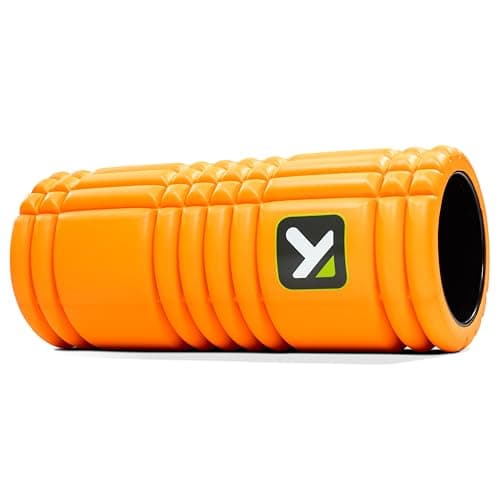
This roller fits one buyer especially well: someone who wants a single tool that does broad rolling and pinpoint trigger-point work without owning a drawer full of recovery gadgets. The three GRID zones let you change the feel by simply shifting where you place your weight, so a warm-up pass over the quads and a focused dig into a knotted calf both happen on the same 13-inch roller. The rigid hollow core is the real story: TriggerPoint builds it not to break down or lose shape with repeated use, so the firmness you buy is the firmness you keep.
It is less ideal if you are brand new to rolling and have sensitive tissue. The Grid is firmer than entry-level rollers, and the textured surface concentrates pressure, which can feel intense the first few sessions. If that is you, ease in with shorter holds and lighter body weight, or start on a smoother roller and graduate to the Grid. For sore spots that need more than a roller can reach, our best massage guns guide covers percussive tools that pair well with it.
Full specifications
| Spec | Detail |
|---|---|
| Kit Score | 8.8 / 10 (researched, not lab-tested) |
| Dimensions | 13 in. long x 5.5 in. diameter |
| Density | Standard firm (multi-density surface) |
| Surface | Patented 3-zone GRID: flat panels, tubular ridges, dense nodules |
| Construction | EVA foam surface over a rigid, hollow core |
| Weight limit | 300 lb |
| Warranty | 1 year |
The single spec people get wrong: the Grid is not a soft roller you flatten into. It is a firm hollow-core design, and the multi-density surface is the point, not a gimmick. Each of the three textures delivers a different pressure profile, so you modulate intensity by position rather than by buying a second roller.
Pros and cons
What it does well:
- Three distinct surface zones (flat panels, tubular ridges, dense nodules) let you modulate pressure without switching tools.
- The rigid, hollow core under the EVA foam surface is built not to break down or lose shape with repeated use, where cheaper solid-foam rollers can compress and go soft.
- Compact at 13 inches, so it packs for travel and fits most gym bags.
- A 300 lb weight rating and a long track record with physical and massage therapists, coaches, and trainers give buyers real confidence in the build.
Where it falls short:
- The 13-inch length limits coverage, so rolling the full back or hamstrings takes more than one pass.
- It is firmer than entry-level rollers, which can feel intense for first-time users until they adjust.
How it compares
Against the 321 STRONG medium-density roller, the trade is intensity versus comfort. The 321 STRONG is softer, with a gentler grid pattern that beginners and people with sensitive tissue tolerate better, and it is our best-value pick at a similar price. The Grid gives up some of that first-session comfort but wins on firmness retention and the variety of its three-zone surface, which is why it stays the do-everything pick for anyone past the beginner stage.
Against the budget option, the Grid sits above it on versatility. The Amazon Basics high-density roller is the lowest-cost way to get a durable roller, and its 36-inch length covers the full back in a single pass, which the Grid cannot. But the Amazon Basics surface is smooth, so it delivers one uniform pressure with no way to vary intensity by zone. If you want the cheapest competent roller, the Amazon Basics is the call. If you want one roller to keep for years that handles broad rolling and targeted trigger points alike, the Grid is worth the small step up.
For the full field, including longer rollers and more aggressive textured options scored the same way, see our best foam rollers guide. If your recovery routine leans more on percussion than pressure, the best massage guns guide covers the other side of the same job.
Where these numbers come from
| Claim | Source | Checked |
|---|---|---|
| 13.0 x 5.5 x 5.5 in, supports up to 300 lb, EVA foam over a hollow core, water- and sweat-resistant surface, 1-year warranty | TriggerPoint, GRID 1.0 foam roller | Sep 2026 |
| Patented three-zone surface; multi-density exterior over a rigid, hollow core that won't break down or lose shape from repeated use; used by physical and massage therapists, coaches, and trainers | TriggerPoint GRID listing on Amazon, ASIN B0040EKZDY (linked above) | Sep 2026 |
We have not used this roller. Dimensions, capacity, and construction are TriggerPoint's published specs; the Kit Score reflects research, not a lab test.
Frequently asked questions
How long is the TriggerPoint Grid 1.0?
The Grid 1.0 is 13 inches long with a 5.5-inch diameter. That compact size makes it easy to pack and store, but it means rolling the full back or hamstrings takes more than one pass. If single-pass coverage matters more to you than portability, a longer roller like the 36-inch Amazon Basics is the better fit.
Is the TriggerPoint Grid 1.0 worth it?
For most lifters and regular gym-goers, yes. It earns our highest foam-roller Kit Score (8.8) because it combines a versatile three-zone surface, a rigid hollow core built to keep its shape, and a 300 lb rating, all in a compact, travel-friendly roller at a modest price. The main reasons to look elsewhere are if you want a softer surface for sensitive tissue or if you need a longer roller for full-back coverage.
Is the TriggerPoint Grid too firm for beginners?
It can feel intense at first. The Grid is firmer than entry-level rollers, and its textured surface concentrates pressure more than a smooth roller does. Beginners can still use it well by easing in with shorter holds and lighter body weight, or by starting on a softer roller like the 321 STRONG and moving up to the Grid once their tissue adjusts.
What are the three zones on the GRID surface for?
The patented GRID surface has three textures, each for a different job. The flat panels handle broad muscle work like the quads and back, the tubular ridges knead long muscles the way fingers and palms would, and the dense nodules dig into knots for targeted trigger-point pressure. You change the intensity by shifting where you place your weight, not by switching tools.
TriggerPoint Grid vs 321 STRONG: which should I buy?
The 321 STRONG is softer and gentler, which makes it the better choice for beginners or anyone with sensitive tissue, and it is our best-value pick. The TriggerPoint Grid is firmer, holds its shape longer, and offers more surface variety, which makes it the better all-around roller for anyone past the beginner stage who wants one durable tool for everything.
For the full field, including budget and premium alternatives scored the same way, see our best foam rollers guide.
Keep going
Related buying guideBest foam rollers for recovery (2026)

Researched, not hands-on tested
Updated Sep 25, 2026Our recommendations draw on manufacturer documentation, retailer listings, owner feedback, and comparisons with alternatives.
As an Amazon Associate I earn from qualifying purchases. We may earn a commission from links here, at no extra cost to you. How we research →
In this review
Related buying guide
Best foam rollers for recovery (2026)