When to go
Conditions, crowds, and what each season asks you to pack.
Spring
84-88F
Warm and humid, highs 84-88F, with frequent passing showers as the wet season tapers off.
Pack Rain shell, reef-safe sunscreen, and quick-dry layers for sticky tropical heat.
Summer
82-86F
The drier window, highs 82-86F, steadier sun and the calmest water for reef snorkeling.
Pack Snorkel gear, rash guard, and sturdy trail shoes for muddy ridge climbs.
Fall
84-88F
Warm and humid, highs 84-88F, with afternoon downpours returning toward year-end.
Pack Waterproof bag for electronics plus a light rain layer for sudden squalls.
Winter
86-90F
Wettest and hottest stretch, highs 86-90F, heavy rain and the cyclone-season risk window.
Pack Serious rain gear, bug protection, and flexible plans around storm days.
Crowds by month, from NPS visit counts
Busiest: April. An average April brings about 4,800 recreation visits to National Park of American Samoa, roughly 160 a day. Peak crowds run April and July and September.
Quietest: December. About 580 visits, 12% of the busiest month. Crowds stay low June and August and December.
Limited data. NPS counts fewer than 50,000 recreation visits a year here, so monthly numbers are small and can swing on a few groups or a change in how visits are estimated. Read the shape of the year, not the exact figures.
- Low
- Moderate
- High
- Peak
Bar height is each month's average visits compared with the busiest month. Low is under 25% of that peak, Moderate 25 to 49%, High 50 to 74%, Peak 75% and up.
See the monthly numbers
| Month | Avg visits | Share of year | Crowds |
|---|---|---|---|
| January | 1,687 | 6% | Moderate |
| February | 2,797 | 10% | High |
| March | 1,427 | 5% | Moderate |
| April | 4,797 | 17% | Peak |
| May | 1,322 | 5% | Moderate |
| June | 608 | 2% | Low |
| July | 3,860 | 14% | Peak |
| August | 1,142 | 4% | Low |
| September | 3,993 | 14% | Peak |
| October | 3,365 | 12% | High |
| November | 2,174 | 8% | Moderate |
| December | 578 | 2% | Low |
Source: NPS Visitor Use Statistics, monthly recreation visits, averaged over 2023–2025. October and November 2025 are left out of the averages because of the federal government shutdown. Visits count entries, not unique people. NPS monthly report for National Park of American Samoa · Crowd calendar for all 63 parks
American Samoa weather by month
Average daily highs and lows, plus monthly precipitation, from NOAA's 1991-2020 climate normals for Pago Pago harbor on Tutuila. Shaded months are the park's best season. Tap a month to build a pack list for it.
| Month | Jan | Feb | Mar | Apr | May | Jun | Jul | Aug | Sep | Oct | Nov | Dec |
|---|---|---|---|---|---|---|---|---|---|---|---|---|
| High (F) | 88 | 88 | 88 | 88 | 86 | 85 | 85 | 85 | 86 | 86 | 87 | 88 |
| Low (F) | 78 | 78 | 78 | 78 | 78 | 78 | 77 | 77 | 78 | 78 | 78 | 78 |
| Precip (in) | 15.3 | 13.7 | 11.0 | 11.3 | 11.7 | 6.4 | 7.5 | 6.9 | 8.0 | 10.2 | 12.1 | 14.4 |
Station PAGO PAGO WSO AP (AQW00061705), 12 ft, a gateway station about 4 miles from the park visitor center in Pago Pago. The station sits at sea level at the airport; the park's ridge trails run cooler and wetter.
Source: NOAA NCEI U.S. Climate Normals, 1991-2020 monthly averages. Averages describe a typical year, not a forecast; check current conditions and alerts before you go. Precipitation includes the water in melted snow.
Top things to do
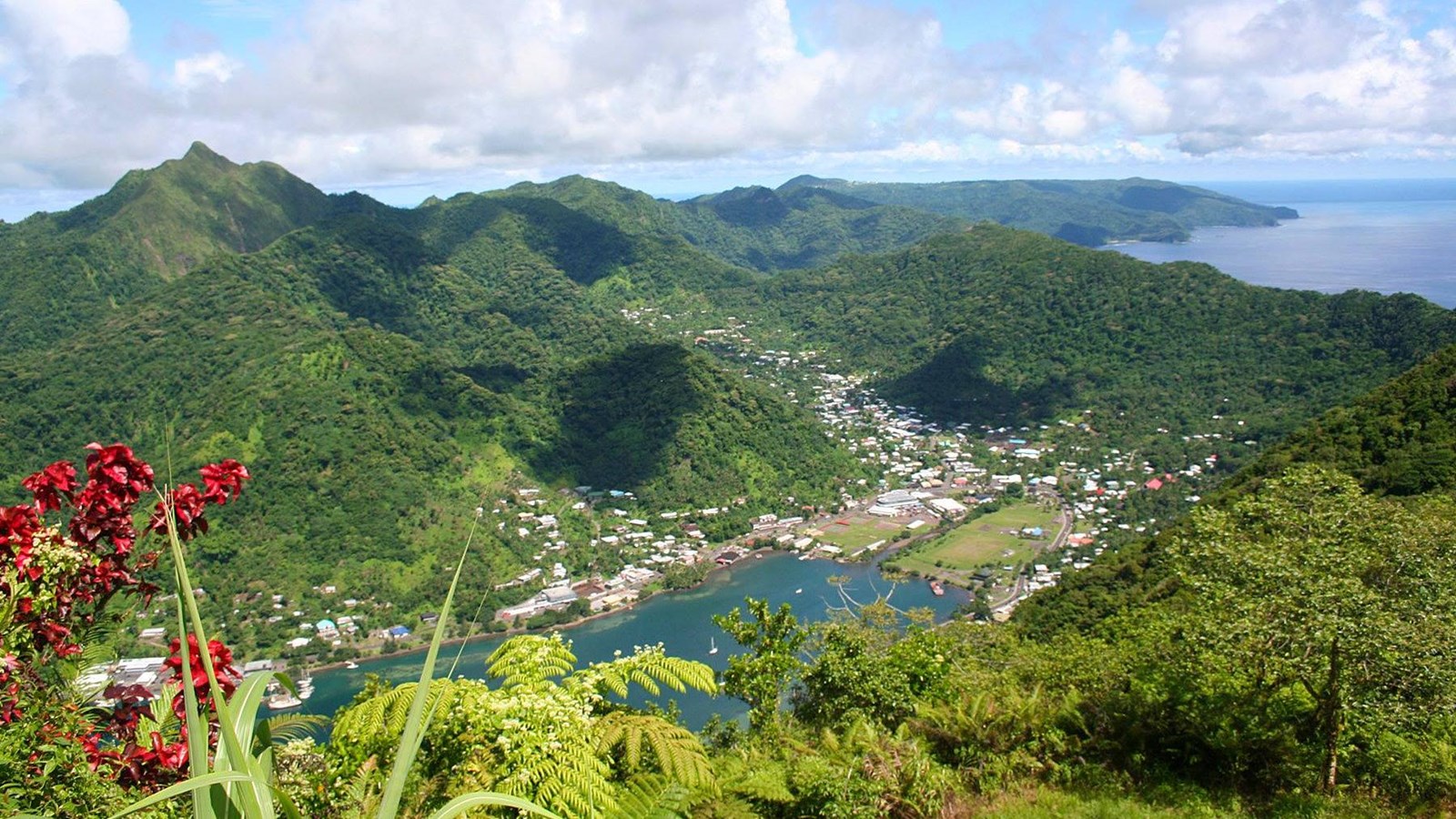
Mount Alava Trail
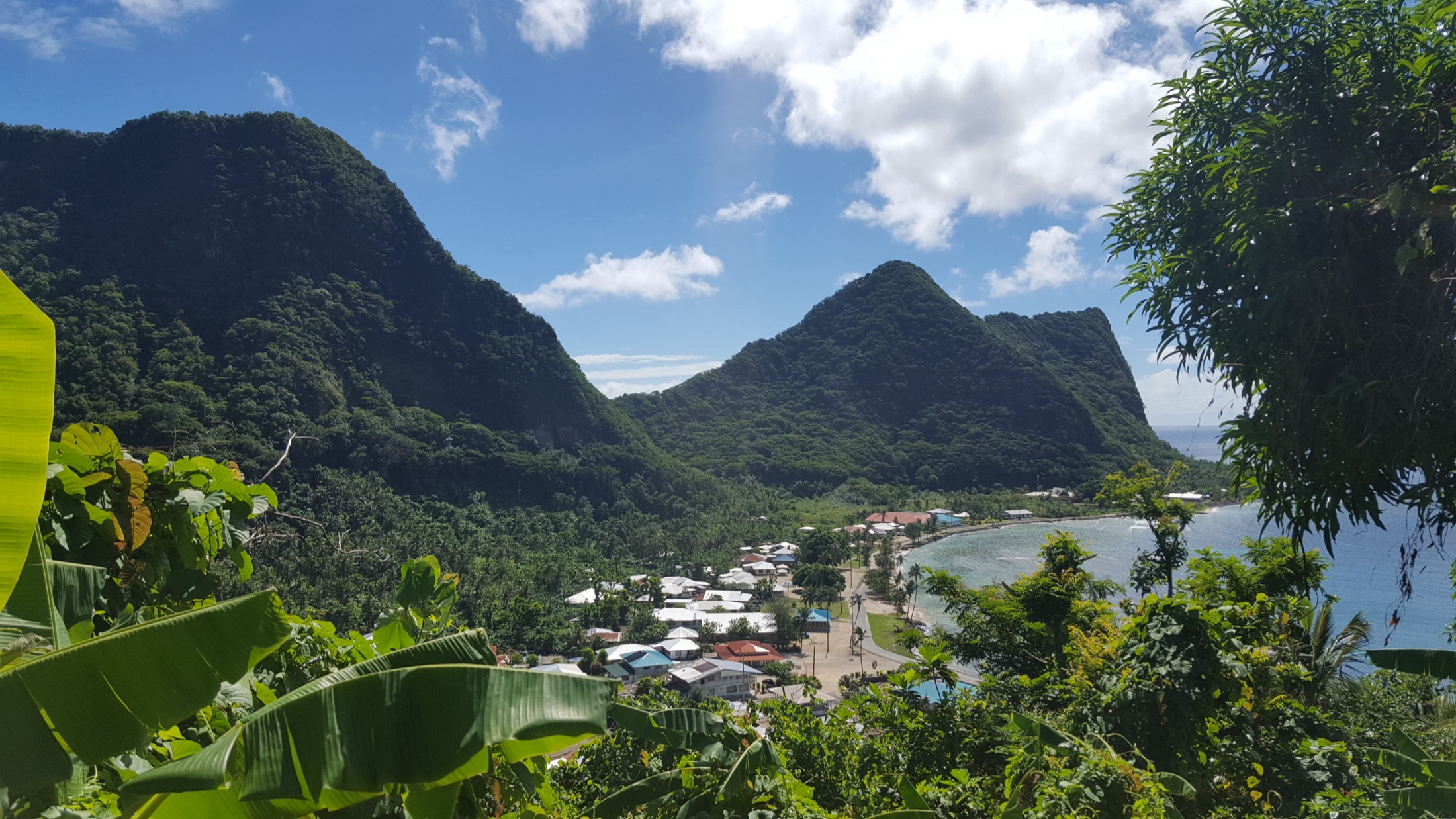
Tutuila's signature ridge climb to a 1,610-foot summit with sweeping views over Pago Pago Harbor.
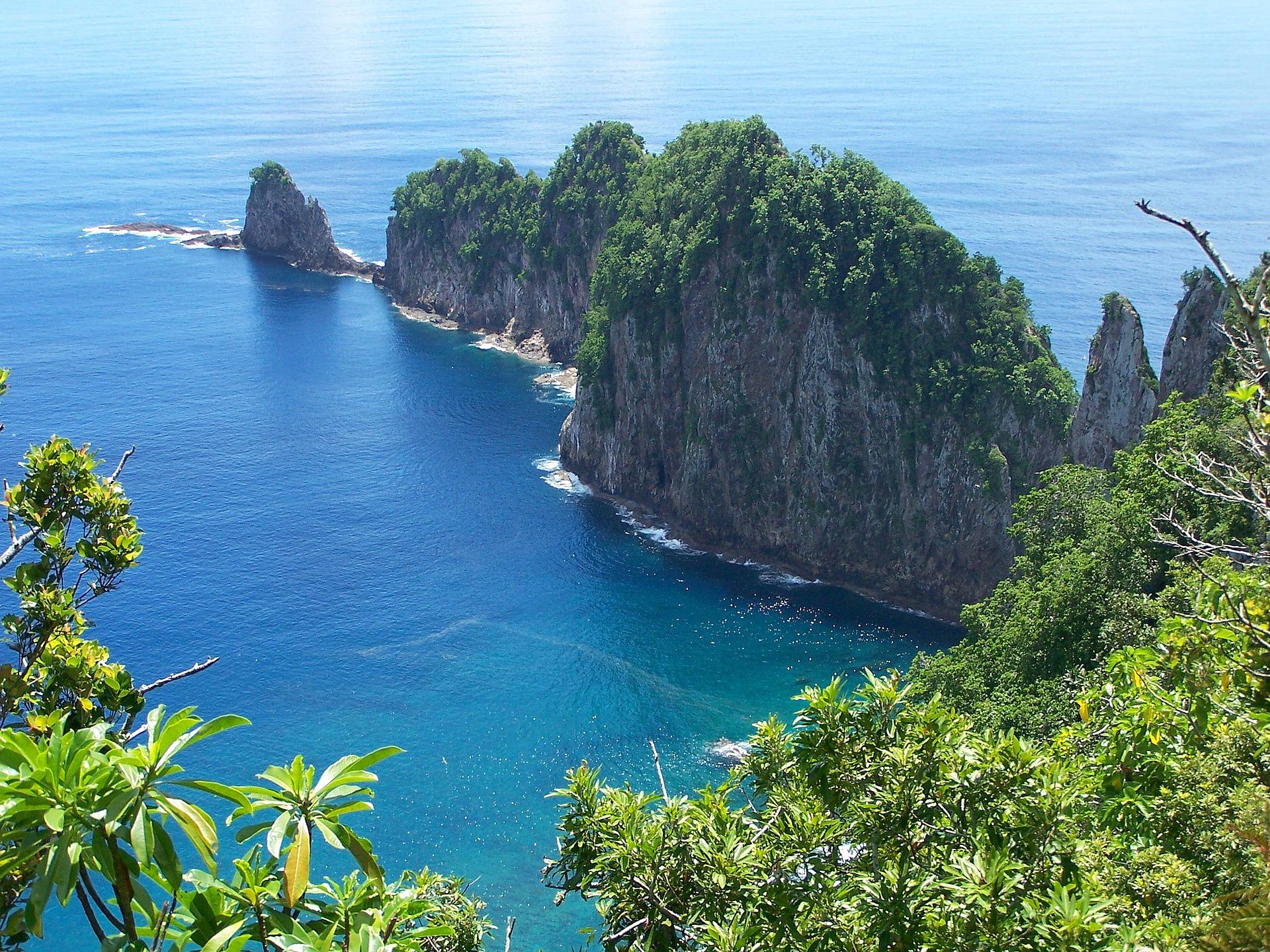
Pola Island Trail
A short, flat walk in Vatia to a rocky shoreline facing the park's top seabird nesting cliffs.
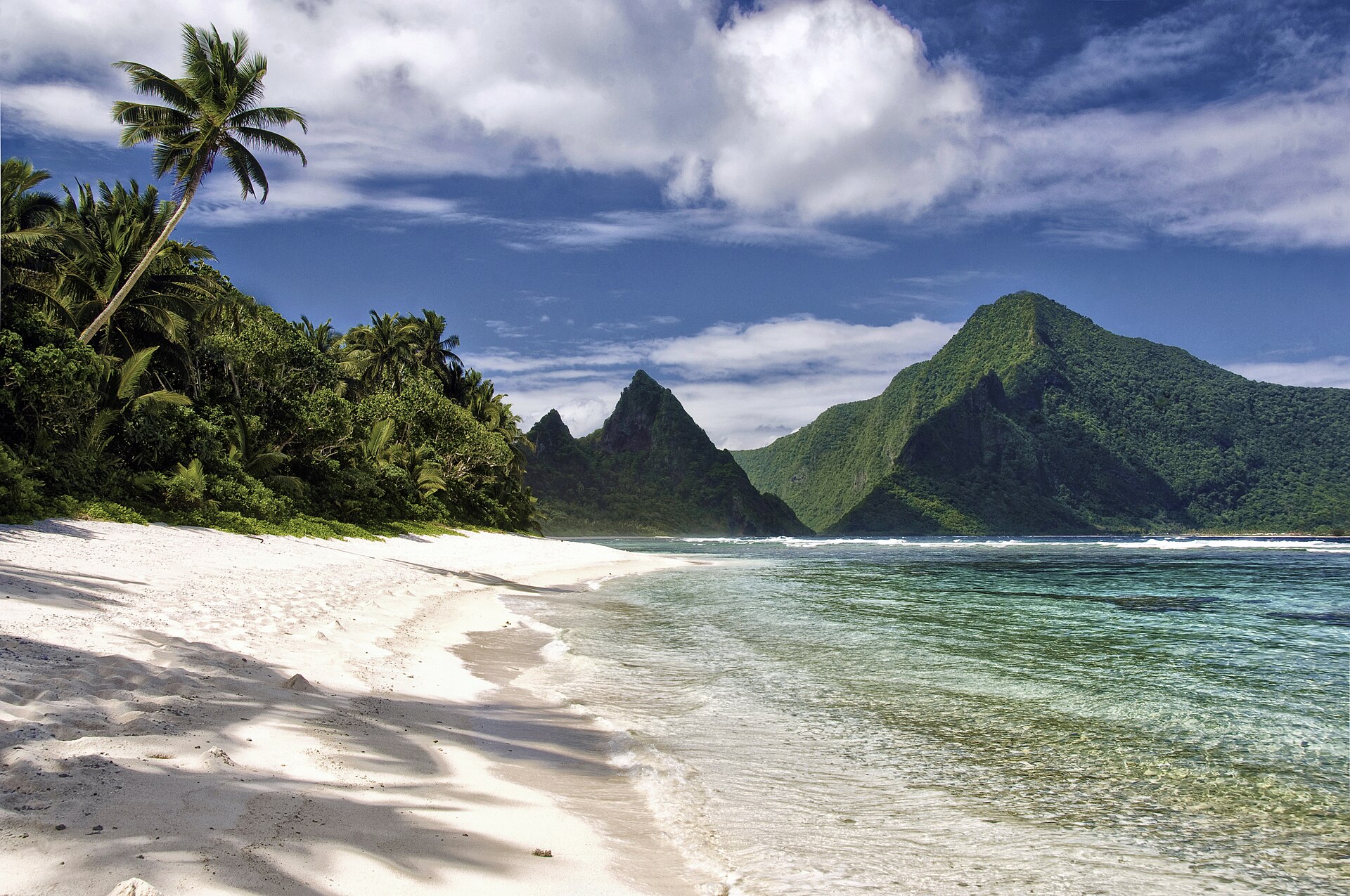
Ofu Beach
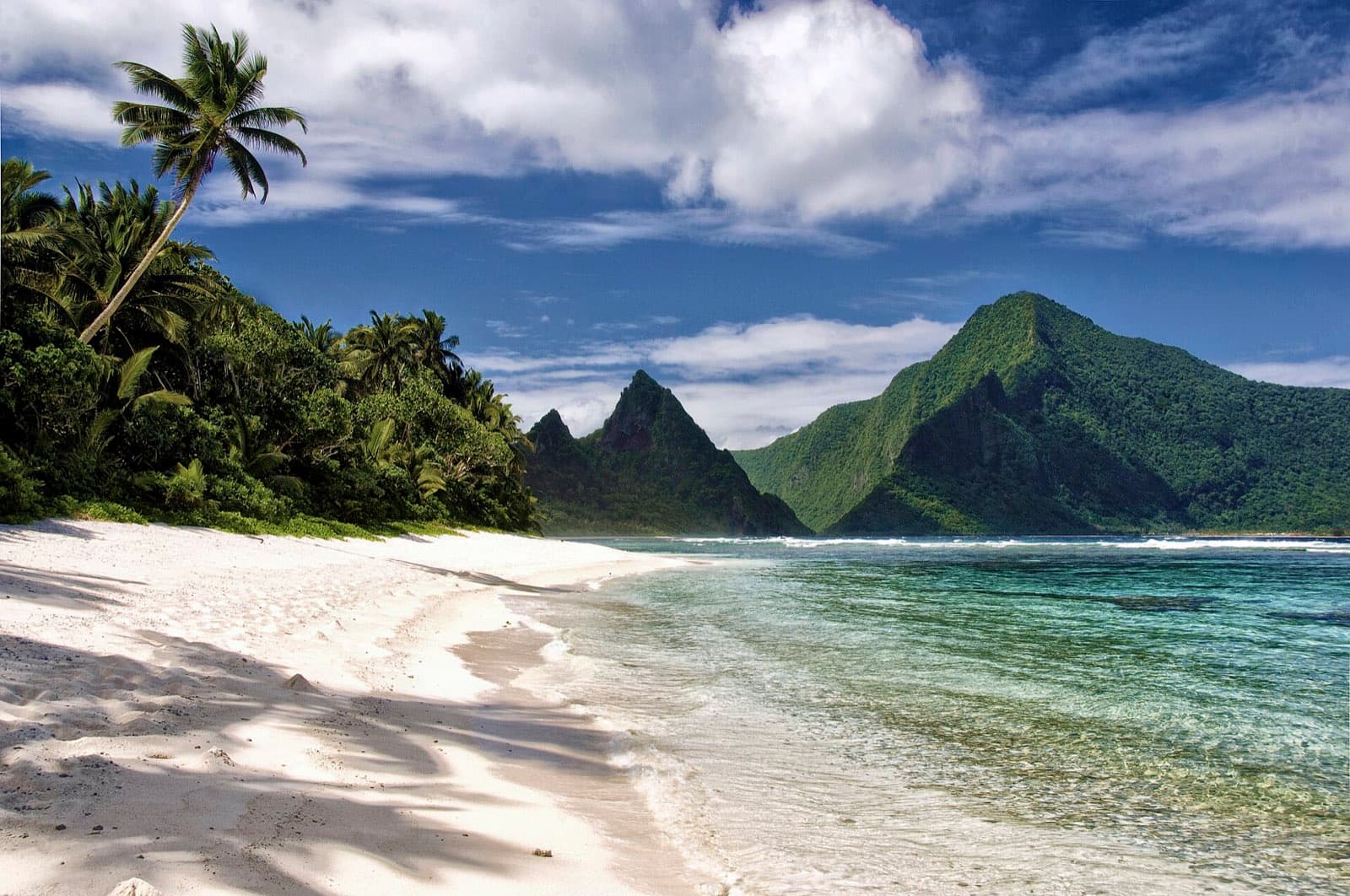
A remote 2.5-mile white-sand strand fronting one of the healthiest, most colorful reefs in the system.
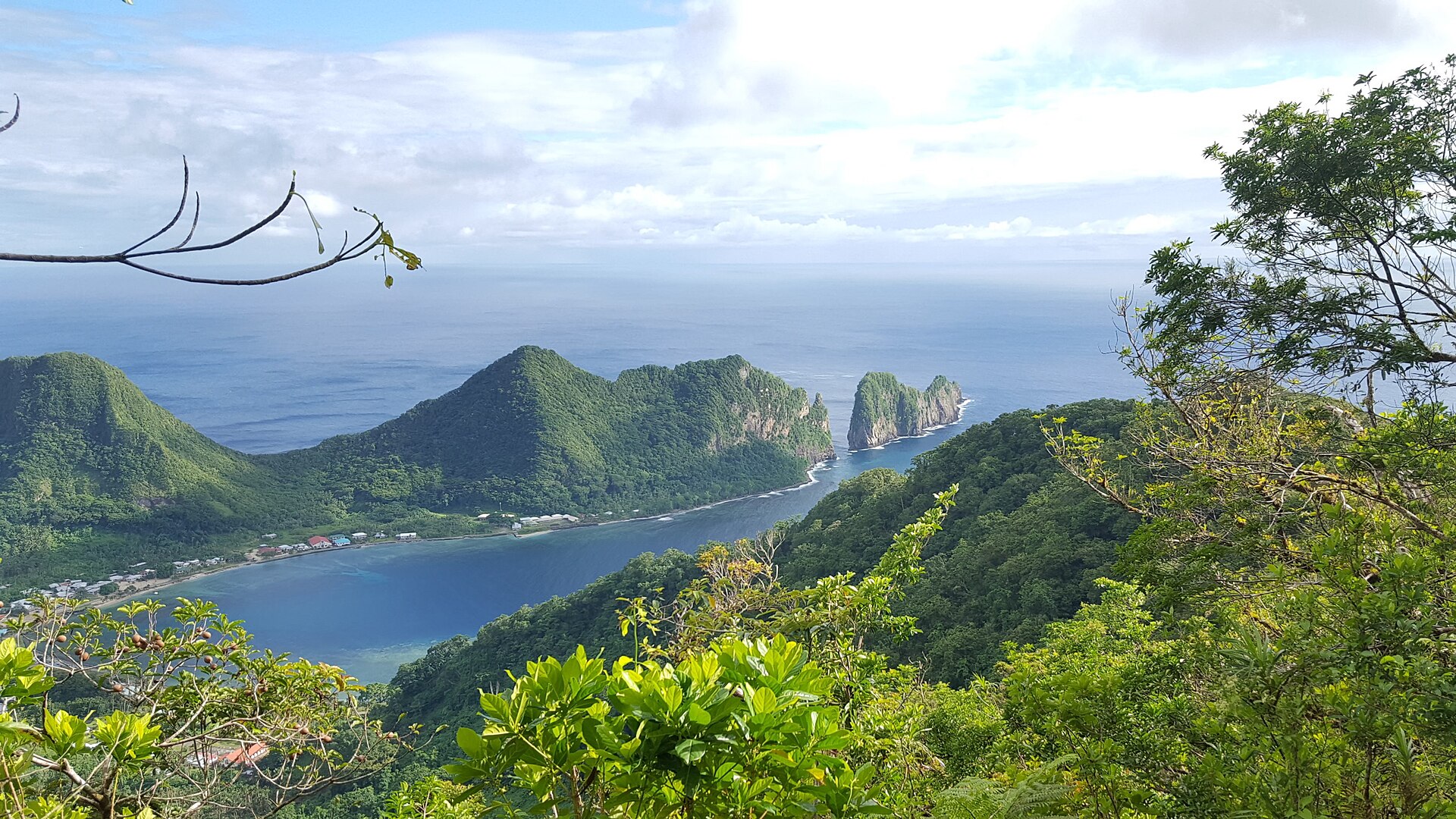
Lower Sauma Ridge Trail
A short Vatia descent to an overlook above the reef and Pola Island, good for photos and birds.
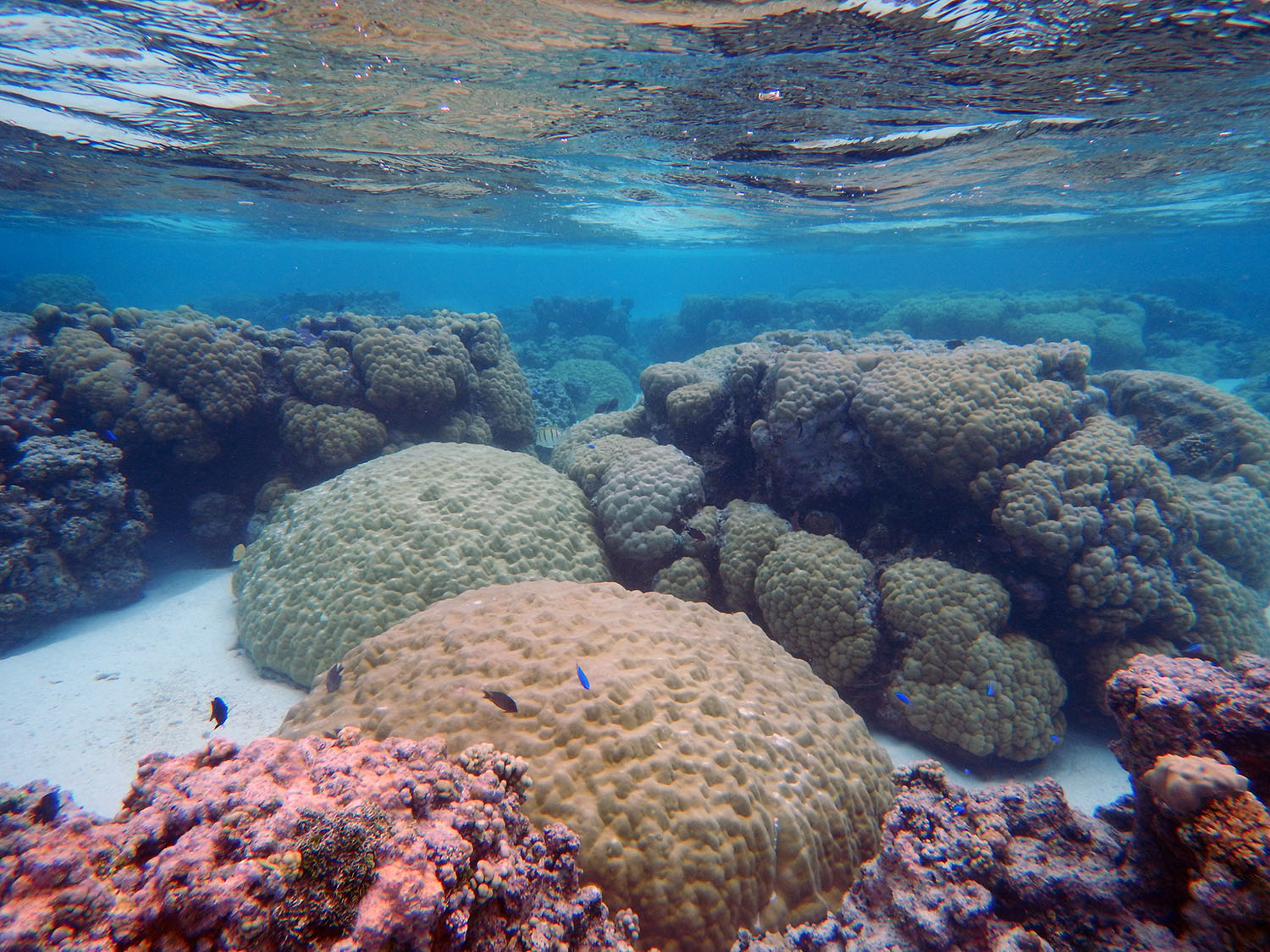
Pago Pago reef snorkeling
Warm, clear water over 250 coral species and roughly 950 reef fish, often with the lagoon to yourself.
Anchor the day around Mount Alava Trail
Treat transport weather as part of the itinerary, with a real buffer day instead of a tight turnaround. For one day in National Park of American Samoa, make Mount Alava Trail the non-negotiable, add Pola Island Trail only if the first stop runs clean, and keep Ofu Beach as the flexible finish.
- 1Start with Mount Alava Trail: Tutuila's signature ridge climb to a 1,610-foot summit with sweeping views over Pago Pago Harbor.
- 2Add Pola Island Trail: A short, flat walk in Vatia to a rocky shoreline facing the park's top seabird nesting cliffs.
- 3Use Ofu Beach as the optional finish, not as a reason to rush the whole day.
Where to stay
Stay strategy
Make the access plan before the lodging plan.
Stay strategy
Base on Tutuila first, add Ofu only when the transport window works.
This park is logistically different from a mainland trip: there are no park campgrounds or lodges, and the islands do not behave like a simple road loop. Use Pago Pago for Tutuila hikes, consider a village homestay only if current options can be confirmed, and treat Ofu as a separate commitment with buffer days.
- Park lodging
- No campground or lodge inside the park
- Tutuila base
- Pago Pago hotels work for Mount Alava and Vatia trailheads
- Cultural stay
- NPS links a 2012 homestay PDF; verify current village-stay options before relying on it
- Manu'a access
- Ofu, Olosega, and Ta'u need a small-plane flight or boat
Compare base options
Read these as access plans first. The right base is the one that makes the transfer reliable, then the room or campsite can follow.
Paid links: we may earn a commission if you book, at no extra cost to you.
Simple base
Pago Pago or nearby Tutuila hotels
Getting there- Best for
- Mount Alava, Vatia trailheads, Visitor Center logistics, and short park visits
- Tradeoff
- You are not sleeping inside the park and will need car, taxi, or aiga bus planning.
Planning detail
Use Tutuila as the anchor for a first visit. It keeps the park office, supplies, airport, Mount Alava, Pola Island, and Lower Sauma Ridge within a workable day-trip radius.
- Best for
- Travelers who want the park visit to include Samoan village life, not only trails
- Tradeoff
- Availability and expectations are more personal than a hotel booking.
Planning detail
The NPS eating and sleeping page covers the park's lodging options and is not a current host list. Contact the park or local visitor resources to verify whether homestays are currently available, then confirm meals, Sunday customs, transportation, and village expectations before committing.
Remote reef base
Ofu lodging
- Best for
- Travelers prioritizing Ofu Beach, reef snorkeling, and the Manu'a Islands
- Tradeoff
- Limited flights and weather delays can reshape the trip.
Planning detail
Small lodges near Ofu Beach put you close to the reef, but the extra island transfer needs flexible dates and a tolerance for schedule changes.
Buffer days
Do not schedule an international departure immediately after an Ofu transfer day.
Reef respect
Pack reef-safe sun protection and avoid standing on coral when snorkeling.
Camping reservations
Camping reservations
There are no campgrounds here; the village homestay program is the real overnight system.
National Park of American Samoa has no campgrounds, no developed campsites, and no reservation platform, so do not plan a tent-based trip. The park's homestay program, staying with Samoan host families in the villages whose land makes up much of the park, is the overnight experience worth planning around.
Reviewed June 11, 2026
Booking window
There is nothing to book online: homestays are arranged through the park visitor center in Pago Pago, and flights to American Samoa run only a few times a week, so start the conversation well before you travel.
- Much of the park sits on land leased from Samoan villages, which is exactly why there is no campground system; respect village protocols wherever you go.
- Homestays are coordinated by the park, which keeps the list of host families; contact the visitor center by phone or email to arrange one, and expect to settle details directly with your hosts.
- If a homestay is not your style, base in Pago Pago hotels on Tutuila, or at Vaoto Lodge or Asaga Inn on Ofu for the Manu'a Islands.
- Observe fa'asamoa: ask before walking through villages, dress modestly, and plan around Sunday, when most village activity pauses.
Where to book or verify
The official visitor guide describing the homestay program and village customs.
Homestays are set up through the visitor center, not an online booking system.
Hours, fees (there are none), and current conditions for all three park units.
The park's FAQ answers whether camping is allowed on park land and covers permits, fees, and trip basics.
Check for federal campground, backcountry, tour, and permit inventory tied to this park.
Covers special use and filming permits.
Getting there and practical info
Make the transfer plan before the trail plan.
Weather windows, boat schedules, flight buffers, and backup days shape what is realistic.
Getting there
Get to National Park of American Samoa by solving the transfer first.
- Nearest airport
- Pago Pago International Airport (PPG) on Tutuila, a short drive from the park sections, with onward Manu'a Islands flights to Ofu and Ta'u
- Access rhythm
- Transfer time matters
Arrival note
Getting here is the adventure: this is one of the most remote parks in the system.
Fly in
Fly into Pago Pago International Airport (PPG) on Tutuila, usually via Honolulu on the once-or-twice-weekly Hawaiian Airlines route.
Shuttle access
From the airport it is a short drive to the Visitor Center and the Tutuila trailheads at Vatia and Fagasa; rent a car or ride the local aiga buses.
Book ahead
- Rental cars at Pago Pago International Airport (PPG)Paid link, Economybookings
- Guided tours in National Park of American SamoaPaid link, Viator
Paid links: we may earn a commission if you book, at no extra cost to you.
Pair this with lodging: the best base is the one that protects the departure window, pickup point, or weather buffer.
Plan your trip
Build one complete pack brief from National Park of American Samoa's season, activity, and trip length. Fine-tune an individual calculation only if you need it.
Fine-tune water, pack size, warmth, or stove fuel
Build around access
Plan the transfer before the trail list.
Plan your trip
2 quick tools, already seeded for National Park of American Samoa. Tune the route, pack weight, weather margin, and overnight setup after the access plan is real.
What to pack
Start with the gear decisions National Park of American Samoa changes: water, footing, weather, and overnight needs. The checklist is there once your route and dates are set.
Kit Authority
National Park of American Samoa packing list
0 of 15 packed. Check items as you pack, then take this list to the store, trailhead, or campsite.
Pack planning
Decide what National Park of American Samoa asks of your kit before you start checking boxes.
Use this as a constraint check while you are still shaping the trip. The active checklist becomes useful once your route, dates, and sleep plan are set.
- First constraintHydration and exposureWater, Electrolyte mix, hat, sunscreen, sunglasses, 4 more
- Route realityFooting and tractionHiking boots, Hiking socks, Trekking poles
- Load choicePack and carry systemDaypack
- Season checkLayers for conditionsMoisture-wicking base layers, Rain jacket, Bug protection
Checklist mode
15 items, grouped for the trip you are actually taking.
- Dates and season are set.
- Primary route, campground, or lodge is chosen.
- Water, footwear, and overnight needs are sized.
One researched pick
The first gear decision for National Park of American Samoa
A stable daypack is the one purchase that organizes water, layers, food, first aid, and the small safety margin.
We may earn a commission from links on this page, at no extra cost to you. Product prices and availability are accurate as of the date/time indicated and are subject to change. Any price and availability information displayed on Amazon at the time of purchase will apply to the purchase of this product.
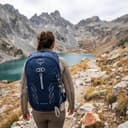
THE DAY-HIKE PICK
Osprey Talon 22
Best Overall
Kit Score 8.6/10
$169.95 Price checked Oct 23, 4:16 PM CDT
Best for: Hikers who want a proven all-around daypack with solid load support, plenty of adjustment, and a warranty they can actually use.
- Adjustable torso fit covers a wide range of body sizes
- At 2 lb 1 oz it runs heavier than ultralight rivals for the same volume
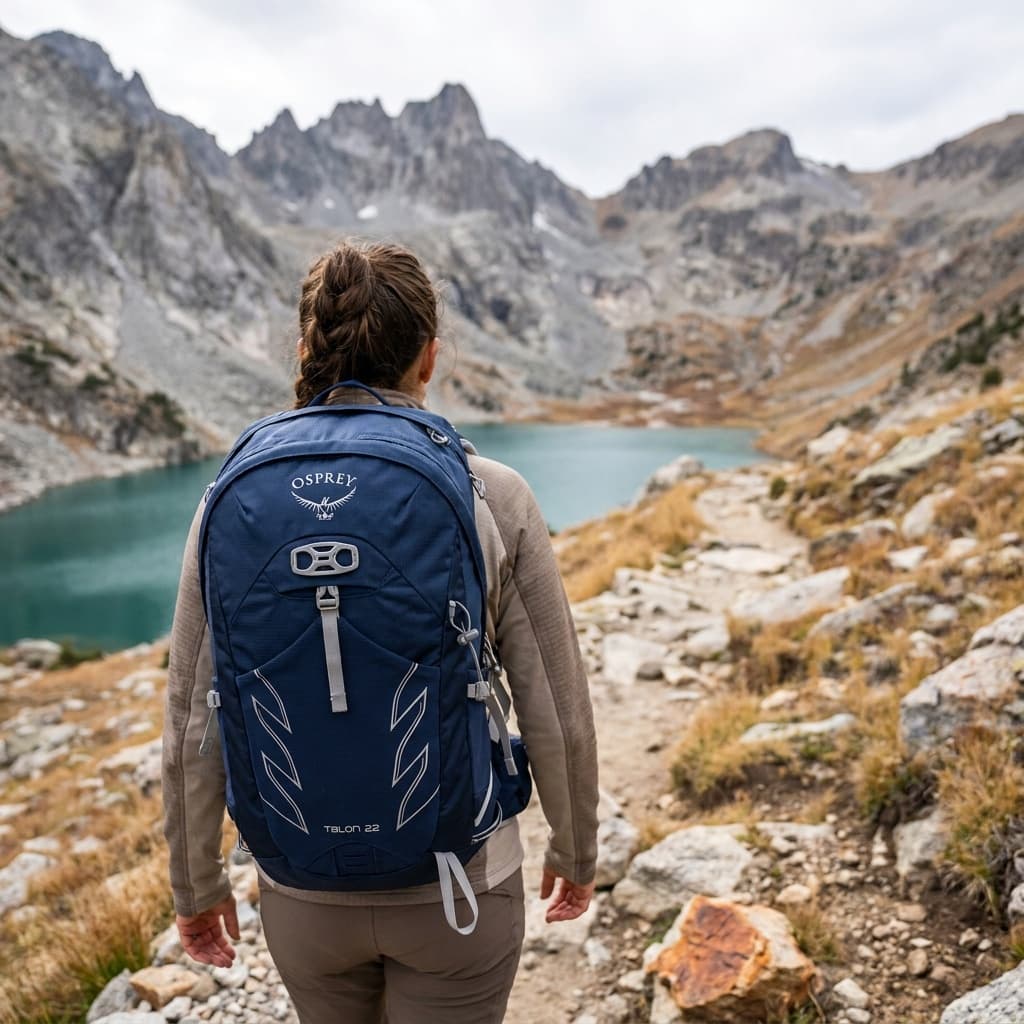
- Volume
- 22 L
- Weight
- 2 lb 1 oz (945 g)
- Back Panel
- AirScape foam with ventilation channels
- Hipbelt Pockets
- 2 zippered
- Hydration
- Compatible up to 3 L reservoir (sold separately)
- Warranty
- All Mighty Guarantee (lifetime repair or replace)
About this pick
The Talon 22 is the daypack you see on the trail more than any other for good reason: it packs in a padded hipbelt, adjustable torso harness, and dual hipbelt pockets into a 22-liter package that handles loads up to 20 lb without complaint. Owners across hundreds of Amazon ratings consistently cite its adjustability and durability as standouts.
Strengths
- Adjustable torso fit covers a wide range of body sizes
- Padded hipbelt and dual hipbelt pockets at this size are rare
- Osprey lifetime warranty backs years of hard use
Weaknesses
- At 2 lb 1 oz it runs heavier than ultralight rivals for the same volume
- AirScape back panel ventilation is functional but not class-leading compared to suspended-mesh designs
Kit Score breakdown
Gear for National Park of American Samoa
The buying guides that match what National Park of American Samoa asks of your kit. Each one has our current top picks across budget and use case.
Can you photograph here? Permit and drone rules
American Samoa's park still publishes the older permit test (models, props, or advertising trigger a permit; hand-carried gear does not), and village protocol matters as much as federal rules.
- Permit
- Usually fine for personal shoots; commercial or large productions can need a permit
- Drones
- Effectively banned: launching, landing, or operating a drone within park boundaries is prohibited
- Land
- Yes for personal and editorial photography in park areas
From our photography sister site, Aperture Authority. Verified 2026-07-01.
Frequently asked questions
Is National Park of American Samoa free to visit?
Yes. There is no entrance fee and no reservation or timed-entry system. Note that much of the park sits on land leased from Samoan villages, so visitors are expected to respect local customs and any village access rules.
How do you get to National Park of American Samoa?
Fly into Pago Pago International Airport (PPG) on the island of Tutuila, typically on a once-or-twice-weekly Hawaiian Airlines flight from Honolulu. The Tutuila trailheads are a short drive from the airport. Reaching the Manu'a Islands sections (Ofu, Olosega, Ta'u) takes an additional small-plane flight or boat.
When is the best time to visit National Park of American Samoa?
The drier season from June to September is best, with lighter rain and the calmest, clearest water for snorkeling. It is tropical and warm all year, with highs in the 80s F. The wetter, hotter months from roughly November to April bring heavy rain and the cyclone-season risk window.
What is there to do in the park?
Day-hiking, snorkeling the coral reefs, and wildlife viewing are the highlights. Hike the Mount Alava Trail above Pago Pago Harbor, walk the short Pola Island Trail to the seabird cliffs, and snorkel the reefs off Tutuila or the standout Ofu Beach. The park protects fruit bats, hundreds of fish and coral species, and native rainforest birds.