Contents
Build a no-cook meal
Combine familiar foods that are ready to eat
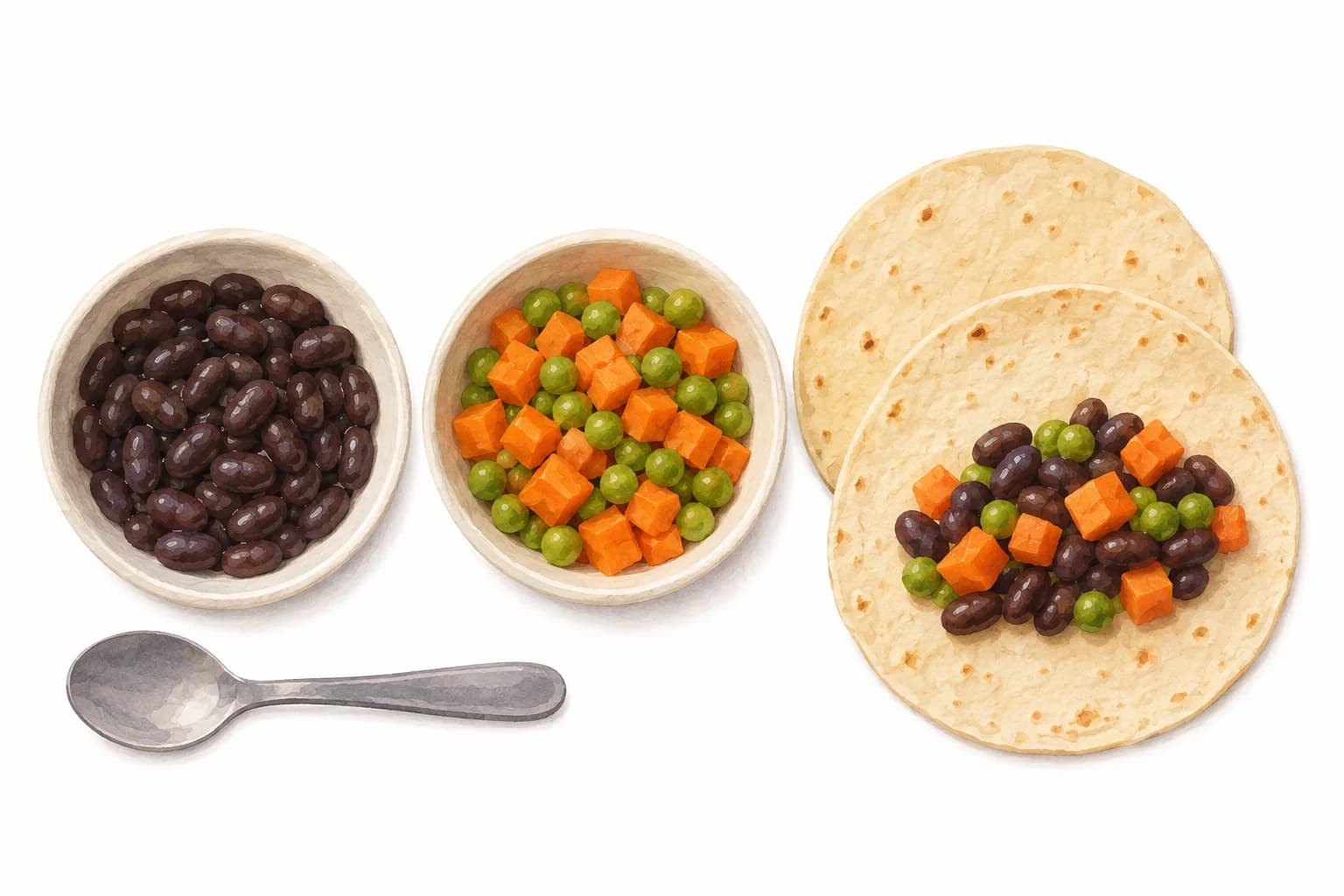
Meal illustration; choose ready-to-eat foods and follow package instructions.
Check allergies and each label's after-opening storage instructions. Choose portions and ingredients to suit the people eating.
Sources: USDA shelf-stable foods; USDA emergency foods
Stock a no-cook pantry
Choose a variety and quantities for your household. Plan to finish opened portions when refrigeration is unavailable.
We may earn a commission from these links, at no extra cost to you.
- Buy on Amazon
Beans
Bush's Original Baked Beans, 16 oz
Fully cooked beans can be eaten without heating.
Contains bacon. Open with a can opener and refrigerate leftovers.
- Buy on Amazon
Tuna
StarKist Tuna Creations Lemon Pepper, 2.6 oz
A ready-to-eat pouch needs no draining.
Contains fish. Refrigerate leftovers after opening.
- Buy on Amazon
Spread
Jif Creamy Peanut Butter, 16 oz
A familiar spread for crackers or a spoonful on its own.
Contains peanuts. Follow the package date and storage instructions.
- Buy on Amazon
Crackers
RITZ Fresh Stacks Original Crackers, 11.8 oz
Individually wrapped stacks pair with pantry foods.
Contains wheat and soy. Check the package date.
- Buy on Amazon
Fruit
Dole Diced Peaches in 100% Juice, 12 cups x 4 oz
Twelve ready-to-eat peach cups provide individual portions.
May contain pits or fragments. Follow package storage and date instructions.
- Buy on Amazon
Manual opener
OXO Good Grips Soft-Handled Can Opener
Keep an opener with cans that need one.
Check that it opens the cans your household stores.
Product and planning sources
- Bush's Original Baked Beans
- Bush's storage FAQ
- StarKist Lemon Pepper tuna
- StarKist storage FAQ
- Jif Creamy Peanut Butter
- Jif storage FAQ
- RITZ Fresh Stacks
- Dole diced peaches, twelve cups
- Dole fruit bowls
- OXO Good Grips can opener
- Midland WR120B
- Midland setup guidance
- Reliance Luggable Loo
- Reliance Double Doodie bags
- Ready America 70280
- Ready America food and water shelf life
- CDC water storage
Assemble meals, not just a pile of cans
The Red Cross recommends a three-day nonperishable supply for evacuation and a two-week supply for home when possible. Plan portions around the people and pets in your home.
Start with a few familiar breakfasts, lunches and dinners. Check each label for storage and preparation: shelf-stable means safe at room temperature before opening, but some canned foods still say "keep refrigerated," and some dry foods require cooking. USDA explains the distinction. Choose foods that are ready to eat as sold, not merely foods that last a long time in a cupboard.
| Meal component | Examples to check for ready-to-eat use |
|---|---|
| Protein | Shelf-stable canned beans, fish or poultry; nut or seed butter if suitable for the household. |
| Starches | Crackers, ready-to-eat cereal, bread or shelf-stable tortillas. |
| Fruit and vegetables | Canned fruit or vegetables, fruit cups, dried fruit. |
| Extras | Shelf-stable milk or alternatives, small juice boxes, familiar snacks. |
For example, crackers with a suitable spread and a fruit cup can become lunch; canned beans with ready-to-eat vegetables and tortillas can make a simple dinner. Check the labels and preferences of the people eating them. Include variety and enough food for actual appetites, not just the number of packages. USDA's emergency food list includes many ordinary groceries and recommends refreshing the supply periodically.
Small cans or individual portions can reduce leftovers when refrigeration is unavailable. Larger packages may be more practical for a household that can finish them promptly. Either way, check the label for what happens after opening: an unopened shelf-stable container is not a promise that its contents can sit out indefinitely.
Adapt the pantry to your household
Check ingredient labels for allergies and dietary restrictions every time you restock; recipes and manufacturing practices can change. Include foods people can comfortably chew, open and eat, and account for cultural preferences and any established dietary requirements. A familiar food is more useful in an emergency than something nobody can or will eat.
For an infant who uses formula, the CDC identifies ready-to-feed infant formula as the safest formula-feeding option during an emergency because it does not require mixing with water. Plan sufficient age-appropriate supplies, check dates and storage instructions, and include the supplies needed for feeding and cleaning. If powdered formula is needed, safe water and clean feeding equipment matter; follow the CDC's guidance and the package instructions. Do not dilute formula or use a generic water allowance as a mixing recipe. For individual feeding needs, consult the child's care professional.
Include pet food and water, and a way to serve them. Use the household checklist to track preparation tasks; keep detailed grocery and individual-needs notes separately and privately. Keep the emergency water supply separate from assumptions about how much liquid is in food.
Make food usable without power
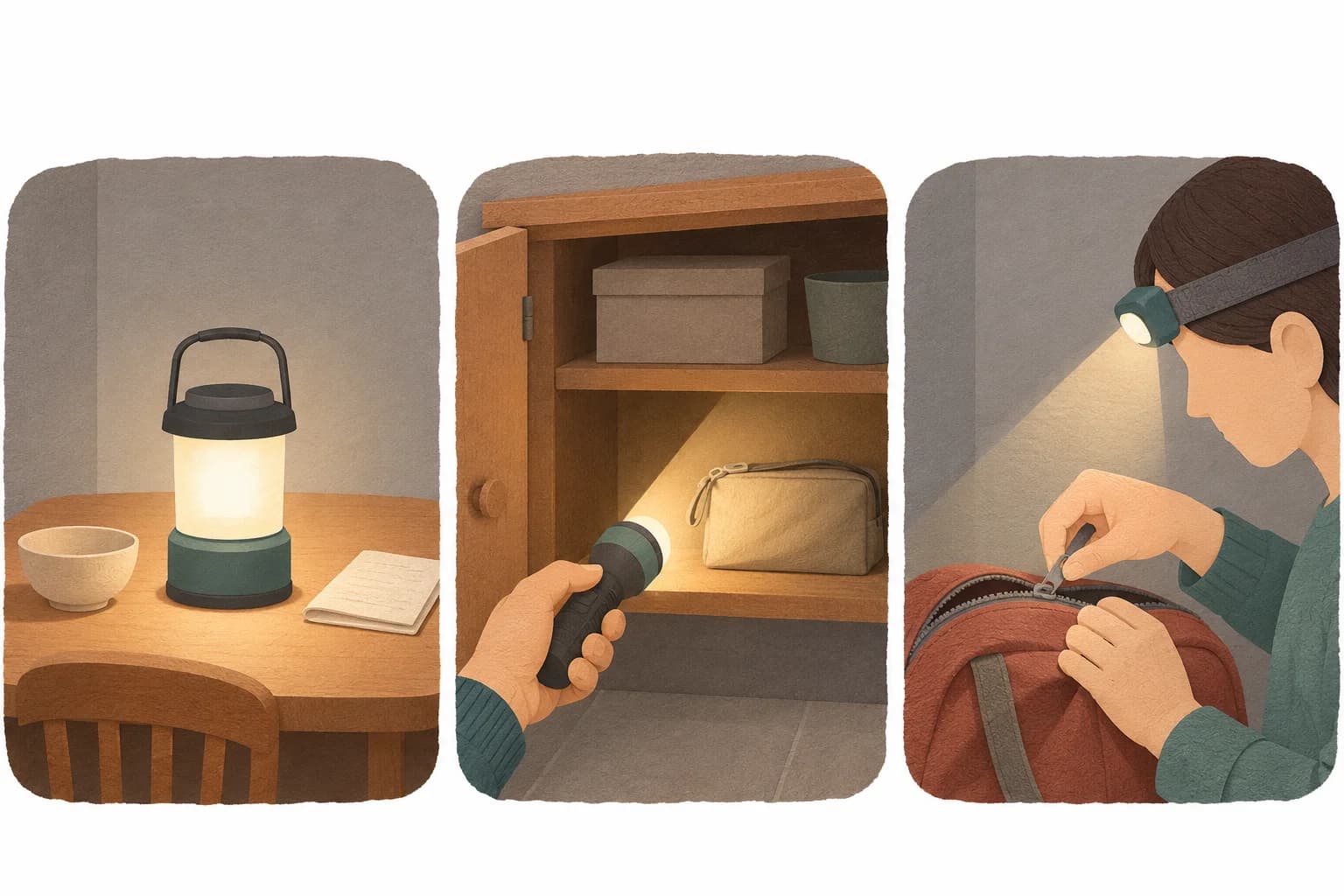
Keep a manual can opener with the food, along with utensils, plates or bowls, and a way to clean hands and preparation surfaces. A pull-tab is convenient but not a substitute for an opener if some cans need one. Check that household members can operate it. Include a light so supplies and labels can be seen during an outage.
No-cook choices mean a hot meal is not a prerequisite. Never use grills, camp stoves or portable generators inside a home, garage, tent or other enclosed space: carbon monoxide can build up. Keep this equipment away from doors, windows and vents. The CDC's winter safety guidance and CDC guidance on enclosed shelters explain the hazard. Do not improvise an indoor cooking setup when power fails.
Store, check and rotate
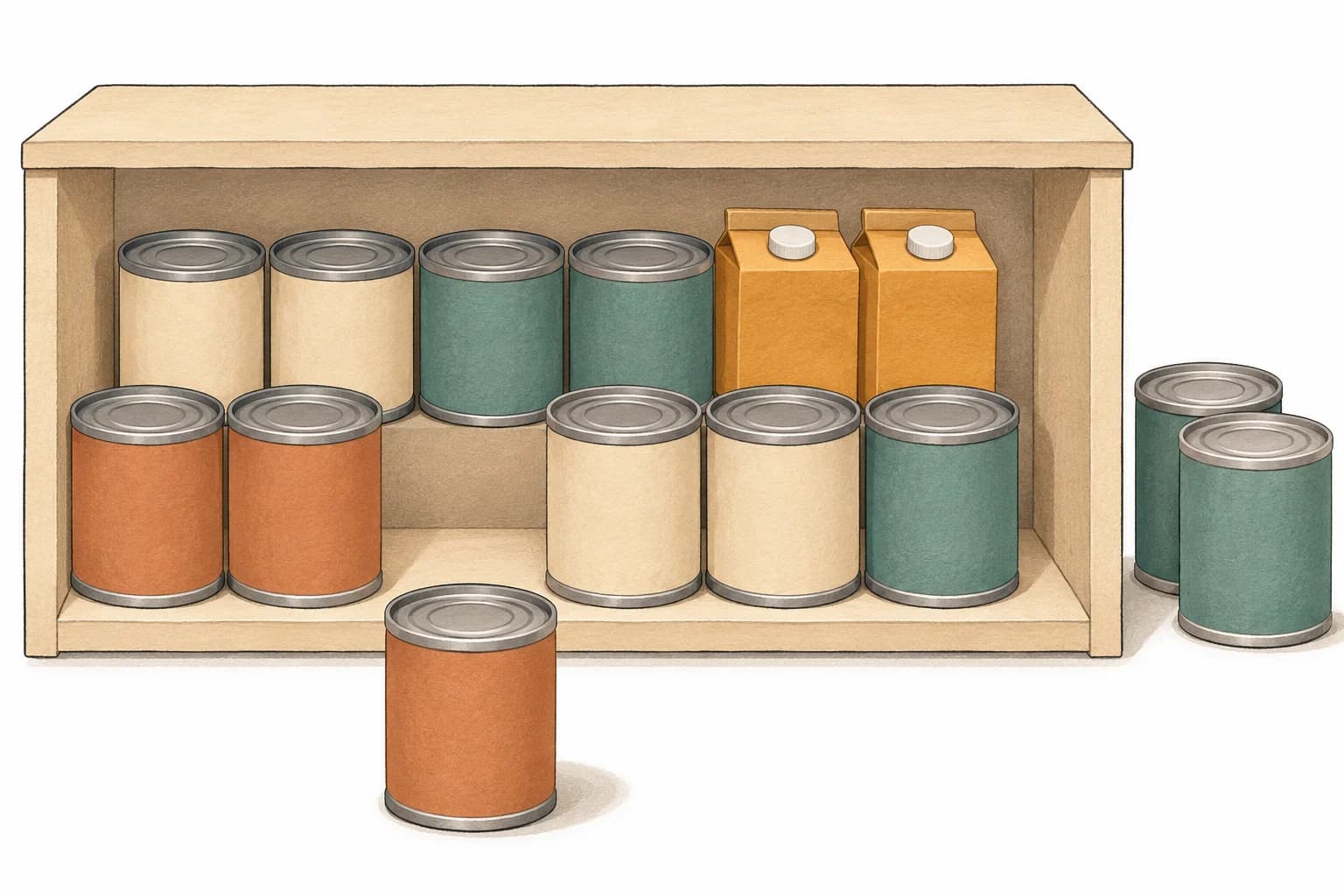
Keep food in a cool, dry place, protected from pests and as safe as practical from floodwater. Follow each package's storage instructions and date. Put newer items behind older ones, incorporate older stock into ordinary meals, and replace it. A short inventory with quantities and dates makes a periodic check easier; update it when household needs change.
Inspect packages for damage before use. Do not eat food that may have had direct contact with floodwater. The FDA's flood guidance also calls for discarding water-damaged food in paper, plastic and similar packaging, and flood-exposed containers with screw caps or snap lids. The FDA provides separate instructions for assessing and cleaning certain undamaged commercial cans; do not assume every sealed package can be saved.
Know what the refrigerator clock means
Keep refrigerator and freezer doors closed as much as possible. FoodSafety.gov gives these approximate windows when the doors stay closed; they are not guarantees once a door is opened or conditions differ:
| Appliance | Approximate time with door closed |
|---|---|
| Refrigerator | About 4 hours |
| Full freezer | About 48 hours |
| Half-full freezer | About 24 hours |
Use appliance thermometers: the FDA recommends a refrigerator at or below 40°F and freezer at or below 0°F in normal operation. After four hours without power, discard refrigerated perishable foods such as meat, poultry, fish, eggs and leftovers; consult the FoodSafety.gov item-by-item chart for other foods. Perishable food held above 40°F for two hours or more, or one hour when temperatures are above 90°F, should be discarded. A cooler with enough ice can help maintain 40°F or below, but check its temperature and replenish ice.
Frozen food may be safely refrozen or cooked if it still contains ice crystals or is at 40°F or below; check the chart for individual foods. Time alone cannot tell you the temperature of every package. Never taste food to decide whether it is safe. Food can be unsafe without looking or smelling spoiled; when in doubt, throw it out. Keep a record of when the outage began so the next decision is based on something better than memory.
Sources and limits
Reviewed November 2, 2026: USDA emergency foods, USDA shelf-stable foods, FoodSafety.gov disaster guidance and food safety chart, FDA power outage and flood guidance, CDC infant feeding, and Red Cross emergency supplies. These are general planning guidelines, not individualized dietary or medical advice.
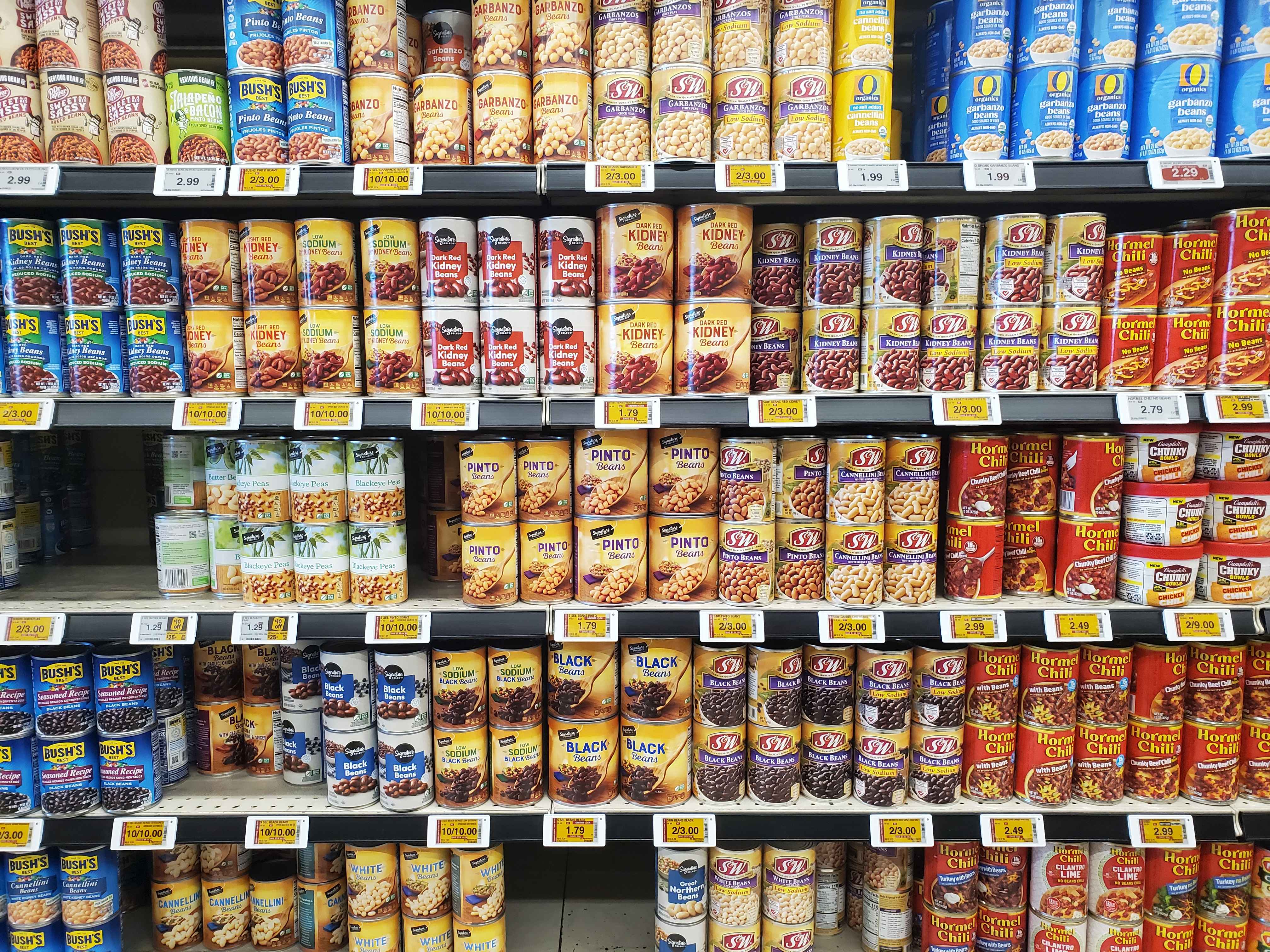
Photograph: Born to Barnacle / Wikimedia Commons, CC0, unchanged. Pictured shelf prices are not current offers, and pictured brands are not ranked recommendations.
Keep going
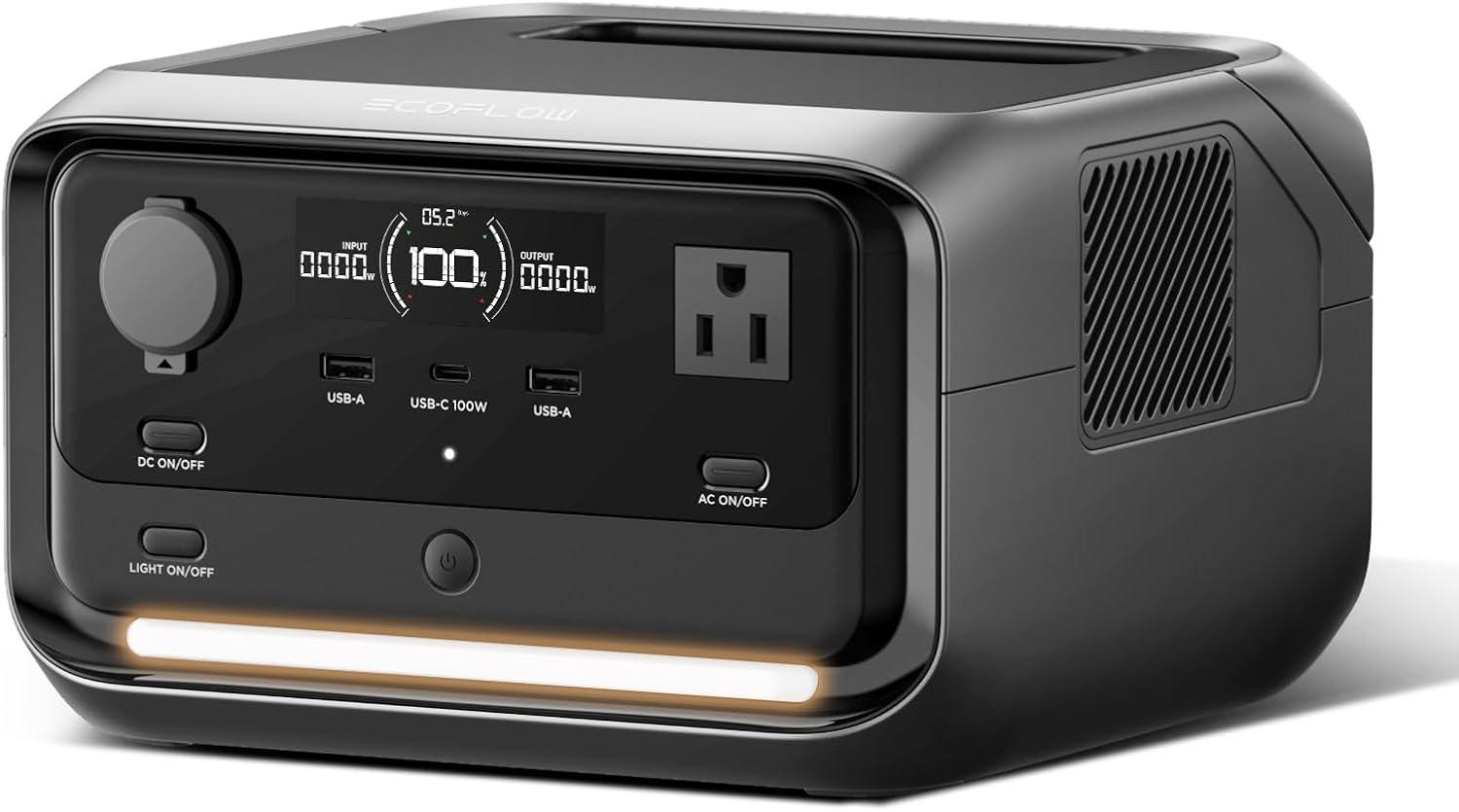

Our recommendations draw on manufacturer documentation, retailer listings, owner feedback, and comparisons with alternatives.
As an Amazon Associate I earn from qualifying purchases. We may earn a commission from links here, at no extra cost to you. How we research →