When to go
Conditions, crowds, and what each season asks you to pack.
Spring
Cool and wet, highs in the low 50s F, with snow lingering on the peaks.
Pack Full rain shell, warm layers, and waterproof boots for soggy trails.
Summer
55-65F
The main season, highs 55-65F, long daylight, and frequent rain.
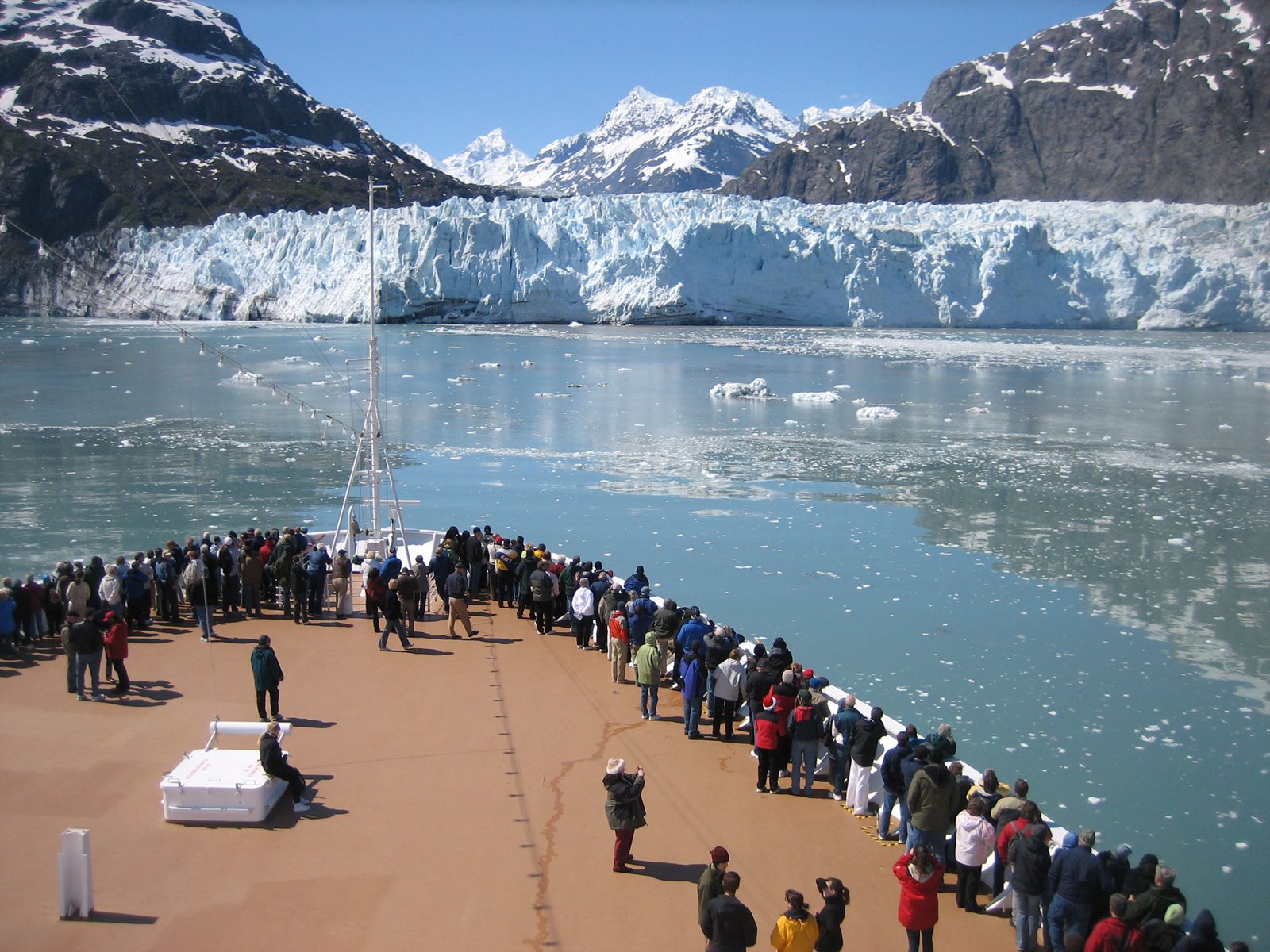
Pack Reliable rain gear, layers for cold boat decks, and binoculars for wildlife.
Fall
Cooling fast, highs in the 40s-50s F, more storms, services winding down.
Pack Warm insulating layers and serious waterproofs as the weather turns.
Winter
Cold and dark, highs in the 20s-30s F, with most visitor services closed.
Pack Heavy winter gear and full self-sufficiency, as little is open or staffed.
Crowds by month, from NPS visit counts
Busiest: July. An average July brings about 157,000 recreation visits to Glacier Bay, roughly 5,070 a day. Peak crowds run June to August.
Quietest: December. About 220 visits, <1% of the busiest month. Crowds stay low November to April.
- Low
- Moderate
- High
- Peak
Bar height is each month's average visits compared with the busiest month. Low is under 25% of that peak, Moderate 25 to 49%, High 50 to 74%, Peak 75% and up.
See the monthly numbers
| Month | Avg visits | Share of year | Crowds |
|---|---|---|---|
| January | 264 | <1% | Low |
| February | 223 | <1% | Low |
| March | 256 | <1% | Low |
| April | 11,172 | 2% | Low |
| May | 115,351 | 16% | High |
| June | 146,460 | 20% | Peak |
| July | 157,169 | 22% | Peak |
| August | 146,820 | 20% | Peak |
| September | 111,863 | 15% | High |
| October | 40,901 | 6% | Moderate |
| November | 224 | <1% | Low |
| December | 219 | <1% | Low |
Source: NPS Visitor Use Statistics, monthly recreation visits, averaged over 2023–2025. October and November 2025 are left out of the averages because of the federal government shutdown. Visits count entries, not unique people. NPS monthly report for Glacier Bay · Crowd calendar for all 63 parks
Glacier Bay weather by month
Average daily highs and lows, plus monthly precipitation, from NOAA's 1991-2020 climate normals for Bartlett Cove, the lodge and visitor center. Shaded months are the park's best season. Tap a month to build a pack list for it.
| Month | Jan | Feb | Mar | Apr | May | Jun | Jul | Aug | Sep | Oct | Nov | Dec |
|---|---|---|---|---|---|---|---|---|---|---|---|---|
| High (F) | 32 | 34 | 37 | 46 | 54 | 59 | 61 | 60 | 54 | 45 | 37 | 33 |
| Low (F) | 26 | 26 | 28 | 33 | 39 | 45 | 49 | 48 | 43 | 37 | 30 | 27 |
| Precip (in) | 6.7 | 4.8 | 4.4 | 3.4 | 3.1 | 2.8 | 4.8 | 6.0 | 9.2 | 10.2 | 8.5 | 9.0 |
Station GLACIER BAY (USC00503294), 45 ft, under a mile from Bartlett Cove. Up bay near the tidewater glaciers it is colder, and boat decks feel colder still. NOAA marks this station's precipitation normals as estimated from nearby stations.
Source: NOAA NCEI U.S. Climate Normals, 1991-2020 monthly averages. Averages describe a typical year, not a forecast; check current conditions and alerts before you go. Precipitation includes the water in melted snow.
Top things to do
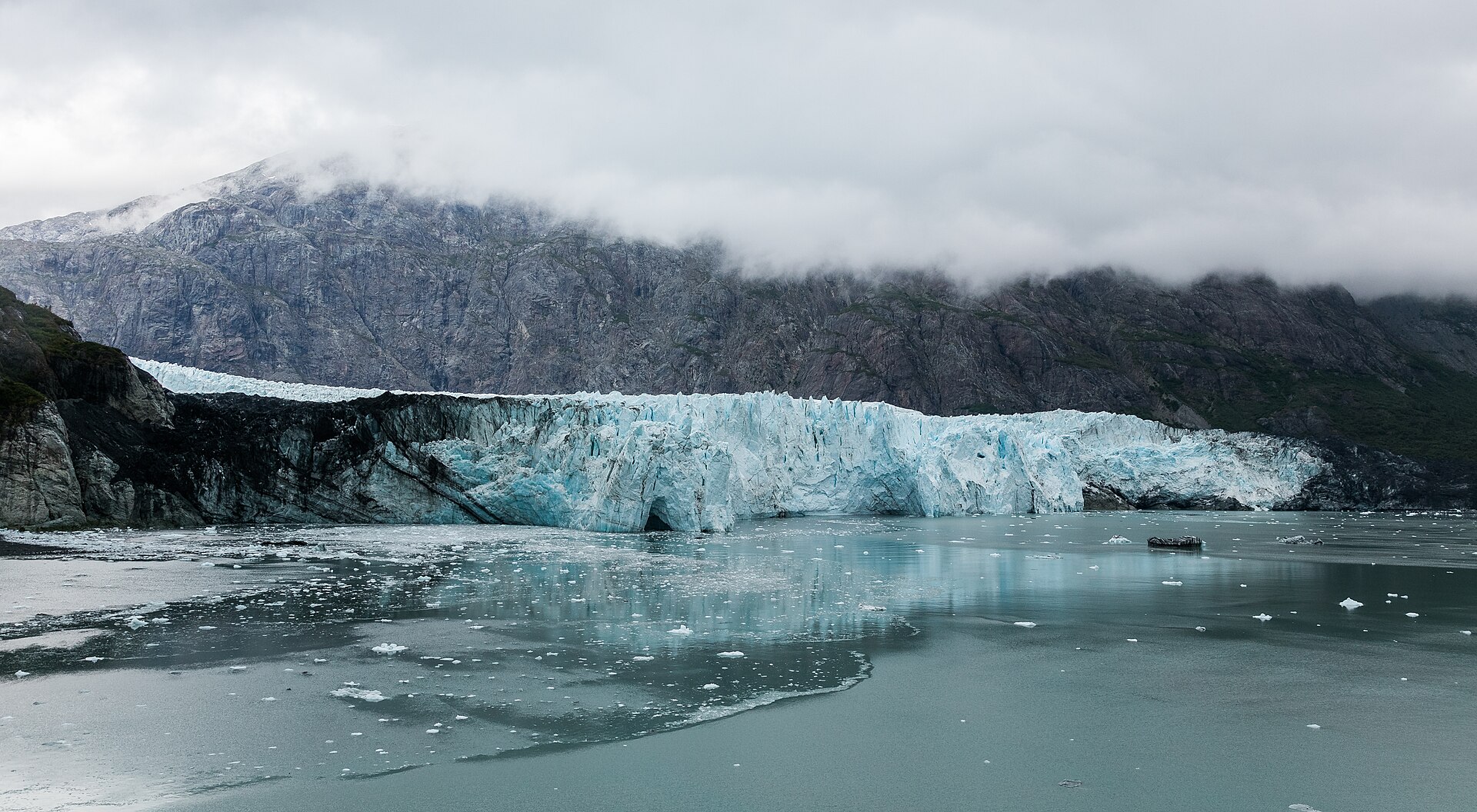
Margerie Glacier
A massive, active tidewater glacier at the head of the bay, best seen from a tour or cruise boat.
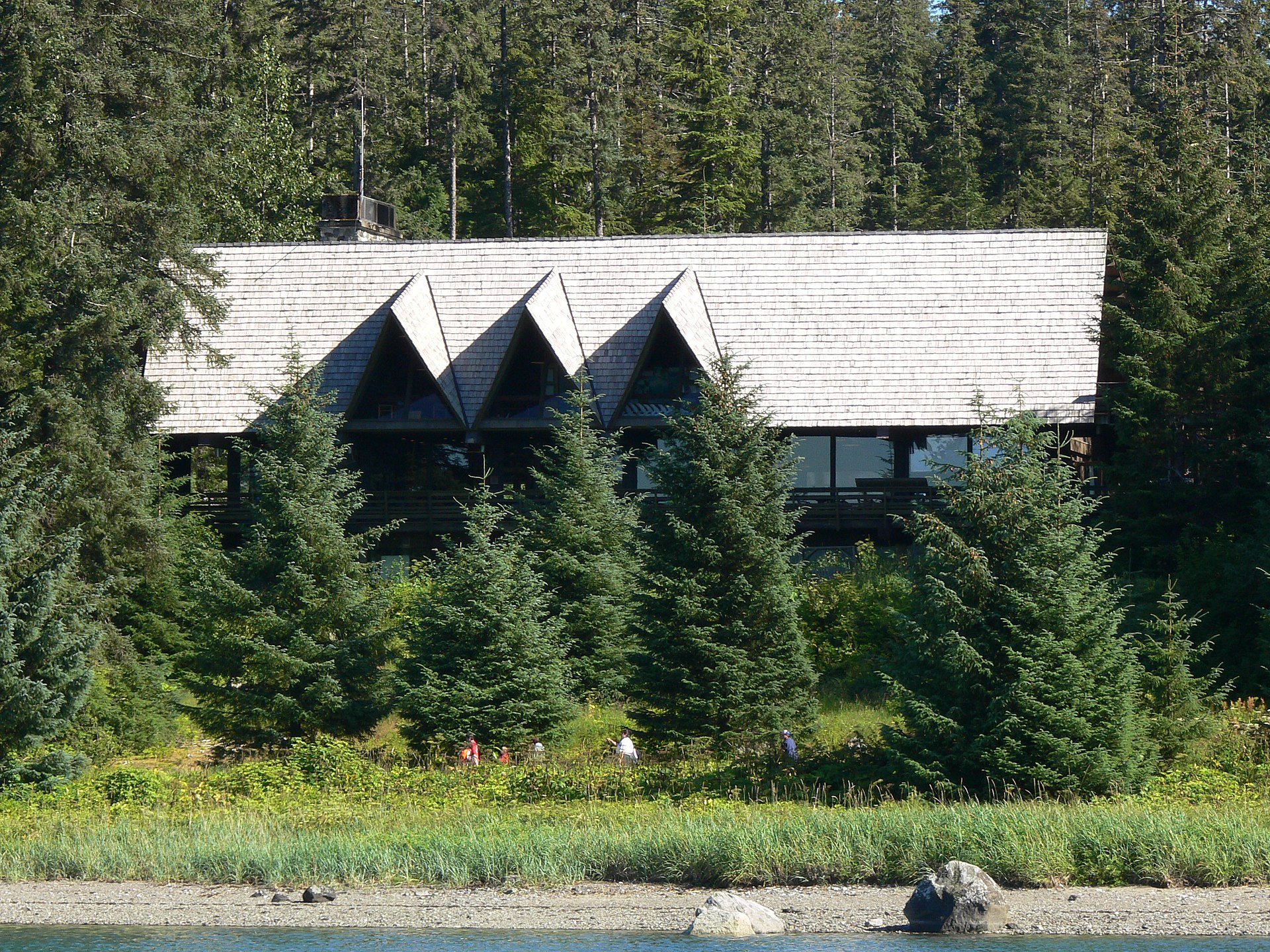
Bartlett Cove Forest Trail
An easy mile loop through young spruce forest near the lodge, good for stretching your legs on arrival.
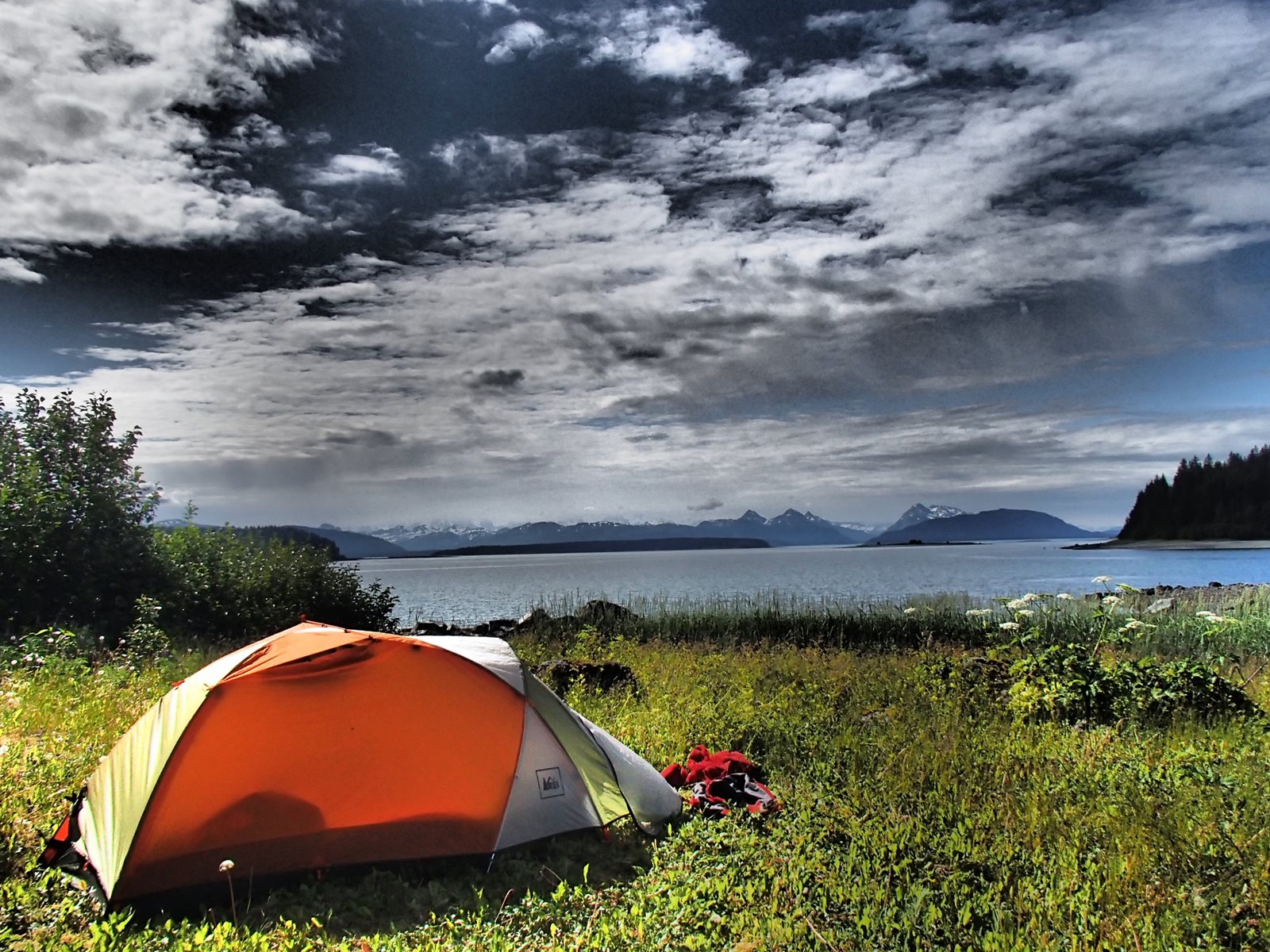
Bartlett River Trail
A roughly 4-mile round-trip through forest and intertidal meadow to the river estuary, with frequent bird and bear sightings.
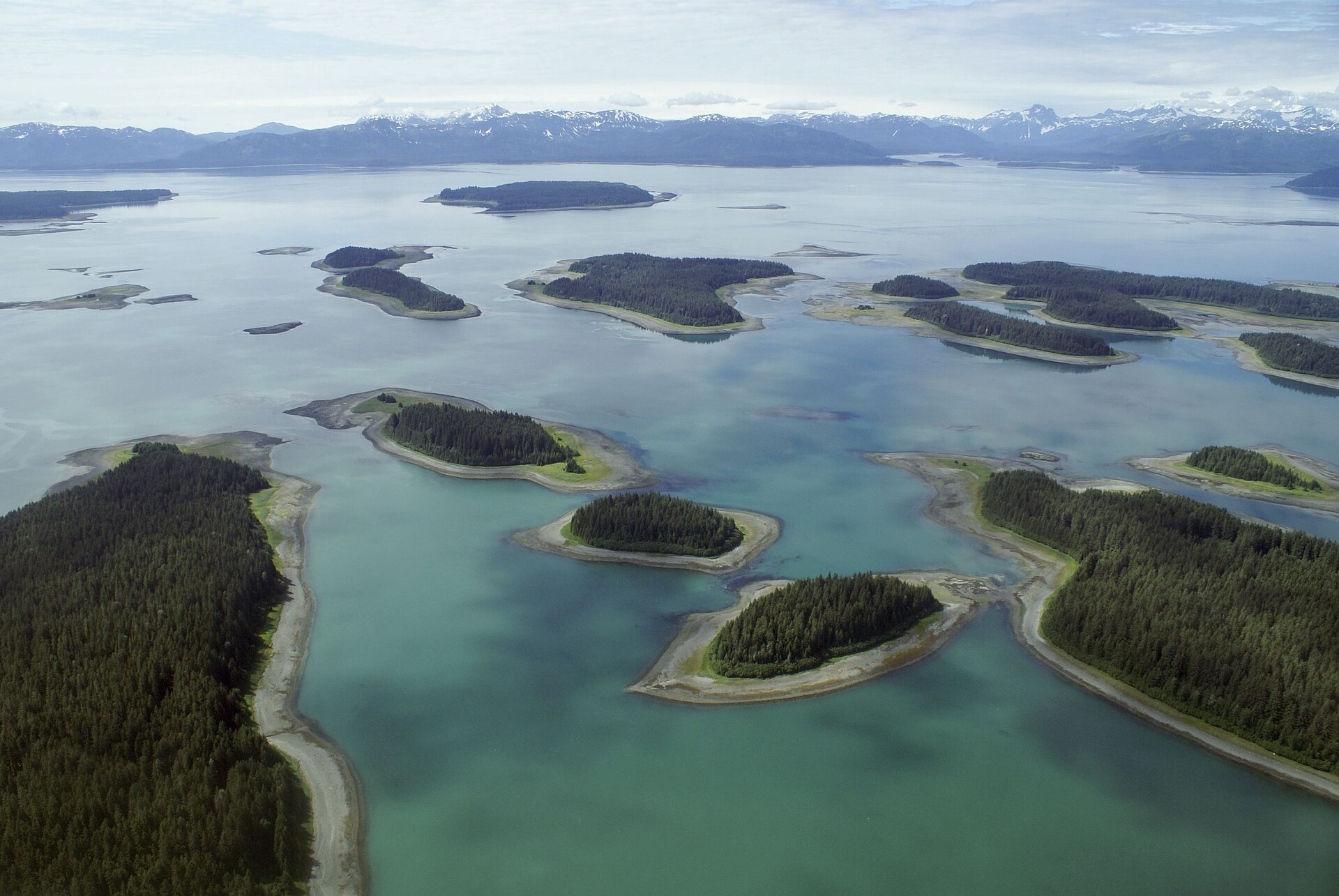
Beardslee Islands
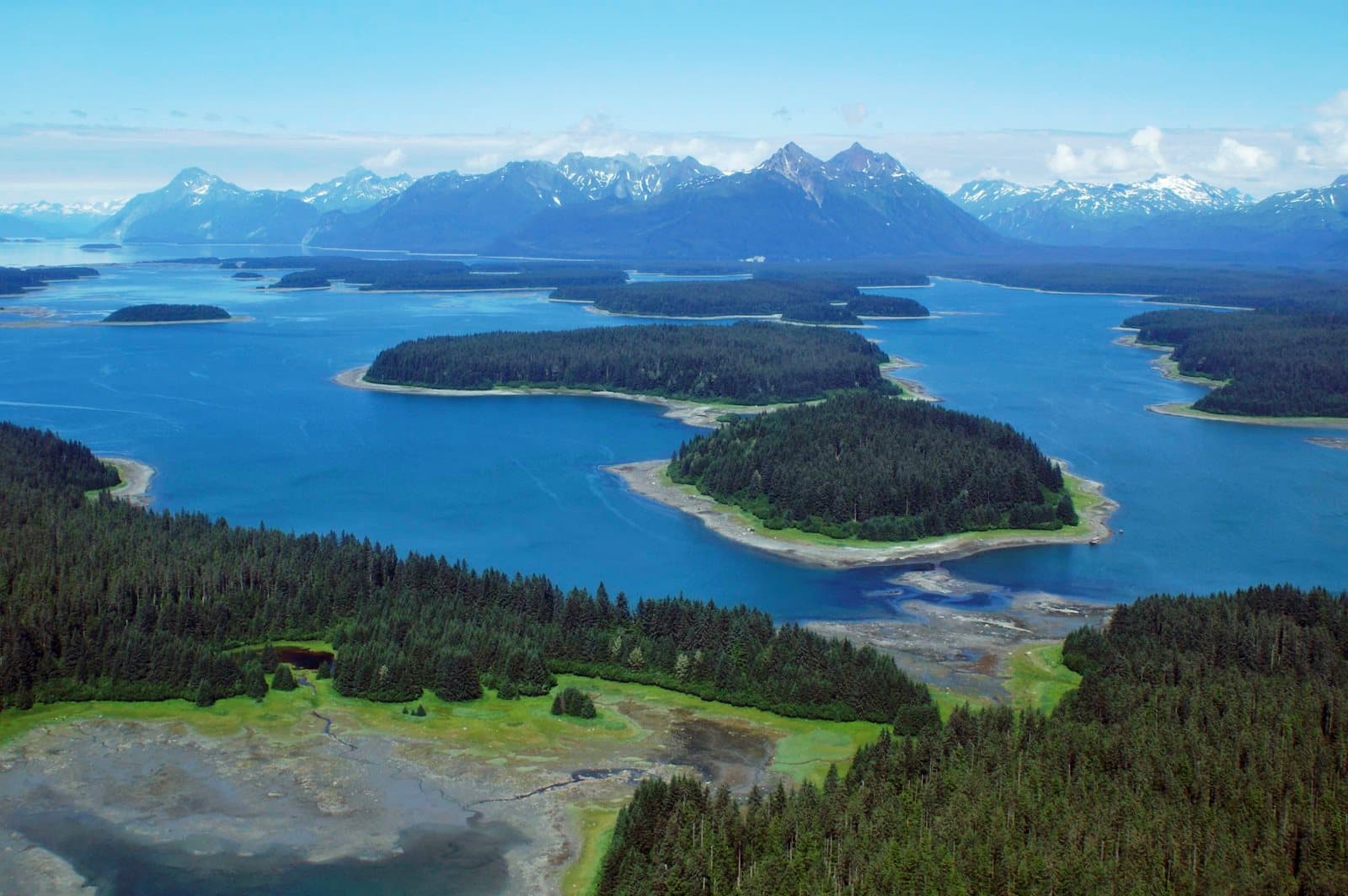
A protected maze of low islands ideal for multi-day sea kayaking and quiet wildlife watching.
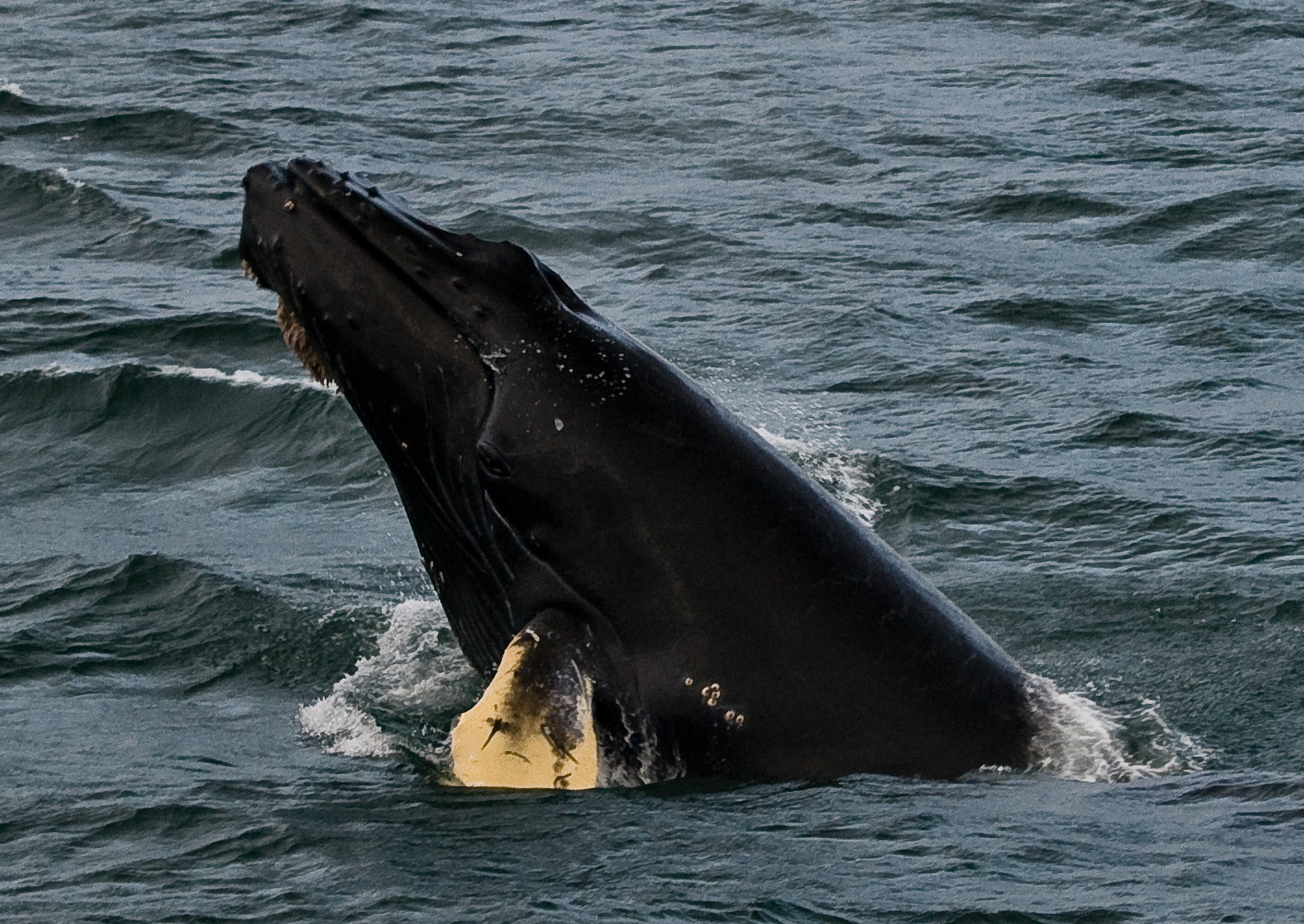
Humpback whale waters
The lower bay is prime summer feeding ground for humpbacks, sea otters, and harbor seals on the ice.
Anchor the day around Margerie Glacier
Treat transport weather as part of the itinerary, with a real buffer day instead of a tight turnaround. For one day in Glacier Bay, make Margerie Glacier the non-negotiable, add Bartlett Cove Forest Trail only if the first stop runs clean, and keep Bartlett River Trail as the flexible finish.
- 1Start with Margerie Glacier: A massive, active tidewater glacier at the head of the bay, best seen from a tour or cruise boat.
- 2Add Bartlett Cove Forest Trail: An easy mile loop through young spruce forest near the lodge, good for stretching your legs on arrival.
- 3Use Bartlett River Trail as the optional finish, not as a reason to rush the whole day.
Where to stay
Stay strategy
Make the access plan before the lodging plan.
Stay strategy
Stay at Bartlett Cove unless the water is the whole trip.
Glacier Bay has no road approach, so lodging is really a boat, air, and permit decision. Bartlett Cove gives you the lodge, campground, visitor services, and day tour boat. Move up-bay only if you are prepared for sea kayaking, beach camping, and weather delays.
- Access
- Fly or ferry to Gustavus, then travel 10 miles to Bartlett Cove
- Inside lodging
- Glacier Bay Lodge is the only hotel in the park
- Camping
- Bartlett Cove and backcountry beach camping require orientation or permits
- Private boats
- Permits are required June 1 to August 31
Compare base options
Read these as access plans first. The right base is the one that makes the transfer reliable, then the room or campsite can follow.
- Best for
- Day boat tours, dining, visitor services, and first visits without expedition logistics
- Tradeoff
- Limited rooms and a short summer operating season.
Planning detail
This is the cleanest base if you want Margerie Glacier by tour boat, short Bartlett Cove walks, and a real bed after a wet day on the water.
Low-cost inside
Bartlett Cove Campground
- Best for
- Campers with flexible weather plans and easy access to park headquarters
- Tradeoff
- No hotel comforts, and food storage rules are serious.
Planning detail
Camp here when you want the park setting without committing to a remote kayak route. Build your day around rain, bear-aware food storage, and the boat schedule.
- Best for
- Sea kayakers, remote wildlife watching, and multi-day water travel
- Tradeoff
- Weather, tides, cold water, and permits control the trip.
Planning detail
This is not casual camping. Bring a waterproof system, bear-resistant food storage, and buffer days for wind, rain, and delayed pickups.
Book order
Secure flights or ferry, then lodge or campground, then the day boat.
Weather
Pack for cold rain even when the forecast looks kind.
Boat reality
The best scenery is usually on the water, not from a roadside overlook.
Camping reservations
Camping reservations
Bartlett Cove camping is free and never books out, but the permit and orientation at the Visitor Information Station are mandatory.
Glacier Bay's only campground is the free walk-in at Bartlett Cove, a quarter mile south of the dock: no reservations, first come, first served. What the park requires instead is process. From May 1 through September 30, campground and wilderness campers alike need a free permit and an orientation from the Visitor Information Station, and backcountry kayakers ride the lodge's daily tour boat to drop-off points up bay.
Reviewed June 11, 2026
Booking window
No reservations exist for camping. Free permits are issued in person at the Visitor Information Station from May 1 through September 30; backcountry orientations run daily at 9 am and 2:30 pm.
- The campground is free and walk-in only, and advance reservations are not accepted; the permit and brief orientation at the Visitor Information Station are the only paperwork, so build them into your arrival day.
- All food and scented items must be stored in the campground's three food caches, and fires are limited to the beach fire pit. For wilderness trips, the Visitor Information Station lends bear-resistant food canisters free for the duration.
- Kayakers camping up bay arrange drop-off and pick-up at designated points with the Glacier Bay Lodge daily tour boat; reserve that boat well ahead in summer because it is the only scheduled lift into the bay.
- Everything is carry-in from the dock (about a quarter mile), and designated group sites handle parties of 12 or more.
Where to book or verify
Campground layout, food cache rules, and the permit and orientation requirement.
Covers both the campground and wilderness camping, including tour boat drop-offs for kayakers.
Check for federal campground, backcountry, tour, and permit inventory tied to this park.
Free permits required May 1 to September 30 for both the campground and the wilderness backcountry, issued in person at the Visitor Information Station.
Campgrounds to know
Bartlett Cove Campground
Details- Season
- Permits issued May 1 through September 30; check the NPS page for shoulder-season status.
- Sites
- Free walk-in tent sites in the forest a quarter mile south of the Bartlett Cove dock, with three food caches, a beach fire pit, and group sites for 12 or more.
- The only campground in the park, an easy walk from Glacier Bay Lodge and the dock where the day boat departs.
Getting there and practical info
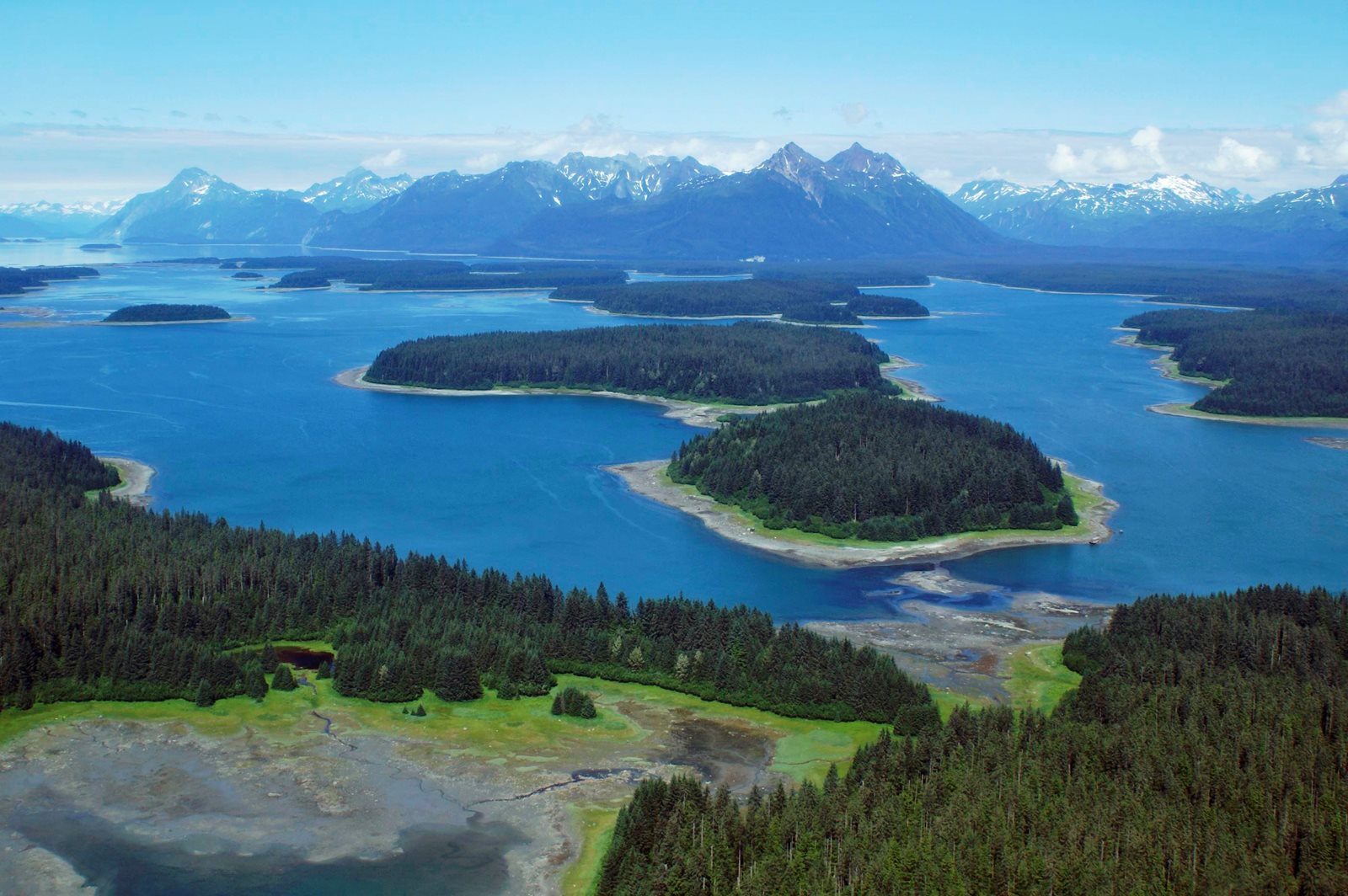
Make the transfer plan before the trail plan.
Weather windows, boat schedules, flight buffers, and backup days shape what is realistic.
Getting there
Get to Glacier Bay by solving the transfer first.
- Nearest airport
- Gustavus Airport (GST), 10 miles from park headquarters at Bartlett Cove, with seasonal flights from Juneau (about 30 minutes); Juneau International (JNU) is the main connecting hub.
- Access rhythm
- Transfer time matters
- Region
- Alaska
Car strategy
There is no road into Glacier Bay.
Access note
You reach it by air or water from Juneau, about 65 miles southeast.
Transfer plan
The most common route is a short flight from Juneau to Gustavus Airport (GST), then a 10-mile shuttle or drive to Bartlett Cove, where the visitor center, lodge, and tour boats are.
Book ahead
- Rental cars at Gustavus Airport (GST)Paid link, Economybookings
- Guided tours in Glacier BayPaid link, Viator
Paid links: we may earn a commission if you book, at no extra cost to you.
Pair this with lodging: the best base is the one that protects the departure window, pickup point, or weather buffer.
Plan your trip
Build one complete pack brief from Glacier Bay's season, activity, and trip length. Fine-tune an individual calculation only if you need it.
Fine-tune water, pack size, warmth, or stove fuel
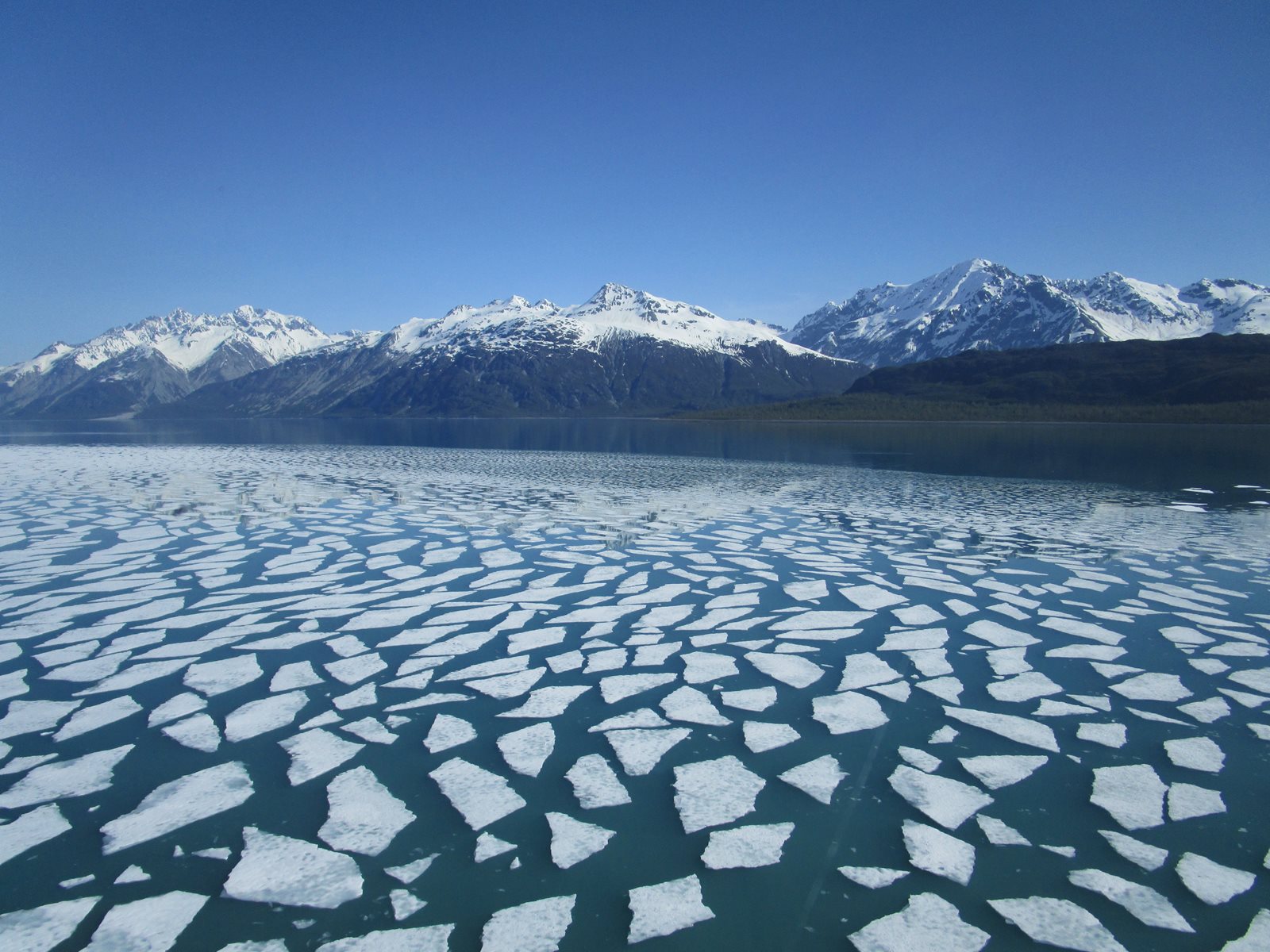
Build around access
Plan the transfer before the trail list.
Plan your trip
4 quick tools, already seeded for Glacier Bay. Tune the route, pack weight, weather margin, and overnight setup after the access plan is real.
What to pack
Start with the gear decisions Glacier Bay changes: water, footing, weather, and overnight needs. The checklist is there once your route and dates are set.
Kit Authority
Glacier Bay packing list
0 of 21 packed. Check items as you pack, then take this list to the store, trailhead, or campsite.
Pack planning
Decide what Glacier Bay asks of your kit before you start checking boxes.
Use this as a constraint check while you are still shaping the trip. The active checklist becomes useful once your route, dates, and sleep plan are set.
- First constraintHydration and exposureWater, hat, sunscreen, sunglasses, Navigationmap, downloaded GPS, or a GPS watch, 3 more
- Route realityFooting and tractionHiking boots, Hiking socks, Trekking poles
- Load choicePack and carry systemBackpacking pack
- If overnightSleep and shelterBackpacking tent, Sleeping bag, Sleeping pad, 1 more
Checklist mode
21 items, grouped for the trip you are actually taking.
- Dates and season are set.
- Primary route, campground, or lodge is chosen.
- Water, footwear, and overnight needs are sized.
One researched pick
The first gear decision for Glacier Bay
A properly fitted paddling PFD is the first purchase to settle before the boat, dry bag, or accessories.
We may earn a commission from links on this page, at no extra cost to you. Product prices and availability are accurate as of the date/time indicated and are subject to change. Any price and availability information displayed on Amazon at the time of purchase will apply to the purchase of this product.
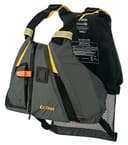
THE PADDLING PICK
Onyx MoveVent Dynamic
Best Overall
Kit Score 8.2/10
$66.32 Price checked Oct 23, 4:16 PM CDT
Best for: Kayakers and paddleboarders who want the vest they will actually keep on, at a family-friendly price.
- Mesh lower back works with kayak seats and SUP kneeling instead of riding up
- Sizing runs athletic; broad-chested paddlers should size up
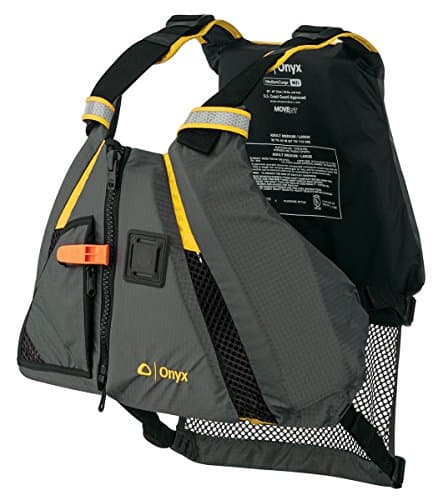
- Approval
- USCG Type III
- Back
- Mesh lower back, sits above kayak seats
- Ventilation
- Vented chest and shoulder channels
- Pockets
- Zippered front pocket, lash tab
- Sizing
- XS/S through XL/2XL, women's cut available
About this pick
The MoveVent Dynamic is the vest that solved the real PFD problem: people own one and leave it in the car. The mesh lower back sits above a kayak or SUP seat, the arm cuts clear a full paddle stroke, and the venting keeps it tolerable in July. A life jacket only works if you wear it, and this is the one people wear.
Strengths
- Mesh lower back works with kayak seats and SUP kneeling instead of riding up
- Ventilated panels keep it wearable through a hot afternoon
- USCG Type III approval at a price that outfits a whole family without pain
Weaknesses
- Sizing runs athletic; broad-chested paddlers should size up
- Single front pocket is tight for a large phone in a pouch
Kit Score breakdown
Gear for Glacier Bay
The buying guides that match what Glacier Bay asks of your kit. Each one has our current top picks across budget and use case.
Can you photograph here? Permit and drone rules
Glacier Bay follows the EXPLORE Act eight-or-fewer exemption with a $200 application fee for permitted filming; the practical gatekeeper is boat access, not the permit office.
- Permit
- Usually fine for personal shoots; commercial or large productions can need a permit
- Drones
- Effectively banned: launching, landing, or operating a drone within park boundaries is prohibited
- Land
- Yes for personal and editorial photography throughout the park
From our photography sister site, Aperture Authority. Verified 2026-07-01.
Frequently asked questions
How do you get to Glacier Bay National Park?
There is no road to Glacier Bay. You fly or take a ferry to Gustavus, Alaska, about 65 miles from Juneau, then travel 10 miles to park headquarters at Bartlett Cove. From there most visitors explore by tour boat or kayak, and many cruise passengers see the bay without ever going ashore.
Is there an entrance fee for Glacier Bay?
No, Glacier Bay charges no entrance fee. Private boaters do need a permit to enter Glacier Bay proper between June 1 and August 31, and overnight backcountry trips require a free camping permit. Tour and cruise costs are charged by the operators, not the park.
When is the best time to visit Glacier Bay?
Summer, from late May through early September, with July as the peak. That is when the Glacier Bay Lodge and day tour boat operate, daylight is long, and humpback whales are feeding in the bay. Outside this window visitor services are very limited and access gets difficult.
What should I pack for Glacier Bay?
Pack for cold, wet, maritime weather even in summer, when highs are only in the 55-65F range. Bring a reliable rain shell and rain pants, warm insulating layers for windy boat decks, waterproof footwear, and binoculars for wildlife. A waterproof bag for cameras and electronics is also smart.
Keep planning
Nearby parks
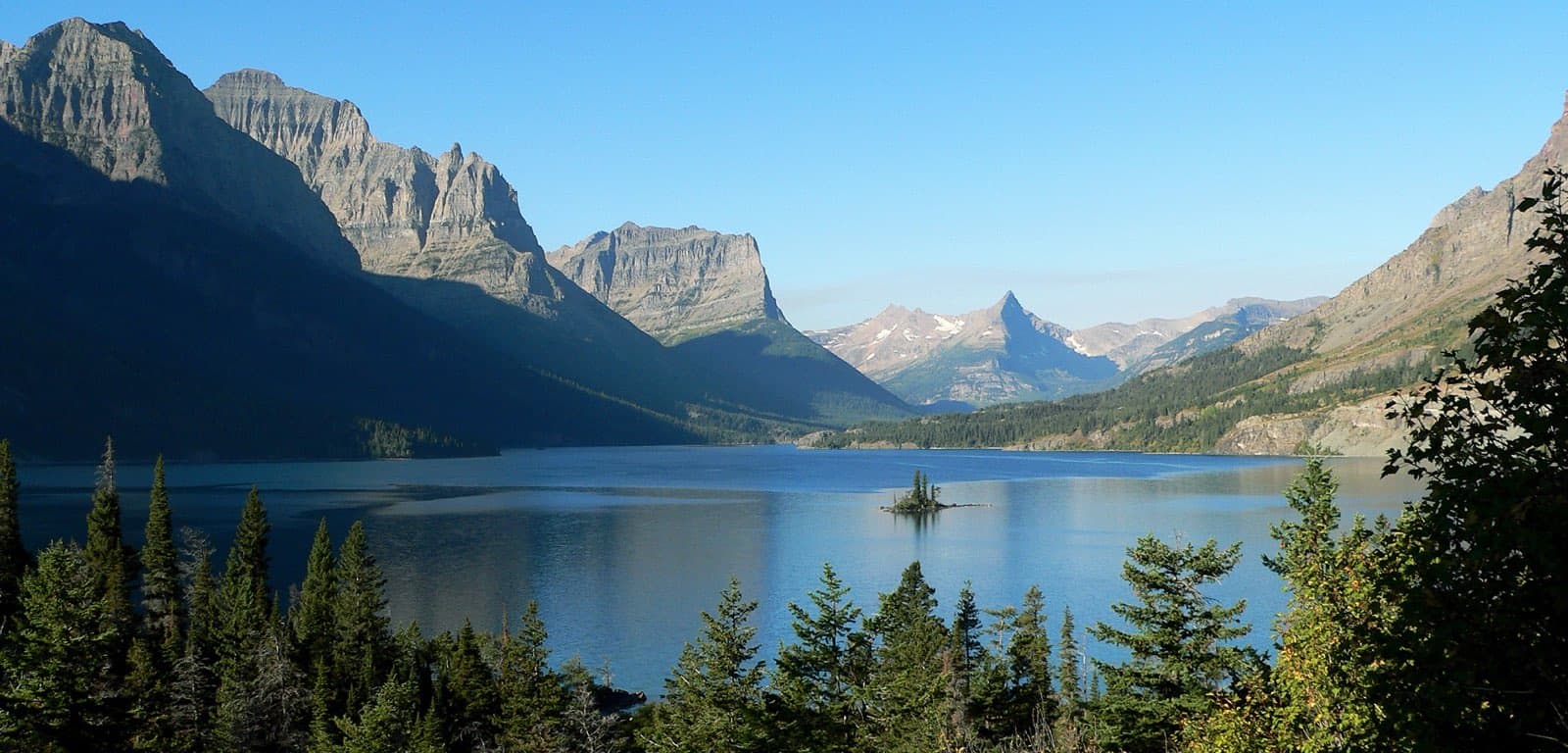 GlacierA million acres of glacier-carved peaks, turquoise lakes, and the legendary Going-to-the-Sun Road.
 Wrangell-St. EliasThe largest national park in the U.S., a 13-million-acre wilderness of giant peaks, glaciers, and a ghost-town copper mine.
 Kenai FjordsTidewater glaciers, the vast Harding Icefield, and whale-filled fjords a short drive or boat ride from Seward.