Destinations
Alaska outdoors
Eight national parks across glaciers, fjords, and tundra, most reached only by bush plane or boat, with a short June-to-September window to see them.
Top parks in Alaska
See all 74 parks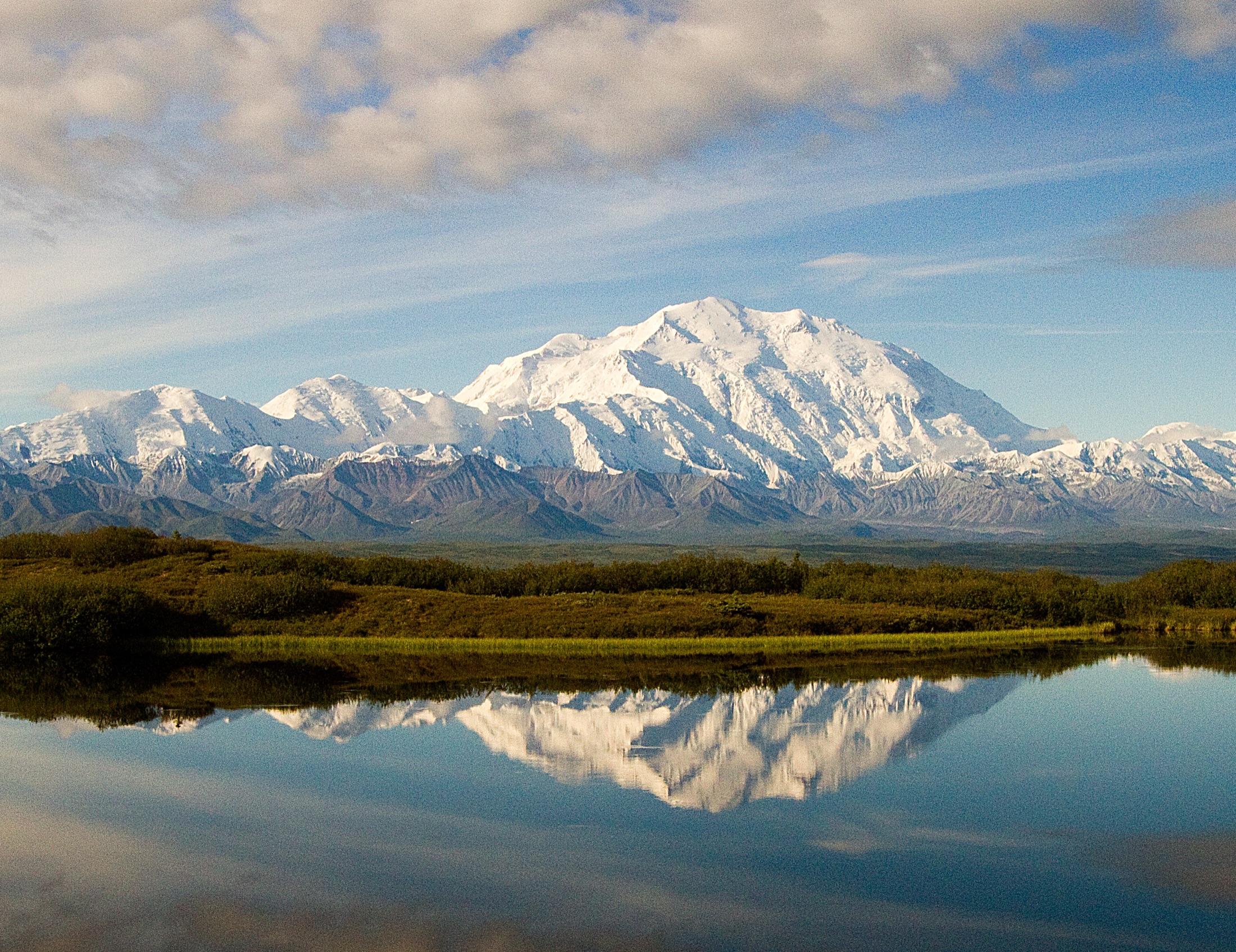
Denali
Six million acres of subarctic wild ringed by North America's tallest peak, seen mostly from a single 92-mile road.
Gates of the Arctic
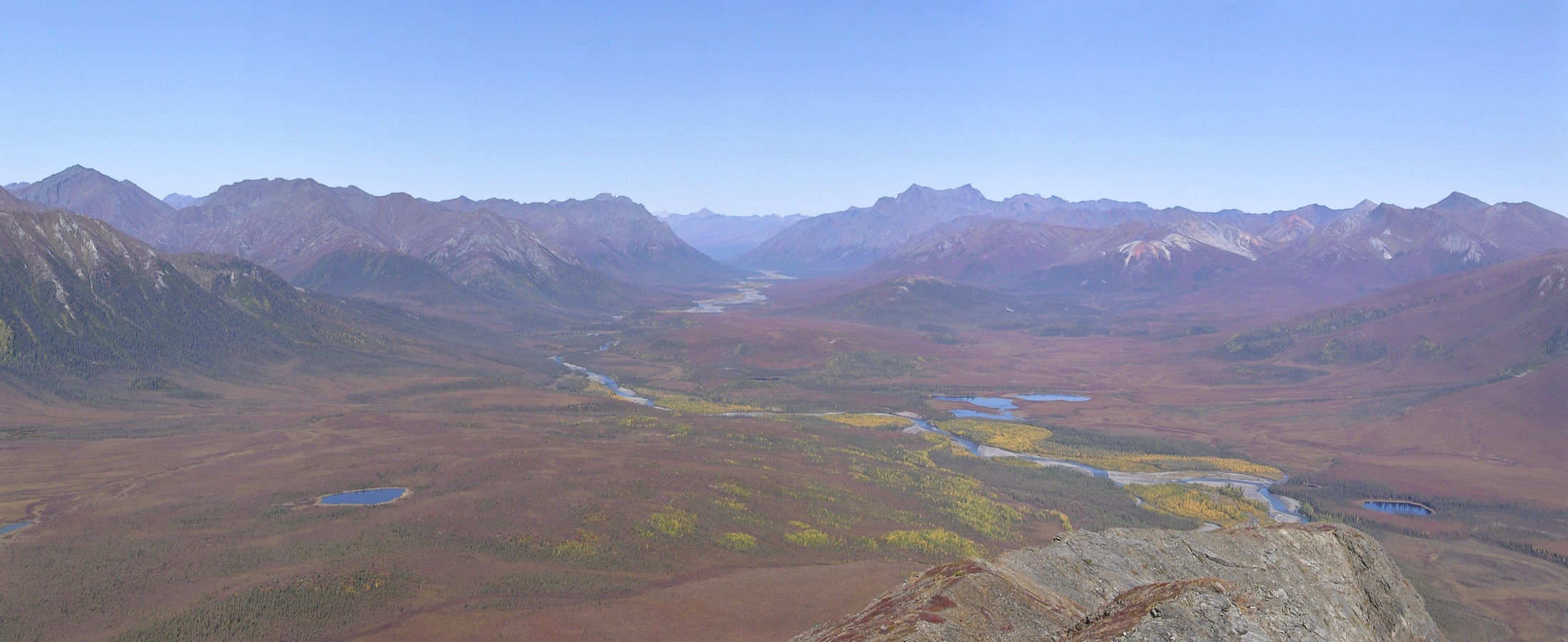
The least-visited U.S. national park: 8.4 million roadless, trailless acres of Brooks Range wilderness you reach only by bush plane.
Glacier Bay
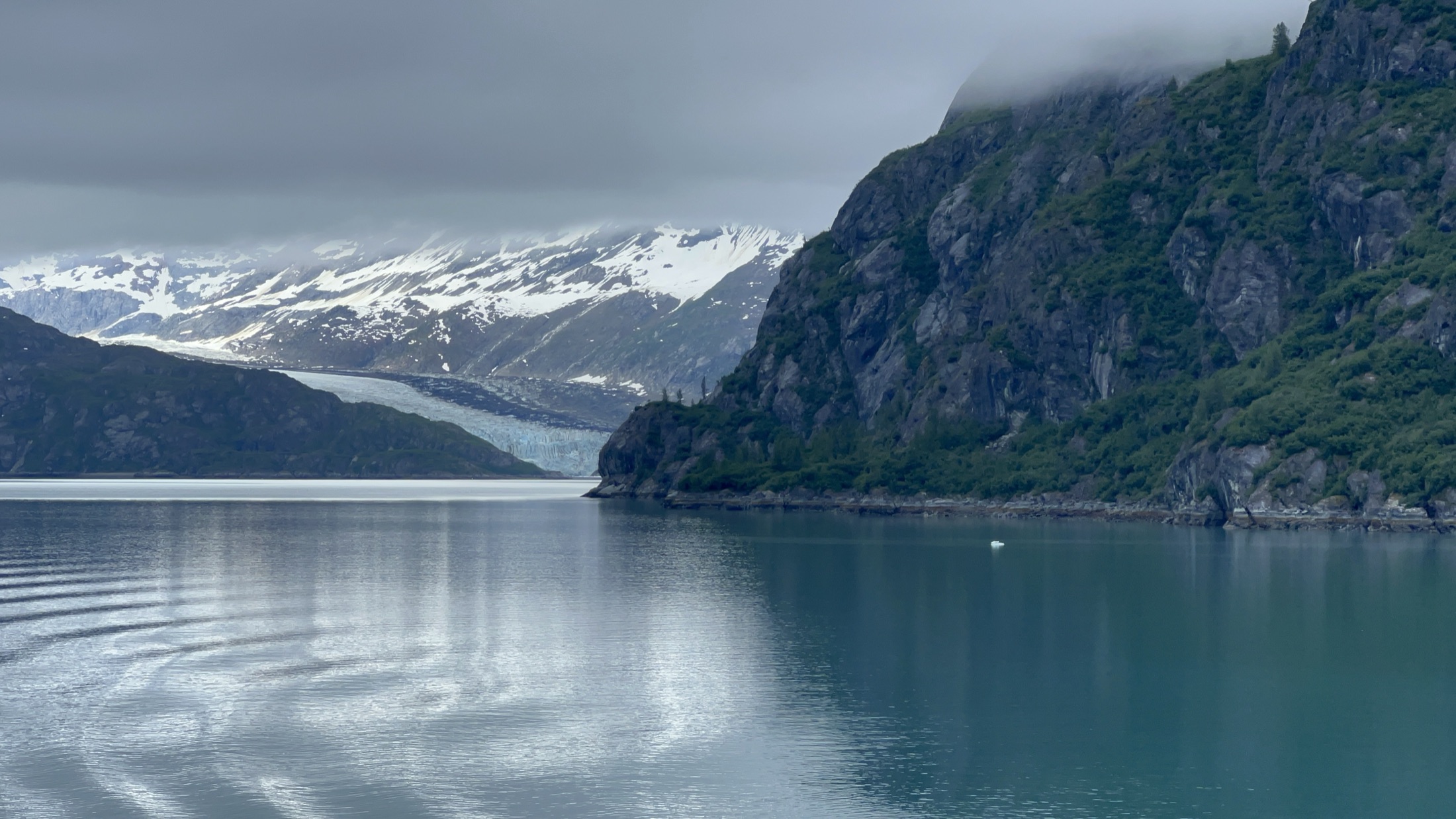
A roadless Alaska wilderness of tidewater glaciers and whales, reached only by boat or bush plane.
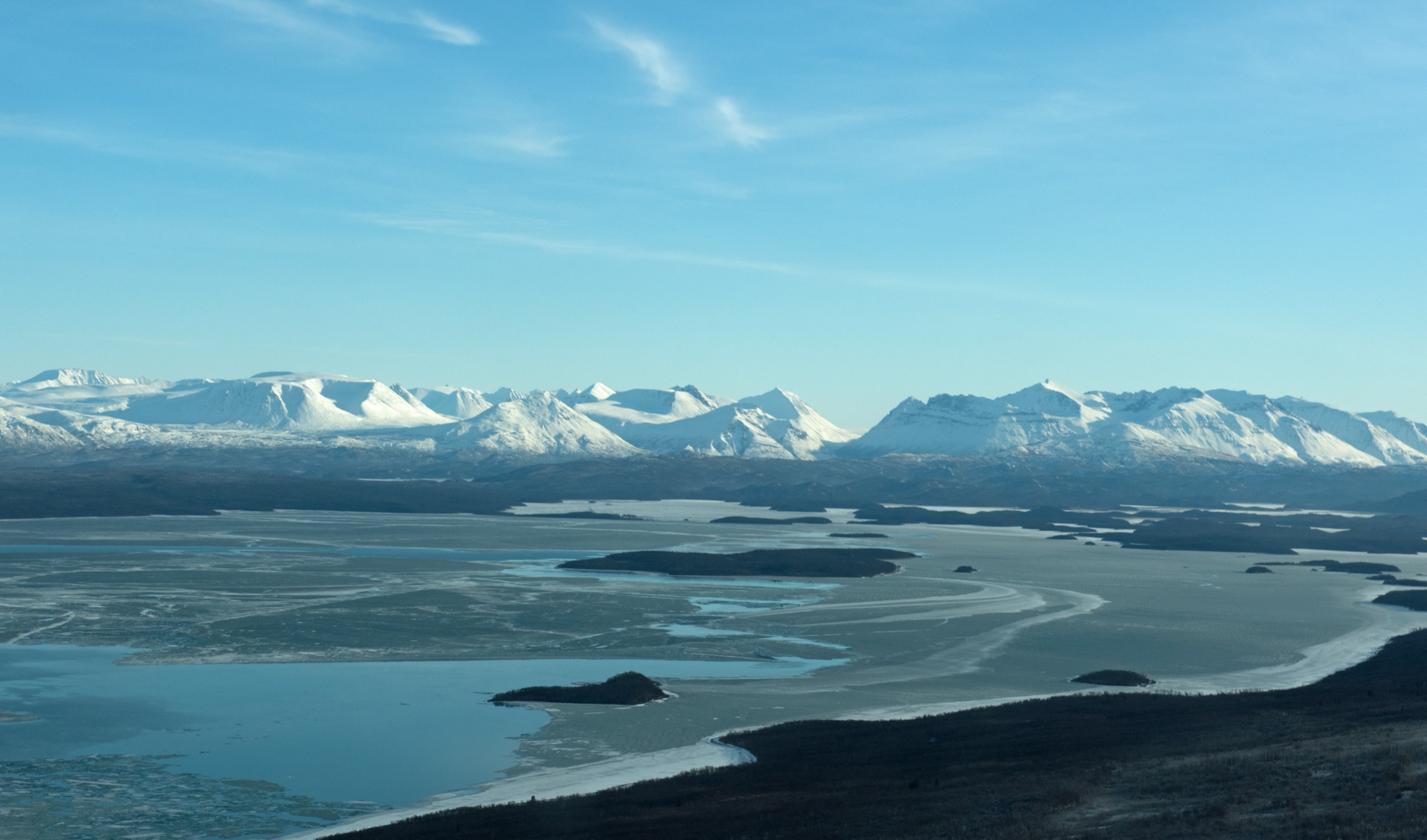
Katmai
Float-plane wilderness where the world's largest brown bears fish salmon at Brooks Falls each July.
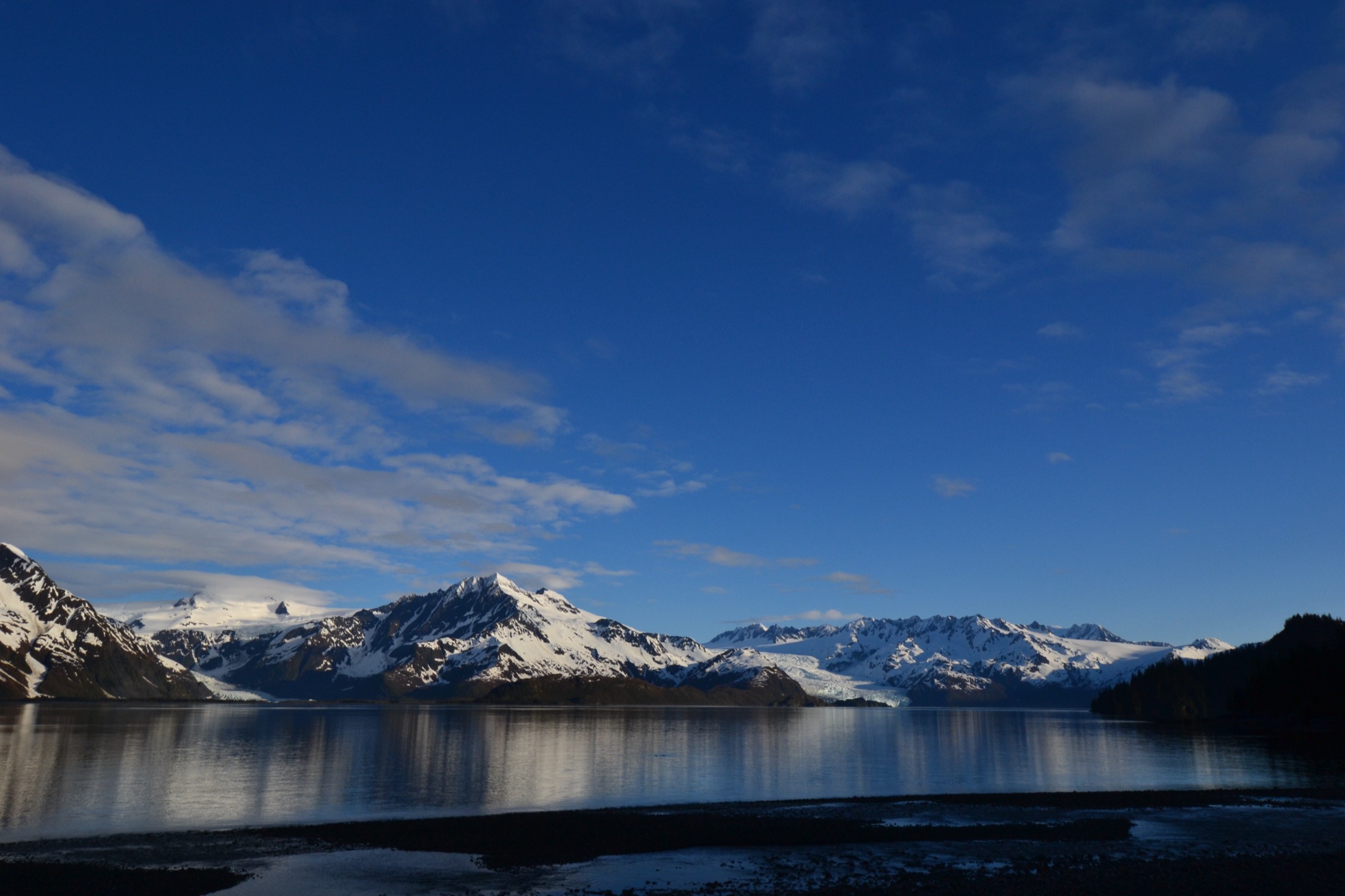
Kenai Fjords
Tidewater glaciers, the vast Harding Icefield, and whale-filled fjords a short drive or boat ride from Seward.
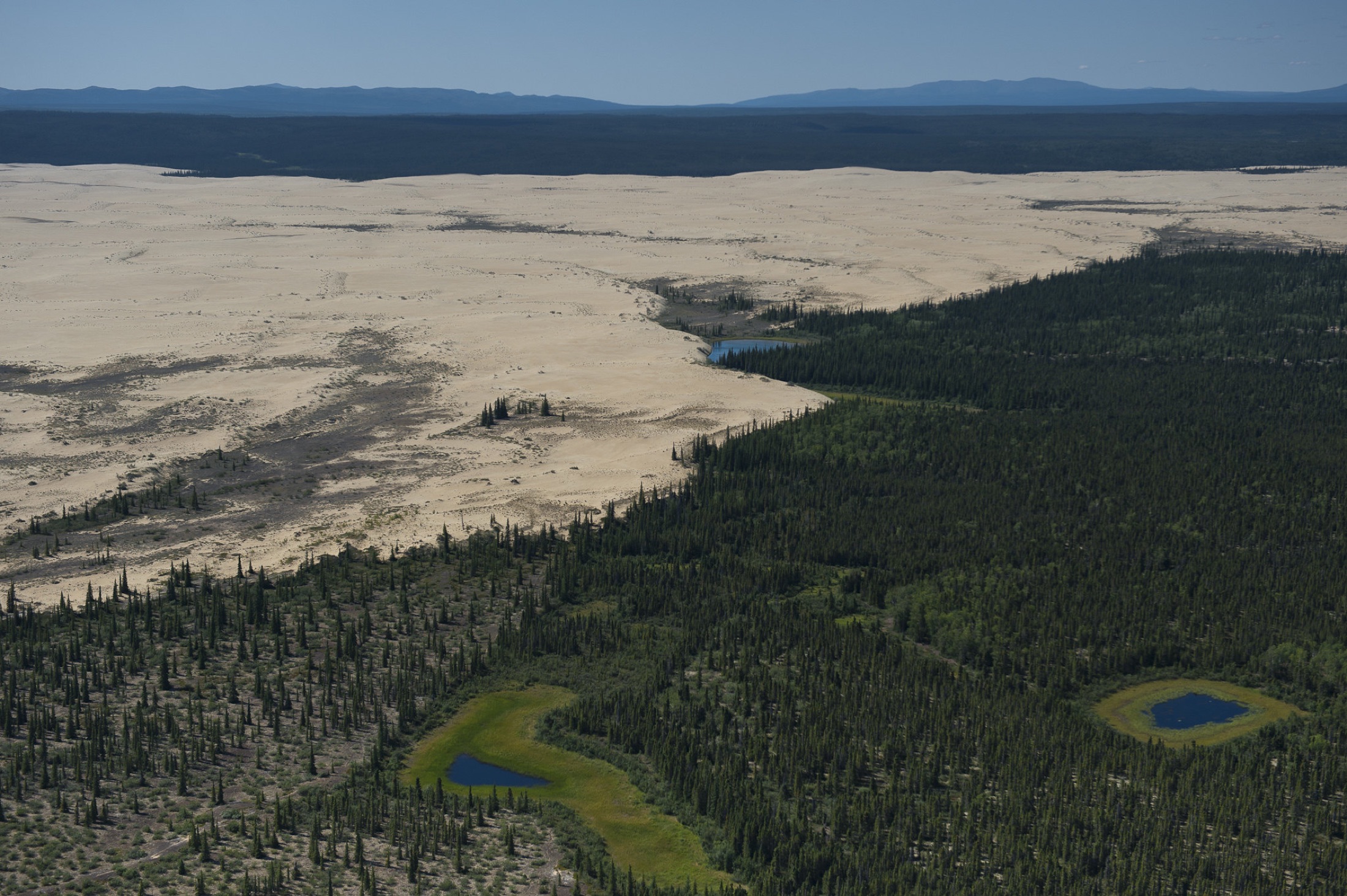
Kobuk Valley
A roadless Arctic wilderness above the Arctic Circle where half a million caribou cross the river beside North America's largest active sand dunes.
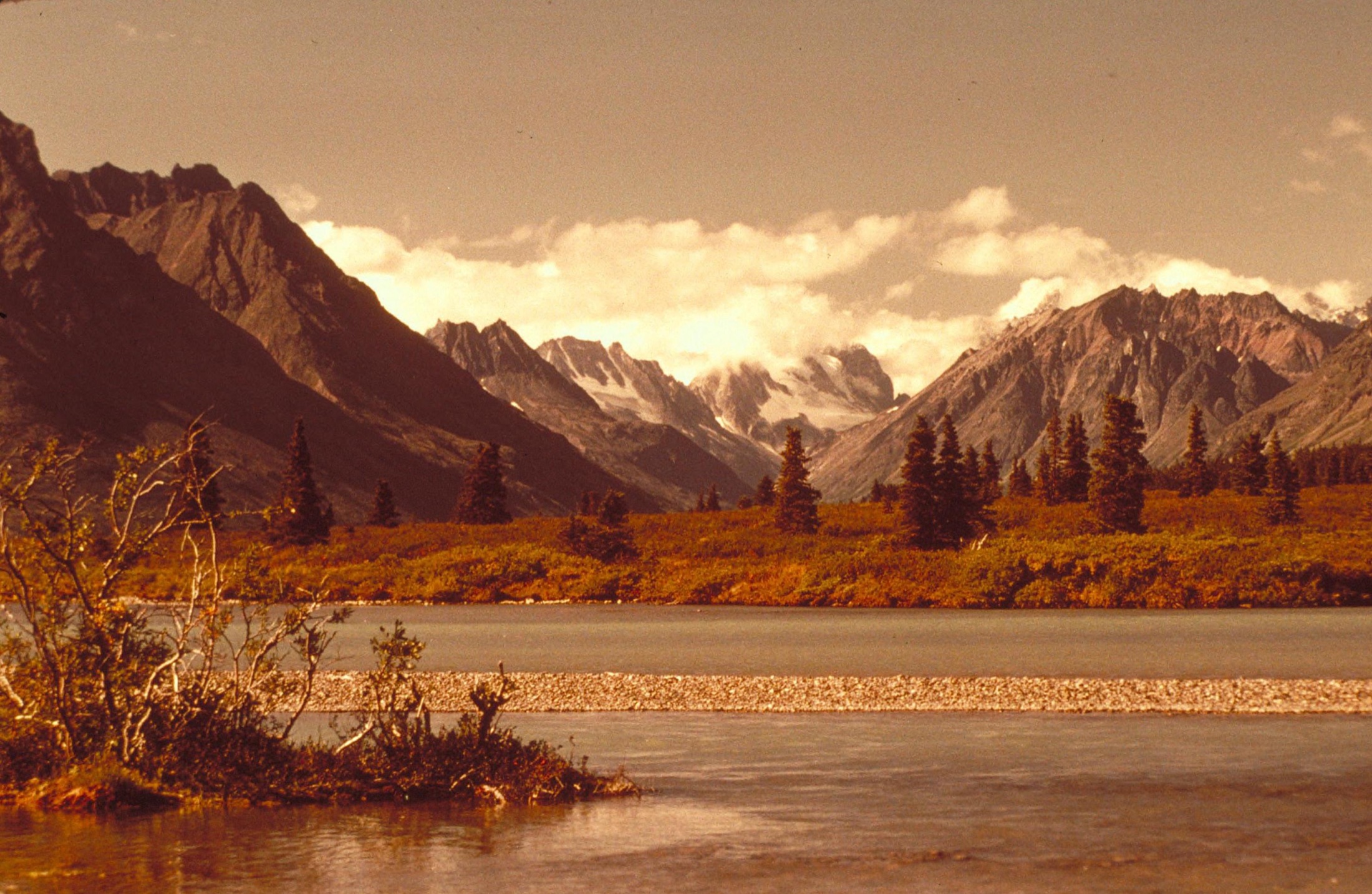
Lake Clark
A roadless Alaska wilderness of volcanoes, turquoise lakes, and coastal brown bears, reached only by bush plane.
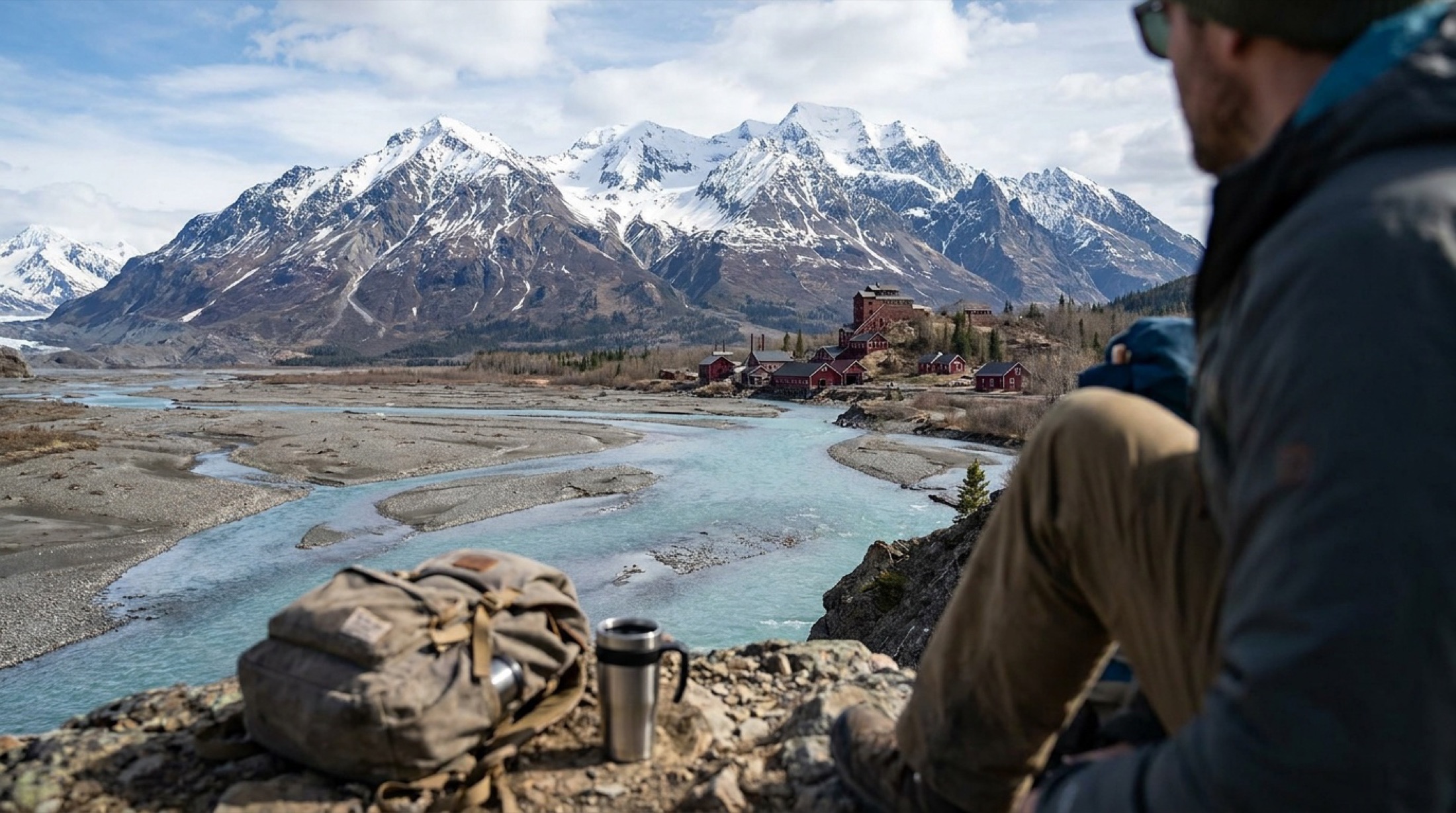
Wrangell-St. Elias
The largest national park in the U.S., a 13-million-acre wilderness of giant peaks, glaciers, and a ghost-town copper mine.
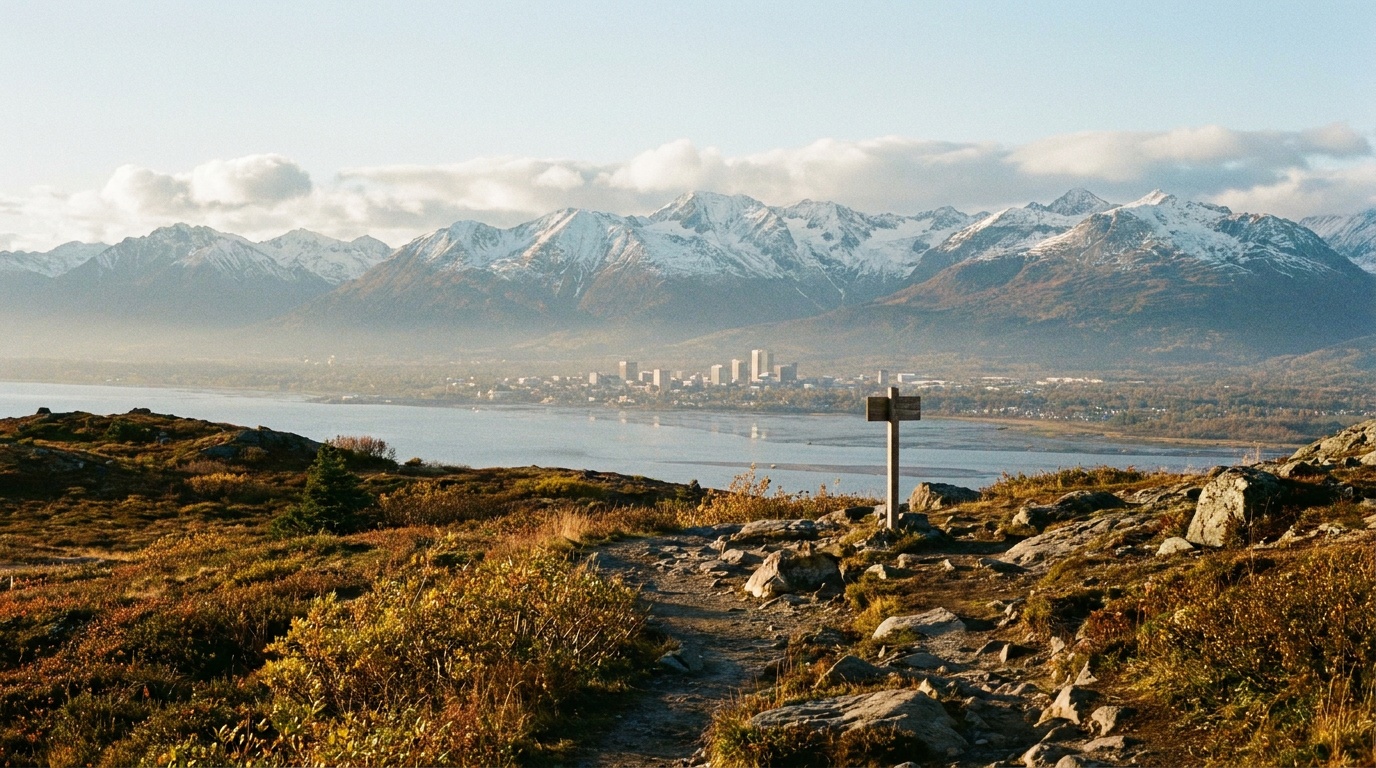
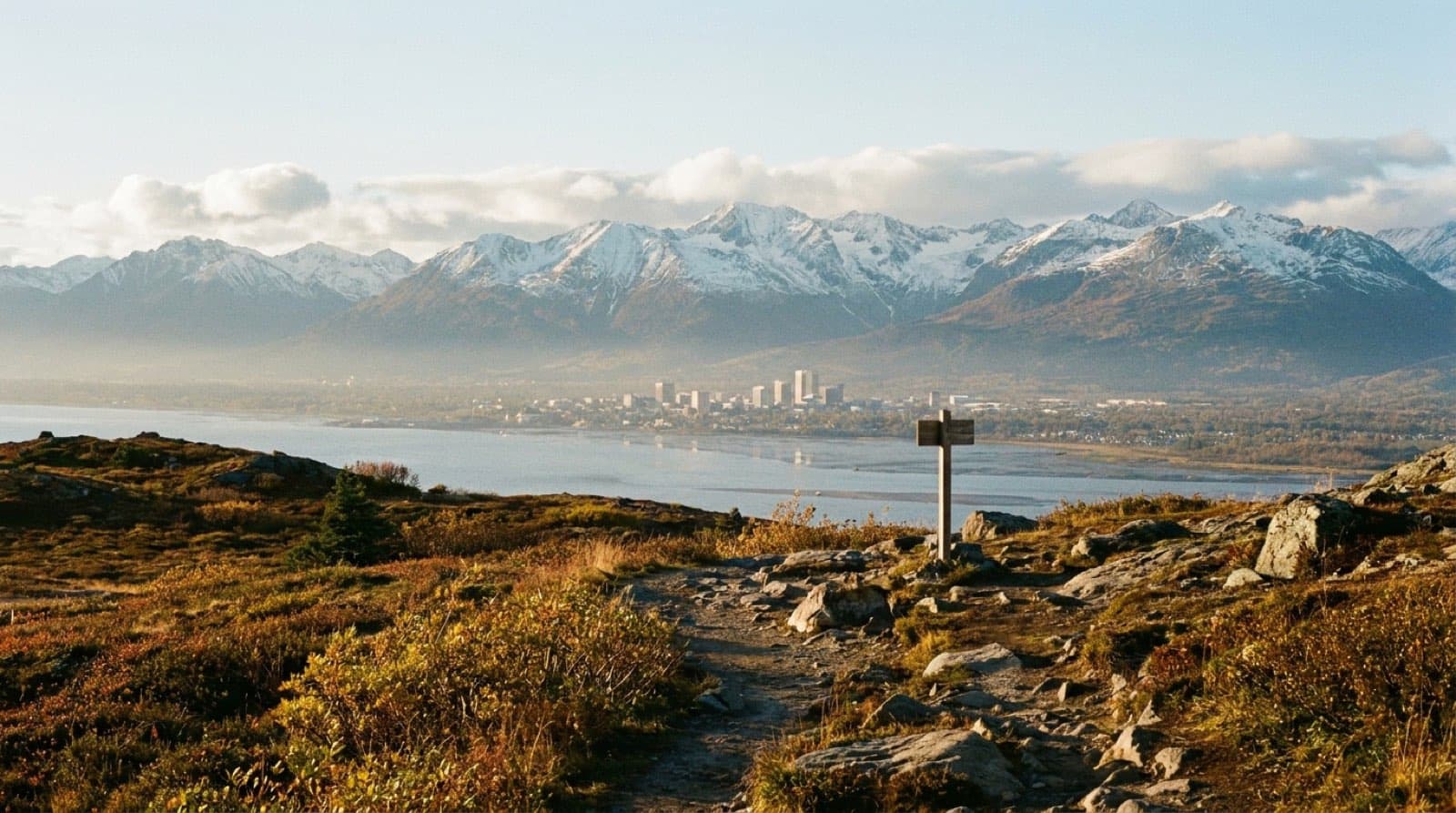
Chugach State Park
Half a million acres of mountains, glaciers, and trails on Anchorage's doorstep: Flattop, Eklutna Lake, bears, and mostly first-come camping.
Planning a Alaska trip
Alaska is the largest, wildest outdoor canvas in the country, and it does not do anything halfway. This is the land of the highest peak in North America, calving tidewater glaciers, brown bears fishing salmon runs, and tundra that glows orange in early fall. The state holds more national park acreage than the rest of the country combined, and the scale changes how you plan: a few parks have roads and visitor centers, but most are true backcountry reached only by bush plane, boat, or your own two feet.
If you want the classic Alaska experience without a major expedition, start with the road-accessible parks. The Denali area is the headliner, with a single park road, wildlife-viewing bus tours, and a real chance at seeing the big peak (it hides behind clouds more often than not, so build in a few days). The Kenai Peninsula south of Anchorage pairs glacier-and-wildlife boat tours out of Seward with easy coastal hiking, and the Wrangell-St. Elias country to the east is a vast, lightly visited expanse you can drive into on gravel roads. The fly-in parks (bear viewing at the famous waterfall, the remote Brooks Range, glacier-rimmed bays) are the trip of a lifetime if you have the budget and the time.
The season is short and that is the single most important planning fact. Aim for mid-June through early September, when lodges, tour buses, and visitor centers are running and daylight stretches close to 20 hours. July is the warmest and busiest; late August into early September brings fall color and fewer crowds but a real chance of rain and the first cold snaps. Pack for layers and weather that turns fast: a warm midlayer, a genuinely waterproof rain shell and pants, sturdy waterproof boots, a hat and gloves even in summer, and serious bug protection for the mosquitoes. Summer daytime temperatures usually sit between 50F and 70F, but it can drop into the 30s and 40s at night or in the high country.
Getting around Alaska
Almost every Alaska trip routes through Anchorage (ANC), the state's main air hub and the place to pick up a rental car or RV. Fairbanks (FAI) in the interior is the second gateway and the better starting point for Denali and anything farther north. Juneau (JNU) in the southeast panhandle is its own world, reached by plane or the ferry system rather than by road, and is the launch point for the glacier-and-fjord parks down that coast.
The road network is small for a state this size, and only three of the national parks connect to it. From Anchorage, it is roughly 230 miles (about 4.5 to 5 hours) north on the Parks Highway to the Denali entrance, then on to Fairbanks another 120 miles. South from Anchorage, Seward and the Kenai Fjords gateway sit about 125 miles away (roughly 2.5 to 3 hours) down the scenic Seward Highway. Heading east, the Wrangell-St. Elias country is about 190 miles to the main visitor center near Copper Center, after which the rough gravel McCarthy Road adds a slow 60 miles to reach the heart of the park (plan most of a day, and check your rental car agreement for gravel-road rules).
Everything else is a fly-in. The bear-viewing and Brooks Range parks, the remote glacier bays, and the dune-and-river wilderness in the northwest are reached by small bush planes, charter boats, or scheduled flights from hubs like Anchorage, Fairbanks, Homer, or King Salmon. Book these well ahead, expect weather delays as a normal part of the trip, and pad your itinerary so a grounded plane does not blow up your whole schedule. Distances are long, services between towns are sparse, so top off your fuel, carry snacks and water, and do not count on cell coverage once you leave the main corridors.
Access first
Pick the access model before you pick the park.
Alaska planning is less about distance on a map and more about whether the trip is road-based, boat-based, flightseeing-based, or wilderness-first. That choice controls cost, weather risk, and gear.
Best window
June to early September for most first trips, with July and August offering the broadest access.
Base logic
Anchorage works for Denali, Seward works for Kenai Fjords, Gustavus works for Glacier Bay.
Packing focus
Rain protection, warm layers, bug protection, dry storage, and conservative backup plans.
Trip shape
Choose one major Alaska park unless you have time, budget, and weather flexibility.
Most practical first trip
Pair Denali with Kenai Fjords if you want big Alaska scenery without turning the whole trip into bush-plane logistics.
Wildlife or wilderness trip
Katmai, Lake Clark, Gates of the Arctic, and Kobuk Valley need a much more deliberate access and weather plan.
Start with these guides
All 9 Alaska park guides
- Chugach State Park
- Denali National Park and Preserve
- Gates of the Arctic National Park and Preserve
- Glacier Bay National Park and Preserve
- Katmai National Park and Preserve
- Kenai Fjords National Park
- Kobuk Valley National Park
- Lake Clark National Park and Preserve
- Wrangell-St. Elias National Park and Preserve
State park directory
Every Alaska state park
A source-backed inventory layer for planning breadth. Full Kit Authority guides are marked when a park has camping detail, rules, and packing notes; the rest link straight to the official page. Looking for rail trails and state trails? They have their own Trail Guide.
74 parks
1 full guide · 51 with photos
Chugach State Park
State Park
One of the largest state parks in the United States at about 495,000 acres, spanning rugged Chugach Mountains terrain just east of downtown Anchorage.
- Camping
- Hiking
- Cabins
- Winter Sports
Alaska State Parks
Full guideAfognak Island State Park
State Park
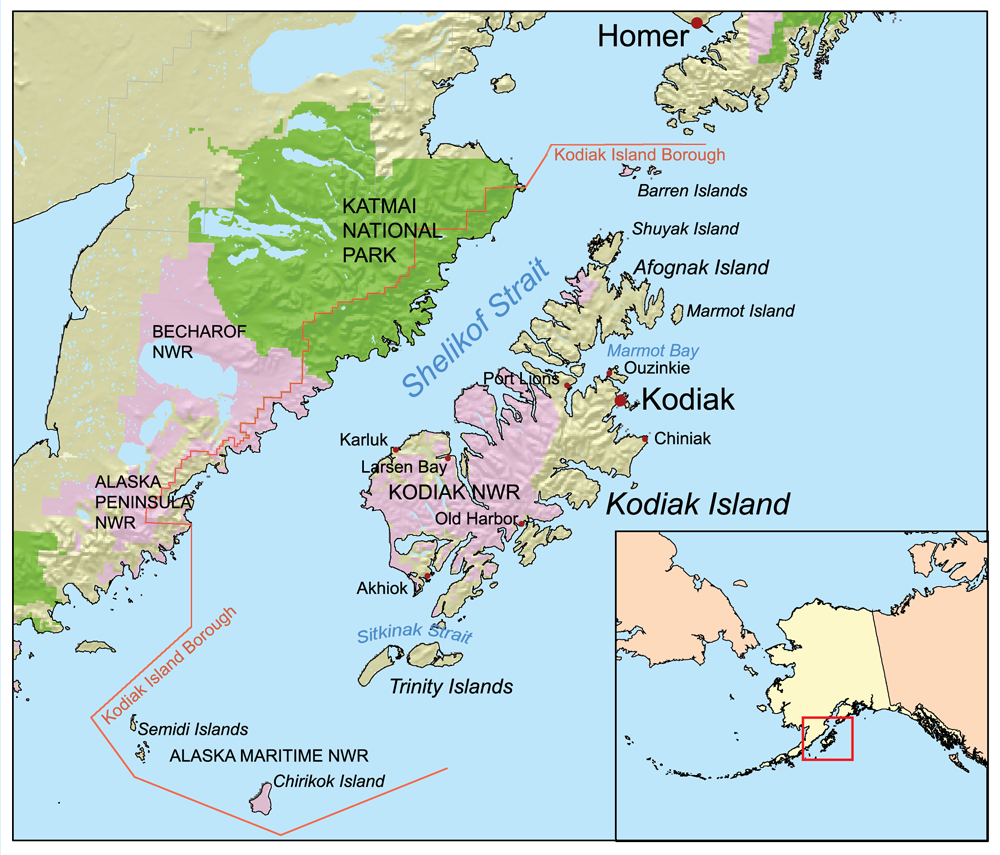
A roughly 125,000-acre park of rugged terrain and old-growth Sitka spruce on Afognak Island, home to Kodiak brown bear, deer, and elk, reached only by boat or floatplane.
- Hunting
- Fishing
- Camping
- Wildlife Viewing
Alaska State Parks
Official pageAnchor River State Recreation Area
State Recreation Area
Located at Anchor Point, the most westerly point on the U.S. highway system, this area offers riverside camping and fishing with views of Cook Inlet volcanoes.
- Camping
- Fishing
- Hiking
- Paddling
Alaska State Parks
Official pageBig Delta State Historical Park
State Historical Park
An 11-acre park preserving Rika's Roadhouse, a restored stop on the historic Valdez-to-Fairbanks Trail, along with a WAMCATS telegraph station and a local-history museum.
- Historic Site
- Nature Trails
- Camping
- RV Camping
Alaska State Parks
Official pageBig Lake South State Recreation Site
State park system area
A 22-acre site on Big Lake offering campsites, a boat launch, and access to summer watersports south of Wasilla.
- Camping
- Fishing
- Boating
- Swimming
Alaska State Parks
Official pageBlueberry Lake State Recreation Site
State park system area
A 192-acre site in spectacular Thompson Pass 24 miles north of Valdez, where the high alpine lake offers excellent grayling fishing.
- Camping
- Fishing
- Nature Trails
- Picnicking
Alaska State Parks
Official pageBuskin River State Recreation Site
State park system area
A 168-acre site on one of Kodiak's most productive fisheries, drawing anglers worldwide for sockeye and coho salmon, with old military roads for hiking and biking.
- Fishing
- Camping
- Biking
- Hiking
Alaska State Parks
Official pageCaines Head State Recreation Area
State Recreation Area
A 5,961-acre area near Seward built around an abandoned World War II fort, with a 4.5-mile coastal trail to North Beach reachable by foot or boat.
- Beach
- Fishing
- Hiking
- Historic Site
Alaska State Parks
Official pageCaptain Cook State Recreation Area
State Recreation Area
A quiet recreation area 25 miles north of Kenai with forests, lakes, streams, and saltwater beaches, named for the English mariner who explored Cook Inlet in 1778.
- Camping
- Fishing
- Hiking
- Biking
Alaska State Parks
Official pageChena River State Recreation Area
State Recreation Area
A 254,080-acre park of forests, rivers, and alpine tundra along the Chena River, offering day hikes, rock climbing at Granite Tors, kayaking, and dog mushing near Fairbanks.
- Camping
- Fishing
- Hiking
- Winter Sports
Alaska State Parks
Official pageChena River State Recreation Site
State park system area
A 29-acre day-use site in Fairbanks with riverside picnic areas, walking trails, and a boat launch on the Chena River.
- Fishing
- Nature Trails
- Picnicking
- Boating
Alaska State Parks
Official pageChilkat State Park
State Park
A 9,837-acre park on Chilkat Inlet south of Haines with a campground, boat launch, and three trails offering views of Rainbow and Davidson glaciers and abundant wildlife.
- Boating
- Camping
- Picnicking
- Fishing
Alaska State Parks
Official pageChilkoot Lake State Recreation Site
State park system area
An 80-acre site at the outlet of Chilkoot Lake near Haines, offering some of Southeast Alaska's best salmon fishing and frequent bear viewing along the river.
- Boating
- Paddling
- Fishing
- Historic Site
Alaska State Parks
Official pageClam Gulch State Recreation Area
State Recreation Area
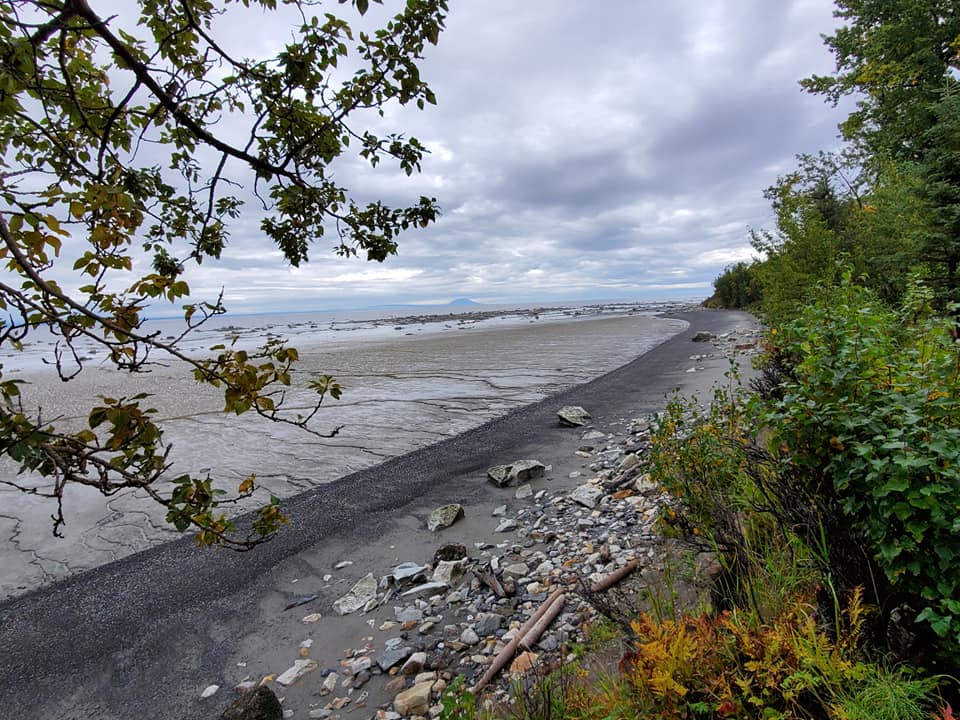
A 495-acre area on bluffs overlooking Cook Inlet, historically famous for razor clams, with panoramic views of the Aleutian Range volcanoes.
- Camping
- Fishing
- Hiking
- Biking
Alaska State Parks
Official pageClearwater State Recreation Site
State park system area
A 27-acre campground beside the crystal-clear Delta Clearwater River, offering grayling, whitefish, and salmon fishing plus a riverside nature trail.
- Camping
- Fishing
- Nature Trails
- Boating
Alaska State Parks
Official pageCrooked Creek State Recreation Site
State park system area
A 105-acre site near the confluence of Crooked Creek and the Kasilof River, most popular for spring king salmon fishing from the riverbank.
- Fishing
- Camping
- Picnicking
- Nature Trails
Alaska State Parks
Official pageDeep Creek State Recreation Area
State Recreation Area
A Cook Inlet area legendary for its halibut and king salmon runs, with bald eagles year-round and popular razor clam beaches nearby.
- Camping
- Fishing
- Picnicking
- RV Camping
Alaska State Parks
Official pageDelta State Recreation Site
State park system area
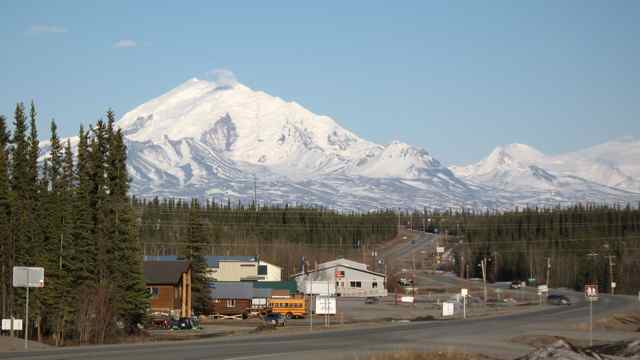
A 23-acre campground at Delta Junction with views of the Alaska Range, a popular stop for travelers between Tok and Fairbanks, with fly-in camping nearby.
- Camping
- Picnicking
- RV Camping
Alaska State Parks
Official pageDenali State Park
State Park
A 325,240-acre park between the Talkeetna Mountains and Alaska Range, offering everything from roadside camping to wilderness exploration along Curry and Kesugi Ridges.
- Camping
- Fishing
- Hiking
- Cabins
Alaska State Parks
Official pageDonnelly Creek State Recreation Site
State park system area
A 46-acre secluded campground on the braided Delta River with scenic views of the Alaska Range and chances to see moose, caribou, and the Delta bison herd.
- Camping
- Fishing
- Wildlife Viewing
- RV Camping
Alaska State Parks
Official pageDry Creek State Recreation Site
State park system area
A 360-acre site north of Glennallen with multiple camp loops, fishing for grayling and rainbow trout in the nearby creek, and trails.
- Camping
- Fishing
- Nature Trails
- RV Camping
Alaska State Parks
Official pageEagle Trail State Recreation Site
State park system area
A 280-acre site 16 miles south of Tok with a nature trail and a 2.5-mile hiking trail overlooking the Tok River Valley, set along the historic Valdez-Eagle Trail.
- Camping
- Nature Trails
- Hiking
- RV Camping
Alaska State Parks
Official pageErnest Gruening State Historical Park
State Historical Park
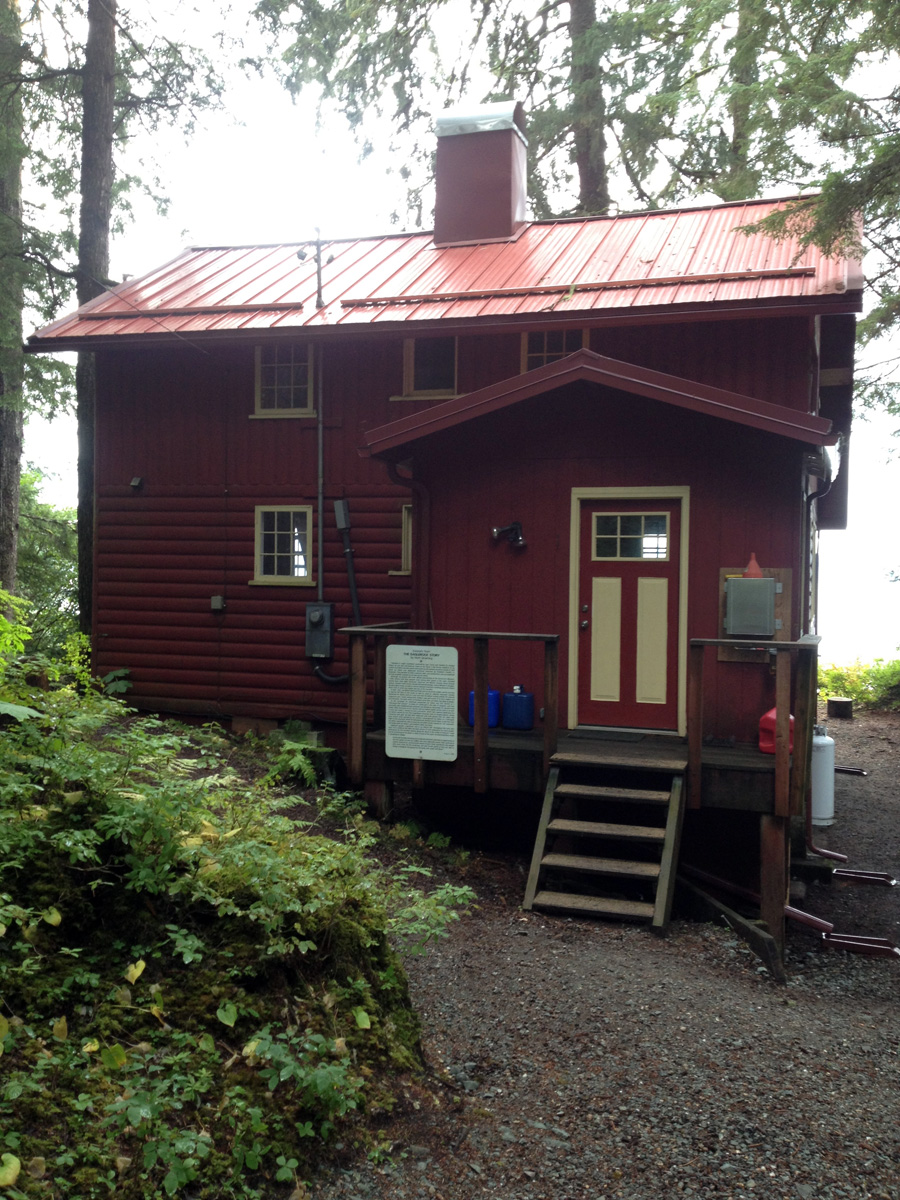
A 12-acre park preserving the rustic summer home of Territorial Governor Ernest Gruening, where he wrote much of the manifesto for Alaska statehood in 1953.
- Fishing
- Historic Site
- Nature Trails
- Wildlife Viewing
Alaska State Parks
Official pageFielding Lake State Recreation Site
State park system area
A 605-acre alpine campground at 2,973 feet in the Alaska Range, with a boat launch and natural fishing for grayling, lake trout, and burbot.
- Camping
- Fishing
- Nature Trails
- Boating
Alaska State Parks
Official page







Inventory source: USGS PAD-US 4.1. Photos are public-domain or Creative Commons via Wikimedia Commons, credited per image. Official reservations and rules remain state-specific, so use the state booking links before committing to dates.
Frequently asked questions
When is the best time to visit Alaska's national parks?
Mid-June through early September is the window, when park roads, shuttle buses, lodges, and visitor centers are fully open and daylight runs close to 20 hours. July is the warmest and most crowded, with daytime temperatures around 50F to 70F. Late August into early September trades some of that warmth for fall color, fewer people, and a higher chance of rain, so pack layers and a serious rain shell whenever you go.
Which Alaska national park is the best one to visit?
For most first-time visitors, Denali is the best starting point: it is reachable by road from Anchorage or Fairbanks, has organized wildlife-viewing bus tours, and offers the chance to see the tallest peak in North America. If you want glaciers and marine wildlife, Kenai Fjords near Seward is the easiest big payoff, accessible by car and boat tour. The truly remote parks, reached only by bush plane or boat, are spectacular but better suited to a second trip once you know the rhythm of Alaska travel.
Can you drive to Alaska's national parks, or do you need to fly?
Only three of the eight parks connect to the road system: Denali, Kenai Fjords (via the Exit Glacier area near Seward), and Wrangell-St. Elias (via gravel roads). The other five are accessible only by small plane or boat, with flights leaving from hubs like Anchorage, Fairbanks, Homer, or King Salmon. If you plan to fly in, book early and build extra days into your trip, since weather routinely delays bush flights.