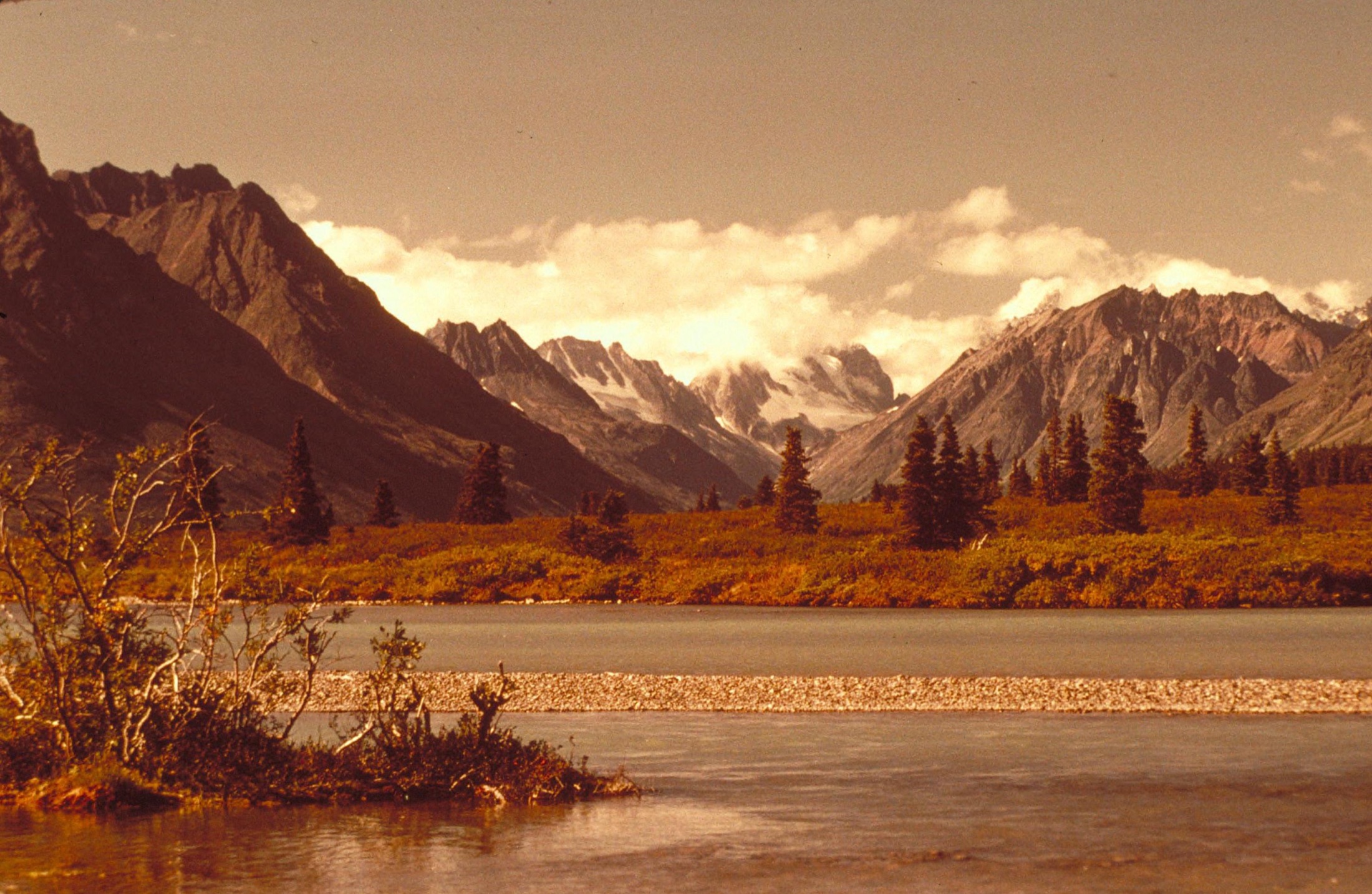
When to go
Conditions, crowds, and what each season asks you to pack.
Spring
30-45F
Cold and slow to thaw, highs around 30-45F with lingering snow, ice still on the big lakes into May.
Pack Insulated waterproof layers and real winter boots, this is still winter here.
Summer
55-65F
The window to come, highs around 55-65F, long daylight, frequent rain, wind, and fast-changing coastal fog.
Pack Hard rain shell, rubber boots for tidal flats, and layers, never trust a sunny forecast.
Fall
35-50F
Cooling fast with highs around 35-50F, brilliant tundra color, more storms that ground flights.
Pack Warm insulation and flexible plans, weather can strand you a day or two.
Winter
10-25F
Deep cold and dark, highs often 10-25F or below, most services and air taxis shut down.
Pack Full expedition cold-weather kit, only experienced, self-sufficient travelers should attempt it.
Crowds by month, from NPS visit counts
Busiest: July. An average July brings about 6,420 recreation visits to Lake Clark, roughly 210 a day. Peak crowds run July to August.
Quietest: March. About 6 visits, <1% of the busiest month. Crowds stay low March to May and September to October.
No count November to February. NPS reports zero visits for these months in every year shown. Treat that as closed, hard to reach, or not counted, not as an empty park.
Limited data. NPS counts fewer than 50,000 recreation visits a year here, so monthly numbers are small and can swing on a few groups or a change in how visits are estimated. Read the shape of the year, not the exact figures.
- Low
- Moderate
- High
- Peak
- No count
Bar height is each month's average visits compared with the busiest month. Low is under 25% of that peak, Moderate 25 to 49%, High 50 to 74%, Peak 75% and up.
See the monthly numbers
| Month | Avg visits | Share of year | Crowds |
|---|---|---|---|
| January | 0 | No count | |
| February | 0 | No count | |
| March | 6 | <1% | Low |
| April | 6 | <1% | Low |
| May | 378 | 2% | Low |
| June | 4,791 | 26% | High |
| July | 6,421 | 35% | Peak |
| August | 5,143 | 28% | Peak |
| September | 1,552 | 8% | Low |
| October | 49 | <1% | Low |
| November | 0 | No count | |
| December | 0 | No count |
Source: NPS Visitor Use Statistics, monthly recreation visits, averaged over 2023–2025. October and November 2025 are left out of the averages because of the federal government shutdown. Visits count entries, not unique people. NPS monthly report for Lake Clark · Crowd calendar for all 63 parks
Lake Clark weather by month
Average daily highs and lows, plus monthly precipitation, from NOAA's 1991-2020 climate normals for Port Alsworth, the park's field headquarters. Shaded months are the park's best season. Tap a month to build a pack list for it.
| Month | Jan | Feb | Mar | Apr | May | Jun | Jul | Aug | Sep | Oct | Nov | Dec |
|---|---|---|---|---|---|---|---|---|---|---|---|---|
| High (F) | 24 | 30 | 35 | 47 | 59 | 67 | 69 | 66 | 57 | 44 | 32 | 27 |
| Low (F) | 10 | 15 | 15 | 30 | 39 | 47 | 52 | 49 | 42 | 32 | 21 | 15 |
| Precip (in) | 0.7 | 0.9 | 0.6 | 0.5 | 0.4 | 0.7 | 1.4 | 1.7 | 2.6 | 1.3 | 1.3 | 1.0 |
| Snow (in) | 13.9 | 13.1 | 12.1 | 7.2 | 0.8 | 0.0 | 0.0 | 0.0 | 0.3 | 4.9 | 17.3 | 18.3 |
Station PORT ALSWORTH (USC00507570), 260 ft, under a mile from Port Alsworth Visitor Center.
Source: NOAA NCEI U.S. Climate Normals, 1991-2020 monthly averages. Averages describe a typical year, not a forecast; check current conditions and alerts before you go. Precipitation includes the water in melted snow.
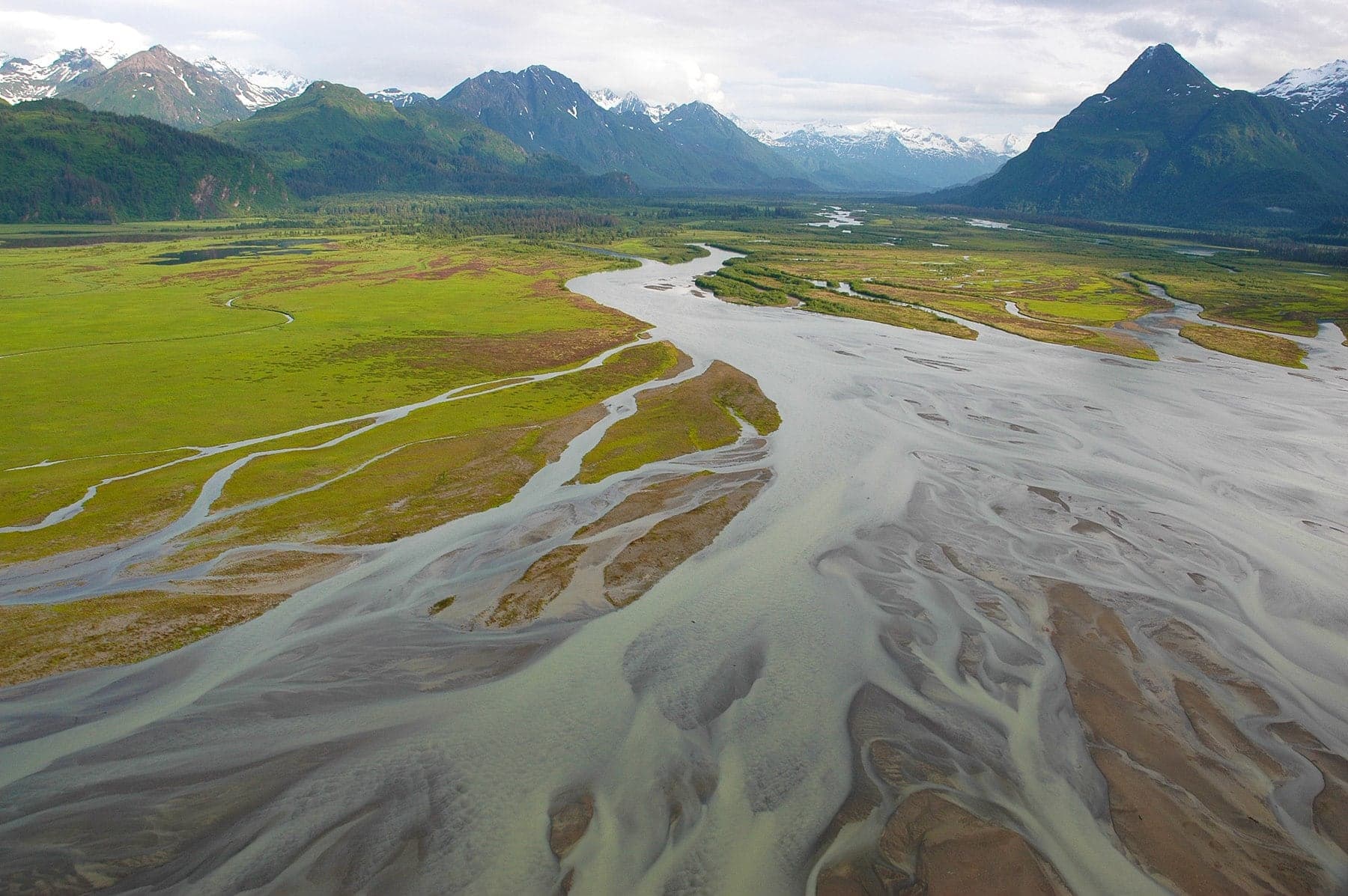
Top things to do
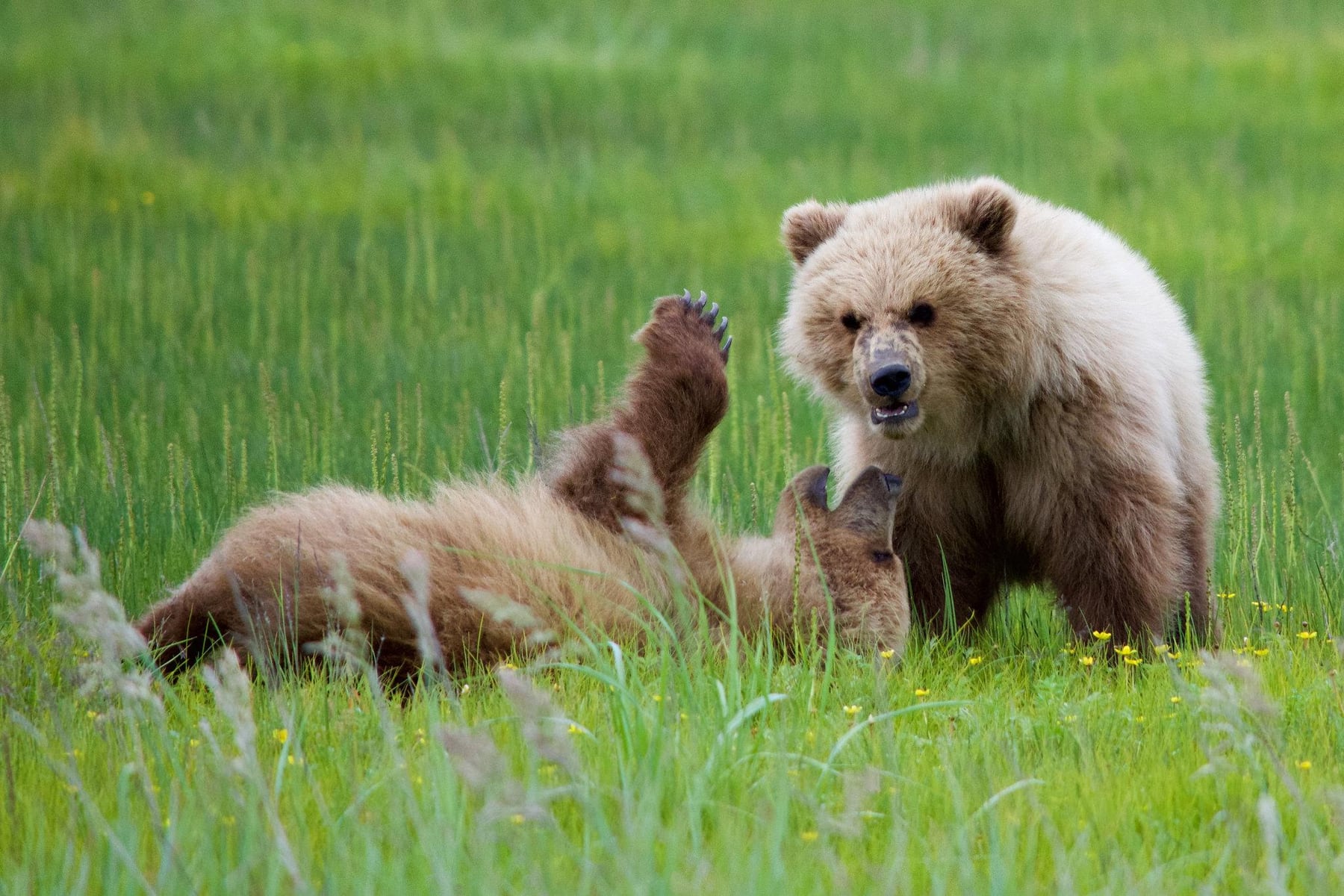
Chinitna Bay and Silver Salmon Creek
Cook Inlet coast meadows where brown bears graze sedges and dig clams, the classic guided bear-viewing day trip.
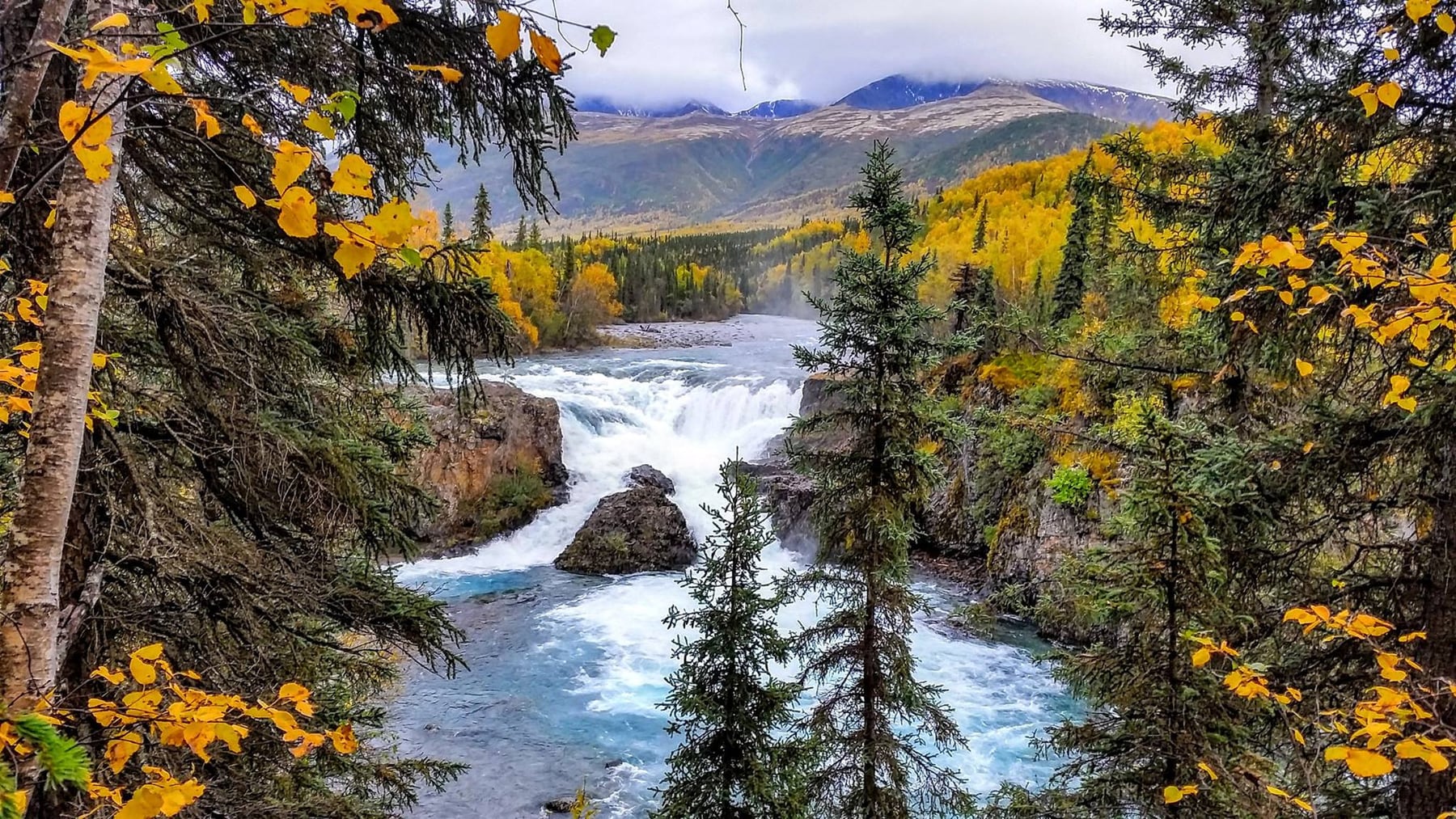
Tanalian Falls and Kontrashibuna Lake
The park's most accessible real hike, a maintained trail from Port Alsworth to a thundering falls and a glacial lake.
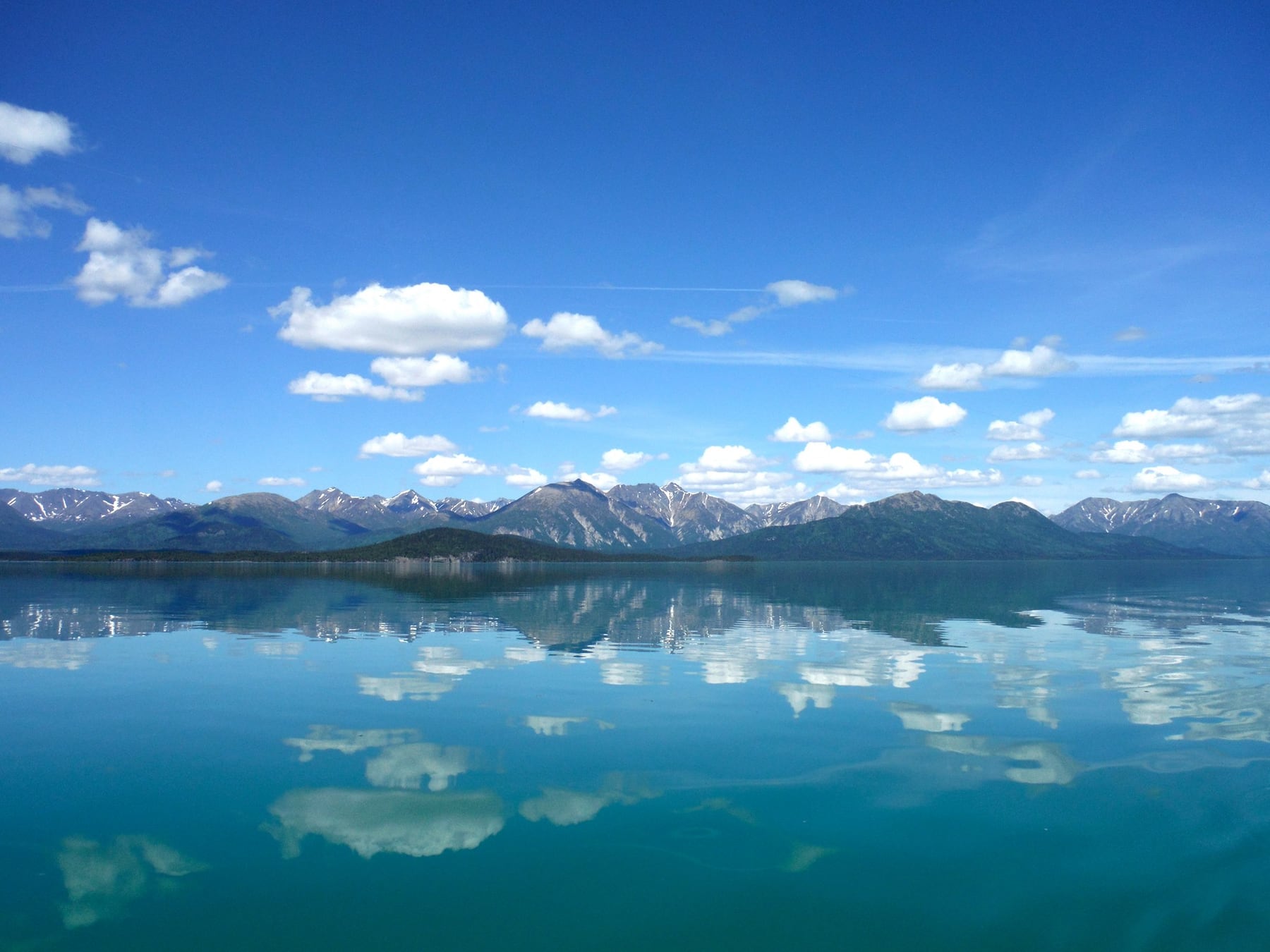
Lake Clark
The 42-mile turquoise lake the park is named for, ringed by peaks and best seen from a floatplane or a paddle.
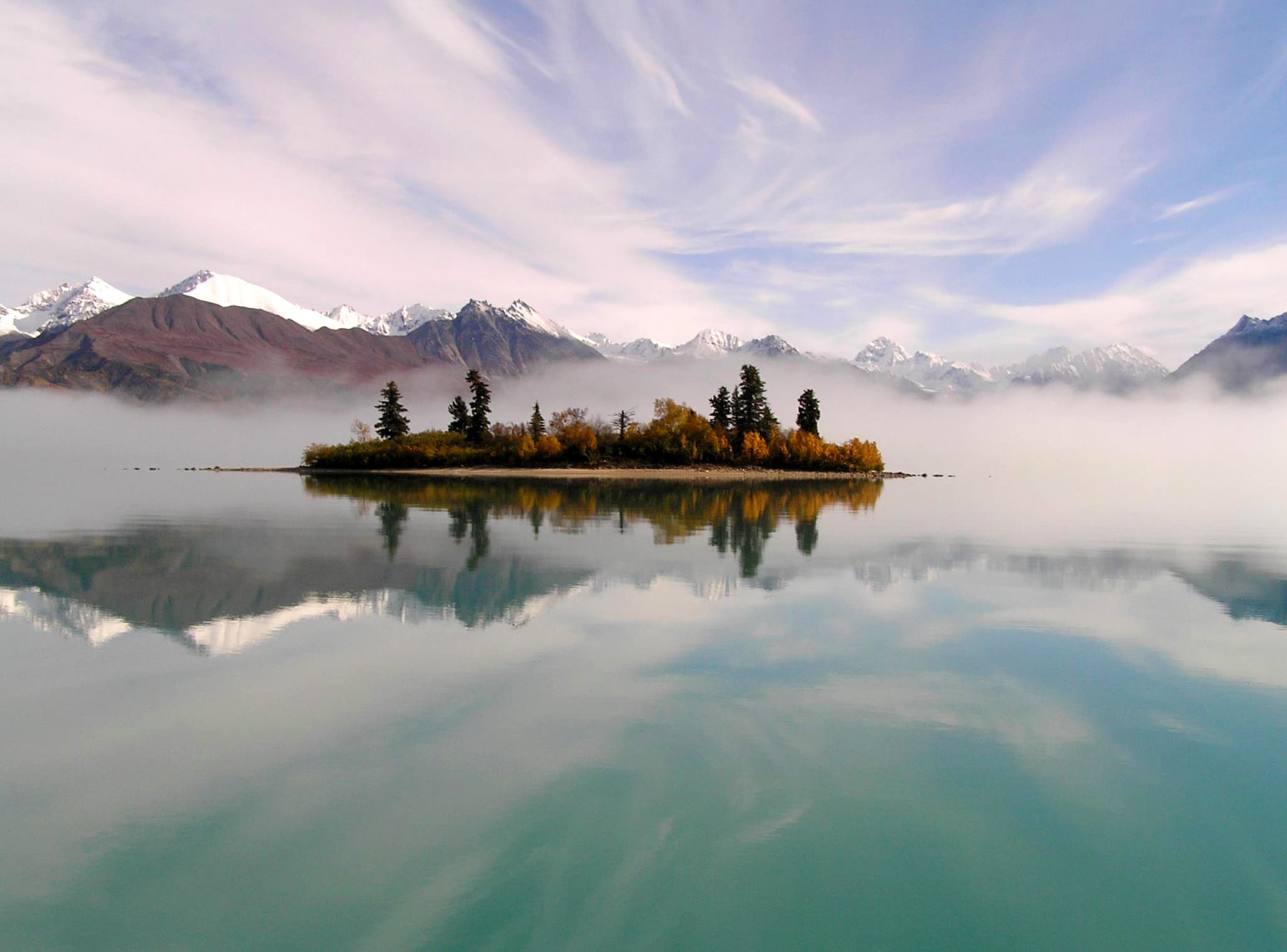
Telaquana Trail
A historic Dena'ina route across open tundra for experienced backcountry travelers, no marked path, full navigation required.
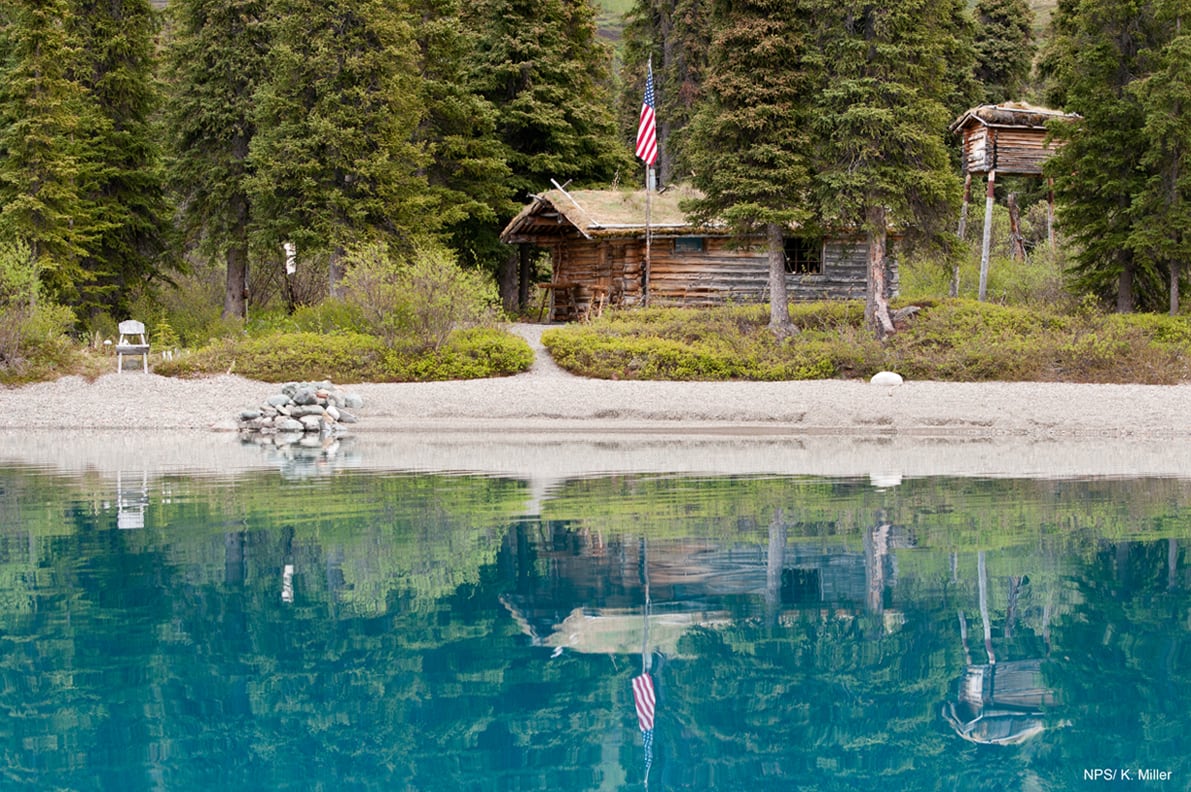
Twin Lakes and the Proenneke cabin
The hand-built cabin of Dick Proenneke, a preserved icon of Alaska self-reliance on a stunning lake.
Anchor the day around Chinitna Bay and Silver Salmon Creek
Treat transport weather as part of the itinerary, with a real buffer day instead of a tight turnaround. For one day in Lake Clark, make Chinitna Bay and Silver Salmon Creek the non-negotiable, add Tanalian Falls and Kontrashibuna Lake only if the first stop runs clean, and keep Lake Clark as the flexible finish.
- 1Start with Chinitna Bay and Silver Salmon Creek: Cook Inlet coast meadows where brown bears graze sedges and dig clams, the classic guided bear-viewing day trip.
- 2Add Tanalian Falls and Kontrashibuna Lake: The park's most accessible real hike, a maintained trail from Port Alsworth to a thundering falls and a glacial lake.
- 3Use Lake Clark as the optional finish, not as a reason to rush the whole day.
Where to stay
Stay strategy
Make the access plan before the lodging plan.
Stay strategy
Decide whether this is a lodge trip, a bear-viewing flight, or a true backcountry trip.
Lake Clark has no road access and no developed NPS lodging or campgrounds, so your base is really your operator choice. Book a private wilderness lodge for a longer stay, fly in from Anchorage or Homer for bear viewing, or camp only if you are ready for fully self-supported Alaska travel.
- Access
- Small aircraft from Anchorage, Homer, Kenai, Soldotna, or Port Alsworth
- Roads
- No road connection to the park
- NPS lodging
- No developed NPS lodging or campgrounds
- Weather
- Build buffer days for fog and wind delays
Compare base options
Read these as access plans first. The right base is the one that makes the transfer reliable, then the room or campsite can follow.
Paid links: we may earn a commission if you book, at no extra cost to you.
- Best for
- Multi-day bear viewing, fishing, guided hikes, and weather flexibility
- Tradeoff
- Expensive, operator-dependent, and limited to the lodge's zone.
Planning detail
This is the most complete Lake Clark experience for travelers who want support on the ground. Choose the lodge by landscape: Port Alsworth, Lake Clark itself, or the Cook Inlet coast.
Fly-in day
Anchorage or Homer bear-viewing flight
Directions- Best for
- Travelers who want the bear coast without committing to remote overnights
- Tradeoff
- Weather can cancel or compress the day, and you see only one slice of the park.
Planning detail
Use this when the goal is Chinitna Bay or Silver Salmon Creek. Keep the following day flexible if seeing bears is the reason for the Alaska trip.
- Best for
- Experienced Alaska travelers with navigation, bear, and aviation plans dialed
- Tradeoff
- No facilities, no marked routes in much of the park, and limited rescue margin.
Planning detail
Backcountry camping is flexible but serious. You need bear-resistant food storage, weather buffer, flight coordination, and the skills to move through trackless terrain.
- Best for
- Tanalian Falls, field office logistics, and the most accessible hiking in the park
- Tradeoff
- Still fly-in only, with limited services compared with mainland towns.
Planning detail
Port Alsworth is the cleanest base for the Tanalian Falls side of Lake Clark. It is the closest thing to a hub, but it is still remote Alaska.
Buffer days
Do not schedule a nonrefundable same-day connection after a Lake Clark flight.
Bear storage
Treat bear-resistant food storage as required gear, not an optional add-on.
Camping reservations
Camping reservations
Lake Clark has no park campgrounds and no roads: you fly in, camp where you land, and carry a bear-resistant canister.
There is no reservation system because there is almost nothing to reserve. The Park Service runs no campgrounds at Lake Clark; visitors arrive by air taxi, camp nearly anywhere with no permit, and keep everything scented in bear-resistant storage. The developed exceptions are the privately run Tulchina Adventures campground in Port Alsworth and the first-come Hope Creek primitive sites on Upper Twin Lake near the Proenneke cabin.
Reviewed June 11, 2026
Booking window
Nothing books through the park; backcountry camping is free with no permit. Your real reservations are the air taxi and any Port Alsworth beds, and both go months ahead for the summer bear-viewing season.
- Bear-resistant canisters are required for storing food and toiletries when camping in the park; borrow them free from the visitor center in Port Alsworth or rent in Anchorage or Homer before you fly in.
- The Hope Creek primitive camping area on Upper Twin Lake is first come, first served with no services, though it has bear-resistant storage boxes; camping at the Richard Proenneke historic site itself is prohibited.
- The only campground at Port Alsworth is private, run by Tulchina Adventures; book directly with them, not through the Park Service or Recreation.gov.
- Chinitna Bay's sedge meadow north of the slough, prime bear-feeding ground, is closed to camping and entry from May 1 through August 31.
Where to book or verify
The official rundown of camping options, bear-resistant container rules, lodges, and area closures.
Use this first for current campground status and park-specific rules.
Check for federal campground, backcountry, tour, and permit inventory tied to this park.
Use this for wilderness permits, timed systems, tours, and other park-specific reservations.
Campgrounds to know
Hope Creek primitive camping area (Upper Twin Lake)
Details- Season
- Check the NPS page for current conditions.
- Sites
- Primitive lakeside sites with bear-resistant storage boxes and no services.
- The natural base for visiting the Proenneke cabin; everything else is wherever your pilot can land you.
Tulchina Adventures campground (Port Alsworth, private)
Details- Season
- Contact the operator for the current season.
- Sites
- Private campground in the park's gateway community, near the visitor center and Tanalian trails.
- The only developed camping near services; pair it with day flights deeper into the park.
Getting there and practical info
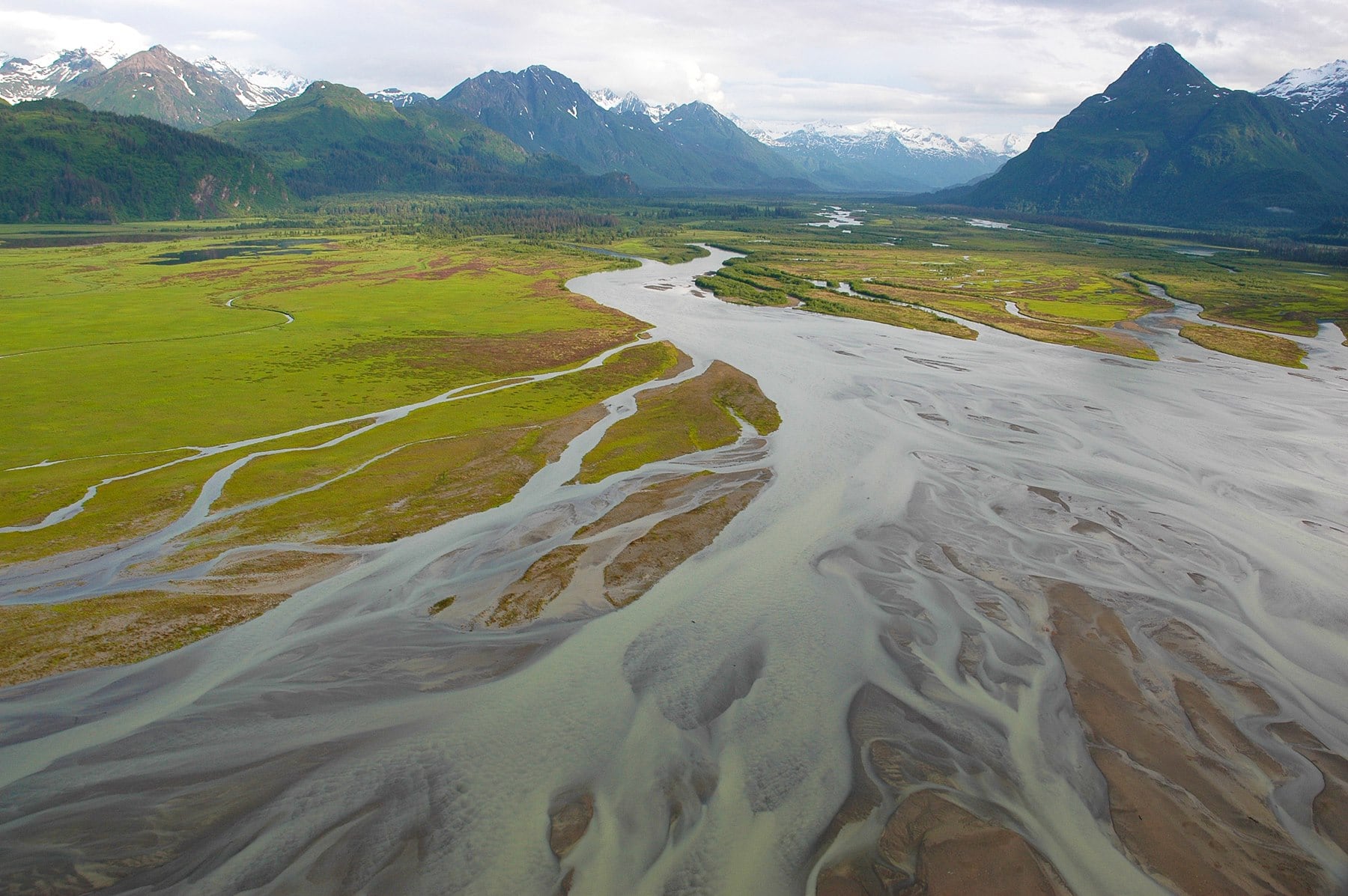
Make the transfer plan before the trail plan.
Weather windows, boat schedules, flight buffers, and backup days shape what is realistic.
Getting there
Get to Lake Clark by solving the transfer first.
- Nearest airport
- Ted Stevens Anchorage International (ANC), about 120 air miles northeast; from there a 1 to 2 hour air taxi flight into the park (no road access)
- Access rhythm
- Transfer time matters
- Region
- Alaska
Car strategy
Lake Clark is not on the road system, so you reach it by small aircraft.
Access note
It sits about 120 air miles southwest of Anchorage and 65 air miles northwest of Homer.
Transfer plan
Air taxi operators fly from Anchorage, Homer, Kenai or Soldotna, and Port Alsworth (the in-park hub and field office).
Book ahead
- Rental cars at Ted Stevens Anchorage International (ANC)Paid link, Economybookings
- Guided tours in Lake ClarkPaid link, Viator
Paid links: we may earn a commission if you book, at no extra cost to you.
Pair this with lodging: the best base is the one that protects the departure window, pickup point, or weather buffer.
Plan your trip
Build one complete pack brief from Lake Clark's season, activity, and trip length. Fine-tune an individual calculation only if you need it.
Fine-tune water, pack size, warmth, or stove fuel
Build around access
Plan the transfer before the trail list.
Plan your trip
4 quick tools, already seeded for Lake Clark. Tune the route, pack weight, weather margin, and overnight setup after the access plan is real.
What to pack
Start with the gear decisions Lake Clark changes: water, footing, weather, and overnight needs. The checklist is there once your route and dates are set.
Kit Authority
Lake Clark packing list
0 of 21 packed. Check items as you pack, then take this list to the store, trailhead, or campsite.
Pack planning
Decide what Lake Clark asks of your kit before you start checking boxes.
Use this as a constraint check while you are still shaping the trip. The active checklist becomes useful once your route, dates, and sleep plan are set.
- First constraintHydration and exposureWater, hat, sunscreen, sunglasses, Navigationmap, downloaded GPS, or a GPS watch, 3 more
- Route realityFooting and tractionHiking boots, Hiking socks, Trekking poles
- Load choicePack and carry systemBackpacking pack
- If overnightSleep and shelterBackpacking tent, Sleeping bag, Sleeping pad, 1 more
Checklist mode
21 items, grouped for the trip you are actually taking.
- Dates and season are set.
- Primary route, campground, or lodge is chosen.
- Water, footwear, and overnight needs are sized.
One researched pick
The first gear decision for Lake Clark
An 8x42 binocular is the useful middle ground between reach, field of view, and all-day carry weight.
We may earn a commission from links on this page, at no extra cost to you. Product prices and availability are accurate as of the date/time indicated and are subject to change. Any price and availability information displayed on Amazon at the time of purchase will apply to the purchase of this product.
THE WILDLIFE PICK
Vortex Diamondback HD 8x42 Binoculars
Best Value
Kit Score 9.0/10
$239.00 Price checked Oct 23, 4:16 PM CDT
Best for: Hikers and birders who want genuine HD optics and a class-leading warranty without paying mid-range prices.
- Exceptional brightness and contrast for the price: measured light transmission outperforms comparably priced models
- Some chromatic aberration visible at the edges of the field in high-contrast scenes
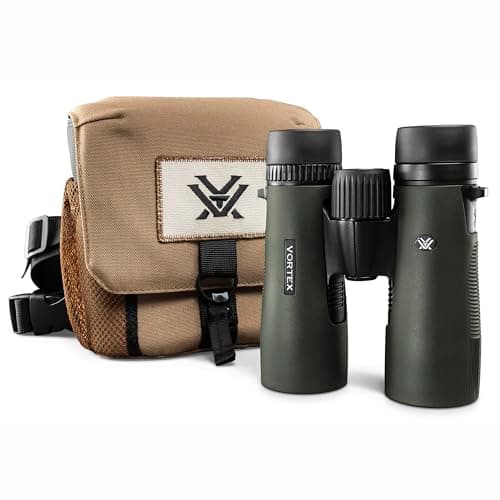
- Magnification
- 8x
- Objective lens
- 42 mm
- Weight
- 21.8 oz (618 g)
- Field of view
- 393 ft at 1,000 yds (7.5 deg)
- Eye relief
- 17 mm
- Waterproof / fogproof
- Yes, argon-purged, O-ring sealed
About this pick
The Diamondback HD delivers HD glass, dielectric and phase-corrected coatings, and a wide 393-foot field of view at a street price well below its MSRP. Reviewers and birders routinely note it performs like binoculars costing twice as much, and Vortex backs it with an unlimited, unconditional transferable warranty.
Strengths
- Exceptional brightness and contrast for the price: measured light transmission outperforms comparably priced models
- Wide field of view aids bird-finding and tracking fast-moving wildlife
- Vortex VIP warranty is unlimited and unconditional, no receipt required
Weaknesses
- Some chromatic aberration visible at the edges of the field in high-contrast scenes
- At 21.8 oz it is on the heavier end for ultralight backpackers
Kit Score breakdown
Gear for Lake Clark
The buying guides that match what Lake Clark asks of your kit. Each one has our current top picks across budget and use case.
Can you photograph here? Permit and drone rules
Lake Clark requires no permit for small-group still photography and no entrance fee at all; the cost of shooting here is the air taxi, not the paperwork.
- Permit
- Usually fine for personal shoots; commercial or large productions can need a permit
- Drones
- Effectively banned: launching, landing, or operating a drone within park boundaries is prohibited
- Land
- Yes for personal and editorial photography throughout the park
From our photography sister site, Aperture Authority. Verified 2026-07-01.
Frequently asked questions
Is there an entrance fee for Lake Clark National Park?
No, Lake Clark has no entrance fee, like Alaska's other remote national parks. Your real expense is getting there: an air taxi flight typically runs several hundred dollars round trip, and guided bear-viewing trips or lodge stays cost more. There are no fee booths because there are no roads in.
How do you get to Lake Clark National Park?
Almost everyone flies in by small bush plane, since there are no roads to the park. Air taxis depart from Anchorage, Homer, Kenai, and Port Alsworth, with flights of roughly one to two hours. When weather and tides cooperate, the Cook Inlet coast can also be reached by boat charter from the Kenai Peninsula.
When is the best time to visit Lake Clark?
July through early September is the window. That is when brown bears are most active on the coast, the salmon are running, and the weather is most likely to allow flights. Outside summer, cold, darkness, and grounded air taxis make a visit difficult for all but experienced, self-sufficient travelers.
Can you see bears at Lake Clark?
Yes, and bear viewing is the main reason most people come. Chinitna Bay and Silver Salmon Creek on the Cook Inlet coast are famous for brown bears grazing meadows and digging clams at close but managed distances. Most visitors go with a guided operator who handles the flight and keeps the experience safe for both people and bears.
Keep planning
Nearby parks
 KatmaiFloat-plane wilderness where the world's largest brown bears fish salmon at Brooks Falls each July.
 Kenai FjordsTidewater glaciers, the vast Harding Icefield, and whale-filled fjords a short drive or boat ride from Seward.
 DenaliSix million acres of subarctic wild ringed by North America's tallest peak, seen mostly from a single 92-mile road.