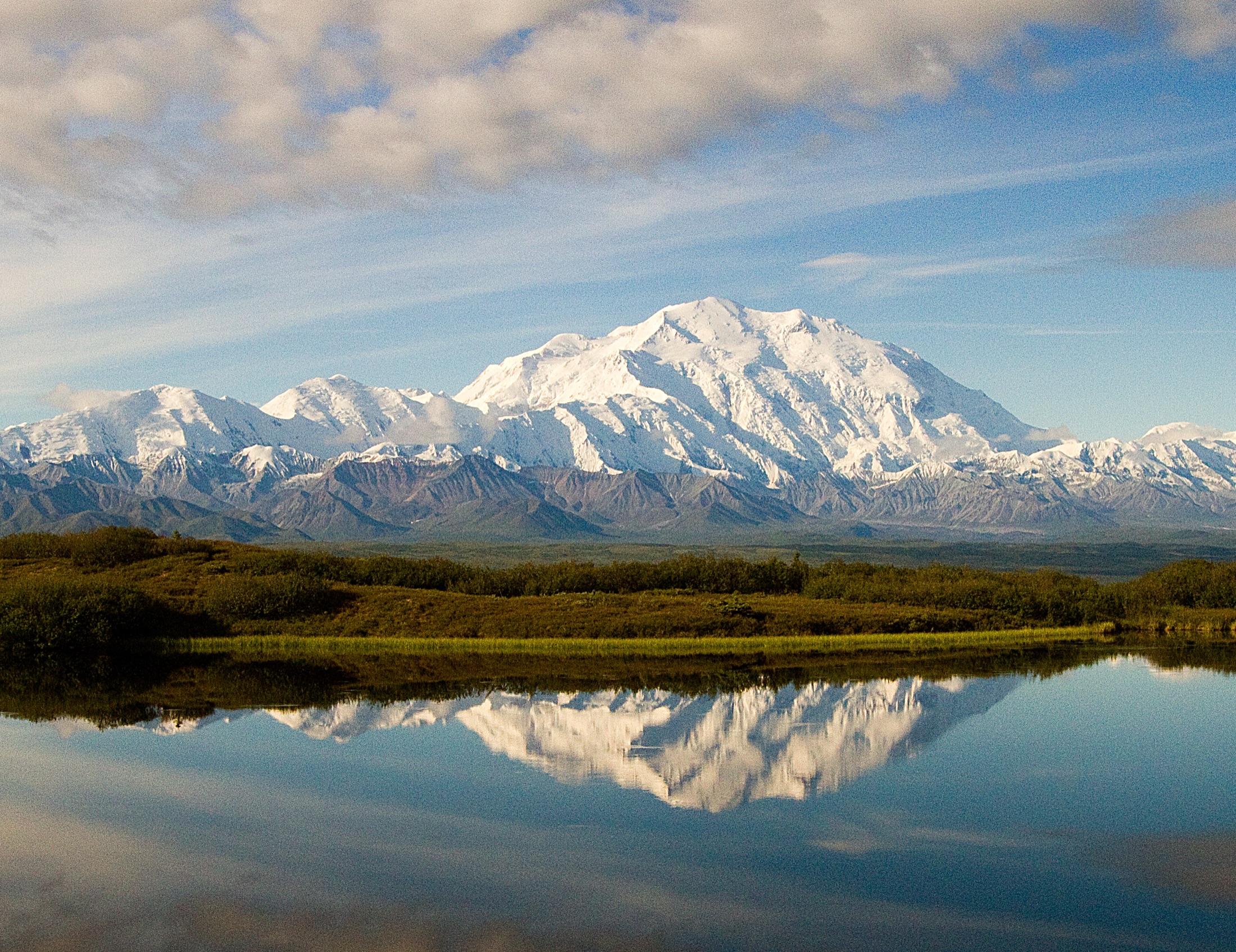
When to go
Conditions, crowds, and what each season asks you to pack.
Spring
Highs in the 30s-50s F, snow lingers into May and the road opens in stages.
Pack Waterproof boots and warm layers for mud, melt, and cold mornings.
Summer
Highs in the 60s-70s F with very long daylight and frequent rain.
Pack Rain shell, layers, and serious bug protection (headnet) for mosquitoes.
Fall
Highs in the 30s-50s F with brilliant tundra color in late August into September.
Pack Insulated layers and a windproof shell; snow can arrive by mid-September.
Winter
20F
Highs near 0-20 F (well below zero on cold snaps) with deep snow and short days.
Pack Full expedition-grade insulation, traction, and skis or snowshoes for the unplowed road.
Crowds by month, from NPS visit counts
Busiest: August. An average August brings about 137,000 recreation visits to Denali, roughly 4,410 a day. Peak crowds run June to August.
Quietest: January. About 2,070 visits, 2% of the busiest month. Crowds stay low October to April.
- Low
- Moderate
- High
- Peak
Bar height is each month's average visits compared with the busiest month. Low is under 25% of that peak, Moderate 25 to 49%, High 50 to 74%, Peak 75% and up.
See the monthly numbers
| Month | Avg visits | Share of year | Crowds |
|---|---|---|---|
| January | 2,067 | <1% | Low |
| February | 3,338 | <1% | Low |
| March | 7,852 | 2% | Low |
| April | 7,093 | 1% | Low |
| May | 37,613 | 7% | Moderate |
| June | 122,178 | 24% | Peak |
| July | 129,405 | 26% | Peak |
| August | 136,661 | 27% | Peak |
| September | 48,016 | 10% | Moderate |
| October | 5,844 | 1% | Low |
| November | 2,433 | <1% | Low |
| December | 2,581 | <1% | Low |
Source: NPS Visitor Use Statistics, monthly recreation visits, averaged over 2023–2025. October and November 2025 are left out of the averages because of the federal government shutdown. Visits count entries, not unique people. NPS monthly report for Denali · Crowd calendar for all 63 parks
Denali weather by month
Average daily highs and lows, plus monthly precipitation, from NOAA's 1991-2020 climate normals for the park entrance and headquarters area. Shaded months are the park's best season. Tap a month to build a pack list for it.
| Month | Jan | Feb | Mar | Apr | May | Jun | Jul | Aug | Sep | Oct | Nov | Dec |
|---|---|---|---|---|---|---|---|---|---|---|---|---|
| High (F) | 10 | 20 | 25 | 41 | 55 | 65 | 66 | 61 | 51 | 34 | 18 | 14 |
| Low (F) | -6 | -1 | 0 | 17 | 31 | 41 | 45 | 41 | 31 | 16 | 2 | -2 |
| Precip (in) | 0.6 | 0.7 | 0.5 | 0.4 | 0.8 | 2.4 | 3.1 | 3.0 | 1.7 | 0.8 | 0.8 | 0.8 |
| Snow (in) | 9.6 | 9.6 | 8.2 | 6.9 | 2.6 | 0.1 | 0.0 | 0.0 | 5.0 | 9.4 | 12.9 | 12.4 |
Station MCKINLEY PARK (USC00505778), 2,070 ft, about 1 mile from Denali Visitor Center. Deeper along the park road the weather is less predictable, and the mountain makes its own.
Source: NOAA NCEI U.S. Climate Normals, 1991-2020 monthly averages. Averages describe a typical year, not a forecast; check current conditions and alerts before you go. Precipitation includes the water in melted snow.
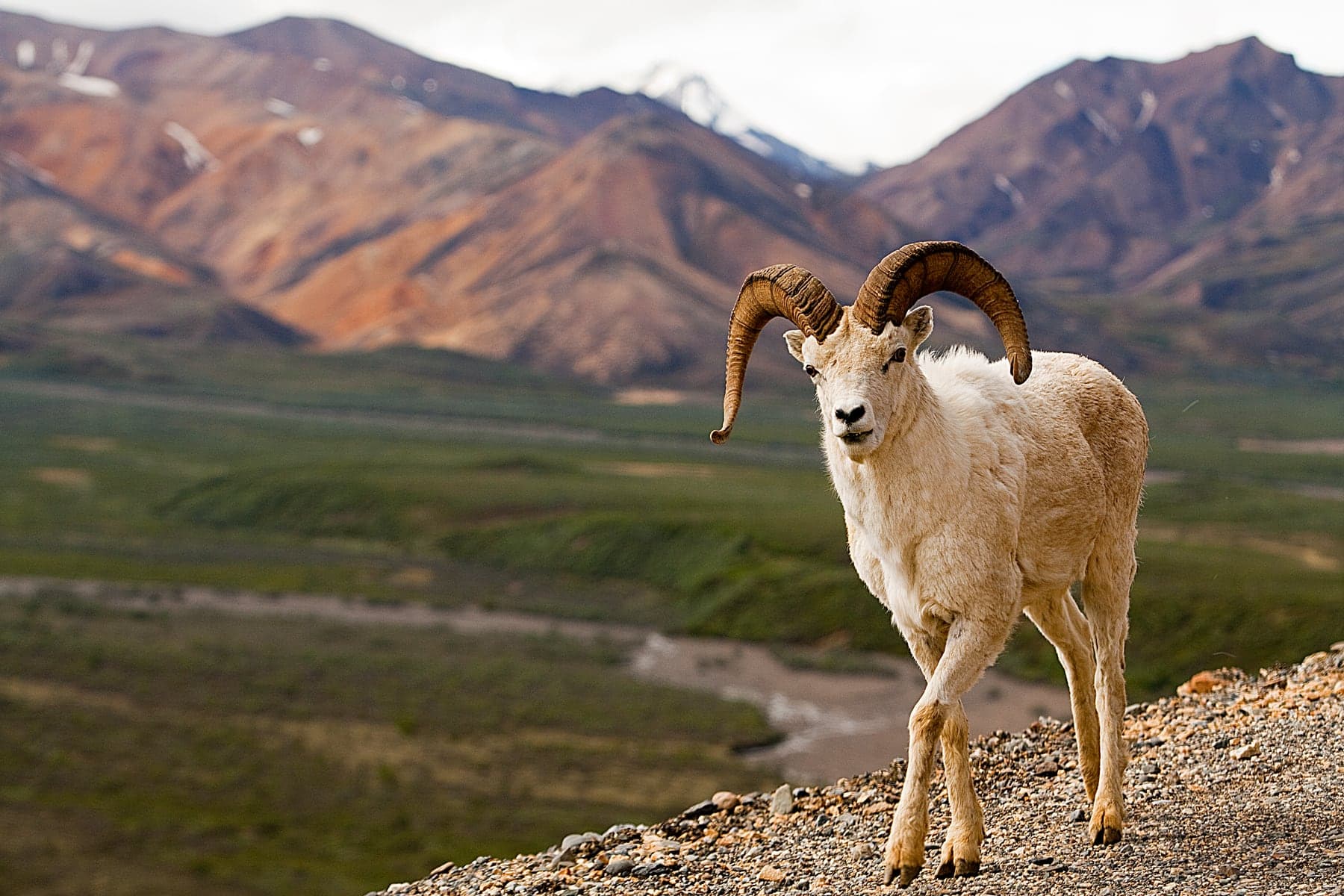
Top things to do
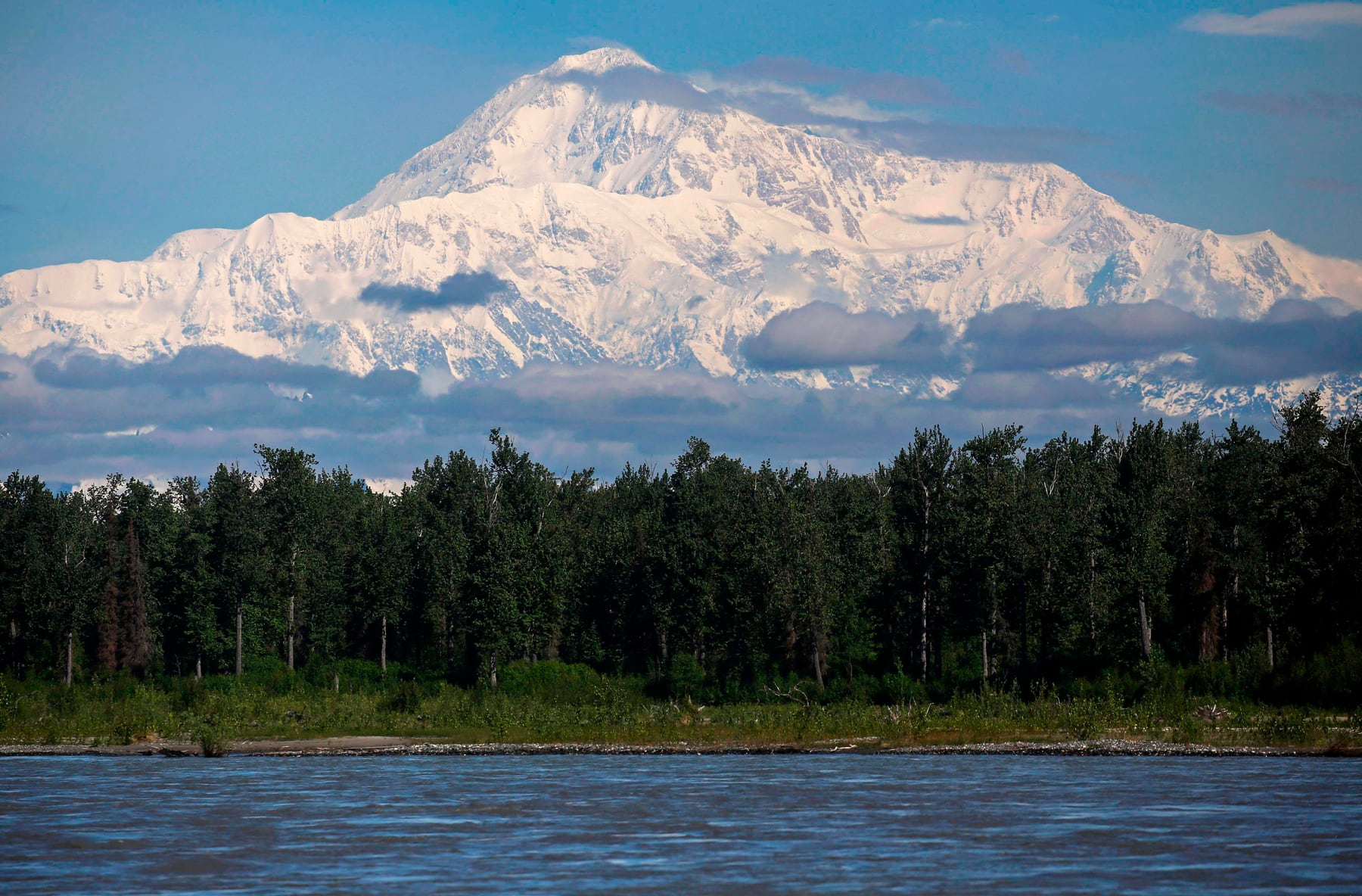
Denali (the peak)
North America's tallest mountain at 20,310 feet, shy behind clouds most days, unforgettable when it's out.
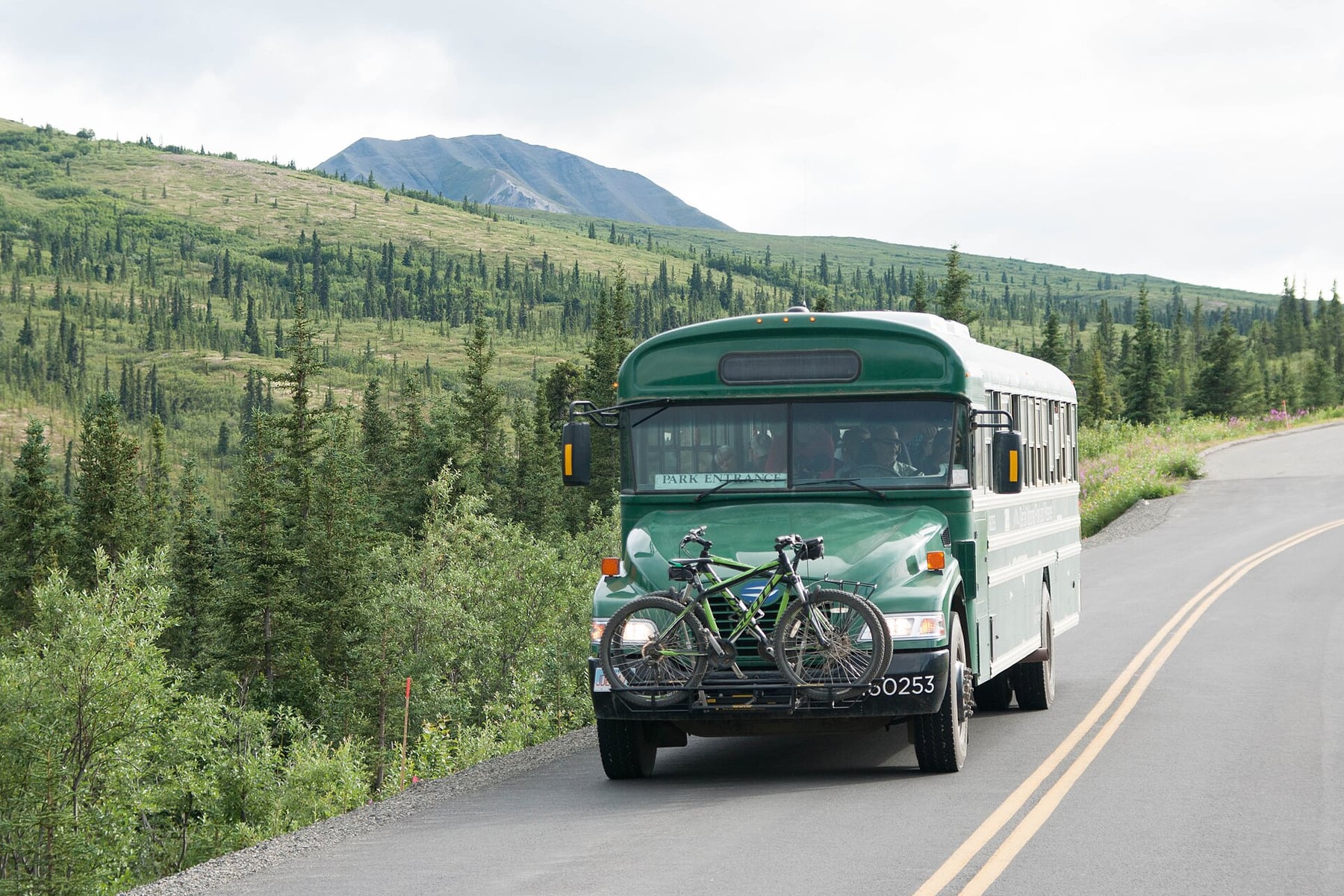
Park Road bus ride
The single road into the wilderness; a narrated transit or tour bus is how nearly everyone sees the park.
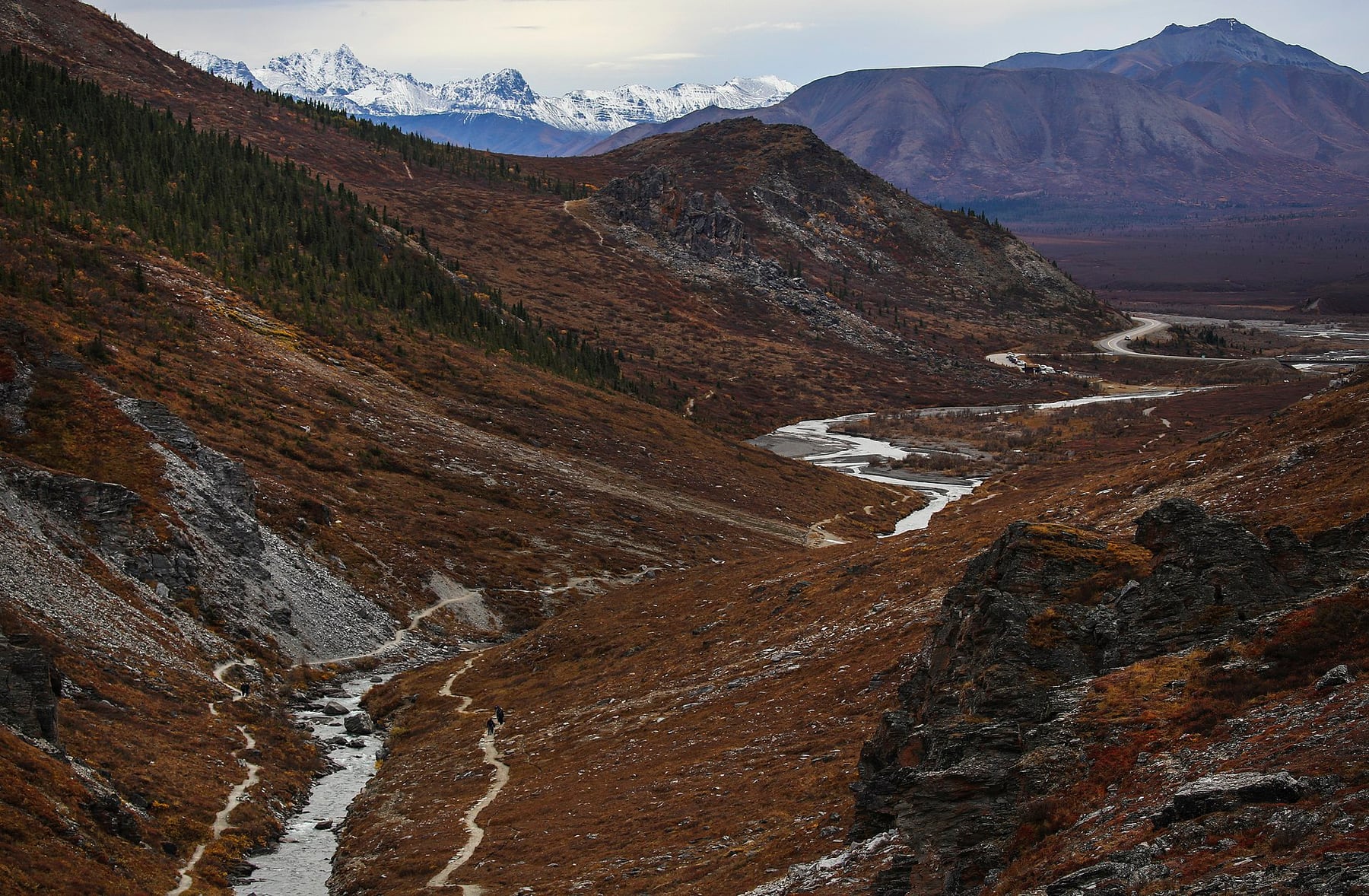
Savage River Loop
An easy 2-mile riverside loop near Mile 15, reachable by private car and a good first taste of the tundra.
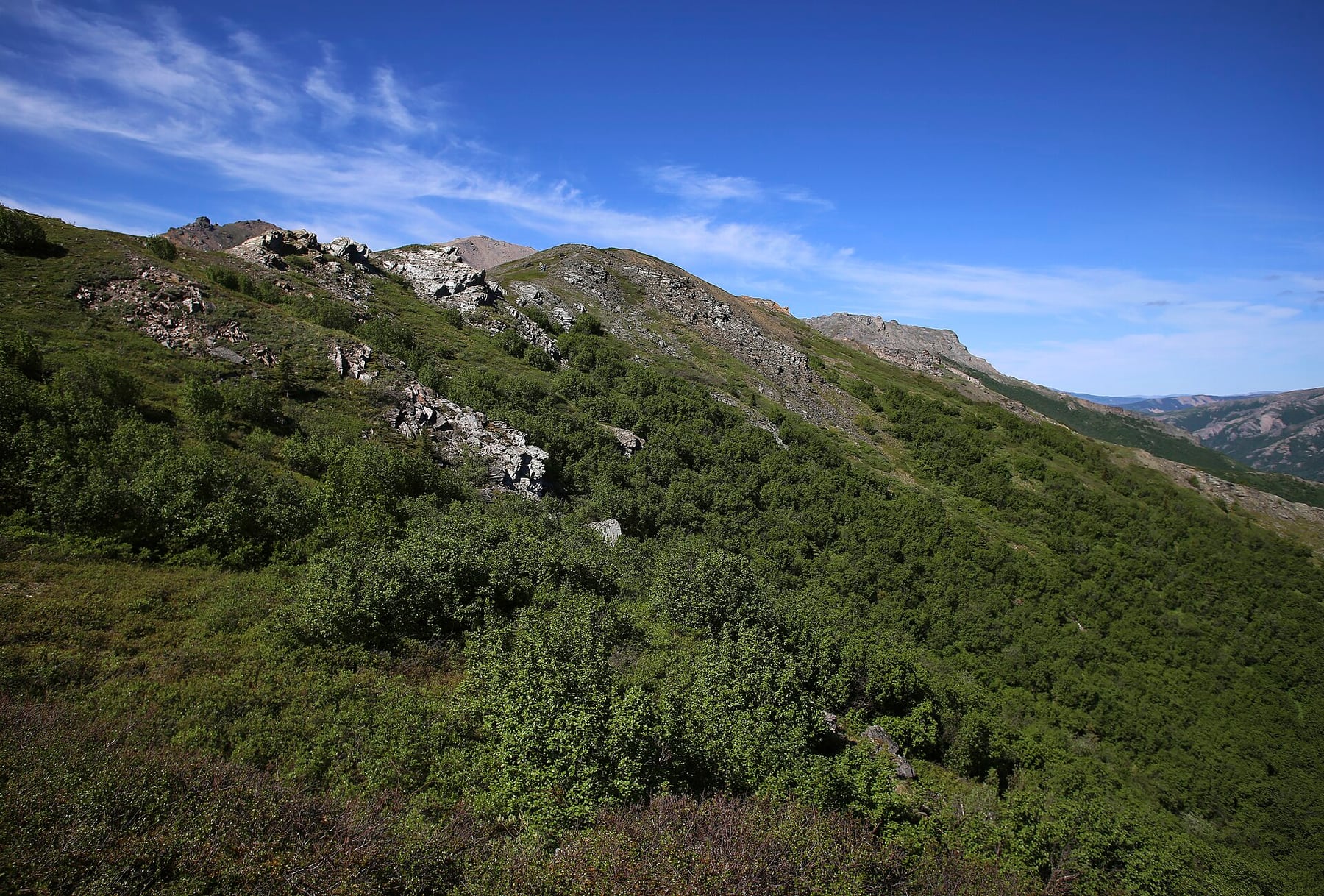
Mount Healy Overlook
A steep day hike from the park entrance with big valley and (on clear days) mountain views.
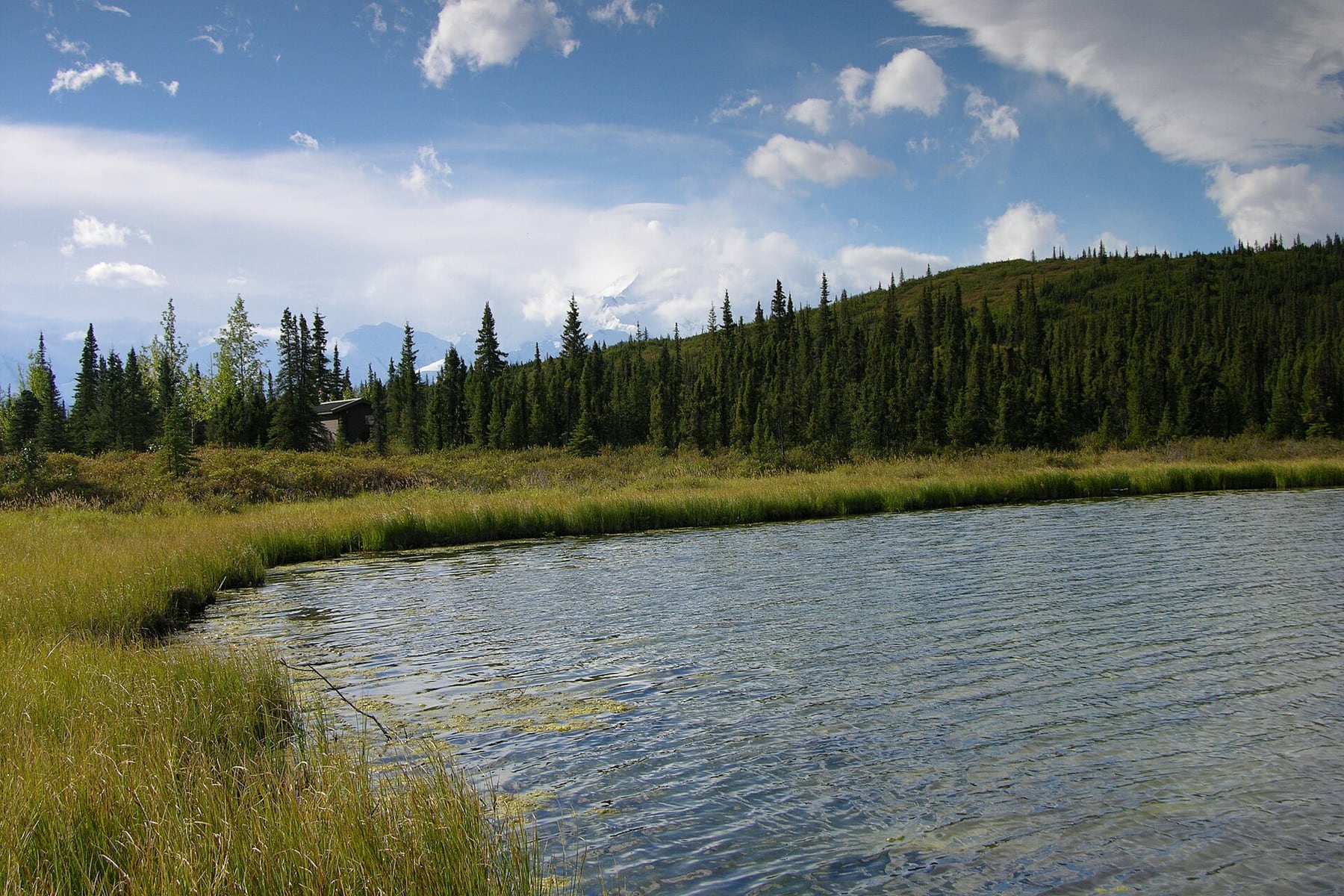
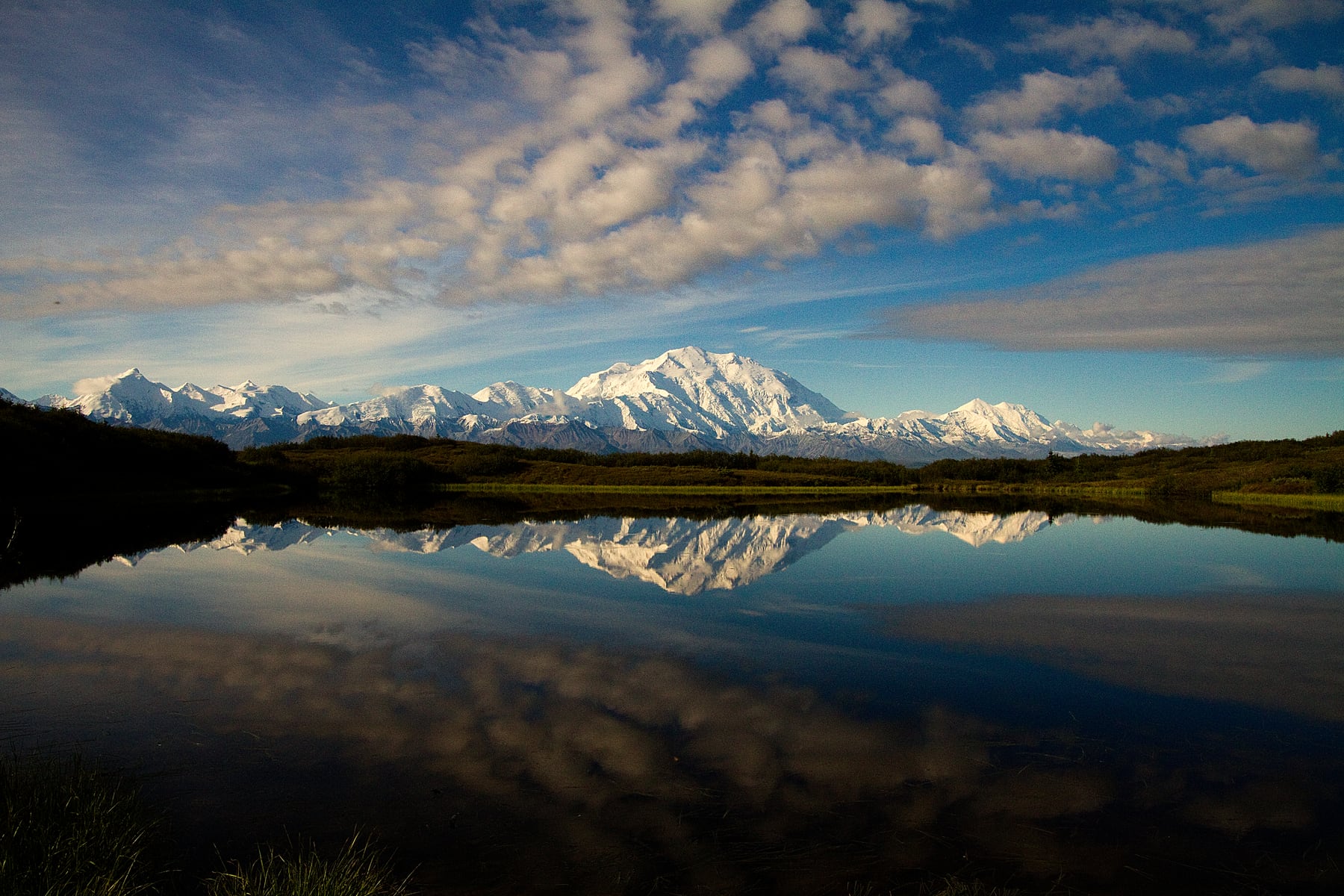
Wonder Lake
A classic reflection of the Alaska Range when the road and weather cooperate, deep in the park.
Anchor the day around Park Road bus ride
Put the access rule first: shuttle, parking, timed-entry, or reservation windows should decide the order of the day. For one day in Denali, make Park Road bus ride the non-negotiable, add Denali (the peak) only if the first stop runs clean, and keep Savage River Loop as the flexible finish.
- 1Start with Park Road bus ride: The single road into the wilderness; a narrated transit or tour bus is how nearly everyone sees the park.
- 2Add Denali (the peak): North America's tallest mountain at 20,310 feet, shy behind clouds most days, unforgettable when it's out.
- 3Use Savage River Loop as the optional finish, not as a reason to rush the whole day.
Where to stay
Stay strategy
Sleep where the first morning stays simple.
Stay strategy
Book around the bus, then choose entrance convenience or quieter nights.
Denali lodging is mostly outside the entrance, while the park experience depends on bus logistics. Stay near the entrance for the easiest bus mornings, Healy for a quieter value base, or camp when you want to live on the Park Road schedule.
- Private cars
- Allowed only to Mile 15 at Savage River
- Road status
- Most traffic currently stops near Mile 43 due to Pretty Rocks
- Closest airport
- Fairbanks, about 120 miles north
- Car-free option
- Seasonal Alaska Railroad service to the park depot
Compare base options
Compare each base by the first morning: where you park, what you ride, and how many decisions happen before the trail or viewpoint.
Paid links: we may earn a commission if you book, at no extra cost to you.
- Best for
- Transit or tour buses, ranger programs, first visits, and no-fuss logistics
- Tradeoff
- Seasonal, busy, and priced for convenience.
Planning detail
Stay here when the bus ride is the trip anchor. It keeps early departures simple and works well if you arrive by train.
- Best for
- Lower-key lodging, more breathing room, and travelers with a rental car
- Tradeoff
- You add a short drive before every park day.
Planning detail
Healy is the sensible move when entrance-area prices spike or you want quieter nights. Keep bus departure times front and center.
- Best for
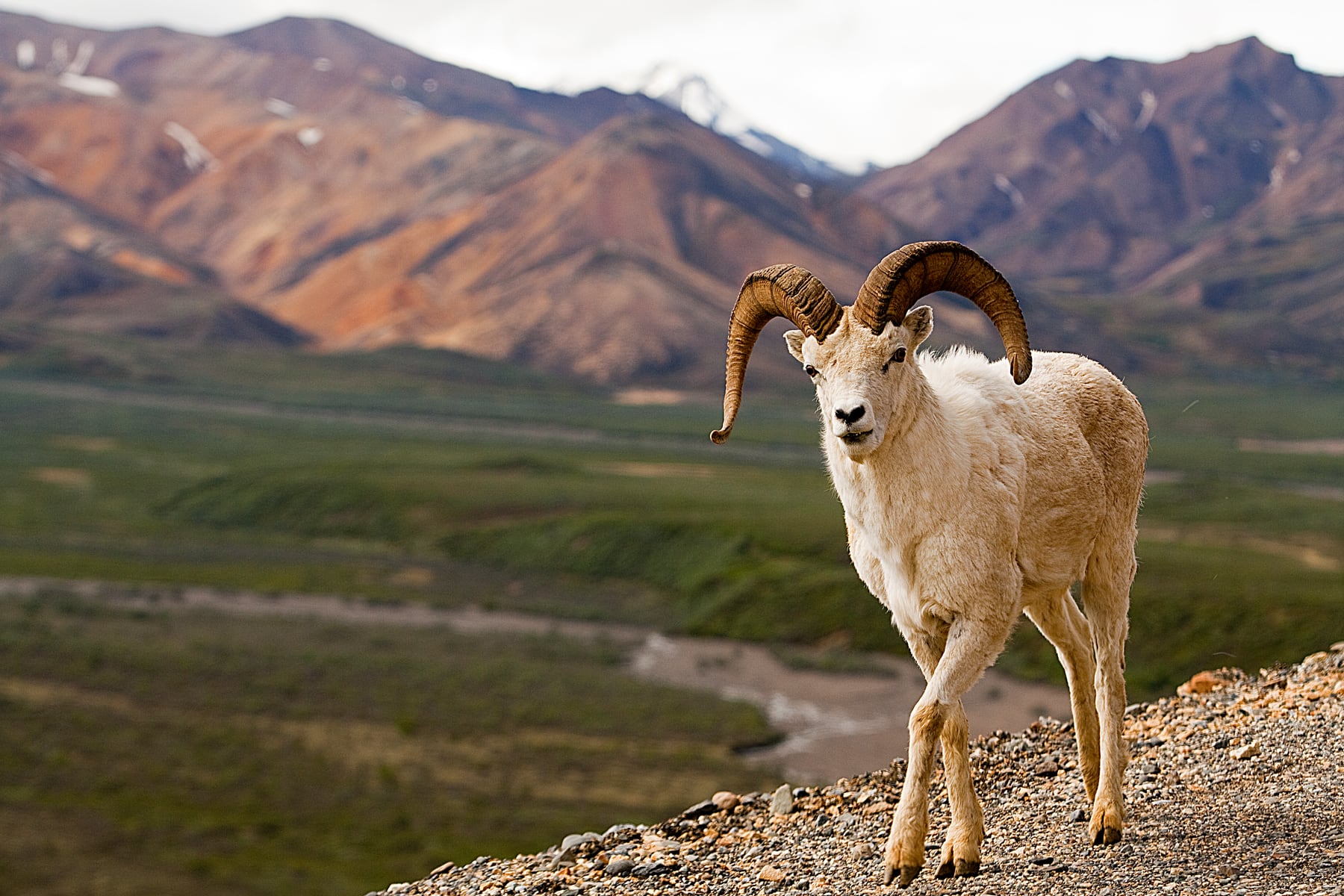
- Long daylight, wildlife watching, and flexible hiking near the road corridor
- Tradeoff
- Rain, mosquitoes, and road closures shape the experience.
Planning detail
Riley Creek near the entrance is the most straightforward camping base. Deeper campgrounds depend on road access and should be checked against current conditions before booking.
- Best for
- Experienced, self-directed wilderness travelers
- Tradeoff
- Navigation, river crossings, wildlife distance, and weather are all on you.
Planning detail
Denali backcountry travel is not trail camping with signs. Go this route only when you are ready to navigate open tundra and carry the right bear and weather systems.
Mountain odds
Give yourself more than one day if seeing Denali itself matters.
Bug reality
A headnet can be the difference between a sublime tundra day and a short temper.
Camping reservations
Camping reservations
Denali campsites book through reservedenali.com (not Recreation.gov) starting December 1, and in 2026 the road only goes to Mile 43.
Denali runs its own reservation system: campsites and bus tickets both book through the park concessioner at reservedenali.com, not Recreation.gov. Five campgrounds are bookable for 2026, but the Pretty Rocks landslide keeps the Park Road closed past Mile 43 (East Fork), so Wonder Lake stays out of reach and every camp you can actually use sits in the road's first 35 miles.
Reviewed June 11, 2026
Booking window
Reservations open December 1 of the year before your visit at reservedenali.com. Summer campsites run $25 to $50 per night.
- Denali does not use Recreation.gov. Campgrounds, shuttle buses, and tour buses all book through the concessioner at reservedenali.com, so do not waste time searching the federal site.
- The Pretty Rocks landslide closes the Park Road past Mile 43 for the entire 2026 season; buses turn around at East Fork and Wonder Lake Campground (Mile 85) remains closed. The park's Polychrome plan targets full bus service deeper into the park in 2027, so check current conditions before planning beyond Teklanika.
- Private vehicles stop at Mile 15 (Savage River). Sanctuary River and Igloo Creek are tent-only camps you reach by camper bus, so your campsite and bus reservations have to line up.
- Riley Creek at the park entrance is the only year-round campground, and winter camping there is free; everything else runs roughly mid-May to mid-September.
Where to book or verify
The only place to book Denali campgrounds and bus tickets; reservations open December 1 for the following season.
Official rundown of all six campgrounds with mileposts, seasons, and current status.
Check road status before you book anything past Savage River.
Check for federal campground, backcountry, tour, and permit inventory tied to this park.
Use this for wilderness permits, timed systems, tours, and other park-specific reservations.
Campgrounds to know
Riley Creek Campground
Details- Booking
- Book at reservedenali.com from December 1.
- Season
- Open year-round; fees charged in summer, free in winter.
- Sites
- Tent and RV sites at Mile 0.25, steps from the park entrance and railroad depot.
- The default base: closest to services, the only campground open all year, and the easiest to pair with any bus departure.
Savage River Campground
Details- Booking
- Book at reservedenali.com from December 1.
- Season
- Mid-May to mid-September.
- Sites
- Tent and RV sites at Mile 14.
- The farthest camp you can reach with your own car, with mountain views on clear days that only Savage River and Wonder Lake can claim.
Teklanika River Campground
Details- Booking
- Book at reservedenali.com from December 1.
- Season
- May 20 to mid-September.
- Sites
- 53 sites for RVs and tents at Mile 29.
- The deepest drive-in camp on the road and the second largest in the park; in 2026 it puts you closest to the Mile 43 turnaround.
Sanctuary River and Igloo Creek
Details- Booking
- Book at reservedenali.com from December 1.
- Season
- May 20 to mid-September.
- Sites
- Small tent-only campgrounds at Mile 22 and Mile 35, reached by camper bus.
- The quiet picks for backpack-style camping without the backcountry permit; you ride the bus in, so pack light.
Wonder Lake Campground
Details- Season
- Closed for 2026: the road past Mile 43 is shut by the Pretty Rocks landslide.
- Sites
- Tent-only sites at Mile 85 with the park's signature Denali reflection views.
- The legendary camp worth waiting for. Watch the NPS Polychrome plan page for reopening news.
Getting there and practical info
Plan the handoff from arrival to shuttle.
Parking, pedestrian entrances, and shuttle timing decide how calmly the first morning starts.
Getting there
Get to Denali, then remove the first-morning friction.
- Nearest airport
- Fairbanks International (FAI), about 120 miles north, roughly a 2.5-hour drive. Anchorage (ANC) is about 240 miles south, a 4 to 5 hour drive.
- Access rhythm
- Plan the last mile
- Region
- Alaska
Car strategy
Denali sits on the Parks Highway (AK-3) between Fairbanks and Anchorage, so it's one of the few Alaska parks you can simply drive to.
Fly in
Fairbanks International (FAI) is the closest major airport, about 120 miles and 2.5 hours north; Anchorage (ANC) is about 240 miles and 4 to 5 hours south.
Car strategy
The Alaska Railroad runs a seasonal route from both cities right to the park depot, a popular car-free option.
Book ahead
- Rental cars at Fairbanks International (FAI)Paid link, Economybookings
- Guided tours in DenaliPaid link, Viator
Paid links: we may earn a commission if you book, at no extra cost to you.
Pair this with lodging: sleep where the park transfer is simple, especially if your route needs an early start.
Plan your trip
Build one complete pack brief from Denali's season, activity, and trip length. Fine-tune an individual calculation only if you need it.
Fine-tune water, pack size, warmth, or stove fuel
Build around conditions
Let season, elevation, and weather set the plan.
Plan your trip
4 quick tools, already seeded for Denali. Tune the numbers around temperature swings, footing, layers, and how much margin the route needs.
What to pack
Start with the gear decisions Denali changes: water, footing, weather, and overnight needs. The checklist is there once your route and dates are set.
Kit Authority
Denali packing list
0 of 22 packed. Check items as you pack, then take this list to the store, trailhead, or campsite.
Pack planning
Decide what Denali asks of your kit before you start checking boxes.
Use this as a constraint check while you are still shaping the trip. The active checklist becomes useful once your route, dates, and sleep plan are set.
- First constraintHydration and exposureWater, hat, sunscreen, sunglasses, Navigationmap, downloaded GPS, or a GPS watch, 3 more
- Route realityFooting and tractionHiking boots, Hiking socks, Trekking poles
- Load choicePack and carry systemBackpacking pack
- If overnightSleep and shelterBackpacking tent, Sleeping bag, Sleeping pad, 1 more
Checklist mode
22 items, grouped for the trip you are actually taking.
- Dates and season are set.
- Primary route, campground, or lodge is chosen.
- Water, footwear, and overnight needs are sized.
One researched pick
The first gear decision for Denali
An 8x42 binocular is the useful middle ground between reach, field of view, and all-day carry weight.
We may earn a commission from links on this page, at no extra cost to you. Product prices and availability are accurate as of the date/time indicated and are subject to change. Any price and availability information displayed on Amazon at the time of purchase will apply to the purchase of this product.
THE WILDLIFE PICK
Vortex Diamondback HD 8x42 Binoculars
Best Value
Kit Score 9.0/10
$239.00 Price checked Oct 24, 5:42 AM CDT
Best for: Hikers and birders who want genuine HD optics and a class-leading warranty without paying mid-range prices.
- Exceptional brightness and contrast for the price: measured light transmission outperforms comparably priced models
- Some chromatic aberration visible at the edges of the field in high-contrast scenes
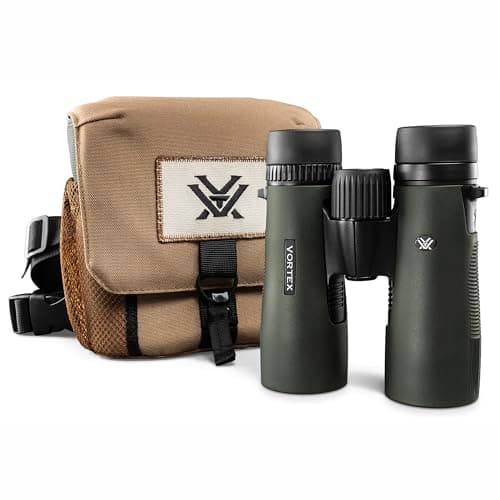
- Magnification
- 8x
- Objective lens
- 42 mm
- Weight
- 21.8 oz (618 g)
- Field of view
- 393 ft at 1,000 yds (7.5 deg)
- Eye relief
- 17 mm
- Waterproof / fogproof
- Yes, argon-purged, O-ring sealed
About this pick
The Diamondback HD delivers HD glass, dielectric and phase-corrected coatings, and a wide 393-foot field of view at a street price well below its MSRP. Reviewers and birders routinely note it performs like binoculars costing twice as much, and Vortex backs it with an unlimited, unconditional transferable warranty.
Strengths
- Exceptional brightness and contrast for the price: measured light transmission outperforms comparably priced models
- Wide field of view aids bird-finding and tracking fast-moving wildlife
- Vortex VIP warranty is unlimited and unconditional, no receipt required
Weaknesses
- Some chromatic aberration visible at the edges of the field in high-contrast scenes
- At 21.8 oz it is on the heavier end for ultralight backpackers
Kit Score breakdown
Gear for Denali
The buying guides that match what Denali asks of your kit. Each one has our current top picks across budget and use case.
Can you photograph here? Permit and drone rules
Denali needs no permit for small-group still photography; permitted shoots pay a $200 application fee and the real constraint is the bus-only park road.
- Permit
- Usually fine for personal shoots; commercial or large productions can need a permit
- Drones
- Effectively banned: launching, landing, or operating a drone within park boundaries is prohibited
- Land
- Yes for personal and editorial photography throughout the park
From our photography sister site, Aperture Authority. Verified 2026-07-01.
Frequently asked questions
Can you drive your own car into Denali National Park?
Only partway. Private vehicles can drive the first 15 miles of the Park Road to the Savage River, and that's it. To travel deeper you must take a shuttle or tour bus during the summer season. There is also a fall road lottery that lets a limited number of winners drive farther for a few days in September.
Will I actually see Denali, the mountain?
Maybe. The peak is so tall it creates its own weather and stays wrapped in clouds roughly two out of three days. Visitors who see the full mountain join the unofficial '30% Club.' Give yourself multiple days and clear-morning odds, and treat a clear view as a bonus rather than a guarantee.
When is the best time to visit Denali?
Mid-June through mid-September, when the buses run and the road is fully serviced. Summer brings long daylight and the best wildlife viewing but also rain and mosquitoes. Late August into early September adds gorgeous fall tundra color before the snow returns.
Is the Denali Park Road open all the way?
Not currently. The Pretty Rocks landslide has closed the road past about Mile 43 (the East Fork area), so buses cannot reach the far end including Wonder Lake and Kantishna. The park is building a bridge with reopening targeted around 2027, so check current conditions on nps.gov before you plan a deep-park trip.
Keep planning
Nearby parks
 Kenai FjordsTidewater glaciers, the vast Harding Icefield, and whale-filled fjords a short drive or boat ride from Seward.
 Wrangell-St. EliasThe largest national park in the U.S., a 13-million-acre wilderness of giant peaks, glaciers, and a ghost-town copper mine.
 Lake ClarkA roadless Alaska wilderness of volcanoes, turquoise lakes, and coastal brown bears, reached only by bush plane.