When to go
Conditions, crowds, and what each season asks you to pack.
Spring
Highs from the 30s into the 50s F, with mud, lingering snow, and rough road conditions as things thaw.
Pack Waterproof boots, layers, and patience for muddy gravel roads.
Summer
Highs in the 60s to low 70s F, long daylight, cool nights, and frequent rain.
Pack Rain shell, bug headnet, sturdy boots, and microspikes for glacier walks.
Fall
Highs in the 40s and 50s F, brilliant tundra color, and the first snows by late September.
Pack Warm insulating layers, gloves, and a windproof jacket.
Winter
50F
Bitter cold with interior lows that can reach -50F, deep snow, and very short days.
Pack Expedition-grade insulation, traction, and full cold-weather survival gear.
Crowds by month, from NPS visit counts
Busiest: July. An average July brings about 31,300 recreation visits to Wrangell-St. Elias, roughly 1,010 a day. Peak crowds run July to August.
Quietest: January. About 25 visits, <1% of the busiest month. Crowds stay low September to May.
- Low
- Moderate
- High
- Peak
Bar height is each month's average visits compared with the busiest month. Low is under 25% of that peak, Moderate 25 to 49%, High 50 to 74%, Peak 75% and up.
See the monthly numbers
| Month | Avg visits | Share of year | Crowds |
|---|---|---|---|
| January | 25 | <1% | Low |
| February | 95 | <1% | Low |
| March | 230 | <1% | Low |
| April | 520 | <1% | Low |
| May | 5,297 | 6% | Low |
| June | 21,576 | 24% | High |
| July | 31,254 | 35% | Peak |
| August | 23,728 | 26% | Peak |
| September | 6,255 | 7% | Low |
| October | 530 | <1% | Low |
| November | 60 | <1% | Low |
| December | 35 | <1% | Low |
Source: NPS Visitor Use Statistics, monthly recreation visits, averaged over 2023–2025. October and November 2025 are left out of the averages because of the federal government shutdown. Visits count entries, not unique people. NPS monthly report for Wrangell-St. Elias · Crowd calendar for all 63 parks
Wrangell-St. Elias weather by month
Average daily highs and lows, plus monthly precipitation, from NOAA's 1991-2020 climate normals for McCarthy, near Kennecott. Shaded months are the park's best season. Tap a month to build a pack list for it.
| Month | Jan | Feb | Mar | Apr | May | Jun | Jul | Aug | Sep | Oct | Nov | Dec |
|---|---|---|---|---|---|---|---|---|---|---|---|---|
| High (F) | 6 | 21 | 33 | 48 | 62 | 70 | 71 | 67 | 56 | 39 | 17 | 9 |
| Low (F) | -9 | -1 | 4 | 22 | 31 | 39 | 43 | 40 | 33 | 20 | 2 | -4 |
| Precip (in) | 0.9 | 1.1 | 0.4 | 0.3 | 0.9 | 1.6 | 2.5 | 2.7 | 2.6 | 2.2 | 1.5 | 1.1 |
| Snow (in) | 13.2 | 7.9 | 5.4 | 2.5 | 0.6 | 0.0 | 0.0 | 0.0 | 2.7 | 9.4 | 13.5 | 11.3 |
Station MCCARTHY 3 SW (USC00505757), 1,250 ft, about 6 miles from Kennecott Visitor Center.
Source: NOAA NCEI U.S. Climate Normals, 1991-2020 monthly averages. Averages describe a typical year, not a forecast; check current conditions and alerts before you go. Precipitation includes the water in melted snow.
Top things to do
Kennecott Mines National Historic Landmark
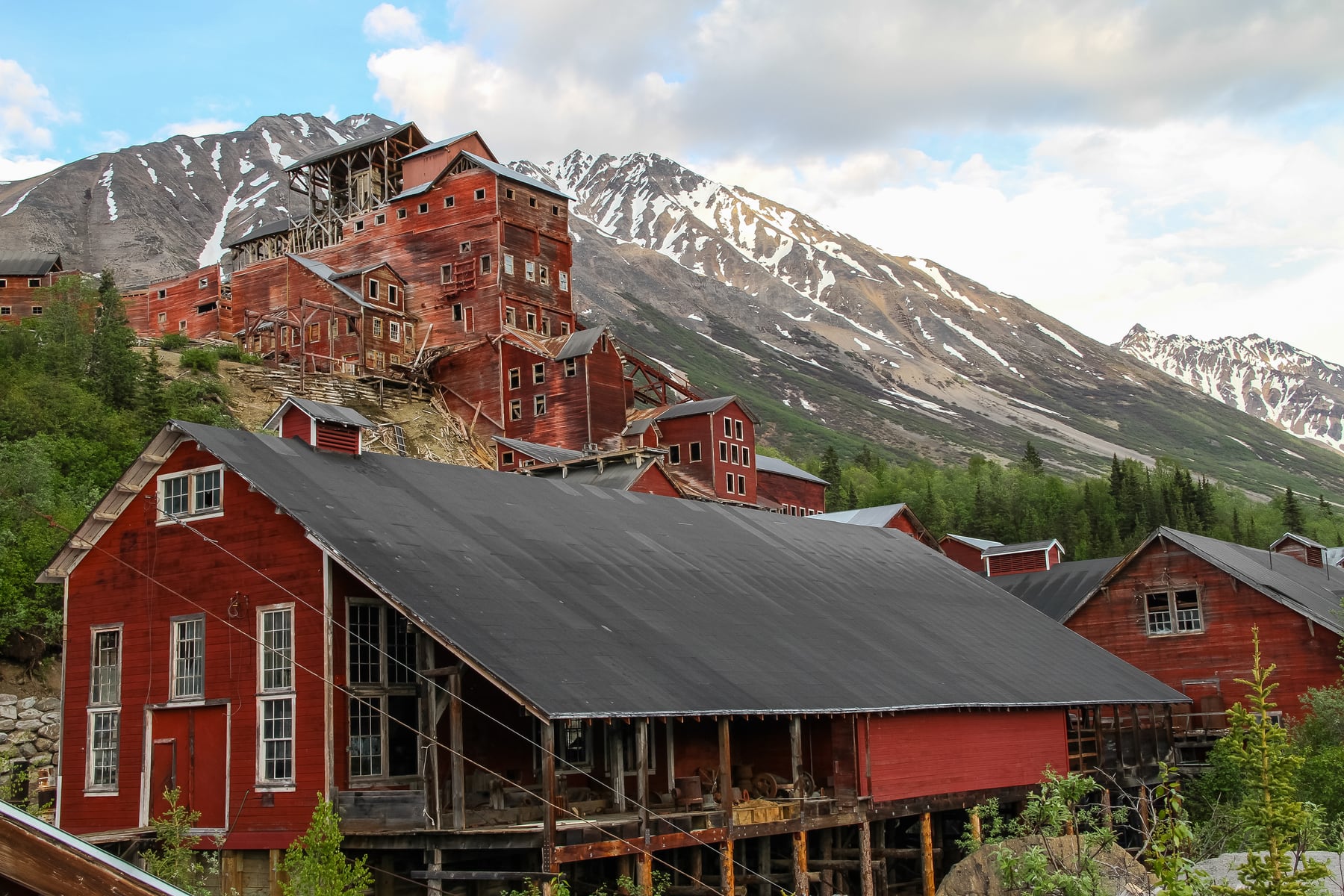
A preserved early-1900s copper mill town with towering red buildings you can tour.
Root Glacier Trail
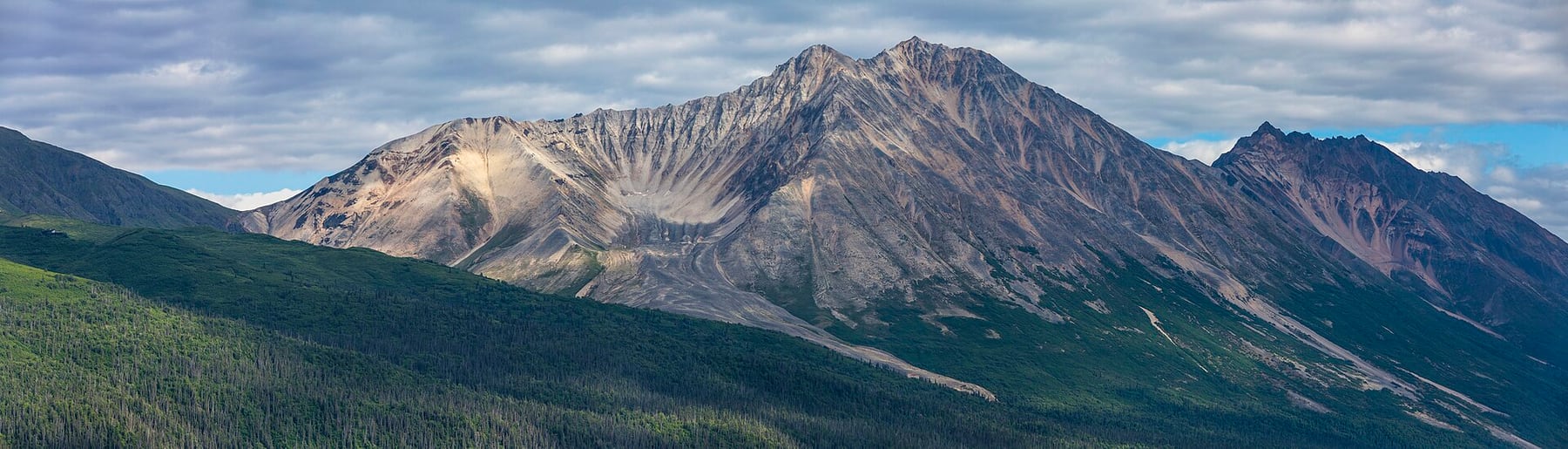
An accessible hike from Kennecott out onto a real glacier, ideal with a guide and microspikes.
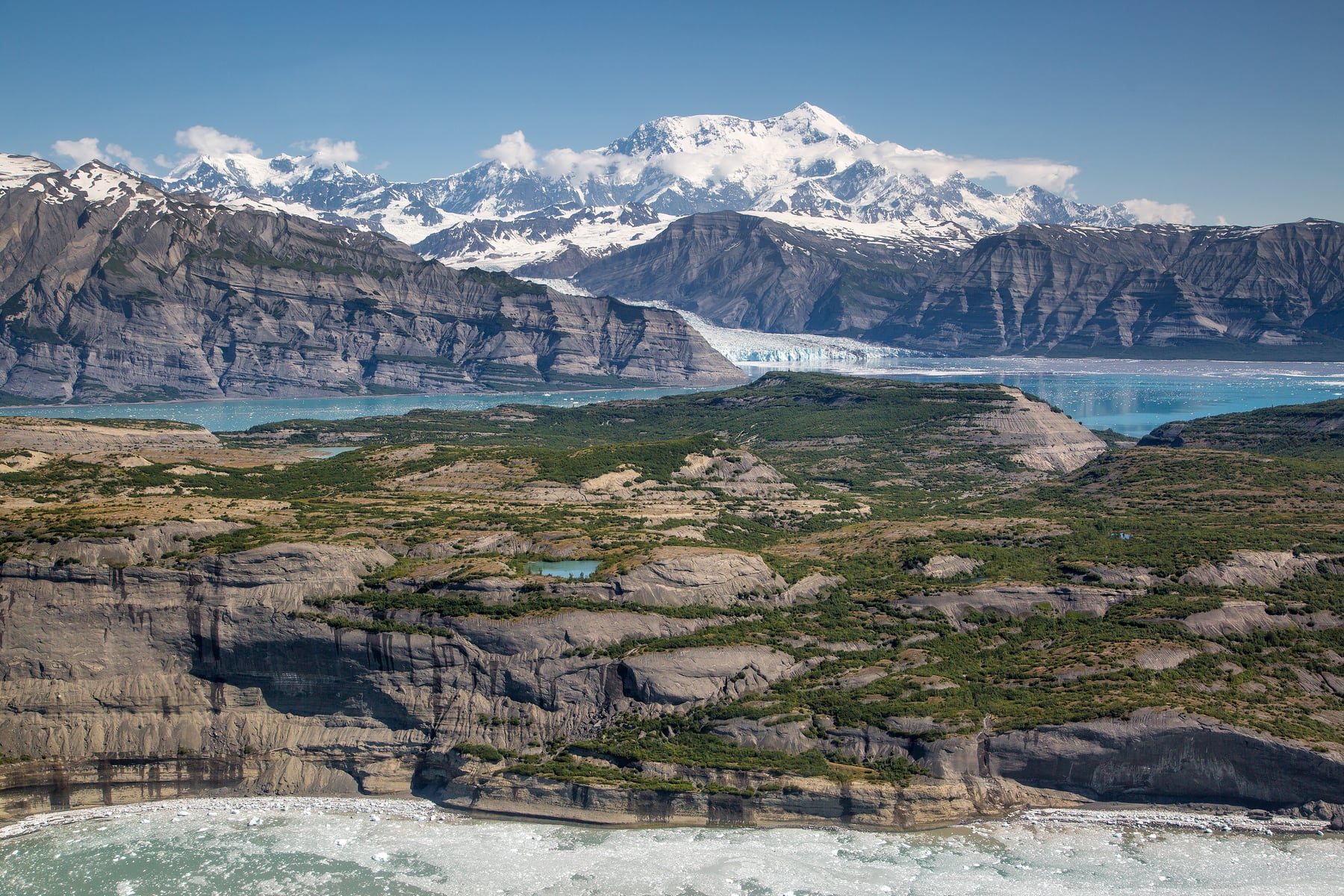
Mount St. Elias
At 18,008 feet, the second-tallest peak in the U.S., rising almost straight from the sea.
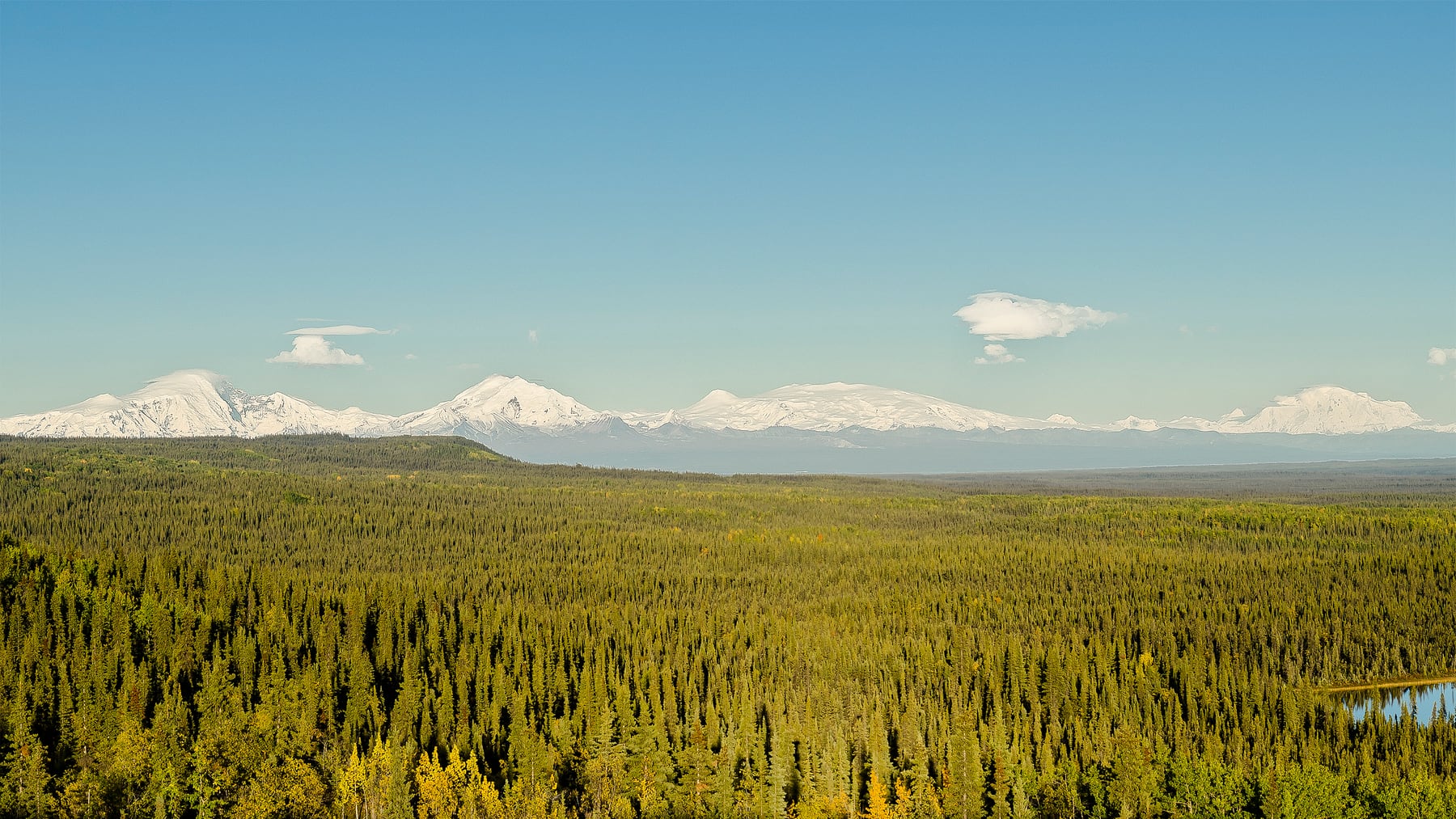
Mount Wrangell
A massive active volcano with an ice-filled summit caldera, visible across the western park.
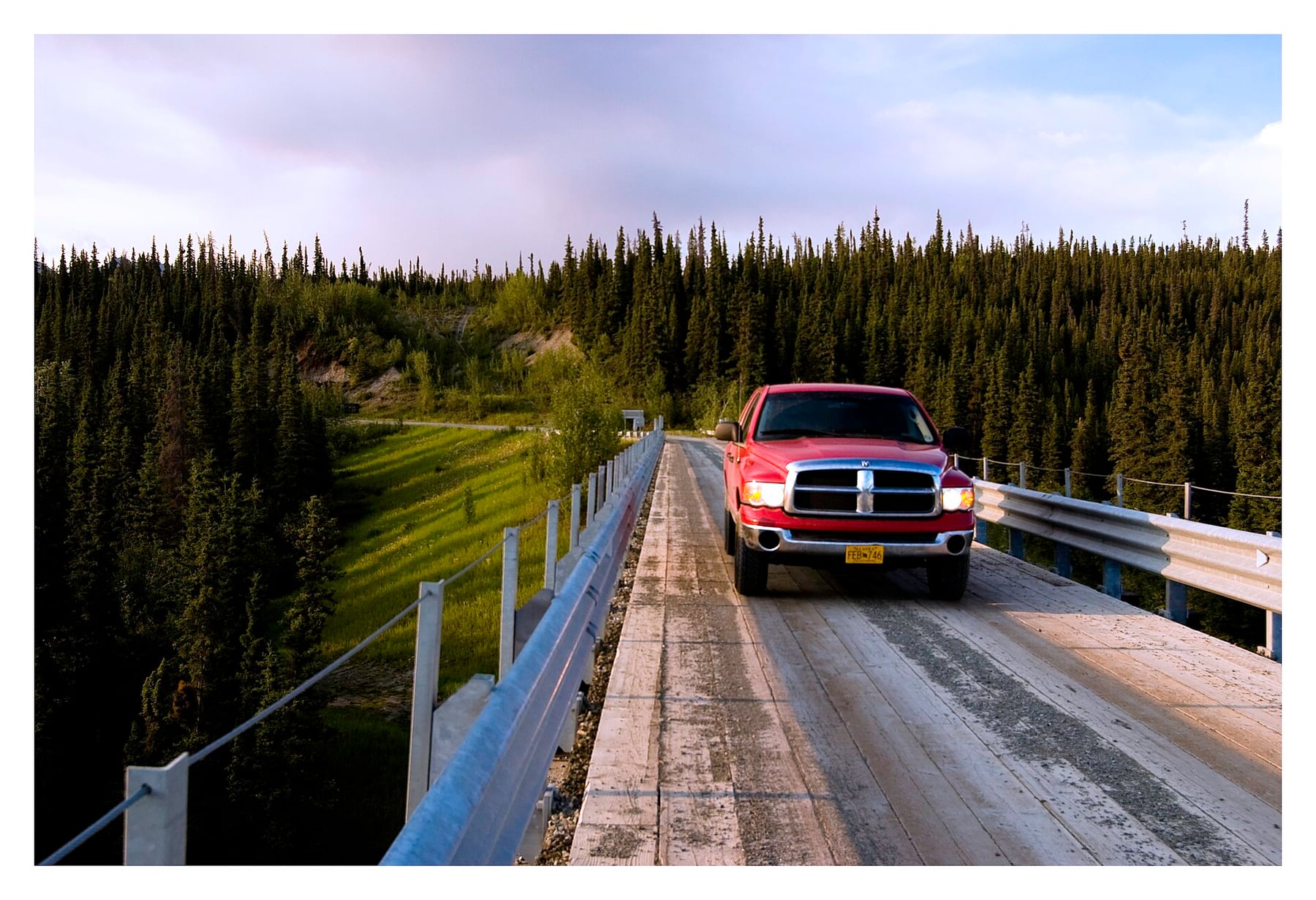
McCarthy Road and Kuskulana Bridge
A rugged 60-mile gravel route to the heart of the park, crossing a dramatic old railroad trestle.
Anchor the day around Kennecott Mines National Historic Landmark
Treat transport weather as part of the itinerary, with a real buffer day instead of a tight turnaround. For one day in Wrangell-St. Elias, make Kennecott Mines National Historic Landmark the non-negotiable, add Root Glacier Trail only if the first stop runs clean, and keep Mount St. Elias as the flexible finish.
- 1Start with Kennecott Mines National Historic Landmark: A preserved early-1900s copper mill town with towering red buildings you can tour.
- 2Add Root Glacier Trail: An accessible hike from Kennecott out onto a real glacier, ideal with a guide and microspikes.
- 3Use Mount St. Elias as the optional finish, not as a reason to rush the whole day.
Where to stay
Stay strategy
Sleep where the first morning stays simple.
Stay strategy
Base in McCarthy or Kennecott only if you accept the road, or fly in.
Wrangell-St. Elias is an access decision disguised as a lodging decision. McCarthy and Kennecott put you near the mill town and Root Glacier, Copper Center and Glennallen are staging bases, and the deep backcountry usually begins with a bush plane.
- Main route
- McCarthy Road, about 60 miles of gravel from Chitina
- Drive time
- Chitina to McCarthy area often takes 2 to 3 hours
- NPS camping
- No typical road-accessible developed campgrounds
- Deep access
- Bush planes are common for backcountry routes
Compare base options
Compare each base by the first morning: where you park, what you ride, and how many decisions happen before the trail or viewpoint.
Paid links: we may earn a commission if you book, at no extra cost to you.
Historic core
McCarthy and Kennecott
McCarthy Road guide- Best for
- Kennecott Mines, Root Glacier, guided glacier walks, and the classic first visit
- Tradeoff
- The gravel road, footbridge logistics, and limited services require patience.
Planning detail
This is the right base when the trip is about Kennecott and Root Glacier. Arrive with fuel, food, a tire plan, and realistic expectations for a slow road.
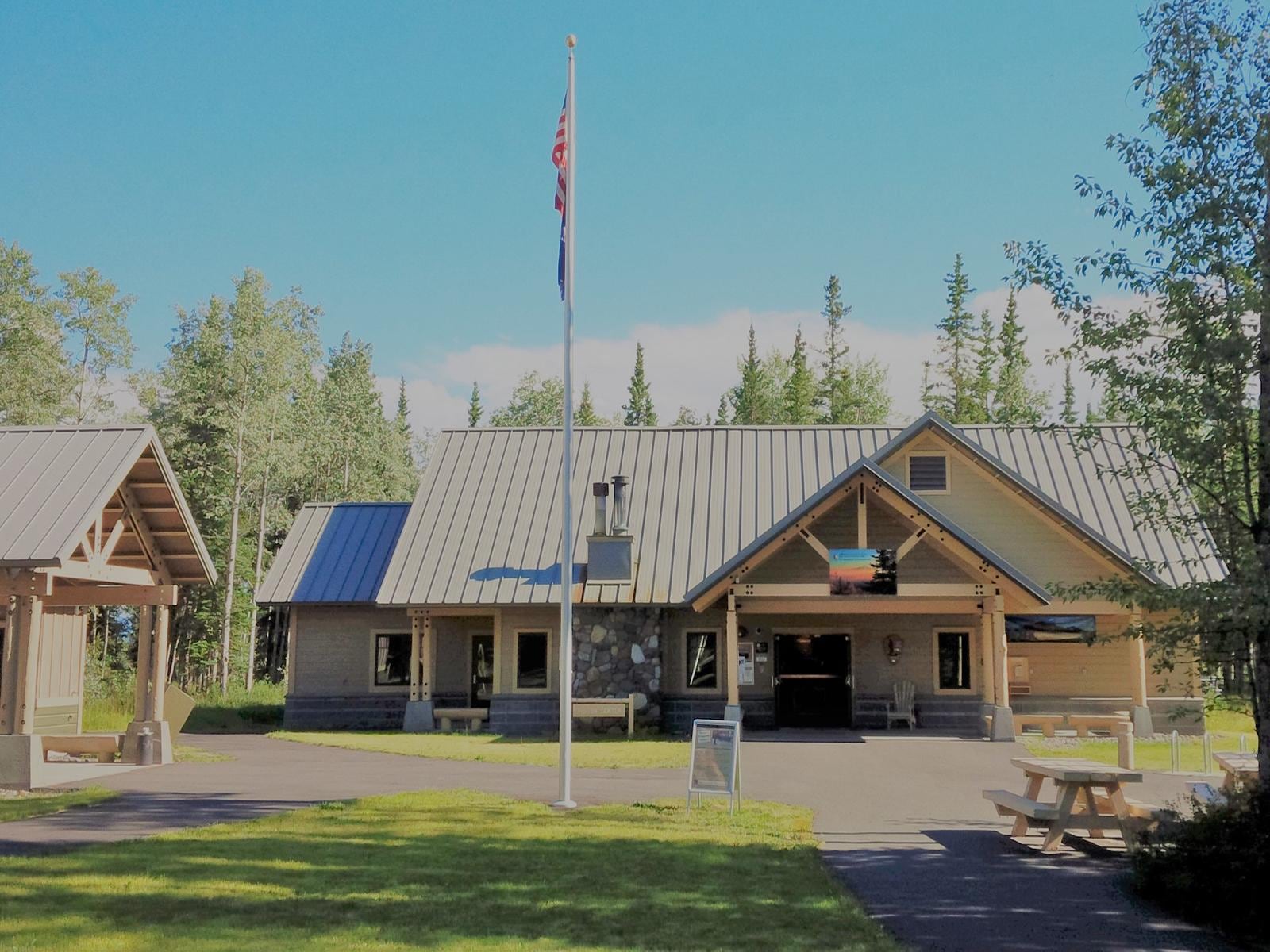
Staging towns
Copper Center, Glennallen, or Chitina
- Best for
- Fuel, groceries, first-night staging, and travelers not ready for the full gravel push
- Tradeoff
- Too far from Kennecott for a relaxed daily commute.
Planning detail
Use these towns to stock up, visit the Copper Center side, or break the long Anchorage drive. They are not a substitute for staying near McCarthy if Root Glacier is the priority.
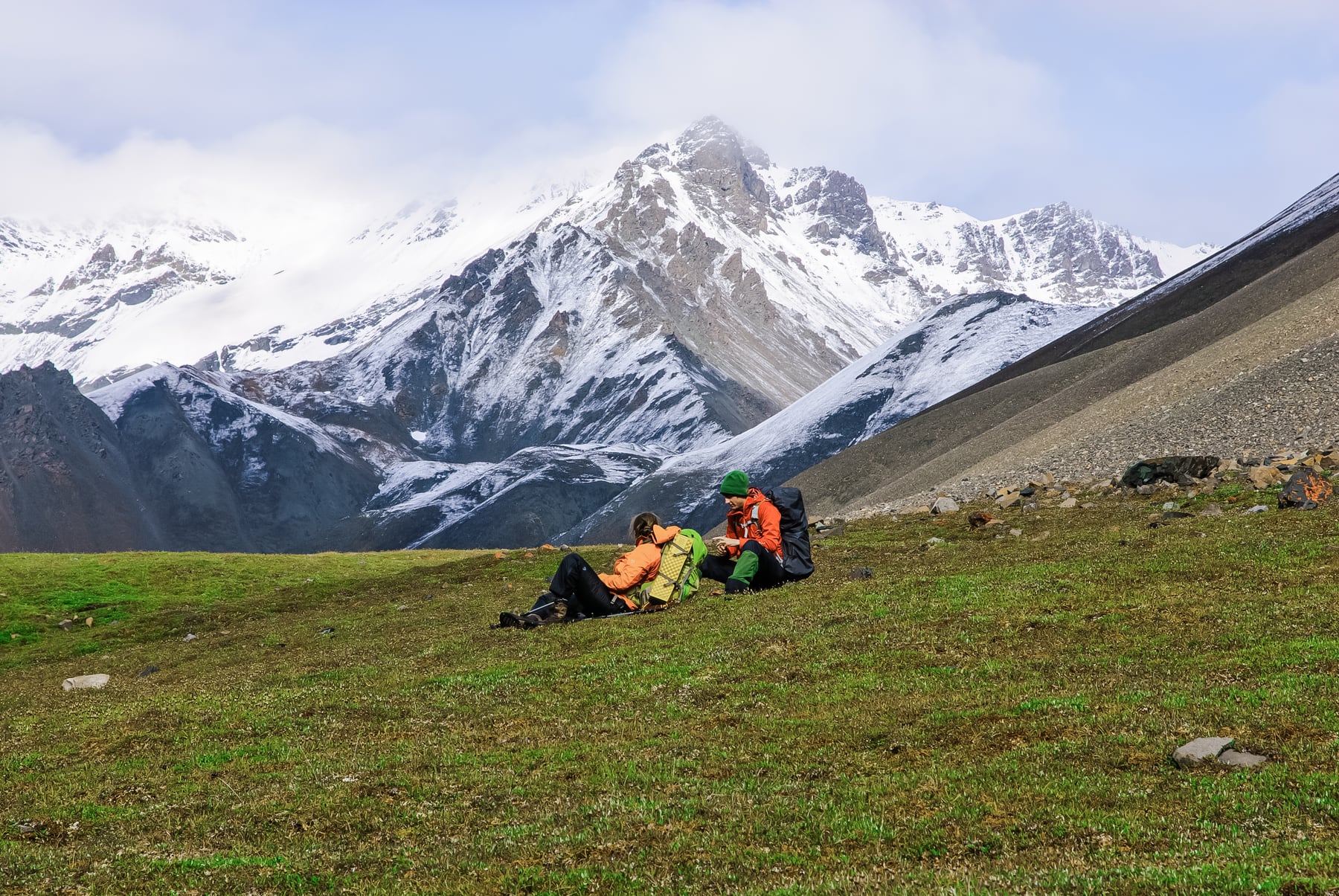
- Best for
- Experienced wilderness travelers, glacier routes, and remote alpine basins
- Tradeoff
- Weather, river crossings, glacier hazards, and pilot coordination drive the itinerary.
Planning detail
This is the big-park version of Wrangell-St. Elias, and it demands real Alaska systems. Plan with flight operators, carry conservative gear, and leave schedule slack.
Private camp
McCarthy-area private campgrounds
- Best for
- Lower-cost access to the Kennecott corridor with a vehicle-based setup
- Tradeoff
- Facilities vary, and you still need to manage the footbridge or shuttle logistics.
Planning detail
Private camping near the end of the road can be the best value for the historic core. Confirm access rules and services before you commit.
Road day
Treat the McCarthy Road as an activity, not a normal transfer.
Gear bias
Bring layers, rain gear, and tire confidence before worrying about optional luxury items.
Camping reservations
Camping reservations
Wrangell-St. Elias camping is free and first come: Kendesnii on the Nabesna Road, primitive pullouts, and rustic fly-in cabins.
The park's only developed campground is Kendesnii at Mile 28 of the gravel Nabesna Road: ten free sites, no reservations. Beyond that, camping means free primitive pullouts along the Nabesna Road, private campgrounds near McCarthy at the other road's end, and a scattering of rustic public use cabins, most of them fly-in and none of them bookable on Recreation.gov.
Reviewed June 11, 2026
Booking window
Nothing books online. Kendesnii and the roadside pullouts are strictly first come, first served; four public use cabins (Viking Lodge, Caribou Creek, Nugget Creek, and Esker Stream) can be reserved by email request up to six months ahead.
- Kendesnii Campground is free with no reservation system: ten sites with picnic tables, fire rings, and two vault toilets at Mile 28 of the Nabesna Road.
- The park's public use cabins are not on Recreation.gov: four take reservations through an email form up to six months out (ask at least two weeks ahead from May through September), the rest are first come, and stays cap at 7 nights in any 30 days. Carry a tent in case a first-come cabin is occupied.
- Cabins are rustic and not regularly maintained: pit-toilet outhouse, no running water, and the park stocks no firewood or supplies. Most are reachable only by small plane to a remote airstrip.
- There is no potable water along the Nabesna Road after Slana, so treat everything you pull from creeks and lakes.
Where to book or verify
Kendesnii plus the named primitive pullouts, all free and first come, first served.
Cabin list, conditions, stay limits, and the email reservation process for the four reservable cabins.
Mile-by-mile road guide, including waysides and the Caribou Creek cabin trailhead.
Camping options along the McCarthy Road and near Kennecott. Check it for current rules and private-land cautions.
Check for federal campground, backcountry, tour, and permit inventory tied to this park.
Viking Lodge, Caribou Creek, Nugget Creek, and Esker Stream reserve by email form up to six months ahead; all other cabins are first come, first served.
Use this for wilderness permits, timed systems, tours, and other park-specific reservations.
Campgrounds to know
Kendesnii Campground
Details- Season
- Check the NPS page for the current season.
- Sites
- 10 sites suited to tents and small-to-medium RVs, with picnic tables, fire rings, and two vault toilets at Mile 28 of the Nabesna Road.
- The only NPS-developed campground in America's largest national park, and it rarely fills like lower-48 campgrounds do.
Nabesna Road primitive pullouts
Details- Season
- Snow-free months; the road itself is gravel and weather-dependent.
- Sites
- Primitive pullouts at Rufus Creek, Kettle Lake, Dead Dog Hill, Rock Lake, and Jack Creek that fit a tent, pickup camper, or small-to-medium RV.
- Bring water or treat it: there is no potable supply after Slana.
Getting there and practical info
Make the transfer plan before the trail plan.
Weather windows, boat schedules, flight buffers, and backup days shape what is realistic.
Getting there
Get to Wrangell-St. Elias by solving the transfer first.
- Nearest airport
- Ted Stevens Anchorage International (ANC), roughly a 7-8 hour, 300-plus mile drive to the McCarthy Road end; small bush flights connect Chitina and McCarthy
- Access rhythm
- Plan the last mile
- Region
- Alaska
Car strategy
From Anchorage it is roughly a 7 to 8 hour drive of more than 300 miles: take the Glenn Highway to Glennallen, then the Richardson Highway south to Chitina, where the pavement ends.
Car strategy
From Chitina the McCarthy Road runs about 60 miles of gravel to the Kennicott River footbridge near McCarthy, a slow 2 to 3 hour drive.
Car strategy
The separate Nabesna Road enters the park's north side off the Tok Cutoff.
Book ahead
- Rental cars at Ted Stevens Anchorage International (ANC)Paid link, Economybookings
- Guided tours in Wrangell-St. EliasPaid link, Viator
Paid links: we may earn a commission if you book, at no extra cost to you.
Pair this with lodging: the best base is the one that protects the departure window, pickup point, or weather buffer.
Plan your trip
Build one complete pack brief from Wrangell-St. Elias's season, activity, and trip length. Fine-tune an individual calculation only if you need it.
Fine-tune water, pack size, warmth, or stove fuel
Build around access
Plan the transfer before the trail list.
Plan your trip
4 quick tools, already seeded for Wrangell-St. Elias. Tune the route, pack weight, weather margin, and overnight setup after the access plan is real.
What to pack
Start with the gear decisions Wrangell-St. Elias changes: water, footing, weather, and overnight needs. The checklist is there once your route and dates are set.
Kit Authority
Wrangell-St. Elias packing list
0 of 22 packed. Check items as you pack, then take this list to the store, trailhead, or campsite.
Pack planning
Decide what Wrangell-St. Elias asks of your kit before you start checking boxes.
Use this as a constraint check while you are still shaping the trip. The active checklist becomes useful once your route, dates, and sleep plan are set.
- First constraintHydration and exposureWater, hat, sunscreen, sunglasses, Navigationmap, downloaded GPS, or a GPS watch, 3 more
- Route realityFooting and tractionHiking boots, Hiking socks, Trekking poles
- Load choicePack and carry systemBackpacking pack
- If overnightSleep and shelterBackpacking tent, Sleeping bag, Sleeping pad, 1 more
Checklist mode
22 items, grouped for the trip you are actually taking.
- Dates and season are set.
- Primary route, campground, or lodge is chosen.
- Water, footwear, and overnight needs are sized.
One researched pick
The first gear decision for Wrangell-St. Elias
A dependable water treatment system protects the plan when carried capacity is not enough for the route.
We may earn a commission from links on this page, at no extra cost to you. Product prices and availability are accurate as of the date/time indicated and are subject to change. Any price and availability information displayed on Amazon at the time of purchase will apply to the purchase of this product.
THE BACKCOUNTRY PICK
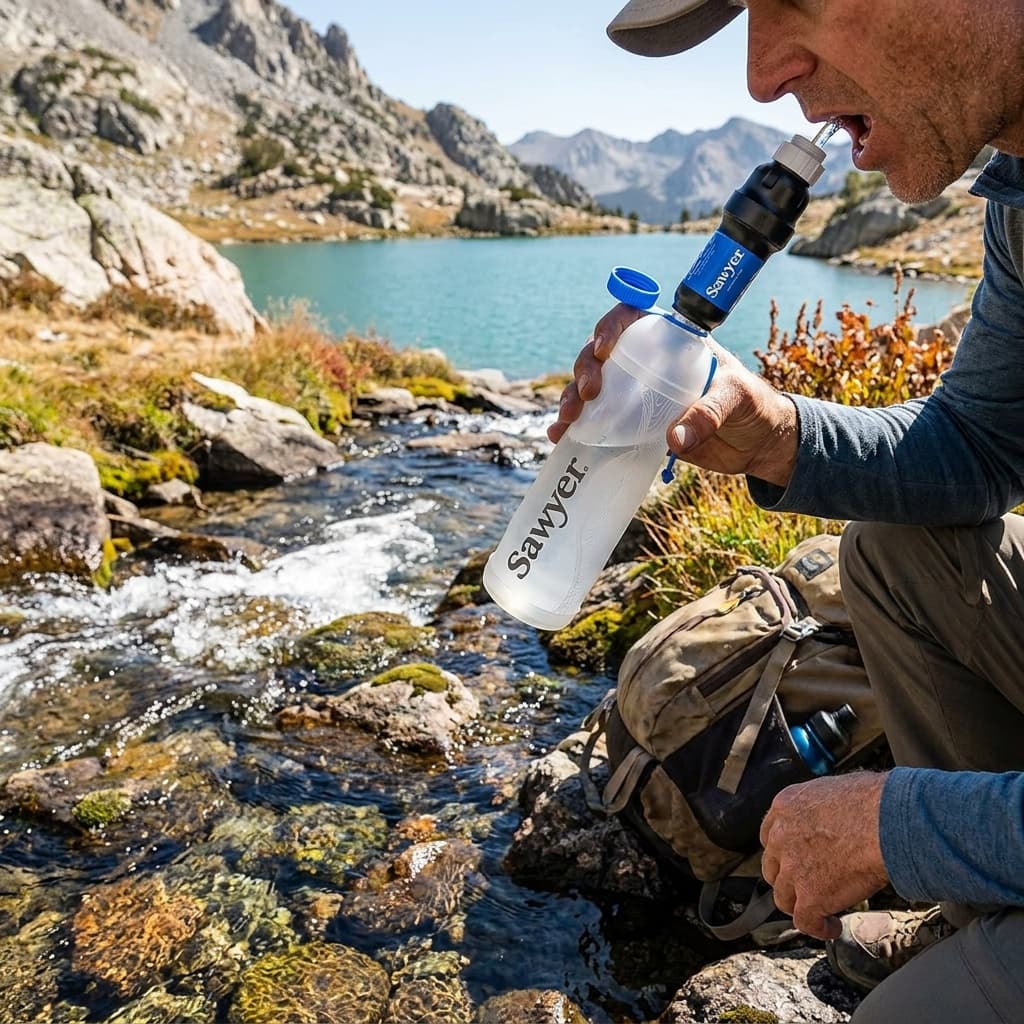
Sawyer Squeeze Water Filtration System
Best Overall
Kit Score 8.7/10
$59.95 Price checked Oct 23, 4:16 PM CDT
Best for: Thru-hikers, solo backpackers, and anyone who wants one filter that covers day trips through long-distance routes without worrying about filter replacement.
- 100,000-gallon rated lifespan with backflush cleaning means a single filter can last a decade of regular use
- The new SP302 and SP303 bundle SKUs have limited review history; the original SP131 (the basis for the large review corpus) is no longer available as a standalone purchase
- Filter type
- Hollow fiber squeeze
- Pore size
- 0.1 micron absolute
- Weight (filter only)
- 3 oz
- Flow rate
- 1.7 L/min
- Lifespan
- 100,000 gallons
- Removes
- Bacteria, protozoa, microplastics
About this pick
The Sawyer Squeeze is the most field-tested squeeze filter on the market, carried by a large share of PCT thru-hikers for its combination of fast flow, a practically unlimited lifespan, and three usable modes: squeeze, inline with a hydration bladder, or gravity-fed. It is the standard by which most other backpacking filters are measured.
Strengths
- 100,000-gallon rated lifespan with backflush cleaning means a single filter can last a decade of regular use
- Versatile three-mode operation: squeeze direct, attach inline to a hydration reservoir, or rig as a gravity system at camp
- Current SP302 kit ships with a CNOC TPU bottle rather than the flimsy standard pouches, addressing the most common long-term complaint about the original
Weaknesses
- The new SP302 and SP303 bundle SKUs have limited review history; the original SP131 (the basis for the large review corpus) is no longer available as a standalone purchase
- Freezing temperatures permanently damage the hollow fiber membrane, requiring careful storage in three-season and winter conditions
Kit Score breakdown
Gear for Wrangell-St. Elias
The buying guides that match what Wrangell-St. Elias asks of your kit. Each one has our current top picks across budget and use case.
Can you photograph here? Permit and drone rules
America's largest national park treats small-group still photography as permit-free; special use permits carry a $200 application fee and a 30-day lead time.
- Permit
- Usually fine for personal shoots; commercial or large productions can need a permit
- Drones
- Effectively banned: launching, landing, or operating a drone within park boundaries is prohibited
- Land
- Yes for personal and editorial photography throughout the park
From our photography sister site, Aperture Authority. Verified 2026-07-01.
Frequently asked questions
Do I need a reservation or pay an entrance fee for Wrangell-St. Elias?
No. Wrangell-St. Elias charges no entrance fee and requires no timed-entry reservation. You can drive in or fly in whenever access roads are open. Keep in mind that guided trips, flightseeing, and lodging in McCarthy and Kennecott do cost money and often book up in summer.
What is the best time of year to visit Wrangell-St. Elias?
Summer, roughly June through August, is the best window. The McCarthy Road is open and drier, daylight is very long, and guided glacier hikes and tours of the Kennecott mill run on full schedules. Expect cool, often rainy weather and pack a rain shell and warm layers even in July.
How hard is it to get to McCarthy and Kennecott?
It takes effort. From Anchorage it is a 7 to 8 hour drive, ending with about 60 miles of gravel on the McCarthy Road. You park near the Kennicott River and cross a footbridge into McCarthy, then take a shuttle or hike the last few miles to Kennecott. Drivers who want to avoid the gravel can fly between Chitina and McCarthy on small air services.
Can I actually walk on a glacier here?
Yes. The Root Glacier Trail from Kennecott leads to the edge of Root Glacier, and you can walk on the ice. Going with a local guide and wearing microspikes is strongly recommended, since glacier surfaces have crevasses and meltwater channels that are dangerous to cross unprepared.
Keep planning
Nearby parks
 Kenai FjordsTidewater glaciers, the vast Harding Icefield, and whale-filled fjords a short drive or boat ride from Seward.
 DenaliSix million acres of subarctic wild ringed by North America's tallest peak, seen mostly from a single 92-mile road.
 Lake ClarkA roadless Alaska wilderness of volcanoes, turquoise lakes, and coastal brown bears, reached only by bush plane.