Destinations
Washington outdoors
Glacier-capped volcanoes, old-growth rainforest, and wild Pacific coast, all within a few hours of Seattle.
Top parks in Washington
See all 147 parks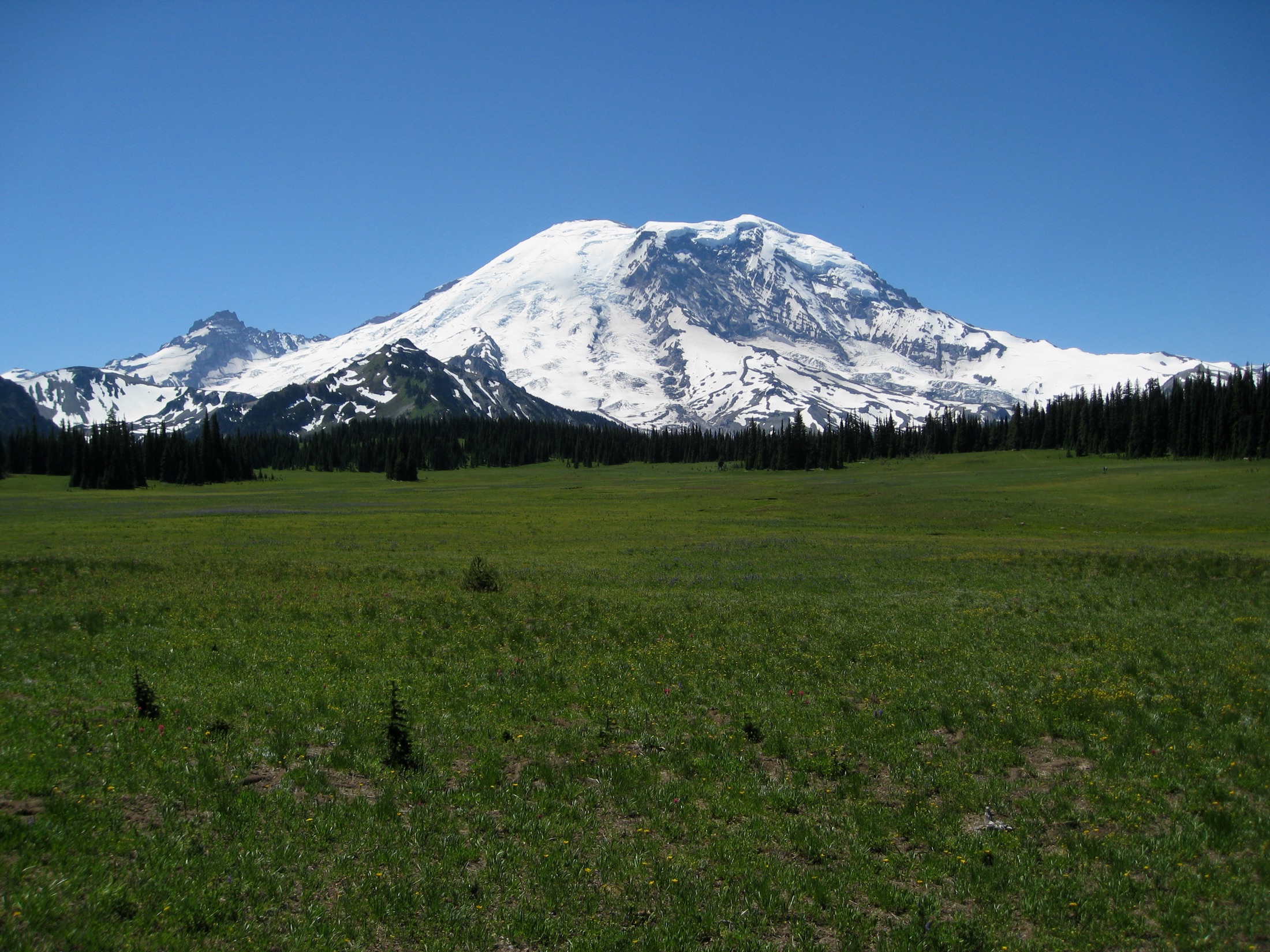
Mount Rainier
A 14,410-foot glaciated volcano ringed by wildflower meadows, old-growth forest, and some of the best alpine day-hiking in the Lower 48.
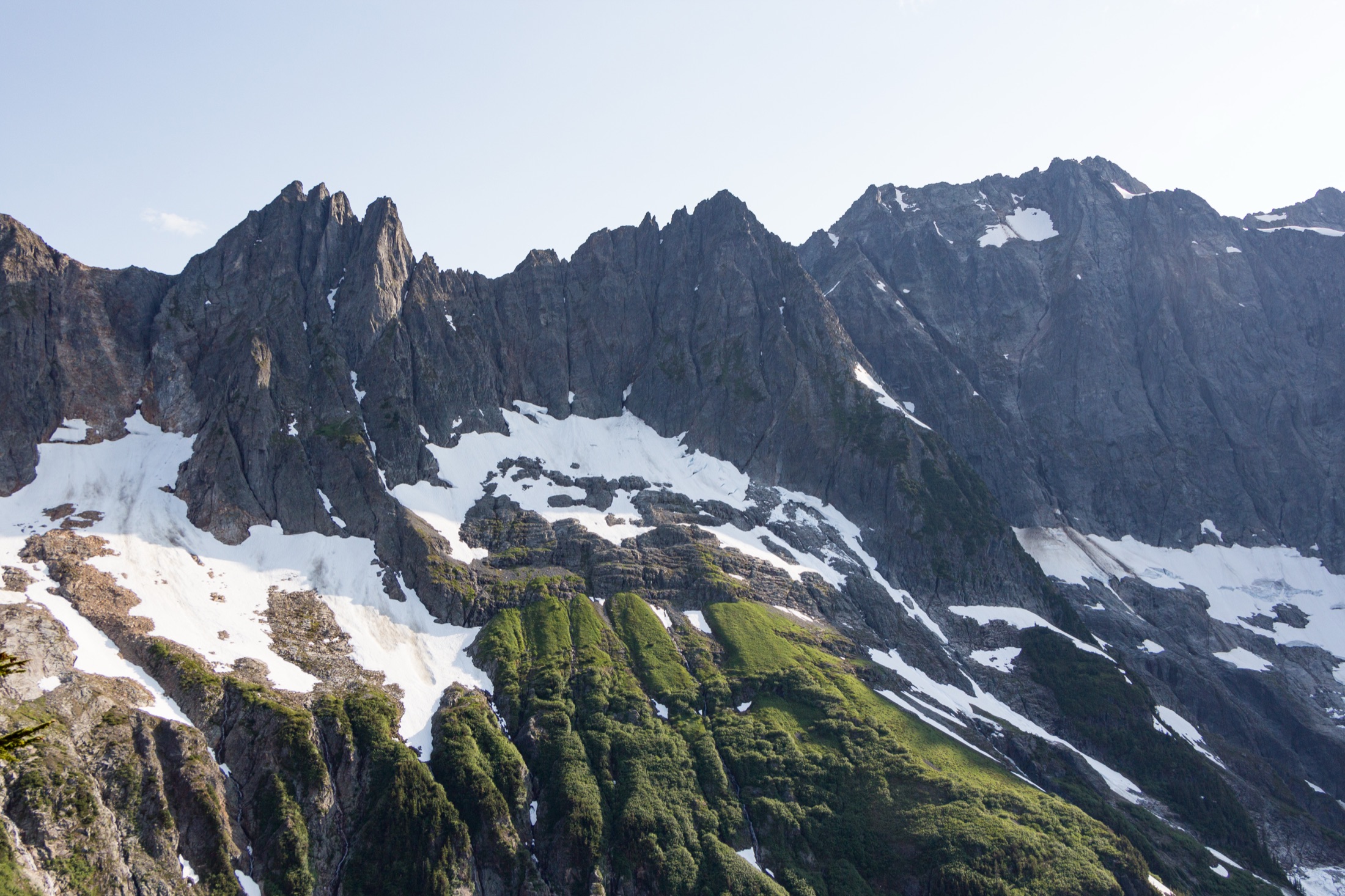
North Cascades
Jagged peaks, 300-plus glaciers, and turquoise lakes an hour from a highway, with almost no crowds.
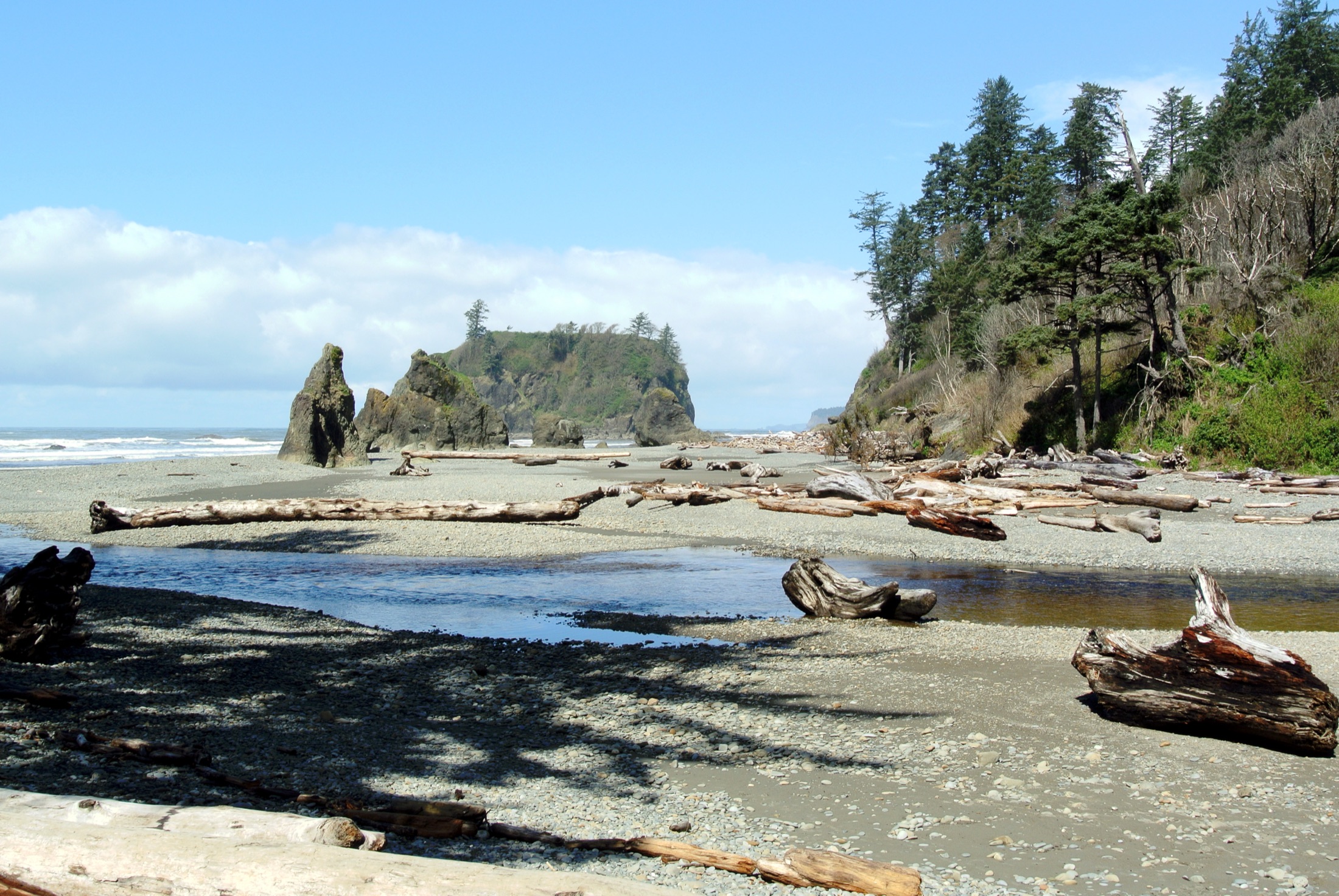
Olympic
Three parks in one: glacier-capped peaks, rugged Pacific coast, and old-growth rainforest on Washington's Olympic Peninsula.
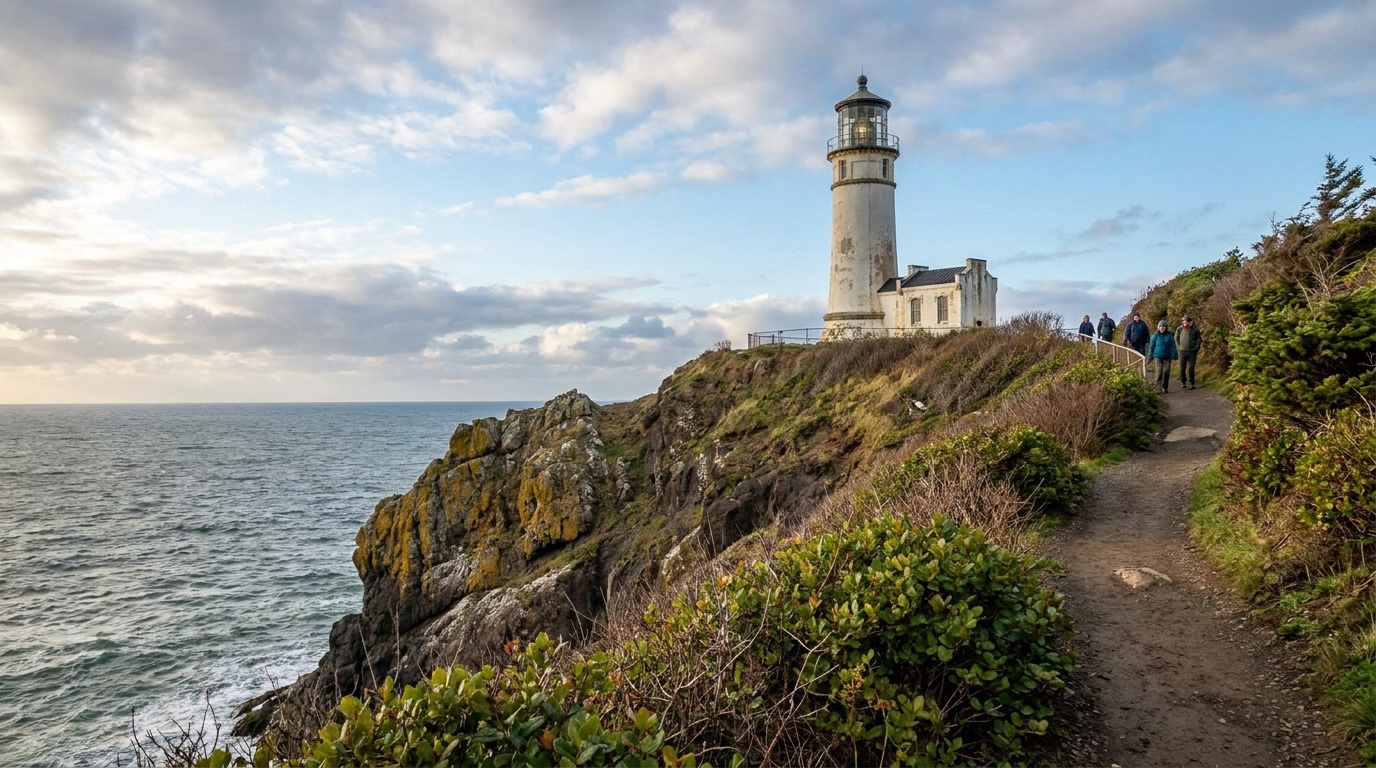
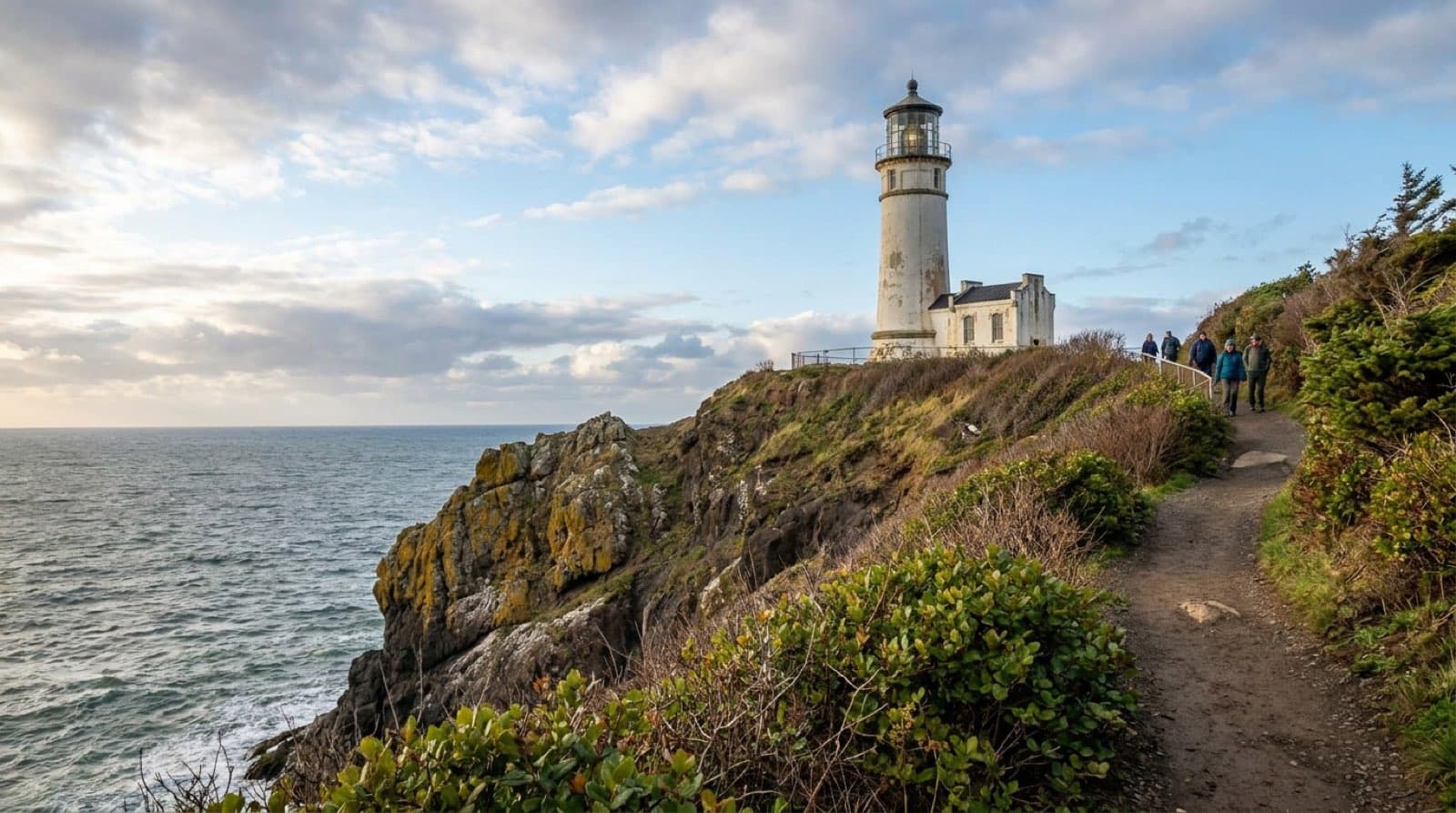
Cape Disappointment State Park
Where the Columbia meets the Pacific: two historic lighthouses, a Lewis and Clark interpretive center, old-growth coastal trails, and ocean camping.
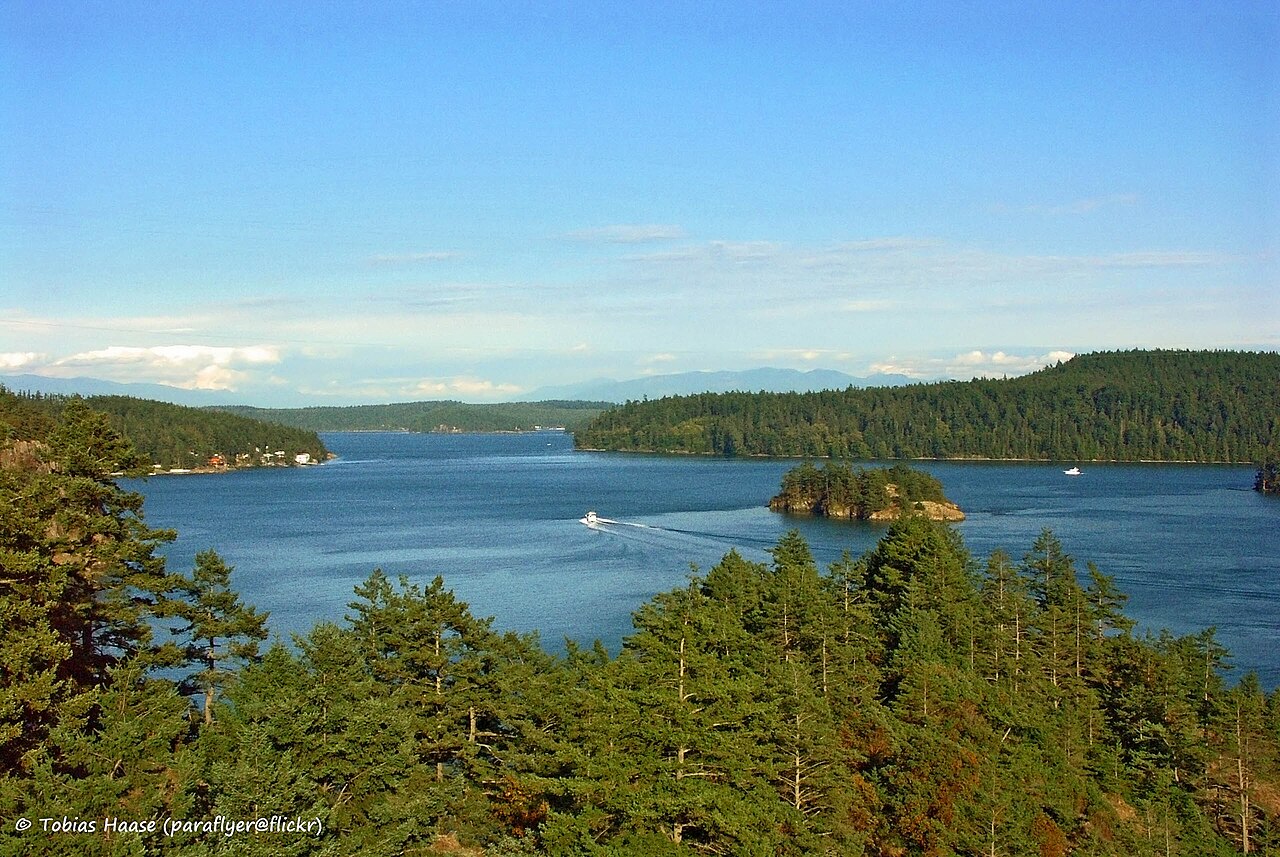
Deception Pass State Park
Washington's iconic bridge-and-island park, with rugged beaches, old-growth forest, tidewater views, and reservable campgrounds.
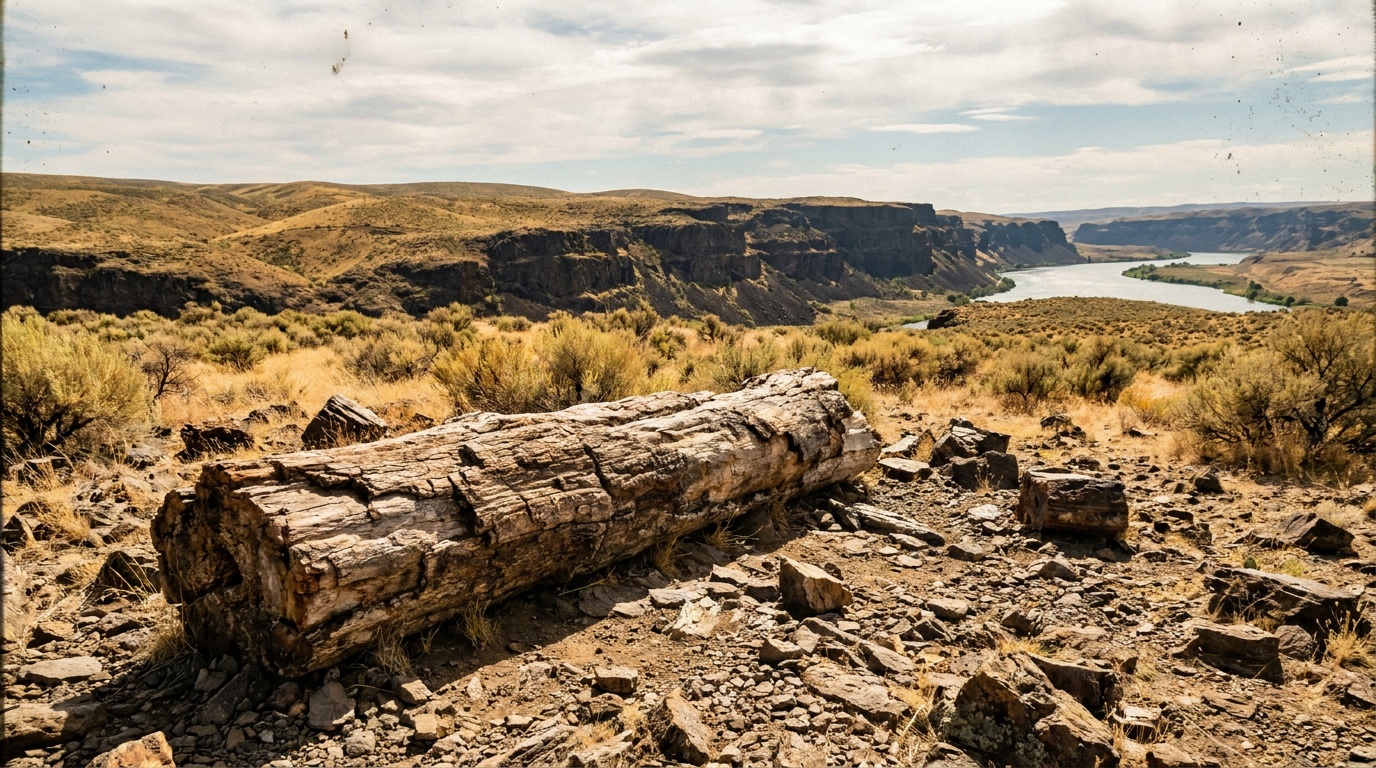
Ginkgo Petrified Forest State Park
A high-desert Washington park above the Columbia River at Vantage, built around a National Natural Landmark of 15-million-year-old petrified wood, an interpretive center, and short fossil trails.
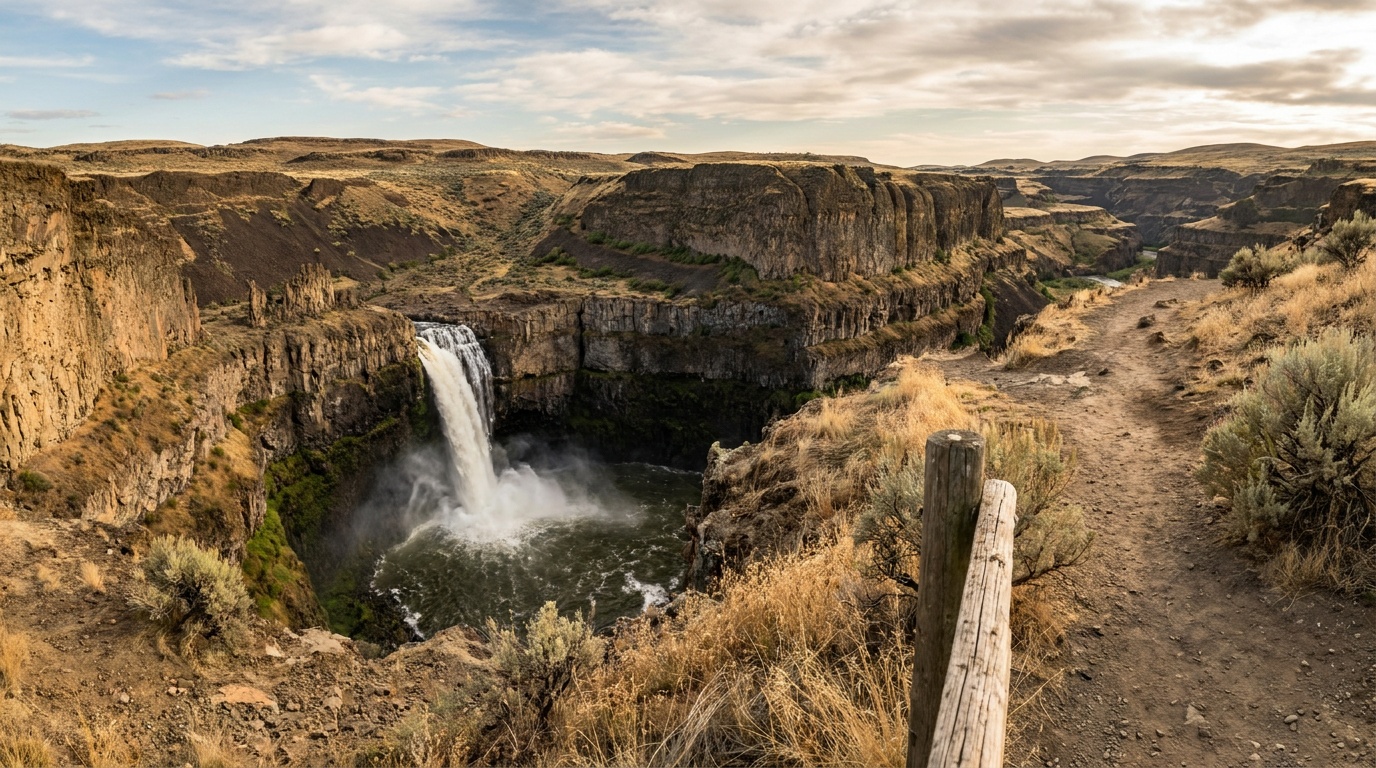
Palouse Falls State Park
Washington's official state waterfall: a 198-foot plunge into a basalt scabland canyon, viewed from rim overlooks. Day-use only since the campground closed, with all canyon trails and swimming off-limits.
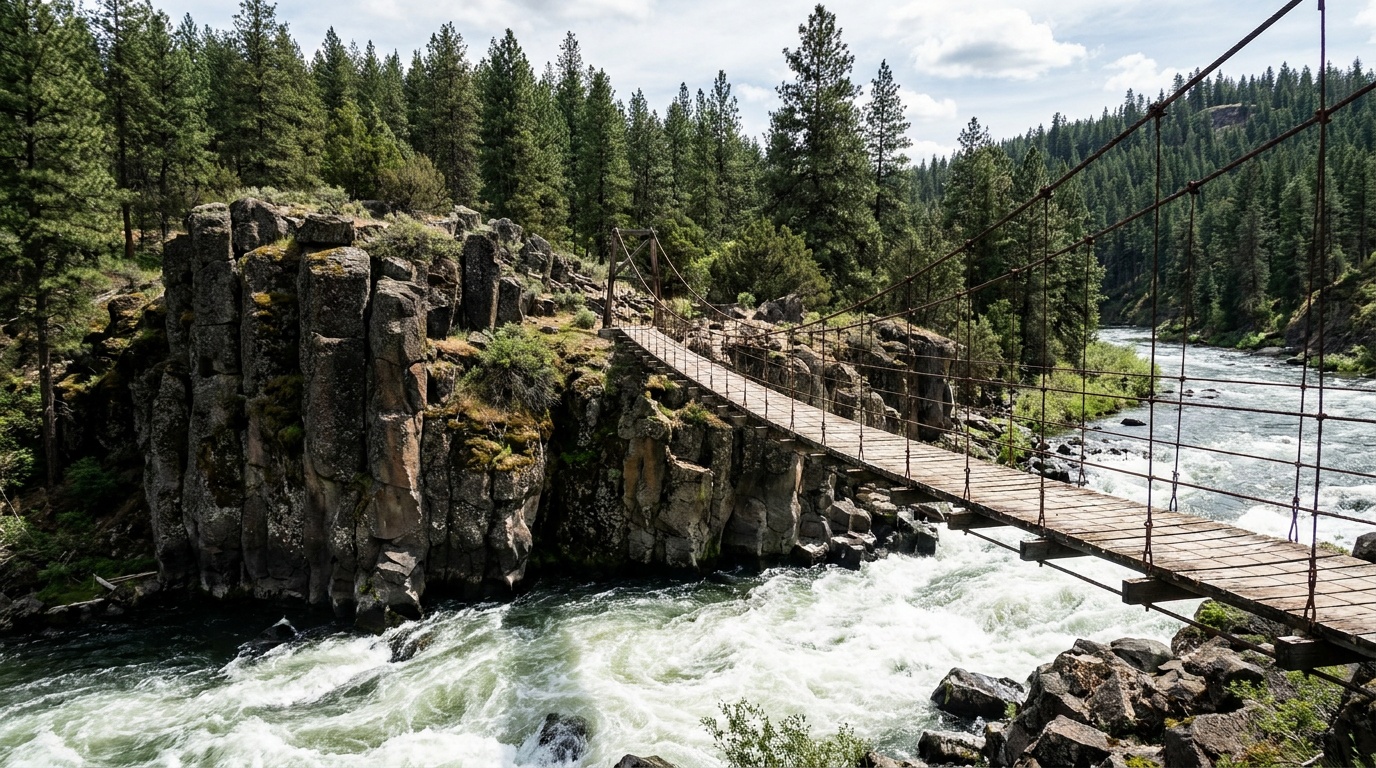
Riverside State Park
A 10,000-acre river park on Spokane's doorstep, anchored by the Bowl and Pitcher basalt formation, a historic suspension bridge, miles of riverside trail, and reservable campgrounds.
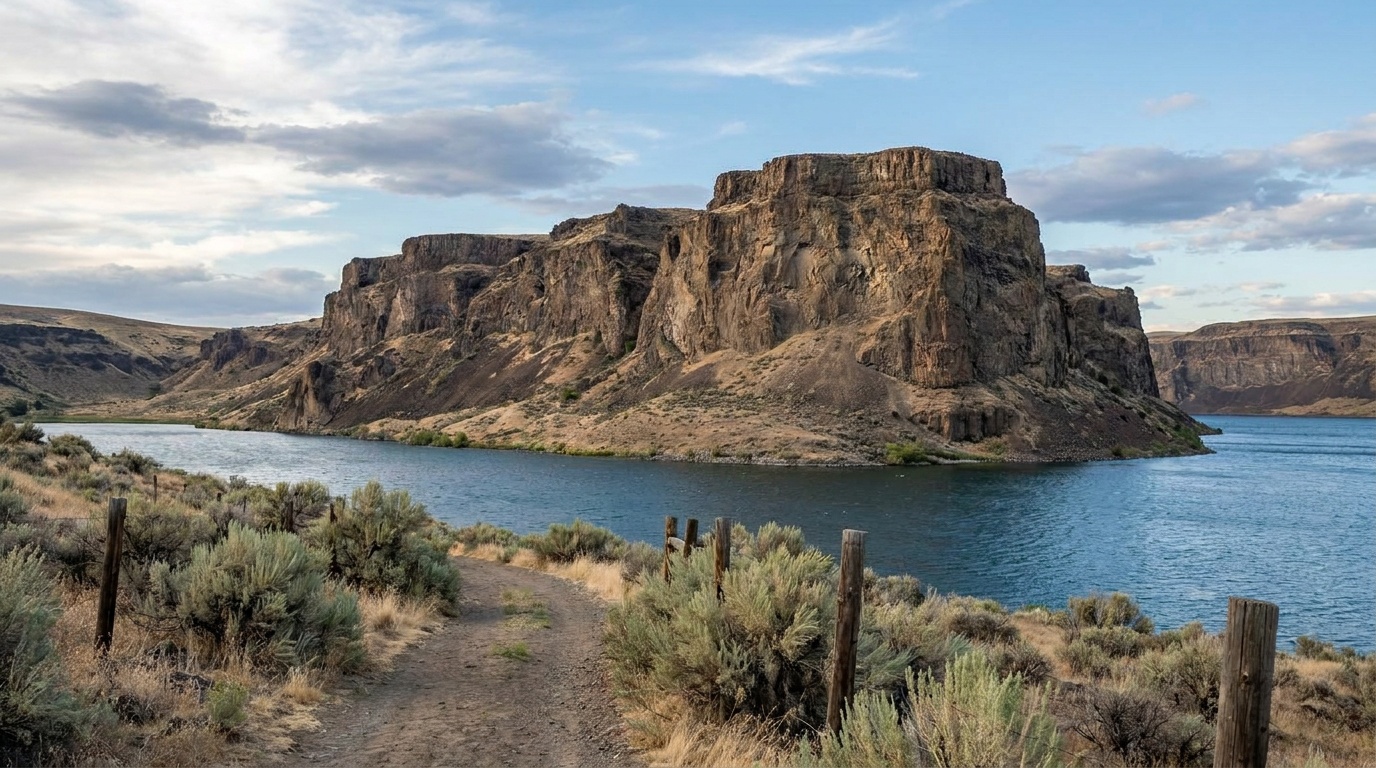
Steamboat Rock State Park
A desert-reservoir park on Banks Lake in central Washington, anchored by a 600-acre basalt butte, with a summit hike, swimming, boating, and a large reservable campground.
Planning a Washington trip
Washington packs an absurd amount of variety into one state. In a single trip you can stand under 200-foot trees in a moss-draped temperate rainforest, walk a wild beach studded with sea stacks, and climb into alpine meadows below a glacier-capped volcano. That range is the whole pitch: the Cascade Range splits the state down the middle, leaving a wet, green, forested west and a drier, sunnier east, and you get to choose your weather.
The big three parks anchor any outdoor plan, and they could not feel more different from one another. One protects a single massive volcano ringed with wildflower meadows, one is a peninsula holding rainforest, mountains, and coast in the same boundary, and one is a wall of jagged peaks and glaciers in the remote north. Beyond the parks, the volunteer-built trail network is enormous. Mount Baker and the Chain Lakes Loop, the Maple Pass Loop in the North Cascades, Shi Shi Beach and the Hoh Rainforest on the Olympic Peninsula, and the San Juan Islands out in the Salish Sea all reward a day or more.
Time it for summer if you can. Mid-July through August is the sweet spot: trails and high lakes melt out, the subalpine meadows fill with lupine and paintbrush (peak wildflowers run roughly the last week of July into mid-August), and the dry, warm weather holds. Late May and early June can still be deep snow up high even when Seattle feels like summer, so the lowlands and coast are the better early-season call. Pack for the mountains regardless of the forecast: layers you can shed and re-add, a genuine rain shell (this is the Pacific Northwest), sturdy traction for lingering snow on high passes into July, and sun protection for exposed meadows. The coast and rainforest stay cool and damp even in August, so a warm layer earns its place in the pack year-round.
Getting around Washington
Seattle-Tacoma International Airport (SEA) is the obvious hub and puts all three national parks within an easy half-day drive. Mount Rainier is closest, roughly 95 miles and about 2 hours 15 minutes southeast. The North Cascades sit about 103 miles north, and Olympic National Park is around 126 miles and 2.5 hours to the west, with the catch that the Olympic Peninsula is huge and the park's highlights (Hurricane Ridge, the Hoh Rainforest, the coastal beaches) are spread an hour or more apart once you arrive. Spokane (GEG) in the far east is the better gateway if you are focused on the drier eastern half of the state.
Plan on a rental car. Public transit to and around the parks is thin, and the destinations are far enough apart that a loop takes real driving. A classic circuit runs Seattle to Olympic (about 3 hours to the peninsula), then south and east to Mount Rainier (roughly 3 hours), then a longer haul north to the North Cascades (closer to 4 hours from Rainier). Getting to the Olympic Peninsula often involves a Washington State Ferry across Puget Sound, which is scenic but worth building into your timing. Mountain roads, including the North Cascades Highway (State Route 20), close seasonally with snow, so check current conditions before any shoulder-season trip.
Weather and elevation
Choose coast, volcano, or alpine country before dates harden.
Washington's national parks sit in different weather systems. Olympic can be rainforest, coast, and mountains in one trip. Rainier and North Cascades ask more from road timing, snowpack, and visibility.
Best window
July to September for high-country access, with shoulder seasons better for lower forests and coast.
Base logic
Port Angeles and Forks split Olympic, Ashford or Packwood serve Rainier, Marblemount serves North Cascades.
Packing focus
Rain shell, insulating layer, traction in early season, and footwear for wet trail.
Trip shape
Olympic works as a varied road trip. Rainier and North Cascades reward fewer bases.
First Washington park trip
Choose Olympic if you want variety and lower-elevation backup plans when weather blocks a mountain day.
Peak mountain trip
Use Mount Rainier or North Cascades in the main summer window when roads, wildflowers, and alpine trails align.
Start with these guides
All 9 Washington park guides
State park directory
Every Washington state park
A source-backed inventory layer for planning breadth. Full Kit Authority guides are marked when a park has camping detail, rules, and packing notes; the rest link straight to the official page. Looking for rail trails and state trails? They have their own Trail Guide.
147 parks
5 full guides · 104 with photos
Cape Disappointment State Park
State Park
Cape Disappointment State Park offers trails through forest, around freshwater lakes, saltwater marshes and ocean tidelands, with beaches that lure kite flyers and nature explorers.
- Camping
- Hiking
- Biking
- Fishing
Washington State Parks
Full guideDeception Pass State Park
State Park
Spanning two islands connected by iconic bridges, Deception Pass features rugged ocean cliffs and quiet old growth forests, known for panoramic views and sunsets.
- Camping
- Hiking
- Biking
- Fishing
Washington State Parks
Full guideGinkgo Petrified Forest State Park
State Park
A National Natural Landmark, Ginkgo Petrified Forest State Park offers hiking and interpretive activities, with camping and water access at nearby Wanapum Recreation Area.
- Camping
- Hiking
- Fishing
- Boating
Washington State Parks
Full guideRiverside State Park
State Park
Riverside State Park spans 9,194 acres along the Spokane and Little Spokane rivers, with hiking, mountain biking, horseback riding, boating and more.
- Camping
- RV Camping
- Cabins
- Hiking
Washington State Parks
Full guideSteamboat Rock State Park
State Park
Steamboat Rock State Park offers green lawns, climbing rocks, boating, camping and miles of trails amid a Pacific Northwest desert.
- Biking
- Wildlife Viewing
- Boating
- Camping
Washington State Parks
Full guideAlta Lake State Park
State Park
Alta Lake State Park is a camping and day-use park where mountainous pine forests meet the desert, with a 2-mile lake offering trout fishing, water skiing and windsurfing in summer.
- Camping
- RV Camping
- Hiking
- Fishing
Washington State Parks
Official pageAnderson Lake State Park
State Park
Anderson Lake State Park is a day-use park with cedar, fir and alder forests and a freshwater marsh, with hiking, equestrian and biking trails sloping down to a lake teeming with wildlife.
- Hiking
- Biking
- Fishing
- Boating
Washington State Parks
Official pageBattle Ground Lake State Park
State Park
In the foothills of the Cascade Mountains, Battle Ground Lake State Park offers hiking, biking and equestrian campsites, and a spring-fed lake that draws swimmers, paddlers and anglers.
- Camping
- RV Camping
- Cabins
- Hiking
Washington State Parks
Official pageBay View State Park
State Park
Bay View State Park is a camping park on the shores of Padilla Bay with magnificent views of the San Juan Islands on clear days.
- Camping
- RV Camping
- Cabins
- Hiking
Washington State Parks
Official pageBeacon Rock State Park
State Park
Overlooking the Columbia River, Beacon Rock State Park is a destination for hiking, technical climbing, horseback riding and biking with year-round Columbia River Gorge views.
- Camping
- RV Camping
- Hiking
- Biking
Washington State Parks
Official pageBeebe Bridge State Park
State Park
Beebe Bridge State Park near Chelan is a scenic 56-acre Columbia River riverfront getaway offering swimming, boating, pickleball and roomy campgrounds.
- Camping
- RV Camping
- Hiking
- Fishing
Washington State Parks
Official pageBelfair State Park
State Park
Belfair State Park sits on Puget Sound with wetlands, pebble beaches, tidal flats and salmon runs to discover and explore.
- Camping
- RV Camping
- Cabins
- Hiking
Washington State Parks
Official pageBirch Bay State Park
State Park
Set in a cove between Bellingham and Blaine, Birch Bay State Park gives a secluded feel with relatively warm water suited to crabbing, windsurfing, swimming and paddling.
- Camping
- RV Camping
- Hiking
- Biking
Washington State Parks
Official pageBlake Island Marine State Park
State Park
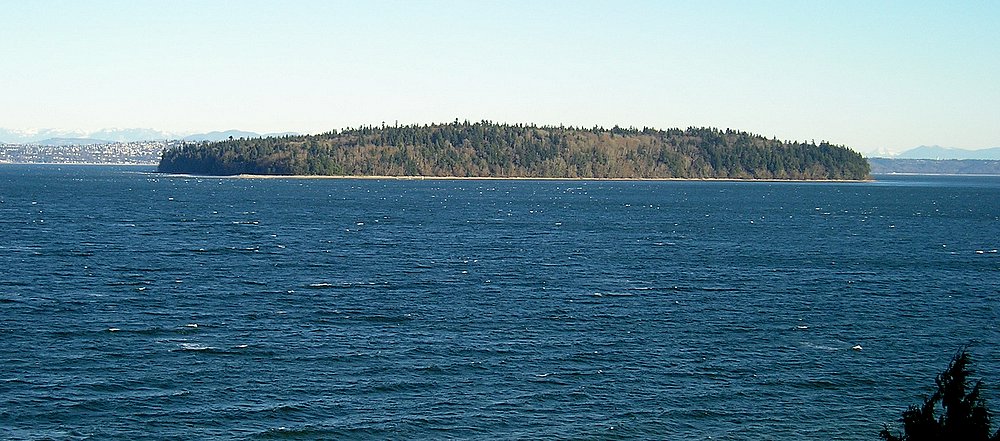
Accessible only by boat, Blake Island Marine State Park offers classic island recreation while still being close to Seattle.
- Camping
- Hiking
- Biking
- Fishing
Washington State Parks
Official pageBlind Island Marine State Park
State Park
Accessible only by boat, Blind Island provides few amenities but offers tranquil water views and a feeling of escape.
- Camping
- Fishing
- Boating
- Paddling
Washington State Parks
Official pageBogachiel State Park
State Park
Bogachiel State Park provides a green-enshrouded riverside haven and an excellent base for touring the western Olympic Peninsula.
- Camping
- RV Camping
- Hiking
- Swimming
Washington State Parks
Official pageBottle Beach State Park
State Park
Bottle Beach State Park sits on the tide flats of southern Grays Harbor and hosts more than a million migratory shorebirds and seabirds in springtime.
- Hiking
- Beach
- Wildlife Viewing
Washington State Parks
Official pageBridle Trails State Park
State Park
This equestrian-friendly park between Kirkland and Redmond is considered one of the top equestrian parks west of the Mississippi, featuring four horse arenas and ample trails.
- Hiking
- Horseback Riding
- Geocaching
- Wildlife Viewing
Washington State Parks
Official pageBrooks Memorial State Park
State Park
Brooks Memorial State Park offers panoramic mountain views, expansive wildflower meadows and starry skies, with tall pines and oaks in the Simcoe mountains near Goldendale.
- Camping
- RV Camping
- Hiking
- Biking
Washington State Parks
Official pageCamano Island State Park
State Park
Camano Island State Park feels a world away with forested trails, rocky shoreline and sweeping views of Puget Sound, the Olympic Mountains and Mount Rainier.
- Camping
- Cabins
- Hiking
- Biking
Washington State Parks
Official pageConconully State Park
State Park
Nestled in the forested mountains of north central Washington, Conconully State Park is a 97-acre angler's paradise on the Conconully Reservoir.
- Camping
- RV Camping
- Cabins
- Hiking
Washington State Parks
Official pageDaroga State Park
State Park
Daroga State Park is a green oasis among the dry hills of Central Washington, with a calm lagoon for swimming and paddling and Columbia River access for boaters.
- Camping
- Hiking
- Biking
- Fishing
Washington State Parks
Official pageDash Point State Park
State Park
Dash Point State Park offers miles of forested hiking and biking trails plus a sandy beach on Puget Sound between two urban hubs.
- Camping
- Cabins
- Hiking
- Biking
Washington State Parks
Official pageDosewallips State Park
State Park
Dosewallips State Park offers mountains and beach with clam digging and elk herds wandering through camp, on Hood Canal and the Dosewallips River.
- Camping
- Cabins
- Hiking
- Fishing
Washington State Parks
Official page






Inventory source: USGS PAD-US 4.1. Photos are public-domain or Creative Commons via Wikimedia Commons, credited per image. Official reservations and rules remain state-specific, so use the state booking links before committing to dates.
Native plants of Washington
Western Washington parks are built on an evergreen understory of salal and fern; east of the Cascades the palette shifts to sagebrush and sun. These natives span both sides of the mountains, and most are staples of Northwest gardens.
Salal
Gaultheria shallon
The glossy evergreen that carpets coastal and lowland forest parks, with edible dusty-blue berries.
An evergreen understory shrub for shade. Grow itLewis's mock orange
Philadelphus lewisii
Fragrant white bloom in June on sunny slopes and river canyons, first collected on the Lewis and Clark expedition.
A drought-tolerant shrub with orange-blossom scent. Grow itRed osier dogwood
Cornus sericea
Thickets of red winter stems along rivers, lakeshores, and wet park bottomlands.
Brilliant winter stem color in damp ground. Grow itWestern columbine
Aquilegia formosa
Red-and-yellow nodding flowers along mountain trails and streambanks in early summer.
Self-sows politely in a moist, dappled bed. Grow itBlue elderberry
Sambucus cerulea
Powder-blue berry clusters east of the Cascades that draw waves of songbirds in late summer.
A fast, wildlife-friendly screen with edible fruit. Grow itKinnikinnick (bearberry)
Arctostaphylos uva-ursi
Evergreen mats on sandy bluffs, balds, and open pine forest statewide.
An evergreen native groundcover for lean soil. Grow it
Grow-at-home guides for these come from our sister site, Sprout Authority.
Frequently asked questions
When is the best time to visit Washington's national parks?
Mid-July through August is the prime window for the high country. By then the snow has melted off the trails and passes, the subalpine meadows are full of wildflowers (peak bloom is roughly the last week of July into mid-August), and the weather is reliably warm and dry. Late May and early June can still be buried in snow at higher elevations even when Seattle feels like summer, so save the high alpine hikes for later and stick to the coast and lowland rainforest in early season.
Which national park in Washington is the best one to visit?
It depends on what you want, because the three are genuinely different. Olympic is the most varied single destination, packing rainforest, mountains, and wild coastline into one park, which makes it a great pick if you only have time for one. Mount Rainier is the move for that iconic glaciated volcano and its wildflower meadows, and it is the closest to Seattle. The North Cascades are the most rugged and remote, best for hikers chasing dramatic peaks and glaciers with smaller crowds.
Do I need a car to explore Washington's outdoors?
Yes, in practice. Public transportation to and within the national parks is limited, and the major outdoor areas are spread across the state, so a rental car gives you the flexibility to actually reach trailheads and link destinations. Build in extra time for a Washington State Ferry if you are heading to the Olympic Peninsula, and check seasonal road closures (like the North Cascades Highway) before traveling outside summer.