When to go
Conditions, crowds, and what each season asks you to pack.
Spring
Cool and wet, valley highs in the 40s to 50s F, with deep lingering snow at Paradise into June.
Pack Waterproof shell, traction for snowy trails, and patience for partial road openings.
Summer
Mild and mostly dry, highs in the 60s to low 70s F at Paradise, cooler and breezy up high.
Pack Sun protection, layers for sudden mountain chill, and water for exposed meadow hikes.
Fall
Crisp and clear early, turning wet, highs in the 50s F dropping fast by late October.
Pack Warm layers, rain shell, and headlamp for shorter daylight.
Winter
Cold, snowy, and gray, highs in the 30s F with heavy snow at Paradise.
Pack Insulation, snowshoes or skis, and tire chains for the road to Paradise.
Crowds by month, from NPS visit counts
Busiest: July. An average July brings about 421,000 recreation visits to Mount Rainier, roughly 13,600 a day. Peak crowds run July to August.
Quietest: February. About 16,300 visits, 4% of the busiest month. Crowds stay low November to May.
- Low
- Moderate
- High
- Peak
Bar height is each month's average visits compared with the busiest month. Low is under 25% of that peak, Moderate 25 to 49%, High 50 to 74%, Peak 75% and up.
See the monthly numbers
| Month | Avg visits | Share of year | Crowds |
|---|---|---|---|
| January | 21,469 | 1% | Low |
| February | 16,326 | <1% | Low |
| March | 24,096 | 1% | Low |
| April | 32,202 | 2% | Low |
| May | 93,390 | 6% | Low |
| June | 235,117 | 14% | High |
| July | 420,818 | 25% | Peak |
| August | 404,298 | 24% | Peak |
| September | 207,039 | 12% | Moderate |
| October | 150,138 | 9% | Moderate |
| November | 34,575 | 2% | Low |
| December | 22,266 | 1% | Low |
Source: NPS Visitor Use Statistics, monthly recreation visits, averaged over 2023–2025. October and November 2025 are left out of the averages because of the federal government shutdown. Visits count entries, not unique people. NPS monthly report for Mount Rainier · Crowd calendar for all 63 parks
Mount Rainier weather by month
Average daily highs and lows, plus monthly precipitation, from NOAA's 1991-2020 climate normals for Paradise, on the mountain's south slope. Shaded months are the park's best season. Tap a month to build a pack list for it.
| Month | Jan | Feb | Mar | Apr | May | Jun | Jul | Aug | Sep | Oct | Nov | Dec |
|---|---|---|---|---|---|---|---|---|---|---|---|---|
| High (F) | 35 | 34 | 36 | 40 | 48 | 54 | 62 | 64 | 57 | 46 | 37 | 33 |
| Low (F) | 24 | 23 | 24 | 26 | 33 | 37 | 44 | 45 | 41 | 33 | 26 | 22 |
| Precip (in) | 17.2 | 12.9 | 13.2 | 8.4 | 5.1 | 3.8 | 1.4 | 1.6 | 4.4 | 11.3 | 18.2 | 18.9 |
Station RAINIER PARADISE RS (USC00456898), 5,427 ft, under a mile from Henry M. Jackson Visitor Center at Paradise. Paradise is one of the snowiest places in the country; Longmire, lower on the road, melts out weeks earlier. NOAA marks this station's precipitation normals as estimated from nearby stations.
Source: NOAA NCEI U.S. Climate Normals, 1991-2020 monthly averages. Averages describe a typical year, not a forecast; check current conditions and alerts before you go. Precipitation includes the water in melted snow.
Top things to do
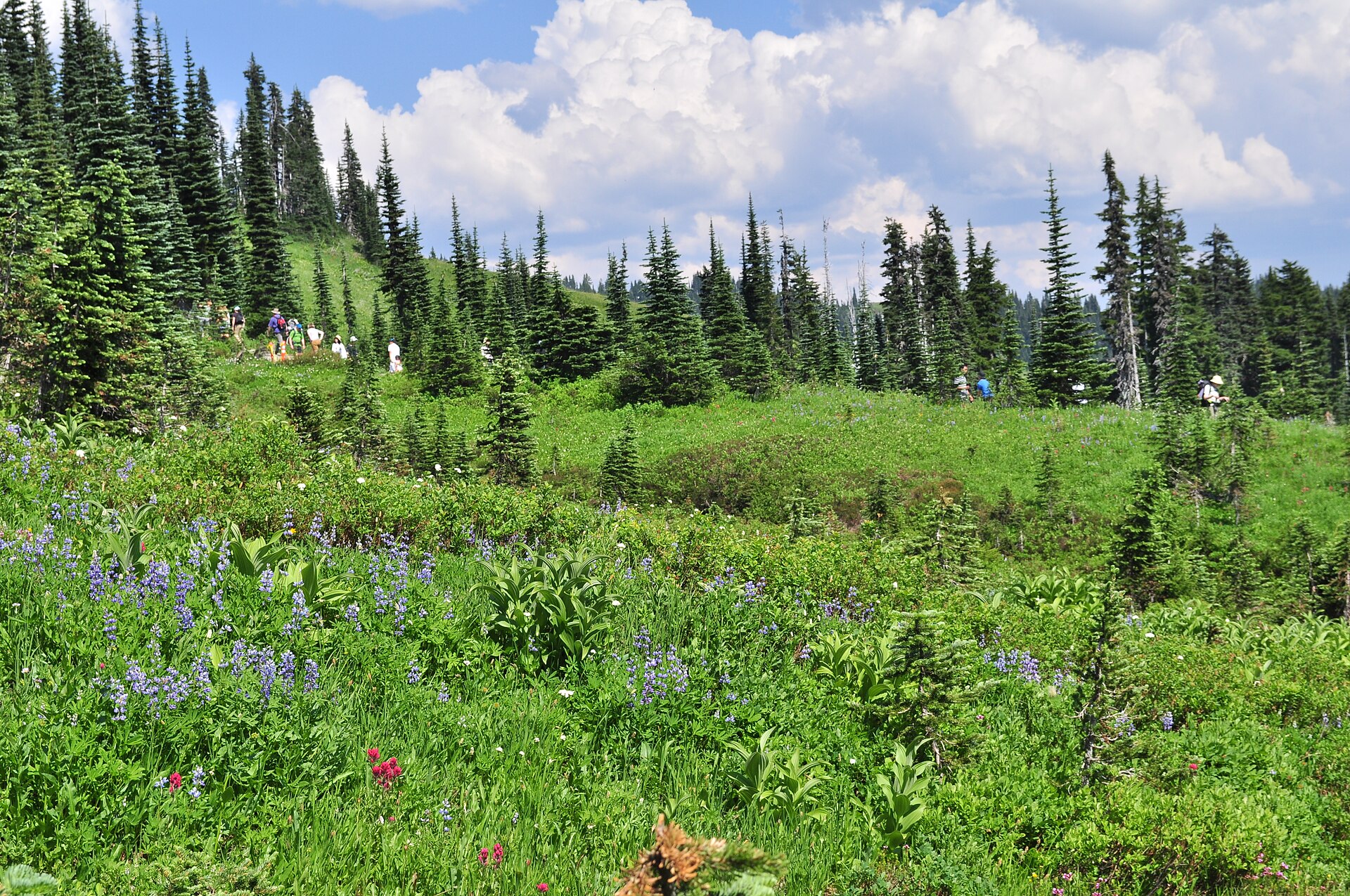
Skyline Trail at Paradise
The classic 5.5-mile loop through wildflower meadows with head-on views of the mountain and Nisqually Glacier.
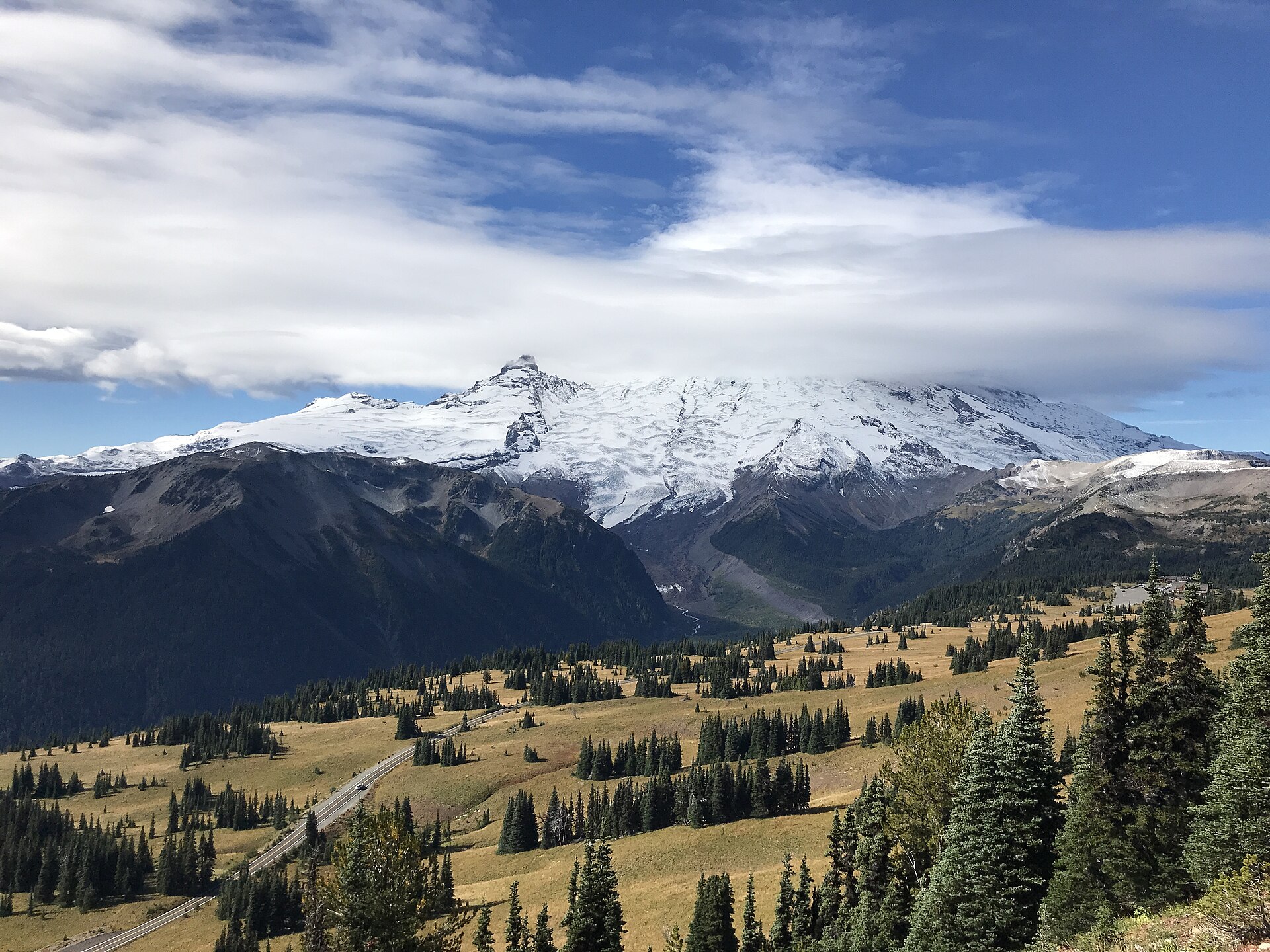
Sunrise
The highest point you can drive to in the park, with open ridge walks and big-sky views of Rainier and Emmons Glacier.
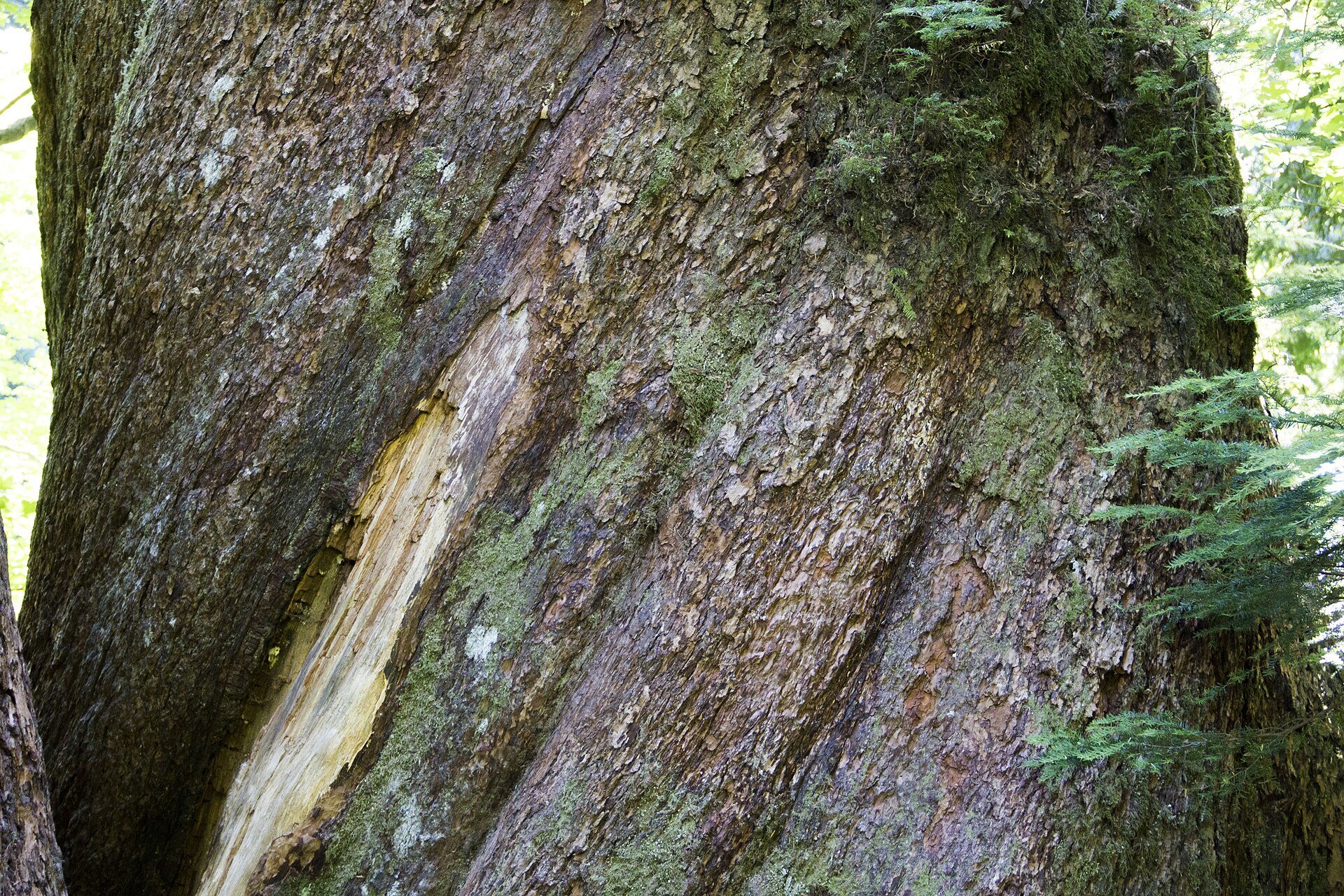
Grove of the Patriarchs
A short forest walk among 1,000-year-old western redcedar and Douglas-fir along the Ohanapecosh River.
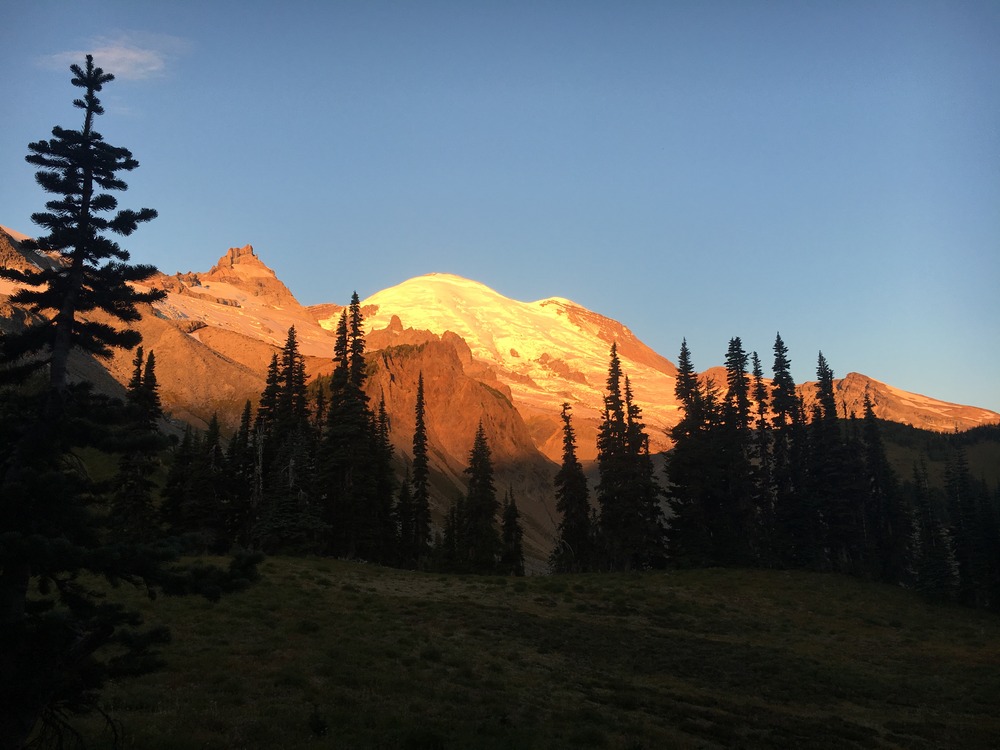
Wonderland Trail
The 93-mile loop that circles the entire mountain, a bucket-list multi-day backpacking trip.
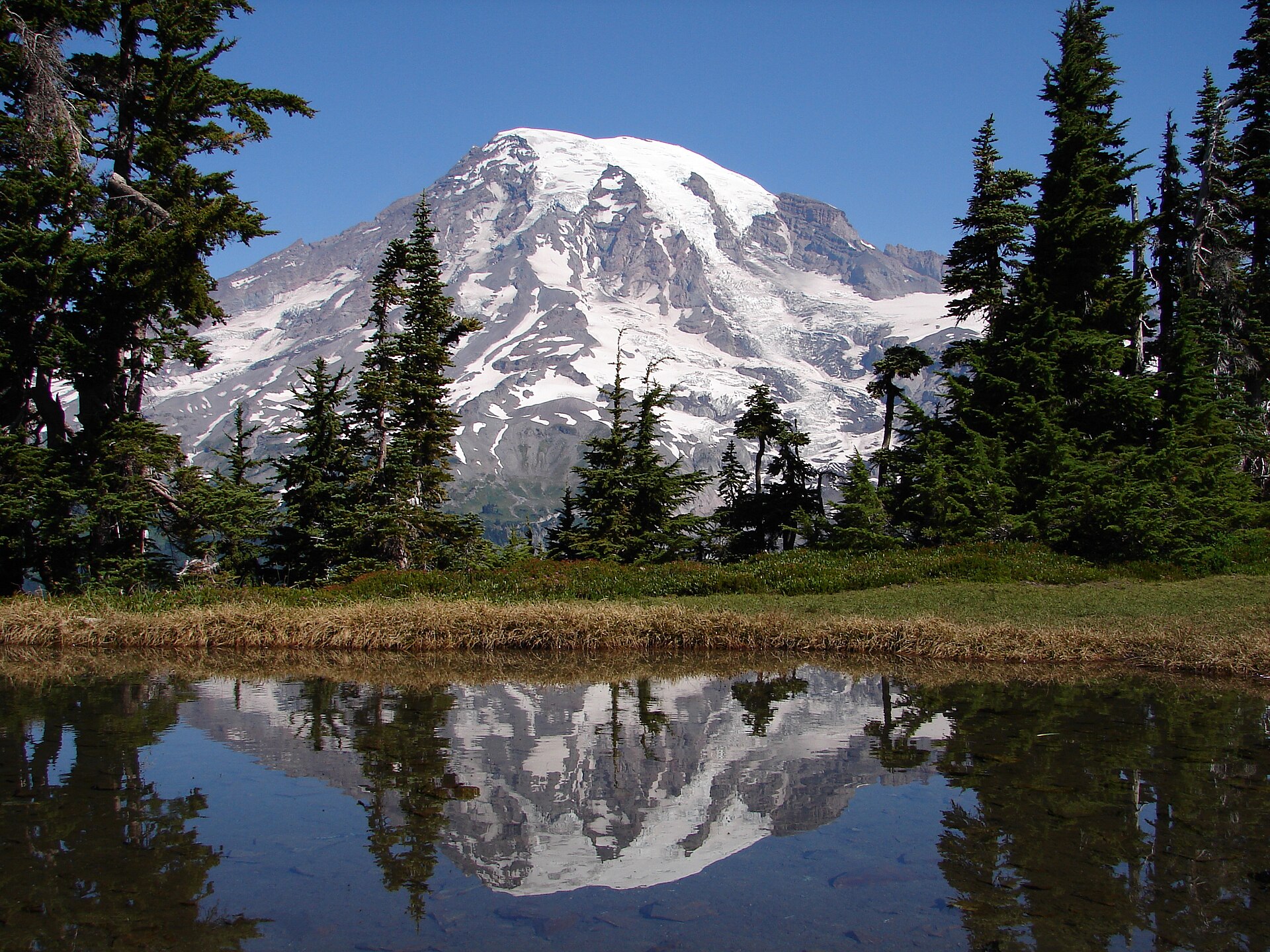
Reflection Lakes
A roadside stop where the peak mirrors in still water, best at dawn for photography.
Anchor the day around Skyline Trail at Paradise
Put the access rule first: shuttle, parking, timed-entry, or reservation windows should decide the order of the day. For one day in Mount Rainier, make Skyline Trail at Paradise the non-negotiable, add Sunrise only if the first stop runs clean, and keep Grove of the Patriarchs as the flexible finish.
- 1Start with Skyline Trail at Paradise: The classic 5.5-mile loop through wildflower meadows with head-on views of the mountain and Nisqually Glacier.
- 2Add Sunrise: The highest point you can drive to in the park, with open ridge walks and big-sky views of Rainier and Emmons Glacier.
- 3Use Grove of the Patriarchs as the optional finish, not as a reason to rush the whole day.
Where to stay
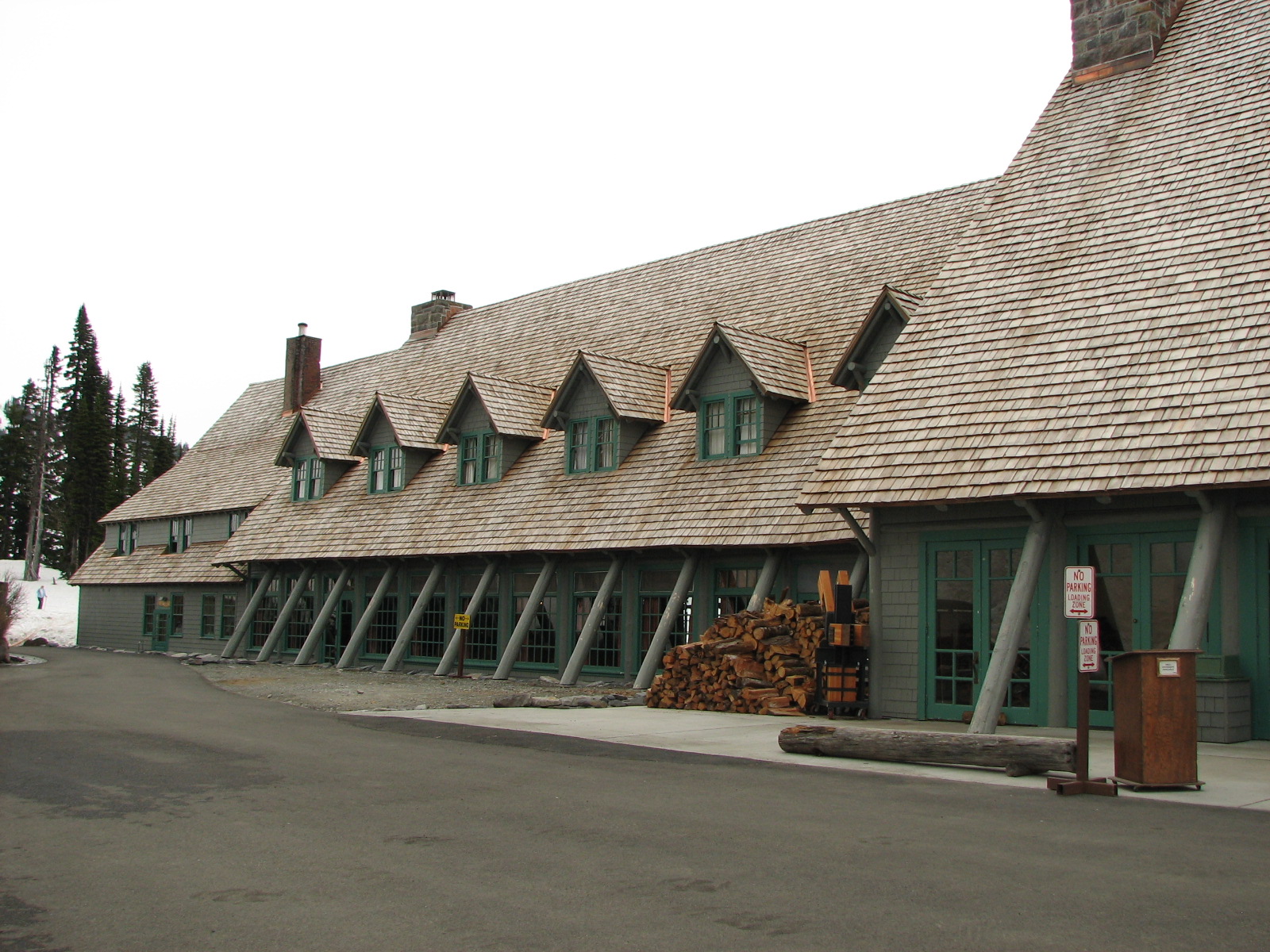
Stay strategy
Choose the base that protects the permit window.
Stay strategy
Pick your side of Rainier before you pick your room.
Mount Rainier is slow to cross, seasonal at the high roads, and divided by classic zones. Ashford and Paradise work for first visits and Skyline Trail days. Packwood and Ohanapecosh make the southeast side easier. Sunrise is spectacular, but it is a separate seasonal drive from the northeast.
- Year-round entrance
- Nisqually
- Classic first base
- Ashford or Paradise
- High road
- Sunrise, seasonal
- Backcountry
- Wilderness permits for Wonderland Trail
Compare base options
Use the options below to protect the permit, pickup, and early-start parts of the trip before you optimize for comfort.
Paid links: we may earn a commission if you book, at no extra cost to you.
- Best for
- Paradise, Skyline Trail, winter access, and the simplest Seattle approach
- Tradeoff
- It is not close to Sunrise.
Planning detail
Choose this for the classic Rainier trip. It keeps the drive to Paradise manageable and gives you the most resilient access if weather or seasonal closures shift the plan.
Inside the park
Paradise Inn or National Park Inn
- Best for
- Earliest starts, historic lodging, and less gate-to-trail friction
- Tradeoff
- Limited rooms and peak-summer demand.
Planning detail
Paradise Inn is the premium play for Skyline Trail and meadow mornings. National Park Inn at Longmire is lower, forested, and more useful outside peak high-country season.
- Best for
- Stevens Canyon, Ohanapecosh, Grove of the Patriarchs area, and quieter cabin stays
- Tradeoff
- Longer drives to Paradise or Sunrise depending on road status.
Planning detail
Use this base when your itinerary leans southeast or when Ashford lodging is tight. Always check seasonal road openings before assuming a fast loop.
One base
For two nights or less, choose one side and commit. Crossing zones eats the day.
Snow line
High trails can feel like winter long after lowland lodging feels like summer.
Camping reservations
Camping reservations
Cougar Rock is the only sure reservation at Rainier in 2026.
Ohanapecosh is closed for all of 2026 for a rehabilitation project, which leaves Cougar Rock (reservations) and White River (first-come only) carrying the car-camping load. Fixed dates mean Cougar Rock; chasing Sunrise trailheads means an early-morning arrival at White River.
Reviewed June 11, 2026
Booking window
Cougar Rock books on Recreation.gov and requires reservations from Memorial Day weekend through Columbus Day; White River takes no reservations at all; check the Recreation.gov campground page for the current advance window.
- Mount Rainier is not running timed-entry reservations in 2026; the park manages crowds with parking limits instead, so a campground base beats day-tripping into full lots.
- White River is first-come only: claim an open site, then scan the kiosk QR code with the Recreation.gov app to pay (card payments work at the iron rangers if you cannot use the app).
- Mowich Lake's primitive walk-in sites require a wilderness permit, and the Fairfax Bridge closure currently blocks vehicle access from SR 165.
- Wonderland Trail and all backcountry camps need a wilderness permit, separate from the campgrounds.
Where to book or verify
The official page with 2026 seasons, the Ohanapecosh closure, and payment instructions.
Cougar Rock's direct Recreation.gov booking page.
Check for federal campground, backcountry, tour, and permit inventory tied to this park.
Required for the Wonderland Trail, Mowich Lake, and all backcountry camps.
Use this for wilderness permits, timed systems, tours, and other park-specific reservations.
Campgrounds to know
Cougar Rock Campground
Details- Booking
- Reservations required Memorial Day weekend through Columbus Day; check Recreation.gov for the current booking window.
- Season
- Typically late May to early October.
- Sites
- Tent and RV sites (35-foot max) plus five group sites; flush toilets and a dump station.
- The Paradise-side campground and the only one you can lock in ahead; in 2026 it is the default answer.
White River Campground
Details- Booking
- No reservations; plan a morning arrival on summer weekends.
- Season
- Typically late June to September.
- Sites
- 88 tent and small-RV sites ($20 per night, 27-foot RV and 18-foot trailer limits).
- The closest camping to Sunrise and the Glacier Basin trail; pay by scanning the kiosk QR code with the Recreation.gov app.
Ohanapecosh Campground
Details- Booking
- Not bookable this year.
- Season
- Closed for 2026; the rehabilitation project runs until November 2026.
- Sites
- Normally the big old-growth campground in the park's southeast corner.
- Do not plan around it this year; aim for Cougar Rock or the Packwood area instead.
Mowich Lake Campground
Details- Booking
- No reservations; permit-based.
- Season
- Typically early July to early October.
- Sites
- Primitive walk-in tent sites, no potable water.
- The quiet northwest corner, but verify access first: the Fairfax Bridge closure cuts off the SR 165 approach.
Getting there and practical info
Build the arrival around the reservation.
Entry windows, permit pickups, and drive time should be checked before the itinerary gets crowded.
Getting there
Get to Mount Rainier with the required window already protected.
- Nearest airport
- Seattle-Tacoma International Airport (SEA), about 2.5 hours by car to the Paradise area via SR 706
- Access rhythm
- Car required
- Region
- Washington
Fly in
Most visitors fly into Seattle-Tacoma International Airport (SEA) and drive about 2.5 hours south and east to the Nisqually entrance and Paradise via SR 706, or roughly 3 hours to Sunrise via SR 410 and Enumclaw.
Car strategy
The Nisqually entrance is the only one open year-round; the others (White River/Sunrise, Stevens Canyon/Ohanapecosh, and Carbon River/Mowich) typically open from late spring into fall.
Car strategy
There is no public transit into the park, so a rental car is essential.
Book ahead
- Rental cars at Seattle-Tacoma International Airport (SEA)Paid link, Economybookings
- Guided tours in Mount RainierPaid link, Viator
Paid links: we may earn a commission if you book, at no extra cost to you.
Pair this with lodging: choose the base that keeps the reservation or permit pickup from becoming the hardest part of the day.
Plan your trip
Build one complete pack brief from Mount Rainier's season, activity, and trip length. Fine-tune an individual calculation only if you need it.
Fine-tune water, pack size, warmth, or stove fuel
Build around conditions
Let season, elevation, and weather set the plan.
Plan your trip
4 quick tools, already seeded for Mount Rainier. Tune the numbers around temperature swings, footing, layers, and how much margin the route needs.
What to pack
Start with the gear decisions Mount Rainier changes: water, footing, weather, and overnight needs. The checklist is there once your route and dates are set.
Kit Authority
Mount Rainier packing list
0 of 21 packed. Check items as you pack, then take this list to the store, trailhead, or campsite.
Pack planning
Decide what Mount Rainier asks of your kit before you start checking boxes.
Use this as a constraint check while you are still shaping the trip. The active checklist becomes useful once your route, dates, and sleep plan are set.
- First constraintHydration and exposureWater, hat, sunscreen, sunglasses, Navigationmap, downloaded GPS, or a GPS watch, 3 more
- Route realityFooting and tractionHiking boots, Hiking socks, Trekking poles
- Load choicePack and carry systemBackpacking pack
- If overnightSleep and shelterBackpacking tent, Sleeping bag, Sleeping pad, 1 more
Checklist mode
21 items, grouped for the trip you are actually taking.
- Dates and season are set.
- Primary route, campground, or lodge is chosen.
- Water, footwear, and overnight needs are sized.
One researched pick
The first gear decision for Mount Rainier
A stable daypack is the one purchase that organizes water, layers, food, first aid, and the small safety margin.
We may earn a commission from links on this page, at no extra cost to you. Product prices and availability are accurate as of the date/time indicated and are subject to change. Any price and availability information displayed on Amazon at the time of purchase will apply to the purchase of this product.
THE DAY-HIKE PICK
Osprey Talon 22
Best Overall
Kit Score 8.6/10
$169.95 Price checked Oct 23, 4:16 PM CDT
Best for: Hikers who want a proven all-around daypack with solid load support, plenty of adjustment, and a warranty they can actually use.
- Adjustable torso fit covers a wide range of body sizes
- At 2 lb 1 oz it runs heavier than ultralight rivals for the same volume
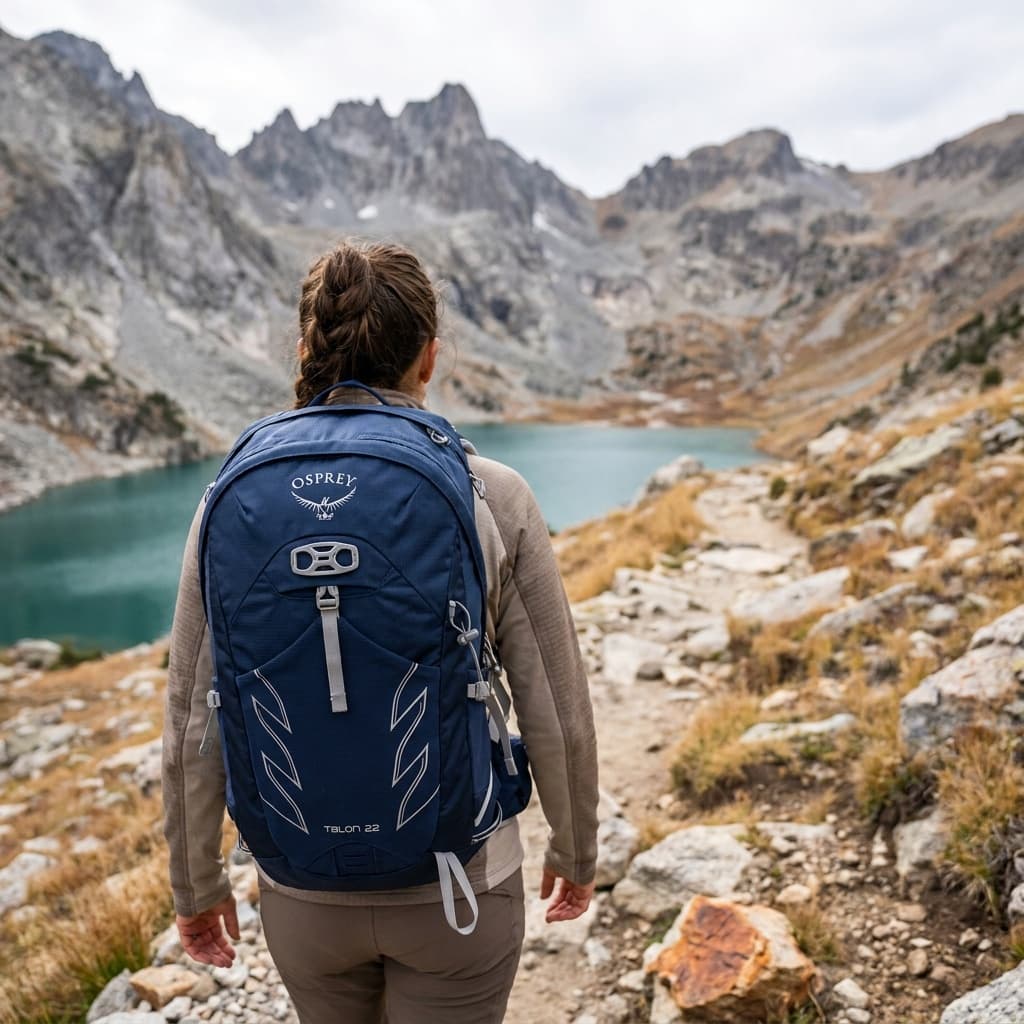
- Volume
- 22 L
- Weight
- 2 lb 1 oz (945 g)
- Back Panel
- AirScape foam with ventilation channels
- Hipbelt Pockets
- 2 zippered
- Hydration
- Compatible up to 3 L reservoir (sold separately)
- Warranty
- All Mighty Guarantee (lifetime repair or replace)
About this pick
The Talon 22 is the daypack you see on the trail more than any other for good reason: it packs in a padded hipbelt, adjustable torso harness, and dual hipbelt pockets into a 22-liter package that handles loads up to 20 lb without complaint. Owners across hundreds of Amazon ratings consistently cite its adjustability and durability as standouts.
Strengths
- Adjustable torso fit covers a wide range of body sizes
- Padded hipbelt and dual hipbelt pockets at this size are rare
- Osprey lifetime warranty backs years of hard use
Weaknesses
- At 2 lb 1 oz it runs heavier than ultralight rivals for the same volume
- AirScape back panel ventilation is functional but not class-leading compared to suspended-mesh designs
Kit Score breakdown
Gear for Mount Rainier
The buying guides that match what Mount Rainier asks of your kit. Each one has our current top picks across budget and use case.
Can you photograph here? Permit and drone rules
Mount Rainier's filming and photography rules after the EXPLORE Act, plus the timed-entry reservations and short alpine season.
- Permit
- Usually fine for personal shoots; commercial or large productions can need a permit
- Drones
- Effectively banned: launching, landing, or operating a drone within park boundaries is prohibited
- Land
- Yes for personal and editorial photography throughout the park
From our photography sister site, Aperture Authority. Verified 2026-06-28.
Frequently asked questions
Do I need a reservation to enter Mount Rainier in 2026?
No. The timed-entry reservation pilot that ran at Paradise and Sunrise in 2024 and 2025 was cancelled for 2026. Entry to all areas, including Paradise and Sunrise, is first come, first served. The park manages crowds through parking strategies, so arriving early on summer weekends still helps you find a spot.
When do the wildflowers bloom at Mount Rainier?
The subalpine meadows at Paradise and Sunrise usually peak from mid-July through mid-August, depending on how late the snow melts. In a heavy snow year the bloom can run into late August. This is also the busiest stretch of the season, so plan to arrive early.
Can beginners climb Mount Rainier?
Reaching the 14,410-foot summit is a serious mountaineering objective that requires glacier travel skills, ropes, and crampons, and most first-timers go with a guide service. If you are not a climber, you can still get the alpine experience on day hikes like the Skyline Trail without any technical gear. A climbing permit is required for anyone going above the high camps.
How much does it cost to enter Mount Rainier?
A private vehicle pass is $30 and is valid for 7 days. An America the Beautiful annual pass also covers entry. There is no extra reservation fee in 2026 since timed entry is not in effect.
Keep planning
Compare with another park
Nearby parks
 OlympicThree parks in one: glacier-capped peaks, rugged Pacific coast, and old-growth rainforest on Washington's Olympic Peninsula.
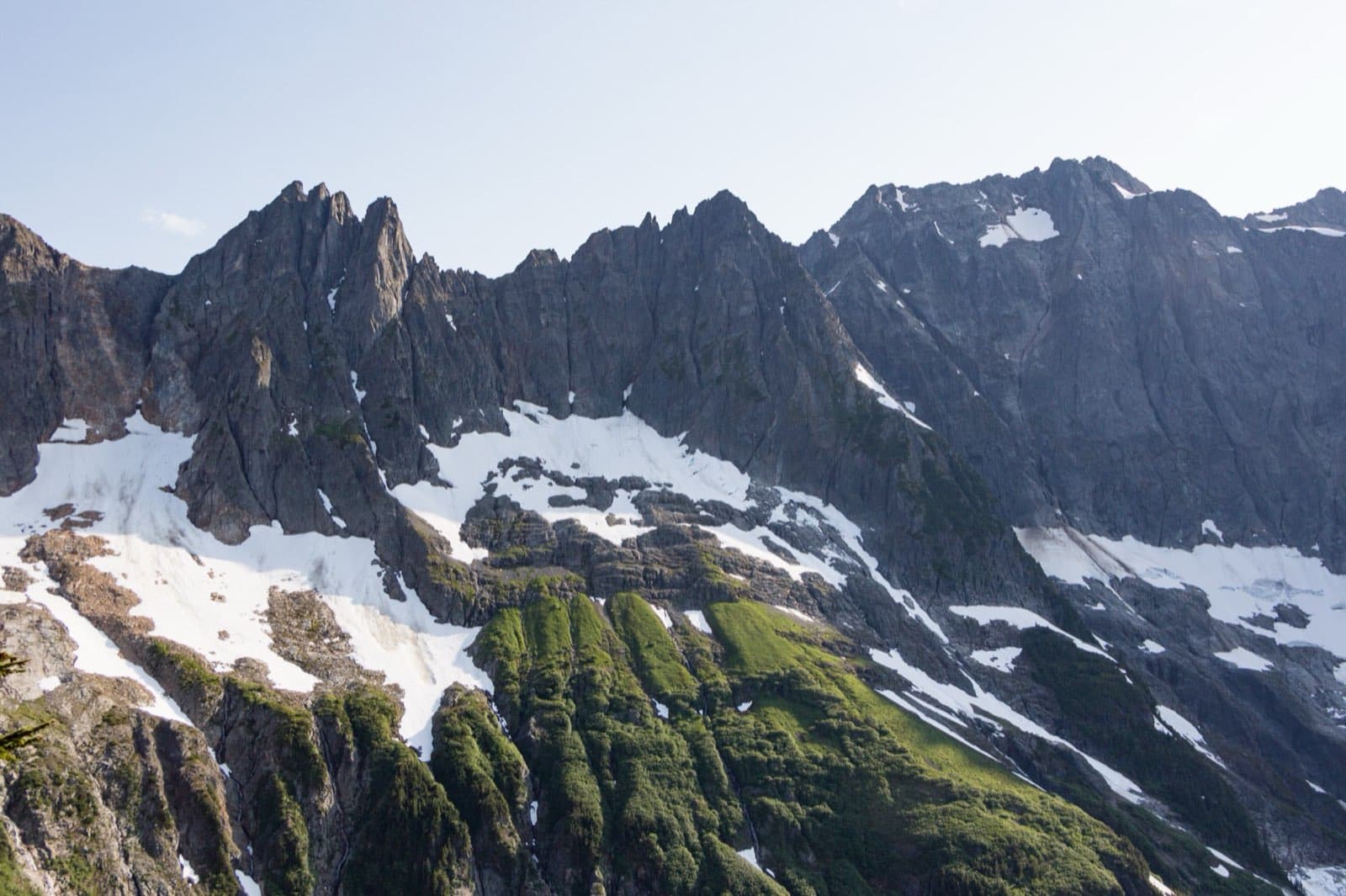 North CascadesJagged peaks, 300-plus glaciers, and turquoise lakes an hour from a highway, with almost no crowds.
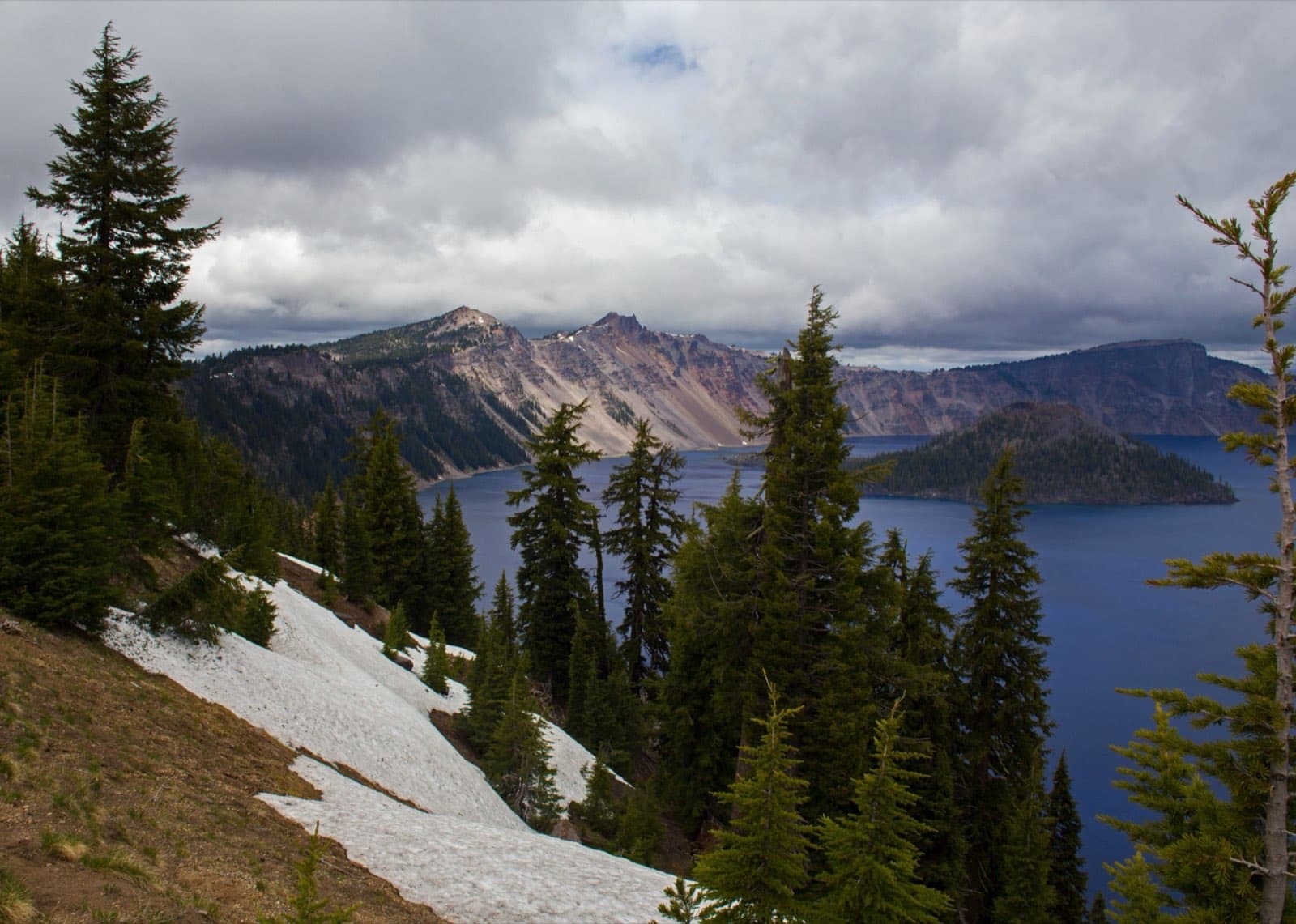 Crater LakeThe deepest lake in the United States, a 1,943-foot caldera of impossibly blue water rimmed by a 33-mile drive.