When to go
Conditions, crowds, and what each season asks you to pack.
Spring
Cold and slow to thaw, with highs from the 20s to 40s F and rivers still locked in ice well into May.
Pack Full winter layers, insulated boots, and gear for sub-freezing nights even in May.
Summer
The short visiting window, with highs in the 60s to low 70s F, long daylight, and relentless mosquitoes.
Pack Head net and strong bug protection, rain shell, water filter, and bear-proof food storage.
Fall
Brief and beautiful, with highs in the 30s to 50s F, tundra turning red, and the first snows by late September.
Pack Cold-weather layers, waterproof boots, and a four-season tent for sudden snow.
Winter
Brutally cold and dark, with highs often below 0 F and deep Arctic night; effectively closed to casual visitors.
Pack Expedition-grade cold-weather and avalanche-aware gear; only for fully self-supported experts.
Crowds by month, from NPS visit counts
Busiest: July. An average July brings about 2,170 recreation visits to Kobuk Valley, roughly 70 a day. Peak crowds run June to August and October.
Quietest: February. About 510 visits, 24% of the busiest month.
Limited data. NPS counts fewer than 50,000 recreation visits a year here, so monthly numbers are small and can swing on a few groups or a change in how visits are estimated. Read the shape of the year, not the exact figures.
- Low
- Moderate
- High
- Peak
Bar height is each month's average visits compared with the busiest month. Low is under 25% of that peak, Moderate 25 to 49%, High 50 to 74%, Peak 75% and up.
See the monthly numbers
| Month | Avg visits | Share of year | Crowds |
|---|---|---|---|
| January | 730 | 5% | Moderate |
| February | 513 | 3% | Low |
| March | 648 | 4% | Moderate |
| April | 722 | 5% | Moderate |
| May | 730 | 5% | Moderate |
| June | 1,647 | 11% | Peak |
| July | 2,171 | 14% | Peak |
| August | 1,913 | 13% | Peak |
| September | 1,468 | 10% | High |
| October | 1,981 | 13% | Peak |
| November | 1,611 | 11% | High |
| December | 1,152 | 8% | High |
Source: NPS Visitor Use Statistics, monthly recreation visits, averaged over 2023–2025. October and November 2025 are left out of the averages because of the federal government shutdown. Visits count entries, not unique people. NPS monthly report for Kobuk Valley · Crowd calendar for all 63 parks
Top things to do
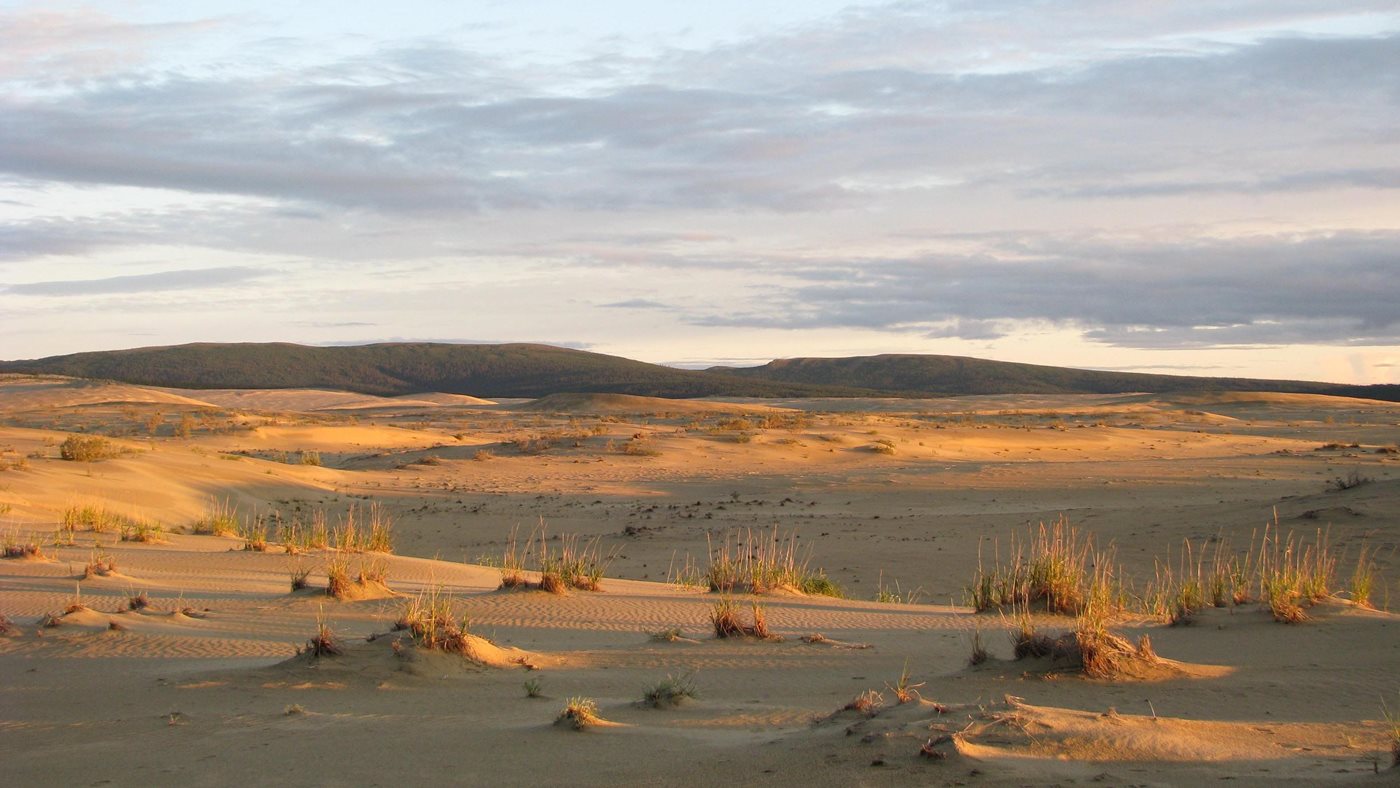
Great Kobuk Sand Dunes
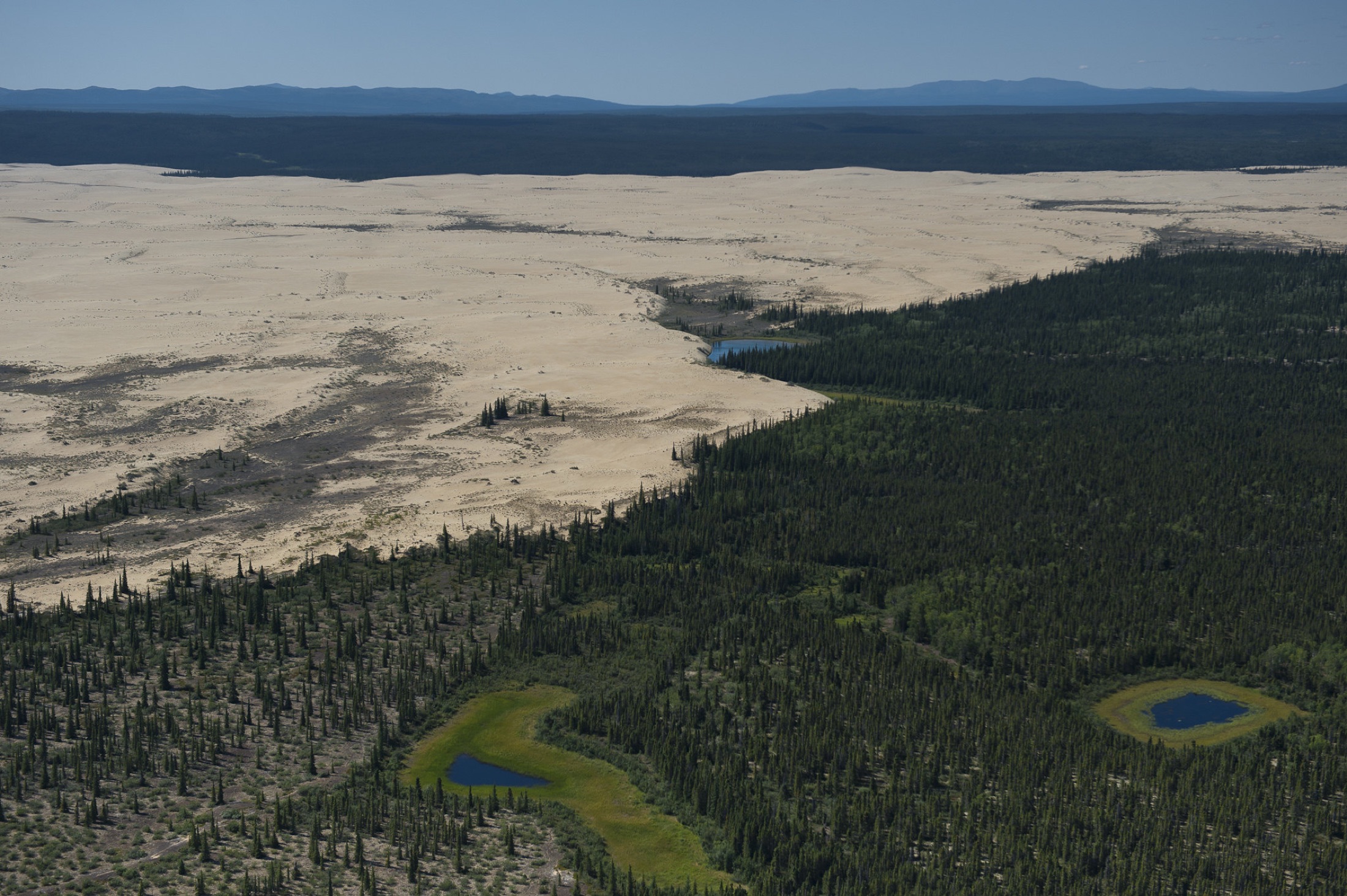
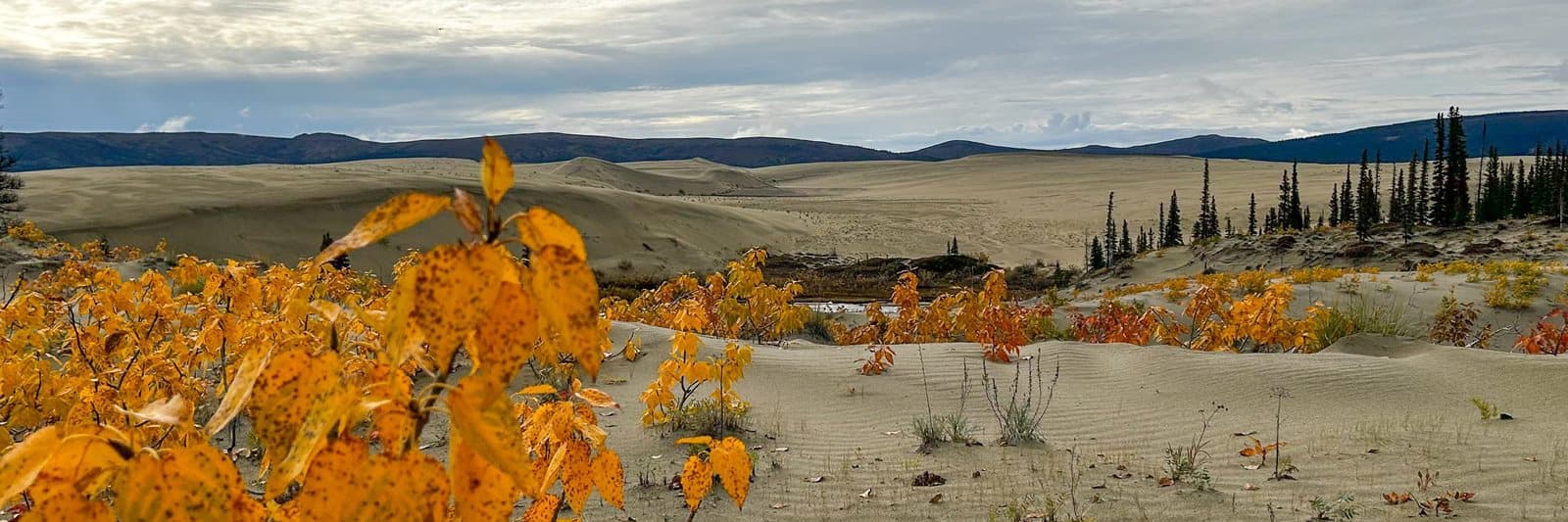
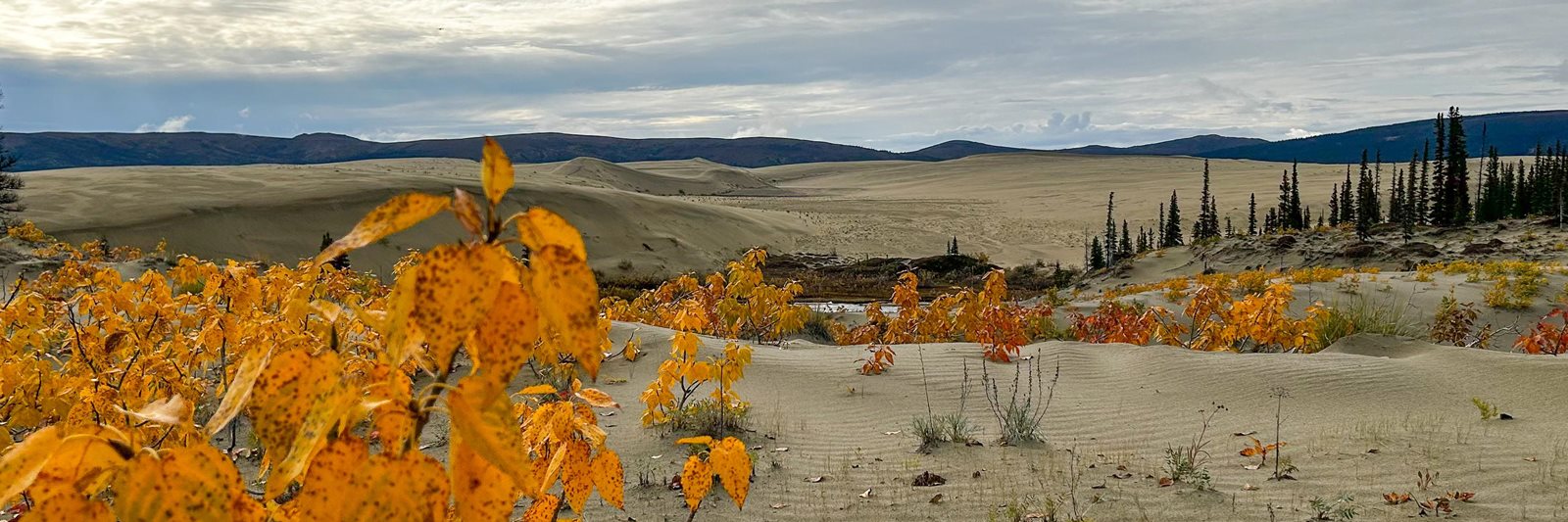
The largest active dune field in the Arctic, roughly 25 square miles of sand rising up to 100 feet, often the first stop for fly-in visitors.
Onion Portage
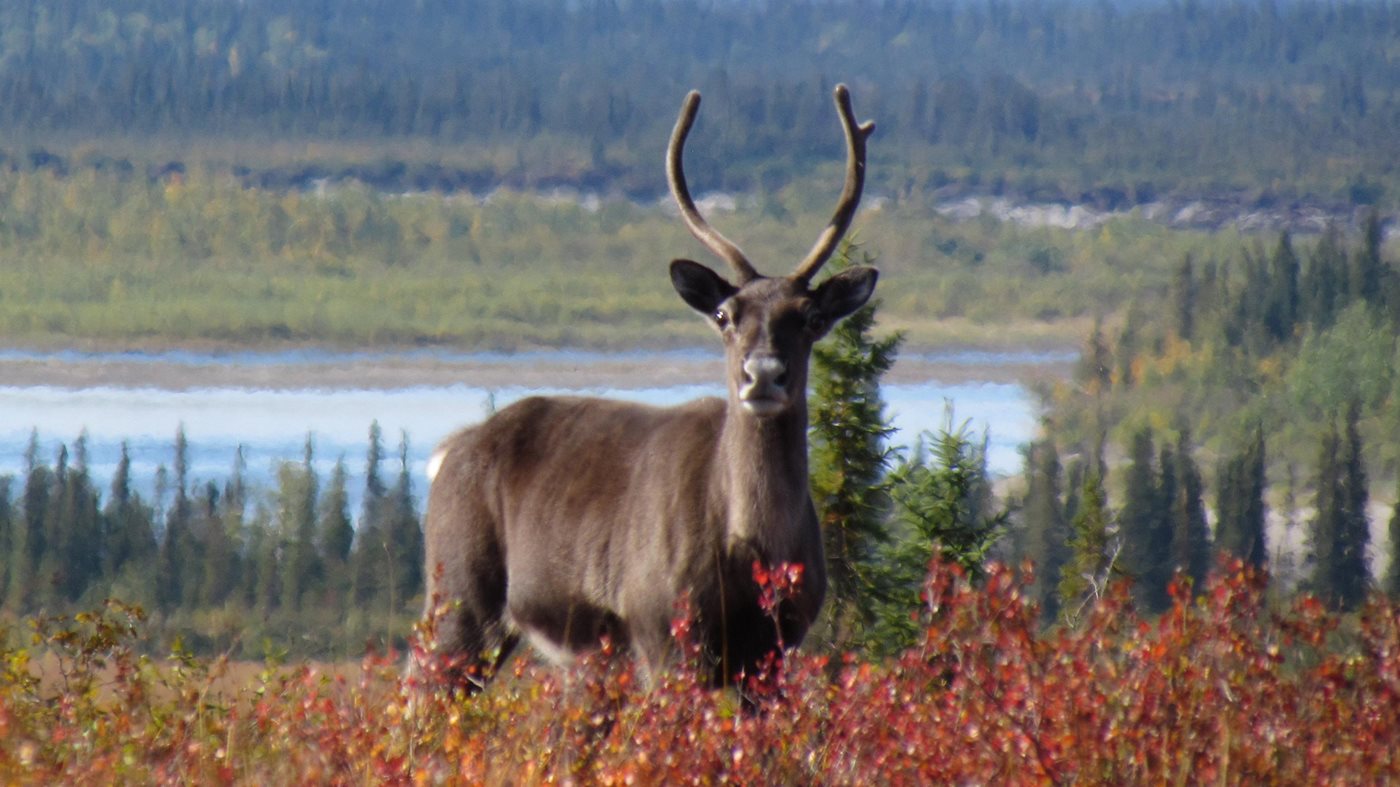
One of Alaska's most important archaeological sites and a classic crossing point to watch the Western Arctic caribou herd ford the river.
Kobuk River float
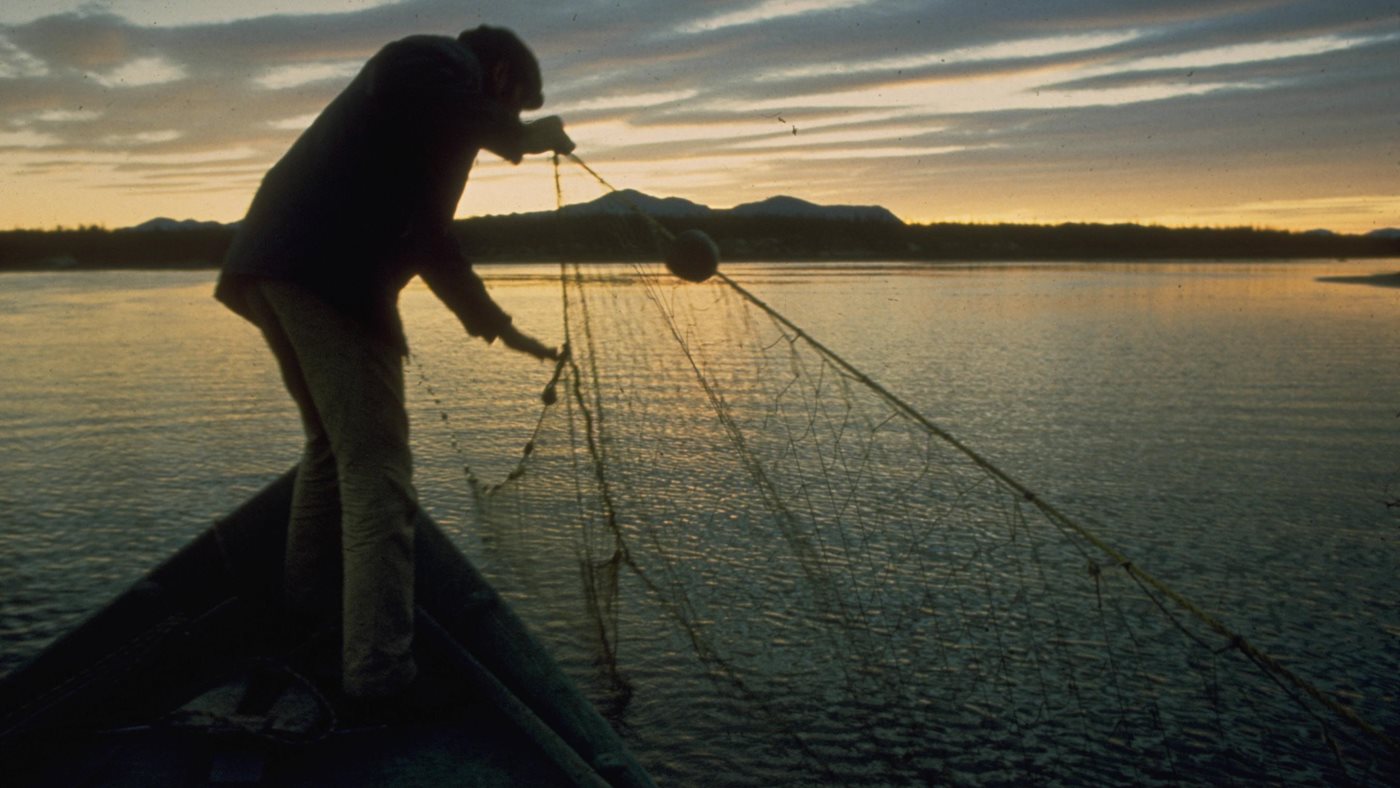
The park's main travel corridor, a calm wilderness river you paddle by packraft or canoe after a float-plane drop-off.
Western Arctic caribou migration
Hundreds of thousands of caribou move through the valley twice a year, the park's signature wildlife spectacle in spring and fall.
Little Kobuk and Hunt River Dunes
Smaller, less-visited dune fields near the great dunes that reward backpackers willing to range farther on foot.
Anchor the day around Great Kobuk Sand Dunes
Treat transport weather as part of the itinerary, with a real buffer day instead of a tight turnaround. For one day in Kobuk Valley, make Great Kobuk Sand Dunes the non-negotiable, add Onion Portage only if the first stop runs clean, and keep Kobuk River float as the flexible finish.
- 1Start with Great Kobuk Sand Dunes: The largest active dune field in the Arctic, roughly 25 square miles of sand rising up to 100 feet, often the first stop for fly-in visitors.
- 2Add Onion Portage: One of Alaska's most important archaeological sites and a classic crossing point to watch the Western Arctic caribou herd ford the river.
- 3Use Kobuk River float as the optional finish, not as a reason to rush the whole day.
Where to stay
Stay strategy
Make the access plan before the lodging plan.
Stay strategy
Stage in Kotzebue, then camp wherever the plane can safely leave you.
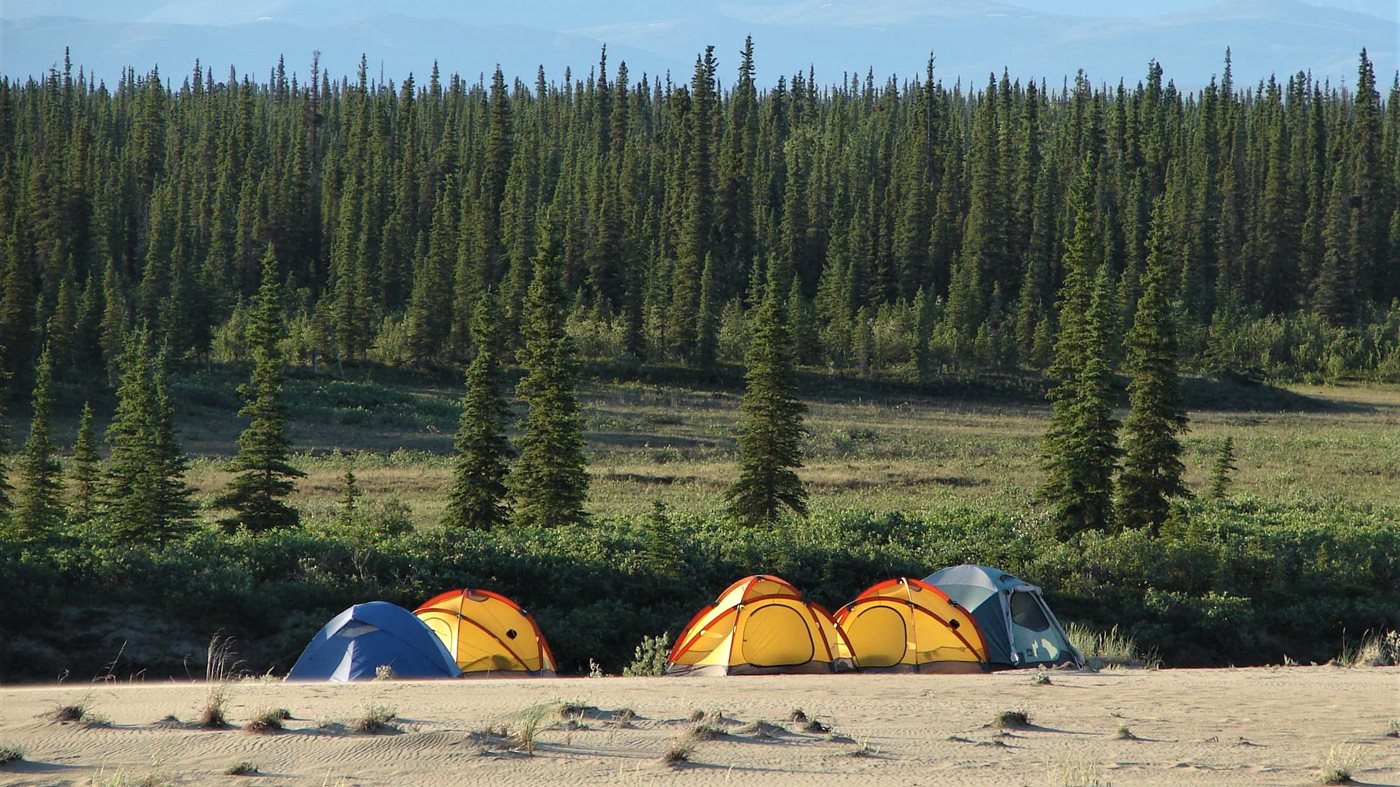
Kobuk Valley has no lodge, campground, road, or casual backup plan inside the park. Your real base is Kotzebue or Bettles, and the overnight plan is primitive camping on dunes, gravel bars, or tundra after an air taxi drop.
- Road access
- None, every visit is fly-in
- Main hub
- Kotzebue via Anchorage, then air taxi
- Inside lodging
- No lodging, no campground, no services
- Best window
- Late June through August for open rivers and long daylight
Compare base options
Read these as access plans first. The right base is the one that makes the transfer reliable, then the room or campsite can follow.
Paid links: we may earn a commission if you book, at no extra cost to you.
- Best for
- Flights from Anchorage, local air taxis, last supplies, and weather buffer nights
- Tradeoff
- You are still outside the park until the charter flight goes.
Planning detail
Use Kotzebue as the logistics base for most trips. Build in extra nights because Arctic weather can delay both the drop-off and the pickup.
Inside the park
Primitive camping on dunes, river bars, or tundra
- Best for
- Self-supported backpackers, paddlers, and photographers with expedition gear
- Tradeoff
- No facilities, no marked trails, no food, no fuel, and no guaranteed exit day.
Planning detail
This is the actual Kobuk Valley stay. Carry shelter for cold rain, bug protection, bear-resistant food storage, a water filter, and enough margin to wait out flight delays.
- Best for
- Travelers coming from Fairbanks or pairing Kobuk with other Arctic parks
- Tradeoff
- It changes the air-taxi network and can add complexity.
Planning detail
Consider Bettles only if your operator and route make it the cleaner staging point. For many visitors, Kotzebue remains the simplest hub.
Buffer days
Add spare days on both ends of the air taxi window.
Bug season
A head net is core gear, not a comfort item.
Exit plan
Plan how you wait safely if weather grounds the pickup.
Camping reservations
Camping reservations
Kobuk Valley has no roads, no campgrounds, and no permits: fly in from Kotzebue and pick your own campsite.
Nothing here can be reserved because nothing here is built. There are no campgrounds, trails, or facilities anywhere in the park, and backcountry camping is the only way to stay overnight. Most trips run by air taxi out of Kotzebue, with camps on the Great Kobuk Sand Dunes, at Onion Portage, or on Kobuk River gravel bars.
Reviewed June 11, 2026
Booking window
No reservation system exists and independent travelers need no permit. The booking that matters is the air taxi from Kotzebue, arranged months ahead for the short summer window.
- Permits are not required for independent travelers; organized recreational groups need a permit from the Chief Ranger.
- Borrow a bear-resistant food container free from the Northwest Arctic Heritage Center in Kotzebue, the park's visitor center, before you fly in.
- The classic camps are the Great Kobuk Sand Dunes and Onion Portage on the north bank of the Kobuk River; gravel bars make the most durable campsites everywhere else.
- Carry everything in and out: there are no services in the park, cell phones do not work in the backcountry, and many travelers carry a satellite phone for safety.
Where to book or verify
The official guidance on where to camp, food storage, and trip planning in a park with zero infrastructure.
Confirms there are no accommodations or public facilities; backcountry camping is the only overnight option.
Check for federal campground, backcountry, tour, and permit inventory tied to this park.
Explains that no permit is needed to enter the park and which activities need a special use permit.
Getting there and practical info
Make the transfer plan before the trail plan.
Weather windows, boat schedules, flight buffers, and backup days shape what is realistic.
Getting there
Get to Kobuk Valley by solving the transfer first.
- Nearest airport
- Ralph Wien Memorial Airport in Kotzebue (OTZ), reached by jet from Anchorage, then an air taxi into the park; Bettles is the alternate hub from Fairbanks.
- Access rhythm
- Transfer time matters
- Region
- Alaska
Fly in
There are no roads to or within Kobuk Valley, so every visit is a fly-in trip.
Fly in
Start with a commercial jet from Anchorage to Ralph Wien Memorial Airport in Kotzebue (OTZ), the regional hub just outside the park, or fly from Fairbanks to Bettles as an alternate.
Transfer plan
From there you charter a local air taxi: tundra-tire planes can land on the Great Kobuk Sand Dunes, and float planes set down on the Kobuk River.
Book ahead
- Rental cars at Ralph Wien Memorial Airport in Kotzebue (OTZ)Paid link, Economybookings
- Guided tours in Kobuk ValleyPaid link, Viator
Paid links: we may earn a commission if you book, at no extra cost to you.
Pair this with lodging: the best base is the one that protects the departure window, pickup point, or weather buffer.
Plan your trip
Build one complete pack brief from Kobuk Valley's season, activity, and trip length. Fine-tune an individual calculation only if you need it.
Fine-tune water, pack size, warmth, or stove fuel
Build around access
Plan the transfer before the trail list.
Plan your trip
4 quick tools, already seeded for Kobuk Valley. Tune the route, pack weight, weather margin, and overnight setup after the access plan is real.
What to pack
Start with the gear decisions Kobuk Valley changes: water, footing, weather, and overnight needs. The checklist is there once your route and dates are set.
Kit Authority
Kobuk Valley packing list
0 of 22 packed. Check items as you pack, then take this list to the store, trailhead, or campsite.
Pack planning
Decide what Kobuk Valley asks of your kit before you start checking boxes.
Use this as a constraint check while you are still shaping the trip. The active checklist becomes useful once your route, dates, and sleep plan are set.
- First constraintHydration and exposureWater, hat, sunscreen, sunglasses, Navigationmap, downloaded GPS, or a GPS watch, 3 more
- Route realityFooting and tractionHiking boots, Hiking socks, Trekking poles
- Load choicePack and carry systemBackpacking pack
- If overnightSleep and shelterBackpacking tent, Sleeping bag, Sleeping pad, 1 more
Checklist mode
22 items, grouped for the trip you are actually taking.
- Dates and season are set.
- Primary route, campground, or lodge is chosen.
- Water, footwear, and overnight needs are sized.
One researched pick
The first gear decision for Kobuk Valley
A dependable water treatment system protects the plan when carried capacity is not enough for the route.
We may earn a commission from links on this page, at no extra cost to you. Product prices and availability are accurate as of the date/time indicated and are subject to change. Any price and availability information displayed on Amazon at the time of purchase will apply to the purchase of this product.
THE BACKCOUNTRY PICK
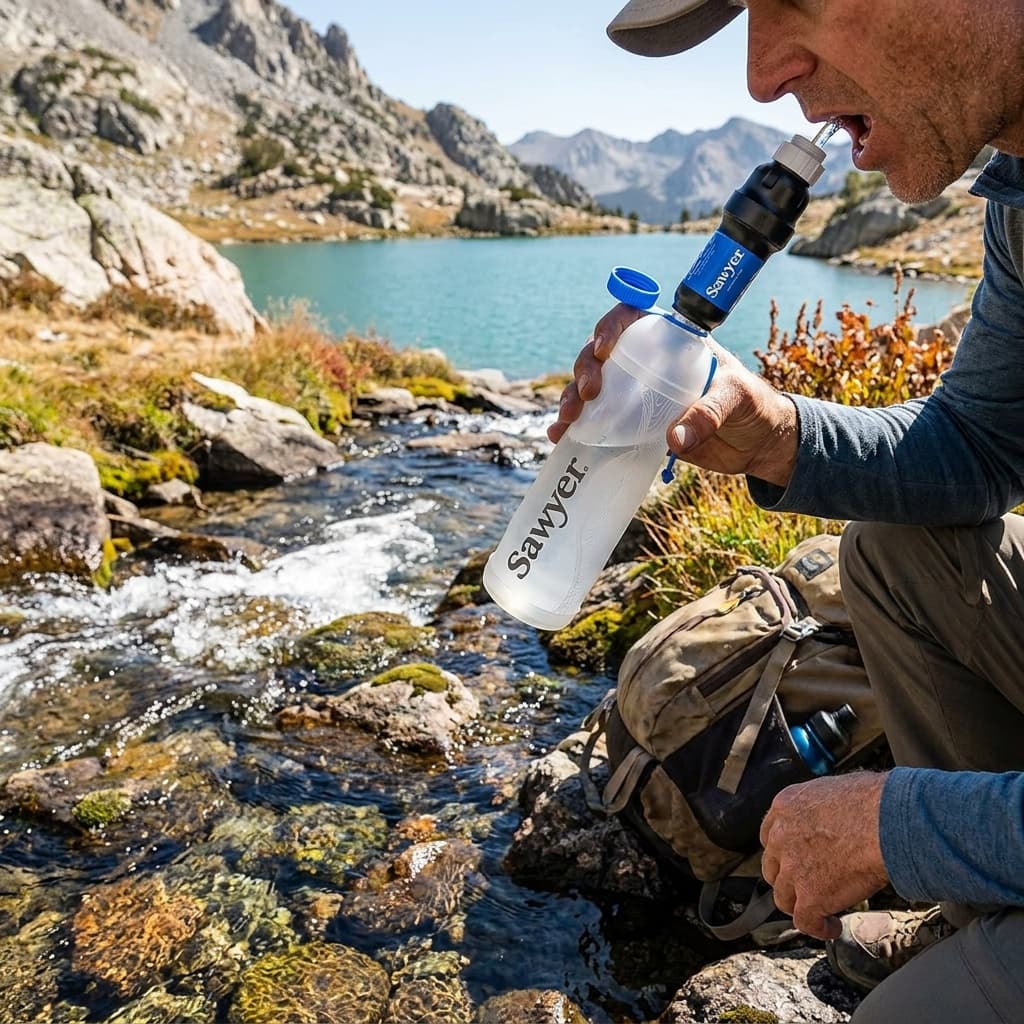
Sawyer Squeeze Water Filtration System
Best Overall
Kit Score 8.7/10
$59.95 Price checked Oct 23, 4:16 PM CDT
Best for: Thru-hikers, solo backpackers, and anyone who wants one filter that covers day trips through long-distance routes without worrying about filter replacement.
- 100,000-gallon rated lifespan with backflush cleaning means a single filter can last a decade of regular use
- The new SP302 and SP303 bundle SKUs have limited review history; the original SP131 (the basis for the large review corpus) is no longer available as a standalone purchase
- Filter type
- Hollow fiber squeeze
- Pore size
- 0.1 micron absolute
- Weight (filter only)
- 3 oz
- Flow rate
- 1.7 L/min
- Lifespan
- 100,000 gallons
- Removes
- Bacteria, protozoa, microplastics
About this pick
The Sawyer Squeeze is the most field-tested squeeze filter on the market, carried by a large share of PCT thru-hikers for its combination of fast flow, a practically unlimited lifespan, and three usable modes: squeeze, inline with a hydration bladder, or gravity-fed. It is the standard by which most other backpacking filters are measured.
Strengths
- 100,000-gallon rated lifespan with backflush cleaning means a single filter can last a decade of regular use
- Versatile three-mode operation: squeeze direct, attach inline to a hydration reservoir, or rig as a gravity system at camp
- Current SP302 kit ships with a CNOC TPU bottle rather than the flimsy standard pouches, addressing the most common long-term complaint about the original
Weaknesses
- The new SP302 and SP303 bundle SKUs have limited review history; the original SP131 (the basis for the large review corpus) is no longer available as a standalone purchase
- Freezing temperatures permanently damage the hollow fiber membrane, requiring careful storage in three-season and winter conditions
Kit Score breakdown
Gear for Kobuk Valley
The buying guides that match what Kobuk Valley asks of your kit. Each one has our current top picks across budget and use case.
Can you photograph here? Permit and drone rules
Kobuk Valley needs no permit for small-group still photography, explicitly requires a commercial use authorization for photo workshops, and bans drones outright.
- Permit
- Usually fine for personal shoots; commercial or large productions can need a permit
- Drones
- Banned: launching, landing, or operating unmanned or remote controlled aircraft in Kobuk Valley is prohibited
- Land
- Yes for personal and editorial photography throughout the park
From our photography sister site, Aperture Authority. Verified 2026-07-01.
Frequently asked questions
Is there an entrance fee for Kobuk Valley National Park?
No, Kobuk Valley charges no entrance fee and has no entrance station. The real expense is logistics: a chartered air taxi from Kotzebue or Bettles is the only way in, and that flight typically costs several hundred dollars or more per person. Budget for the bush plane, not a park gate.
How do you actually get to Kobuk Valley National Park?
You fly. There are no roads, so you take a commercial jet to Kotzebue (from Anchorage) or to Bettles (from Fairbanks), then charter a small air taxi into the park. Tundra-tire planes land on the sand dunes and float planes land on the Kobuk River. Plan for weather delays, because flights are routinely grounded.
What is the best time of year to visit Kobuk Valley?
Summer, roughly late June through August, is the only practical window. That is when the rivers are ice-free for float planes, daylight is nearly endless, and highs reach the 60s to low 70s F. Spring and fall are cold and short, and winter is dark, brutally cold, and effectively off-limits to all but expert expeditions.
Are there trails or campgrounds in Kobuk Valley?
No. The park has no maintained trails, no campgrounds, and no visitor services inside its boundary. You travel cross-country on foot or by floating the Kobuk River, and you camp primitively wherever you land. Everyone who visits must be fully self-sufficient and prepared for true Arctic backcountry conditions.
What is there to see at Kobuk Valley?
The highlights are the Great Kobuk Sand Dunes, the largest active dunes in the Arctic, and the twice-yearly migration of the Western Arctic caribou herd, which numbers in the hundreds of thousands. Onion Portage, an important archaeological site, is a classic spot to watch caribou cross the river. Most visitors come to backpack the dunes, float the river, and photograph the wildlife.
Keep planning
Nearby parks
 Gates of the ArcticThe least-visited U.S. national park: 8.4 million roadless, trailless acres of Brooks Range wilderness you reach only by bush plane.
 KatmaiFloat-plane wilderness where the world's largest brown bears fish salmon at Brooks Falls each July.
 Lake ClarkA roadless Alaska wilderness of volcanoes, turquoise lakes, and coastal brown bears, reached only by bush plane.