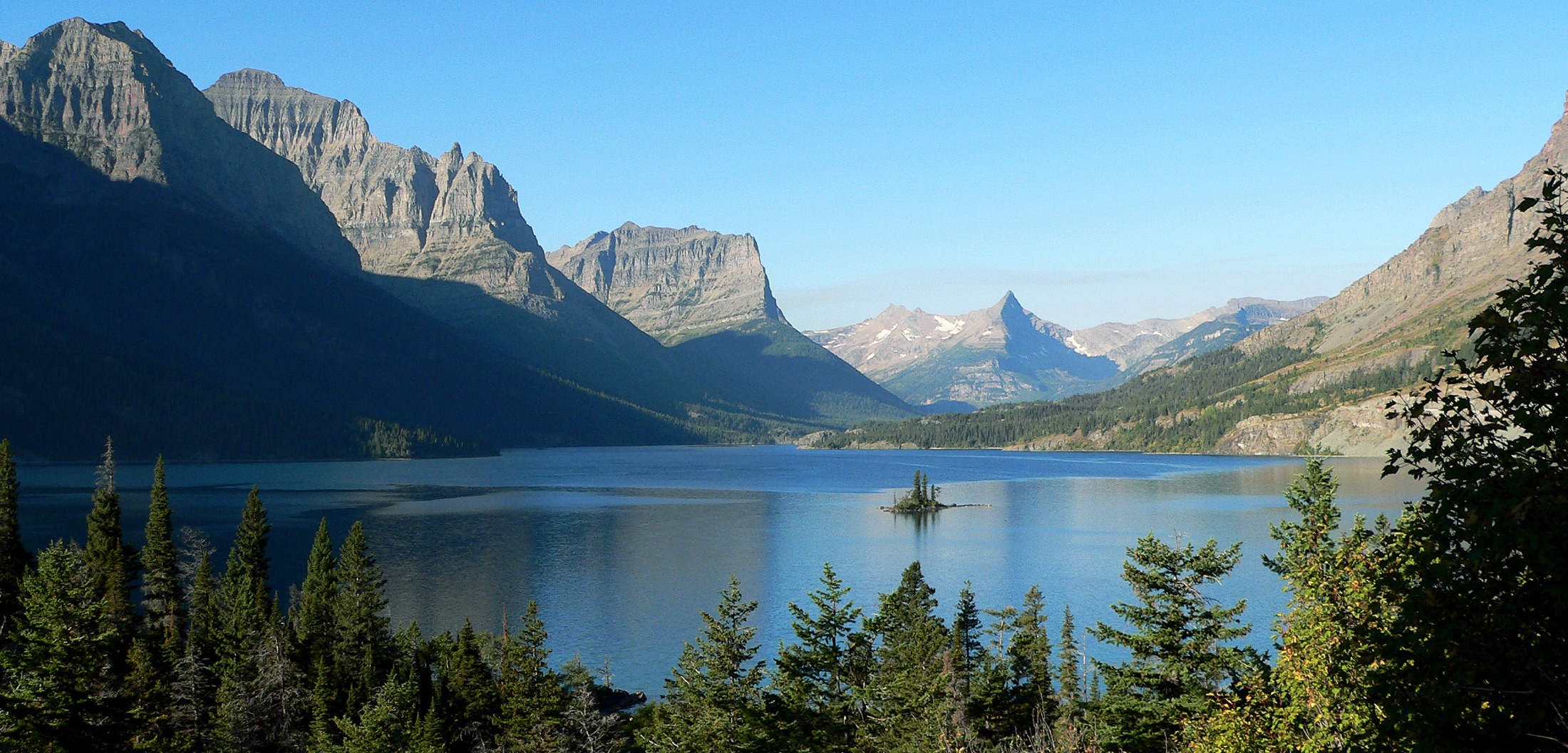
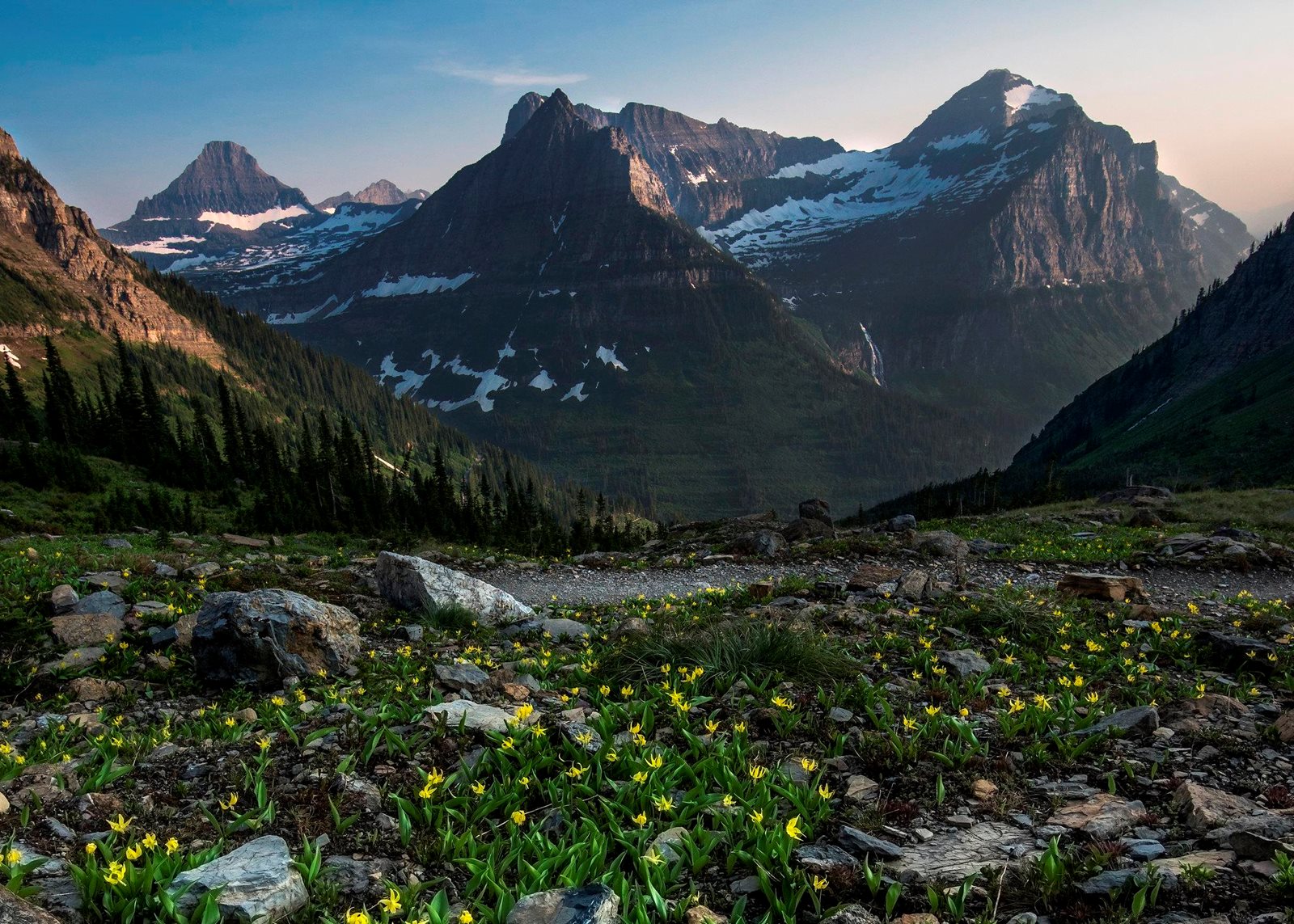
When to go
Conditions, crowds, and what each season asks you to pack.
Spring
40-60F
Highs 40-60F, wet and muddy at low elevations, deep snow still on the high passes
Pack Waterproof boots and rain shell, plus microspikes for lingering snow on trails
Summer
70-85F
Highs 70-85F in the valleys, cool and breezy up at Logan Pass, afternoon thunderstorms possible
Pack Layers for alpine wind, sun protection, and bear spray you know how to use
Fall
45-65F
Highs 45-65F, crisp air and golden larches, first snows arrive by late September
Pack Warm midlayers and a beanie, since temps swing hard between sun and shade
Winter
20-35F
Highs 20-35F, heavy snow, most park roads closed beyond the entrances
Pack Insulated boots, snowshoes or skis, and traction for icy lower trails
Crowds by month, from NPS visit counts
Busiest: July. An average July brings about 760,000 recreation visits to Glacier, roughly 24,500 a day. Peak crowds run July to August.
Quietest: February. About 16,300 visits, 2% of the busiest month. Crowds stay low October to April.
- Low
- Moderate
- High
- Peak
Bar height is each month's average visits compared with the busiest month. Low is under 25% of that peak, Moderate 25 to 49%, High 50 to 74%, Peak 75% and up.
See the monthly numbers
| Month | Avg visits | Share of year | Crowds |
|---|---|---|---|
| January | 16,335 | <1% | Low |
| February | 16,304 | <1% | Low |
| March | 24,664 | <1% | Low |
| April | 45,810 | 1% | Low |
| May | 218,247 | 7% | Moderate |
| June | 546,913 | 18% | High |
| July | 759,771 | 25% | Peak |
| August | 706,876 | 23% | Peak |
| September | 569,461 | 18% | High |
| October | 151,978 | 5% | Low |
| November | 22,424 | <1% | Low |
| December | 20,493 | <1% | Low |
Source: NPS Visitor Use Statistics, monthly recreation visits, averaged over 2023–2025. October and November 2025 are left out of the averages because of the federal government shutdown. Visits count entries, not unique people. NPS monthly report for Glacier · Crowd calendar for all 63 parks
Glacier weather by month
Average daily highs and lows, plus monthly precipitation, from NOAA's 1991-2020 climate normals for West Glacier and Lake McDonald. Shaded months are the park's best season. Tap a month to build a pack list for it.
| Month | Jan | Feb | Mar | Apr | May | Jun | Jul | Aug | Sep | Oct | Nov | Dec |
|---|---|---|---|---|---|---|---|---|---|---|---|---|
| High (F) | 30 | 34 | 43 | 53 | 64 | 70 | 80 | 79 | 68 | 52 | 37 | 29 |
| Low (F) | 19 | 19 | 25 | 31 | 39 | 45 | 50 | 48 | 41 | 33 | 26 | 20 |
| Precip (in) | 3.5 | 2.2 | 2.6 | 2.2 | 2.6 | 3.8 | 1.4 | 1.2 | 2.0 | 3.1 | 3.2 | 3.2 |
| Snow (in) | 32.0 | 16.0 | 14.0 | 3.1 | 0.5 | 0.0 | 0.0 | 0.0 | 0.0 | 2.0 | 16.2 | 31.4 |
Station W GLACIER (USC00248809), 3,148 ft, about 1 mile from Apgar Visitor Center. Logan Pass sits far higher, holds snow into summer, and runs much colder.
Source: NOAA NCEI U.S. Climate Normals, 1991-2020 monthly averages. Averages describe a typical year, not a forecast; check current conditions and alerts before you go. Precipitation includes the water in melted snow.
Top things to do
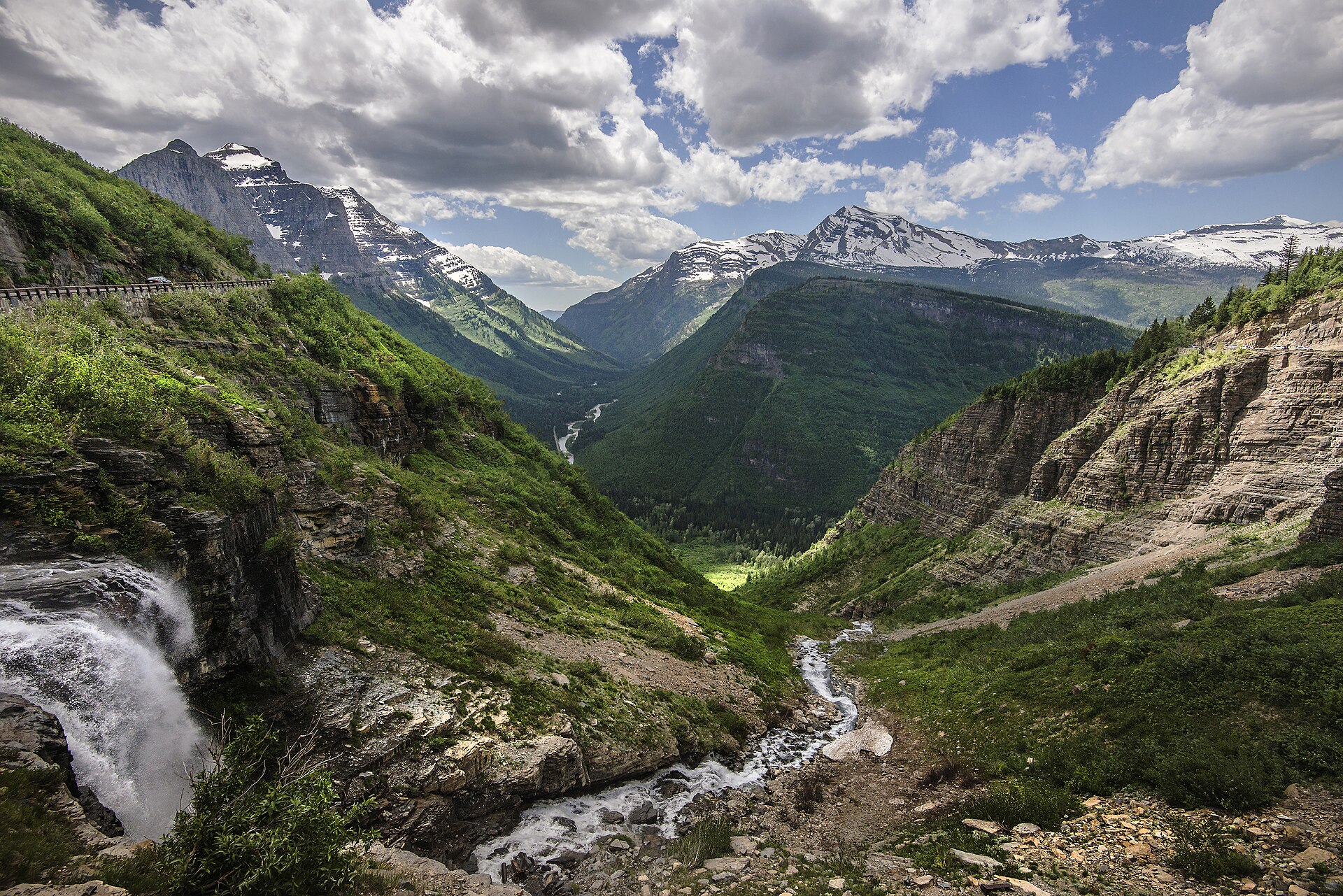
Going-to-the-Sun Road
50-mile alpine drive over Logan Pass, the single must-do experience in the park
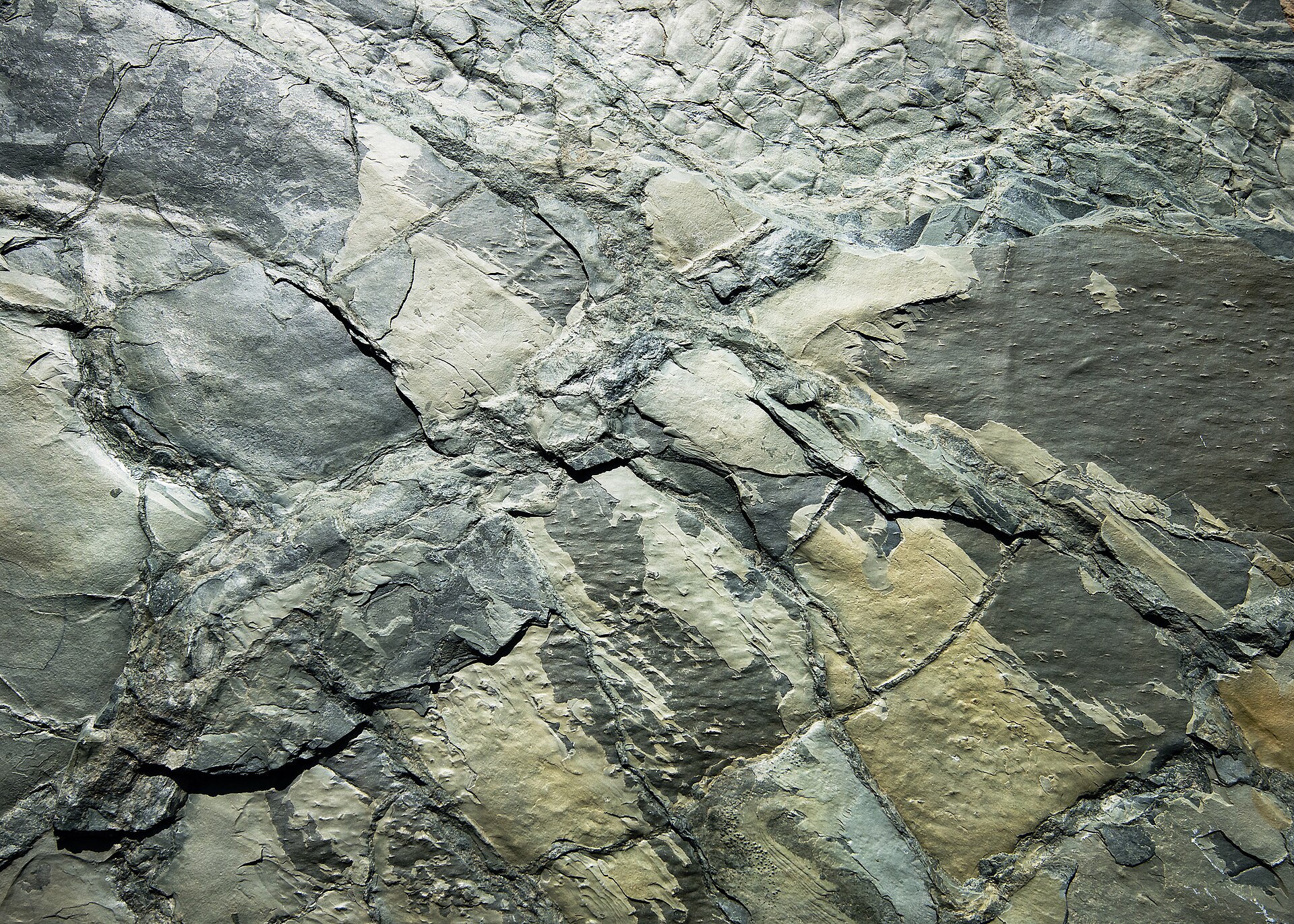
Highline Trail
Roughly 11.6 miles point-to-point along the Continental Divide, exposed ledges and big views
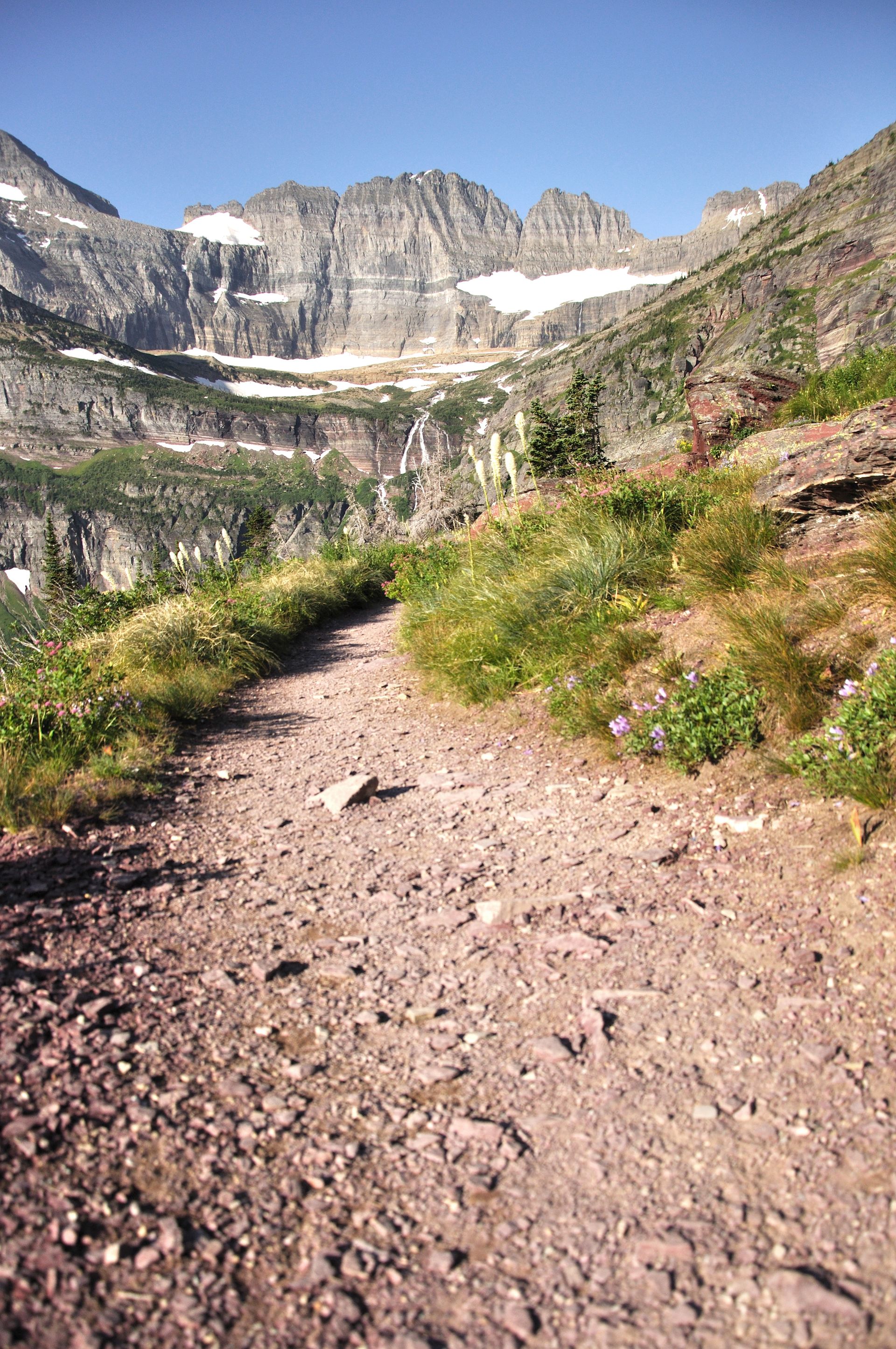
Grinnell Glacier Trail
About 10.6 miles round trip from Many Glacier to a turquoise glacial lake, the classic day hike
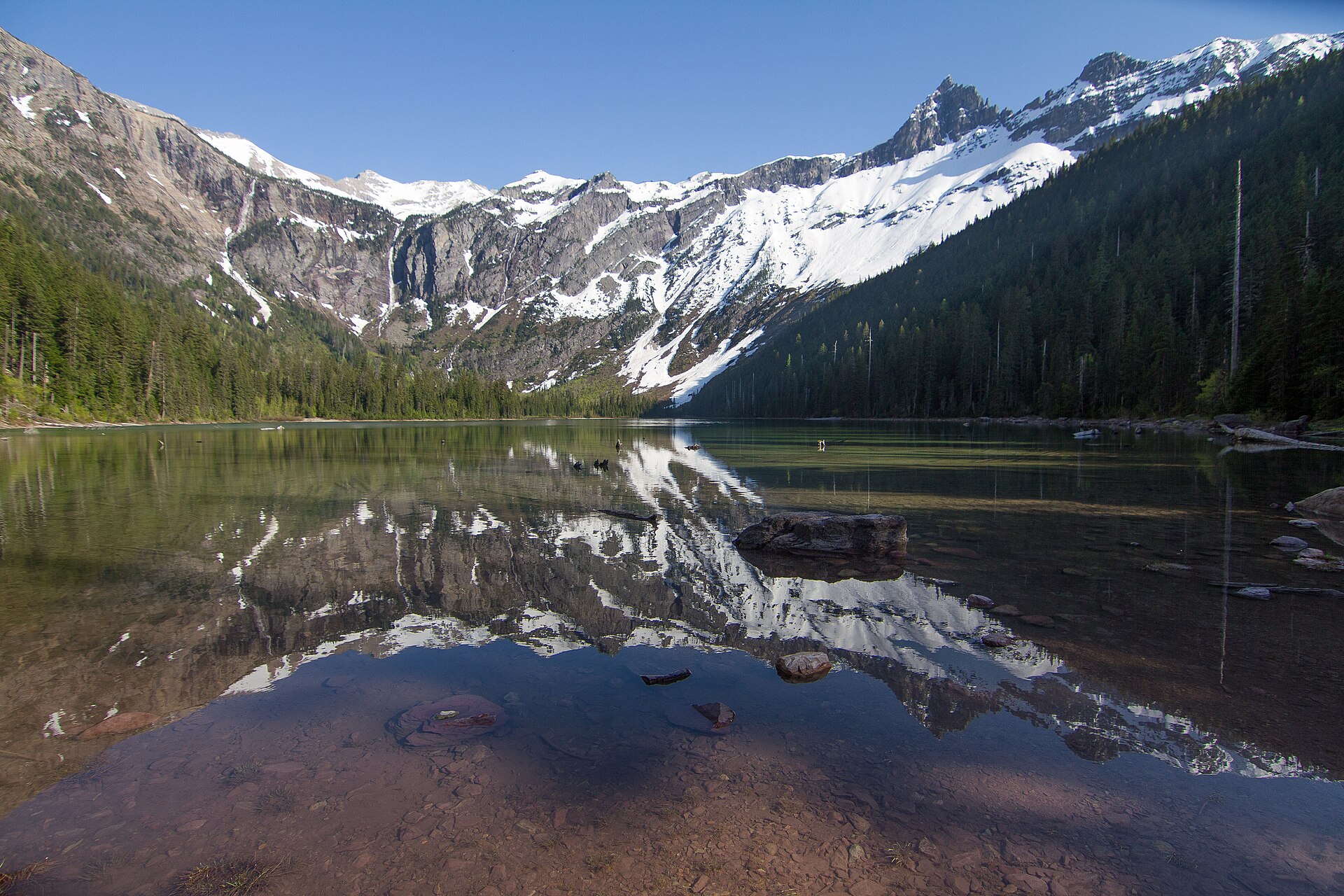
Avalanche Lake
Around 5.9 miles round trip through old-growth cedar, the best family-friendly hike in the park
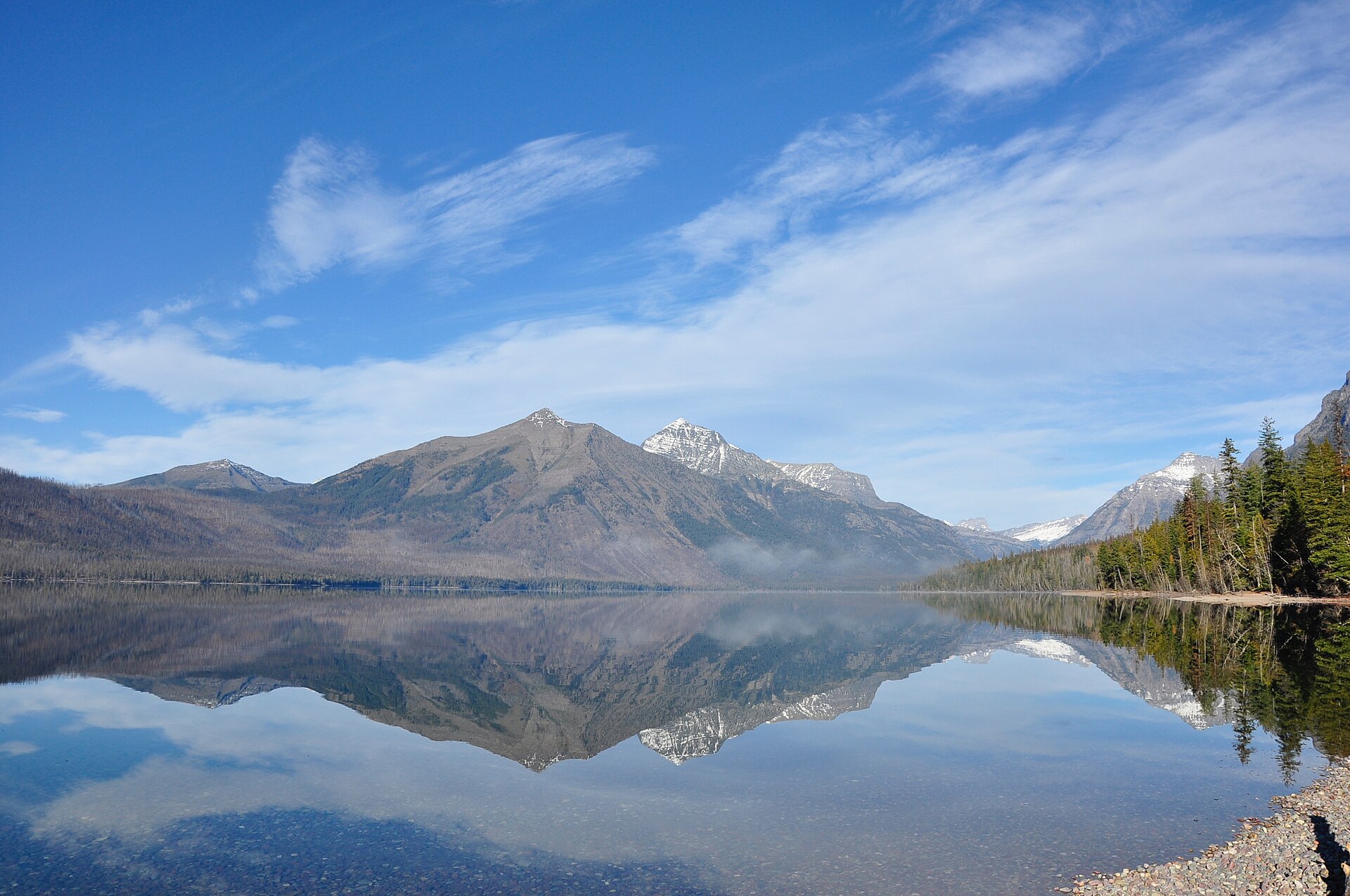
Lake McDonald
The park's largest lake, famous for its rainbow-colored pebble shoreline and easy paddling
Anchor the day around Going-to-the-Sun Road
Put the access rule first: shuttle, parking, timed-entry, or reservation windows should decide the order of the day. For one day in Glacier, make Going-to-the-Sun Road the non-negotiable, add Highline Trail only if the first stop runs clean, and keep Grinnell Glacier Trail as the flexible finish.
- 1Start with Going-to-the-Sun Road: 50-mile alpine drive over Logan Pass, the single must-do experience in the park.
- 2Add Highline Trail: Roughly 11.6 miles point-to-point along the Continental Divide, exposed ledges and big views.
- 3Use Grinnell Glacier Trail as the optional finish, not as a reason to rush the whole day.
Where to stay
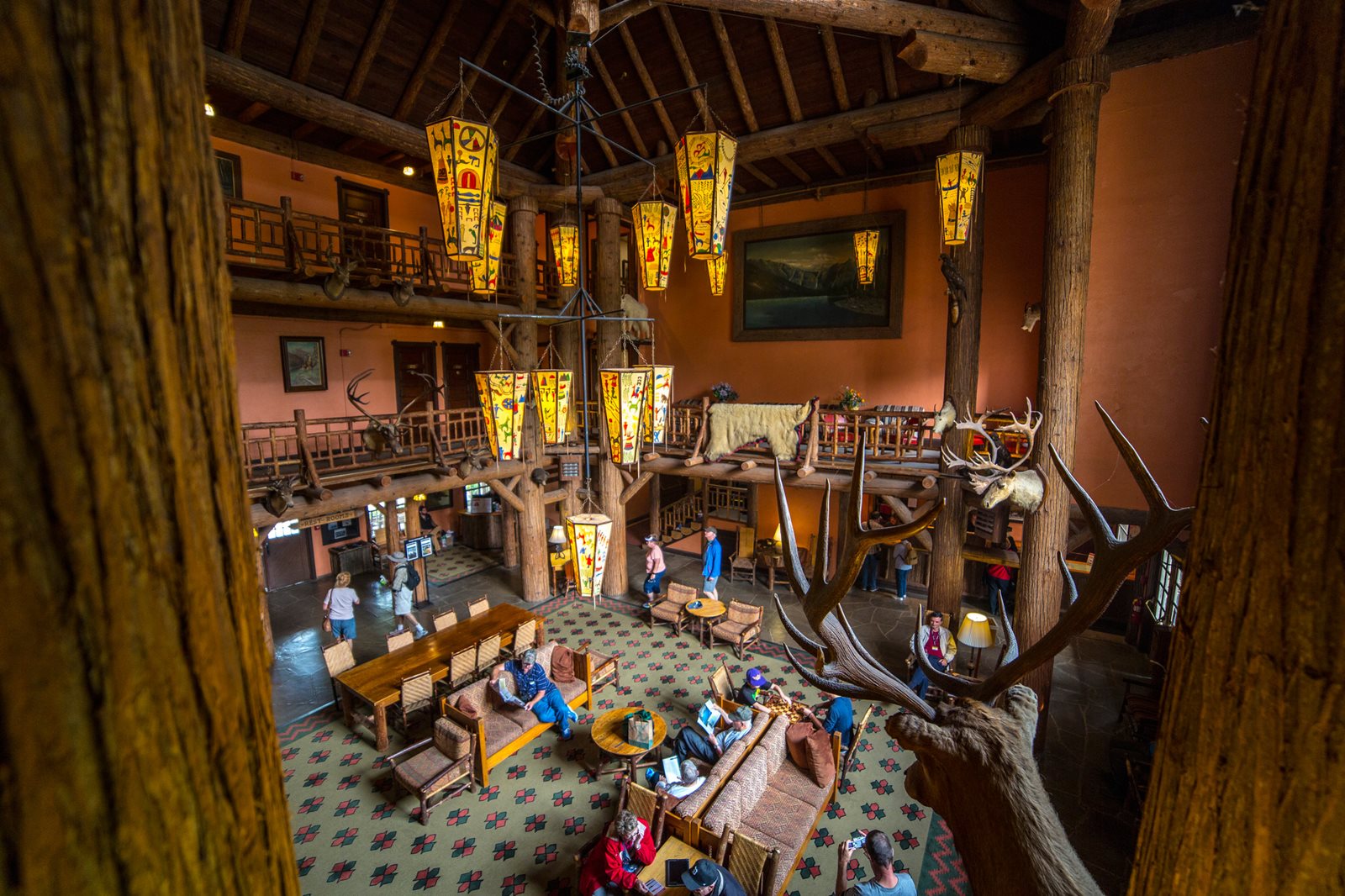
Stay strategy
Sleep where the first morning stays simple.
Stay strategy
Choose a side of the park before you choose a room.
Glacier is really a west-side and east-side decision. West Glacier, Apgar, Whitefish, and Kalispell simplify flights, food, and Lake McDonald. St. Mary and Many Glacier put you closer to the biggest alpine hikes but have fewer beds and services.
- Main airport
- FCA in Kalispell, 30 to 45 minutes from West Glacier
- 2026 entry
- No vehicle reservations, entry pass still required
- Road hinge
- Going-to-the-Sun Road usually opens fully in late June or early July
- Camping
- 13 park campgrounds, reservation rules vary by campground
Compare base options
Compare each base by the first morning: where you park, what you ride, and how many decisions happen before the trail or viewpoint.
Paid links: we may earn a commission if you book, at no extra cost to you.
Easiest logistics
West Glacier, Apgar, Whitefish, or Kalispell
Directions- Best for
- First trips, airport access, Lake McDonald, rental cars, restaurants, and backup services
- Tradeoff
- Longer drives to Many Glacier and the east-side trailheads.
Planning detail
Use the west side when the trip needs flexibility. West Glacier and Apgar keep you at the entrance, while Whitefish and Kalispell trade a longer morning for more lodging, food, and flight options.
Classic park stay
Lake McDonald Lodge, Many Glacier Hotel, Swiftcurrent, or Rising Sun
- Best for
- Historic lodging, early trail starts, and staying inside the park rhythm
- Tradeoff
- Rooms sell very early, and east-side choices are limited.
Planning detail
Book in-park rooms as soon as your dates are real. Lake McDonald suits west-side touring, Many Glacier and Swiftcurrent suit the Grinnell area, and Rising Sun keeps you near St. Mary.
- Best for
- Keeping costs down while staying near the main valleys
- Tradeoff
- Rules vary by campground, and popular summer sites disappear quickly.
Planning detail
Campers should pick the valley that matches the itinerary, then check the current reservation and first-come rules. Bring layers even in July, because nights and alpine mornings run cool.
Side choice
Sleep west for convenience, east for alpine trail access.
Road timing
Do not build a June trip around the full Sun Road unless the road status supports it.
Bear country
Buy or rent bear spray after you land, then carry it where you can reach it.
Camping reservations
Camping reservations
Book Glacier's big campgrounds the morning the 6-month window opens.
Seven of Glacier's 13 campgrounds are reservation-only through Recreation.gov, and the marquee ones (Many Glacier, Apgar, Fish Creek) go fast for July and August. Many Glacier is the hardest site in the park to land, so know your 6-month date before it arrives.
Reviewed June 11, 2026
Booking window
Most reservable sites open on Recreation.gov on a 6-month rolling window, with a portion of sites held back and released on a short 4-day window.
- Two Medicine Campground is not available for the 2026 season, which pushes even more demand onto Many Glacier and St. Mary on the east side.
- Bowman Lake, Kintla Lake, and Cut Bank stay first-come, first-served (Logging Creek and Quartz Creek are closed for 2026); Bowman fills early on summer mornings, remote Kintla rarely does.
- There are no vehicle reservations in 2026, but Logan Pass parking is capped at three hours starting July 1, so camping near your trailhead matters more than ever.
- All overnight backcountry trips need a wilderness permit, separate from any campground booking.
Where to book or verify
Start here for the full 13-campground lineup, status map, and official reservation links.
Details and Recreation.gov links for the seven reservation-only campgrounds.
All reservable campgrounds book through Recreation.gov.
Required for all overnight backcountry trips, with advance lottery and walk-up options.
Use this for wilderness permits, timed systems, tours, and other park-specific reservations.
Campgrounds to know
Apgar Campground
Details- Booking
- Up to 6 months ahead on a rolling window.
- Season
- Open year-round; primitive camping roughly October through mid-April.
- Sites
- Tent and RV sites; the park's largest campground at 194 sites.
- Walkable to Apgar Village and Lake McDonald on the busy west side, so it is the most practical first-timer base.
Fish Creek Campground
Details- Booking
- Up to 6 months ahead on a rolling window.
- Season
- Roughly mid-May to early September, with primitive shoulder seasons.
- Sites
- Tent and RV sites in forest near Lake McDonald's west shore.
- The second-largest campground and a quieter alternative to Apgar on the same side of the park.
Many Glacier Campground
Details- Booking
- Up to 6 months ahead; sites disappear within minutes for midsummer.
- Season
- Roughly early June to mid-September.
- Sites
- Tent and RV sites at about 4,500 feet.
- Steps from the Grinnell Glacier and Iceberg Lake trailheads; the single most competitive booking in the park.
St. Mary Campground
Details- Booking
- Up to 6 months ahead, with some sites released on shorter windows.
- Season
- Open year-round; reservations required roughly mid-May to mid-August, primitive otherwise.
- Sites
- Tent and RV sites; the largest campground on the east side.
- A half mile from the St. Mary entrance, well placed for sunrise starts up Going-to-the-Sun Road.
Bowman Lake Campground
Details- Booking
- No reservations; arrive in the morning in summer.
- Season
- Roughly mid-May to early September, primitive into fall as weather allows.
- Sites
- Small, rustic sites up the unpaved North Fork road; not recommended for large RVs.
- The classic first-come option on a quiet turquoise lake; the washboard drive filters the crowds.
Getting there and practical info
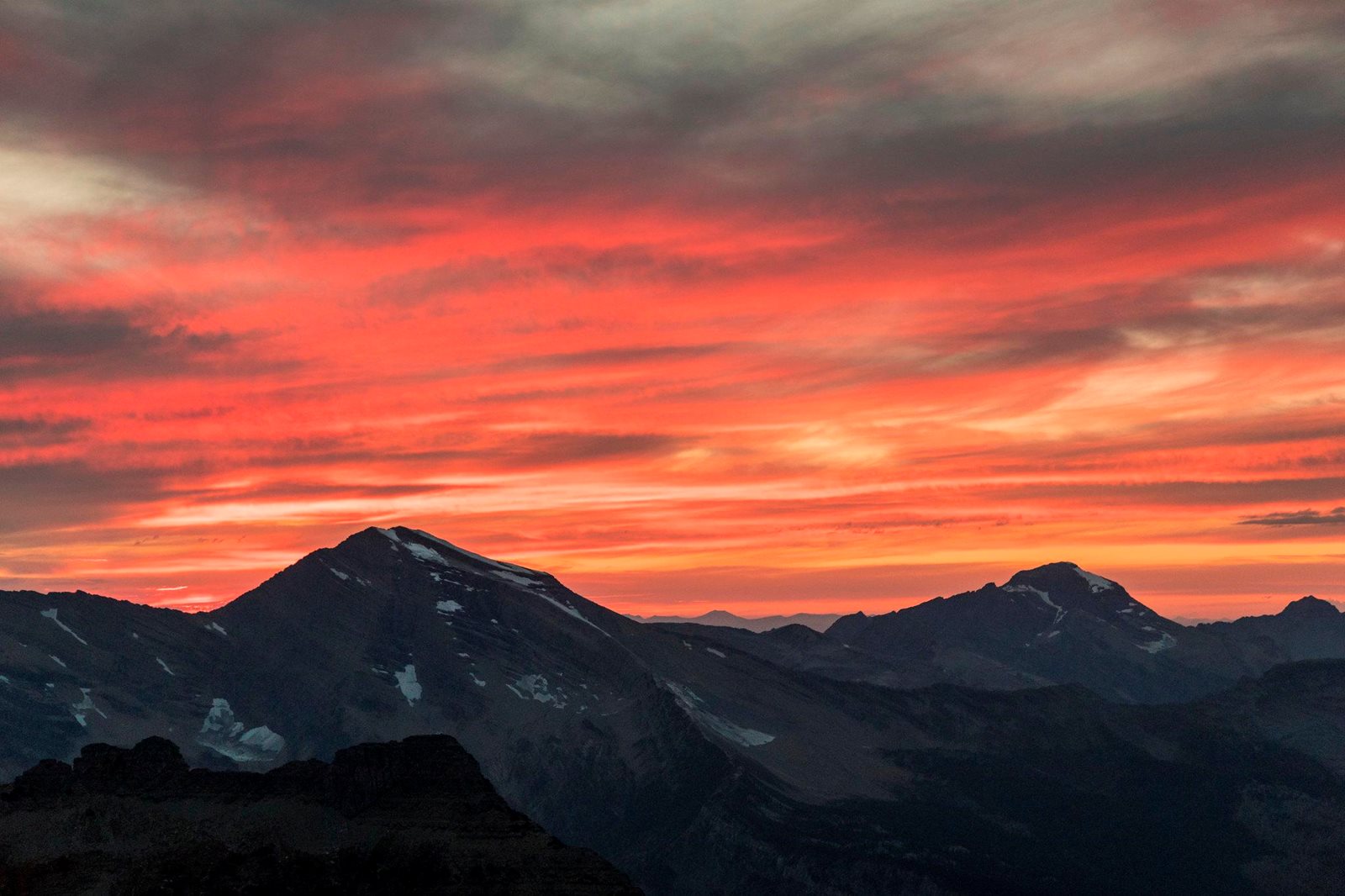
Plan the handoff from arrival to shuttle.
Parking, pedestrian entrances, and shuttle timing decide how calmly the first morning starts.
Getting there
Get to Glacier, then remove the first-morning friction.
- Nearest airport
- FCA (Glacier Park International, Kalispell), about 30-45 minutes to the West Glacier entrance
- Access rhythm
- Reserve before arrival
- Region
- Montana
Fly in
Fly into Glacier Park International Airport (FCA) in Kalispell, roughly 30-45 minutes from the West Glacier entrance and the most common gateway.
Car strategy
The park straddles the Continental Divide in northwest Montana, with the west entrance near West Glacier and the east entrances at St. Mary and Many Glacier; driving between the two sides takes a couple of hours when Going-to-the-Sun Road is open.
Car strategy
That road is the headline drive but only fully opens once crews finish plowing, typically late June or early July, and it closes again with the first heavy snows in fall.
Book ahead
- Guided tours in GlacierPaid link, Viator
Paid links: we may earn a commission if you book, at no extra cost to you.
Pair this with lodging: sleep where the park transfer is simple, especially if your route needs an early start.
Plan your trip
Build one complete pack brief from Glacier's season, activity, and trip length. Fine-tune an individual calculation only if you need it.
Fine-tune water, pack size, warmth, or stove fuel
Build around conditions
Let season, elevation, and weather set the plan.
Plan your trip
4 quick tools, already seeded for Glacier. Tune the numbers around temperature swings, footing, layers, and how much margin the route needs.
What to pack
Start with the gear decisions Glacier changes: water, footing, weather, and overnight needs. The checklist is there once your route and dates are set.
Kit Authority
Glacier packing list
0 of 21 packed. Check items as you pack, then take this list to the store, trailhead, or campsite.
Pack planning
Decide what Glacier asks of your kit before you start checking boxes.
Use this as a constraint check while you are still shaping the trip. The active checklist becomes useful once your route, dates, and sleep plan are set.
- First constraintHydration and exposureWater, hat, sunscreen, sunglasses, Navigationmap, downloaded GPS, or a GPS watch, 3 more
- Route realityFooting and tractionHiking boots, Hiking socks, Trekking poles
- Load choicePack and carry systemBackpacking pack
- If overnightSleep and shelterBackpacking tent, Sleeping bag, Sleeping pad, 1 more
Checklist mode
21 items, grouped for the trip you are actually taking.
- Dates and season are set.
- Primary route, campground, or lodge is chosen.
- Water, footwear, and overnight needs are sized.
One researched pick
The first gear decision for Glacier
A stable daypack is the one purchase that organizes water, layers, food, first aid, and the small safety margin.
We may earn a commission from links on this page, at no extra cost to you. Product prices and availability are accurate as of the date/time indicated and are subject to change. Any price and availability information displayed on Amazon at the time of purchase will apply to the purchase of this product.
THE DAY-HIKE PICK
Osprey Talon 22
Best Overall
Kit Score 8.6/10
$169.95 Price checked Oct 23, 6:22 AM CDT
Best for: Hikers who want a proven all-around daypack with solid load support, plenty of adjustment, and a warranty they can actually use.
- Adjustable torso fit covers a wide range of body sizes
- At 2 lb 1 oz it runs heavier than ultralight rivals for the same volume
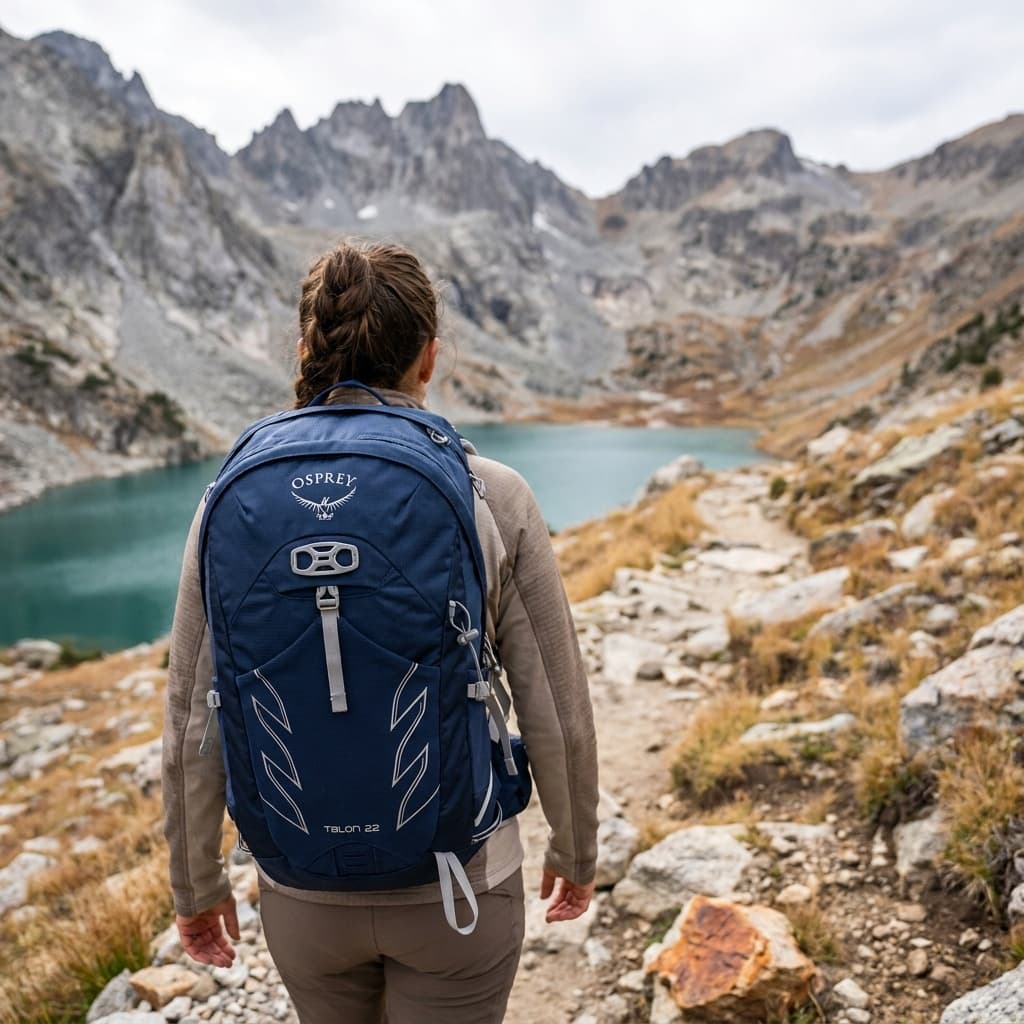
- Volume
- 22 L
- Weight
- 2 lb 1 oz (945 g)
- Back Panel
- AirScape foam with ventilation channels
- Hipbelt Pockets
- 2 zippered
- Hydration
- Compatible up to 3 L reservoir (sold separately)
- Warranty
- All Mighty Guarantee (lifetime repair or replace)
About this pick
The Talon 22 is the daypack you see on the trail more than any other for good reason: it packs in a padded hipbelt, adjustable torso harness, and dual hipbelt pockets into a 22-liter package that handles loads up to 20 lb without complaint. Owners across hundreds of Amazon ratings consistently cite its adjustability and durability as standouts.
Strengths
- Adjustable torso fit covers a wide range of body sizes
- Padded hipbelt and dual hipbelt pockets at this size are rare
- Osprey lifetime warranty backs years of hard use
Weaknesses
- At 2 lb 1 oz it runs heavier than ultralight rivals for the same volume
- AirScape back panel ventilation is functional but not class-leading compared to suspended-mesh designs
Kit Score breakdown
Gear for Glacier
The buying guides that match what Glacier asks of your kit. Each one has our current top picks across budget and use case.
Can you photograph here? Permit and drone rules
Glacier's filming and photography rules after the EXPLORE Act, plus the Going-to-the-Sun Road season and vehicle reservations that dictate access.
- Permit
- Usually fine for personal shoots; commercial or large productions can need a permit
- Drones
- Effectively banned: launching, landing, or operating a drone within park boundaries is prohibited
- Land
- Yes for personal and editorial photography throughout the park
From our photography sister site, Aperture Authority. Verified 2026-06-28.
Frequently asked questions
Do I need a reservation to enter Glacier National Park in 2026?
No. For the 2026 season the park suspended its vehicle reservation and timed-entry system, so you do not need a separate ticket to drive Going-to-the-Sun Road or enter any area. You do still need a valid park entry pass, which is $35 per private vehicle in summer and good for seven days. To manage crowds the park is instead using a three-hour parking limit at Logan Pass starting July 1 and a pilot shuttle for longer hikes.
When does Going-to-the-Sun Road open?
The full road over Logan Pass opens only after plowing finishes, which usually lands in late June or early July depending on snowpack. The lower sections near Lake McDonald and St. Mary stay open year-round as weather allows, but the alpine center closes with heavy fall snow, often by mid-October. Always check the park's current road status before you go, since opening dates shift every year.
What is the best time to visit Glacier National Park?
Mid-July through early September is the sweet spot, when the full Going-to-the-Sun Road is open and the high trails are snow-free, though it is also the most crowded. Late September brings golden larches, smaller crowds, and crisp weather, with the tradeoff of possible early snow. Winter is beautiful and quiet but most park roads are closed beyond the entrances.
Do I need bear spray in Glacier?
Yes, Glacier is home to both grizzly and black bears, and rangers strongly recommend carrying bear spray and knowing how to use it on every hike. Keep it accessible on your hip belt, not buried in your pack, and make noise on the trail so you do not surprise an animal. You can buy or rent spray in gateway towns, and you cannot fly with it, so plan to get it after you land.
Keep planning
Compare with another park
Nearby parks
 YellowstoneThe world's first national park: geysers, canyons, and the densest wildlife show in the Lower 48.
 Grand TetonJagged 13,000-foot peaks rising straight off the valley floor, with no foothills to soften the view.
 North CascadesJagged peaks, 300-plus glaciers, and turquoise lakes an hour from a highway, with almost no crowds.