Destinations
Montana outdoors
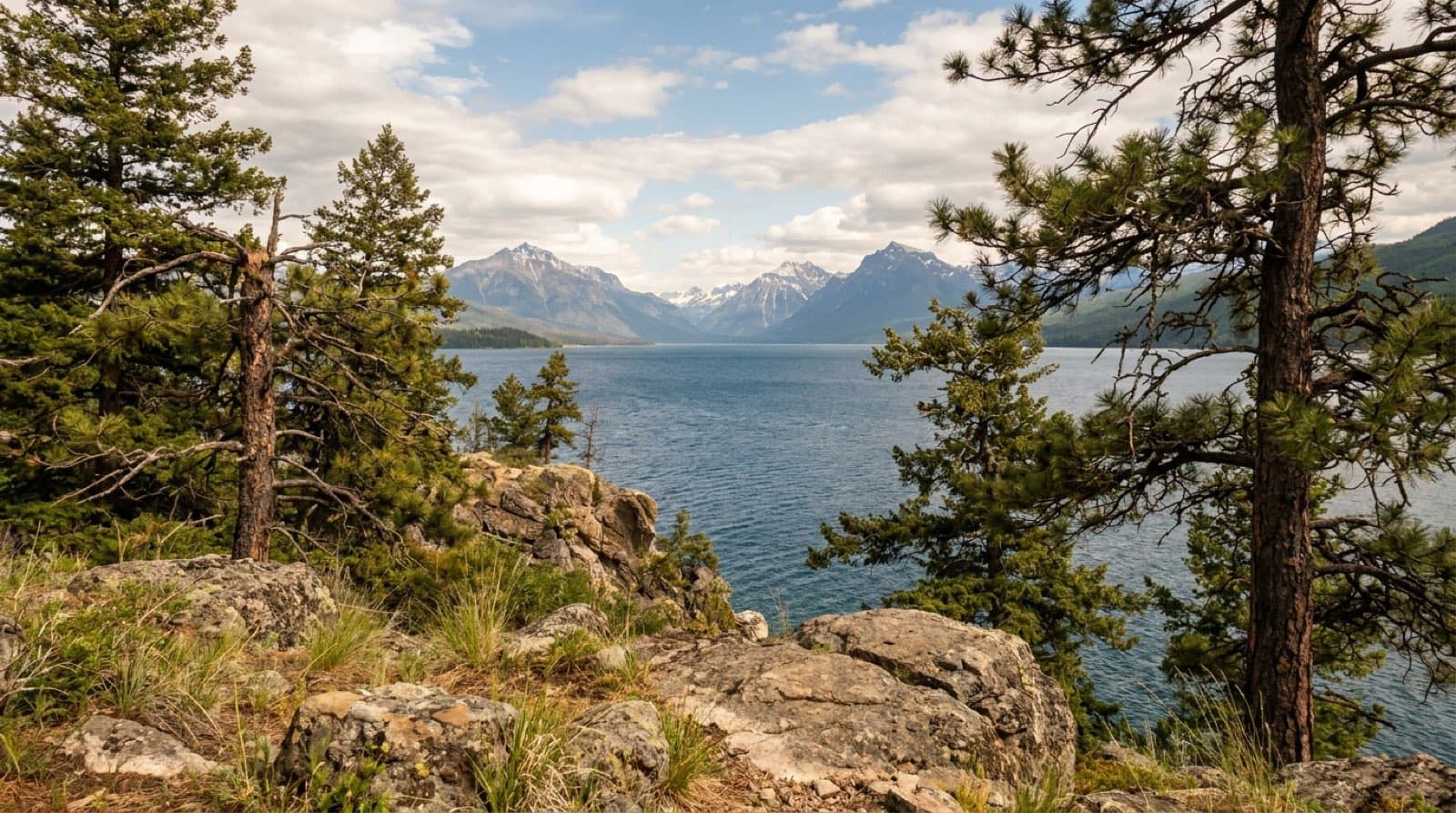
Big Sky country: glacier-carved peaks, the largest freshwater lake west of the Mississippi, and a short, glorious summer hiking window.
Top parks in Montana
See all 54 parks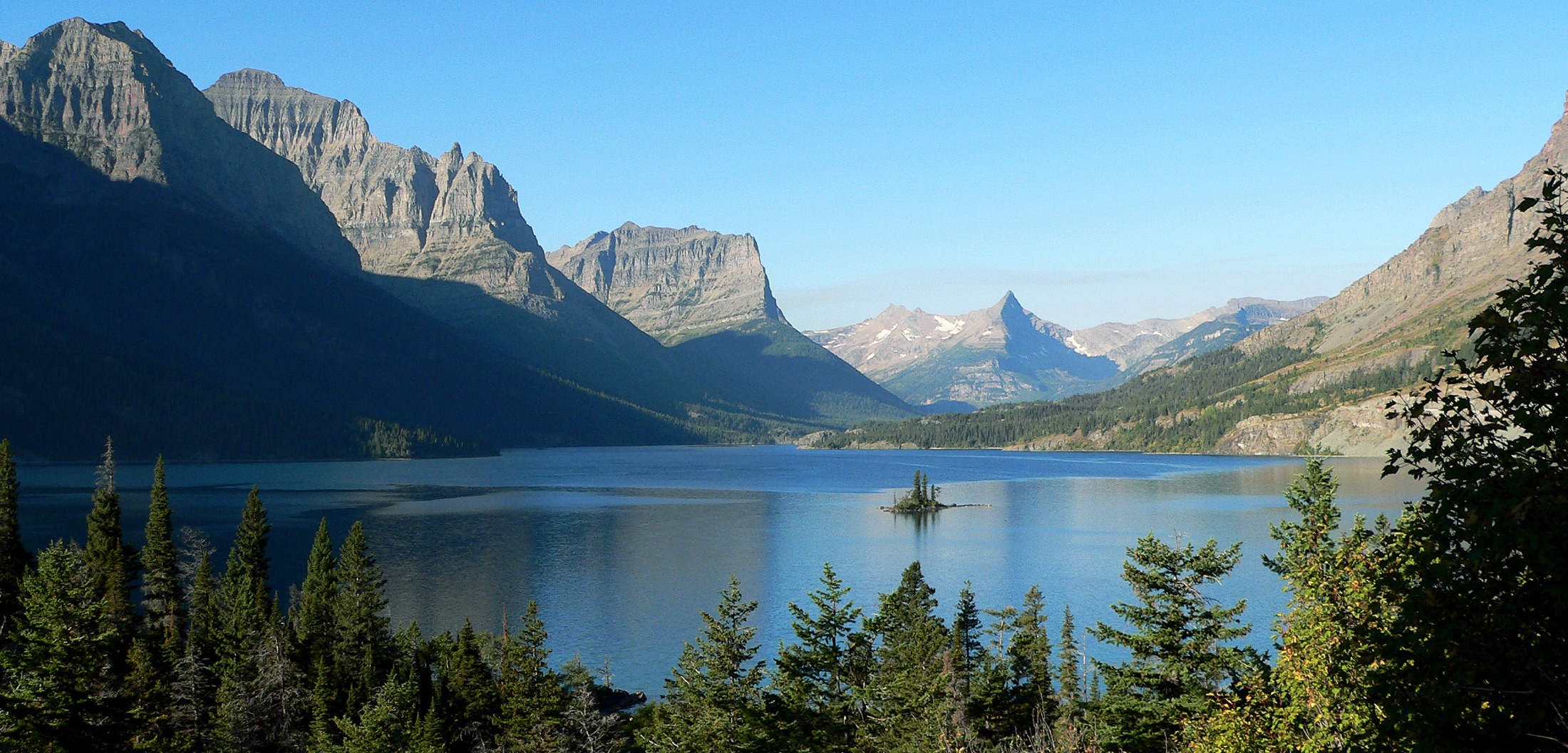
Glacier
A million acres of glacier-carved peaks, turquoise lakes, and the legendary Going-to-the-Sun Road.
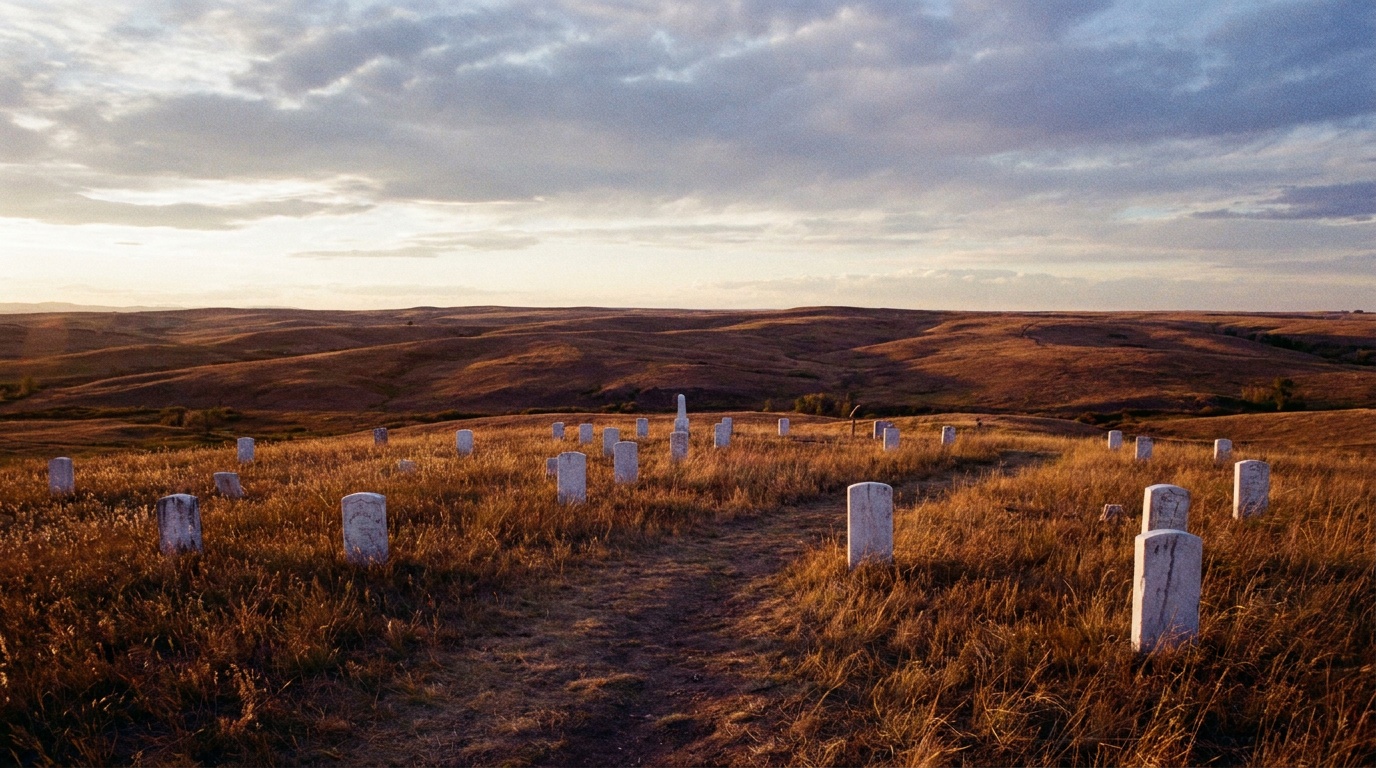
Little Bighorn Battlefield National Monument
The 1876 battlefield where the Lakota, Northern Cheyenne, and Arapaho defeated Custer's Seventh Cavalry, marked by white headstones across open Montana prairie.
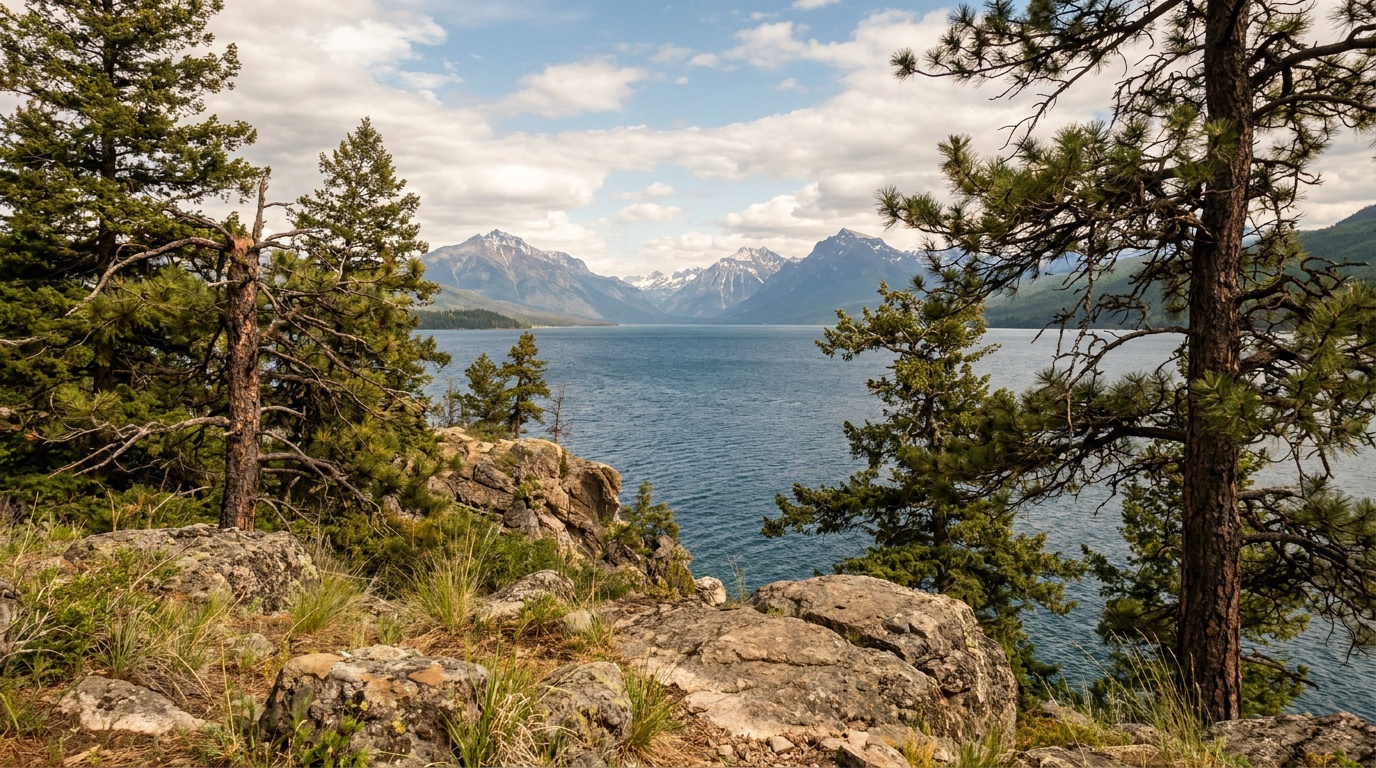
Flathead Lake State Park
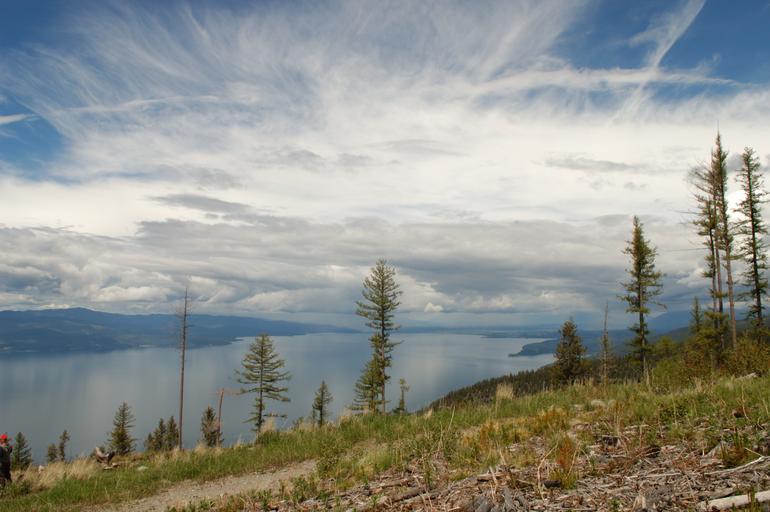
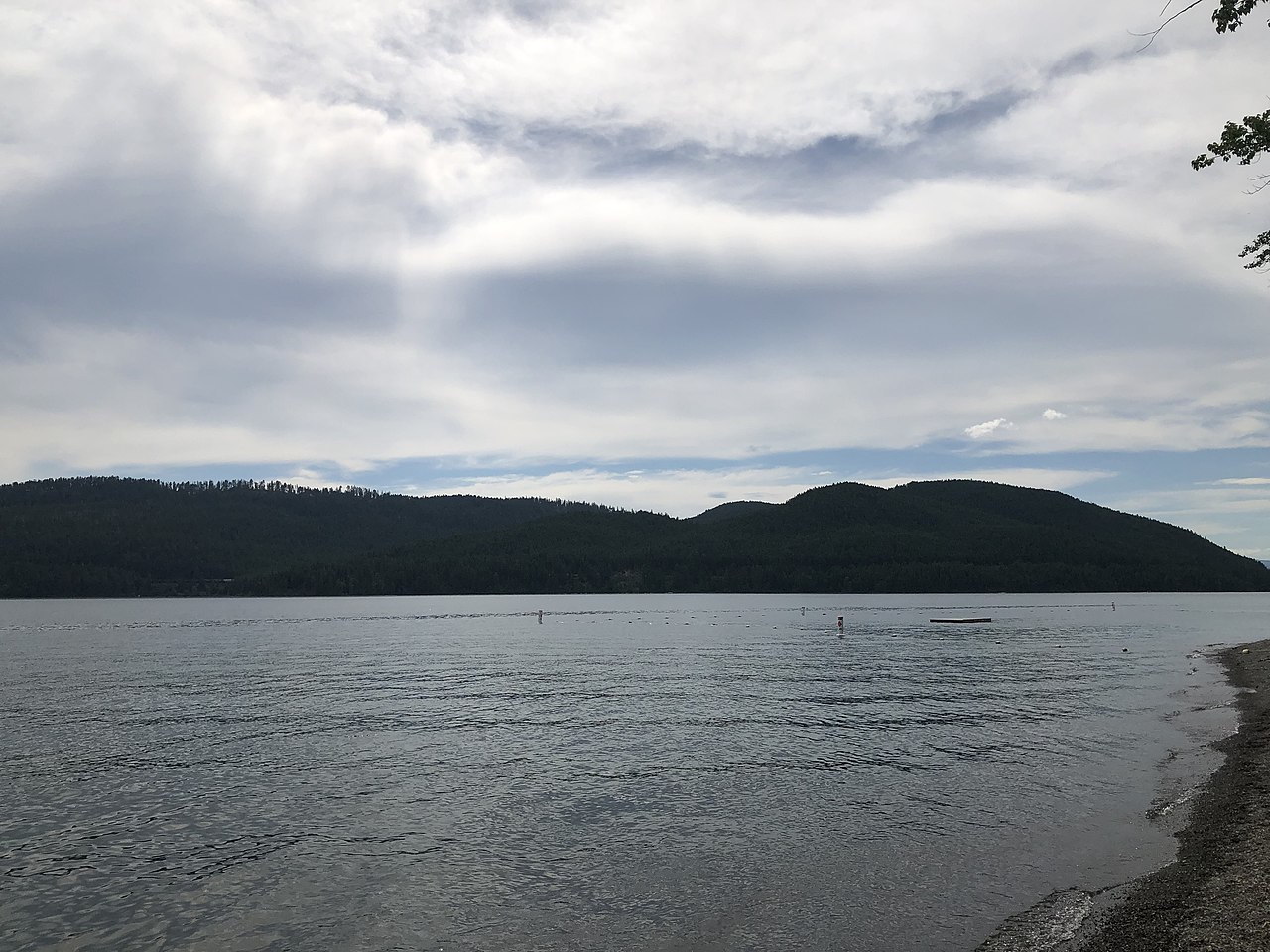
Six lakeshore units strung around Flathead Lake, the largest natural freshwater lake in the western U.S., with boating, swimming, lake-island wildlife, and reservable campgrounds.
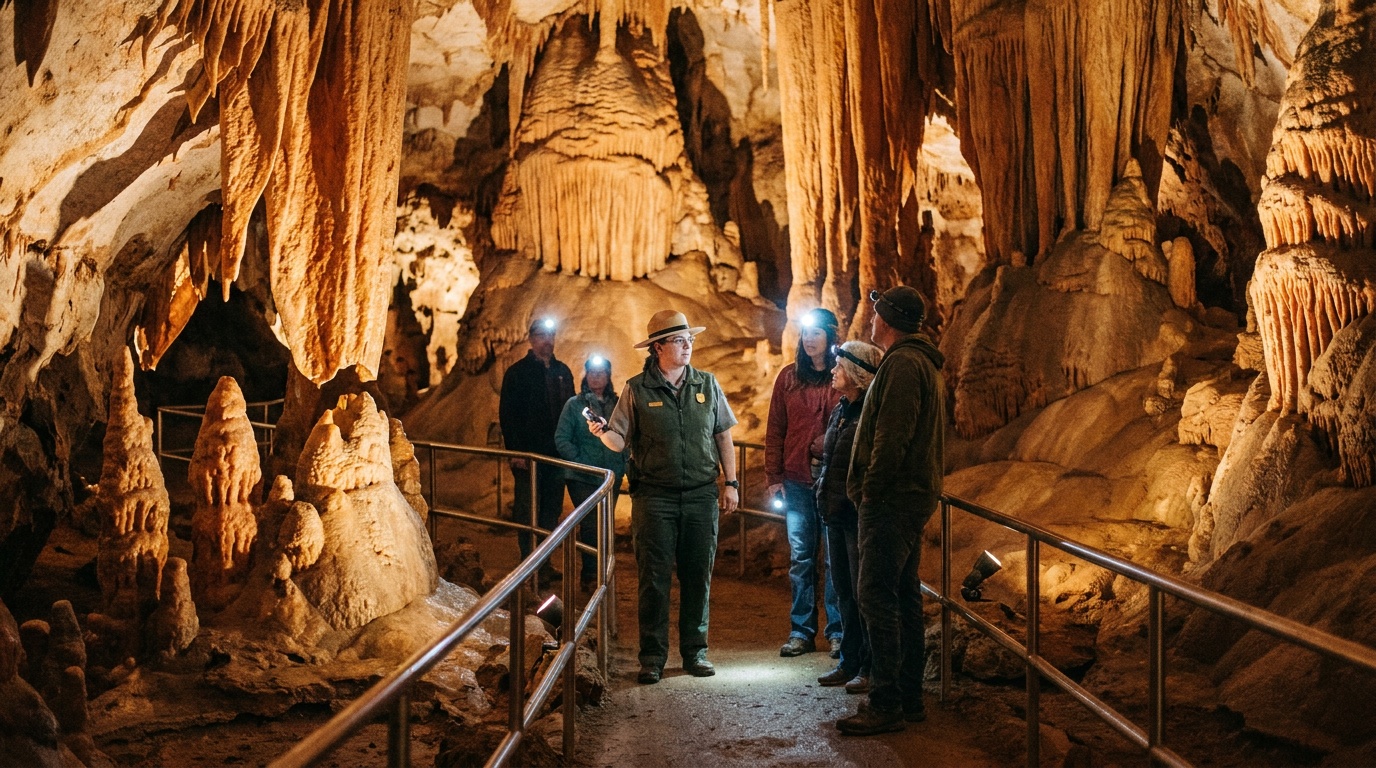
Lewis and Clark Caverns State Park
Montana's first state park, built around a ranger-guided tour of one of the largest limestone caverns in the Northwest, with a seasonal cave-tour window, surface trails, and a campground.
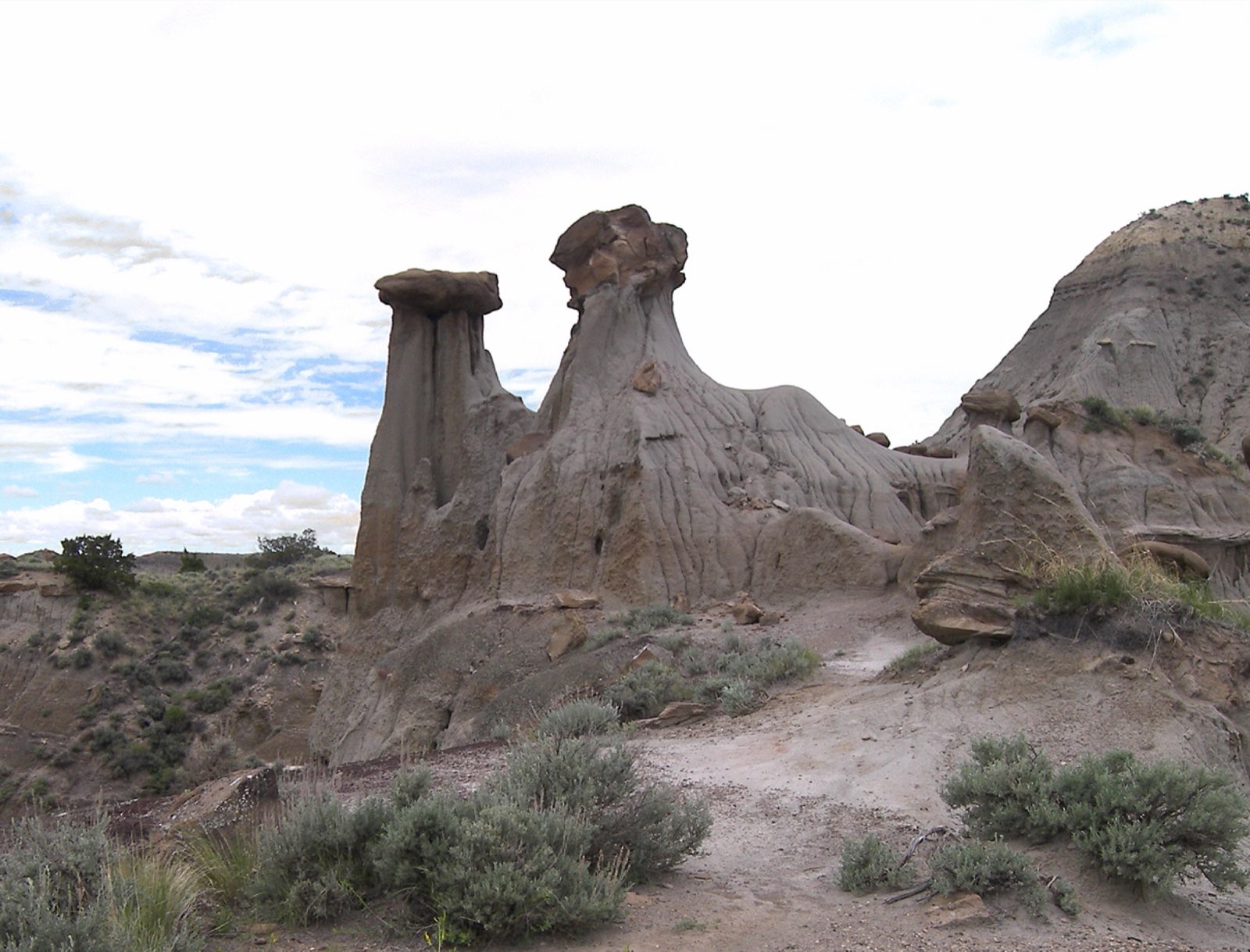
Makoshika State Park
Montana's largest state park: 11,000-plus acres of pine-studded badlands outside Glendive, with dinosaur fossils, the Cap Rock natural bridge, scenic drives, and a small campground.

Anaconda Smoke Stack State Park
This park preserves the 585-foot Anaconda Copper Company smelter stack, one of the tallest free-standing brick structures in the world, which may be viewed only from a distance.

Bannack State Park
A National Historic Landmark and Montana's best-preserved ghost town, Bannack was the site of the state's first major gold discovery in 1862 and its first territorial capital.

Beaverhead Rock State Park
This natural rock formation, listed on the National Register of Historic Places, was recognized by Sacagawea during the 1805 Lewis and Clark Expedition.

Beavertail Hill State Park
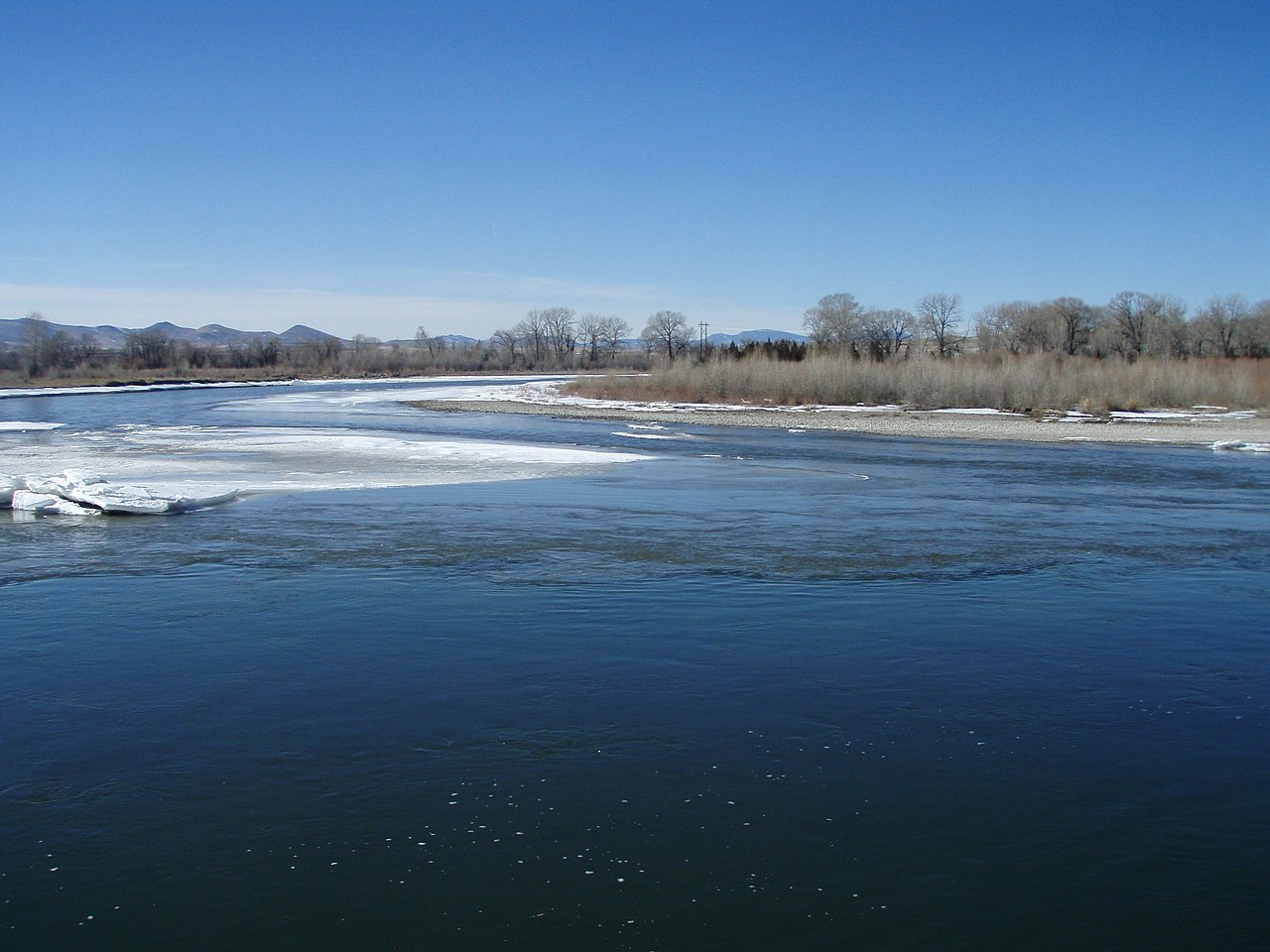
This 65-acre park on the Clark Fork River offers fishing, floating, and a self-guided nature trail through cottonwoods, with campsites and two rental tipis.
Planning a Montana trip
Montana earns the "Big Sky" name the moment you step outside. This is a state of glacier-carved peaks, alpine meadows, more than 200 lakes tucked into the northern Rockies, and trail mileage that stretches into the thousands. The headliner in the northwest is the state's flagship national park, where the famous Going-to-the-Sun Road climbs over the Continental Divide and turnouts open onto hanging valleys and waterfalls. But Montana rewards travelers who look past the marquee name too.
The state park system fills in the rest. Flathead Lake State Park protects the largest natural freshwater lake west of the Mississippi, a glacier-formed basin that is ideal for paddling and swimming on warm afternoons. Whitefish Lake and Painted Rocks add more shoreline, boating, and quieter trails with the same dramatic mountain backdrop and a fraction of the crowds. Together they make a strong case for building an itinerary that mixes one big park with two or three smaller ones.
Timing matters more here than in most states. The prime window is July through early September, when daytime highs sit in the 70s and low 80s F, the high-country roads are fully open, and the trails are dry. Snow keeps the alpine routes closed well into June, and fall (crisp 50s and 60s F, golden larch, thinner crowds) is a quietly excellent alternative. As for what to pack: think layers above all. Mornings can start in the 40s F and afternoons can spike 30 degrees warmer, with quick-moving thunderstorms common, so a warm midlayer, a rain shell, and broken-in hiking shoes do the heavy lifting on any Montana trip.
Getting around Montana
Montana is big and spread out, so your airport choice shapes the whole trip. Glacier Park International Airport near Kalispell is the closest gateway to the northwest mountains, sitting roughly 30 miles (about 40 minutes) from the West Glacier entrance. Missoula International is a solid alternative to the south, around 137 miles and 2.5 hours from West Glacier along a scenic route. Bozeman Yellowstone International is Montana's busiest airport with the most flights and often the best fares; it is the natural pick if you want to pair the northern parks with Yellowstone to the south.
A rental car is essentially required. Distances are long and public transit between outdoor areas is minimal. From Kalispell, the Flathead Lake and Whitefish areas are short drives of 15 to 40 minutes, making the northwest corner an easy base for several days. The classic big road trip runs north-south between Glacier country and Yellowstone, roughly 350 to 400 miles end to end; Great Falls sits about halfway and works well as a midpoint stop. Fill the tank when you can, carry water, and check road status before mountain drives. High-elevation routes can stay closed by snow into mid-June and reopen on a weather-dependent schedule each summer.
All 5 Montana park guides
State park directory
Every Montana state park
A source-backed inventory layer for planning breadth. Full Kit Authority guides are marked when a park has camping detail, rules, and packing notes; the rest link straight to the official page. Looking for rail trails and state trails? They have their own Trail Guide.
54 parks
3 full guides · 36 with photos
Flathead Lake State Park
State Park
The largest natural freshwater lake in the western U.S. has five mainland units and Wild Horse Island, offering swimming, hiking, boating, and fishing.
- Camping
- Fishing
- Boating
- Swimming
Montana Fish, Wildlife & Parks
Full guideMakoshika State Park
State Park
Montana's largest state park features badland formations and fossil remains of Tyrannosaurus rex, Triceratops, and other prehistoric life, with a visitor center.
- Camping
- RV Camping
- Backpacking
- Hiking
Montana Fish, Wildlife & Parks
Full guideAnaconda Smoke Stack State Park
State Park
This park preserves the 585-foot Anaconda Copper Company smelter stack, one of the tallest free-standing brick structures in the world, which may be viewed only from a distance.
- Historic Site
Montana Fish, Wildlife & Parks
Official pageBannack State Park
State Park
A National Historic Landmark and Montana's best-preserved ghost town, Bannack was the site of the state's first major gold discovery in 1862 and its first territorial capital.
- Camping
- RV Camping
- Fishing
- Biking
Montana Fish, Wildlife & Parks
Official pageBeaverhead Rock State Park
State Park
This natural rock formation, listed on the National Register of Historic Places, was recognized by Sacagawea during the 1805 Lewis and Clark Expedition.
- Hiking
- Wildlife Viewing
- Historic Site
Montana Fish, Wildlife & Parks
Official pageBeavertail Hill State Park
State Park
This 65-acre park on the Clark Fork River offers fishing, floating, and a self-guided nature trail through cottonwoods, with campsites and two rental tipis.
- Camping
- RV Camping
- Fishing
- Boating
Montana Fish, Wildlife & Parks
Official pageBlack Sandy State Park
State Park
One of the few public parks on the shores of Hauser Reservoir, this popular campground offers boating, fishing, water skiing, and swimming.
- Camping
- RV Camping
- Fishing
- Boating
Montana Fish, Wildlife & Parks
Official pageChief Plenty Coups State Park
State Park
Within the Crow Indian Reservation, this National Historic Landmark preserves the log home, sacred spring, and farmstead of Chief Plenty Coups of the Apsaalooke tribe.
- Fishing
- Hiking
- Picnicking
- Playground
Montana Fish, Wildlife & Parks
Official pageCouncil Grove State Park
State Park
This day-use park on the Clark Fork River sits in an old-growth ponderosa pine forest and is the site of the 1855 Hellgate Treaty.
- Fishing
- Hiking
- Picnicking
- Wildlife Viewing
Montana Fish, Wildlife & Parks
Official pageElkhorn State Park
State Park
This park preserves Fraternity Hall and Gilliam Hall, picturesque structures from a 19th-century silver-mining ghost town and examples of frontier architecture.
- Historic Site
Montana Fish, Wildlife & Parks
Official pageFinley Point State Park
State Park
This secluded campground on the southeast shore of Flathead Lake sits in an open ponderosa pine forest, with excellent lake trout fishing.
- Camping
- RV Camping
- Cabins
- Fishing
Montana Fish, Wildlife & Parks
Official pageFirst Peoples' Buffalo Jump State Park
State Park
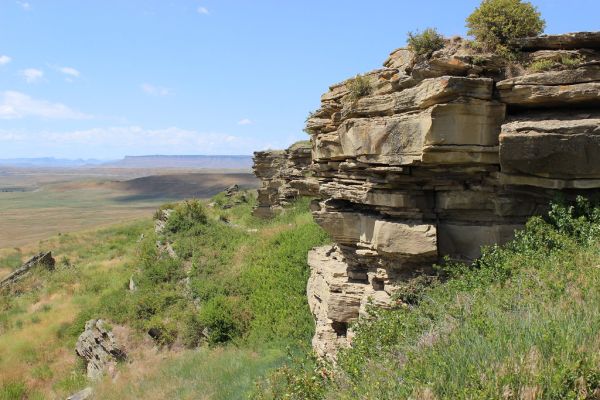
This National Historic Landmark features possibly the largest bison cliff jump in North America, with a mile-long sandstone cliff, interpretive trails, and a visitor center.
- Hiking
- Picnicking
- Hunting
- Wildlife Viewing
Montana Fish, Wildlife & Parks
Official pageFort Owen State Park
State Park
This park preserves Fort Owen, founded in 1850 in Salish country and home to Montana's first sawmill, gristmill, and European-style school.
- Picnicking
- Historic Site
Montana Fish, Wildlife & Parks
Official pageGiant Springs State Park
State Park
First recorded by Lewis and Clark in 1805, Giant Springs is one of the largest freshwater springs in the country, near Great Falls on the Missouri River.
- Fishing
- Hiking
- Biking
- Picnicking
Montana Fish, Wildlife & Parks
Official pageGreycliff Prairie Dog Town State Park
State Park
This 98-acre park protects a black-tailed prairie dog community, with interpretive displays explaining their role in the prairie ecosystem.
- Picnicking
- Wildlife Viewing
Montana Fish, Wildlife & Parks
Official pageLake Elmo State Park
State Park
This 64-acre reservoir within Billings is a popular urban park for swimming, non-motorized boating, fishing, and a 1.4-mile nature trail.
- Fishing
- Boating
- Paddling
- Swimming
Montana Fish, Wildlife & Parks
Official pageLake Mary Ronan State Park
State Park
This quiet 120-acre park west of Flathead Lake offers fishing for kokanee salmon, yellow perch, and bass, with camping among Douglas fir and western larch.
- Camping
- RV Camping
- Fishing
- Boating
Montana Fish, Wildlife & Parks
Official pageLes Mason State Park
State Park
This peaceful day-use park on the east shore of Whitefish Lake has 585 feet of sand and gravel lakeshore for swimming and picnicking.
- Fishing
- Boating
- Paddling
- Swimming
Montana Fish, Wildlife & Parks
Official pageLone Pine State Park
State Park
Southwest of Kalispell, this 279-acre park has 7.5 miles of trails and overlooks with views of Flathead Lake, Big Mountain, and Glacier National Park.
- Fishing
- Hiking
- Biking
- Horseback Riding
Montana Fish, Wildlife & Parks
Official pageMadison Buffalo Jump State Park
State Park
This high limestone cliff above the Madison River Valley was used by Native Americans for 2,000 years to stampede bison off the semicircular cliff.
- Hiking
- Picnicking
- Wildlife Viewing
- Historic Site
Montana Fish, Wildlife & Parks
Official pageMedicine Rocks State Park
State Park
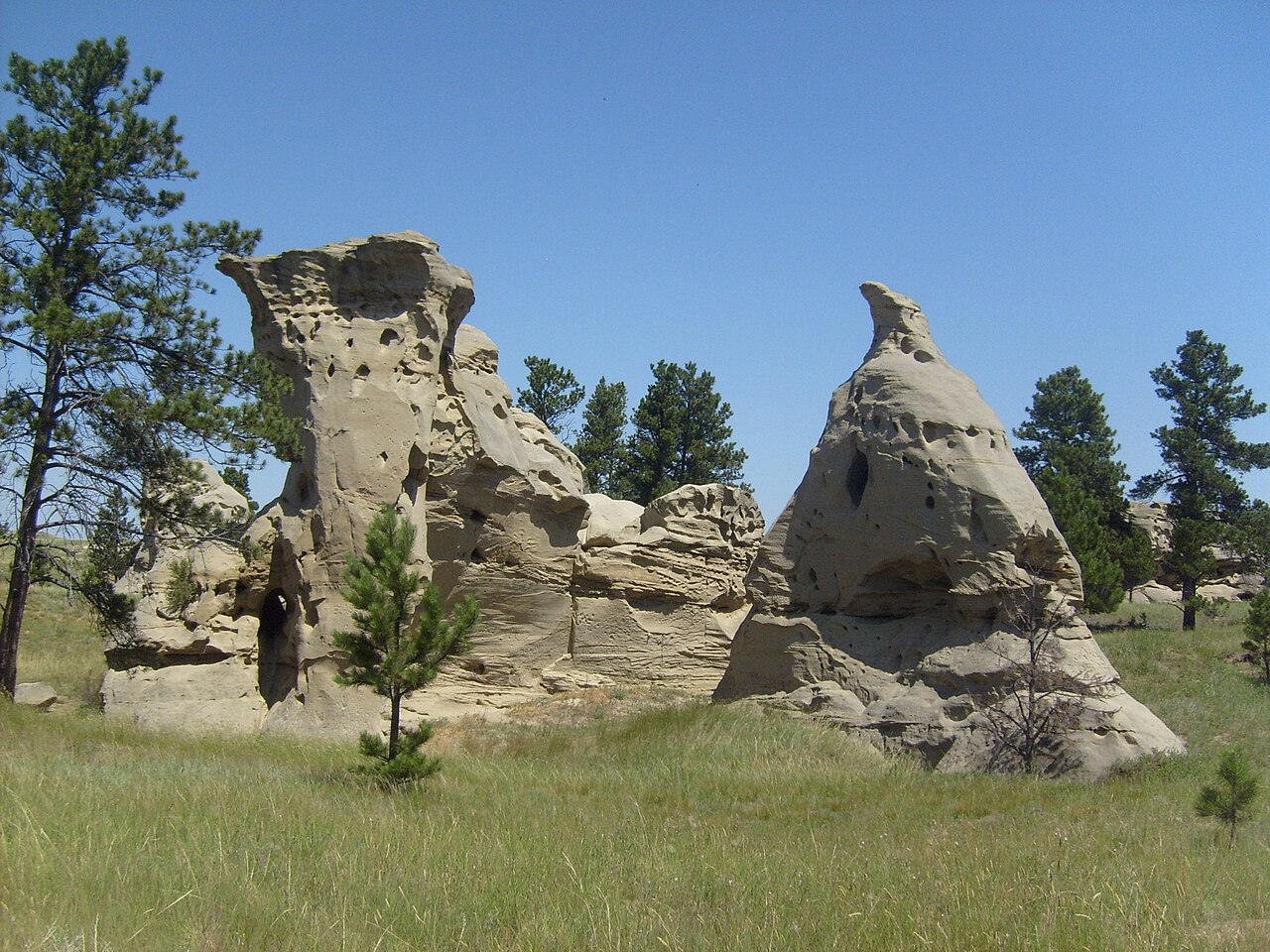
Wind-sculpted sandstone formations give this historic park a fascinating landscape, long used by Indian hunting parties and now Montana's first International Dark Sky Sanctuary.
- Camping
- RV Camping
- Hiking
- Biking
Montana Fish, Wildlife & Parks
Official pageMilltown State Park
State Park
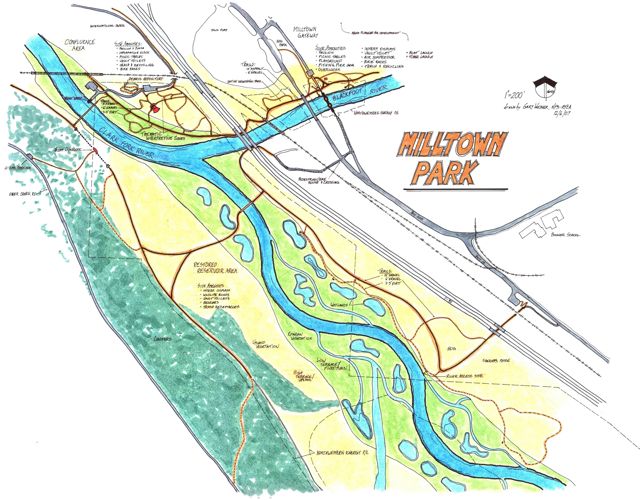
At the restored confluence of the Clark Fork and Blackfoot Rivers, this 635-acre park offers river trails, overlooks, and a rich cultural heritage.
- Fishing
- Hiking
- Picnicking
- Wildlife Viewing
Montana Fish, Wildlife & Parks
Official pageMissouri Headwaters State Park
State Park
This National Historic Landmark marks where the Jefferson, Madison, and Gallatin rivers merge to form the Missouri River, with camping and interpretive displays.
- Camping
- RV Camping
- Fishing
- Boating
Montana Fish, Wildlife & Parks
Official pagePictograph Cave State Park
State Park
A National Historic Landmark, this park's three caves were home to prehistoric hunters who left over 100 pictographs, viewable along a loop trail.
- Hiking
- Picnicking
- Wildlife Viewing
- Historic Site
Montana Fish, Wildlife & Parks
Official page

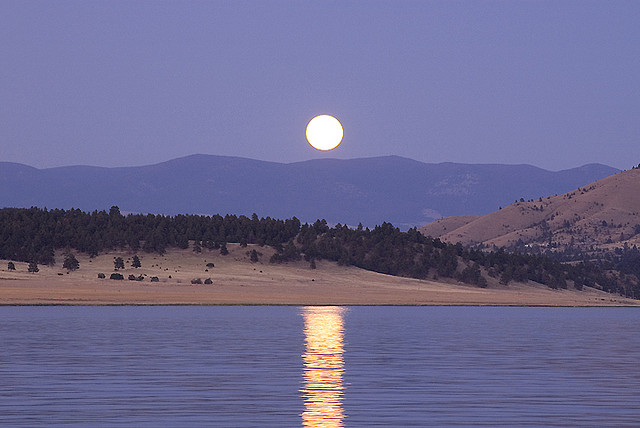






Inventory source: USGS PAD-US 4.1. Photos are public-domain or Creative Commons via Wikimedia Commons, credited per image. Official reservations and rules remain state-specific, so use the state booking links before committing to dates.
Frequently asked questions
When is the best time to visit Montana's national parks?
July through early September is the sweet spot, with daytime highs in the 70s and low 80s F and the high-country roads fully open after the snow clears. Mid-June can still see closures from lingering snowpack at elevation. Fall (September into October) is a quieter alternative, with crisp 50s and 60s F, golden larch trees, and far thinner crowds.
What is the best national park in Montana?
Glacier National Park is the standout, and it is the state's only full national park. It packs glacier-carved peaks, more than 700 miles of trails, over 200 lakes, and the famous Going-to-the-Sun Road that crosses the Continental Divide. If you have time for only one outdoor destination in Montana, Glacier is the one to build around.
Do I need a car to explore Montana's outdoor areas?
Yes. Montana's outdoor destinations are spread across long distances and transit between them is limited, so a rental car is essentially required. Glacier Park International near Kalispell is the closest airport to the northwest mountains, while Bozeman is the busiest hub and the best choice if you also want to reach Yellowstone to the south.
How cold does it get in Montana when hiking?
Even in peak summer, mornings in the mountains can start in the 40s F before afternoons climb into the 70s and 80s F. Quick-moving thunderstorms are common. Pack layers including a warm midlayer and a rain shell so you can adjust as the temperature swings through the day.