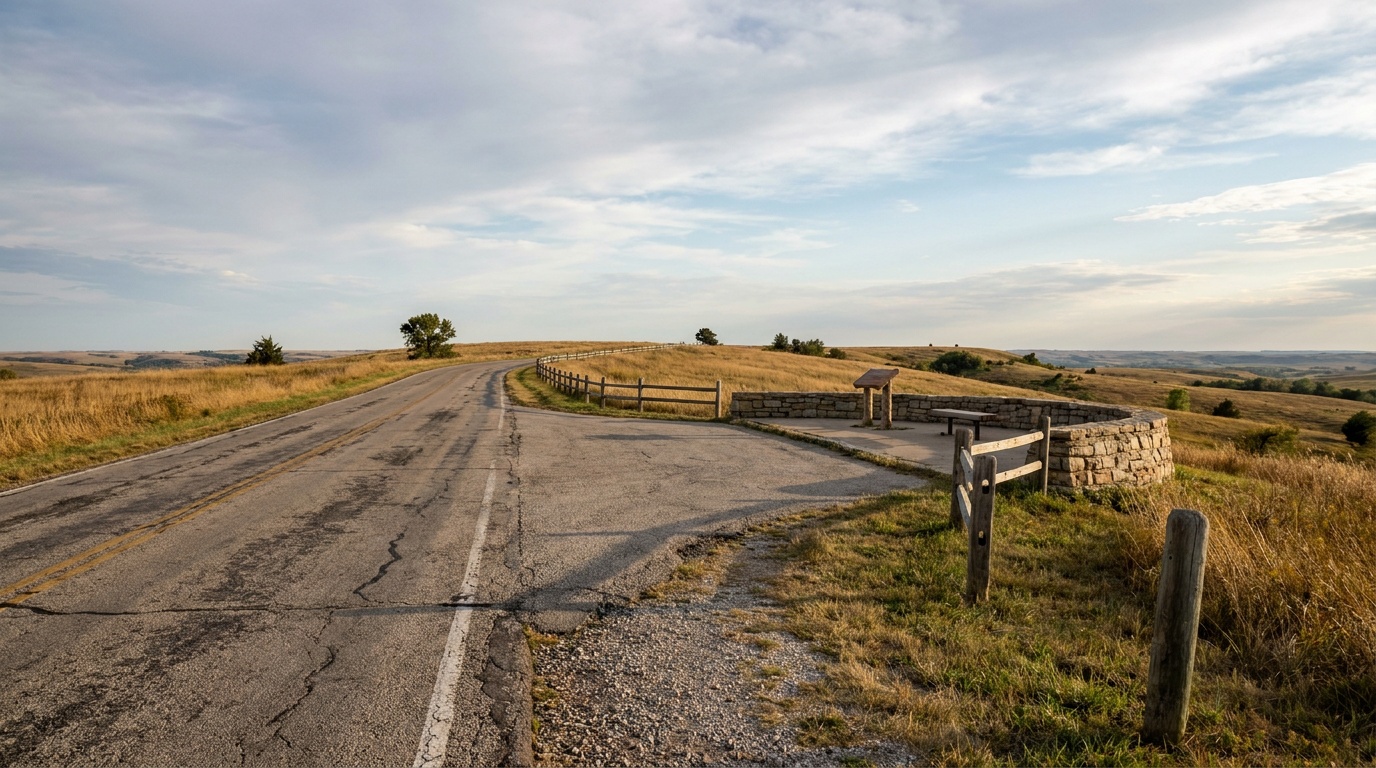
When to go
Weather, crowds, and what the season changes about the trip.
Spring
Green prairie, variable weather, wind, and the chance of late snow or rain.
Pack Wind layer, warm midlayer, and sun protection for the exposed ridge.
Summer
Hot, dry, and exposed, with strong sun and little shade across the battlefield.
Pack Lots of water, sun shirt, a hat, and an early start to beat the heat.
Fall
Cooling days, cold nights, golden grass, and quieter ranger programs.
Pack Warm layer, wind protection, and water even on cool days.
Winter
Cold, windy, and stark, with snow possible and reduced services.
Pack Full insulation, wind shell, and a plan for limited winter hours.
Top things to do
Last Stand Hill and the marble markers
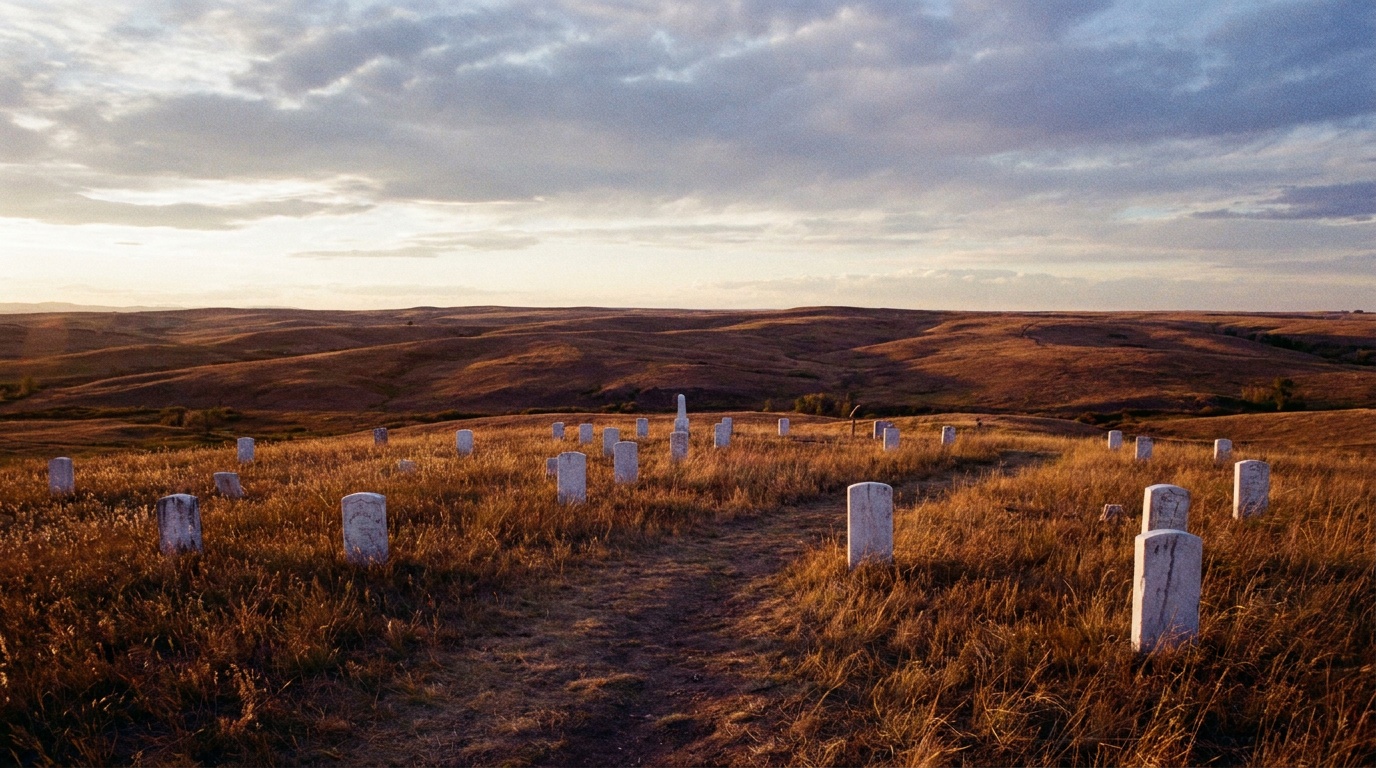
The rise where Custer and his men fell, marked by white headstones, with red granite markers showing where Native warriors died across the field.
The 4.5-mile Battlefield Tour Road
A self-guided drive connecting Last Stand Hill to the separate Reno-Benteen Battlefield, with overlooks and interpretive stops along the ridge.
Indian Memorial and Deep Ravine Trail
A memorial honoring the Native nations who fought here, plus a short interpretive trail down toward Deep Ravine for a closer feel of the terrain.
Make Last Stand Hill and the marble markers the timed anchor
Put the timed or highest-demand stop first, then keep the rest of the day close and low-friction. For one day in Little Bighorn Battlefield National Monument, time Last Stand Hill and the marble markers first, then keep The 4.5-mile Battlefield Tour Road and Indian Memorial and Deep Ravine Trail close enough that the visit still feels relaxed.
- 1Start with Last Stand Hill and the marble markers: The rise where Custer and his men fell, marked by white headstones, with red granite markers showing where Native warriors died across the field.
- 2Add The 4.5-mile Battlefield Tour Road: A self-guided drive connecting Last Stand Hill to the separate Reno-Benteen Battlefield, with overlooks and interpretive stops along the ridge.
- 3Use Indian Memorial and Deep Ravine Trail as the slower finish before leaving the area.
Where to stay
There is no lodging or camping inside the monument. The small community of Crow Agency sits just outside the gate with limited services, and Hardin, about 15 minutes north, has the closest motels, food, and fuel. Billings, about an hour northwest, is the regional hub with the broadest lodging and the nearest airport. For camping, look to private campgrounds and RV parks near Hardin, since the battlefield is day-use only.
Camping reservations
Camping reservations
No camping at the battlefield. Stay in Hardin or Billings.
Little Bighorn is a day-use historic site with no campground or lodging inside the monument. The only logistics to handle are the cashless entrance fee and timing your visit around the heat and ranger programs.
Reviewed June 11, 2026
Booking window
No reservations are needed. The park is open daily with seasonal hours, longer in summer, and entrance fees are paid by card or mobile payment only.
- The park is fully cashless and accepts credit, debit, or mobile payment for entrance and permit fees.
- There is no campground or lodging inside the monument; it is a day-use site.
- Summer hours are longer; confirm seasonal hours before a shoulder-season or winter visit.
Where to book or verify
Official NPS page with the per-vehicle entrance fee and cashless payment policy.
Official NPS page with hours, the tour road, and visitor services.
Check for federal campground, backcountry, tour, and permit inventory tied to this park.
Campgrounds to know
Private campgrounds near Hardin
Details- Season
- Generally spring through fall, varies by operator.
- Sites
- RV and tent sites at private campgrounds and RV parks near Hardin and I-90.
- The nearest camping, since the battlefield itself is day-use only.
Getting there and practical info
Plan the handoff from arrival to shuttle.
Parking, pedestrian entrances, and shuttle timing decide how calmly the first morning starts.
Getting there
Get to Little Bighorn Battlefield National Monument, then remove the first-morning friction.
- Nearest airport
- Billings (BIL) about 1 hour
- Access rhythm
- Reserve before arrival
- Region
- Montana
Arrival note
Little Bighorn Battlefield sits just off Interstate 90 at Exit 510, near Crow Agency in southeast Montana, about an hour from Billings.
Shuttle access
From the interstate, follow the signs a short distance to the visitor center on the Crow Reservation.
Car strategy
The 4.5-mile tour road runs along the ridge from there to the Reno-Benteen Battlefield.
Book ahead
- Rental cars at Billings (BIL)Paid link, Economybookings
- Guided tours in Little Bighorn Battlefield National MonumentPaid link, Viator
Paid links: we may earn a commission if you book, at no extra cost to you.
Pair this with lodging: sleep where the park transfer is simple, especially if your route needs an early start.
Plan your trip
Turn Little Bighorn Battlefield's conditions into water, pack, and sleep-system decisions.
What to pack
Start with the gear decisions this park changes: footing, weather, camping, and water.
Kit Authority
Little Bighorn Battlefield National Monument packing list
0 of 12 packed. Check items as you pack, then take this list to the store, trailhead, or campsite.
Pack planning
Decide what Little Bighorn Battlefield National Monument asks of your kit before you start checking boxes.
Use this as a constraint check while you are still shaping the trip. The active checklist becomes useful once your route, dates, and sleep plan are set.
- First constraintHydration and exposureWater, Electrolyte mix, hat, sunscreen, sunglasses, 4 more
- Season checkLayers for conditionsMoisture-wicking base layers, Rain jacket, Insulated jacket, 1 more
Checklist mode
12 items, grouped for the trip you are actually taking.
- Dates and season are set.
- Primary route, campground, or lodge is chosen.
- Water, footwear, and overnight needs are sized.
One researched pick
The first gear decision for Little Bighorn Battlefield National Monument
Offline maps, photos, and long drives make a high-capacity power bank a practical trip backup.
We may earn a commission from links on this page, at no extra cost to you. Product prices and availability are accurate as of the date/time indicated and are subject to change. Any price and availability information displayed on Amazon at the time of purchase will apply to the purchase of this product.

THE POWER PICK
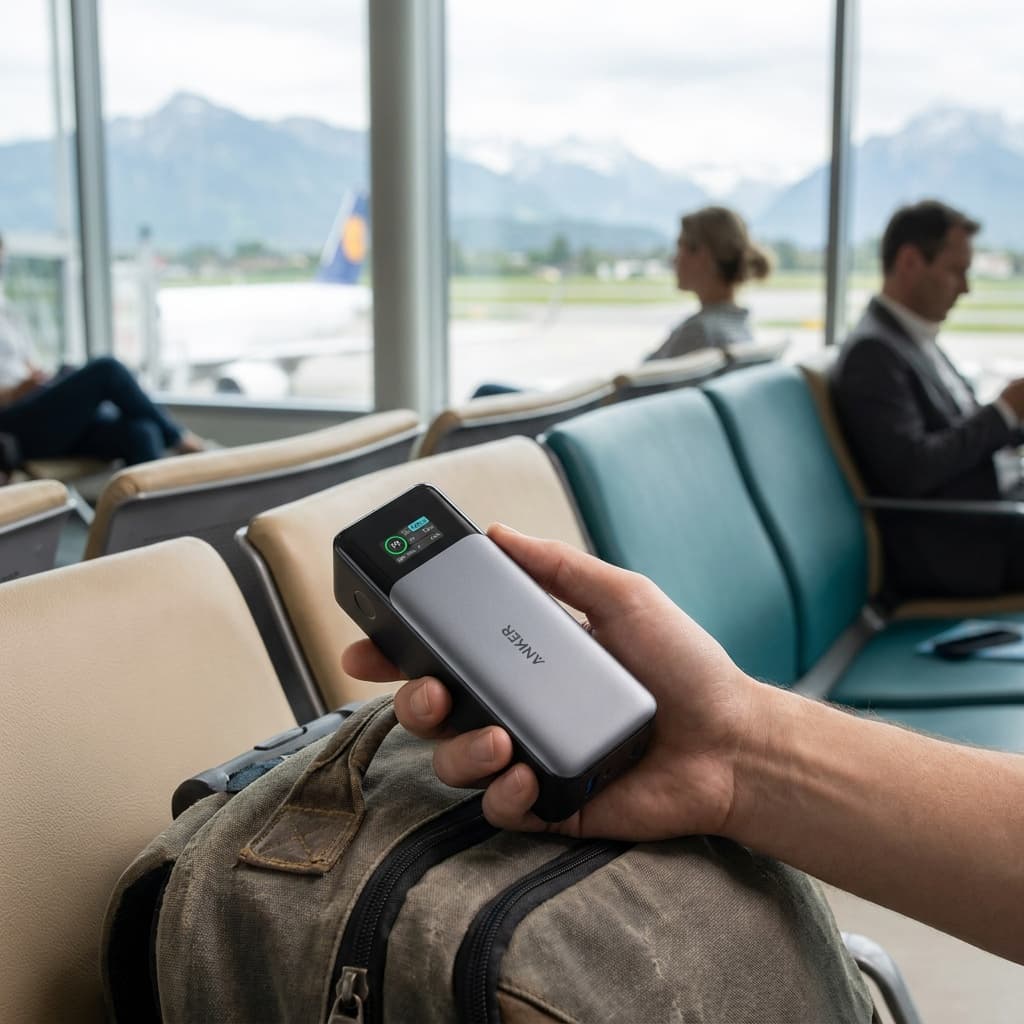
Anker 737 PowerCore 24K
Best Overall
Kit Score 8.8/10
$109.99 Price checked Oct 26, 7:39 AM CDT
Best for: Travelers who carry a USB-C laptop and want high output, a live power display, and substantial capacity below the common 100Wh threshold.
- Smart digital display shows exact battery percentage, input/output wattage in real time
- At 1.39 lb it is noticeably heavier than phone-only banks, not a featherlight day-trip option
- Capacity
- 24,000mAh (86.4Wh)
- Max Output
- 140W (USB-C PD 3.1)
- Ports
- 2× USB-C, 1× USB-A
- Weight
- 1.39 lb (630g)
- Dimensions
- 6.13 × 2.15 × 1.95 in
- Airline Status
- 86.4Wh; below the common 100Wh limit
About this pick
The Anker 737 combines a printed 86.4Wh rating, up to 140W USB-C PD 3.1 output, three ports, and a real-time smart display. Its capacity sits below the common 100Wh threshold, while airline count, storage, and onboard-use rules still apply.
Strengths
- Smart digital display shows exact battery percentage, input/output wattage in real time
- 140W PD 3.1 output is fast enough for most laptops at full speed
- Its printed 86.4Wh rating leaves 13.6Wh of headroom below the common 100Wh threshold
- Two USB-C ports and one USB-A port can serve three devices within the 140W total-output ceiling
Weaknesses
- At 1.39 lb it is noticeably heavier than phone-only banks, not a featherlight day-trip option
- No built-in cable, and the boxed cable varies by seller (Amazon listing: 140W USB-C to C; Anker support page: short USB-A to C)
Kit Score breakdown
Gear for Little Bighorn Battlefield
The buying guides that match what Little Bighorn Battlefield asks of your kit, with our current top picks across budget and use case.
Can you photograph here? Permit and drone rules
Montana has no statewide photo permit; the film office coordinates, FWP permits state parks, and only Bozeman and Livingston mandate city film permits.
- Permit
- Usually fine for personal shoots; commercial or large productions can need a permit
- Drones
- Commercial drone work requires FAA Part 107
- Land
- Yes: you can photograph what is visible from public space in the US
From our photography sister site, Aperture Authority. Verified 2026-07-01.
Frequently asked questions
How much does it cost to enter Little Bighorn Battlefield National Monument?
The entrance fee is $25 per private vehicle, valid for 7 days, with lower rates for motorcycles and individuals on foot or bike. The park is fully cashless and accepts only card or mobile payment.
Can you drive the battlefield?
Yes. A self-guided 4.5-mile tour road connects Last Stand Hill to the separate Reno-Benteen Battlefield, with interpretive overlooks along the way. Walking Last Stand Hill, the Indian Memorial, and the Deep Ravine Trail rounds out the visit.
Is there camping at Little Bighorn Battlefield?
No. The monument is a day-use site with no campground or lodging. The nearest camping is at private campgrounds near Hardin, and most visitors base in Hardin or Billings.
What does the Indian Memorial commemorate?
The Indian Memorial, dedicated in 2003, honors the Lakota, Northern Cheyenne, and Arapaho who fought and died at the 1876 battle, balancing the longstanding memorials to the Seventh Cavalry and telling the story from multiple perspectives.