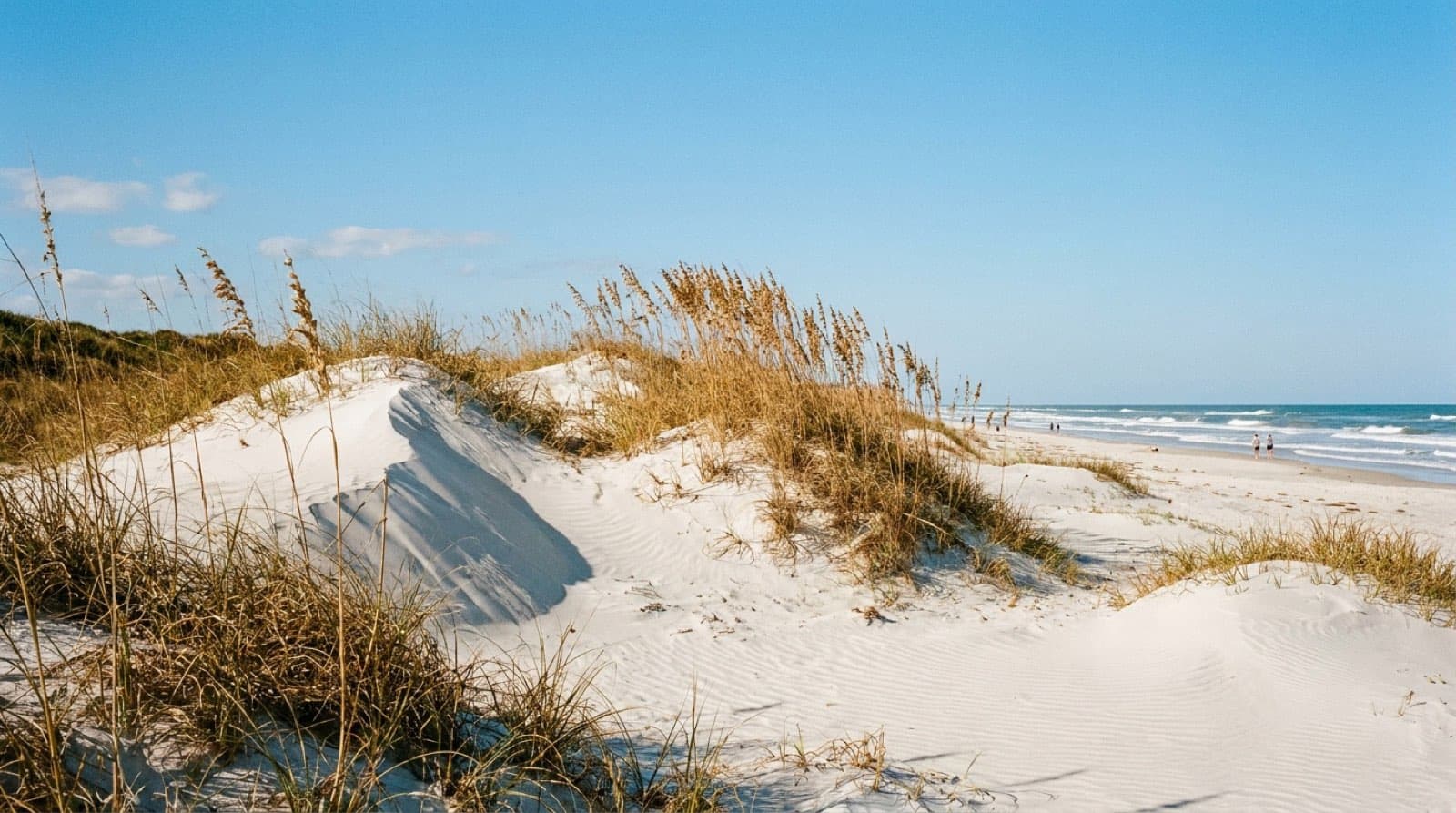
Destinations
Florida outdoors
Florida pairs warm-water reefs and remote island forts with crystal springs and the vast River of Grass.
Top parks in Florida
See all 173 parks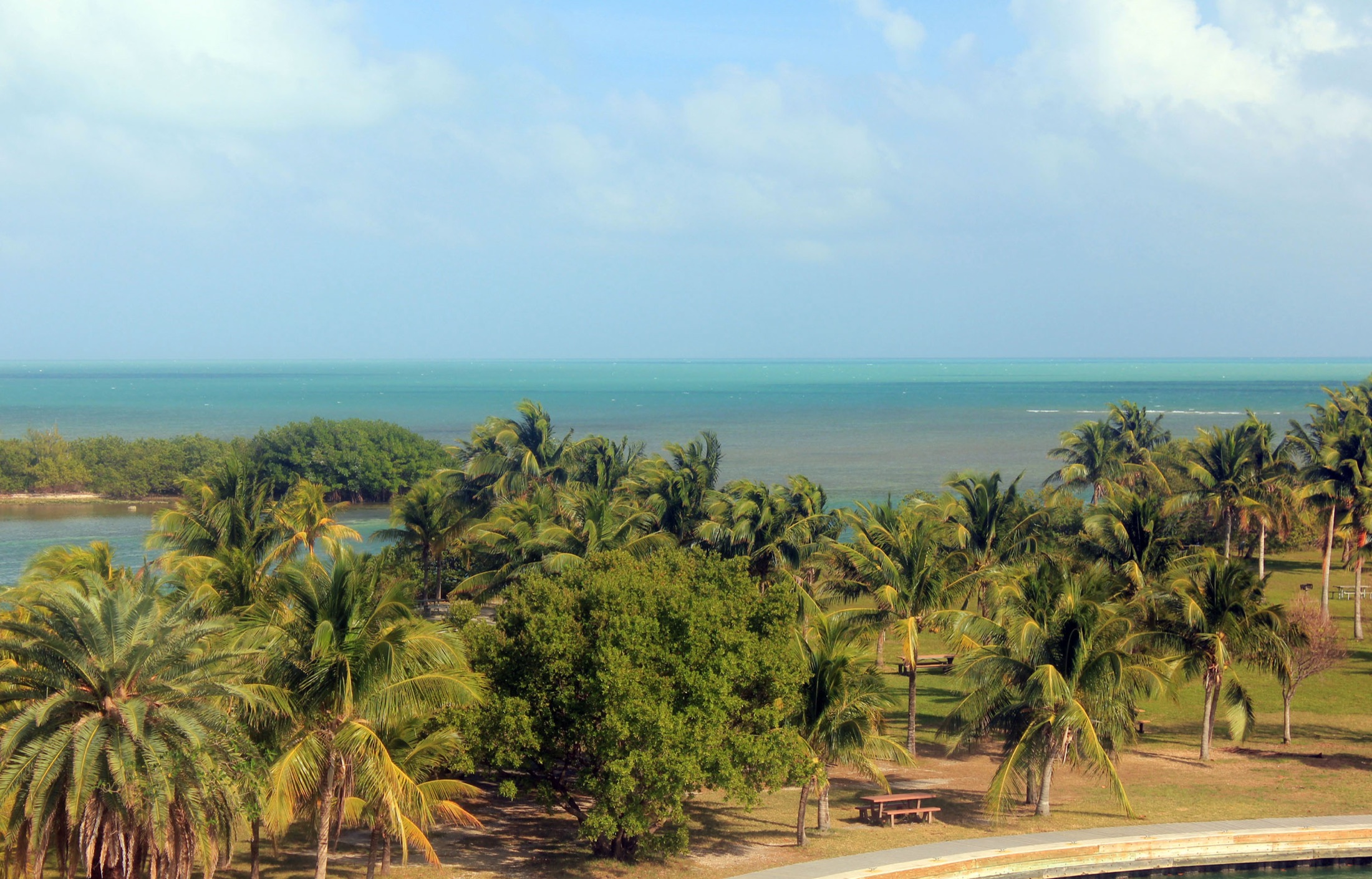
Biscayne
A national park that is 95% water: snorkel coral reefs, paddle mangroves, and reach the islands by boat off Miami.
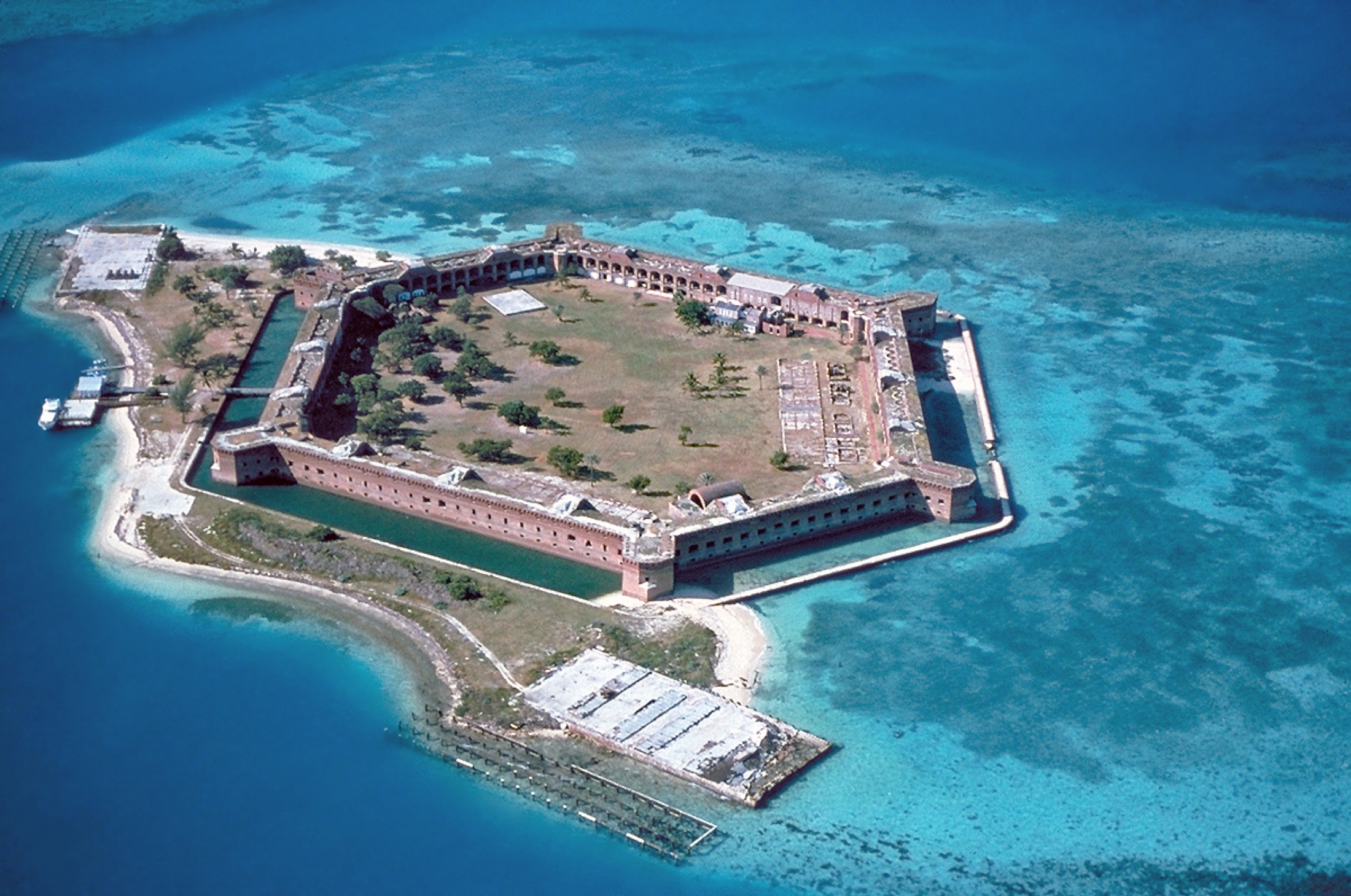
Dry Tortugas
A 70-mile boat or seaplane ride west of Key West to a Civil War fort ringed by coral reefs and turquoise water.
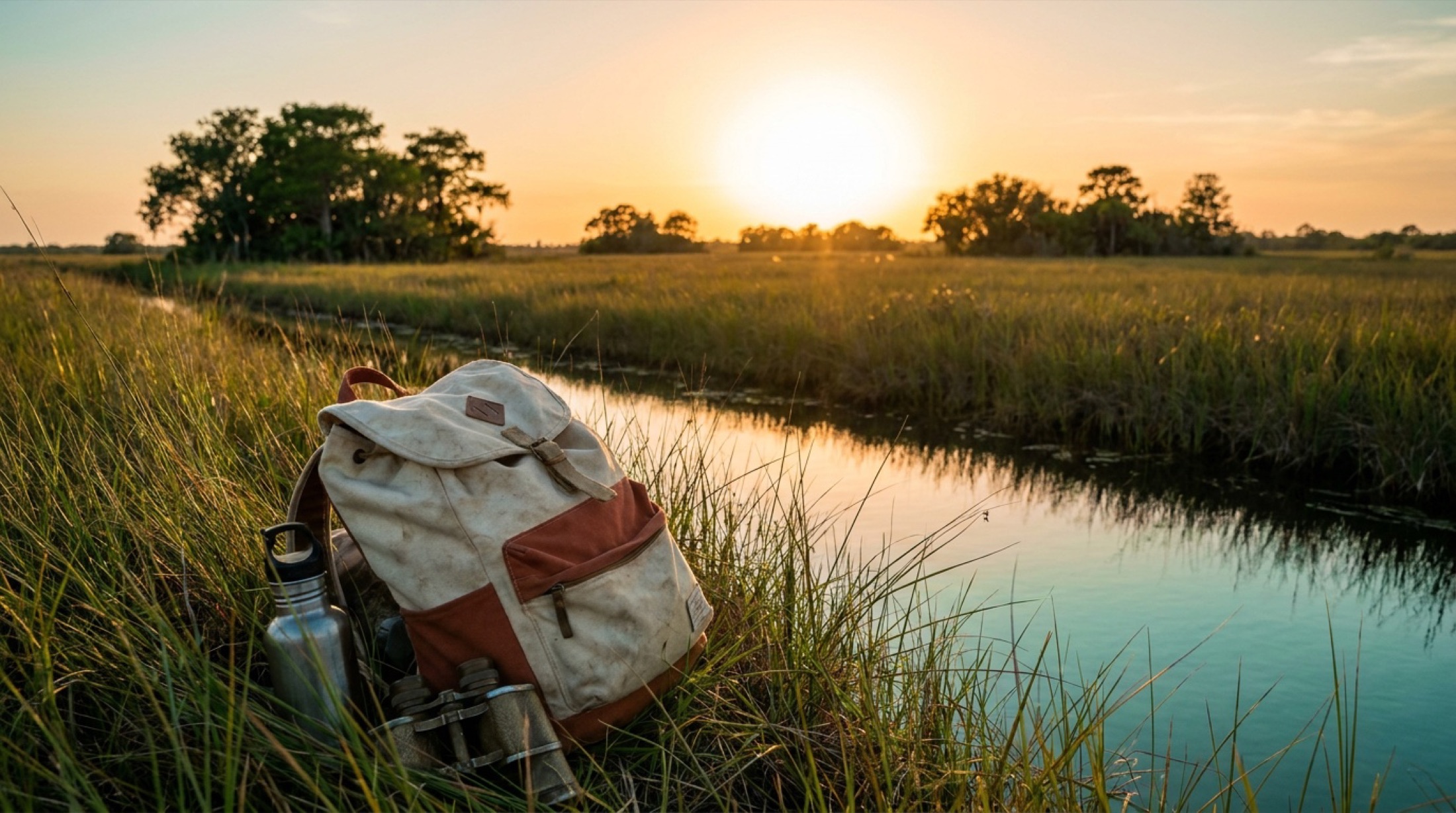
Everglades
A 1.5-million-acre subtropical wetland where you paddle and walk among alligators, wading birds, and sawgrass.
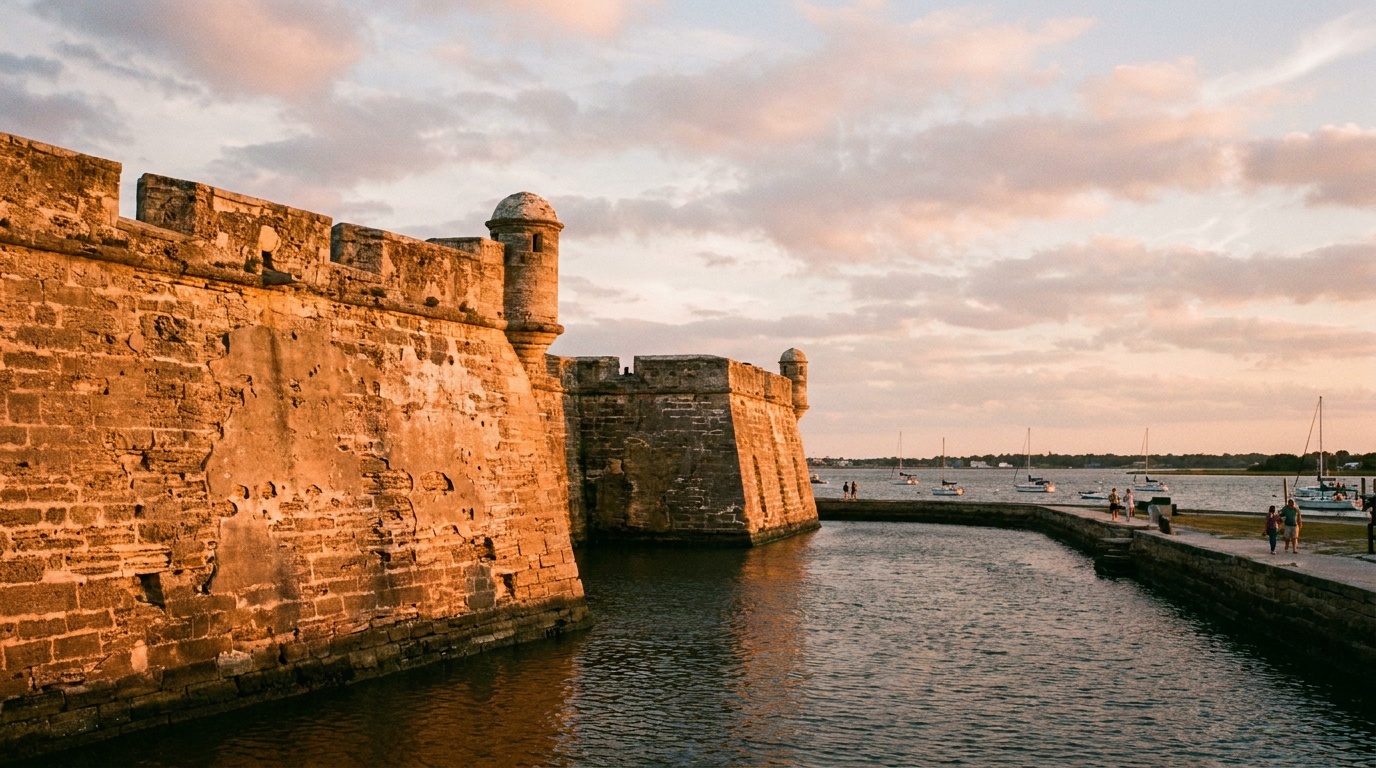
Castillo de San Marcos National Monument
The oldest masonry fort in the continental US, built of coquina shellstone on the St. Augustine waterfront. A flat-fee ticket good for seven days, with cannon firings on weekends.
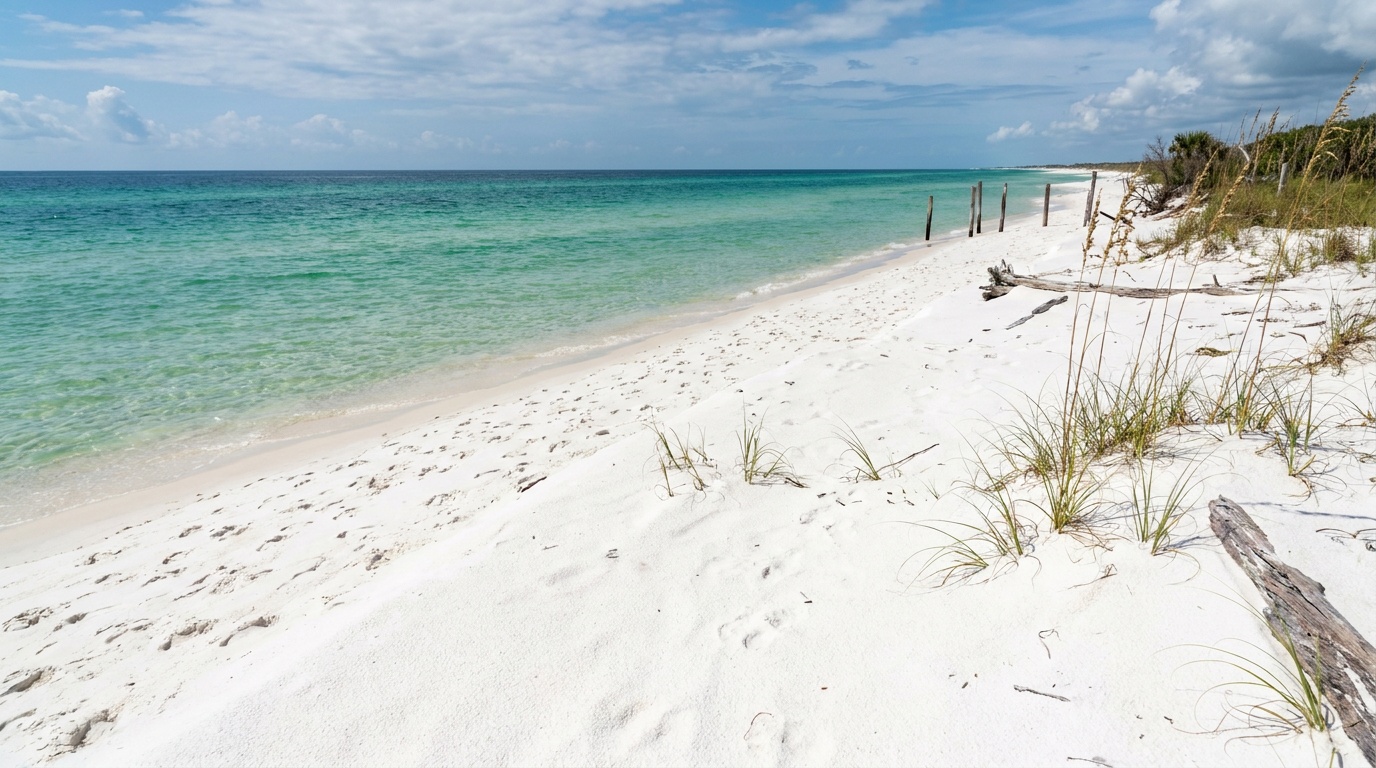
Gulf Islands National Seashore
Sugar-white quartz sand and emerald Gulf water along the Florida panhandle, anchored by the historic brick walls of Fort Pickens on Santa Rosa Island near Pensacola.
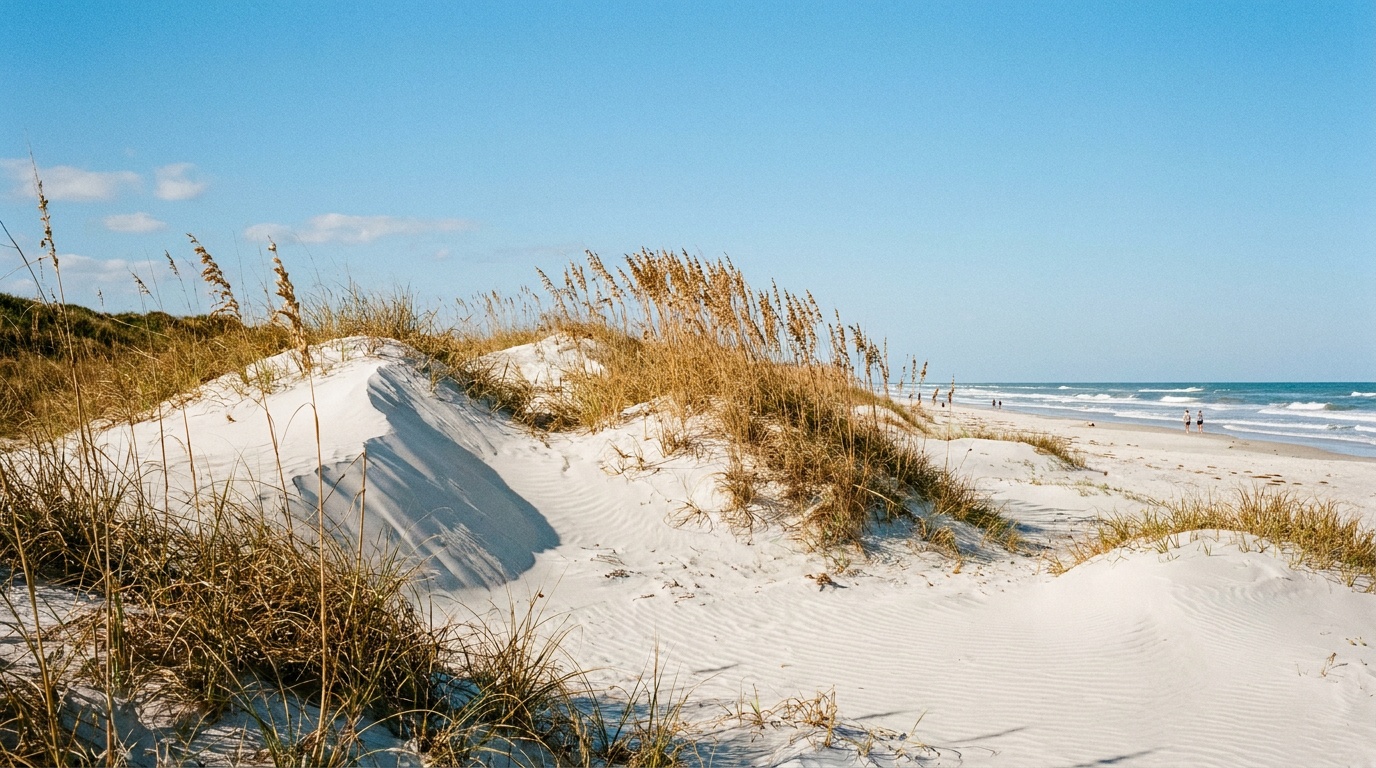
Anastasia State Park
One of Florida's most popular state parks, just across the bridge from historic St. Augustine: four miles of white-quartz beach, towering ancient dunes, a tidal lagoon for paddling, and a large oceanfront campground tucked under coastal hammock.
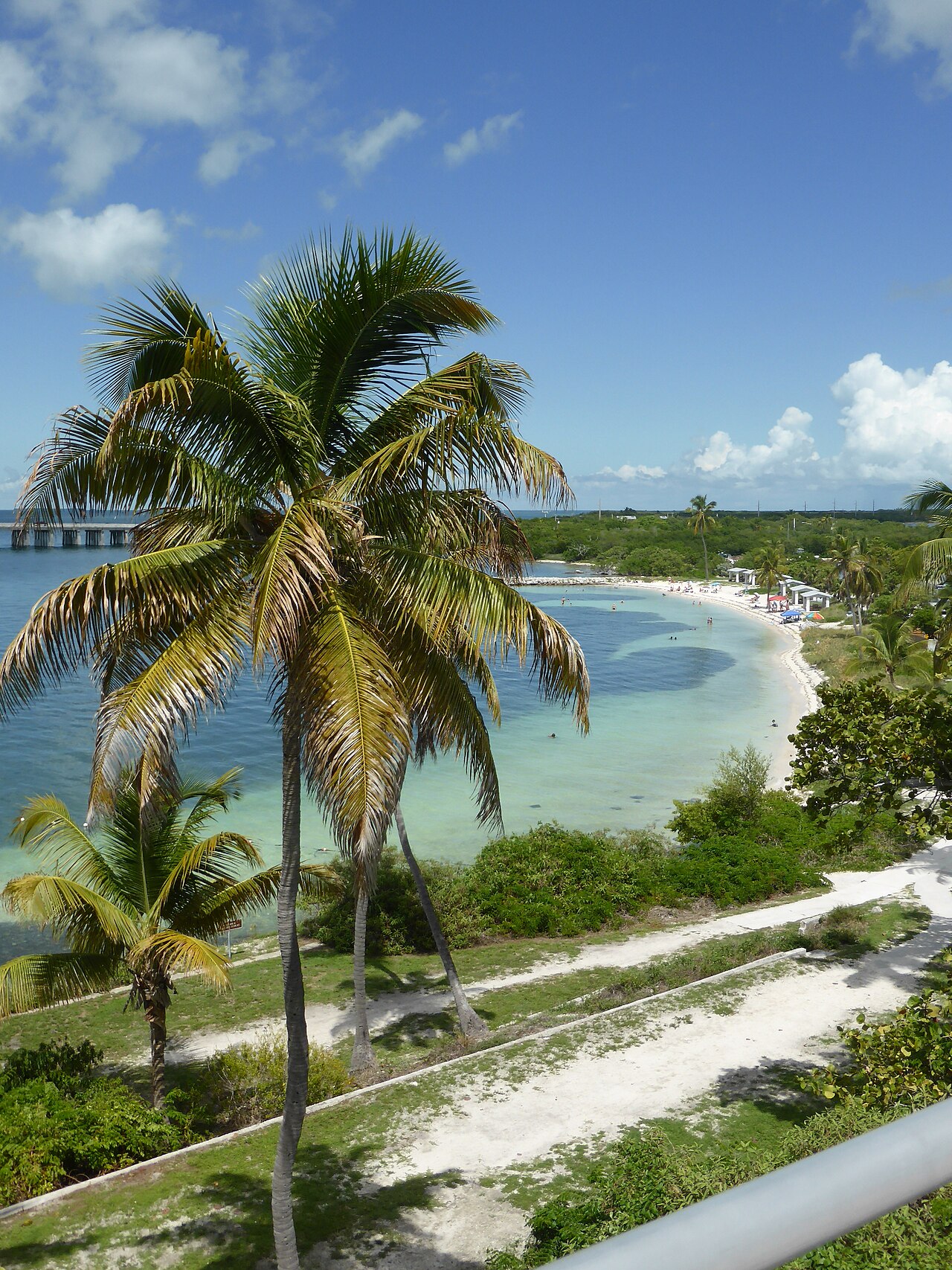
Bahia Honda State Park
A Florida Keys beach-and-camping park with clear water, limited shade, capacity closures, and very competitive reservations.
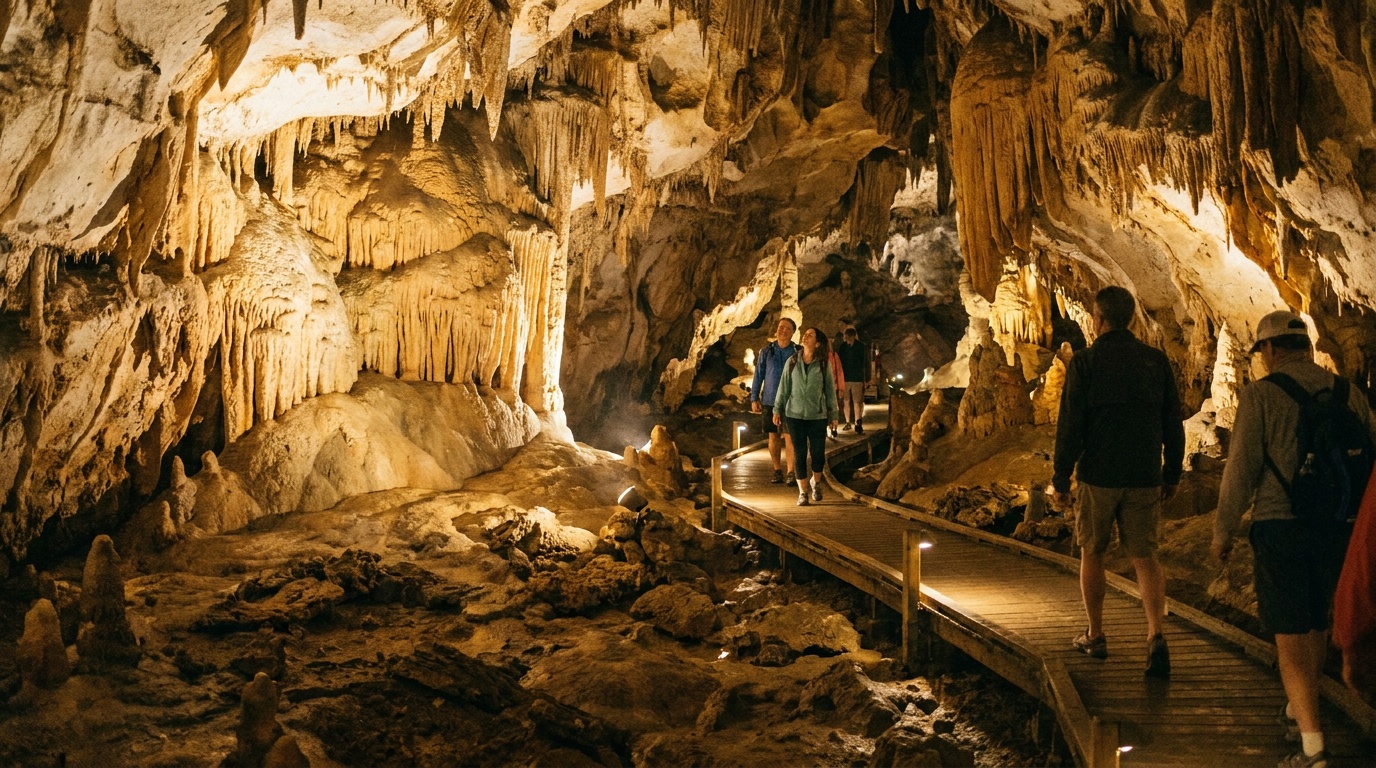
Florida Caverns State Park
The only Florida state park with air-filled caves you can tour: ranger-led walks past stalactites and flowstone near Marianna, plus the Chipola River for paddling, more than eight miles of trails, and a shaded riverside campground.
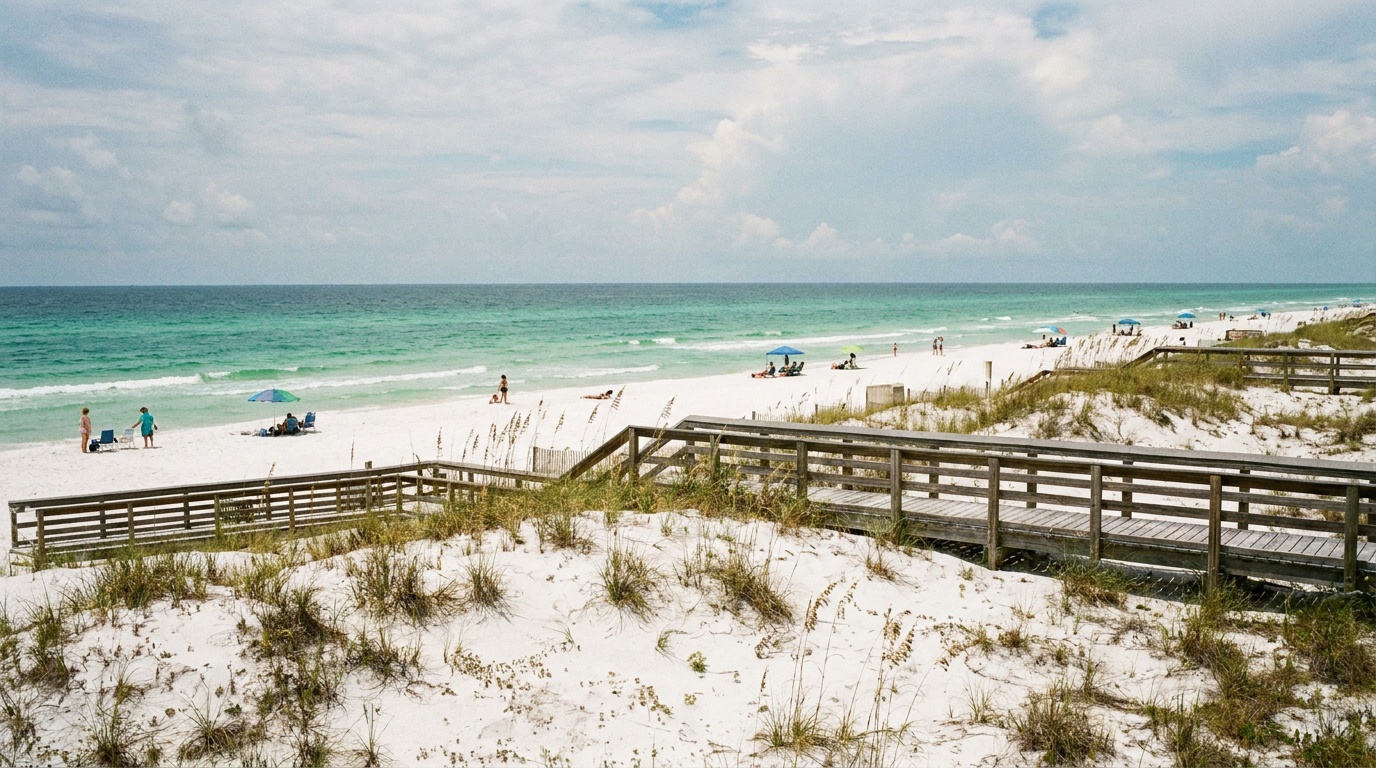
Grayton Beach State Park
A top-rated stretch of sugar-white Gulf sand on Highway 30A, with a rare coastal dune lake, a nature trail, cabins, and reservable beachside camping.
Planning a Florida trip
The outdoors in Florida
Florida rewards the patient walker and the curious paddler more than the peak bagger. This is flat, low country, so the payoff here is water and wildlife: crystal-clear springs that stay 72F year round, slow tannic rivers, mangrove tunnels, hardwood hammocks, and a wetland so big it reads like a sea of grass. You can snorkel a living coral reef, paddle out to a 19th-century fort surrounded by open ocean, and hike a boardwalk where alligators and crocodiles share the same water, all in one state.
For the big-name nature, the southern tip carries the federal sites: the River of Grass wetland, the mostly-underwater reef park off Homestead, and the remote island fort 70 miles west of Key West (reachable only by boat or seaplane). But Florida's state parks are the everyday heroes. Wekiwa Springs near Orlando is an easy swim-and-paddle reset from the theme parks. The Ocala area, with the oldest national forest east of the Mississippi, strings together spring after spring that glow like they are lit from below. The Panhandle and Gulf coast add sugar-sand beaches and pine flatwoods, while central Florida hides quiet trails and clear-water runs.
Timing matters more here than almost anywhere. South Florida runs two seasons: a wet, buggy, humid summer (roughly May through October, with afternoon thunderstorms and heat in the 90s F) and a dry season (about December through April) that is the real window. In the dry months, temperatures sit in a comfortable low 50s to upper 70s F range, humidity drops, mosquitoes thin out, and wildlife crowds the shrinking water holes where you can actually see it. Ranger programs and guided tours run full schedule then too.
What to pack reflects the climate, not the terrain. You are dressing for sun, water, and bugs rather than altitude or cold. Think breathable sun-protective layers, a wide-brim hat, polarized sunglasses, reef-safe sunscreen, and serious insect protection (the bugs are real even in the dry season at dawn and dusk). Quick-dry footwear that you do not mind getting wet beats stiff boots, and a dry bag plus plenty of water rounds out almost any Florida day outdoors.
Getting around Florida
Getting around
Florida is well served by air, with four big hubs spreading you across the state. Miami (MIA) and Fort Lauderdale put you closest to the southern parks and the Keys. Orlando (MCO) is the natural base for central Florida springs and the Ocala area. Tampa (TPA) covers the Gulf coast and west-central springs, and Jacksonville (JAX) anchors the northeast and the route toward the Panhandle.
You will want a car. Public transit does not reach the wild places, and the good stuff is spread out. The drives are flat and easy but longer than the map suggests. From Miami, the southern wetland is roughly an hour to its eastern gateway and about two hours to the western (Everglades City) side. Crossing the peninsula from Tampa to Miami runs about four hours via I-75 (Alligator Alley). Miami to Orlando is around three and a half to four hours up the turnpike, and Orlando to the southern parks is a solid four hours or more.
Central and north Florida are tighter: Tampa to Orlando is about 90 minutes, and Orlando to the Ocala springs region is around an hour and a half. The remote island fort west of Key West is a category of its own: drive the Overseas Highway to Key West (roughly three and a half to four hours from Miami), then book the ferry or seaplane, since there is no other way in. One local trick worth knowing: start long drives early, between 6 and 8 AM, to beat both commuter traffic and the afternoon heat and storms.
All 12 Florida park guides
- Anastasia State Park
- Bahia Honda State Park
- Biscayne National Park
- Castillo de San Marcos National Monument
- Dry Tortugas National Park
- Everglades National Park
- Florida Caverns State Park
- Grayton Beach State Park
- Gulf Islands National Seashore
- John Pennekamp Coral Reef State Park
- Myakka River State Park
- Wekiwa Springs State Park
State park directory
Every Florida state park
A source-backed inventory layer for planning breadth. Full Kit Authority guides are marked when a park has camping detail, rules, and packing notes; the rest link straight to the official page. Looking for rail trails and state trails? They have their own Trail Guide.
164 parks
7 full guides · 150 with photos
Anastasia State Park
State Park
Abundant wildlife and diverse ecosystems can be enjoyed within 1,600 acres of beaches, tidal marshes and nature trails, plus ancient sand dunes and a historic coquina quarry.
- Biking
- Boating
- Camping
- Fishing
Florida State Parks
Full guideBahia Honda State Park
State Park
An island in the Florida Keys offering connection to nature, history and recreation, including a walk on the historic Old Bahia Honda Bridge trail.
- Biking
- Boating
- Camping
- Fishing
Florida State Parks
Full guideFlorida Caverns State Park
State Park
One of Florida's first state parks, Florida Caverns offers visitors the opportunity to go underground and tour a large limestone cave system with spectacular formations.
- Biking
- Boating
- Camping
- Geocaching
Florida State Parks
Full guideGrayton Beach State Park
State Park
Relaxing on pristine Grayton Beach is the main attraction, but it is only one aspect to this park, consistently ranked among the top beaches in the United States.
- Camping
- Hiking
- Fishing
- Swimming
Florida State Parks
Full guideJohn Pennekamp Coral Reef State Park
State Park
America's first undersea park, John Pennekamp Coral Reef State Park offers visitors an unforgettable glimpse into the diverse underwater world of the coral reef.
- Hiking
- Fishing
- Swimming
- Picnicking
Florida State Parks
Full guideMyakka River State Park
State Park
The majestic Myakka River flows through 58 square miles of one of Florida's oldest and largest parks, spanning prairies, hammocks, pinelands and wetlands.
- Camping
- Hiking
- Fishing
- Boating
Florida State Parks
Full guideWekiwa Springs State Park
State Park
With emerald springs feeding the Wekiwa River and lush tropical hammocks, this park just minutes from Orlando offers miles of trails for foot, bike or horseback.
- Camping
- Backpacking
- Hiking
- Fishing
Florida State Parks
Full guideAddison Blockhouse Historic State Park
Historic State Park
The Addison Blockhouse, a small picturesque coquina rock ruin, is located on what was once an 18th-century plantation built by John Moultrie.
Florida State Parks
Official pageAlafia River State Park
State Park
A reclaimed phosphate mine with some of the most radical elevation changes in the state, attracting mountain bikers from around the world to its mountain bike trails.
- Biking
- Boating
- Camping
- Fishing
Florida State Parks
Official pageAlfred B. Maclay Gardens State Park
State Park
A masterpiece of floral architecture, the gardens feature a picturesque brick walkway, secret garden, reflection pool, walled garden, and hundreds of camellias and azaleas.
- Biking
- Fishing
- Geocaching
- Hiking
Florida State Parks
Official pageAllen David Broussard Catfish Creek Preserve State Park
State Park
Located along the Lake Wales Ridge, this preserve covers more than 8,000 acres of scrub, sandhill and flatwoods in addition to 65 acres of submerged land.
- Camping
- Fishing
- Geocaching
- Hiking
Florida State Parks
Official pageAmelia Island State Park
State Park
An easy drive from Jacksonville or Fernandina Beach, the park protects over 200 acres of unspoiled wilderness, beaches, salt marshes and coastal maritime forests along the southern tip of Amelia Island.
- Biking
- Fishing
- Horseback Riding
- Paddling
Florida State Parks
Official pageAnclote Key Preserve State Park
State Park
Located three miles off the coast of Tarpon Springs, this unspoiled barrier island is accessible only by private boat or ferry and is known for its historic lighthouse.
- Boating
- Camping
- Fishing
- Swimming
Florida State Parks
Official pageAvalon State Park
State Park
Avalon has more than a mile of increasingly rare undeveloped beachfront that provides habitat for many species of wildlife, ideal for swimmers, snorkelers and anglers.
- Fishing
- Geocaching
- Hiking
- Paddling
Florida State Parks
Official pageBald Point State Park
State Park
Bald Point offers access to two Apalachee Bay beaches for swimming, sunbathing, fishing, canoeing and kayaking, with facilities including a fishing dock and picnic pavilions.
- Biking
- Camping
- Fishing
- Geocaching
Florida State Parks
Official pageBig Lagoon State Park
State Park
This park offers opportunities to picnic, hike, camp, swim, fish, boat, kayak, stand-up paddleboard and canoe, with 704 upland acres separating the mainland from Perdido Key.
- Biking
- Boating
- Camping
- Fishing
Florida State Parks
Official pageBig Shoals State Park
State Park
Big Shoals features the largest whitewater rapids in Florida, with limestone bluffs towering 80 feet above the banks of the Suwannee River.
- Biking
- Fishing
- Geocaching
- Hiking
Florida State Parks
Official pageBig Talbot Island State Park
State Park
Located on one of Northeast Florida's unique sea islands, Big Talbot Island is primarily a natural preserve providing a premier location for nature study, bird-watching and photography.
- Biking
- Boating
- Fishing
- Geocaching
Florida State Parks
Official pageBill Baggs Cape Florida State Park
State Park
Just minutes from downtown Miami on the tip of Key Biscayne, the park offers views of the Atlantic Ocean and Biscayne Bay from atop its historic 1825 lighthouse.
- Biking
- Fishing
- Hiking
- Paddling
Florida State Parks
Official pageBlue Spring State Park
State Park
Hundreds of manatees make this park their winter home, and the refreshing 72-degree spring waters greet visitors at this gem along the St. Johns River.
- Camping
- Fishing
- Hiking
- Paddling
Florida State Parks
Official pageBulow Creek State Park
State Park
Bulow Creek protects nearly 5,600 acres, including the Fairchild Oak, one of the largest live oak trees in the South.
- Biking
- Geocaching
- Hiking
- Paddling
Florida State Parks
Official pageBulow Plantation Ruins Historic State Park
Historic State Park
The 150 acres of Bulow Plantation Ruins stand as a monument to the rise and fall of sugar plantations in East Florida, swept away during the Second Seminole War in 1836.
- Biking
- Boating
- Fishing
- Geocaching
Florida State Parks
Official pageCaladesi Island State Park
State Park
One of the few untouched islands along the Gulf Coast, Caladesi Island is accessible only by boat and offers pristine beaches and shore fishing.
- Boating
- Camping
- Fishing
- Hiking
Florida State Parks
Official pageCamp Helen State Park
State Park
Bordered by the Gulf on three sides and by Lake Powell, the park lets visitors explore an environment rich in natural and cultural resources and one of the largest coastal dune lakes in Florida.
- Fishing
- Hiking
- Paddling
- Picnicking
Florida State Parks
Official page


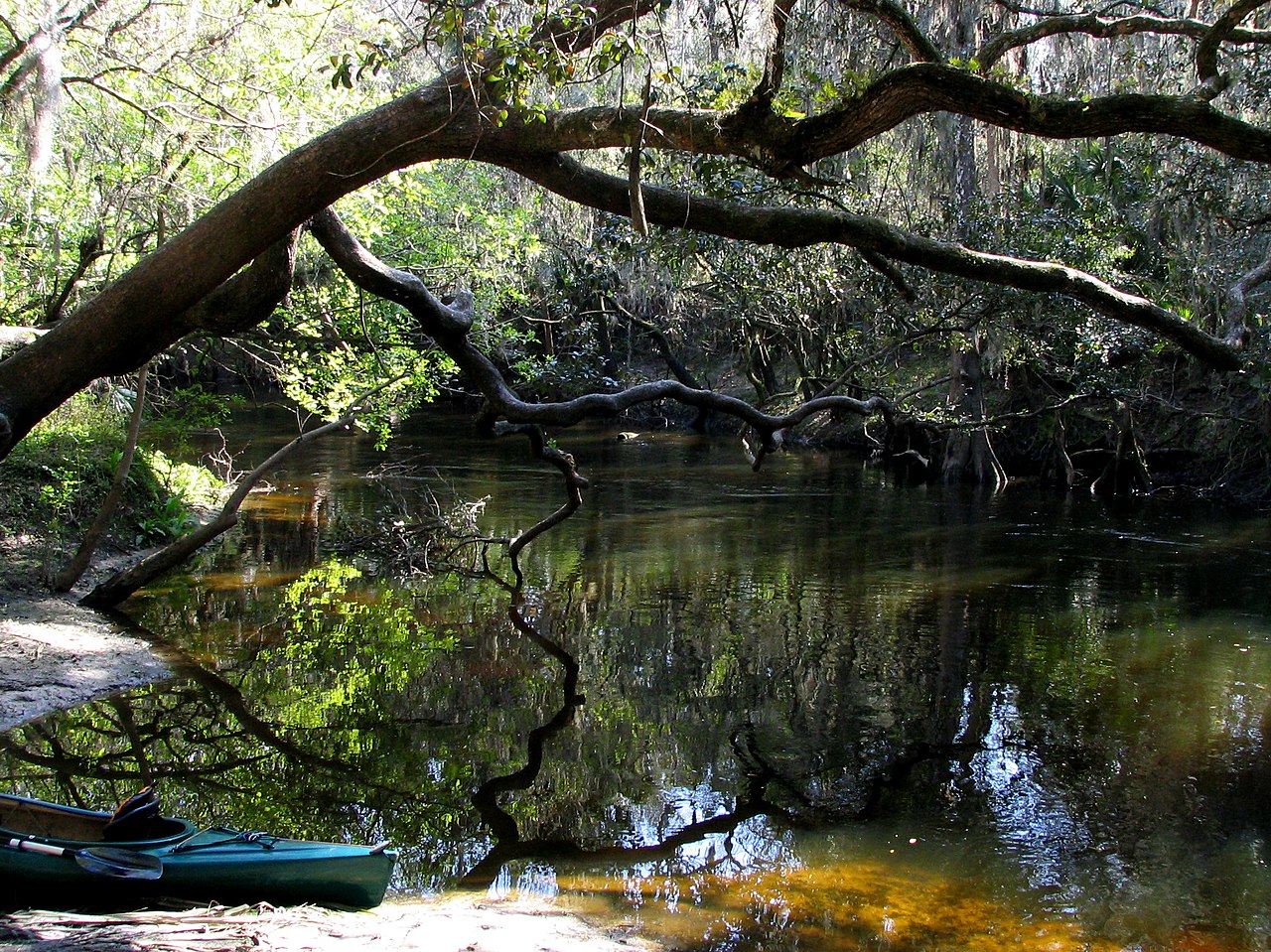


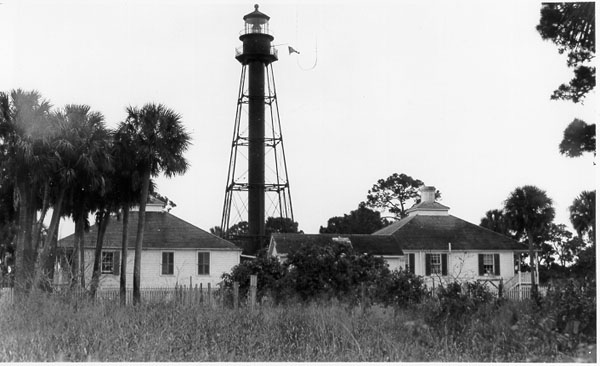


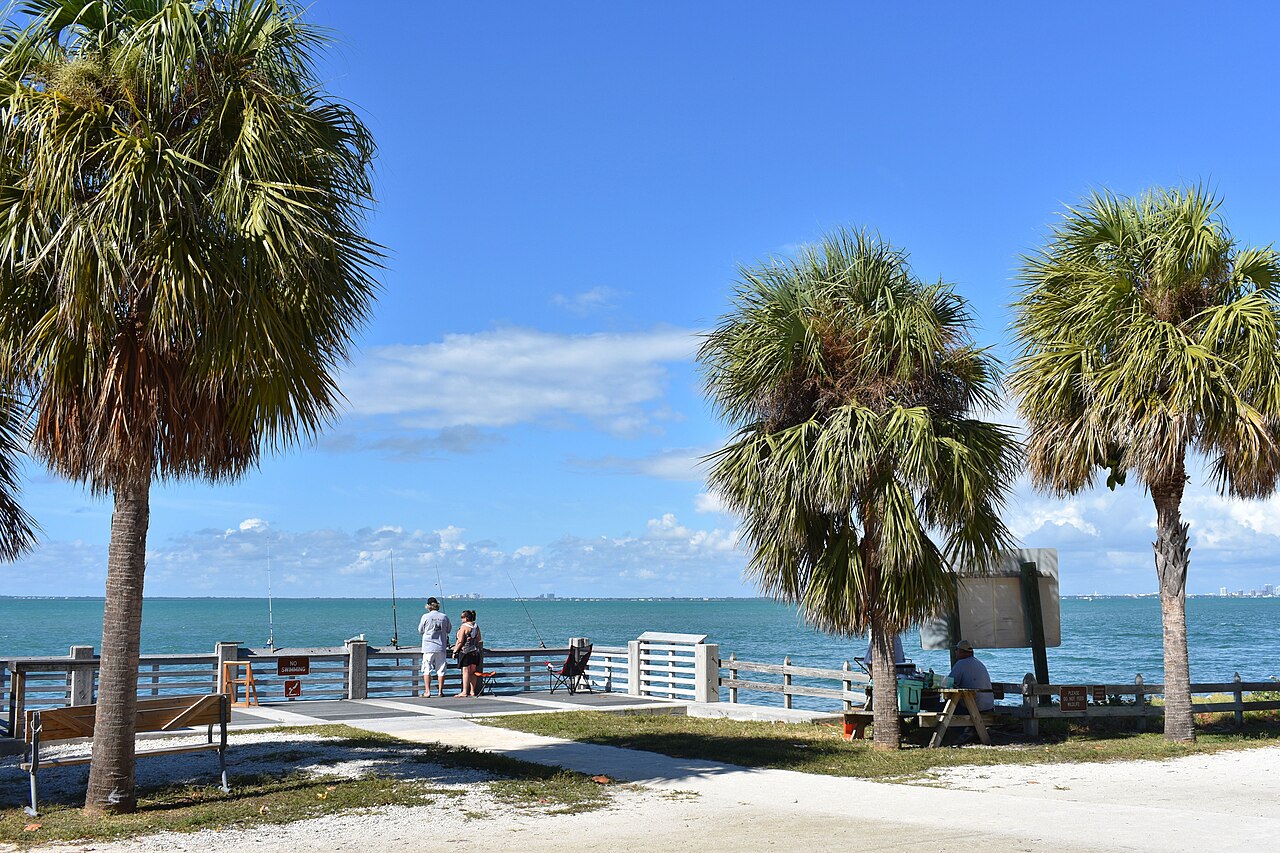


Inventory source: USGS PAD-US 4.1. Photos are public-domain or Creative Commons via Wikimedia Commons, credited per image. Official reservations and rules remain state-specific, so use the state booking links before committing to dates.
Native plants of Florida
Florida's parks bloom in every month of the year, from pine flatwoods to coastal scrub. Its natives are built for heat, sand, and rain in bursts, which is exactly what a Florida garden needs.
Lanceleaf coreopsis (tickseed)
Coreopsis lanceolata
Florida's state wildflower genus at its showiest, gilding roadsides and flatwoods in spring.
A cheerful, easy native for a sunny garden. Grow itFirewheel (Indian blanket)
Gaillardia pulchella
Red-and-gold daisies on beach dunes and sandy roadsides through the hottest months.
A tough, self-seeding annual for sunny beds. Grow itAmerican beautyberry
Callicarpa americana
Neon-purple berry clusters wrapping the stems in fall understory across north and central Florida.
A carefree shrub with unmistakable fall fruit. Grow itCoral honeysuckle
Lonicera sempervirens
Red tubular flowers on a well-behaved native vine along woodland edges.
A non-invasive trellis vine hummingbirds work daily. Grow itTropical sage
Salvia coccinea
Red flower spikes nearly year-round in open woods and disturbed sand.
Blooms from seed in its first year in part sun. Grow itSpotted beebalm
Monarda punctata
Stacked lavender bracts in scrub and dunes, mobbed by specialist wasps and bees in late summer.
A sandy-soil pollinator standout. Grow itSaw palmetto
Serenoa repens
The fan-palm understory of nearly every flatwoods park in the state, some colonies centuries old.
Grow-at-home guides for these come from our sister site, Sprout Authority.
Frequently asked questions
When is the best time to visit Florida's parks?
The dry season, roughly December through April, is the sweet spot, especially for South Florida and the Everglades. Temperatures sit in a comfortable low 50s to upper 70s F range, humidity and mosquitoes drop, and wildlife gathers around shrinking water holes where it is easy to spot. Summer (May through October) is hot, humid, and buggy with daily afternoon storms, so save it for the spring-fed parks where you can stay in 72F water.
What is the best national park in Florida?
It depends on how you like to spend a day outdoors. The vast River of Grass wetland in the south is the most accessible and wildlife-rich, with boardwalks, paddling, and ranger programs that shine in the dry season. The mostly-underwater reef park off Homestead is the pick for snorkeling and boating, while the remote island fort 70 miles west of Key West (boat or seaplane only) is the most unforgettable if you want adventure and history together.
Do I need a car to explore Florida's outdoors?
Yes, for almost everything outside the city centers. The springs, state parks, and wetland gateways are spread out and not reachable by public transit. Fly into Miami or Fort Lauderdale for the south, Orlando or Tampa for central Florida springs, and Jacksonville for the northeast, then rent a car. The one exception is the remote island fort west of Key West, which you reach by ferry or seaplane after driving to Key West.