Destinations
Delaware outdoors
A pocket-sized state where Atlantic dune beaches, blue-gneiss creek valleys, and the country's northernmost bald cypress swamp are all an hour apart.
Top parks in Delaware
See all 18 parks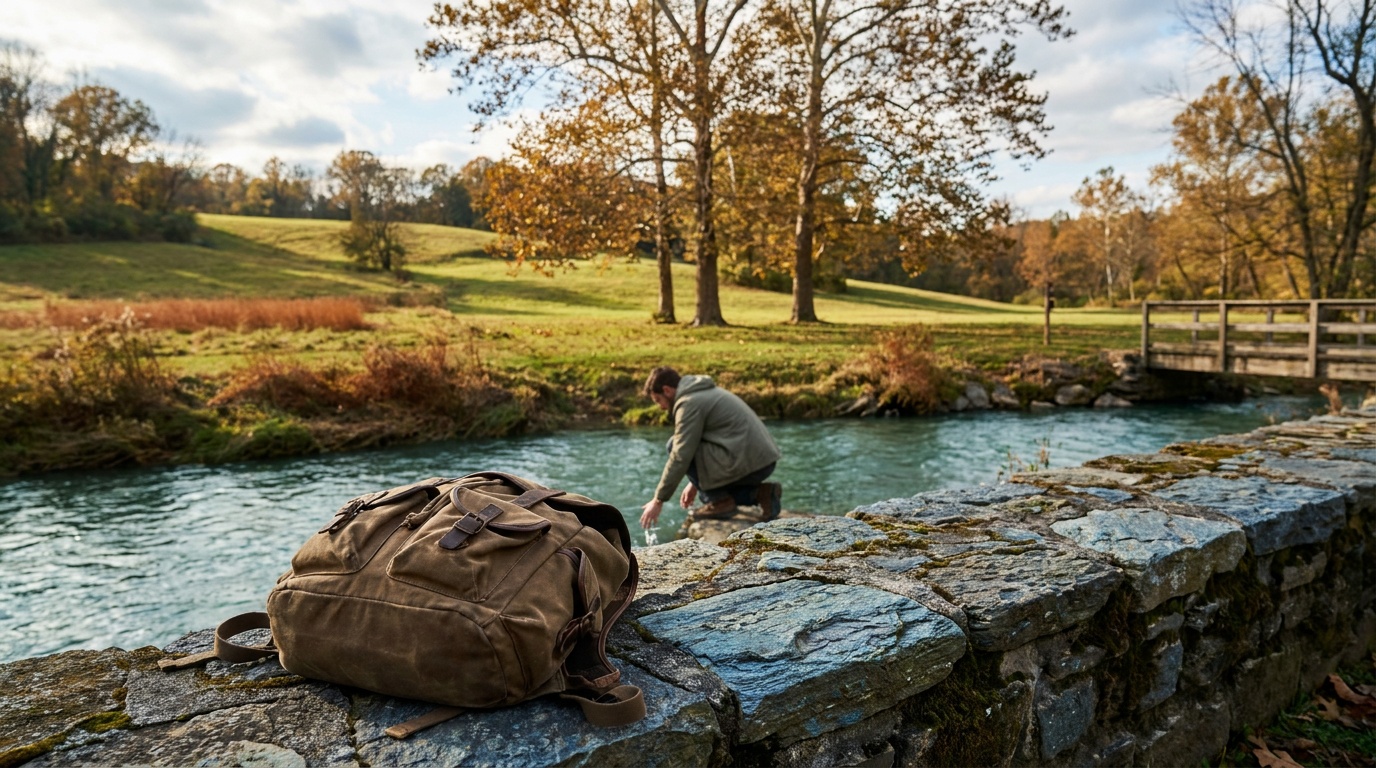
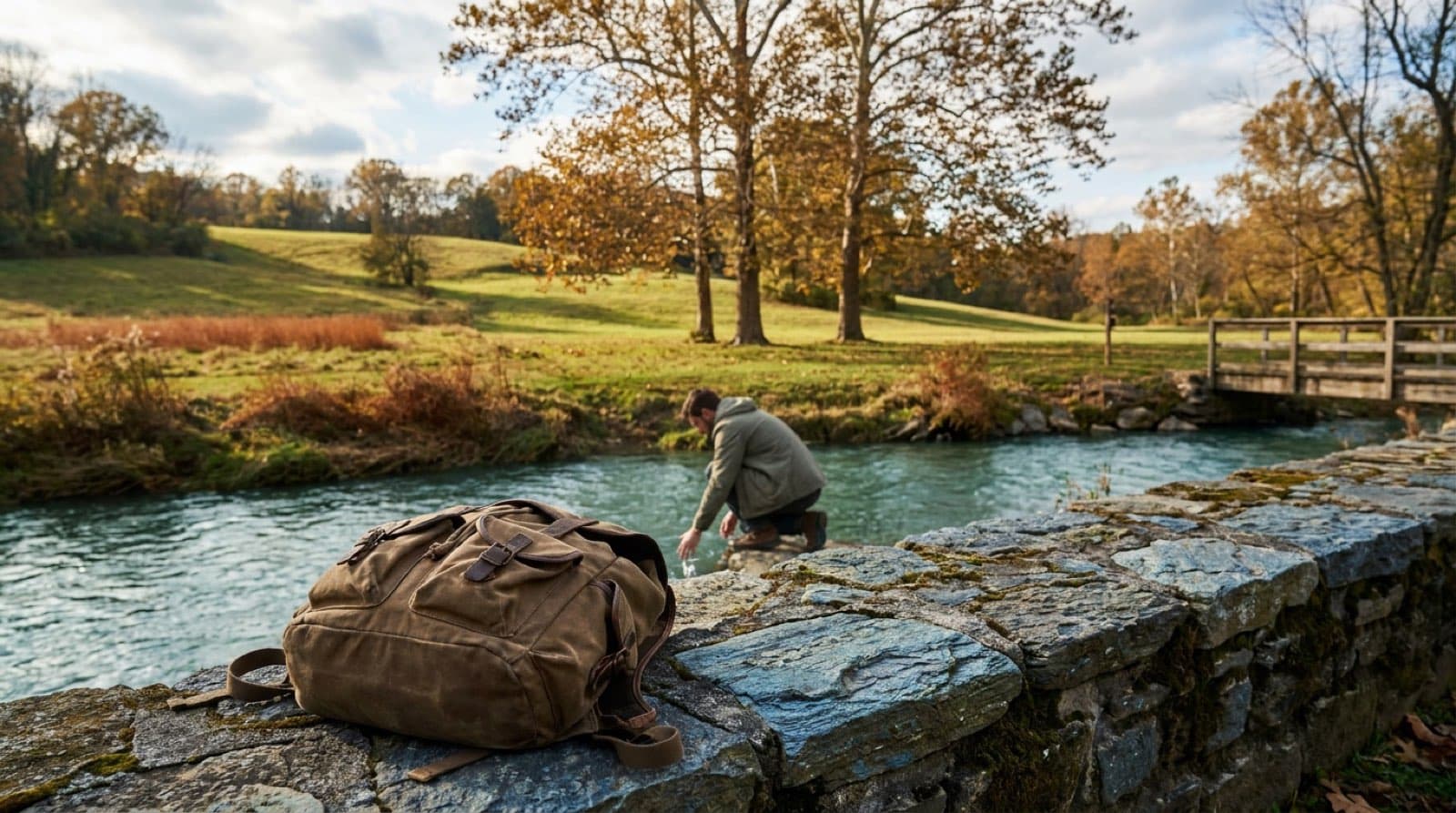
Brandywine Creek State Park
A 933-acre piedmont park in northern Wilmington: rolling meadows, old-growth tulip tree groves, 14 miles of trail including the popular Tulip Tree Trail, paddling and tubing on the Brandywine Creek, and distinctive blue gneiss stone walls that once bounded a du Pont family dairy farm.
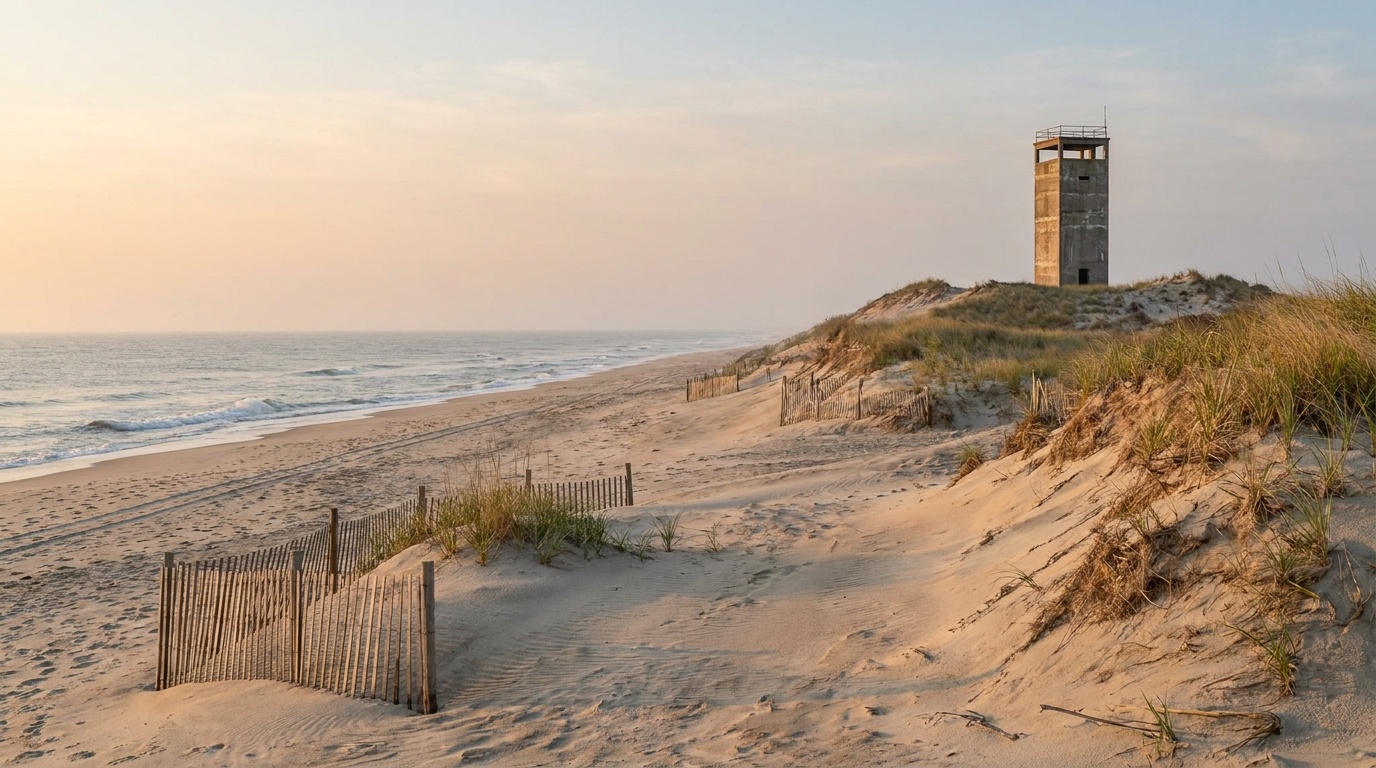
Cape Henlopen State Park
Where Delaware Bay meets the Atlantic: wide beaches, a paved Gordons Pond trail, a WWII observation tower and Fort Miles bunkers, and a popular campground.
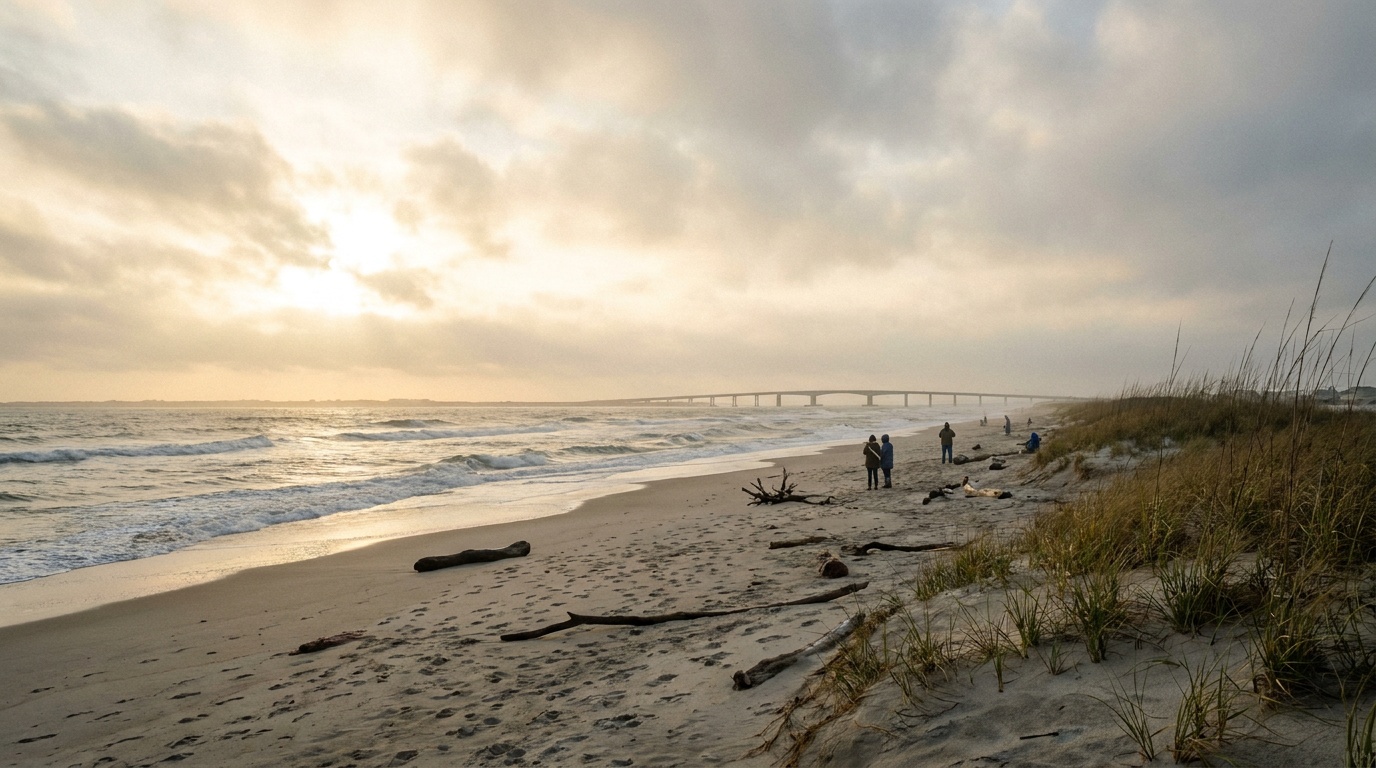
Delaware Seashore State Park
A six-mile barrier-island park between Rehoboth and Bethany beaches: Atlantic surf beaches, the Indian River Inlet, surf fishing, a marina, and two large campgrounds on the bay side, all split by the inlet bridge.
Trap Pond State Park
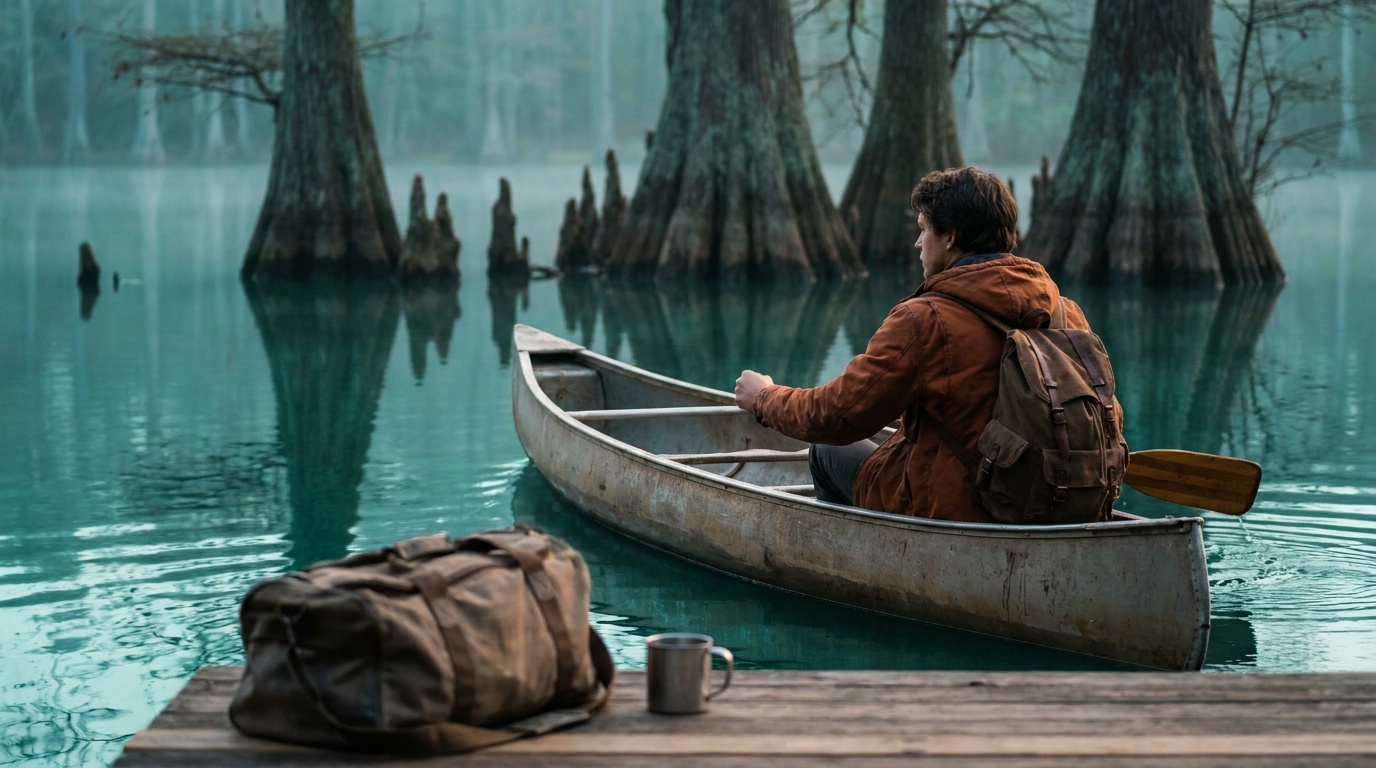
Delaware's baldcypress showpiece in Laurel: the northernmost naturally occurring stand of baldcypress trees in the United States, a 90-acre pond ringed by ancient cypress, 142 campsites, pontoon eco-tours, paddling rentals, and one of the most atmospheric state park campgrounds in the mid-Atlantic.
White Clay Creek State Park
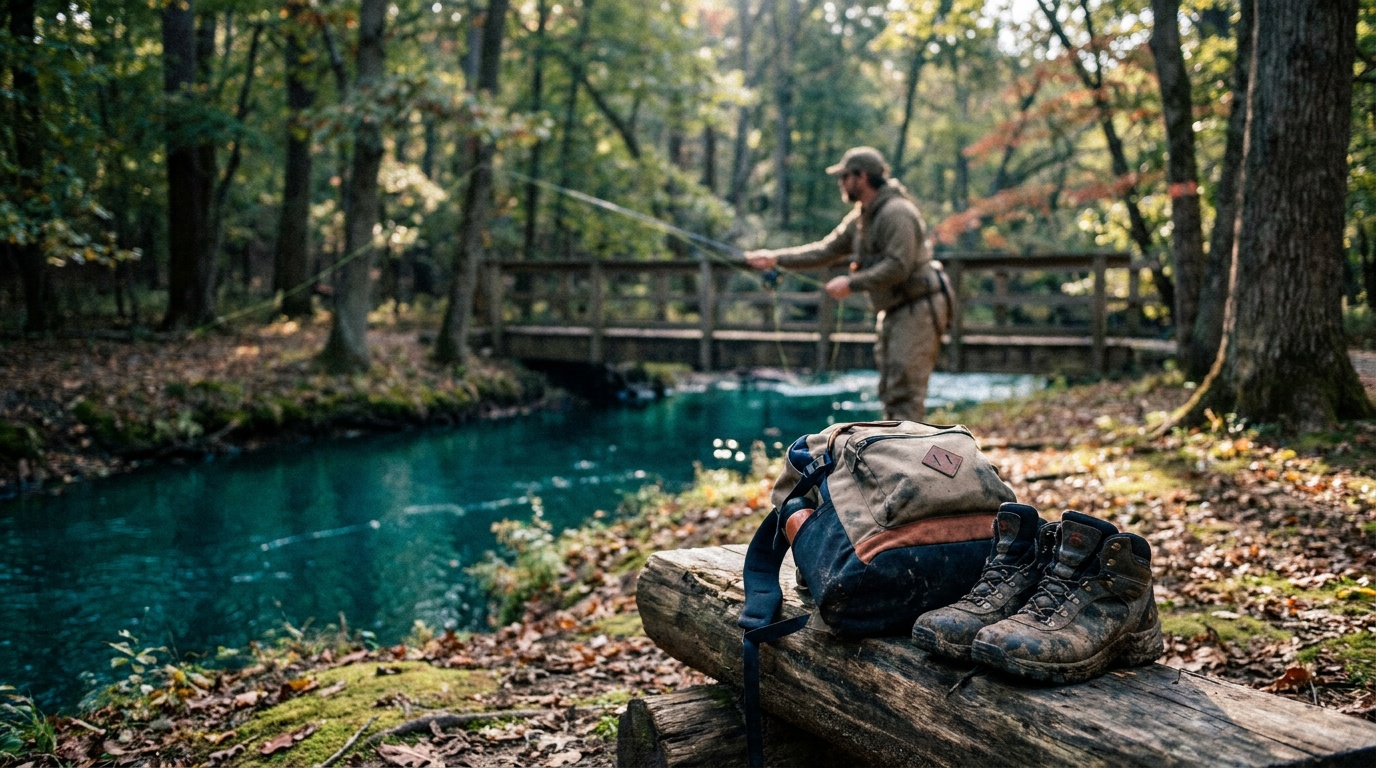
Delaware's premier trail park in Newark: more than 3,600 acres protecting the White Clay Creek watershed near the Pennsylvania border, with over 37 miles of trails for hiking and mountain biking, excellent trout fishing, and the only primitive group camping in the northern Delaware state park system.

Killens Pond State Park
Killens Pond was created in the mid-to-late 1700s when the Murderkill River, long fished and hunted by the Lenape, was dammed to power grist and sawmills.

Lums Pond State Park
Lums Pond, Delaware's largest freshwater pond, was created in the early 1700s when St. Georges Creek was dammed to support local milling operations.

Fenwick Island State Park
Originally the southern portion of Delaware Seashore State Park, Fenwick Island became a separate park in 1981 and invites visitors to its peaceful ocean and bay shorelines.

Alapocas Run State Park
Donated to the city of Wilmington by industrialist William Bancroft in the early 1900s, Alapocas Run became a state park in 2002 and includes the 1914 Blue Ball Barn.
Planning a Delaware trip
Delaware is small enough to cross in an afternoon, which is exactly why it punches above its size outdoors: you can walk a coastal dune trail in the morning and a hardwood creek valley by lunch. There is no national park here, so the state parks carry the load, and they are genuinely good.
The coast is the headliner. Cape Henlopen, where the Delaware Bay meets the Atlantic, spreads across roughly 5,000 acres of dunes, pine, and historic Fort Miles, with the Gordons Pond loop (about 4.5 miles of boardwalk and crushed stone) as the signature walk. Just south, Delaware Seashore strings beach and bay together across a thin barrier of sand. Inland and north, the rolling country around Wilmington holds the prettiest hiking: Brandywine Creek has 19th-century blue-stone walls and a remnant old-growth tulip-poplar forest across 14-plus miles of trail, and White Clay Creek near Newark offers 37-plus miles through forest, open fields, and the flat, easy Pomeroy Rail Trail. For something genuinely unusual, drive to Trap Pond near Laurel, home to the northernmost natural stand of bald cypress in North America, best seen from a kayak or the Cypress Point Trail.
When to go depends on what you want. Late June through early August brings the warmest ocean and the liveliest (and most crowded) beach scene, especially around Rehoboth on weekends. The sweet spot is the shoulder: late May and early September, plus weekdays into October, give you warm sun, near-empty sand, and crisp nights. Fall foliage in the northern parks usually peaks mid to late October. Wildlife adds its own calendar: horseshoe crabs spawn on the bay beaches in May and June, and hawk migration runs September through November.
Packing is simple because the terrain is gentle. Trail-runners or light hikers handle almost everything, the climbs are modest, and distances are short. The real variables are sun and bugs: bring sun protection and water for the exposed dune and beach walks, and pack insect repellent for the cypress wetlands and summer creek trails. Layer for the shoulder-season swing between warm afternoons in the 60s and 70s F and cool mornings.
Getting around Delaware
Delaware is one of the easiest states to navigate because it is so compact: only about 96 miles top to bottom, split into three counties that line up north to south. New Castle in the north is the urban end (Wilmington), Kent in the middle holds the capital, Dover, and Sussex in the south is beach country.
For flying in, most visitors use a hub just outside the state rather than a Delaware airport. Philadelphia International (PHL) is the practical big hub, roughly 30 to 40 minutes north of Wilmington, with Baltimore/Washington (BWI) a reasonable second option to the southwest. Wilmington Airport (ILG) exists but has limited commercial service.
Driving distances are short and forgiving. Wilmington to Dover is about 45 miles, roughly an hour. Dover down to Rehoboth Beach is about 44 miles, just under an hour. The longest typical haul, Wilmington straight down to the coast at Rehoboth, runs about 93 miles and roughly 1 hour 45 minutes. That means the northern hiking parks (Brandywine Creek, White Clay Creek) cluster near Wilmington, the coastal parks (Cape Henlopen, Delaware Seashore) sit together in the southeast around Lewes and Rehoboth, and Trap Pond's cypress swamp is tucked in the southwest near Laurel, about 30 to 40 minutes inland from the beaches. A single base in lower Sussex County puts the coast and the cypress swamp within easy reach; the northern creek parks pair better with a Wilmington or Philadelphia stay.
All 5 Delaware park guides
State park directory
Every Delaware state park
A source-backed inventory layer for planning breadth. Full Kit Authority guides are marked when a park has camping detail, rules, and packing notes; the rest link straight to the official page. Looking for rail trails and state trails? They have their own Trail Guide.
18 parks
5 full guides · 17 with photos
Brandywine Creek State Park
State Park
The lands of Brandywine Creek State Park were home to a Quaker farming community as early as the late 17th century, whose old farm roads became part of today's trail system.
- Hiking
- Biking
- Wildlife Viewing
- Winter Sports
Delaware State Parks
Full guideCape Henlopen State Park
State Park
Cape Henlopen's strategic coastal position led to the construction of Fort Miles during World War II, and the park today preserves its beaches, dunes, and military history.
- Hiking
- Biking
- Fishing
- Beach
Delaware State Parks
Full guideDelaware Seashore State Park
State Park
Delaware Seashore State Park spans six and a half miles of barrier beach bounded by the Atlantic Ocean to the east and Rehoboth and Indian River bays to the west.
- Camping
- Hiking
- Fishing
- Boating
Delaware State Parks
Full guideTrap Pond State Park
State Park
Trap Pond, once a baldcypress wetland dammed by loggers in the late 1800s, became Delaware's first state park in 1951 and preserves a northern baldcypress swamp.
- Camping
- RV Camping
- Cabins
- Hiking
Delaware State Parks
Full guideWhite Clay Creek State Park
State Park
Established in 1975 as Walter S. Carpenter State Park after the state acquired lands around a small recreational park, White Clay Creek now offers more than 37 miles of trails.
- Hiking
- Biking
- Disc Golf
- Wildlife Viewing
Delaware State Parks
Full guideAlapocas Run State Park
State Park
Donated to the city of Wilmington by industrialist William Bancroft in the early 1900s, Alapocas Run became a state park in 2002 and includes the 1914 Blue Ball Barn.
- Hiking
- Biking
- Climbing
- Playground
Delaware State Parks
Official pageAuburn Valley State Park
State Park
Auburn Valley State Park is comprised of the lands once held by the Marshall family, pioneers of paper milling and vulcanized fiber manufacturing, and includes their Queen Anne-style home and estate grounds.
- Hiking
- Nature Trails
- Historic Site
Delaware State Parks
Official pageBellevue State Park
State Park
Centered on a nearly 200-year-old former du Pont family estate, Bellevue State Park offers a mansion, an arboretum, and abundant outdoor recreation across its grounds.
- Hiking
- Biking
- Fishing
- Disc Golf
Delaware State Parks
Official pageFenwick Island State Park
State Park
Originally the southern portion of Delaware Seashore State Park, Fenwick Island became a separate park in 1981 and invites visitors to its peaceful ocean and bay shorelines.
- Fishing
- Paddling
- Boating
- Beach
Delaware State Parks
Official pageFirst State Heritage Park
State park system area
First State Heritage Park links historic and cultural sites around Dover's historic Green, offering interpretive programs that explore three centuries of Delaware history.
- Historic Site
Delaware State Parks
Official pageFort Delaware State Park
State Park
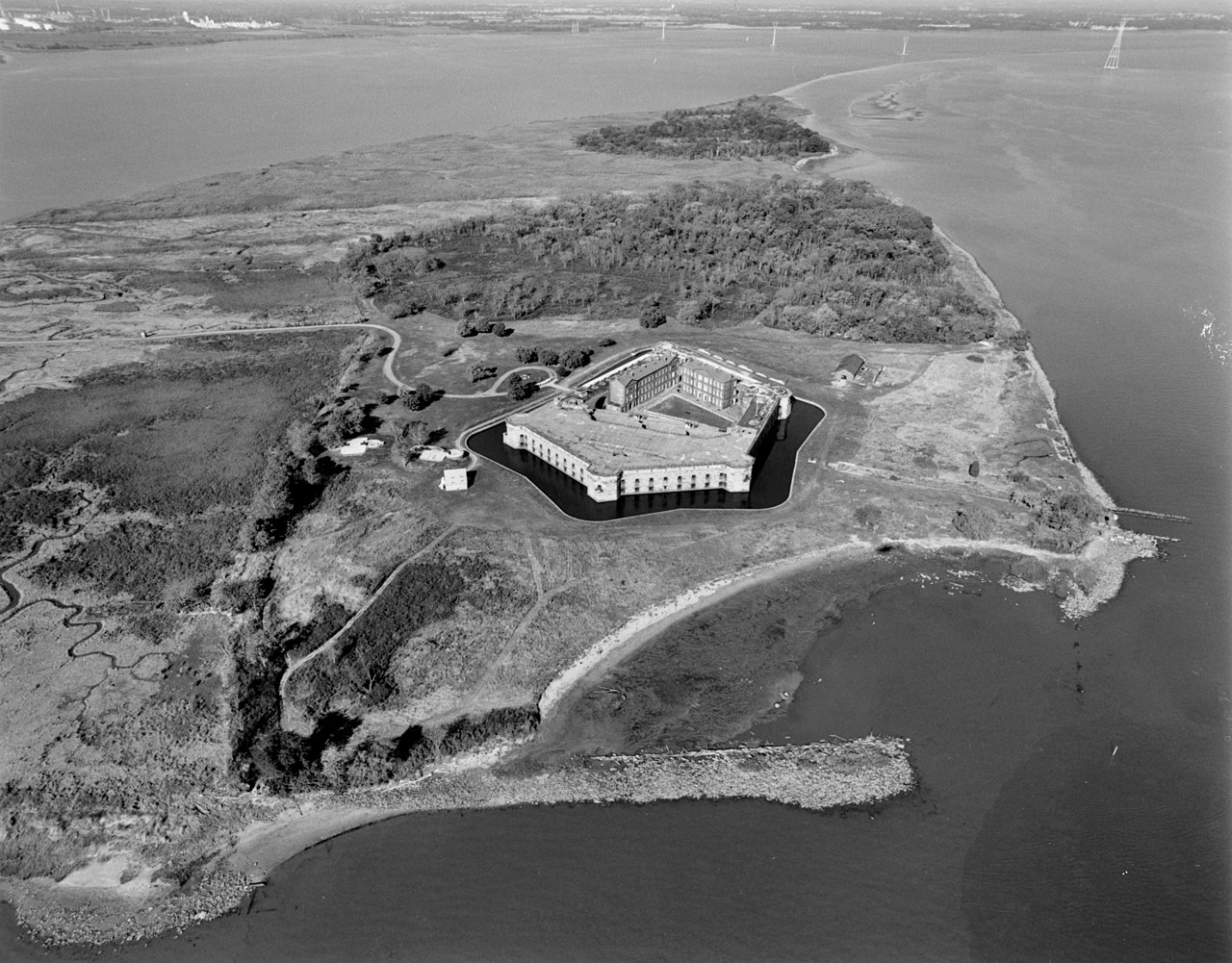
Built on Pea Patch Island and completed around 1859 to protect the ports of Wilmington and Philadelphia, Fort Delaware is reached by ferry and offers tours, history, and wildlife viewing.
- Hiking
- Wildlife Viewing
- Historic Site
- Nature Trails
Delaware State Parks
Official pageFort DuPont State Park
State Park
A cornerstone of Delaware's Coastal Defense System, Fort DuPont is named for Civil War naval hero Rear Admiral Samuel Francis Du Pont and preserves batteries and military history along the Delaware River.
- Hiking
- Fishing
- Boating
- Picnicking
Delaware State Parks
Official pageFox Point State Park
State Park
Created on land the Pennsylvania Railroad filled along the Delaware River in the mid-1900s, Fox Point was saved from industrial use, remediated, and now offers riverfront recreation.
- Hiking
- Biking
- Picnicking
- Playground
Delaware State Parks
Official pageHolts Landing State Park
State Park
Holts Landing contains a variety of landscapes, from bay shore beach to grassy fields and hardwood forests, with public access to the Indian River Bay.
- Fishing
- Boating
- Paddling
- Picnicking
Delaware State Parks
Official pageKillens Pond State Park
State Park
Killens Pond was created in the mid-to-late 1700s when the Murderkill River, long fished and hunted by the Lenape, was dammed to power grist and sawmills.
- Camping
- RV Camping
- Cabins
- Hiking
Delaware State Parks
Official pageLums Pond State Park
State Park
Lums Pond, Delaware's largest freshwater pond, was created in the early 1700s when St. Georges Creek was dammed to support local milling operations.
- Camping
- RV Camping
- Hiking
- Biking
Delaware State Parks
Official pageWilmington State Parks
State park system area
Wilmington State Parks was founded in 1998 when the Division of Parks and Recreation assumed responsibility for four existing parks previously managed by New Castle County.
- Picnicking
- Historic Site
Delaware State Parks
Official pageBrandywine Zoo
State park system area
Founded in 1905, the Brandywine Zoo features animals from the tropical and temperate areas of North and South America, Asia, and Africa, ranging from common to highly endangered species.
- Playground
Delaware State Parks
Official page




Inventory source: USGS PAD-US 4.1. Photos are public-domain or Creative Commons via Wikimedia Commons, credited per image. Official reservations and rules remain state-specific, so use the state booking links before committing to dates.
Frequently asked questions
What is the best time to visit Delaware's parks and beaches?
Late June through early August is peak beach season with the warmest ocean, but it is also the most crowded, especially around Rehoboth on weekends. For the best balance, go in the shoulder weeks of late May and early September, or on weekdays into October, when the weather stays warm, the sand is nearly empty, and nights turn pleasantly cool. The northern hiking parks are at their best in mid to late October when fall foliage peaks.
Does Delaware have a national park?
No, Delaware does not have a national park. The outdoor scene runs on its state parks instead, and they are excellent: Cape Henlopen and Delaware Seashore on the coast, Brandywine Creek and White Clay Creek for forest and creek hiking up north, and Trap Pond in the southwest. First State National Historical Park exists in Delaware but is focused on history and colonial sites rather than backcountry recreation.
What makes Trap Pond State Park worth the drive?
Trap Pond protects the northernmost naturally occurring stand of bald cypress trees in North America, which is a genuine ecological rarity this far north. The flooded swamp was created in the late 1700s to float cypress logs to a sawmill, and the trees now form a striking water forest best seen by kayak or from the Cypress Point Trail. It sits near Laurel in southwest Delaware, about 30 to 40 minutes inland from the Rehoboth beaches.
What should I pack for hiking in Delaware?
Keep it light: the terrain is gentle, the climbs are modest, and trails are short, so trail-runners or light hikers handle nearly everything. The bigger concerns are sun and insects, so bring sun protection and water for the exposed dune and beach walks and insect repellent for the cypress wetlands and summer creek trails. In spring and fall, pack layers for the swing between warm afternoons in the 60s and 70s F and cool mornings.