When to go
Conditions, crowds, and what each season asks you to pack.
Spring
Warm and drying out, highs in the low 80s to upper 80s F. Wildlife still concentrates near shrinking water holes early in the season.
Pack Light layers, sun hat, and serious bug protection as mosquitoes ramp up.
Summer
Hot, humid, and stormy, highs in the low 90s F with daily afternoon thunderstorms and intense mosquitoes.
Pack Head net, long sleeves, rain shell, and far more water than you think you need.
Fall
Still hot and humid, highs in the upper 80s to low 90s F. Hurricane season runs through November and the bugs stay fierce.
Pack Rain gear, insect repellent, and a flexible plan around tropical weather.
Winter
Mild, dry, and pleasant, highs in the upper 70s to low 80s F. The dry season pulls wildlife to the water and the mosquitoes ease off.
Pack Sun protection, binoculars, and a light layer for cool mornings.
Crowds by month, from NPS visit counts
Busiest: March. An average March brings about 99,000 recreation visits to Everglades, roughly 3,190 a day. Peak crowds run December to March.
Quietest: September. About 38,100 visits, 39% of the busiest month.
- Low
- Moderate
- High
- Peak
Bar height is each month's average visits compared with the busiest month. Low is under 25% of that peak, Moderate 25 to 49%, High 50 to 74%, Peak 75% and up.
See the monthly numbers
| Month | Avg visits | Share of year | Crowds |
|---|---|---|---|
| January | 83,336 | 11% | Peak |
| February | 89,169 | 11% | Peak |
| March | 98,954 | 13% | Peak |
| April | 72,277 | 9% | High |
| May | 52,699 | 7% | High |
| June | 54,823 | 7% | High |
| July | 65,096 | 8% | High |
| August | 54,509 | 7% | High |
| September | 38,113 | 5% | Moderate |
| October | 38,722 | 5% | Moderate |
| November | 61,866 | 8% | High |
| December | 76,614 | 10% | Peak |
Source: NPS Visitor Use Statistics, monthly recreation visits, averaged over 2023–2025. October and November 2025 are left out of the averages because of the federal government shutdown. Visits count entries, not unique people. NPS monthly report for Everglades · Crowd calendar for all 63 parks
Everglades weather by month
Average daily highs and lows, plus monthly precipitation, from NOAA's 1991-2020 climate normals for Royal Palm, near the main entrance. Shaded months are the park's best season. Tap a month to build a pack list for it.
| Month | Jan | Feb | Mar | Apr | May | Jun | Jul | Aug | Sep | Oct | Nov | Dec |
|---|---|---|---|---|---|---|---|---|---|---|---|---|
| High (F) | 78 | 81 | 83 | 86 | 89 | 91 | 93 | 93 | 91 | 88 | 83 | 80 |
| Low (F) | 55 | 57 | 58 | 62 | 67 | 72 | 74 | 74 | 74 | 71 | 64 | 59 |
| Precip (in) | 1.7 | 1.8 | 1.9 | 2.9 | 5.8 | 9.0 | 6.8 | 8.6 | 9.0 | 5.6 | 2.4 | 1.9 |
Station ROYAL PALM RS (USC00087760), 7 ft, under a mile from Ernest F. Coe Visitor Center.
Source: NOAA NCEI U.S. Climate Normals, 1991-2020 monthly averages. Averages describe a typical year, not a forecast; check current conditions and alerts before you go. Precipitation includes the water in melted snow.
Top things to do
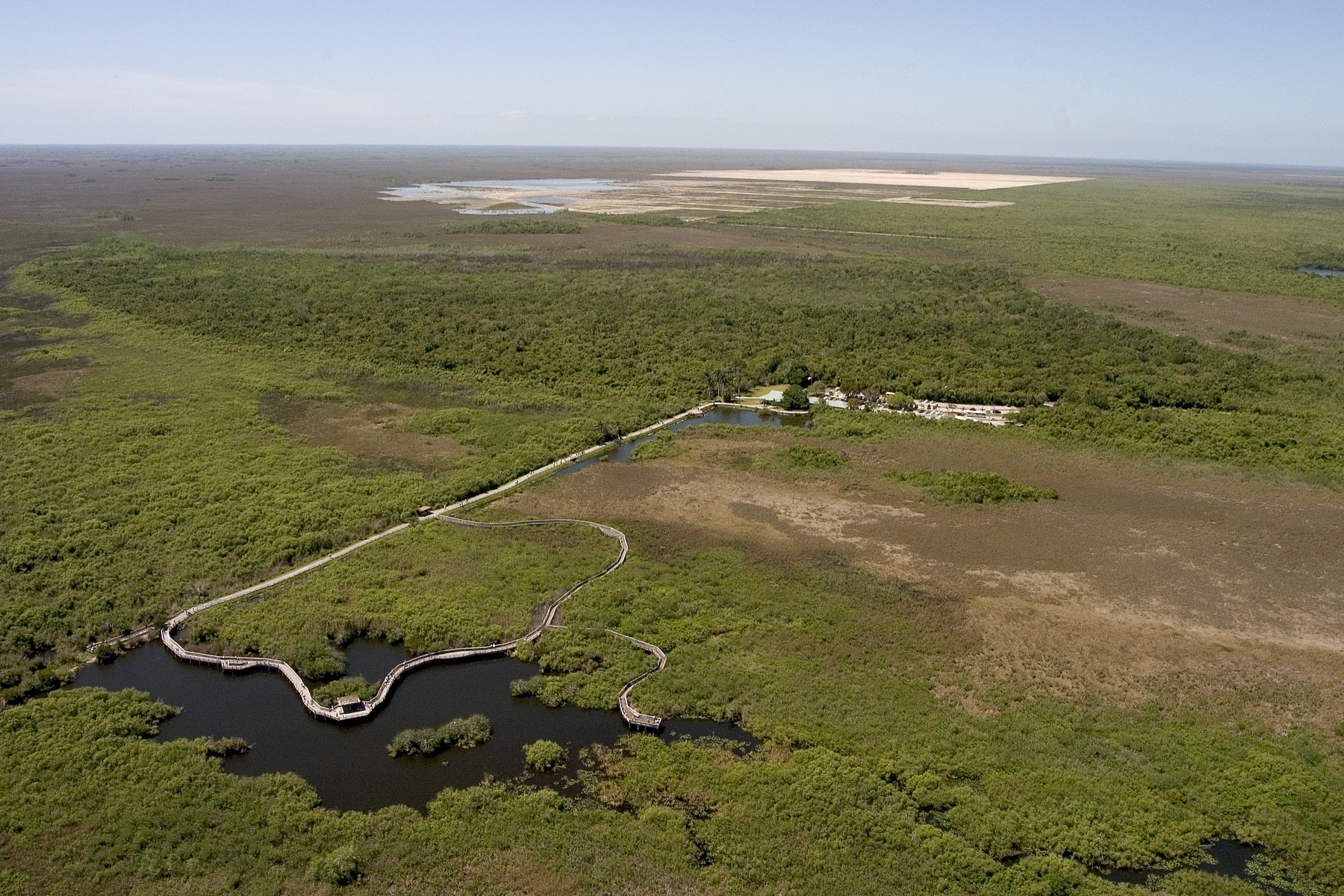
Anhinga Trail
A short paved-and-boardwalk loop near the main entrance where alligators, turtles, and wading birds gather at close range.
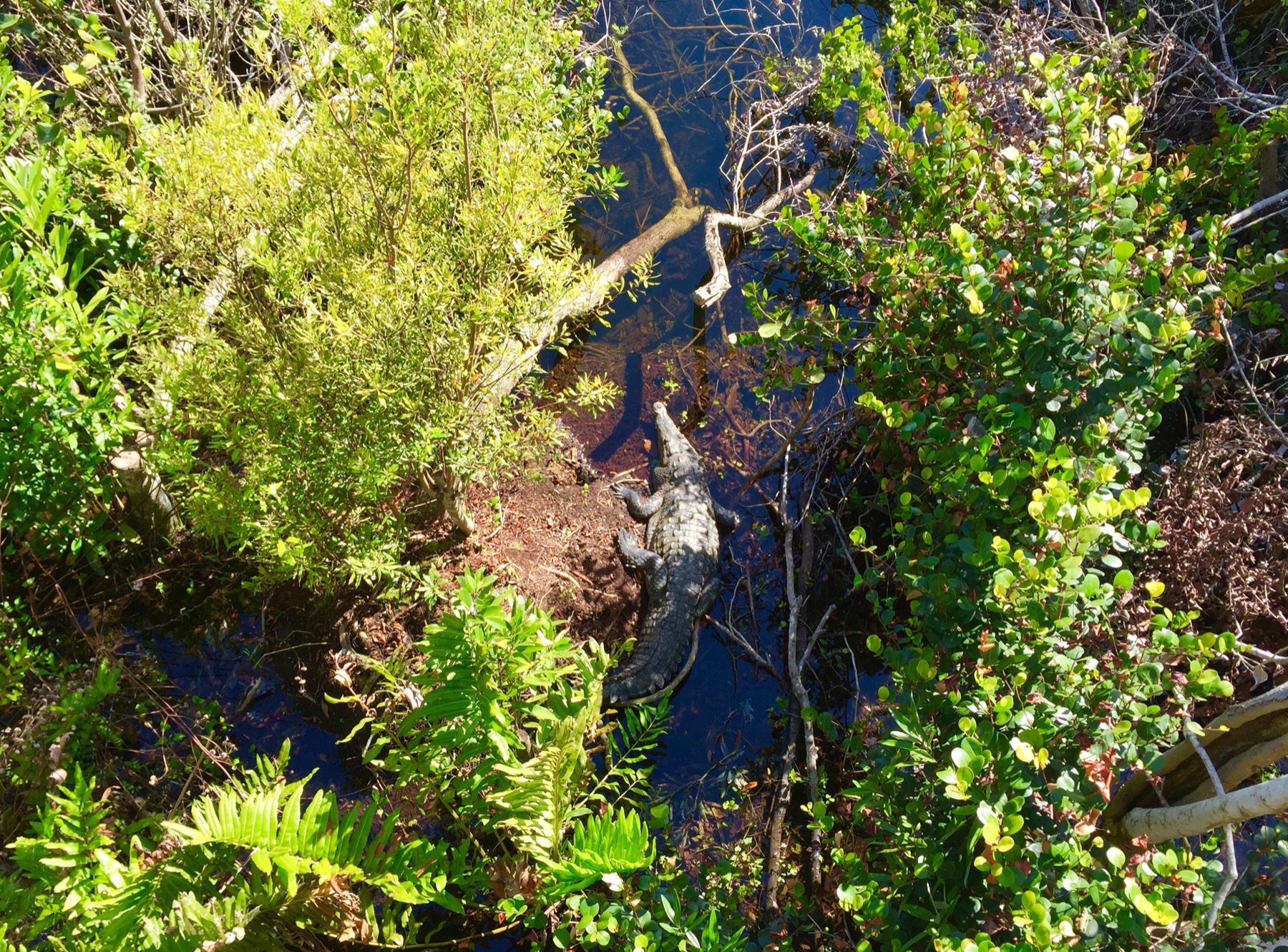
Shark Valley Tram Road
A 15-mile paved loop you bike or ride by tram to a observation tower over the river of grass.
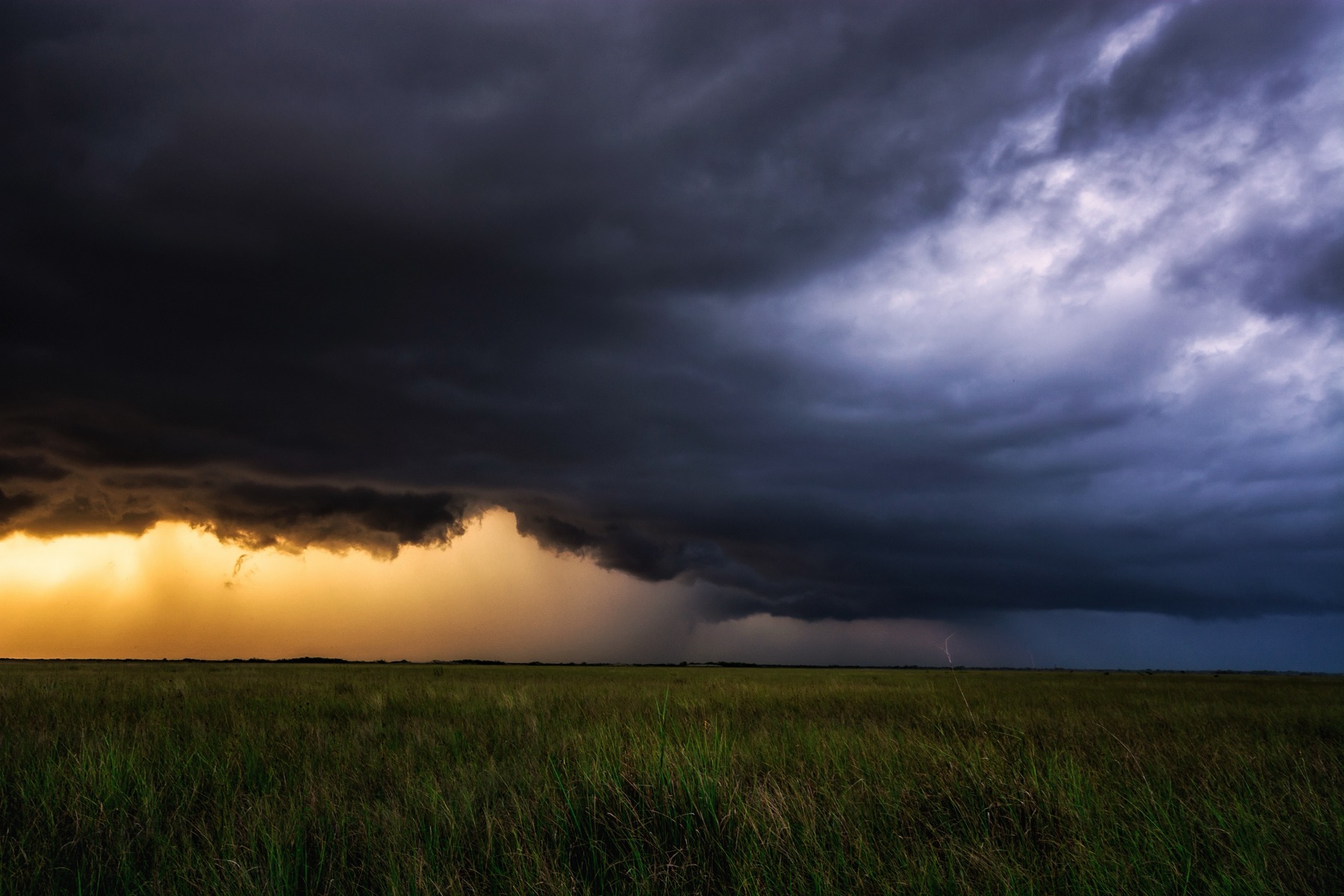
Pa-hay-okee Overlook
A quick boardwalk to a raised platform with a wide view across the sawgrass prairie.
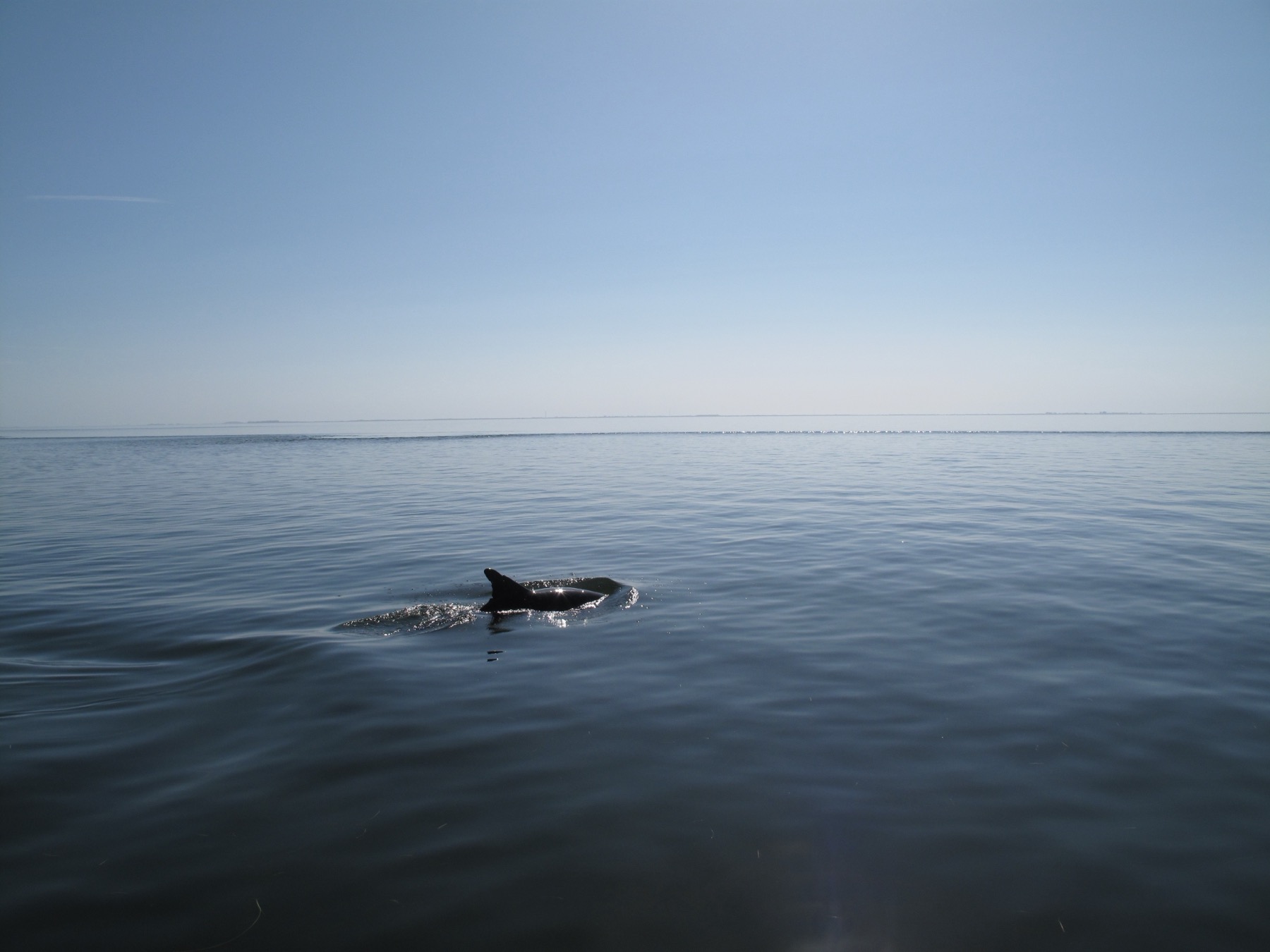
Flamingo and Florida Bay
The road's end at the coast, a launch point for kayaking, fishing, and manatee and crocodile sightings.
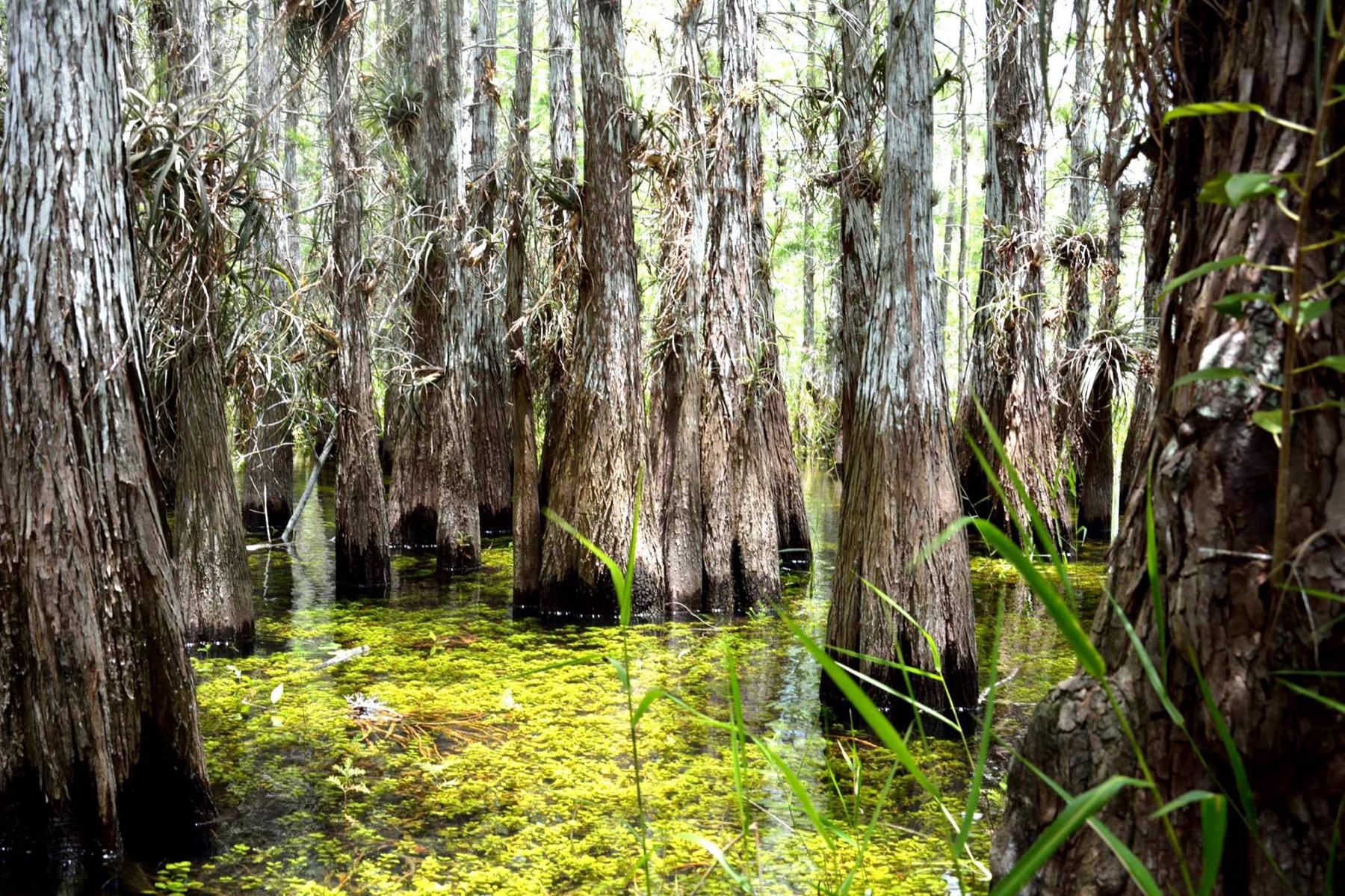
Nine Mile Pond Canoe Trail
A marked paddling loop through mangroves and open marsh, a classic dry-season route.
Anchor the day around Anhinga Trail
Put the access rule first: shuttle, parking, timed-entry, or reservation windows should decide the order of the day. For one day in Everglades, make Anhinga Trail the non-negotiable, add Shark Valley Tram Road only if the first stop runs clean, and keep Pa-hay-okee Overlook as the flexible finish.
- 1Start with Anhinga Trail: A short paved-and-boardwalk loop near the main entrance where alligators, turtles, and wading birds gather at close range.
- 2Add Shark Valley Tram Road: A 15-mile paved loop you bike or ride by tram to a observation tower over the river of grass.
- 3Use Pa-hay-okee Overlook as the optional finish, not as a reason to rush the whole day.
Where to stay
Stay strategy
Make the access plan before the lodging plan.
Stay strategy
Pick your entrance first, then pick your bed.
Everglades has three main visitor zones that do not connect inside the park. Homestead and Florida City are best for Royal Palm, Anhinga Trail, Pa-hay-okee, and Flamingo. Everglades City is the Gulf Coast and Ten Thousand Islands play. Miami works when the park is one piece of a bigger South Florida trip.
- Best season
- Dry season, December through April
- Main road
- Ernest F. Coe entrance to Flamingo
- North side
- Shark Valley on US-41
- Gulf side
- Everglades City for Gulf Coast and Ten Thousand Islands
Compare base options
Read these as access plans first. The right base is the one that makes the transfer reliable, then the room or campsite can follow.
Paid links: we may earn a commission if you book, at no extra cost to you.
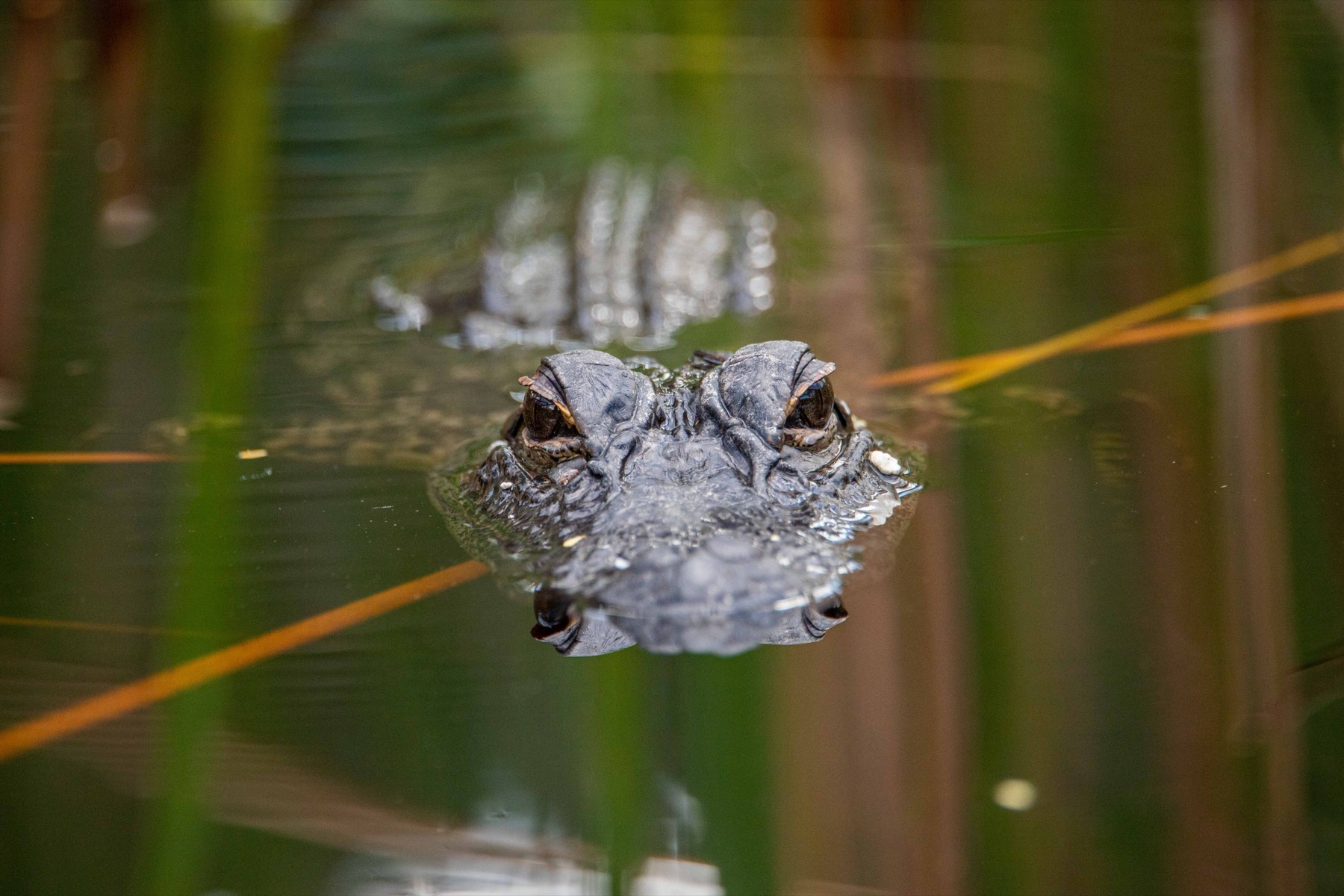
- Best for
- Anhinga Trail, Pa-hay-okee, Flamingo, groceries, and chain hotels
- Tradeoff
- It is not convenient for the Gulf Coast side.
Planning detail
Use this base for a first Everglades trip. It keeps the main park road and Royal Palm close while leaving room for a long Flamingo day.
- Best for
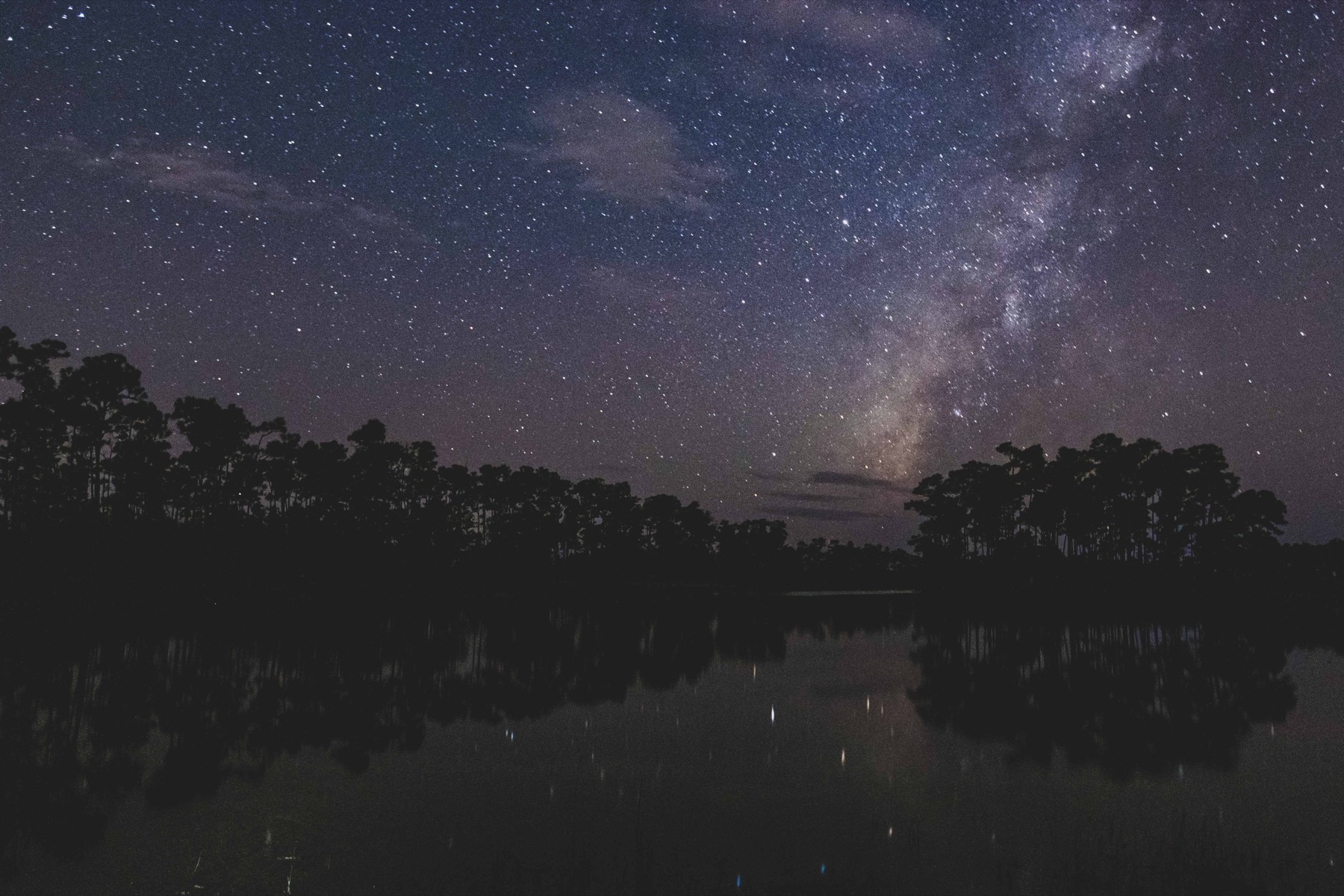
- Dry-season camping, stars, paddling starts, and early wildlife walks
- Tradeoff
- Heat, bugs, and seasonal operations shape the experience.
Planning detail
Long Pine Key favors the main entrance and Royal Palm. Flamingo is the better choice when paddling, fishing, Florida Bay, or road-end wildlife are the focus.
- Best for
- Ten Thousand Islands, Gulf Coast paddling, and boat tours
- Tradeoff
- It is the wrong base for Anhinga Trail or Flamingo.
Planning detail
Stay here only when the Gulf Coast is the purpose. It pairs well with paddling and boat-based wildlife days, not a main-road sampler.
- Best for
- One park day added to a Miami, Keys, or Biscayne itinerary
- Tradeoff
- You spend more time driving and less time in dawn wildlife light.
Planning detail
Miami is fine for a single boardwalk and Shark Valley day. It is less ideal for paddling or a full Flamingo plan because the return drive eats into the evening.
Dry season
Book winter lodging early because it is also South Florida high season.
Bug math
In warm months, lodging with screens and air conditioning can matter as much as the route.
Camping reservations
Camping reservations
Book Everglades drive-in camping through Flamingo Adventures, not Recreation.gov.
Flamingo Campground, 38 miles inside the park on Florida Bay, is the first choice for its waterfront sites, hookups, and showers, with Long Pine Key as the convenient base near the Homestead entrance. Both are run by the Flamingo Adventures concession (Everglades Guest Services) and book at flamingoeverglades.com or 855-708-2207, not on Recreation.gov.
Reviewed June 11, 2026
Booking window
Reserve through Flamingo Adventures well ahead for the December to April dry season; summer and fall usually have open sites, and Long Pine Key closes entirely from May 1 to October 31.
- Neither drive-in campground books on Recreation.gov: reservations go through flamingoeverglades.com or 1-855-708-2207.
- Long Pine Key is closed May through October, and parts of Flamingo close in the summer wet season; everything is typically open by mid-January.
- Only 41 Flamingo sites (the T-Loop) have electric hookups, and weekend rates run higher ($38.50 tent, $60 electric RV Friday to Sunday).
- Wilderness campsites, including the chickee platforms, require a permit and now book on Recreation.gov up to 90 days ahead; no walk-up sites are held.
Where to book or verify
Both frontcountry campgrounds plus the wilderness camping rules.
The concession booking site for Flamingo and Long Pine Key; phone 855-708-2207.
Permits for chickees, beach, and ground sites; reservations open 90 days out on Recreation.gov.
Check for federal campground, backcountry, tour, and permit inventory tied to this park.
Use this for wilderness permits, timed systems, tours, and other park-specific reservations.
Campgrounds to know
Flamingo Campground
Details- Booking
- Reserve through Flamingo Adventures; book months ahead for December to April.
- Season
- Open year-round; some loops close in the summer wet season.
- Sites
- 274 sites: drive-in and walk-up tent sites (some on Florida Bay), 65 pull-through RV sites with 41 electric hookups; solar-heated showers and dump stations.
- The end-of-the-road basecamp on Florida Bay, with the marina, Guy Bradley Visitor Center, and paddling trails out the front door.
Long Pine Key Campground
Details- Booking
- Reserve through Flamingo Adventures; some sites are held first-come in season.
- Season
- Open November 1 to April 30; closed May through October.
- Sites
- 108 tent and RV sites (no hookups) plus one group site; showers and a dump station.
- Seven miles from the Homestead entrance among the pines, the handy base for Anhinga Trail and Royal Palm sunrise starts.
Getting there and practical info
Treat the vehicle plan as part of the itinerary.
Road distance, road surface, fuel, and daylight can matter as much as the final trail or viewpoint.
Getting there
Get to Everglades, then make the road plan honest.
- Nearest airport
- Miami International Airport (MIA), about a 1-hour drive to the main Ernest F. Coe entrance near Homestead
- Access rhythm
- Car required
- Region
- Florida
Fly in
Fly into Miami International Airport (MIA), the nearest major hub, then drive about an hour southwest to the main Ernest F.
Car strategy
Coe entrance near Homestead, where the 38-mile main park road leads to Flamingo on Florida Bay.
Car strategy
The Shark Valley entrance sits on the park's north side along Tamiami Trail (US-41), roughly a 45-minute to 1-hour drive west of Miami.
Book ahead
- Rental cars at Miami International Airport (MIA)Paid link, Economybookings
- Guided tours in EvergladesPaid link, Viator
Paid links: we may earn a commission if you book, at no extra cost to you.
Pair this with lodging: the closest bed is not always the simplest one if road time, road quality, or fuel stops dominate.
Plan your trip
Build one complete pack brief from Everglades's season, activity, and trip length. Fine-tune an individual calculation only if you need it.
Fine-tune water, pack size, warmth, or stove fuel
Build around conditions
Let season, elevation, and weather set the plan.
Plan your trip
2 quick tools, already seeded for Everglades. Tune the numbers around temperature swings, footing, layers, and how much margin the route needs.
What to pack
Start with the gear decisions Everglades changes: water, footing, weather, and overnight needs. The checklist is there once your route and dates are set.
Kit Authority
Everglades packing list
0 of 15 packed. Check items as you pack, then take this list to the store, trailhead, or campsite.
Pack planning
Decide what Everglades asks of your kit before you start checking boxes.
Use this as a constraint check while you are still shaping the trip. The active checklist becomes useful once your route, dates, and sleep plan are set.
- First constraintHydration and exposureWater, Electrolyte mix, hat, sunscreen, sunglasses, 4 more
- Route realityFooting and tractionHiking boots, Hiking socks, Trekking poles
- Load choicePack and carry systemDaypack
- Season checkLayers for conditionsMoisture-wicking base layers, Rain jacket, Bug protection
Checklist mode
15 items, grouped for the trip you are actually taking.
- Dates and season are set.
- Primary route, campground, or lodge is chosen.
- Water, footwear, and overnight needs are sized.
One researched pick
The first gear decision for Everglades
A properly fitted paddling PFD is the first purchase to settle before the boat, dry bag, or accessories.
We may earn a commission from links on this page, at no extra cost to you. Product prices and availability are accurate as of the date/time indicated and are subject to change. Any price and availability information displayed on Amazon at the time of purchase will apply to the purchase of this product.
THE PADDLING PICK
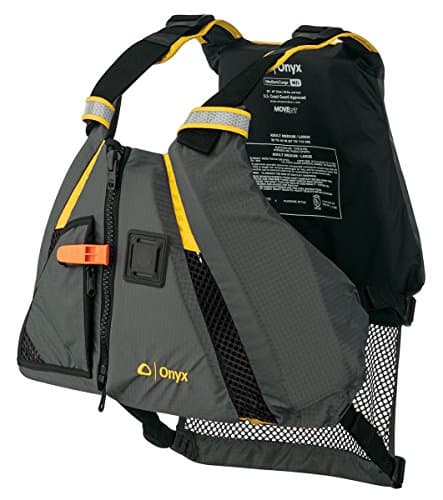
Onyx MoveVent Dynamic
Best Overall
Kit Score 8.2/10
$66.32 Price checked Oct 23, 6:22 AM CDT
Best for: Kayakers and paddleboarders who want the vest they will actually keep on, at a family-friendly price.
- Mesh lower back works with kayak seats and SUP kneeling instead of riding up
- Sizing runs athletic; broad-chested paddlers should size up
- Approval
- USCG Type III
- Back
- Mesh lower back, sits above kayak seats
- Ventilation
- Vented chest and shoulder channels
- Pockets
- Zippered front pocket, lash tab
- Sizing
- XS/S through XL/2XL, women's cut available
About this pick
The MoveVent Dynamic is the vest that solved the real PFD problem: people own one and leave it in the car. The mesh lower back sits above a kayak or SUP seat, the arm cuts clear a full paddle stroke, and the venting keeps it tolerable in July. A life jacket only works if you wear it, and this is the one people wear.
Strengths
- Mesh lower back works with kayak seats and SUP kneeling instead of riding up
- Ventilated panels keep it wearable through a hot afternoon
- USCG Type III approval at a price that outfits a whole family without pain
Weaknesses
- Sizing runs athletic; broad-chested paddlers should size up
- Single front pocket is tight for a large phone in a pouch
Kit Score breakdown
Gear for Everglades
The buying guides that match what Everglades asks of your kit. Each one has our current top picks across budget and use case.
Can you photograph here? Permit and drone rules
Everglades needs no permit for small-group photography; permitted shoots pay a $200 application fee through the shared Everglades and Dry Tortugas permit office.
- Permit
- Usually fine for personal shoots; commercial or large productions can need a permit
- Drones
- Effectively banned: launching, landing, or operating a drone within park boundaries is prohibited
- Land
- Yes for personal and editorial photography throughout the park
From our photography sister site, Aperture Authority. Verified 2026-07-01.
Frequently asked questions
When is the best time to visit Everglades National Park?
The dry season from December through April is by far the best time. The weather is mild with highs in the 70s and low 80s F, the mosquitoes ease off, and wildlife concentrates around shrinking water holes, making animals easy to spot. Summer and fall are hot, humid, storm-prone, and thick with biting insects.
Do I need a reservation to enter Everglades National Park?
No, Everglades does not use a timed-entry reservation system, so you can drive in any time during operating hours. You do need to pay the entrance fee, which is $35 per private vehicle for 7 days. The park is cashless, so bring a credit or debit card or a digital pass.
Are there alligators in the Everglades, and is it safe?
Yes, the Everglades is home to thousands of American alligators, and you will likely see them along trails like the Anhinga Trail and Shark Valley. It is the only place on earth where alligators and crocodiles coexist. Stay at least 15 feet back, never feed them, and keep small children and pets close, and it is a very safe place to watch wildlife.
What is the best way to experience the Everglades?
Because the park is flat and watery, paddling a canoe or kayak through the mangroves and marsh is the signature experience, with marked trails like Nine Mile Pond. For an easier visit, short boardwalk trails such as Anhinga and Pa-hay-okee put you close to wildlife in under an hour. Guided boat tours and the Shark Valley tram are good options if you want a low-effort overview.
Keep planning
Compare with another park
Nearby parks
 BiscayneA national park that is 95% water: snorkel coral reefs, paddle mangroves, and reach the islands by boat off Miami.
 Dry TortugasA 70-mile boat or seaplane ride west of Key West to a Civil War fort ringed by coral reefs and turquoise water.
 Big BendA vast, remote stretch of Chihuahuan Desert, Rio Grande canyons, and the cool Chisos Mountains, with some of the darkest night skies in the country.