When to go
Conditions, crowds, and what each season asks you to pack.
Spring
80-85F
Highs around 80-85F, warm water, generally calmer seas than summer
Pack Reef-safe sunscreen, swimsuit, and a snorkel set, plus a windbreaker for the boat ride.
Summer
90F
Hot and humid, highs near 90F, midday sun is intense and afternoon thunderstorms build
Pack Sun shirt, hat, and far more water than you think you need (there is none to buy out there).
Fall
Highs in the upper 80s, hurricane season runs through November so trips can be canceled on short notice
Pack Flexible plans, rain layer, and electrolytes for the lingering humid heat.
Winter
75F
Mildest stretch with highs around 75F, but cold fronts can whip up wind and rougher crossings
Pack A warm layer and motion-sickness remedy for choppy, breezy boat days.
Crowds by month, from NPS visit counts
Busiest: May. An average May brings about 9,260 recreation visits to Dry Tortugas, roughly 300 a day. Peak crowds run February to July and December.
Quietest: October. About 4,550 visits, 49% of the busiest month.
- Low
- Moderate
- High
- Peak
Bar height is each month's average visits compared with the busiest month. Low is under 25% of that peak, Moderate 25 to 49%, High 50 to 74%, Peak 75% and up.
See the monthly numbers
| Month | Avg visits | Share of year | Crowds |
|---|---|---|---|
| January | 6,937 | 8% | High |
| February | 7,119 | 8% | Peak |
| March | 7,888 | 9% | Peak |
| April | 8,042 | 9% | Peak |
| May | 9,256 | 11% | Peak |
| June | 8,274 | 10% | Peak |
| July | 7,832 | 9% | Peak |
| August | 6,385 | 7% | High |
| September | 5,767 | 7% | High |
| October | 4,554 | 5% | Moderate |
| November | 6,362 | 7% | High |
| December | 7,296 | 9% | Peak |
Source: NPS Visitor Use Statistics, monthly recreation visits, averaged over 2023–2025. October and November 2025 are left out of the averages because of the federal government shutdown. Visits count entries, not unique people. NPS monthly report for Dry Tortugas · Crowd calendar for all 63 parks
Dry Tortugas weather by month
Average daily highs and lows, plus monthly precipitation, from NOAA's 1991-2020 climate normals for Garden Key and Fort Jefferson. Shaded months are the park's best season. Tap a month to build a pack list for it.
| Month | Jan | Feb | Mar | Apr | May | Jun | Jul | Aug | Sep | Oct | Nov | Dec |
|---|---|---|---|---|---|---|---|---|---|---|---|---|
| High (F) | 74 | 76 | 79 | 83 | 86 | 89 | 91 | 91 | 89 | 85 | 79 | 76 |
| Low (F) | 65 | 66 | 68 | 71 | 75 | 77 | 78 | 79 | 78 | 76 | 71 | 67 |
| Precip (in) | 2.4 | 1.7 | 2.1 | 2.6 | 2.0 | 4.3 | 2.2 | 4.3 | 7.2 | 4.7 | 1.9 | 2.4 |
Station DRY TORTUGAS (USC00082418), 3 ft, under a mile from Fort Jefferson.
Source: NOAA NCEI U.S. Climate Normals, 1991-2020 monthly averages. Averages describe a typical year, not a forecast; check current conditions and alerts before you go. Precipitation includes the water in melted snow.
Top things to do
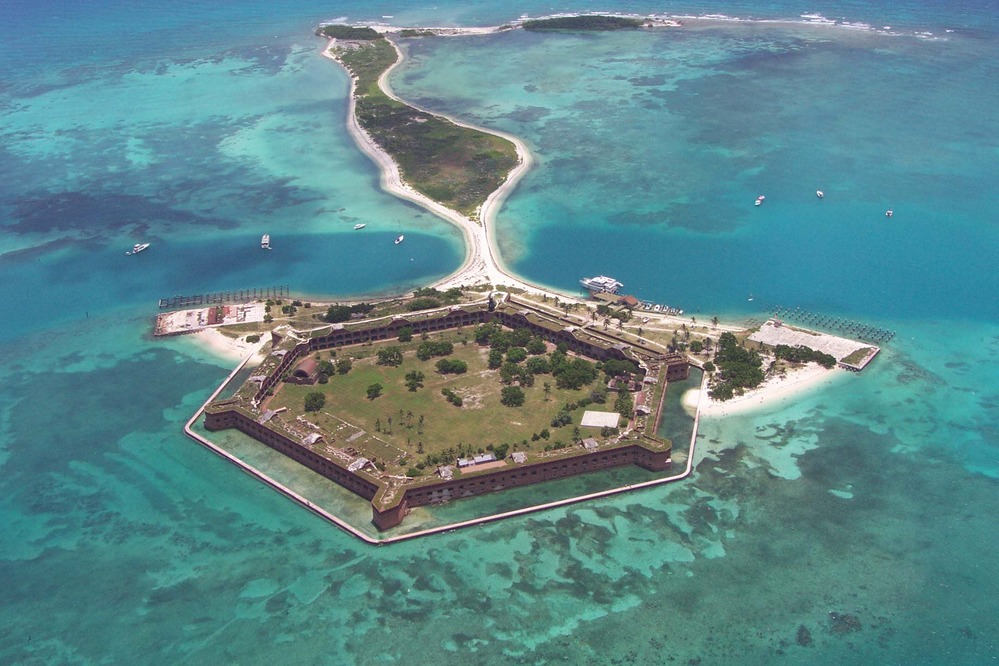
Fort Jefferson
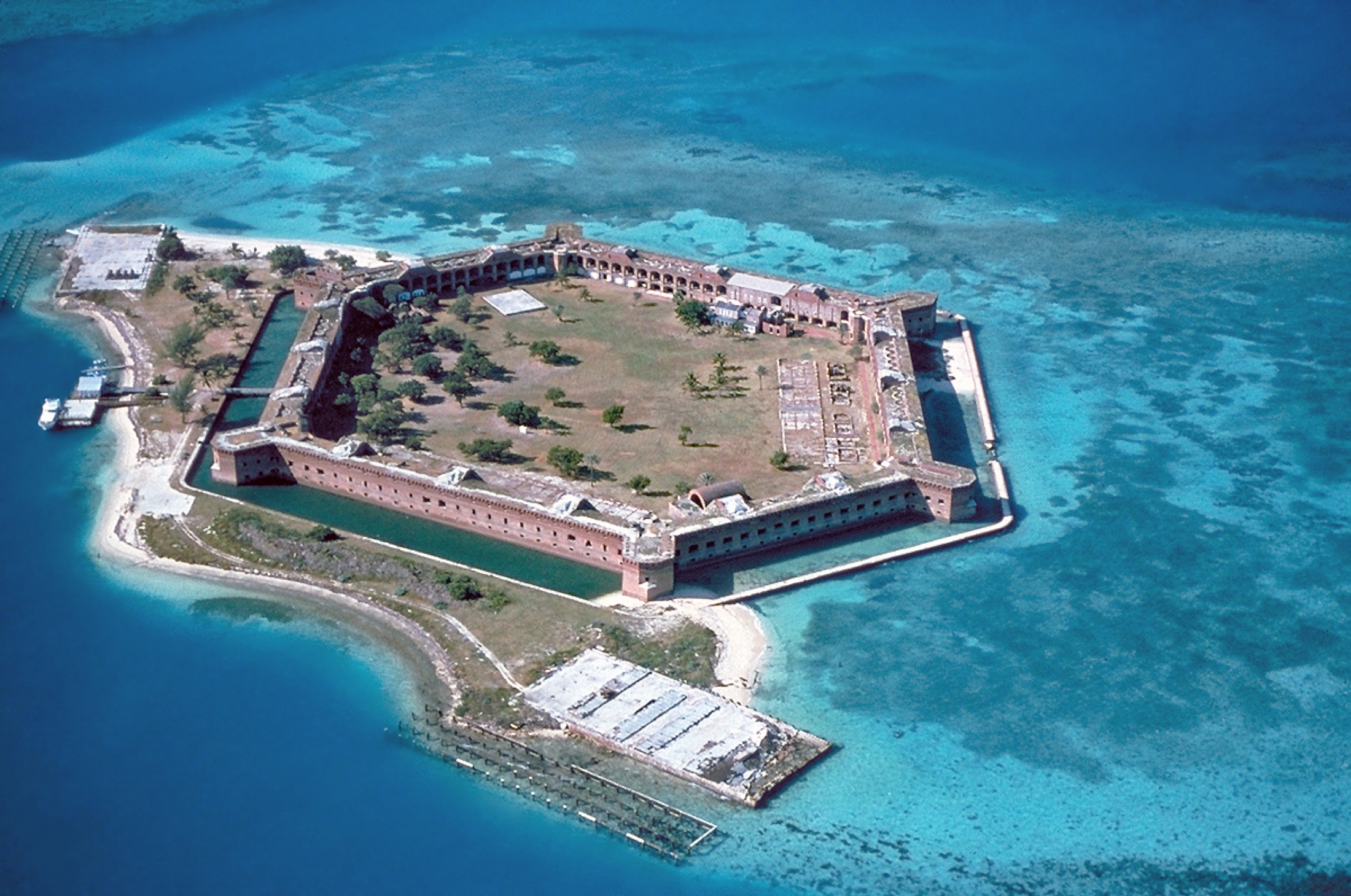
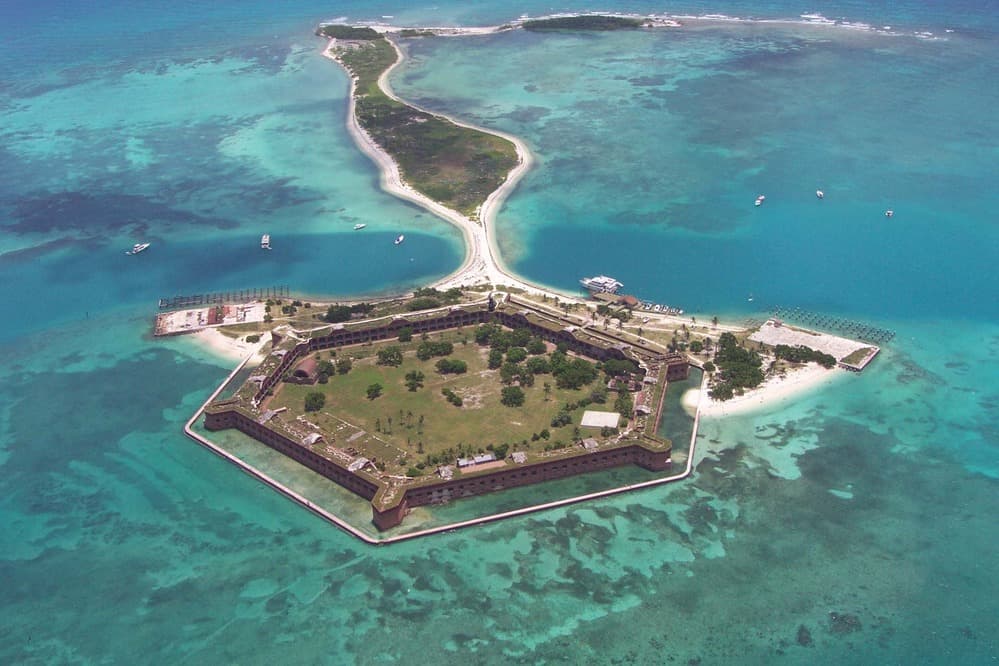
One of the largest 1800s masonry forts in the country; walk the moat wall and ramparts on Garden Key.
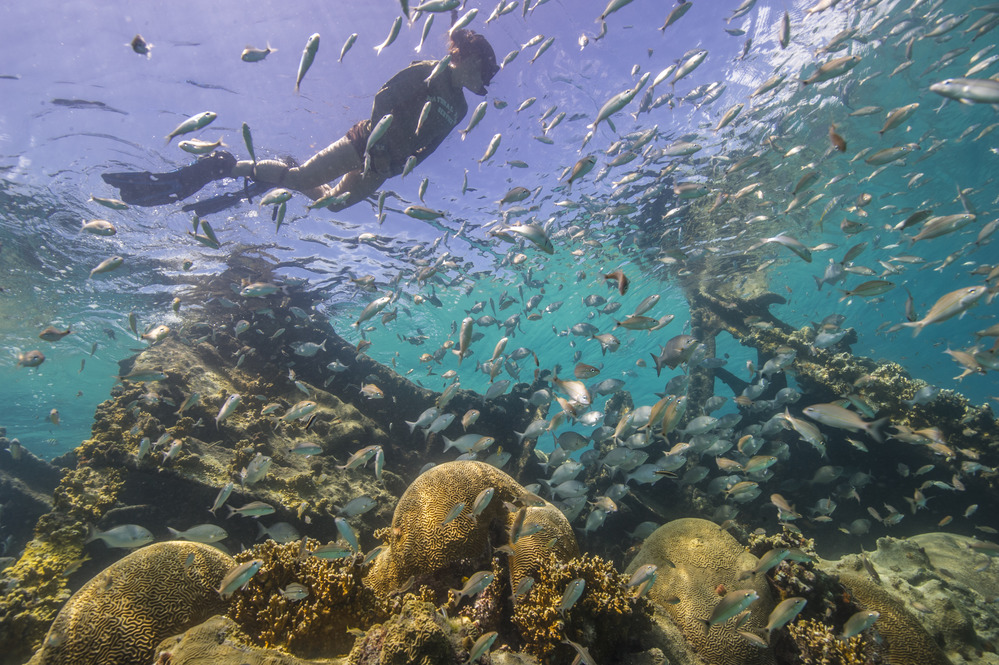
Garden Key snorkeling
Shallow coral and the old coaling-dock pilings just offshore teem with fish, reachable straight from the beach.
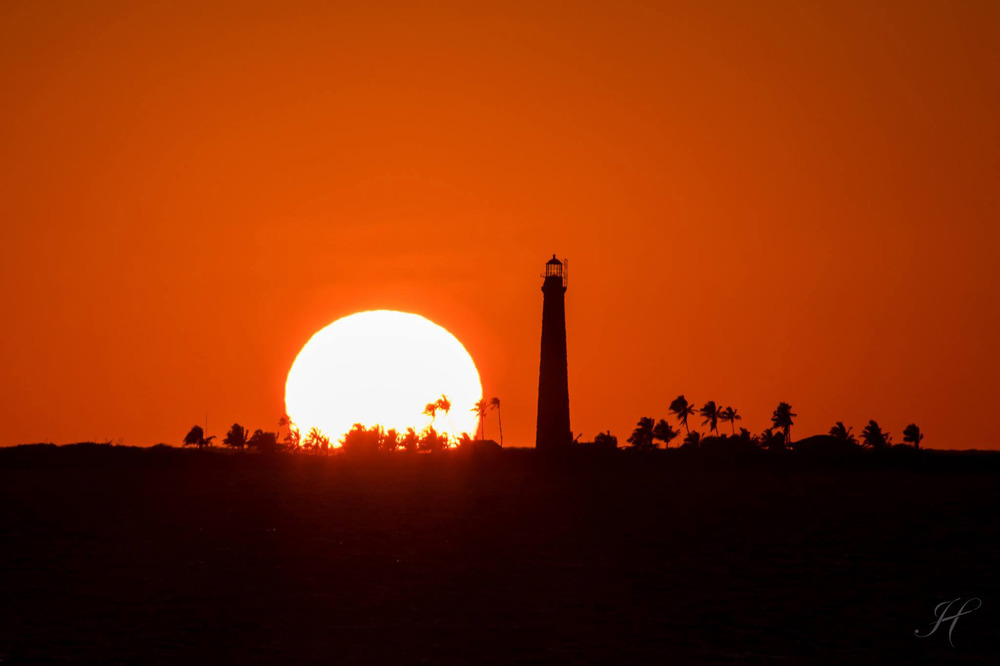
Loggerhead Key
The park's largest island and its lighthouse, reachable by kayak or private boat for quieter reefs.
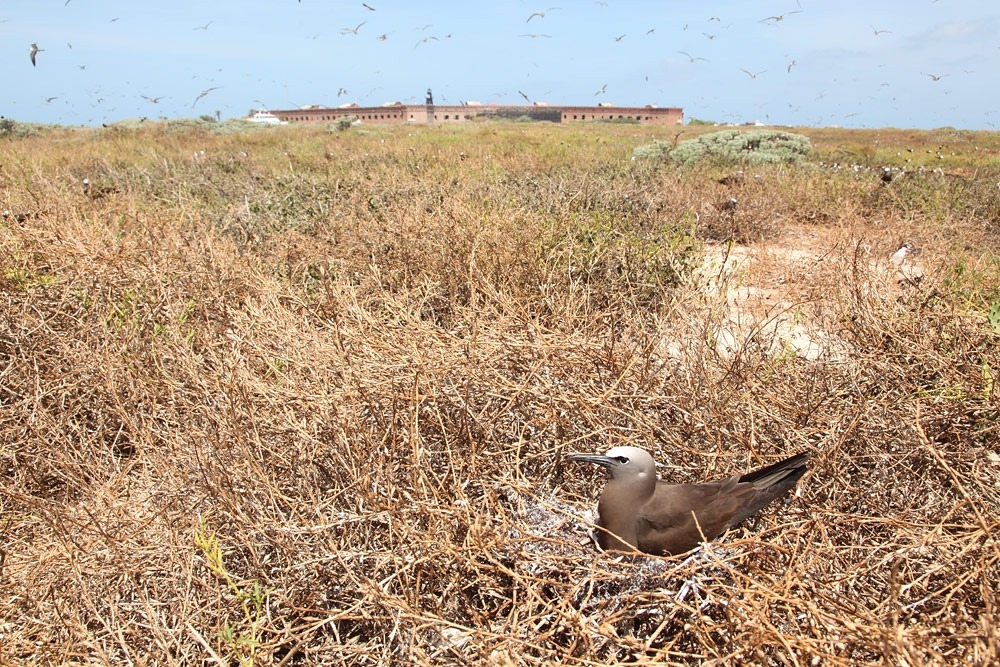
Bush Key bird colonies
Spring nesting grounds for sooty terns and frigatebirds, a magnet for birders (often closed to landing in season).
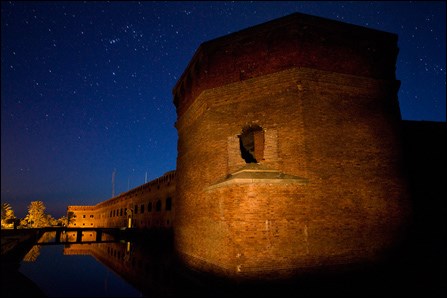
Night sky over Garden Key
With zero light pollution offshore, campers get some of the darkest skies in Florida.
Anchor the day around Fort Jefferson
Lock the boat, ferry, tide, or water access first, then fit the route list around that schedule. For one day in Dry Tortugas, make Fort Jefferson the non-negotiable, add Garden Key snorkeling only if the first stop runs clean, and keep Loggerhead Key as the flexible finish.
- 1Start with Fort Jefferson: One of the largest 1800s masonry forts in the country; walk the moat wall and ramparts on Garden Key.
- 2Add Garden Key snorkeling: Shallow coral and the old coaling-dock pilings just offshore teem with fish, reachable straight from the beach.
- 3Use Loggerhead Key as the optional finish, not as a reason to rush the whole day.
Where to stay
Stay strategy
Make the access plan before the lodging plan.
Stay strategy
Decide day trip, seaplane, or campground before booking Key West.
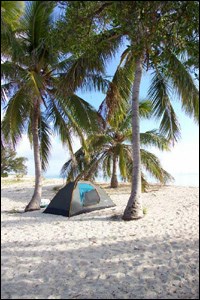
Dry Tortugas is 70 miles west of Key West, and that transport choice defines the trip. Most visitors sleep in Key West and go by ferry or seaplane. Garden Key camping is the only inside-the-park overnight, and it requires carrying every supply back and forth.
- Only park base
- Primitive Garden Key campground
- Main gateway
- Key West ferry, seaplane, or private boat
- Services
- No lodging, stores, fuel, or fresh water on Garden Key
- Weather risk
- Marine conditions can affect departures and returns
Compare base options
Read these as access plans first. The right base is the one that makes the transfer reliable, then the room or campsite can follow.
Paid links: we may earn a commission if you book, at no extra cost to you.
- Best for
- Most first trips, Fort Jefferson, easy snorkeling, and travelers who want one simple park day
- Tradeoff
- You get a fixed island window and a long boat day.
Planning detail
Book the ferry before anchoring lodging. Once that seat is confirmed, choose a Key West room that makes the early check-in painless.
- Best for
- Shorter travel time, aerial views, and visitors paying to maximize island hours
- Tradeoff
- Cost is much higher and seats are limited.
Planning detail
The seaplane makes sense when time is tighter than budget. It is still a weather-dependent marine and aviation plan, so keep the day flexible.
- Best for
- Night sky, sunrise, quiet fort time, and self-sufficient campers
- Tradeoff
- You bring all water, food, shade, and camp gear, then pack everything out.
Planning detail
Camping is the richest Dry Tortugas experience if you can handle the logistics. Reserve transport that allows camp gear and plan for heat, wind, and no resupply.
Book transport first
A Key West hotel does not matter until ferry, seaplane, or private boat access is solved.
Bring water
Garden Key has no fresh water for campers, so water planning is not optional.
Camping reservations
Camping reservations
Garden Key camping is first-come; the Yankee Freedom ferry spot is what you actually have to book.
The primitive campground on Garden Key takes no reservations, and every camper who arrives on the ferry is guaranteed a place to pitch a tent. The real constraint is the Yankee Freedom ferry itself, which carries only 10 campers per day and sells out months ahead, so book the boat first and build the trip around it.
Reviewed June 11, 2026
Booking window
Reserve a camper spot on the Yankee Freedom ferry (drytortugas.com, 1-800-634-0939) months in advance, especially for winter and the holidays; campsites themselves are first-come with fees paid on the island.
- The seaplane does not carry campers; transportation is limited to the daily ferry, private vessels, and permitted tour guides.
- Bring everything, including all water (plan two gallons per person per day), food, and a tent (required), plus an extra day's supplies in case the ferry cancels.
- Compressed gas canisters are not allowed on the ferry, so bring charcoal for the campsite grills; wood fires are prohibited.
- Only the large group site (10 to 20 people) can be reserved in advance, by application directly with the park.
Where to book or verify
Campsite rules, the supply checklist, and the group site application.
The daily ferry from Key West; camper spots are capped at 10 per day and sell out months ahead.
Check for federal campground, backcountry, tour, and permit inventory tied to this park.
Use this for wilderness permits, timed systems, tours, and other park-specific reservations.
Campgrounds to know
Garden Key Campground
Details- Booking
- No reservations for regular sites; arrive and claim a numbered site, with shared overflow if all eight are taken.
- Season
- Open year-round.
- Sites
- 8 primitive sites (up to 3 tents and 6 people each), shared overflow, and one reservable group site for 10 to 20; composting toilets, no water, no services.
- Steps from Fort Jefferson with world-class stargazing and snorkeling; store food in hard-sided containers because rats forage the campsites at night.
Getting there and practical info
Make the transfer plan before the trail plan.
Weather windows, boat schedules, flight buffers, and backup days shape what is realistic.
Getting there
Get to Dry Tortugas by solving the transfer first.
- Nearest airport
- Key West International (EYW), then a 2.5-hour ferry or 40-minute seaplane (the park itself has no road or airport access)
- Access rhythm
- Transfer time matters
- Region
- Florida
Fly in
Fly into Key West International (EYW), then reach the park by sea or air only, there is no road and no landing strip.
Transfer plan
The Yankee Freedom ferry makes the roughly 2.5-hour crossing from Key West to Garden Key once daily with breakfast, lunch, snorkel gear, and the entrance fee included.
Transfer plan
Key West Seaplane Adventures runs a 40-minute flight that gives aerial views of the reefs and shipwrecks.
Book ahead
- Rental cars at Key West International (EYW)Paid link, Economybookings
- Guided tours in Dry TortugasPaid link, Viator
Paid links: we may earn a commission if you book, at no extra cost to you.
Pair this with lodging: the best base is the one that protects the departure window, pickup point, or weather buffer.
Plan your trip
Build one complete pack brief from Dry Tortugas's season, activity, and trip length. Fine-tune an individual calculation only if you need it.
Fine-tune water, pack size, warmth, or stove fuel
Build around access
Plan the transfer before the trail list.
Plan your trip
4 quick tools, already seeded for Dry Tortugas. Tune the route, pack weight, weather margin, and overnight setup after the access plan is real.
What to pack
Start with the gear decisions Dry Tortugas changes: water, footing, weather, and overnight needs. The checklist is there once your route and dates are set.
Kit Authority
Dry Tortugas packing list
0 of 19 packed. Check items as you pack, then take this list to the store, trailhead, or campsite.
Pack planning
Decide what Dry Tortugas asks of your kit before you start checking boxes.
Use this as a constraint check while you are still shaping the trip. The active checklist becomes useful once your route, dates, and sleep plan are set.
- First constraintHydration and exposureWater, Electrolyte mix, hat, sunscreen, sunglasses, 4 more
- Load choicePack and carry systemBackpacking pack
- If overnightSleep and shelterBackpacking tent, Sleeping bag, Sleeping pad, 1 more
- Season checkLayers for conditionsMoisture-wicking base layers, Rain jacket, Insulated jacket, 1 more
Checklist mode
19 items, grouped for the trip you are actually taking.
- Dates and season are set.
- Primary route, campground, or lodge is chosen.
- Water, footwear, and overnight needs are sized.
One researched pick
The first gear decision for Dry Tortugas
An 8x42 binocular is the useful middle ground between reach, field of view, and all-day carry weight.
We may earn a commission from links on this page, at no extra cost to you. Product prices and availability are accurate as of the date/time indicated and are subject to change. Any price and availability information displayed on Amazon at the time of purchase will apply to the purchase of this product.
THE WILDLIFE PICK
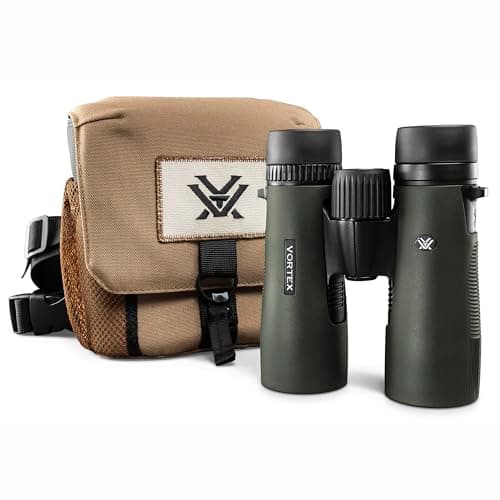
Vortex Diamondback HD 8x42 Binoculars
Best Value
Kit Score 9.0/10
$239.00 Price checked Oct 23, 4:16 PM CDT
Best for: Hikers and birders who want genuine HD optics and a class-leading warranty without paying mid-range prices.
- Exceptional brightness and contrast for the price: measured light transmission outperforms comparably priced models
- Some chromatic aberration visible at the edges of the field in high-contrast scenes
- Magnification
- 8x
- Objective lens
- 42 mm
- Weight
- 21.8 oz (618 g)
- Field of view
- 393 ft at 1,000 yds (7.5 deg)
- Eye relief
- 17 mm
- Waterproof / fogproof
- Yes, argon-purged, O-ring sealed
About this pick
The Diamondback HD delivers HD glass, dielectric and phase-corrected coatings, and a wide 393-foot field of view at a street price well below its MSRP. Reviewers and birders routinely note it performs like binoculars costing twice as much, and Vortex backs it with an unlimited, unconditional transferable warranty.
Strengths
- Exceptional brightness and contrast for the price: measured light transmission outperforms comparably priced models
- Wide field of view aids bird-finding and tracking fast-moving wildlife
- Vortex VIP warranty is unlimited and unconditional, no receipt required
Weaknesses
- Some chromatic aberration visible at the edges of the field in high-contrast scenes
- At 21.8 oz it is on the heavier end for ultralight backpackers
Kit Score breakdown
Gear for Dry Tortugas
The buying guides that match what Dry Tortugas asks of your kit. Each one has our current top picks across budget and use case.
Can you photograph here? Permit and drone rules
Dry Tortugas needs no permit for small-group photography; permitted shoots pay a $200 application fee through the shared Everglades office, and the ferry schedule is the real constraint.
- Permit
- Usually fine for personal shoots; commercial or large productions can need a permit
- Drones
- Effectively banned: launching, landing, or operating a drone within park boundaries is prohibited
- Land
- Yes for personal and editorial photography in areas open to the public
From our photography sister site, Aperture Authority. Verified 2026-07-01.
Frequently asked questions
How do you get to Dry Tortugas National Park?
The park is about 70 miles west of Key West and is accessible only by boat or seaplane. Most visitors take the Yankee Freedom ferry (a roughly 2.5-hour crossing) or a Key West Seaplane Adventures flight (about 40 minutes). Private boats can also make the trip and anchor in designated areas.
Is there an entrance fee for Dry Tortugas?
Yes, the entrance fee is $15 per person and is valid for 7 days, with children 15 and under free. In practice, the fee is normally included in the price of your ferry or seaplane ticket, so most visitors do not pay it separately. America the Beautiful and other federal passes are also accepted.
Can you camp at Dry Tortugas?
Yes. Garden Key has a small primitive campground with eight individual sites at $15 per night, offered first-come, first-served, plus one reservable group site. There is no fresh water, food, or store, so you must bring everything in and pack all trash out. The ferry carries only about 10 campers per day, so reserve that crossing months in advance.
What is the best time of year to visit Dry Tortugas?
December through April is the sweet spot, with milder temperatures, less humidity, and generally calmer conditions for snorkeling. Summer is hot and prone to afternoon thunderstorms, and fall falls within hurricane season, when trips can be canceled with little notice. Winter cold fronts can still bring wind and choppier crossings.
What is there to do at Dry Tortugas?
The big draws are touring Fort Jefferson, one of the largest 1800s masonry forts in the country, and snorkeling the coral reefs and old dock pilings right off Garden Key. Birdwatching is excellent in spring, and the park is also popular for fishing, paddling to Loggerhead Key, and stargazing if you camp overnight.
Keep planning
Nearby parks