We may earn a commission from links on this page, at no extra cost to you.
Not sure a trail runner is right for your terrain? The free outdoor shoe finder weighs surface, load, and priorities across trail runners, boots, and sandals, in women's models.
Trail running shoes have quietly become hiking shoes for a lot of women. They are lighter than boots, need no break-in, and drain and dry after a creek crossing instead of staying soggy for two days. The trade is ankle support and underfoot protection, which still matter under a heavy pack.
How we picked
Our ratings aggregate manufacturer specs, verified-owner reviews across major retailers, and outdoor-publication coverage into a single Kit Score. For trail shoes we weight outsole traction and fit most heavily, then cushioning and upper durability, because a shoe that slips or pinches will not get worn regardless of its stack height.
Our quick picks
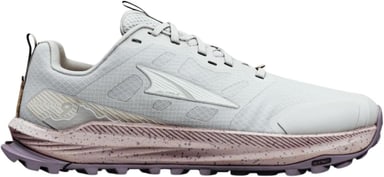
Best overall: Altra Lone Peak 9 Women's
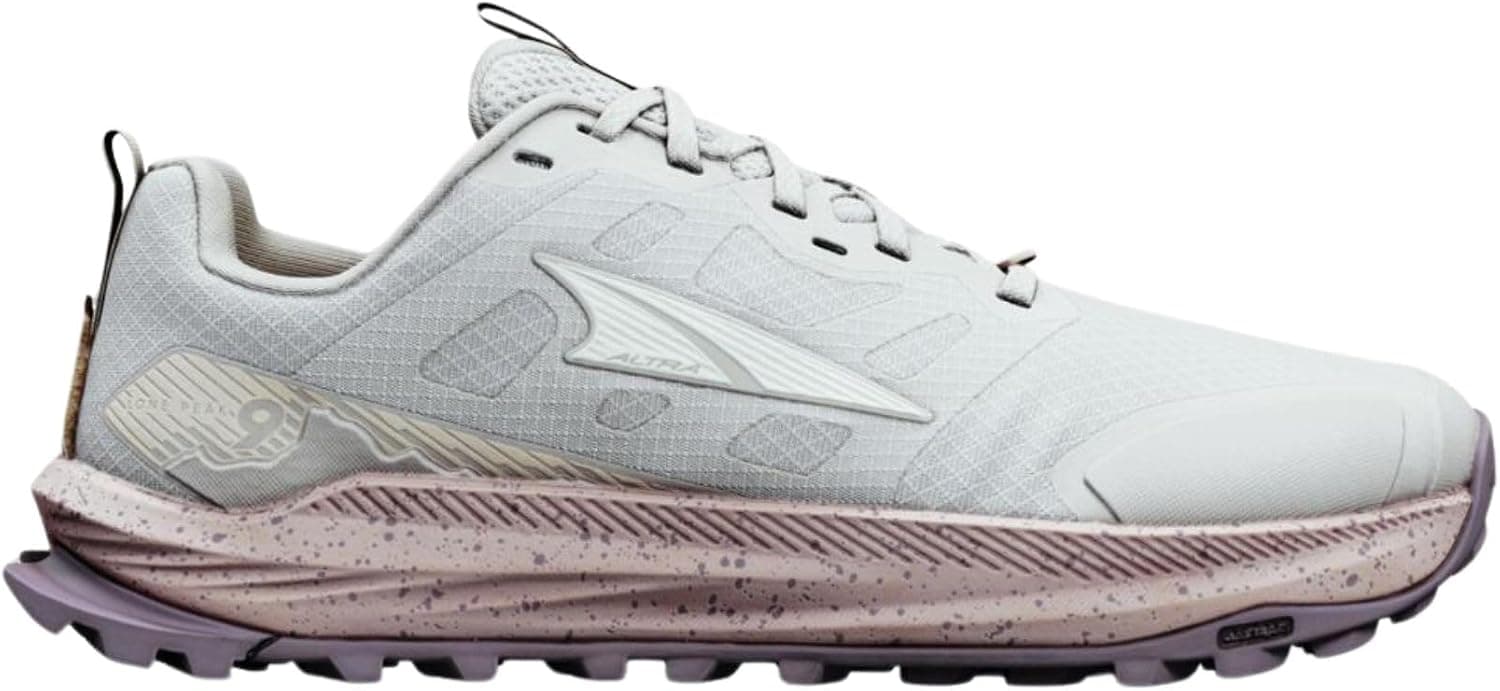
The Lone Peak earned its reputation on long trails, where feet swell over weeks and any pressure point becomes a problem. The foot-shaped toe box lets toes spread under load instead of being funneled to a point, and the zero-drop platform keeps you flat rather than tipping you forward. The women's build narrows the heel and instep while keeping the forefoot volume that makes the shoe work.
Zero drop is the one caveat, and it is not a small one. If you are coming from a standard 8 to 10 mm drop shoe, your calves and Achilles need a few weeks of short outings to adapt. Rush that transition and you will feel it.
BEST OVERALL
Altra Lone Peak 9 (Women's)
Best for: Women who want the thru-hiking standard with room for toes to work.
Kit Score 8.6/10 · Check current price
- The thru-hiker favorite in women's lasts
- Zero-drop platform encourages a natural stride
- Zero drop demands an adaptation period
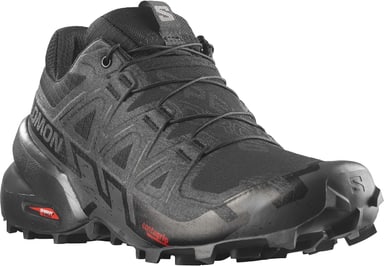
Best traction: Salomon Speedcross 6 Women's
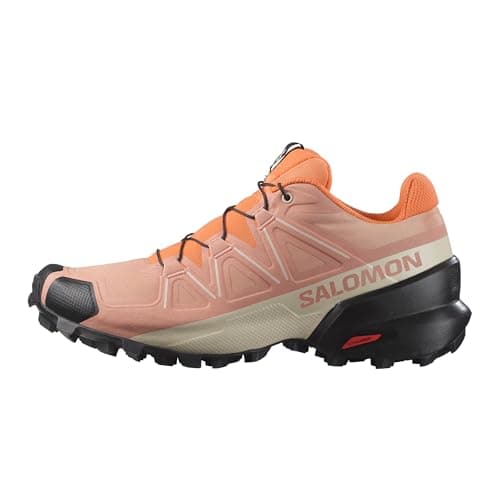
The Speedcross exists for ground that other shoes slide on. Deep, widely spaced chevron lugs bite into mud, wet grass, loose dirt, and shed the muck instead of packing it in. Salomon's Quicklace system cinches the midfoot tight in one pull, which matters on steep, off-camber ground where a loose foot means a rolled ankle.
On pavement and hardpack those same lugs feel unstable and wear down fast, so this is a specialist rather than an everyday shoe. The women's last is snug through the midfoot, which most owners read as secure and some read as narrow.
BEST TRACTION
Salomon Speedcross 6 (Women's)
Best for: Women who run or hike soft, muddy, or loose ground and need real traction.
Kit Score 8.4/10 · Check current price
- Deep chevron lugs bite in mud where other outsoles skate
- Quicklace system locks the narrow-heel fit
- Aggressive lugs feel harsh on long pavement stretches
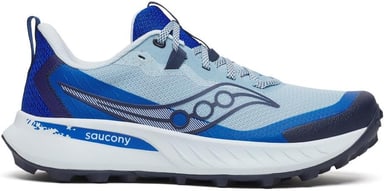
Best value: Saucony Peregrine 15 Women's
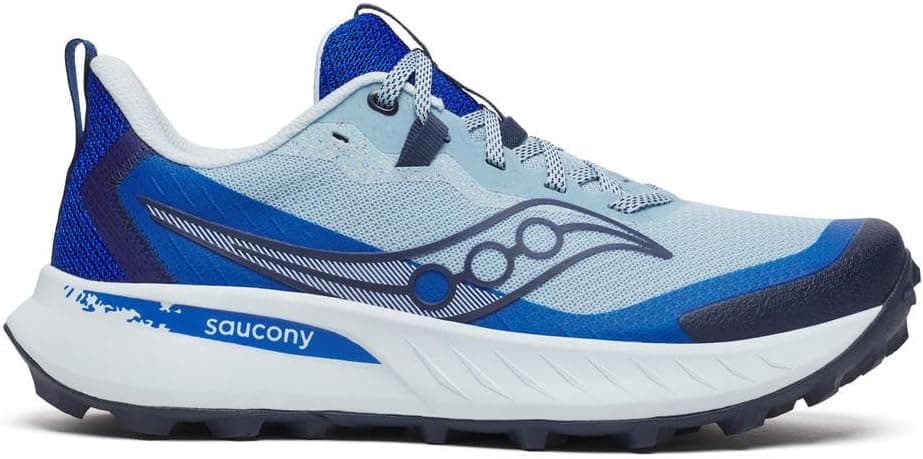
Frequently under $110, the Peregrine is the shoe to buy when you are moving from road running onto real trail and are not yet sure how much you will use it. It is a genuine trail shoe rather than a road shoe with a knobby outsole: PWRTRAC rubber with 5 mm lugs, a rock plate underfoot, and enough upper structure to hold your foot through side-hilling.
The cushioning is moderate, which feels responsive on runs and less forgiving on long hiking days. Fit runs true to size with a medium-width forefoot.
BEST VALUE
Saucony Peregrine 15 (Women's)
Best for: Women stepping from road shoes to real trails without flagship prices.
Kit Score 8.2/10 · Check current price
- Aggressive 5 mm lugs at a friendlier price than the flagships
- Light and nimble for a grippy trail shoe
- Less cushion than the max-stack options on long days
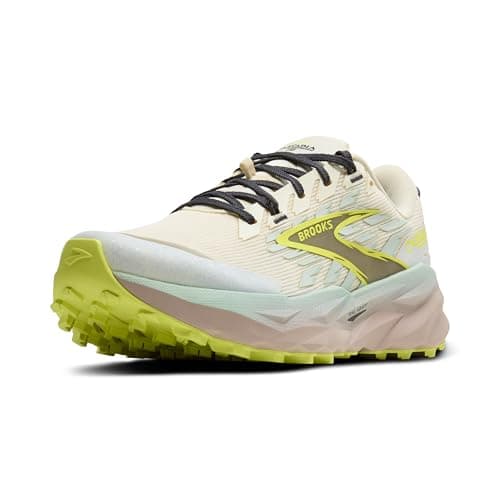
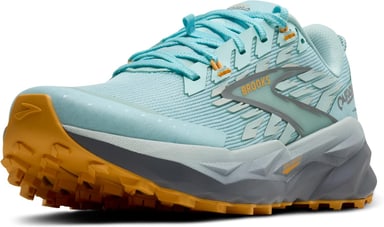
Best all-rounder: Brooks Cascadia 19 Women's
If your typical outing mixes gravel road, dirt path, and a stretch of rocky singletrack, the Cascadia handles all three without excelling at any one of them, which is exactly the point. Brooks' Trail Adapt system links the rock plate, outsole, and midsole so the shoe stiffens under rock strikes and stays compliant elsewhere.
It is heavier than the Peregrine and less grippy than the Speedcross in mud, and owner reviews consistently praise its durability. This is the pick when you want one trail shoe and do not want to think about terrain before every outing.
BEST ALL-ROUNDER
Brooks Cascadia 19 (Women's)
Best for: Women who want one durable trail shoe for everything from gravel to singletrack.
Kit Score 8.1/10 · Check current price
- Owners report 500+ mile lifespans, unusual for trail shoes
- Balanced protection for mixed terrain
- Not the plushest or the grippiest: it wins on balance, not extremes
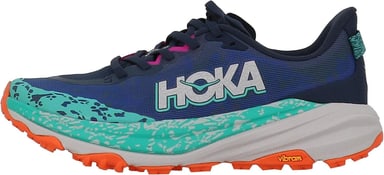
Best cushioning: HOKA Speedgoat 6 Women's
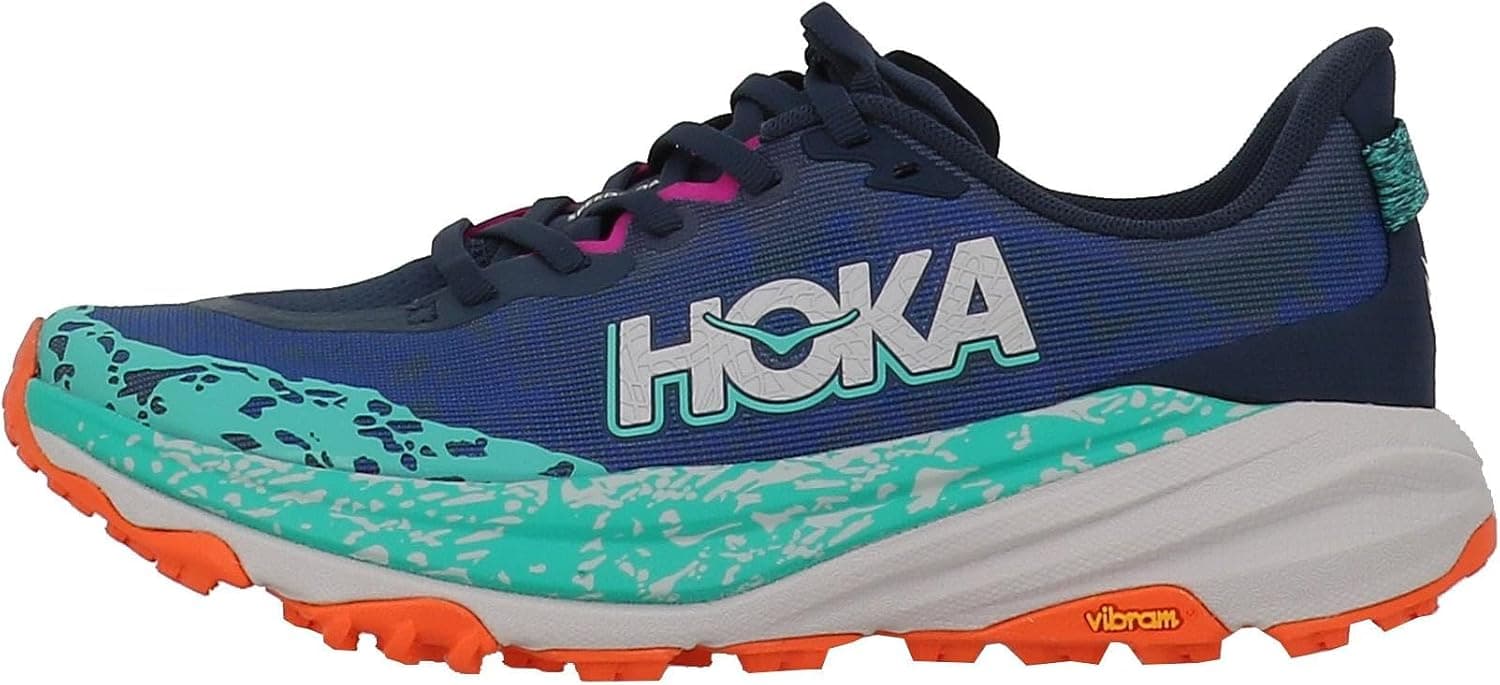
The Speedgoat pairs an oversized midsole with a Vibram Megagrip outsole, which is an unusual combination: most maximal shoes give up grip, and most grippy shoes are firm. For women logging long trail days, or anyone whose knees and feet complain before their lungs do, that stack height is the difference between finishing comfortably and limping out.
The height costs ground feel and some lateral stability on technical rock, and at 7.8 it is the lowest-rated shoe here largely on that stability question. Buy it for distance on moderate terrain, not for scrambling.
BEST CUSHIONING
HOKA Speedgoat 6 (Women's)
Best for: Women logging long trail miles who want cushion without giving up grip.
Kit Score 7.8/10 · Check current price
- Max cushion with genuine Vibram grip in women's sizing
- The default answer for long trail days on tired legs
- Tall stack takes getting used to on technical off-camber trail
How to choose: match the shoe to your ground
The single biggest mistake is buying for the terrain in the product photo rather than the terrain outside your door.
Pick by surface first
Mud, wet grass, loose dirt
Deep lugs win outright. Speedcross, or the Peregrine as a cheaper compromise.
Mixed gravel and singletrack
Moderate lugs and a rock plate. Cascadia or Peregrine.
Long days, hard ground
Cushion protects your legs more than tread does. Speedgoat, or Lone Peak for toe room.
Feet that swell or hurt
Start with toe box width, not stack height. Lone Peak first.
Drop and toe box, in plain terms
Heel-to-toe drop is how much higher your heel sits than your forefoot. Higher drop (6 to 8 mm) shifts load toward the knee and suits most people coming from ordinary running shoes. Zero drop distributes load toward the calf and Achilles, which many hikers prefer over long distances but which requires a genuine adaptation period.
Toe box width matters more than most buyers expect, and more for women than the shoe industry has historically acknowledged. If your feet ache on descents or your toenails suffer after long days, width and length are the culprits far more often than cushioning.
Trail runners or boots
Trail runners win on weight, breathability, drying speed, and zero break-in. Boots win when you carry heavy weight, hike in snow or scree, or need waterproof protection in cold conditions.
Our hiking boots vs trail runners comparison covers the tradeoffs in full, and the best hiking boots for women roundup is the place to go if you decide you want the support.
Can women use trail running shoes for hiking?
Yes, and a large share of long-distance hikers do. They are lighter than boots, require no break-in, and dry quickly after water crossings. The limits are heavy loads, where a stiffer boot protects your feet better, and cold wet conditions, where a waterproof boot keeps you warmer.
What size should I buy in women's trail running shoes?
Most women go a half to a full size above their street shoe. Descents push your foot forward, and feet swell over a long day, so toes that just clear the front in the store will hit the end on trail. Fit with your hiking or running socks on.
How long do women's trail running shoes last?
Roughly 300 to 500 miles. The outsole often looks usable well past the point the midsole has stopped absorbing impact, so track mileage rather than waiting for visible wear. Aching feet and shins after routine outings is the honest replacement signal.
Are zero-drop shoes like the Altra Lone Peak better?
Better is the wrong frame; different is accurate. Zero drop shifts load from knees toward calves and Achilles, which many hikers prefer over long distances. Coming from a standard drop shoe, transition over several weeks of short outings, because moving straight to a long day in zero drop is a reliable way to strain a calf.
Do I need waterproof trail running shoes?
Usually not. Non-waterproof mesh drains and dries within an hour or two; a waterproof shoe that takes water in over the collar holds it there all day. Waterproof versions make sense mainly for cold-weather use where staying warm matters more than drying quickly.
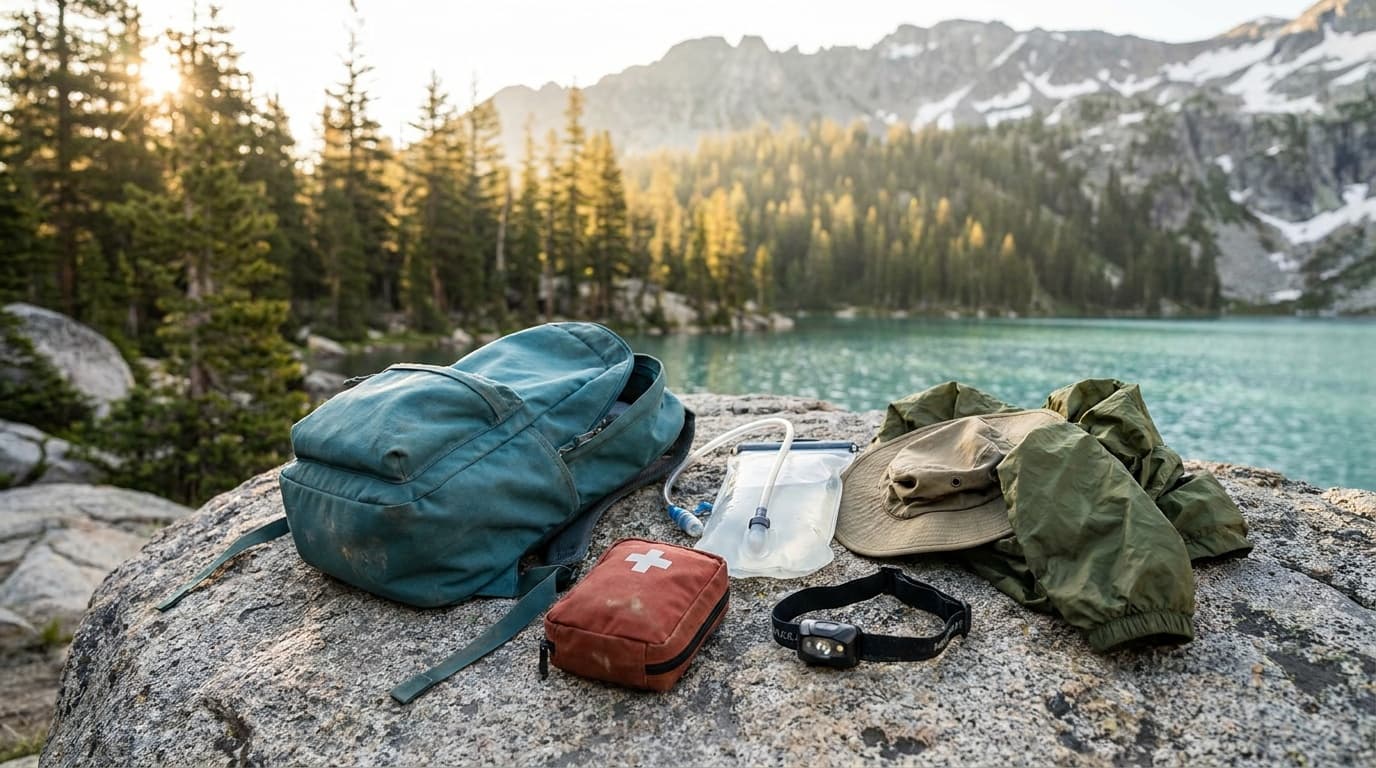
Complete hike loadout
Day hike kit
Seven slots for a full trail day, from the pack and water system to light and weather protection.
Build the complete kitRelated guides
Buying guide
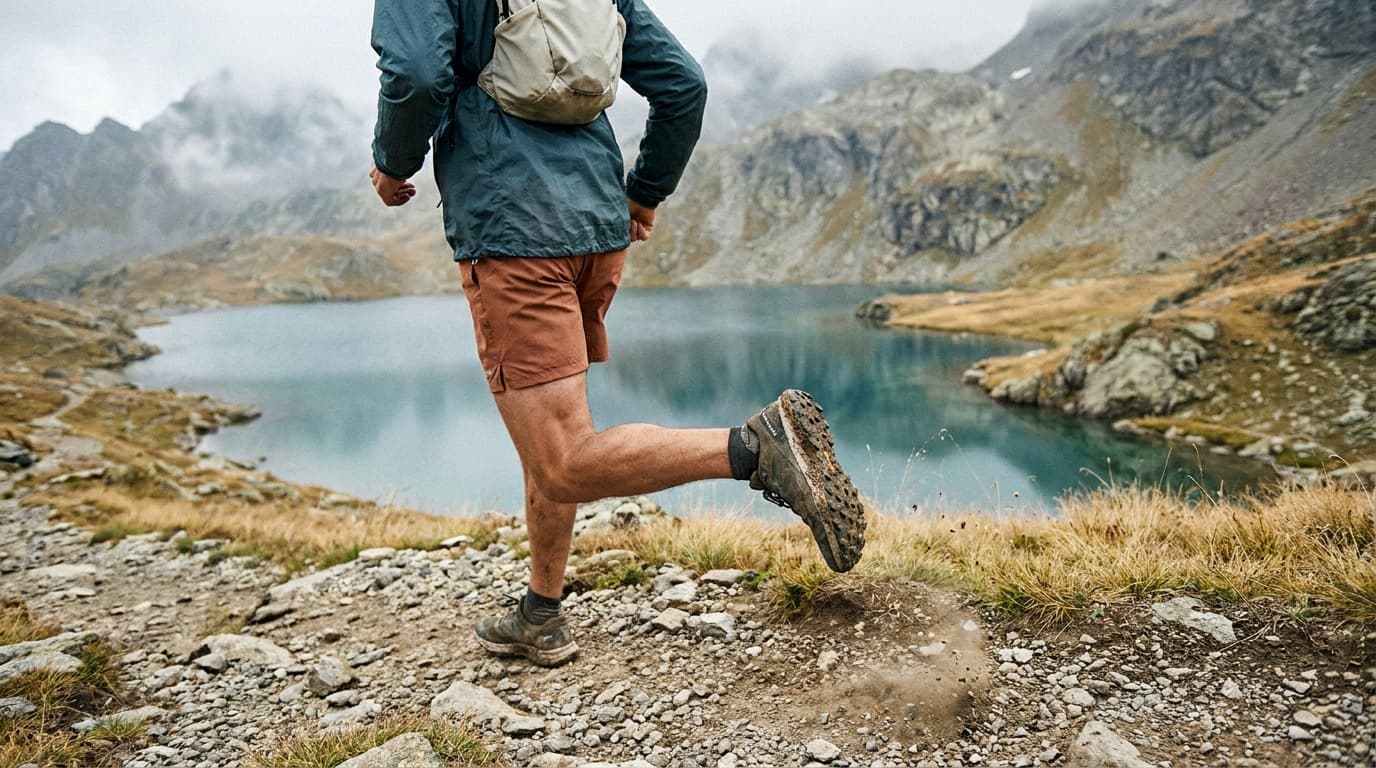
Best trail running shoes: top picks for grip, cushion, and protection
The five best trail running shoes for grip, cushion, and durability. Hoka, Saucony, Salomon, Brooks, and Altra picks for every terrain, pace, and budget.
Read guide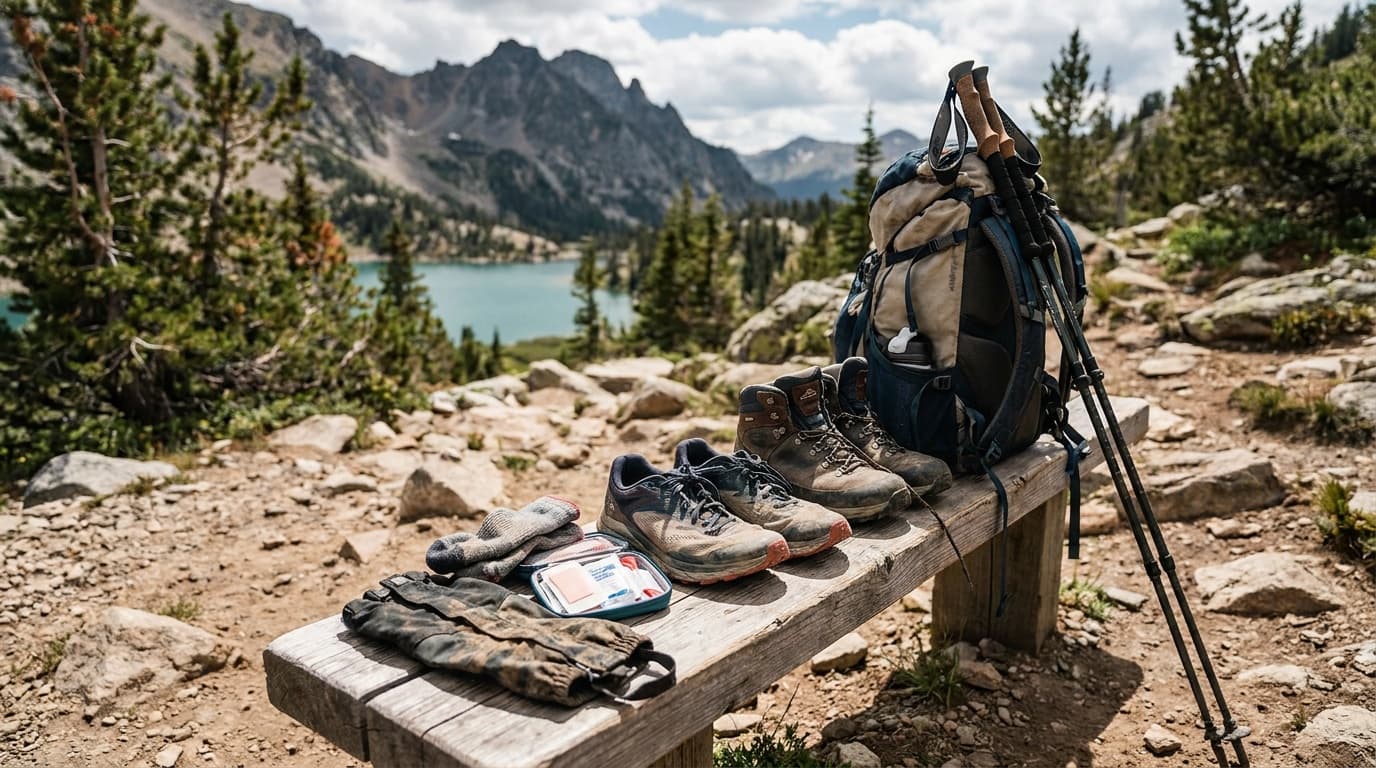
Comparison
Trail running shoes vs hiking boots: which should you wear?
Weight, breathability, support, durability, and pack-weight thresholds explained so you can pick the right footwear for your next hike.
Read guide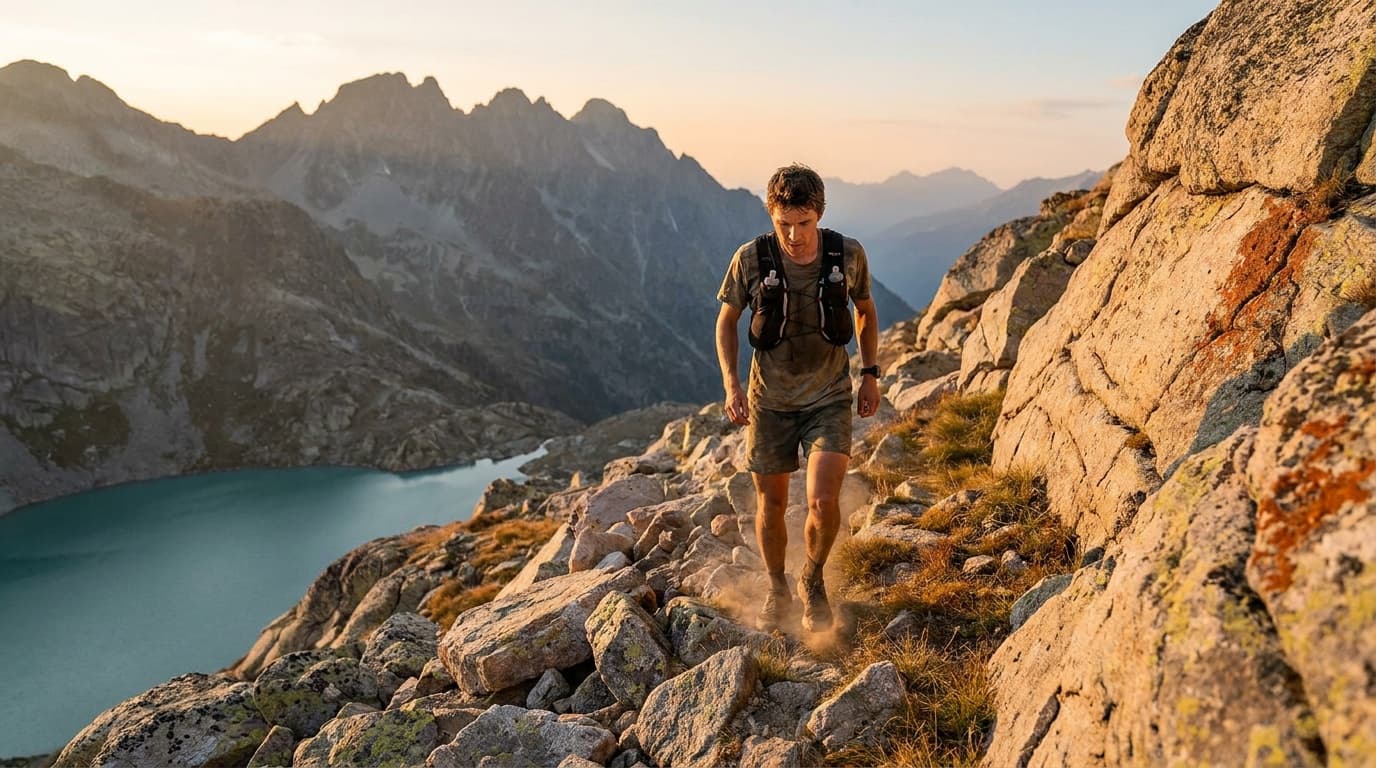
Buying guide
Best hydration vests for trail running and hiking 2026
Four hydration vests compared across capacity, bounce control, fit, and ventilation, so you can pick the right pack for your distance.
Read guide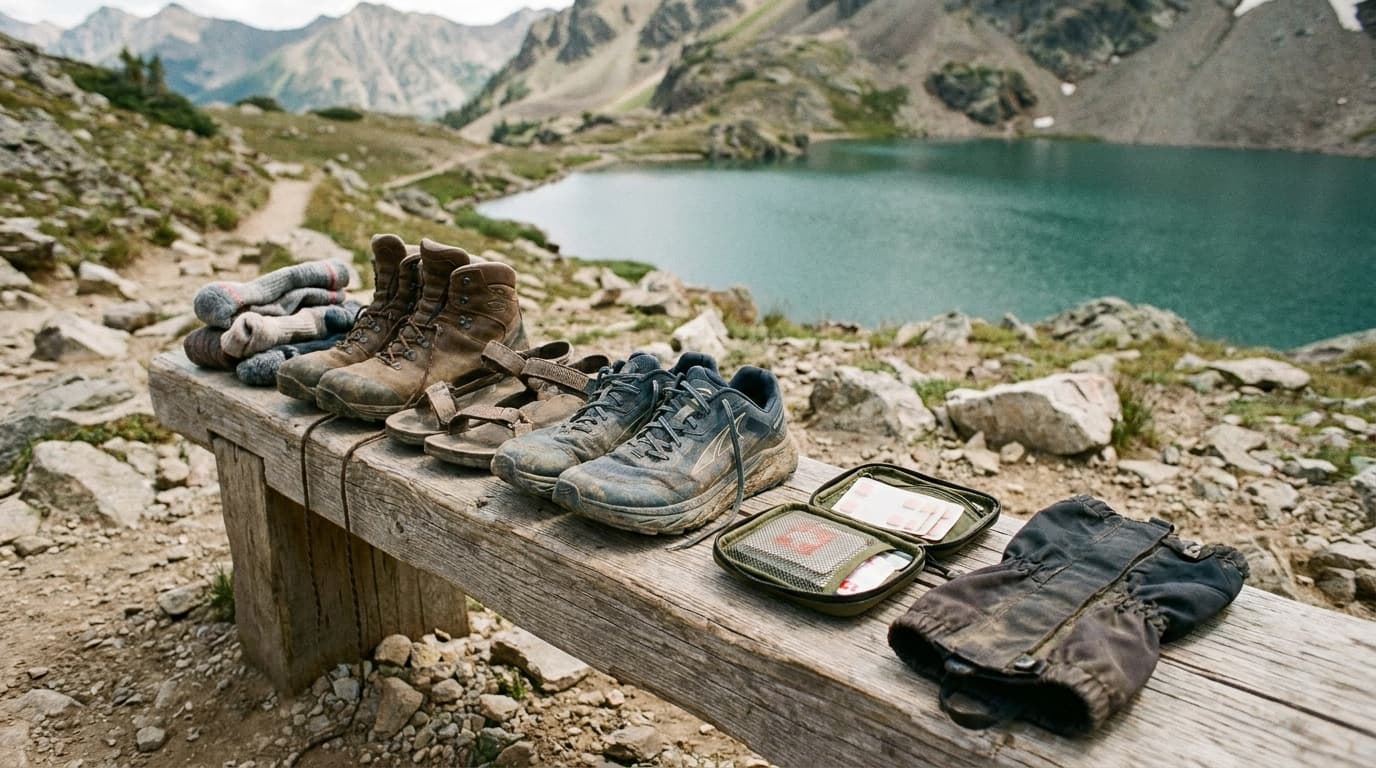
Comparison
Hiking boots vs trail runners: weight, support, and terrain
Choose trail runners for lighter loads and maintained trails or hiking boots for heavy packs and rough terrain. Compare weight, support, and durability.
Read guideResearch-based roundup
5 products comparedUpdated Aug 6, 2026Our recommendations draw on manufacturer documentation, retailer listings, owner feedback, and comparisons with alternatives.
As an Amazon Associate I earn from qualifying purchases. We may earn a commission from links here, at no extra cost to you. How we research →