We may earn a commission from links on this page, at no extra cost to you.
Not sure a boot is the right shoe at all? The free outdoor shoe finder weighs your terrain, load, and priorities across boots, trail runners, and sandals, in women's models.
Women's hiking boots are not shrunk-down men's boots. The women's last is generally narrower through the heel, higher in the arch, and lower in volume over the instep, which is why a woman who wears a men's size 8.5 often fits better in a women's 10 than in the unisex version of the same model. Every boot below is a true women's-last build, not a colorway.
How we picked
Our ratings aggregate manufacturer specs, verified-owner reviews across major retailers, and outdoor-publication coverage into a single Kit Score. For boots we weight fit and last shape most heavily, then waterproofing and outsole traction, because the boot that fits your foot beats the boot with the better spec sheet every time.
Our quick picks
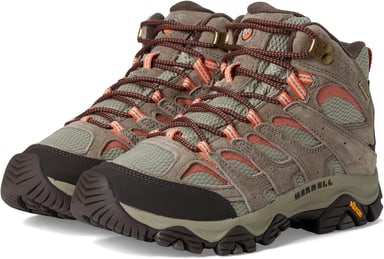
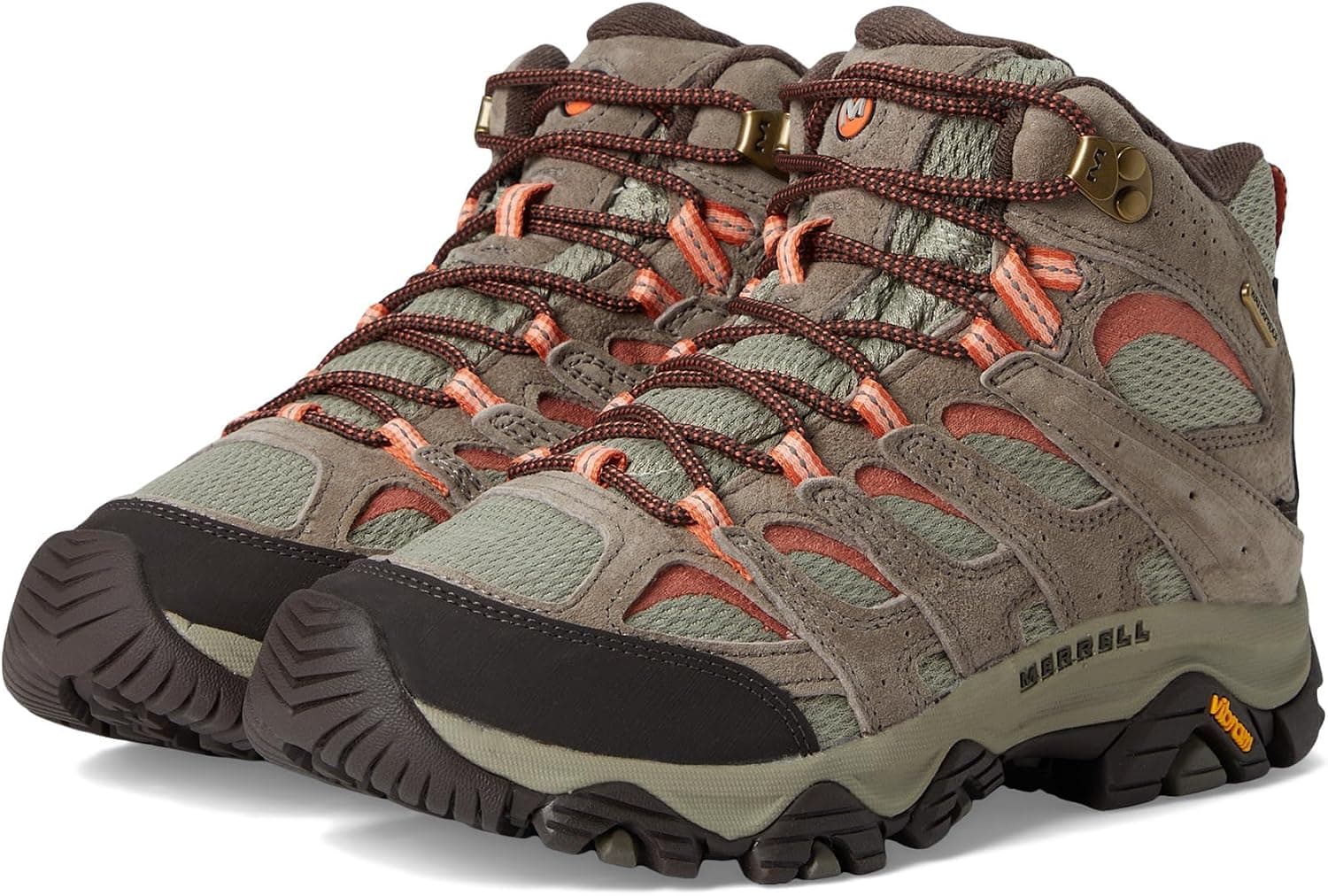
Best overall: Merrell Moab 3 Mid Waterproof Women's
The Moab has been the default trailhead boot for years because it gets the fundamentals right without asking for a premium. The women's Moab 3 uses a narrower last than the men's version and pairs a Kinetic Fit Base insole with a Vibram TC5+ outsole that grips hardpack and damp rock well. Merrell's own waterproof membrane is not Gore-Tex, and owner reviews reflect that honestly: excellent for day hikes and passing rain, less convincing in an all-day downpour.
Fit runs true to size with medium width. If you have historically fit Merrell well, this is the safe purchase. Our full Merrell Moab 3 review covers the construction in more depth.
BEST OVERALL
Merrell Moab 3 Mid WP (Women's)
Best for: Women who want one dependable, waterproof boot for most hikes.
Kit Score 8.0/10 · Check current price
- The most-owned boot on the trail, in women's lasts
- Comfortable out of the box, no break-in ritual
- Heavier than trail-runner alternatives
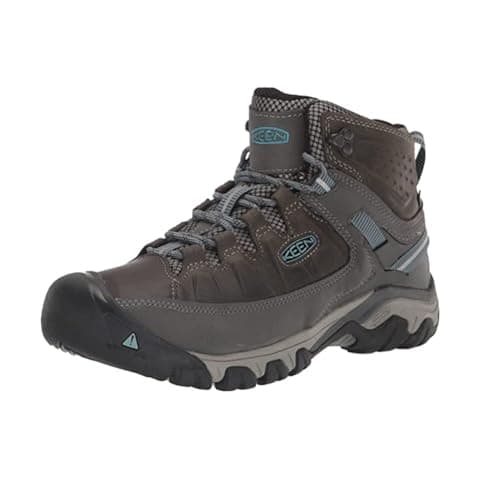
Best for wide feet: KEEN Targhee III Mid Waterproof Women's
BEST FOR WIDE FEET
KEEN Targhee III Mid WP (Women's)
Best for: Women with wider feet who find most boots too narrow.
Kit Score 8.2/10 · Check current price
- KEEN's famously roomy toe box in a supportive mid boot
- KEEN.Dry waterproofing plus 4 mm multi-directional lugs
- Roomy fit is a drawback for narrow feet
If your toes go numb by mile four and you have quietly concluded that hiking boots just hurt, the problem is probably forefoot width and not your feet. The Targhee III runs noticeably roomier across the toe box than the Moab or the Quest while keeping a reasonably snug heel, which is an unusual combination in women's boots. KEEN.Dry handles day hike conditions, and the multidirectional lug pattern is well suited to forest trail and maintained path.
It is a softer, less structured boot than the Quest, so it is a day hiking and light overnight choice rather than a heavy-load one.
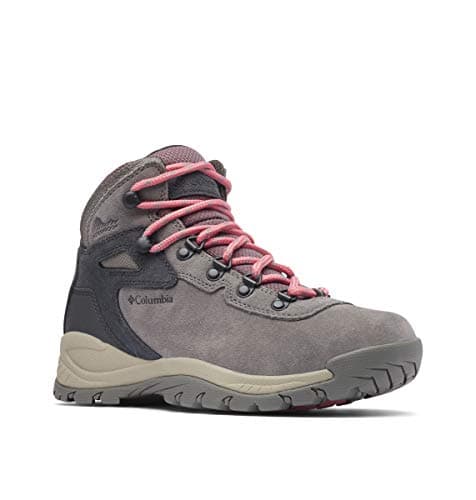
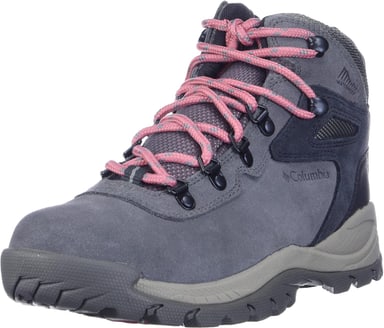
Best budget: Columbia Newton Ridge Plus Waterproof Women's
Under $110, most waterproof boots involve a compromise you feel on the trail. The Newton Ridge is the exception that keeps showing up in owner reviews as genuinely serviceable: a real waterproof membrane, a leather and mesh upper, and enough midsole under the heel for day hikes on maintained trail. It is heavier than its price peers and the outsole gives up traction on wet rock compared to Vibram or Contagrip.
This is the boot for someone hiking a handful of times a year, or for a first season before you know what your feet actually want.
BEST BUDGET
Columbia Newton Ridge Plus WP (Women's)
Best for: Women starting to hike who want waterproof boots without premium spend.
Kit Score 8.2/10 · Check current price
- Budget waterproof hiking in women's sizing
- TechLite midsole cushions above its price class
- Less support than premium boots under a heavy pack
How to size a women's hiking boot
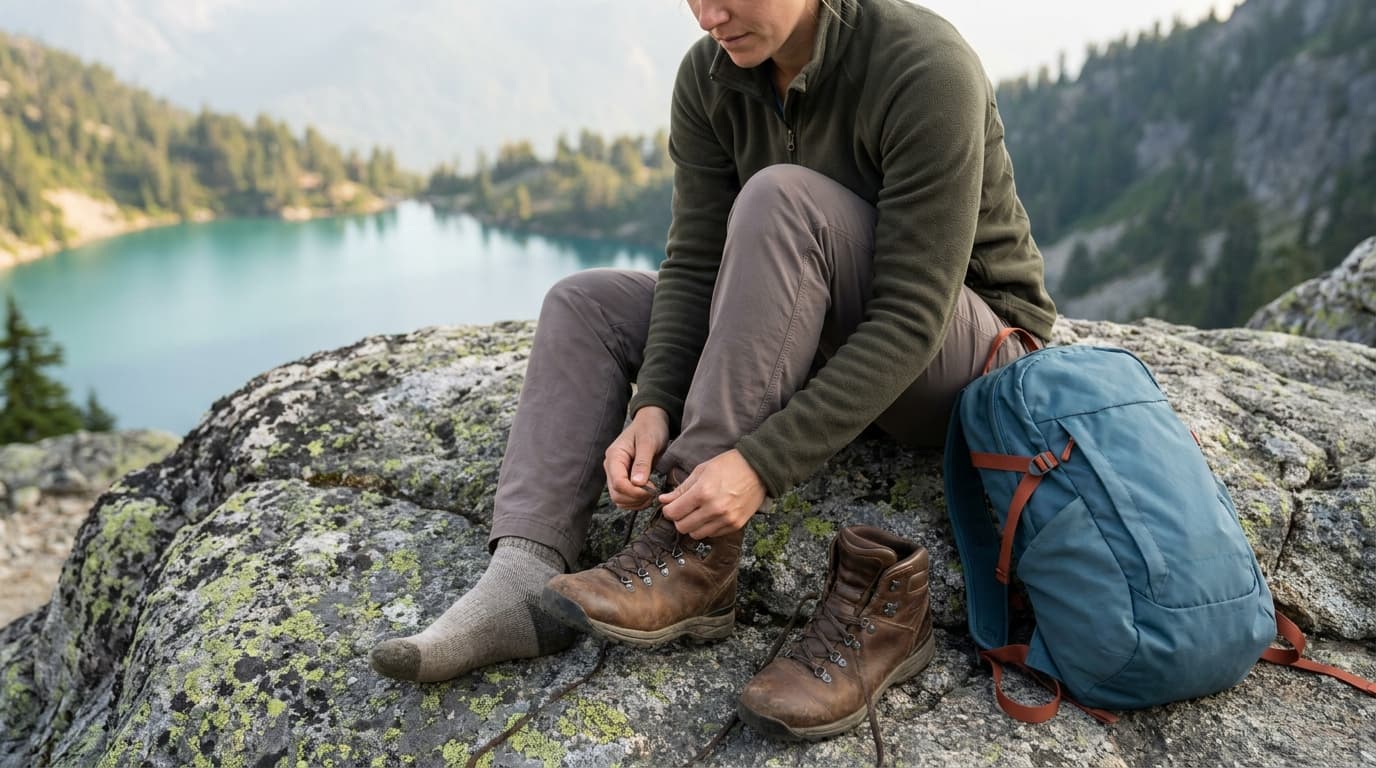
Size for your feet at mile eight, not mile zero. Feet swell over a day on trail, and downhill sections push your foot forward into the toe box, so most women end up a half to a full size above their street shoe.
A fitting sequence that works
Try boots late in the day
Feet are already slightly swollen, which is closer to trail conditions than a morning fitting.
Wear your hiking socks
Sock thickness changes fit by roughly a half size. Fit the system, not just the boot.
Check the heel first
Lace fully and walk. Heel lift of more than a fingertip means the boot will blister you on climbs.
Find a downhill
A ramp or stairs. If your toes touch the front, size up. This is the single most common women's boot sizing error.
Give it a week indoors
Wear them at home. Most retailers accept returns on unworn-outdoors boots, and a boot that hurts inside will not improve on trail.
Waterproof or not
Waterproof linings help most in cold, wet, shoulder-season hiking, where a soaked foot means real heat loss. They cost breathability, which is why summer desert and hot humid hikers often prefer a non-waterproof mesh boot or a trail runner that drains and dries fast.
If you hike primarily in summer heat, look at the best trail running shoes for women instead. If you hike in shoulder season, spring snowmelt, or anywhere with real mud, waterproof is worth the breathability cost.
Boots or trail runners
More long-distance hikers move to trail runners every year, and for good reason: they are lighter, they need no break-in, and they dry quickly. Boots still win when you carry heavy weight, hike loose or rocky terrain that punishes a soft midsole, or need ankle coverage in snow and scree.
Our hiking boots vs trail runners guide walks through the decision in detail, and the outdoor shoe finder will make the call for your specific terrain and load.
Should women buy women's-specific hiking boots or unisex ones?
Women's-specific lasts are narrower through the heel, higher in the arch, and lower in instep volume. If a unisex boot fits you well, there is no reason to switch. But if you have always fought heel slip or arch pressure, a true women's last usually solves it. Every boot on this page is a women's-last build.
What size hiking boot should I get if I wear a women's 8 street shoe?
Start at 8.5 and try 9. Feet swell on trail and descend into the toe box on downhills, so most women end up a half to a full size above their street size. Fit with the socks you will actually hike in, and test on a downhill before deciding.
Are waterproof hiking boots worth it for women?
In cold or wet conditions, yes: a soaked foot loses heat fast and blisters more easily. In sustained summer heat, waterproof membranes trap sweat and many hikers do better in a breathable non-waterproof boot or a trail runner that drains and dries.
How long do women's hiking boots last?
Roughly 500 to 1,000 miles depending on terrain and weight carried. The midsole compresses before the upper wears out, so the honest signal is not a hole in the leather but the day your feet start aching on hikes that never used to bother them.
Do I need to break in hiking boots?
Leather-heavy boots like the Quest 4 want 20 to 30 miles of gradual use. Mostly synthetic boots like the Moab 3 and Targhee III need under 10 and are close to trail-ready out of the box. No boot should ever hurt on day one; pain during break-in means the fit is wrong, not that you need more miles.
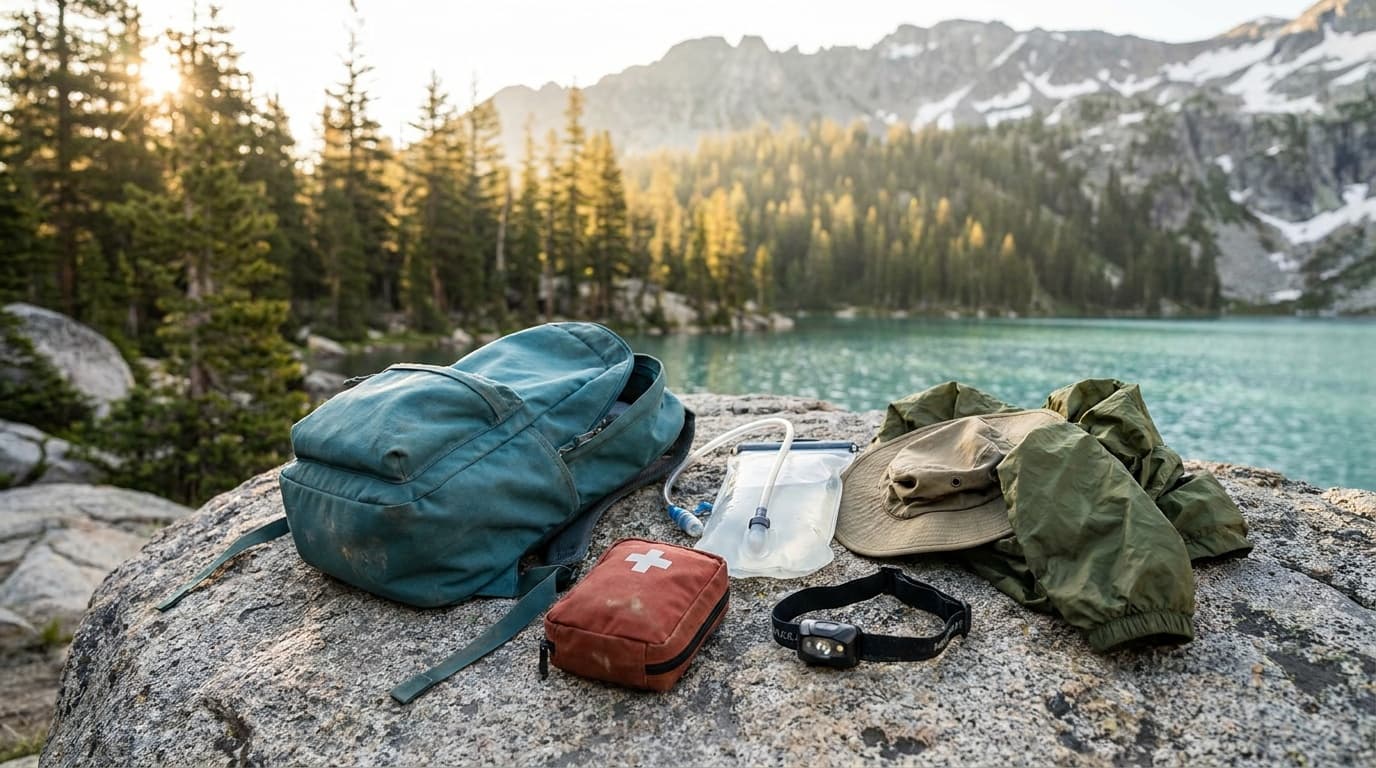
Complete hike loadout
Day hike kit
Seven slots for a full trail day, from the pack and water system to light and weather protection.
Build the complete kitRelated guides
Buying guide
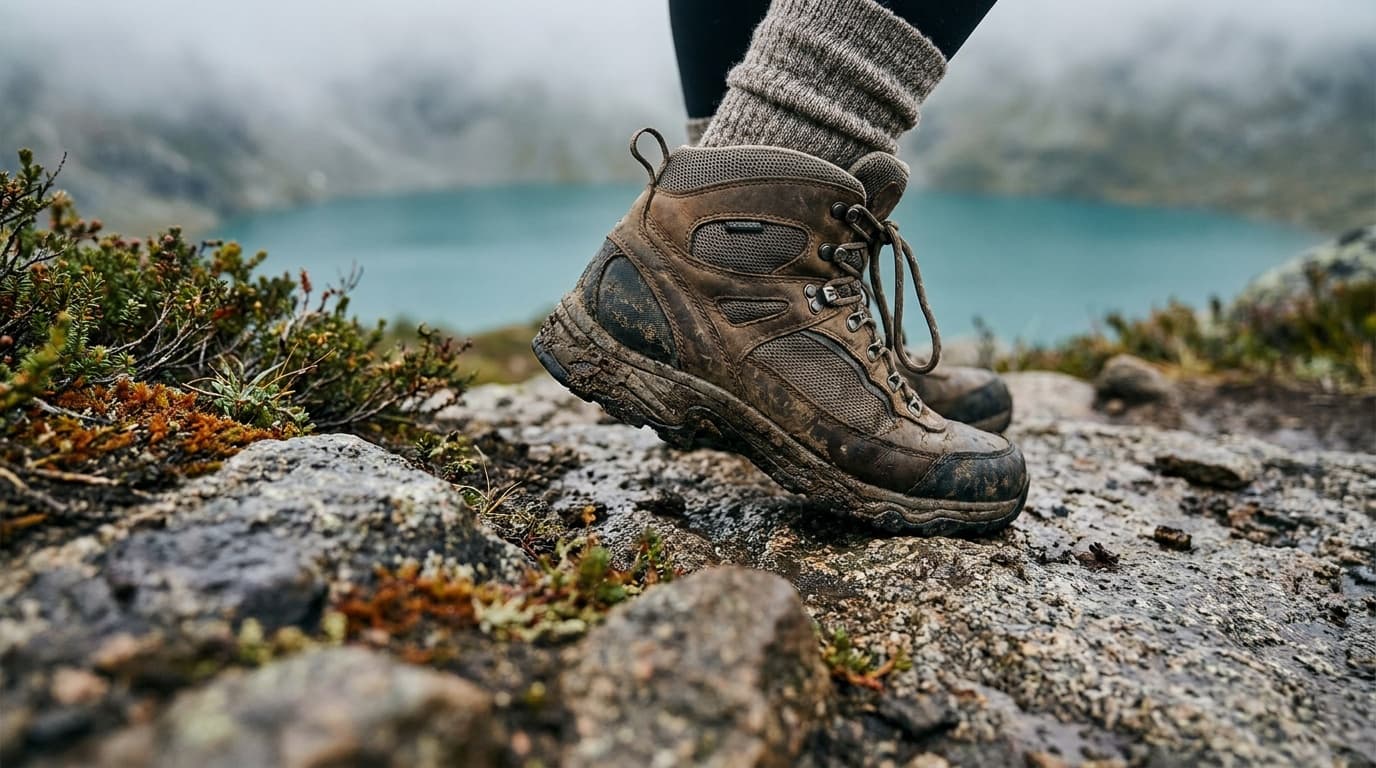
Best women's hiking boots: 4 picks by foot shape and load
Kit Scores 8.0 to 8.4. Women's-last boots for wide feet, heavy packs, all-around hiking, and a first pair under $110. Fit decides this more than brand.
Read guide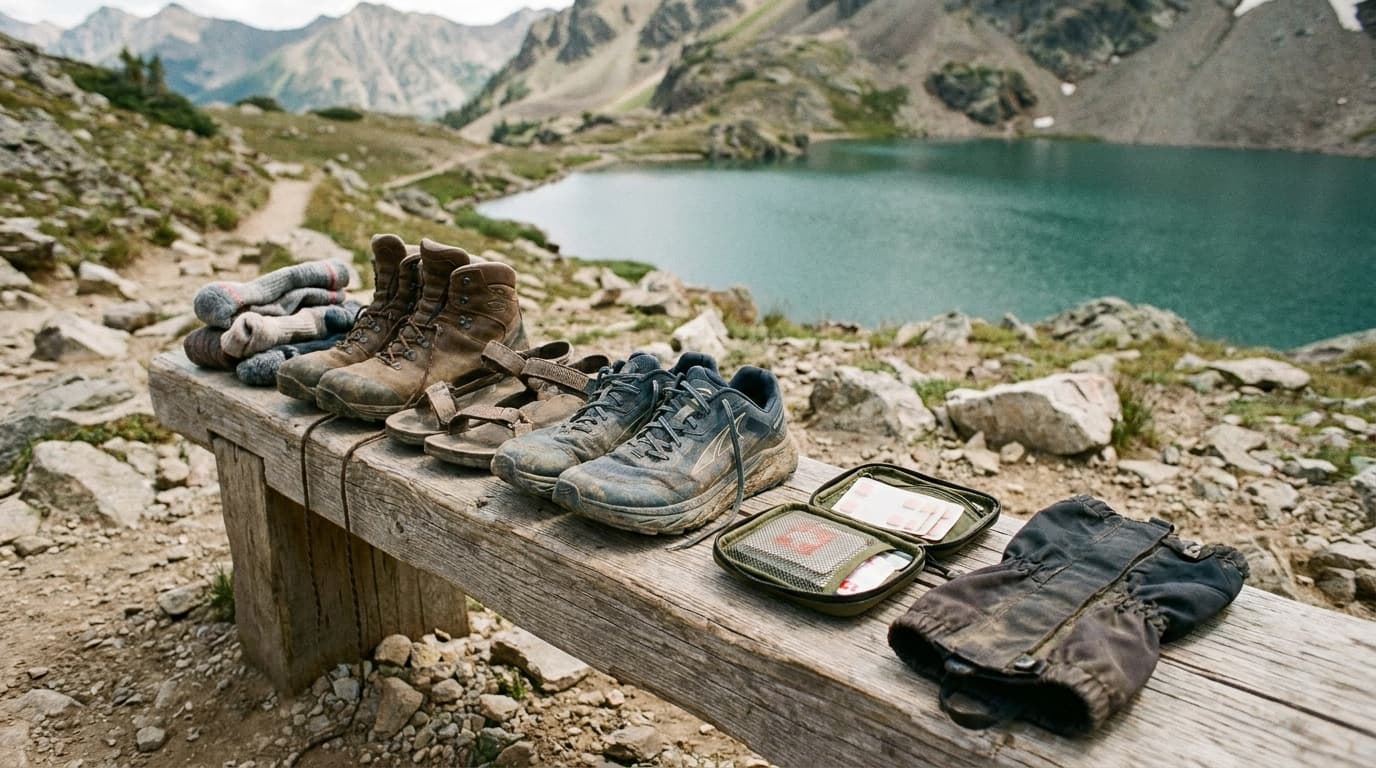
Comparison
Hiking boots vs trail runners: weight, support, and terrain
Choose trail runners for lighter loads and maintained trails or hiking boots for heavy packs and rough terrain. Compare weight, support, and durability.
Read guide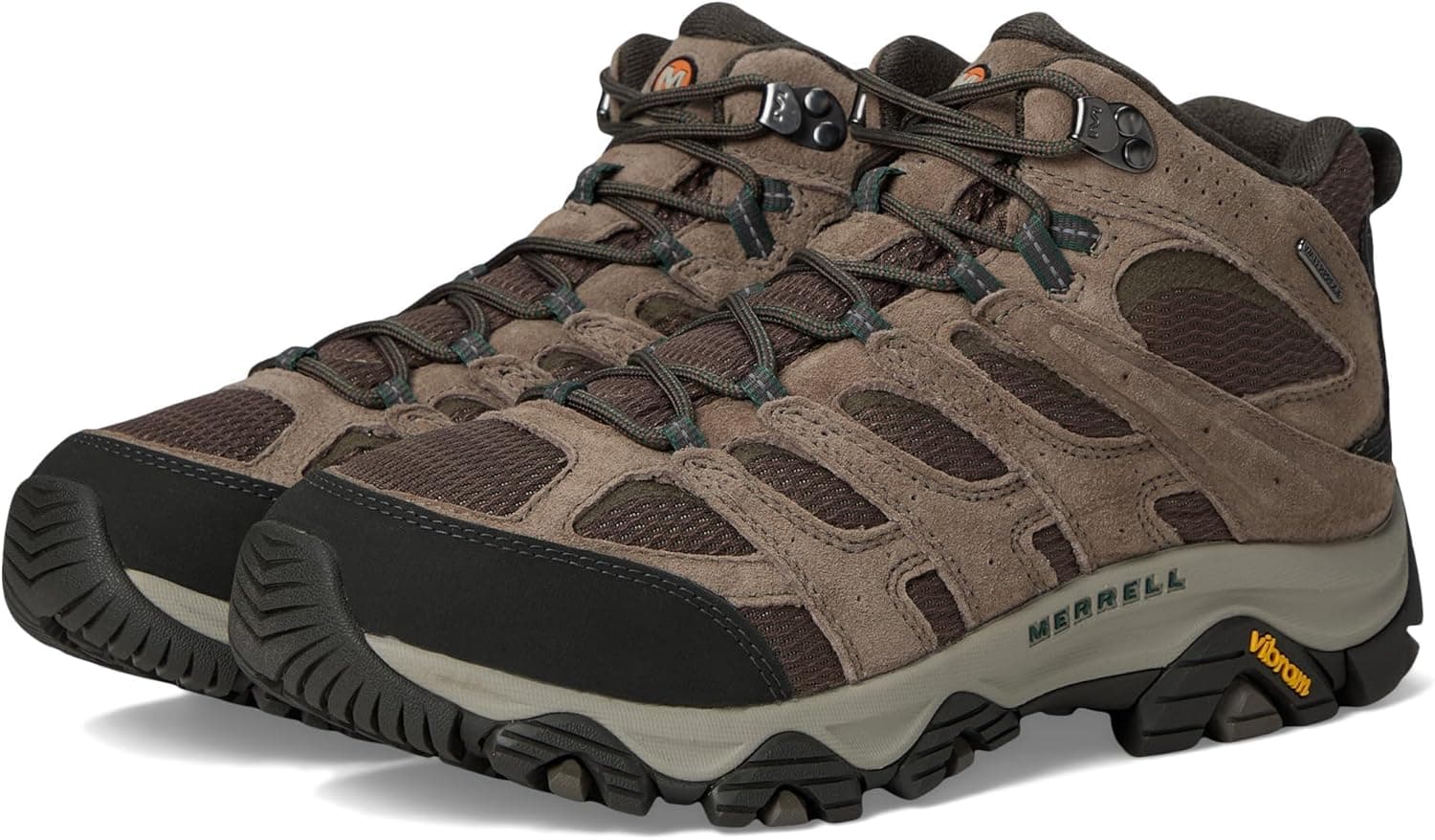
Product review
Merrell Moab 3 Mid Waterproof review: the safe first hiking boot
Kit Score 8/10. Comfortable from the first mile with no break-in period, and the waterproofing caveat that costs it a higher score.
Read guide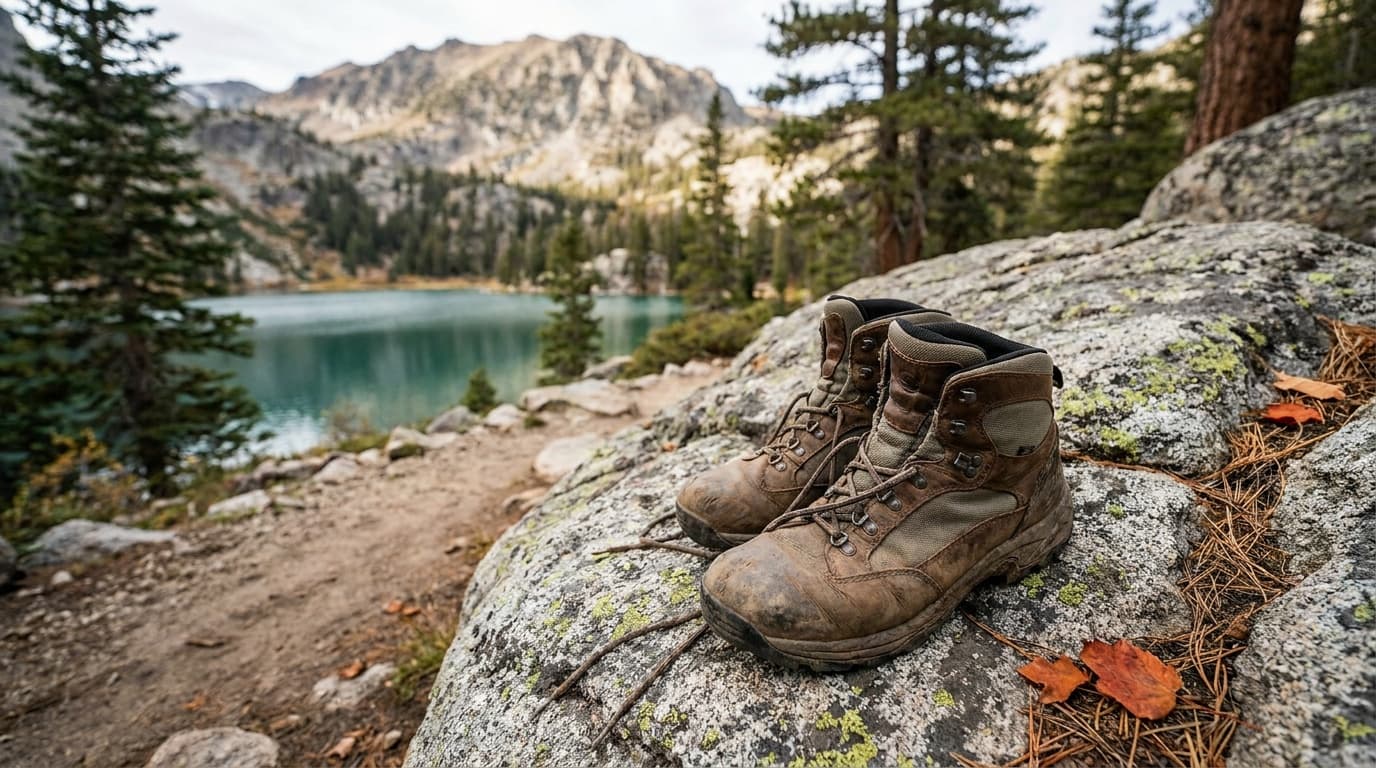
Buying guide
Best hiking boots for day hikes and light backpacking
Five hiking boots for every budget and foot type: a Gore-Tex backpacking workhorse, a max-cushion premium pick, a reliable value mid, a wide-foot-friendly deal, and a genuine budget boot.
Read guideResearch-based roundup
3 products comparedUpdated Aug 6, 2026Our recommendations draw on manufacturer documentation, retailer listings, owner feedback, and comparisons with alternatives.
As an Amazon Associate I earn from qualifying purchases. We may earn a commission from links here, at no extra cost to you. How we research →