We may earn a commission from links on this page, at no extra cost to you.
The Merrell Moab 3 Mid Waterproof is the boot we point most new hikers toward in our best hiking boots guide, and it is the one most people should try before reaching for anything pricier. This review covers exactly what you get, the spec details that matter on the trail, and where it wins or loses against the alternatives.
BEST OVERALL
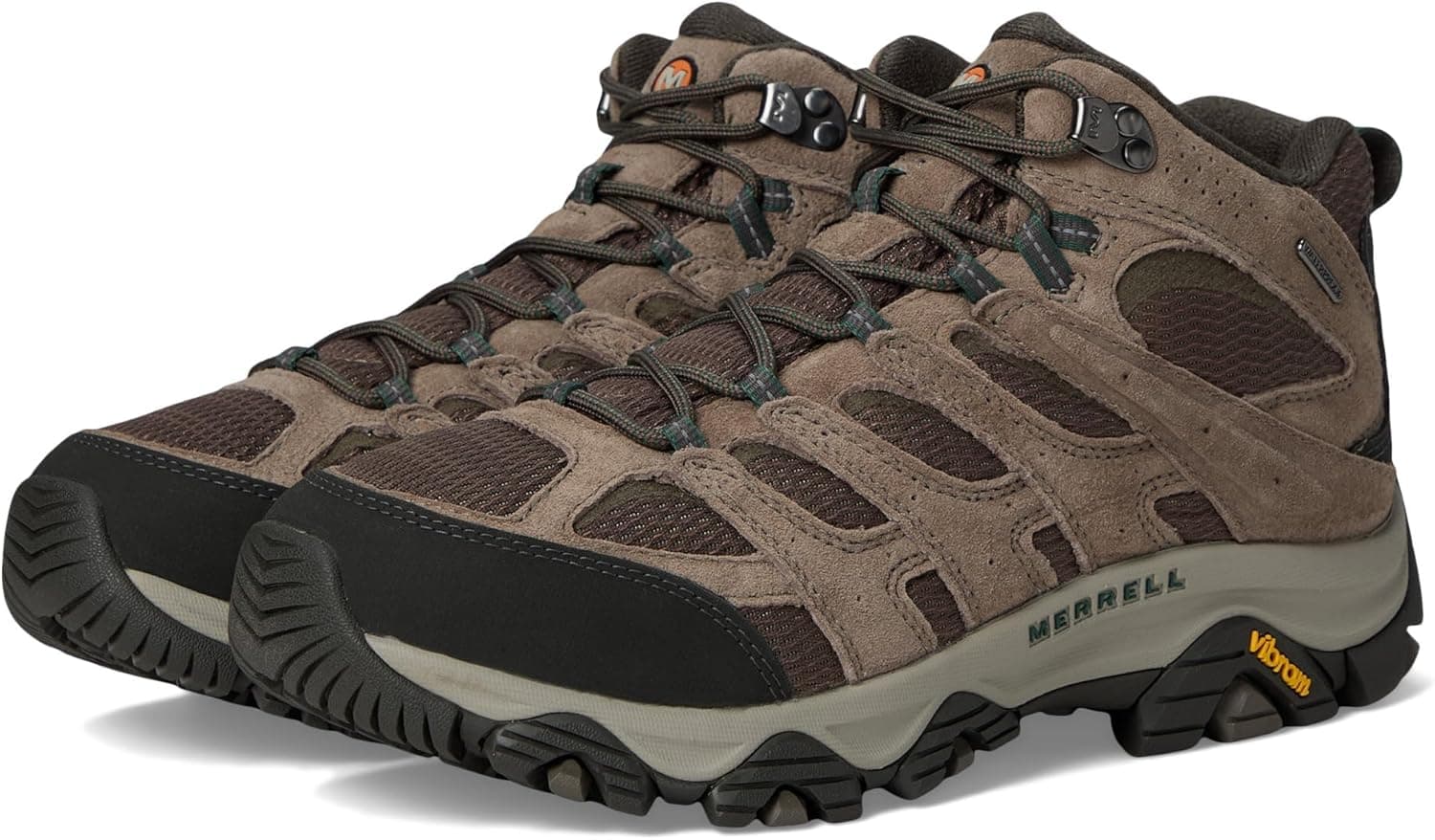
Merrell Men's Moab 3 Mid Waterproof Hiking Boot
Kit Score 8.0/10 · Check current price
Buy on AmazonBest for: Hikers who want a dependable, comfortable mid boot for regular day hikes and easy overnight trips without paying a Gore-Tex premium.
- Near-zero break-in period: wide toe box and cushy collar are comfortable from mile one
- Vibram TC5+ outsole provides reliable grip across most trail surfaces
- Proprietary waterproofing is less breathable than Gore-Tex, so feet can warm up on long summer days
Who it is for
This boot fits one buyer especially well: the hiker who wants a dependable mid boot for regular day hikes and easy overnight trips without paying a Gore-Tex premium. The Moab 3 asks almost nothing of you up front. There is near-zero break-in, so the wide toe box and cushy collar feel comfortable from the first wear rather than after a month of hot spots. That is why it is the boot we recommend most people start with.
It is less ideal if you regularly carry heavy overnight loads or push across technical, wet rock. The proprietary waterproofing runs warmer than Gore-Tex on long summer days, and traction softens on wet or mossy stone. If your hikes lean toward big mileage with a loaded pack, you will want more ankle support than a mid-cut Moab provides. Before you commit, it also helps to get your sock and lacing system right: read how to prevent blisters while hiking, because even a comfortable boot can rub if the fit is off.
Full specifications
| Spec | Detail |
|---|---|
| Kit Score | 8.0 / 10 (researched, not lab-tested) |
| Type | Waterproof mid-cut hiking boot |
| Weight (men's, per shoe) | 1 lb 6 oz approx. |
| Waterproofing | M.Select Dry membrane |
| Outsole | Vibram TC5+, 5mm lugs |
| Heel-to-toe drop | 11.5mm |
| Midsole | Lightweight EVA plus Merrell Air Cushion heel |
| Upper | Pigskin leather and mesh |
| Women's version | Available (B0988BDSG7) |
| Price | $130–$170 |
The spec that drives the value case: the Moab 3 covers most day-hike use cases while undercutting comparable Gore-Tex mid boots by roughly $50 to $80. You are paying for proven comfort and grip, not a premium membrane.
Pros and cons
What it does well:
- Near-zero break-in period: the wide toe box and cushioned collar are comfortable from mile one, so you can buy and hike the same week.
- The Vibram TC5+ outsole provides reliable grip across most trail surfaces, from packed dirt to gravel and roots.
- A broad size range and the proven durability of the long-running Moab line make it a low-risk first boot.
- M.Select Dry waterproofing keeps creek crossings and wet grass out without a Gore-Tex price tag.
Where it falls short:
- The proprietary waterproofing is less breathable than Gore-Tex, so feet can warm up on long summer days.
- Traction weakens on wet or mossy rock compared with softer-compound outsoles.
- Durability is middling rather than exceptional: the Vibram outsole holds up, but the rounded lug pattern can pack with mud, and nylon eyelets have been a known weak point on older Moab versions.
How it compares
Against the Keen Targhee III, the trade is fit shape. The Targhee III is known for an even roomier toe box, which makes it the better call if you have wide feet or your toes feel cramped in most boots. The Moab 3 is already generous up front, but if splay room is your top priority, the Keen wins there. For most hikers, the two are close enough that comfort out of the box and price tip the decision to the Moab 3.
Against the Salomon Quest 4, the trade is support versus price. The Quest 4 is a more supportive, burlier boot built for heavier loads and rougher terrain, with noticeably more ankle structure. It also costs meaningfully more. If you carry a full overnight pack or hike technical ground often, that support is worth paying for. If you mostly do day hikes and easy overnights, the Quest 4 is more boot than you need, and the Moab 3 gives you most of the comfort for much less money.
That is the case for the Moab 3 as the safe first boot for most hikers: it is comfortable immediately, grips well, keeps water out, and costs less than the alternatives. You buy a roomier Targhee III or a tougher Quest 4 only when a specific need (toe room or load support) pushes you there. For the full field, scored the same way, see our best hiking boots guide.
Frequently asked questions
Is the Merrell Moab 3 Mid Waterproof worth it?
For most casual and first-time hikers, yes. It earns a Kit Score of 8.0 because it combines out-of-the-box comfort, reliable Vibram grip, real waterproofing, and a price that undercuts most Gore-Tex mid boots by $50 to $80. The main reasons to spend more are if you need a roomier toe box or more ankle support for heavy loads.
Does the Merrell Moab 3 need a break-in period?
Almost none. The wide toe box and cushioned collar are comfortable from the first wear, which is one of the boot's biggest strengths and a big reason owners rate it so highly. You can buy it and hike in it the same week. Dialing in your socks and lacing still matters, so it is worth reading our blister-prevention guide before a long day.
Is the Merrell Moab 3 actually waterproof?
Yes, through an M.Select Dry membrane that keeps out creek splashes, puddles, and wet grass. The trade-off is breathability: the proprietary membrane runs warmer than Gore-Tex, so your feet can heat up on long summer days. For three-season day hikes and easy overnights, it does the job.
How long does the Merrell Moab 3 last?
Durability is middling rather than standout. The Vibram TC5+ outsole is durable, but the rounded lug pattern can pack with mud, and nylon eyelets have been a known weak point on older Moab versions. For a hiker logging regular day hikes, it holds up well for the price; heavy-mileage users who want maximum longevity should consider a burlier boot.
Merrell Moab 3 vs Keen Targhee III: which should I buy?
The Keen Targhee III is known for an even roomier toe box, so it is the better pick if you have wide feet or your toes feel cramped in most boots. The Moab 3 is already comfortable up front, grips well, and usually costs less, which makes it the safer default for most hikers. Choose the Targhee III specifically for toe room; otherwise the Moab 3 is the value call.
For the full field of hiking boots, including roomier and more supportive alternatives scored the same way, see our best hiking boots guide.
Keep going
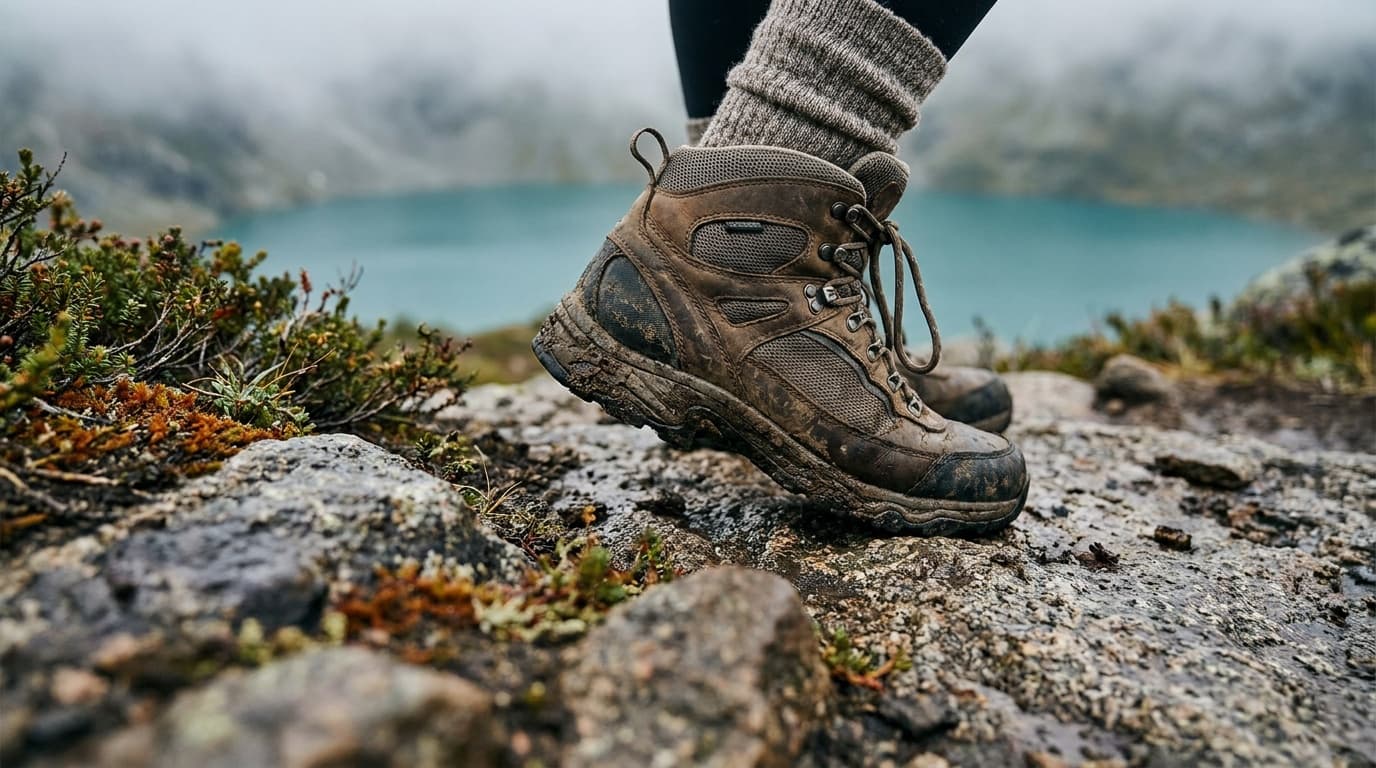
Related buying guideBest hiking boots for day hikes and light backpackingRelated guides
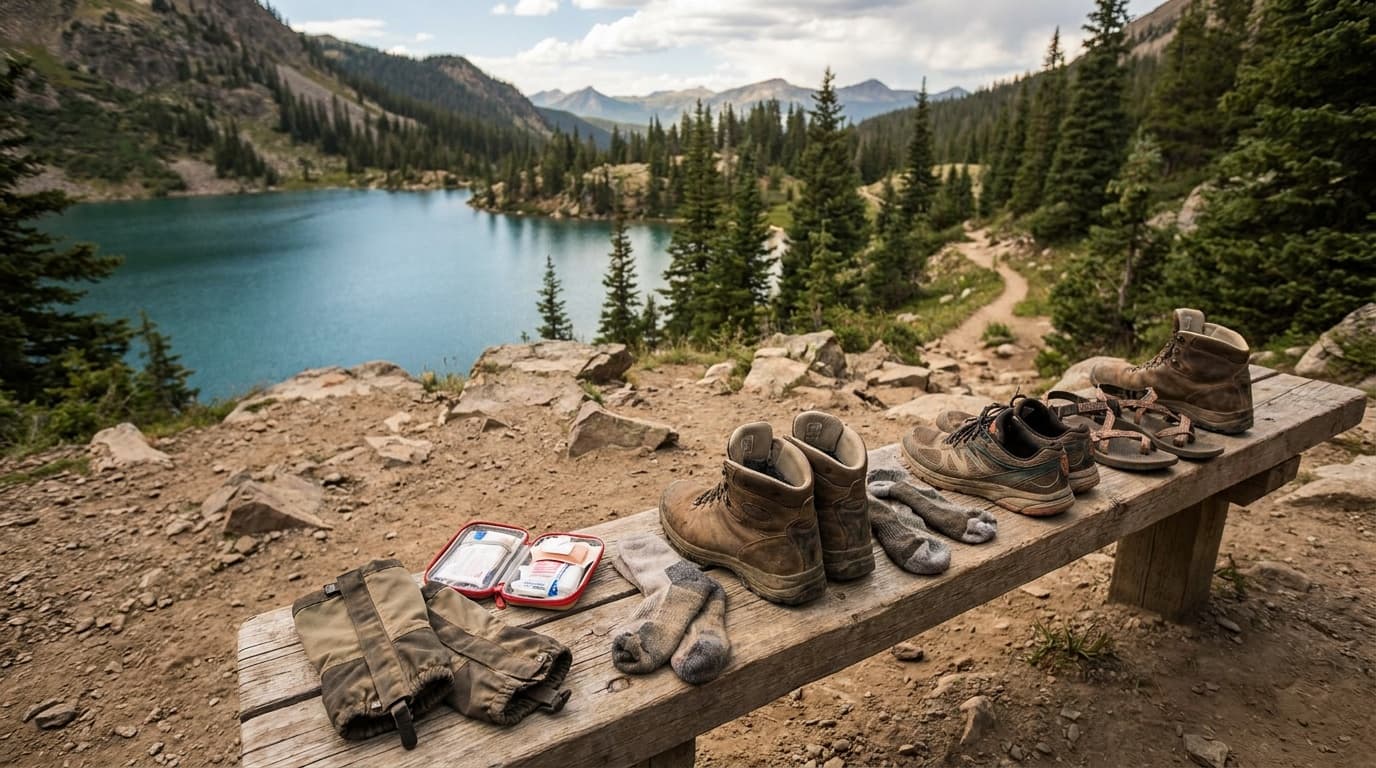
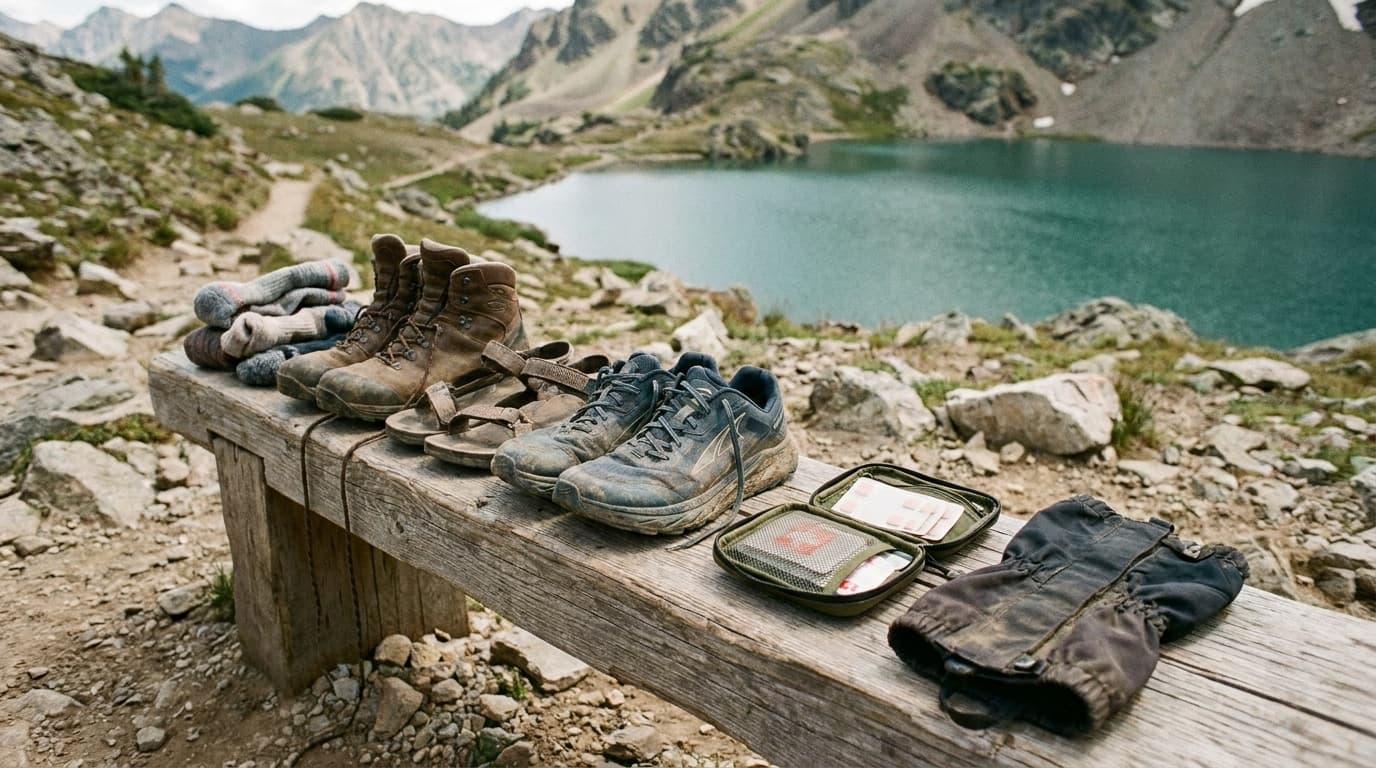
 Complete hike loadoutDay hike kitBuild the complete kit
Researched, not hands-on tested
Updated Jun 24, 2026Our recommendations draw on manufacturer documentation, retailer listings, owner feedback, and comparisons with alternatives.
As an Amazon Associate I earn from qualifying purchases. We may earn a commission from links here, at no extra cost to you. How we research →
In this review
Related buying guide
Best hiking boots for day hikes and light backpacking