Road trip guide
Utah Mighty 5 road trip itinerary
Utah's five national parks sit in the southern half of the state, close enough to link into one loop but far enough apart that distances surprise people. The standard circuit runs Zion, Bryce Canyon, Capitol Reef, Canyonlands, and Arches, ending in Moab.
By Joel KellyResearched, not hands-on tested. How we research
Short answer
Fly into Las Vegas, drive the loop west to east as Zion, Bryce Canyon, Capitol Reef, Canyonlands, and Arches, and fly out of Salt Lake City or Grand Junction. Plan 7 to 10 days and roughly 700 to 800 miles. Spring and fall are the comfortable windows; summer bakes the lower parks. Doing all five well takes about a week, so two or three parks is a reasonable trim if your time is shorter.
What makes the Mighty 5 loop work
- A clean west-to-east direction that avoids backtracking: Las Vegas in, Salt Lake City or Grand Junction out.
- A realistic pace of one to two nights per park, with Scenic Byway 12 between Bryce and Capitol Reef as a highlight, not a transfer to rush.
- Spring or fall timing, when the desert is hikeable and Bryce's high rim is clear of deep snow.
- Lodging booked early in Springdale and Moab, the two tightest bases on the route.
The route, day by day
- Trip length
- 7 to 10 days for all five; 4 to 5 days for a Zion, Bryce, and Arches trim.
- Total driving
- About 700 to 800 miles one way from Las Vegas to Moab, plus the leg to your fly-out airport.
- 1
Zion National Park
2 nightsLas Vegas to Zion, about 2.5 hours
Base in Springdale
- 2
Bryce Canyon National Park
1 to 2 nightsZion to Bryce, about 1.5 to 2 hours
Base in Bryce Canyon City or Tropic
- 3
Capitol Reef National Park
1 nightBryce to Capitol Reef on Scenic Byway 12, about 2.5 hours
Base in Torrey
- 4
Canyonlands National Park
1 to 2 nightsCapitol Reef to Moab, about 2.5 hours
Base in Moab
- 5
Arches National Park
1 to 2 nightsCanyonlands to Arches, about 45 minutes (both from Moab)
Base in Moab
Recommended parks
Each pick links to the full park guide with season tables, logistics, packing, and route context.
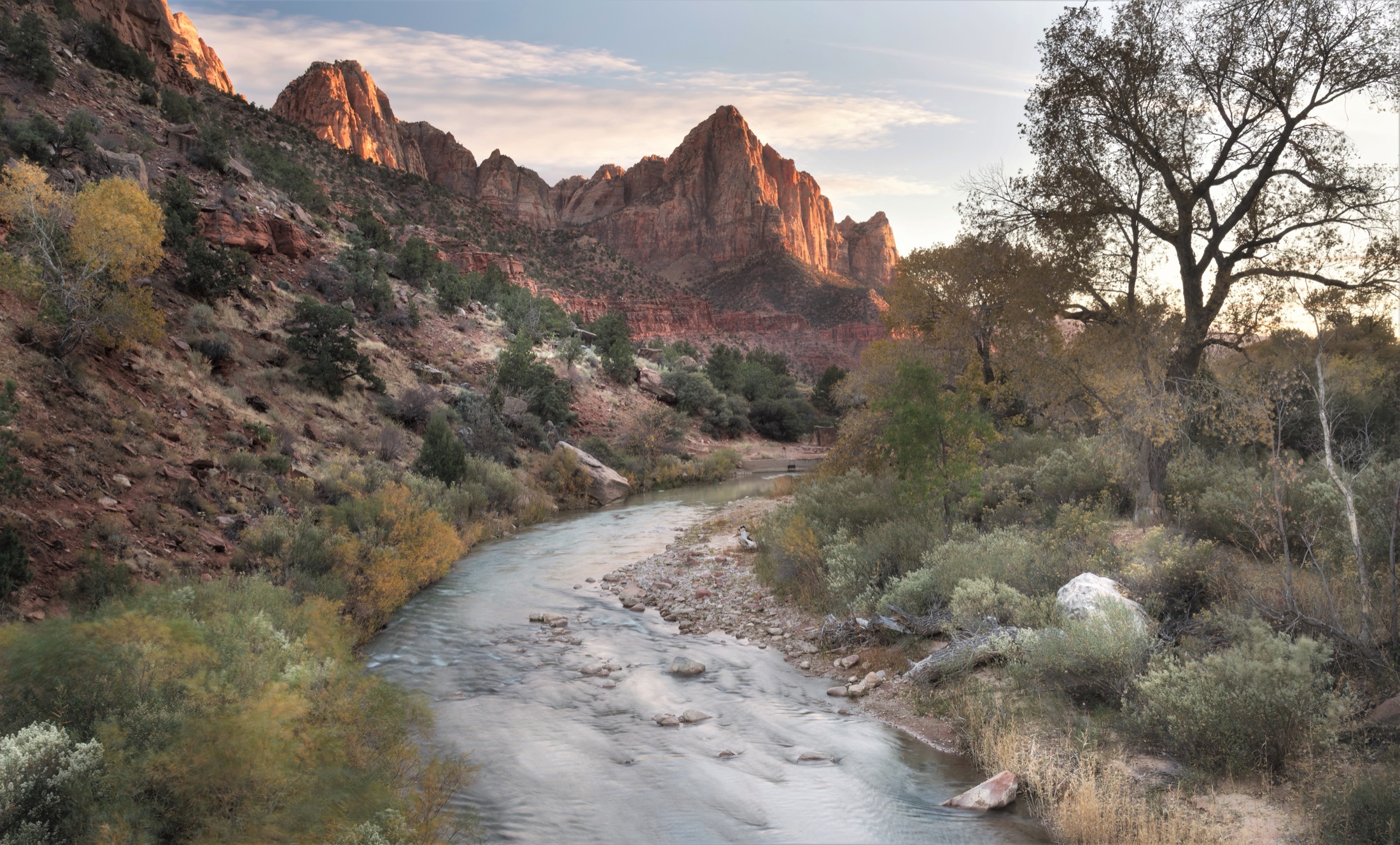
Leg 1: the dramatic openerZion
- Best for
- Day 1 to 2, canyon hikes, and shuttle-based mornings from Springdale
- Watch
- A mandatory canyon shuttle runs spring through fall, so park in Springdale and ride in. Angels Landing needs a separate permit lottery.
Zion is the natural first stop from Las Vegas, about 2.5 hours away. Give it two nights so you can ride the canyon shuttle, walk the Narrows or Emerald Pools, and still have a rim hike before moving on.
Open the Zion guide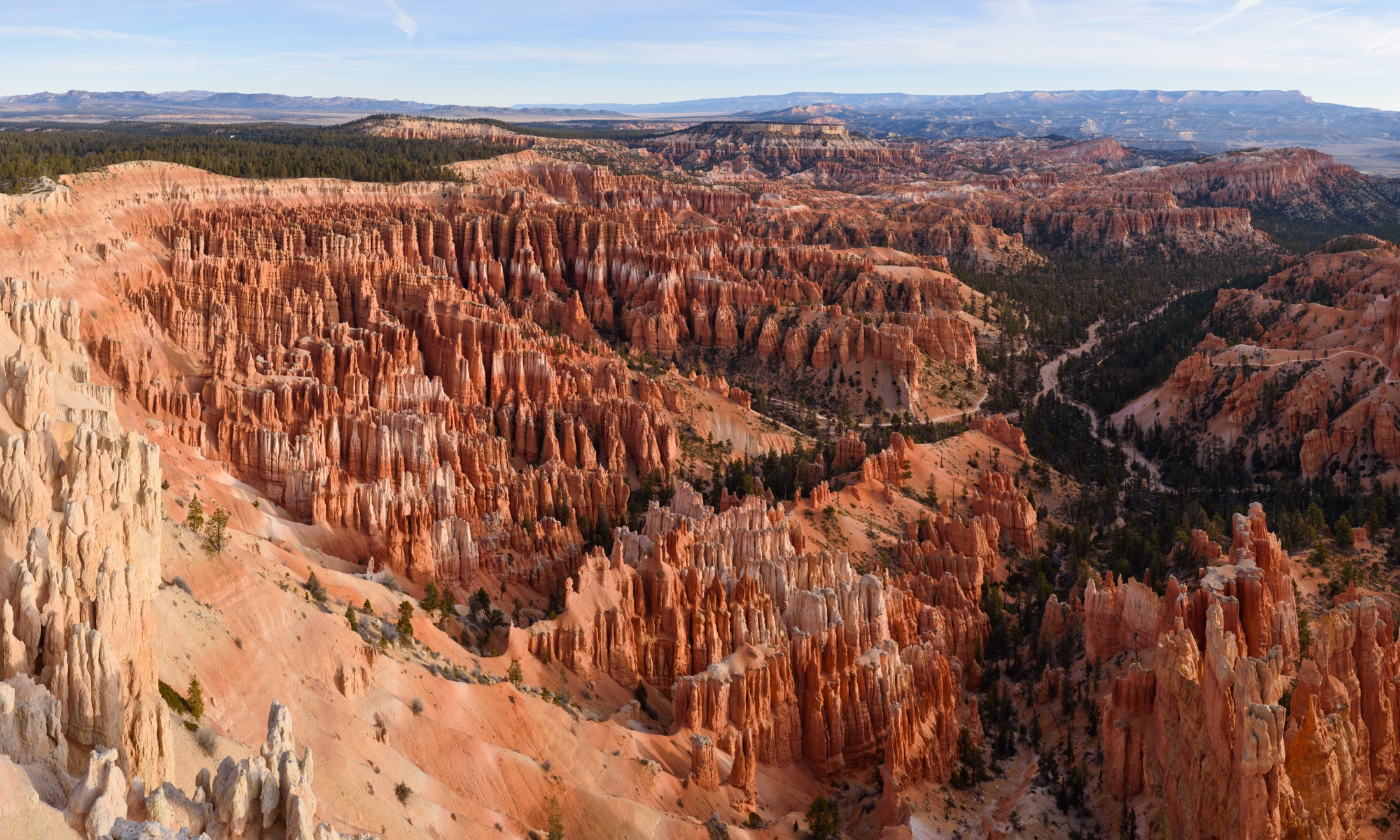 Leg 2: the high rim
Bryce Canyon
- Best for
- Day 3, sunrise over the hoodoos, and the Navajo Loop
- Watch
- The high elevation means cold mornings and possible snow into spring. Pack a warm layer even when Zion was hot.
Bryce is a short 1.5 to 2 hour hop from Zion and sits much higher, near 8,000 feet. One full day covers the rim viewpoints and the Navajo and Queens Garden loop down among the hoodoos.
Open the Bryce Canyon guide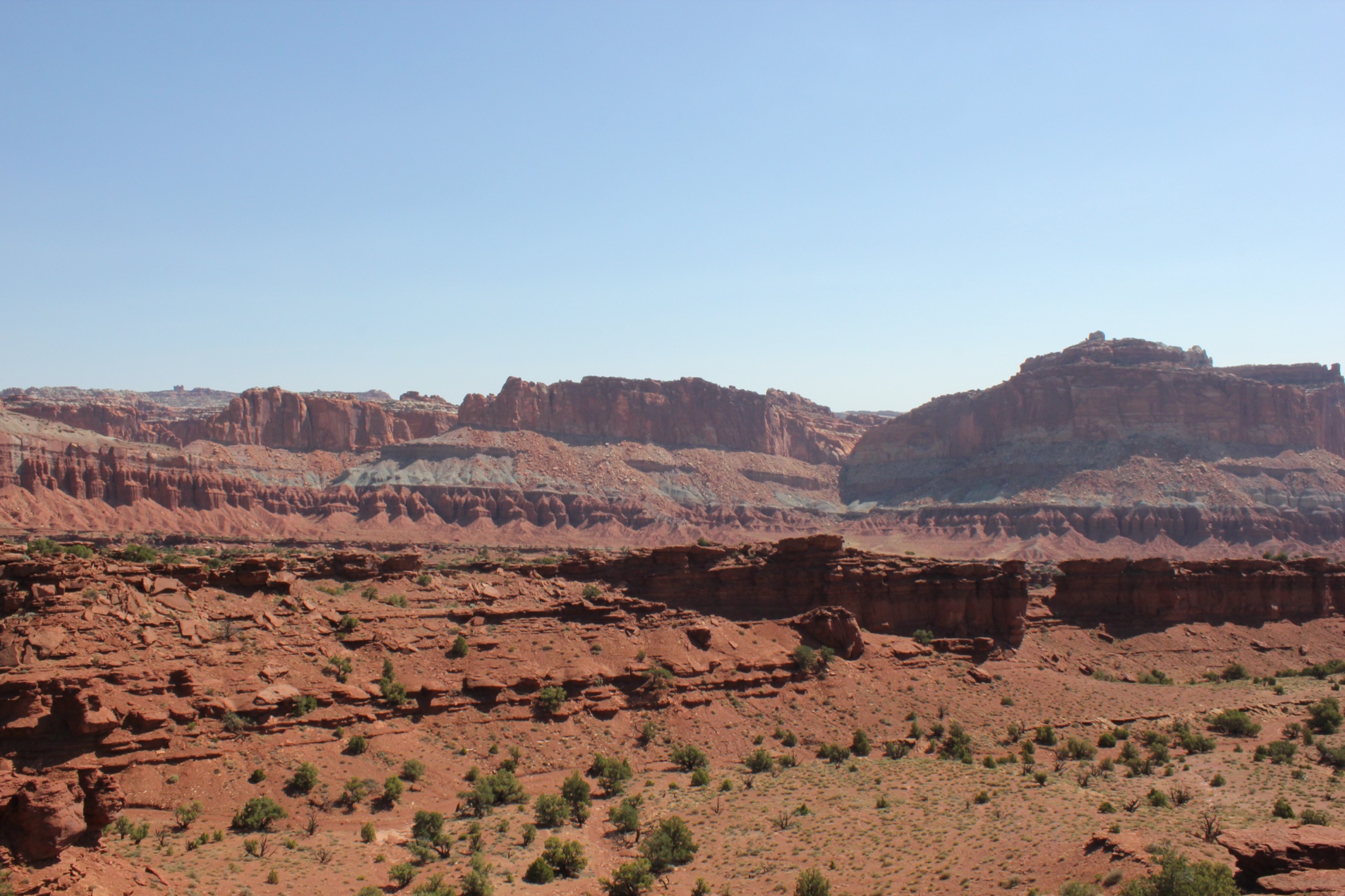 Leg 3: the quiet middle
Capitol Reef
- Best for
- Day 4, Scenic Byway 12, orchards, and the Capitol Reef scenic drive
- Watch
- Services thin out through this stretch, so fuel up and carry water. Check road and flash-flood conditions before any backcountry drive.
The drive from Bryce to Capitol Reef on Scenic Byway 12 is one of the best in the country, so treat it as part of the experience. Capitol Reef itself is the least crowded of the five and works well as a one-night reset.
Open the Capitol Reef guide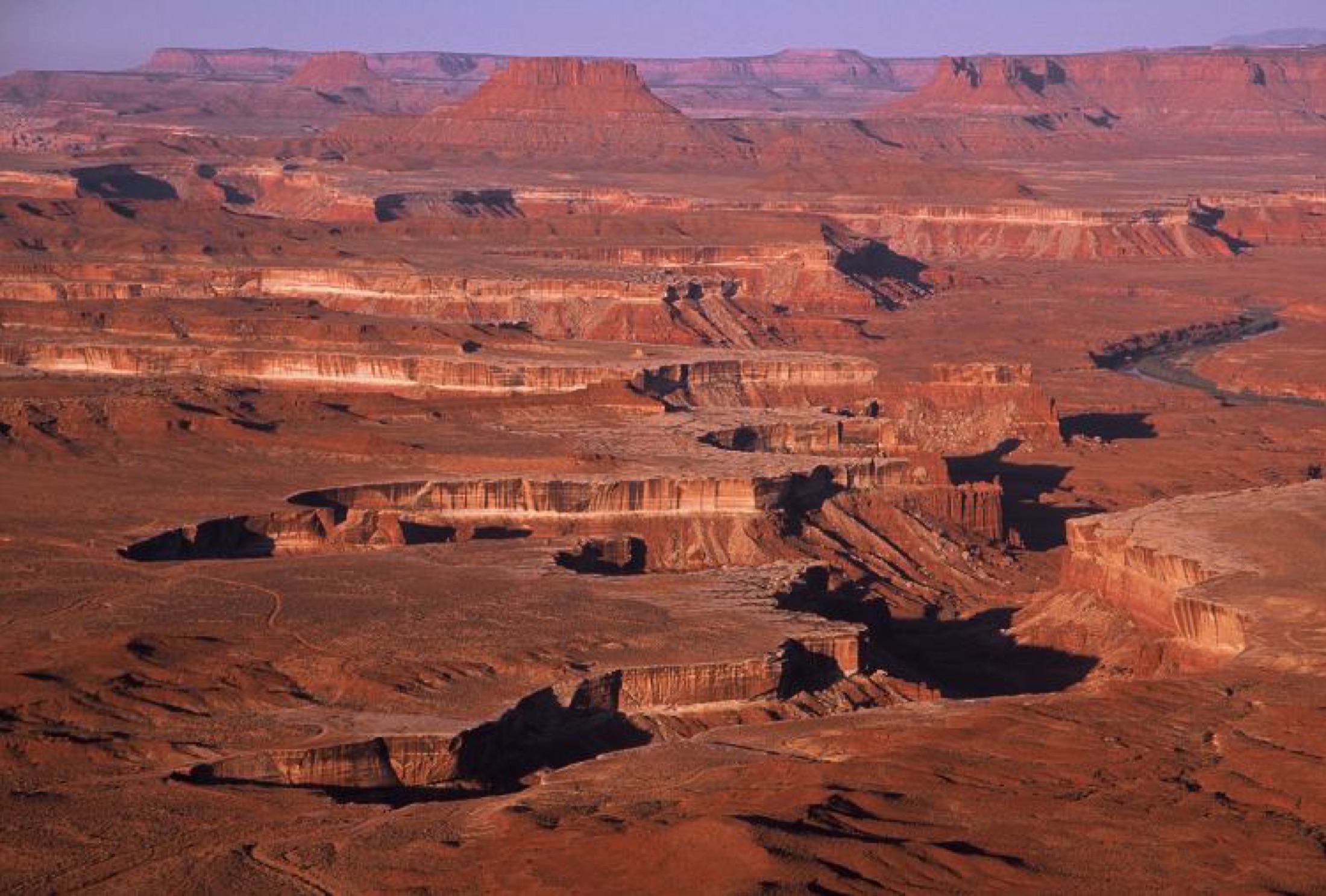 Leg 4: the big-sky overlooks
Canyonlands
- Best for
- Day 5 to 6, Island in the Sky, Mesa Arch sunrise, and Grand View Point
- Watch
- Island in the Sky has almost no water and big exposure. The Needles and Maze districts are far separate drives, not a quick add-on.
From Torrey it is about 2.5 hours to Moab, your base for the last two parks. Canyonlands' Island in the Sky district delivers vast canyon overlooks with short walks, ideal after several active days.
Open the Canyonlands guide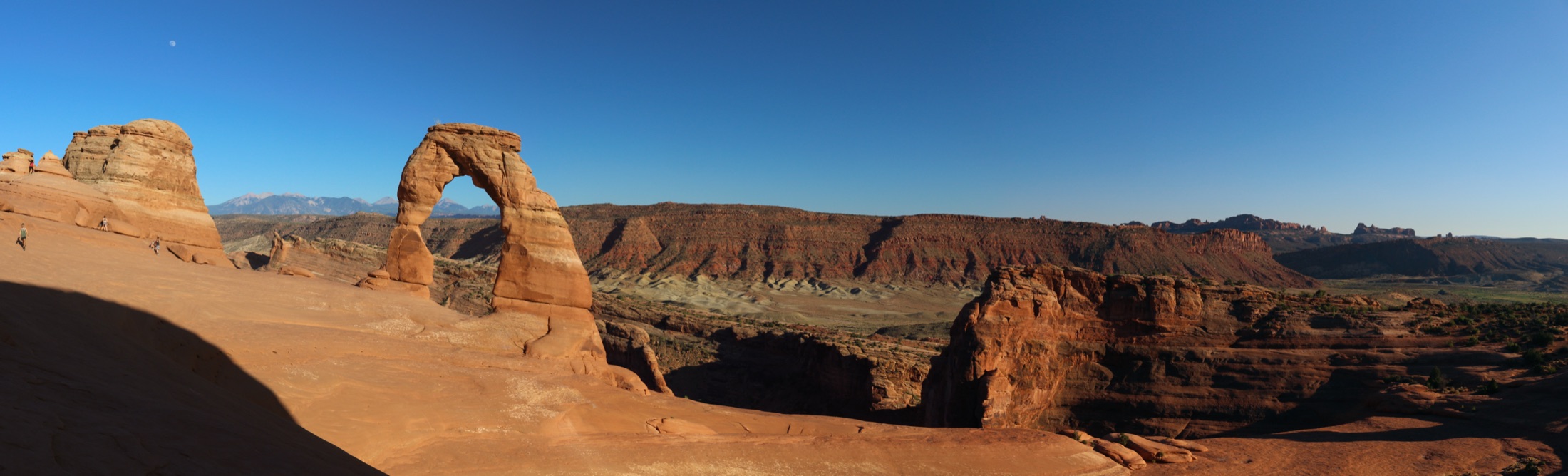 Leg 5: the grand finale
Arches
- Best for
- Day 6 to 7, Delicate Arch, Windows, and Devils Garden
- Watch
- Summer heat and midday parking are the real constraints. Check the park's current entry rules before arrival, since seasonal timed-entry systems have come and gone.
Arches sits just 45 minutes from Canyonlands, both reached from Moab, so you can split your Moab nights between the two. Delicate Arch at sunset and the Windows section are the signature stops.
Open the Arches guidePlanning notes
Drive it west to east and fly out a different airport
Fly into Las Vegas for the Zion end and out of Salt Lake City (about 4 hours from Moab) or Grand Junction (about 1.5 hours from Moab). A one-way rental and a loop direction means no backtracking across the state.
Base in Springdale and Moab, and book them first
These two towns anchor the route and fill earliest. Lock Springdale for Zion and Moab for the Canyonlands and Arches pair before you fine-tune the middle nights in Bryce and Torrey.
Treat Scenic Byway 12 as a destination
The Bryce to Capitol Reef leg is a highlight, not a transfer to power through. Give the day room for overlooks and the climb over Boulder Mountain rather than scheduling a long hike on both ends.
Time it for spring or fall and check current entry rules
April to May and September to October are the comfortable windows. Reservation and timed-entry systems at the Utah parks change year to year, so confirm each park's current rules on its official page before you finalize the order.
Frequently asked questions
How many days do you need for the Utah Mighty 5?
Plan 7 to 10 days to do all five Utah national parks without rushing. With less time, a strong trip is Zion, Bryce Canyon, and Arches in 4 to 5 days. The full loop covers roughly 700 to 800 miles, so the days fill with driving as well as hiking.
What is the best order for a Utah Mighty 5 road trip?
The most efficient order is west to east: Zion, Bryce Canyon, Capitol Reef, Canyonlands, and Arches, ending in Moab. Fly into Las Vegas and out of Salt Lake City or Grand Junction so you never backtrack across southern Utah.
When is the best time to drive the Utah Mighty 5?
Spring (April to May) and fall (September to October) are the most comfortable. Summer is very hot in Zion, Arches, and Canyonlands, while Bryce Canyon sits high enough to hold snow into spring, so pack layers for the elevation swings.
Pack and plan this trip
Gear keyed to what these parks are for, the tools to size your days and budget, and explainers worth a read before you go.
What to pack
Plan with our tools
More trip planning paths
Season guide
Best National Parks for Fall Foliage
A researched shortlist of national parks with genuine fall color, with peak timing windows, crowd notes, and what to pack for cold mornings.
Open guideSeason guide
Best National Parks in October
A researched shortlist of national parks that make sense in October, with fall weather, crowd, route, and packing notes.
Open guideTrip style guide
Best National Parks for First Timers
The best national parks for a first trip, chosen for simple access, clear highlights, flexible lodging, and strong payoff without expert-level planning.
Open guide