Destinations
Minnesota outdoors
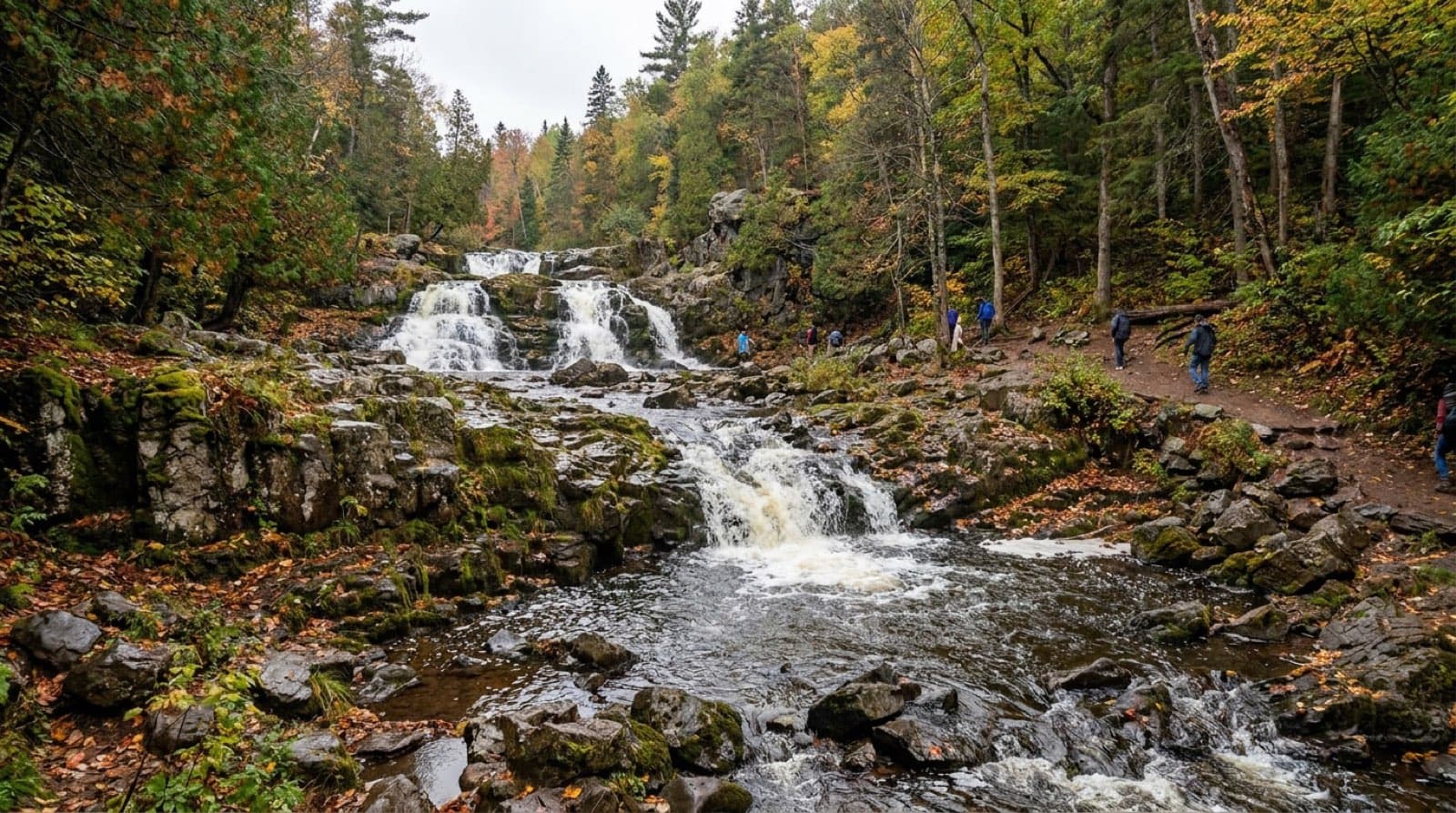
Minnesota is canoe country and Lake Superior shoreline: paddle the Boundary Waters, chase North Shore waterfalls, and watch the northern lights up north.
Top parks in Minnesota
See all 71 parks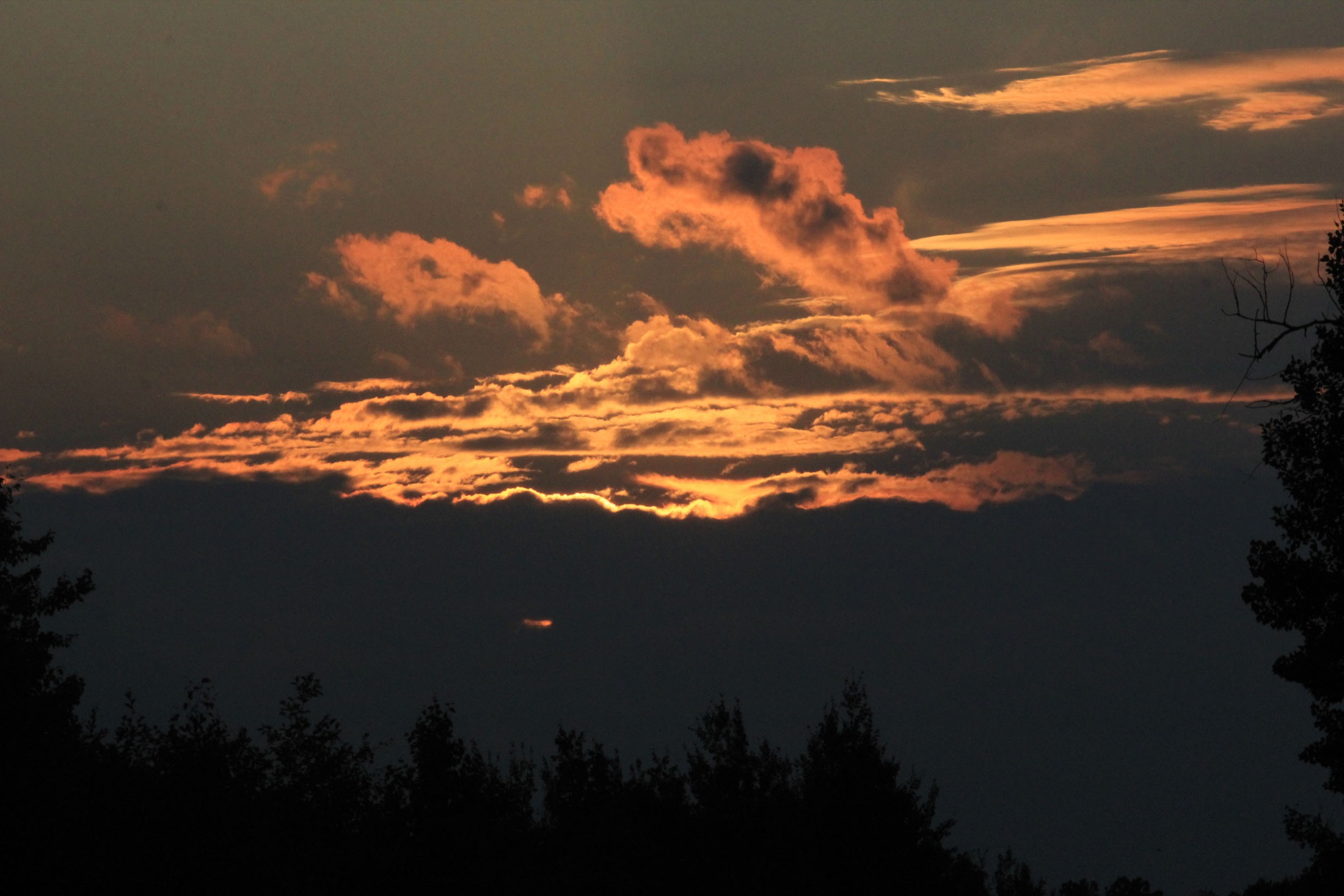
Voyageurs
A water-based park in northern Minnesota where you explore by boat, not by car, with some of the darkest skies in the Midwest.
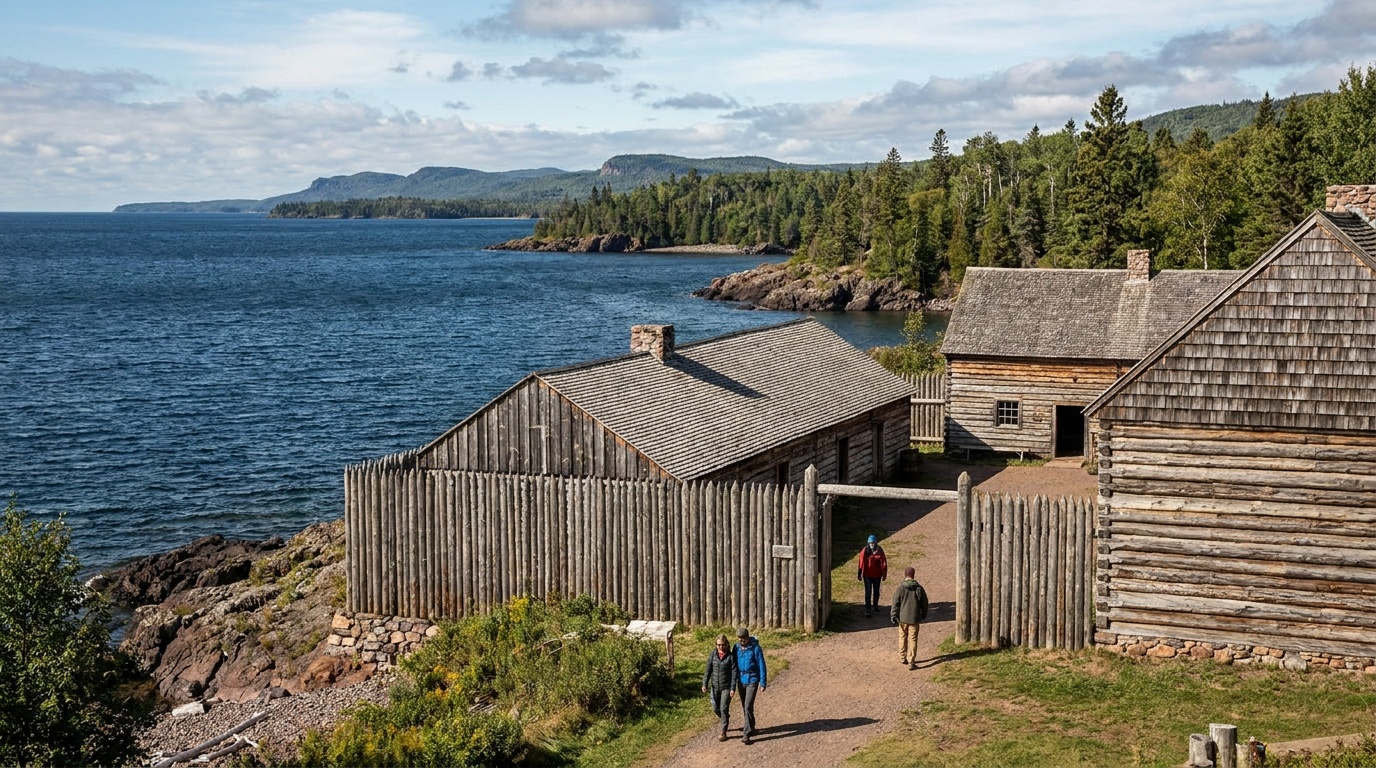
Grand Portage National Monument
A reconstructed North West Company fur-trade depot on Lake Superior and the 8.5-mile Grand Portage trail, preserving Anishinaabe Ojibwe heritage on the far northeast tip of Minnesota.
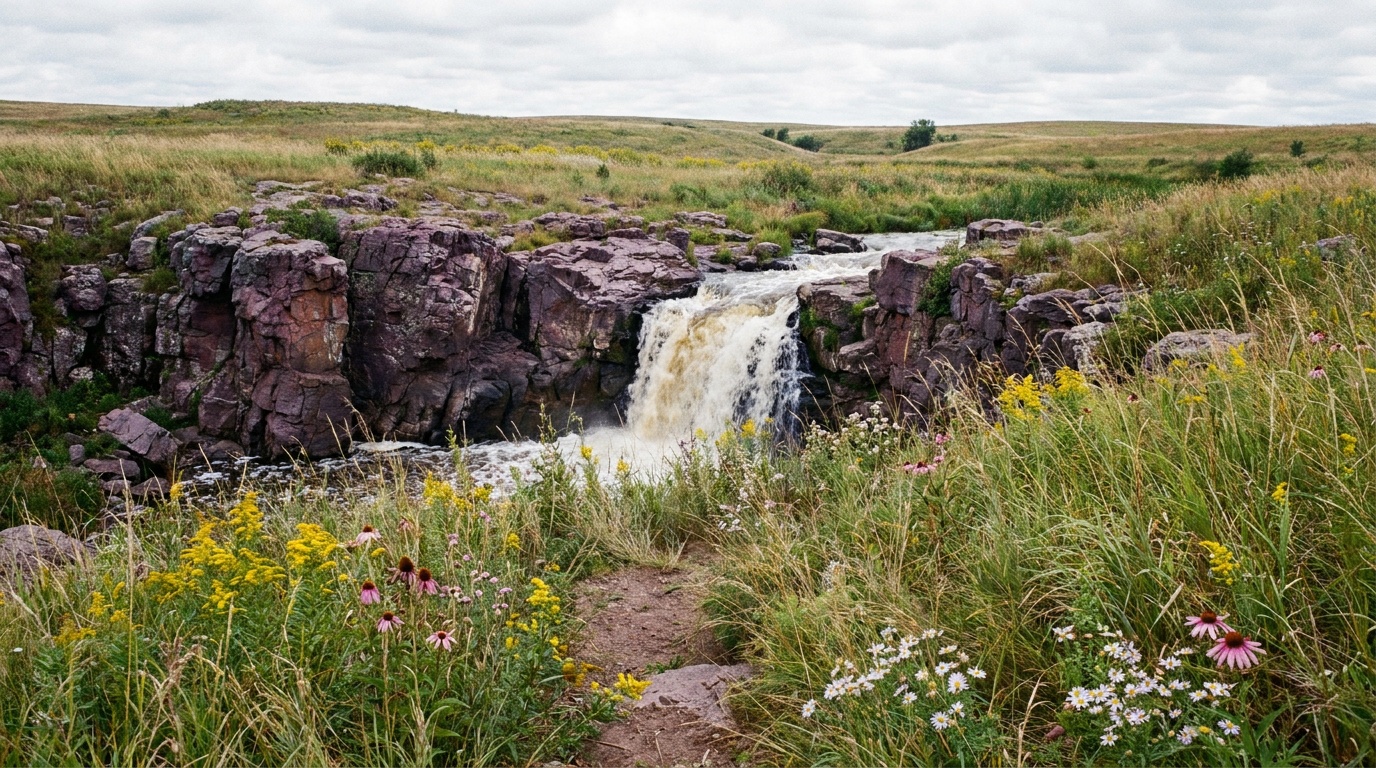
Pipestone National Monument
A sacred quarry on the Minnesota prairie where Native Americans have mined soft red pipestone for sacred pipes for more than 3,000 years, still quarried today.
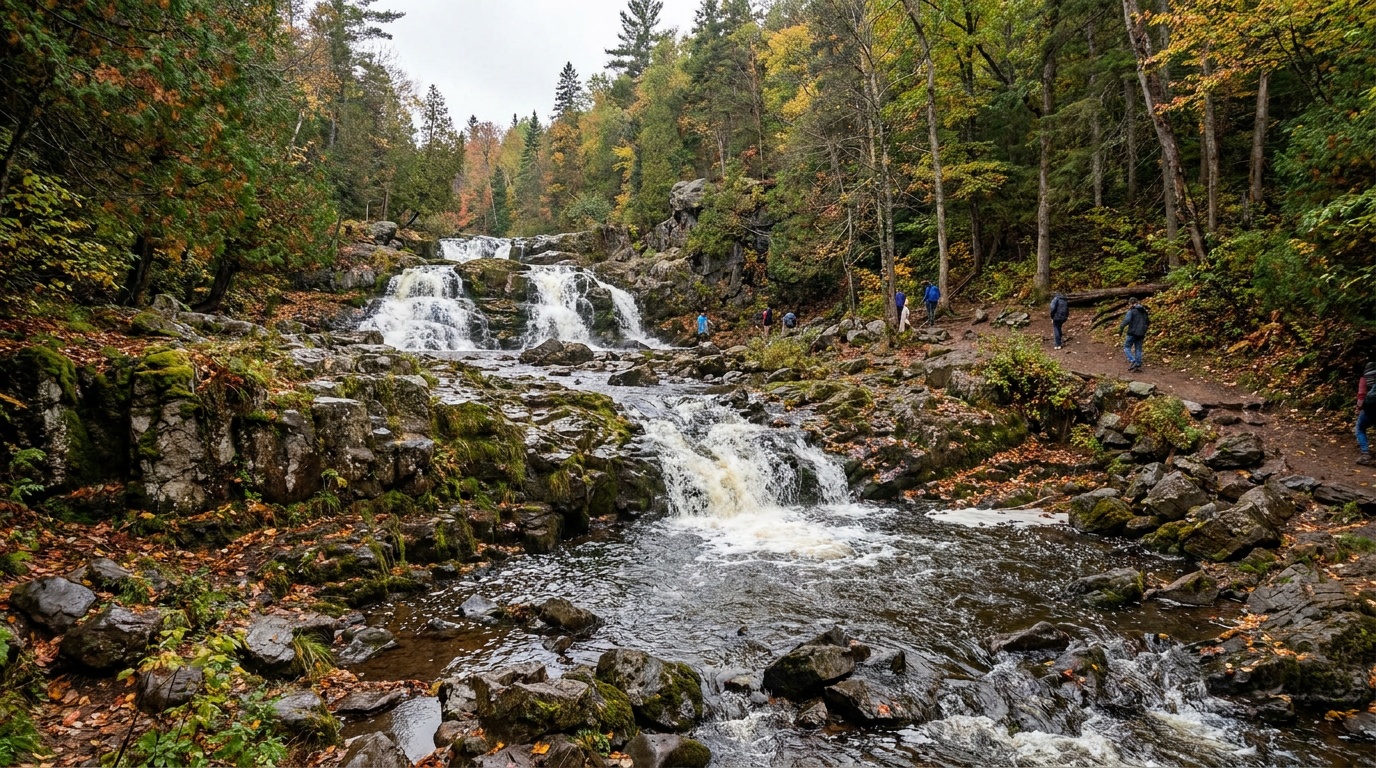
Gooseberry Falls State Park
The gateway to Minnesota's North Shore: the Upper, Middle, and Lower Falls of the Gooseberry River, the Gitchi-Gami bike trail, Lake Superior shoreline, and a wooded campground.
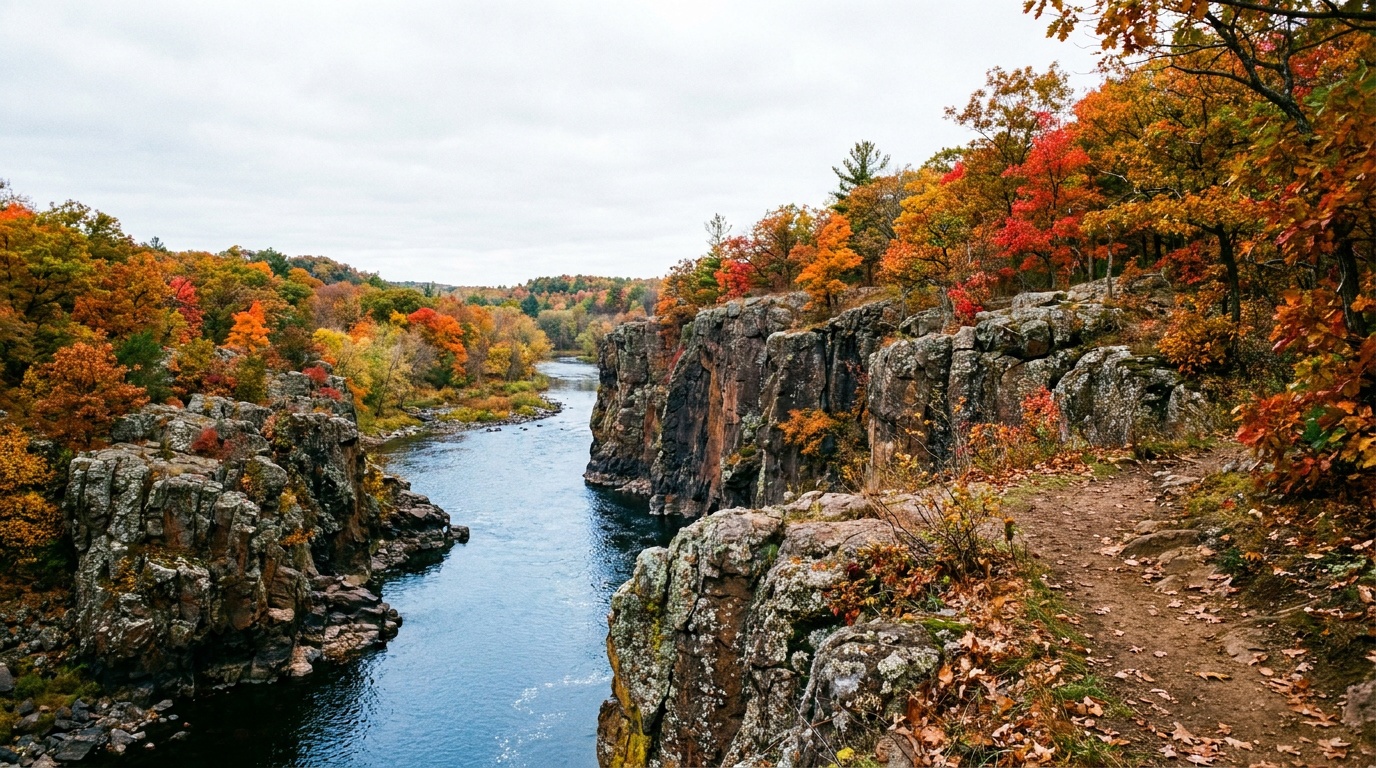
Interstate State Park
The Dalles of the St. Croix at Taylors Falls: deep basalt cliffs, the world's deepest known glacial potholes, riverboat tours, and reservable camping above the gorge.
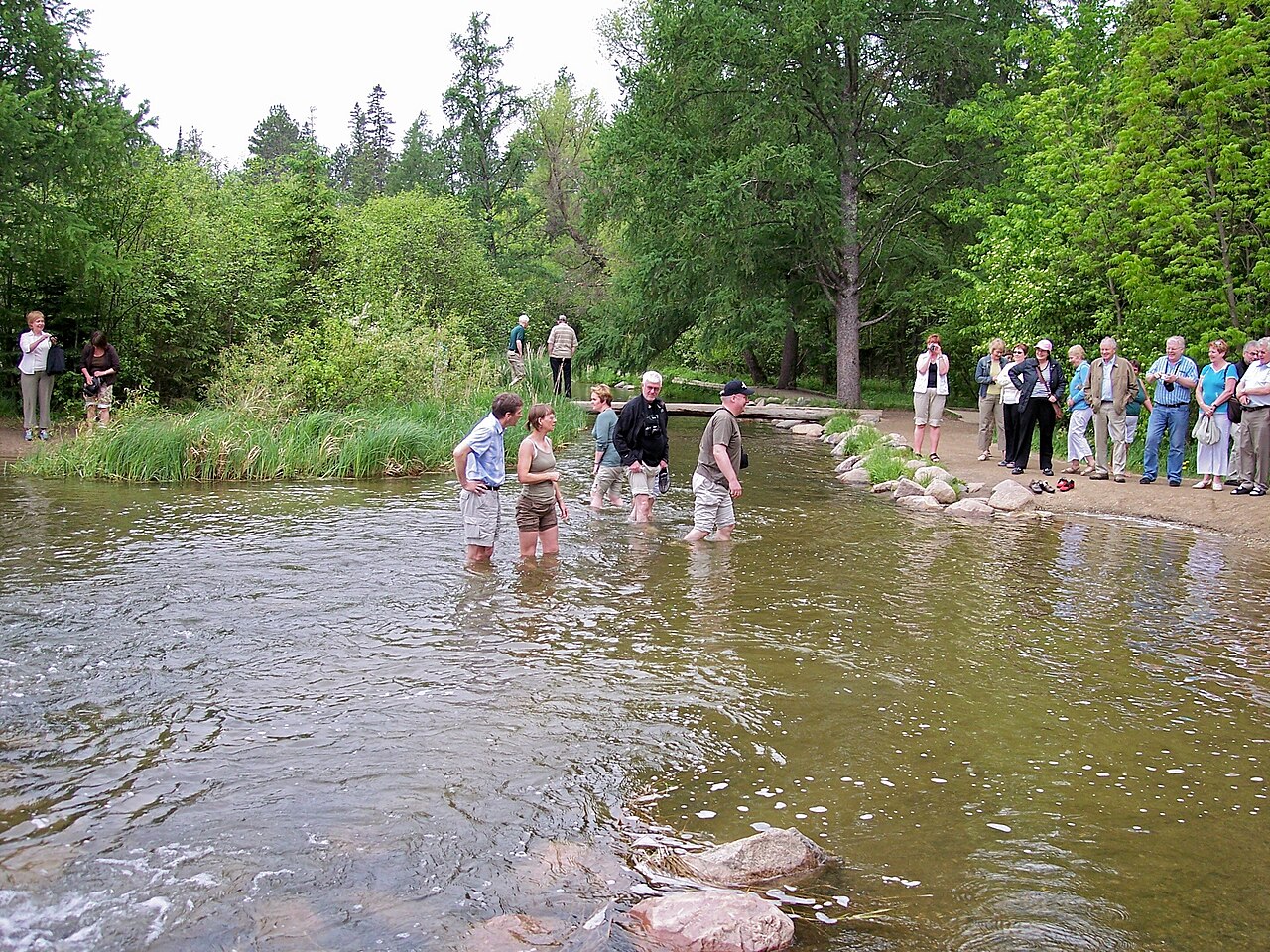
Itasca State Park
Minnesota's Mississippi headwaters park, with lake-country camping, cabins, bike paths, old pines, and reservation-required stays.
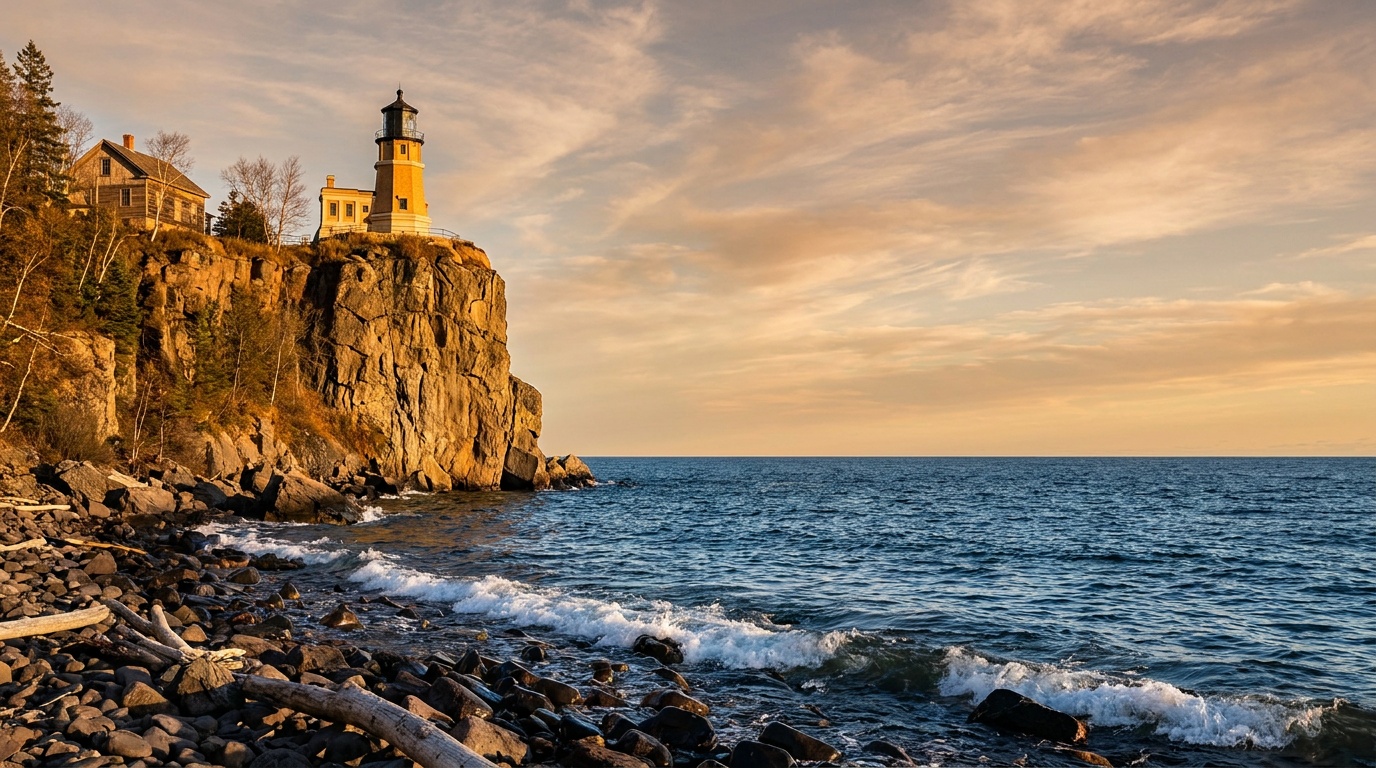
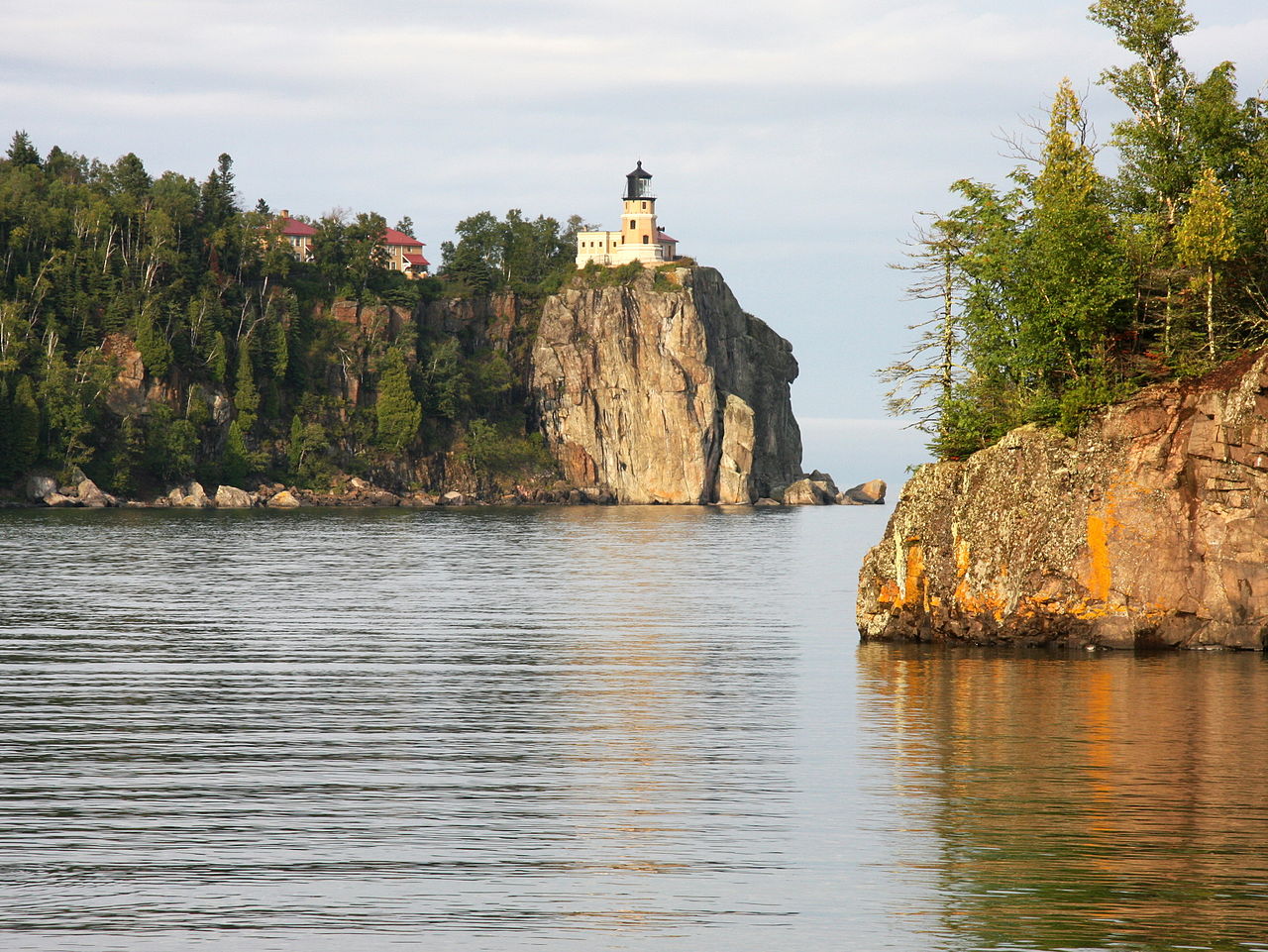
Split Rock Lighthouse State Park
A North Shore landmark park: the iconic cliff-top lighthouse, Lake Superior shoreline, Little Two Harbors, cart-in and backpack camping, and Gitchi-Gami Trail miles.
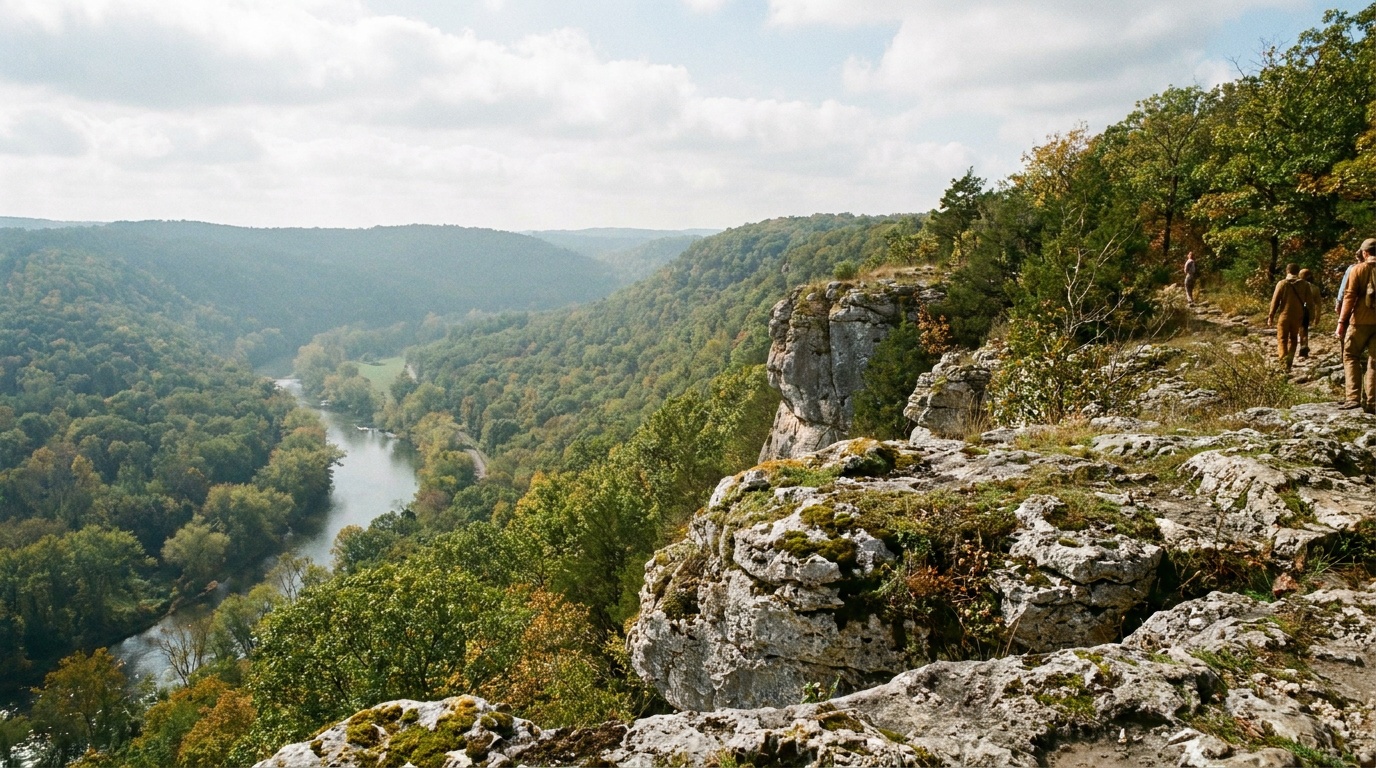
Whitewater State Park
A bluff-country trout-stream park in southeast Minnesota: Chimney Rock and Coyote Point overlooks, limestone valleys, swimming, and a busy campground.

Afton State Park
Grand oaks and delicate prairie flowers grace the rugged, rolling landscape of this park.
Planning a Minnesota trip
Minnesota is one of the best states in the country for water and woods. Up north you get canoe country at its purest: the Boundary Waters Canoe Area Wilderness, a million-plus acres of linked lakes and portages where you paddle and camp for days without a road in sight. Along Lake Superior, the North Shore stacks one state park against the next, with waterfalls, basalt cliffs, and the Superior Hiking Trail running the spine of it. And on the Canadian border, the state's lone national park is a place you explore largely by boat, where summer nights can light up with the aurora.
If you want a short list of where to point yourself, start on the North Shore. Gooseberry Falls is the easy crowd-pleaser, with multiple waterfalls a short walk from the parking lot. Tettegouche and Temperance River add bigger cliffs, deeper gorges, and tougher trails. Split Rock Lighthouse State Park gives you the postcard lighthouse on a cliff over the lake. For wilderness, Ely is the classic jumping-off town for the Boundary Waters, where outfitters set you up with canoes and routes for any skill level.
Summer (June through August) is the heart of the season: warm days, swimmable lakes, and every visitor center and outfitter open. Expect daytime highs in the 70s F and 80s F, and pack bug protection, because June and early July bring mosquitoes and biting flies. Late July into mid-August gives you the warmest water and fewer bugs. Fall is the quiet favorite: North Shore foliage peaks from mid-September into early October, earlier than most people expect, with crisp air and thinner crowds. Spring is short but dramatic, when snowmelt sends the waterfalls roaring. Winter turns the north into ski, snowshoe, and snowmobile country, with the best odds for northern lights.
The packing through-line is layers and water-readiness. Even summer mornings on Lake Superior run cool, the wind off the water has a bite, and weather shifts fast, so a warm midlayer and a rain shell earn their place year-round. Add sturdy trail shoes for rooty, rocky North Shore paths, real bug protection for early summer, and quick-drying clothing if you are paddling. In fall and spring, treat it like cold-weather hiking and bring an insulated layer and a hat.
Getting around Minnesota
Most trips start in the Twin Cities. Minneapolis-Saint Paul International (MSP) is the main air hub and the cheapest, most-connected way in. Duluth has a smaller regional airport that puts you closer to the North Shore and the northwoods, and International Falls has a small airport right at the Canadian border near the national park, though flights are limited.
Driving is how you actually see Minnesota, and the distances are real once you head north. From Minneapolis, Duluth is about 2.5 hours up Interstate 35. From Duluth, Highway 61 runs the North Shore, with Gooseberry Falls roughly 45 minutes north and Grand Marais about 110 miles (around 2 hours) further on. For the Boundary Waters, Ely is the classic base: plan on about 4 to 5 hours from the Twin Cities, or roughly 2 hours from Duluth. The national park sits on the border near International Falls, about 4.5 to 5 hours from Minneapolis and a few hours northwest of Ely.
A common loop is to fly into MSP, drive up to Duluth, work your way along the North Shore, then cut inland toward Ely or the border. Roads are good and well signed, but services thin out fast up north, so fuel up in towns and do not count on cell coverage deep in canoe country. In winter, check road and ice conditions before heading into the far north.
All 8 Minnesota park guides
State park directory
Every Minnesota state park
A source-backed inventory layer for planning breadth. Full Kit Authority guides are marked when a park has camping detail, rules, and packing notes; the rest link straight to the official page. Looking for rail trails and state trails? They have their own Trail Guide.
71 parks
5 full guides · 69 with photos
Gooseberry Falls State Park
State Park
Gooseberry Falls is the gateway to the North Shore.
- Camping
- Hiking
- Picnicking
- Wildlife Viewing
Minnesota DNR
Full guideInterstate State Park
State Park
There is so much to do at Interstate State Park, located on the beautiful St. Croix River.
- Camping
- Hiking
- Fishing
- Boating
Minnesota DNR
Full guideItasca State Park
State Park
Established in 1891, Itasca is Minnesota's oldest state park.
- Camping
- Fishing
- Historic Site
Minnesota DNR
Full guideSplit Rock Lighthouse State Park
State Park
Set on the North Shore of Lake Superior and known for its historic lighthouse, the park offers cart-in lakeside campsites and trails linking to the Superior Hiking Trail.
- Camping
- Hiking
- Fishing
- Historic Site
Minnesota DNR
Full guideWhitewater State Park
State Park
A popular southeastern park of limestone bluffs and ravines, with trout fishing on the spring-fed Whitewater River, a sandy swimming beach, and a year-round visitor center.
- Camping
- Cabins
- Hiking
- Fishing
Minnesota DNR
Full guideAfton State Park
State Park
Grand oaks and delicate prairie flowers grace the rugged, rolling landscape of this park.
- Camping
- Hiking
- Backpacking
- Fishing
Minnesota DNR
Official pageBanning State Park
State Park
Treat yourself to a visit to Banning State Park, just minutes off I-35 near Sandstone.
- Camping
- Hiking
- Picnicking
- Paddling
Minnesota DNR
Official pageBear Head Lake State Park
State Park
Secluded in the Northwoods, this park contains pristine lakes; it is home to black bears, nesting eagles, wolves and moose.
- Camping
- Cabins
- Hiking
- Fishing
Minnesota DNR
Official pageBeaver Creek Valley State Park
State Park
Nestled in the blufflands of southeastern Minnesota, Beaver Creek Valley State Park is known for its clear streams fed by the "Big Spring."
- Camping
- Hiking
- Fishing
- Wildlife Viewing
Minnesota DNR
Official pageBig Bog State Recreation Area
State Recreation Area
Big Bog State Recreation Area has been called Minnesota's last true wilderness.
- Camping
- Cabins
- Fishing
- Swimming
Minnesota DNR
Official pageBig Stone Lake State Park
State Park
Big Stone Lake is 26 miles long and is located on the South Dakota-Minnesota border.
- Camping
- Hiking
- Fishing
- Boating
Minnesota DNR
Official pageBlue Mounds State Park
State Park
Blue Mounds State Park is full of natural surprises.
- Camping
- Hiking
- Wildlife Viewing
- Climbing
Minnesota DNR
Official pageCamden State Park
State Park
Camden State Park offers much for visitors to enjoy.
- Camping
- Hiking
- Fishing
- Swimming
Minnesota DNR
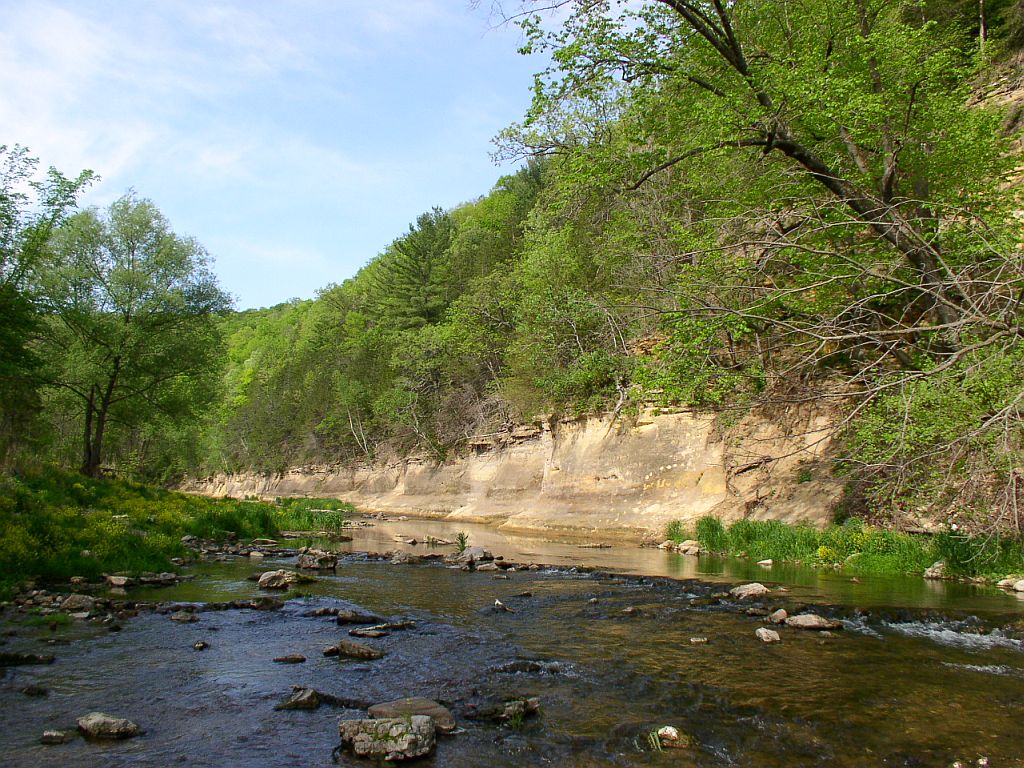
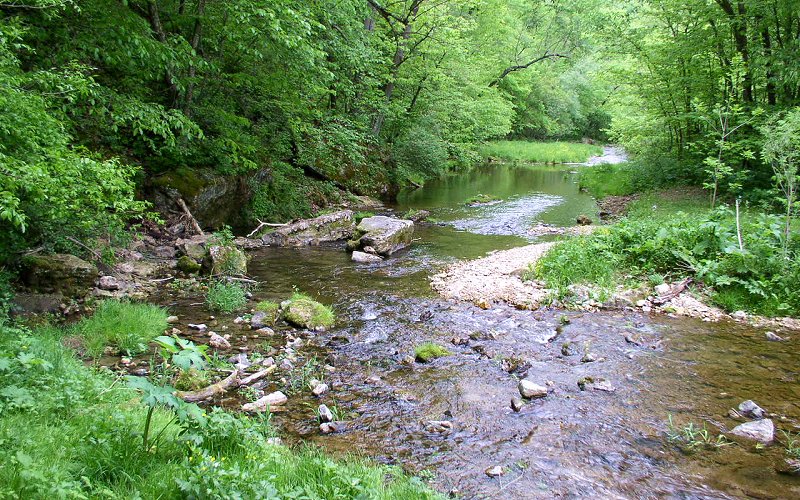
Official page No machine-readable author provided. Jonathunder assumed (based on copyright claims). / CC BY-SA 3.0
Carley State Park
State Park
Beauty and quiet, that is the essence of Carley State Park.
- Camping
- Hiking
- Fishing
- Picnicking
Minnesota DNR
Official pageCascade River State Park
State Park
Come to Cascade for the rushing river and grand waterfalls that lay within a gorge, lush with moss and ferns that grow on black volcanic rocks.
- Camping
- Hiking
- Backpacking
- Fishing
Minnesota DNR
Official pageCharles A. Lindbergh State Park
State Park
Located on the Mississippi River, Charles A. Lindbergh State Park offers visitors a wooded campground, hiking and skiing trails, and a quaint picnic area.
- Camping
- Hiking
- Fishing
- Picnicking
Minnesota DNR
Official pageCrow Wing State Park
State Park
This is a nature lover's delight.
- Camping
- Hiking
- Fishing
- Wildlife Viewing
Minnesota DNR
Official pageCuyuna Country State Recreation Area
State Recreation Area
Former mining pits and rock stockpiles abandoned over 30 years ago now hold regenerated vegetation and clear lakes that draw a wide range of recreation enthusiasts.
- Camping
- Cabins
- Fishing
- Boating
Minnesota DNR
Official pageFather Hennepin State Park
State Park
Father Hennepin State Park is located on the southeast shore of Mille Lacs Lake.
- Camping
- Hiking
- Fishing
- Boating
Minnesota DNR
Official pageFlandrau State Park
State Park
The gentle flowing Big Cottonwood River meanders through this southern park.
- Camping
- Hiking
- Swimming
- Picnicking
Minnesota DNR
Official pageForestville/Mystery Cave State Park
State Park
Visit Forestville/Mystery Cave State Park to see natural wonders above and below ground.
- Camping
- Hiking
- Fishing
- Horseback Riding
Minnesota DNR
Official pageFort Ridgely State Park
State Park
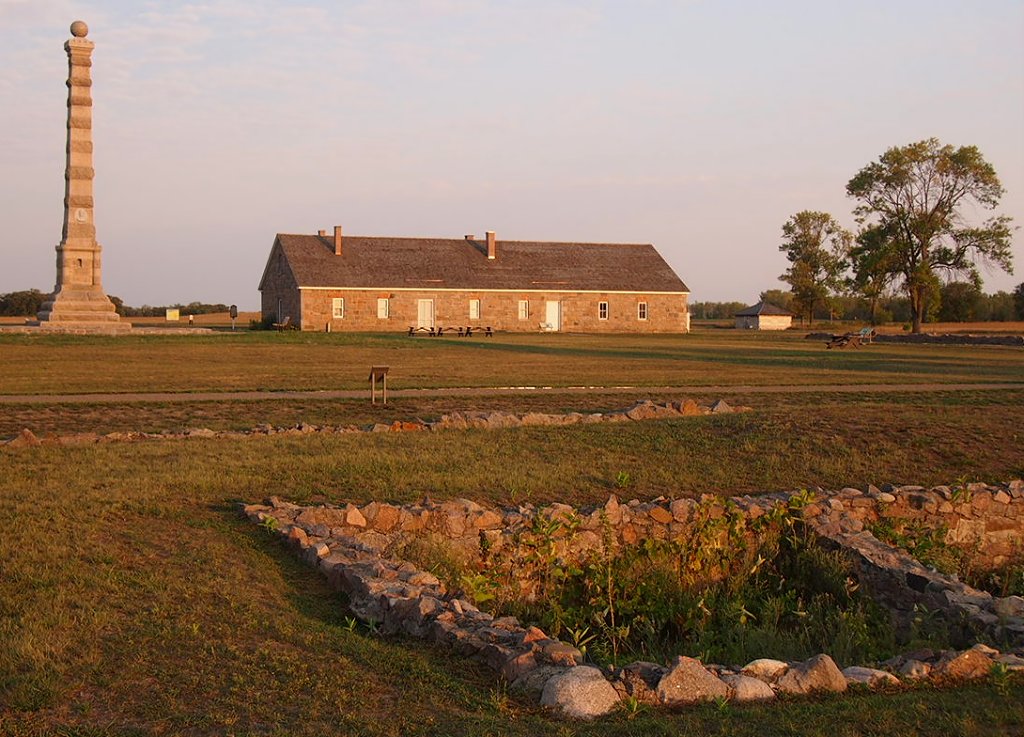
Tour Historic Fort Ridgely and wander through the ruins of this once thriving outpost.
- Camping
- Hiking
- Fishing
- Horseback Riding
Minnesota DNR
Official pageFort Snelling State Park
State Park
Located in the heart of the Twin Cities, this park offers extensive hiking, bike, snowshoe, and ski trails that link to an extensive regional trail system.
- Camping
- Hiking
- Fishing
- Swimming
Minnesota DNR
Official pageFranz Jevne State Park
State Park
Secluded and peaceful, this park offers picturesque views of Ontario and the Rainy River.
- Camping
- Hiking
- Fishing
- Boating
Minnesota DNR
Official page



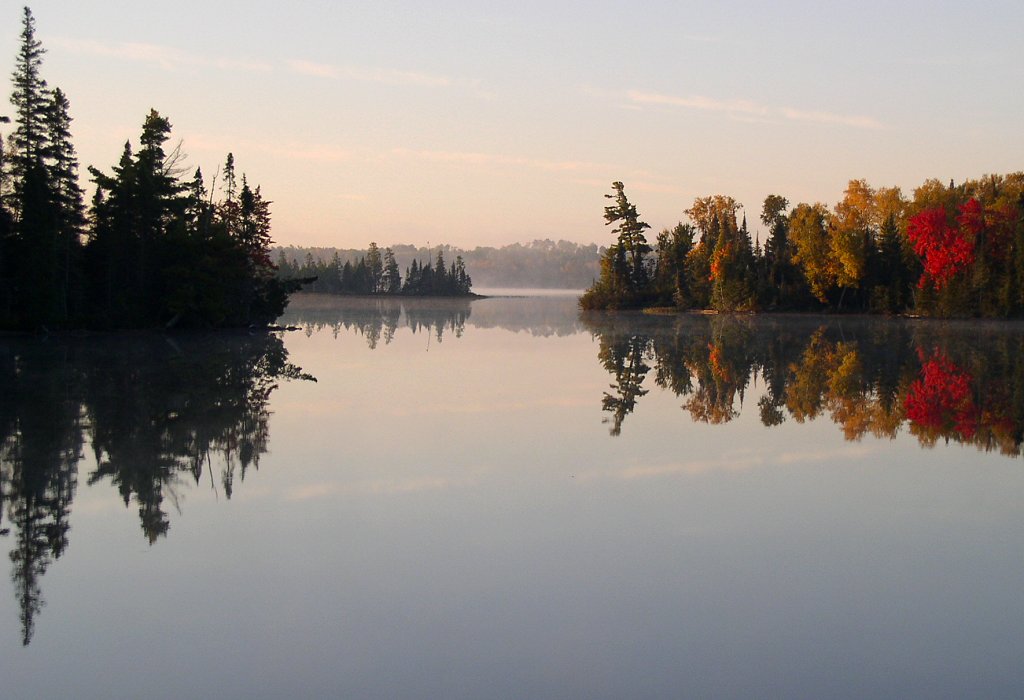






Inventory source: USGS PAD-US 4.1. Photos are public-domain or Creative Commons via Wikimedia Commons, credited per image. Official reservations and rules remain state-specific, so use the state booking links before committing to dates.
Native plants of Minnesota
Minnesota's parks preserve real tallgrass prairie alongside north-woods lakeshore, and the prairie natives are the stars: big grasses and late-summer composites that also happen to be some of the toughest garden plants in the Upper Midwest.
Showy lady's slipper
Cypripedium reginae
The state flower, a pink-and-white orchid of tamarack swamps and wet ditches in late June. Protected by state law, so enjoy it where it grows.
Big bluestem
Andropogon gerardii
The head-high signature grass of the tallgrass prairie, its seed heads shaped like turkey feet.
A tall, drought-proof screen grass. Grow itPrairie blazing star
Liatris pycnostachya
Purple spires above the July prairie, worked constantly by monarchs.
A vertical accent butterflies swarm. Grow itGray-headed coneflower
Ratibida pinnata
Drooping yellow petals nodding across every restored prairie in the state.
An easy, generous prairie perennial. Grow itCommon sneezeweed
Helenium autumnale
Yellow button-centered daisies along lakeshores and wet meadows into October.
Late color for a damp, sunny spot. Grow itCutleaf coneflower
Rudbeckia laciniata
Towering yellow composites in floodplain forest openings and streambanks.
Back-of-border height in moist soil. Grow itCanada wild rye
Elymus canadensis
Arching, wheat-like seed heads on prairie edges and sand savannas.
A quick-establishing native cover grass. Grow itCommon ninebark
Physocarpus opulifolius
Peeling bark and white June bloom on riverbanks and rocky north-woods shores.
A hardy shrub with four-season interest. Grow it
Grow-at-home guides for these come from our sister site, Sprout Authority.
Frequently asked questions
When is the best time to visit Minnesota's parks?
Summer, roughly June through August, is the main season, with warm days in the 70s F and 80s F, swimmable lakes, and everything open. Late July into mid-August brings the warmest water and fewer bugs, since June and early July can be heavy on mosquitoes. Fall is a quiet favorite for North Shore color, which peaks from mid-September into early October.
What is the best national park in Minnesota?
Minnesota's national park sits on the Canadian border and is built around water, so you experience most of it by boat, canoe, or kayak across its big interconnected lakes. Summer is best for paddling, boating, and fishing, while winter opens up snowmobiling, cross-country skiing, ice fishing, and some of the state's best odds for seeing the northern lights. It pairs naturally with a Boundary Waters or North Shore trip.
Do I need a permit to paddle the Boundary Waters?
Yes. Overnight trips into the Boundary Waters Canoe Area Wilderness require a permit, and the popular summer entry points fill up, so reserve well ahead. Local outfitters in towns like Ely can handle permits, gear, and route planning, which is the easiest path if it is your first trip.
What should I pack for a Minnesota outdoor trip?
Pack for layers and changeable weather even in summer, since mornings and the wind off Lake Superior run cool. Bring a warm midlayer, a rain shell, sturdy trail shoes for rocky North Shore trails, and strong bug protection for early summer. If you are paddling, add quick-drying clothing, and in spring or fall treat it like cold-weather hiking with an insulated layer and hat.