Stargazing guide
Best national parks for stargazing and dark skies
The darkest skies are not random. DarkSky International certifies parks that protect their night skies and limit light pollution. This shortlist leans on those official certifications, then favors dry desert air and high elevation, the conditions that make the Milky Way pop.
By Joel KellyResearched, not hands-on tested. How we research
Short answer
Big Bend, Death Valley, Capitol Reef, Great Basin, Joshua Tree, Canyonlands, Arches, and Voyageurs are among the best national parks for stargazing. All are certified International Dark Sky Parks, with the Southwest desert parks offering the driest, clearest nights.
What makes a park great for stargazing
- An official International Dark Sky certification, which signals protected, genuinely dark night skies.
- Dry air and high elevation or remoteness, which reduce haze and light pollution.
- Accessible viewing areas and, ideally, ranger-led astronomy or annual star parties.
- A new-moon window in the trip plan, since a bright moon washes out the Milky Way anywhere.
Recommended parks
Each pick links to the full park guide with season tables, logistics, packing, and route context.
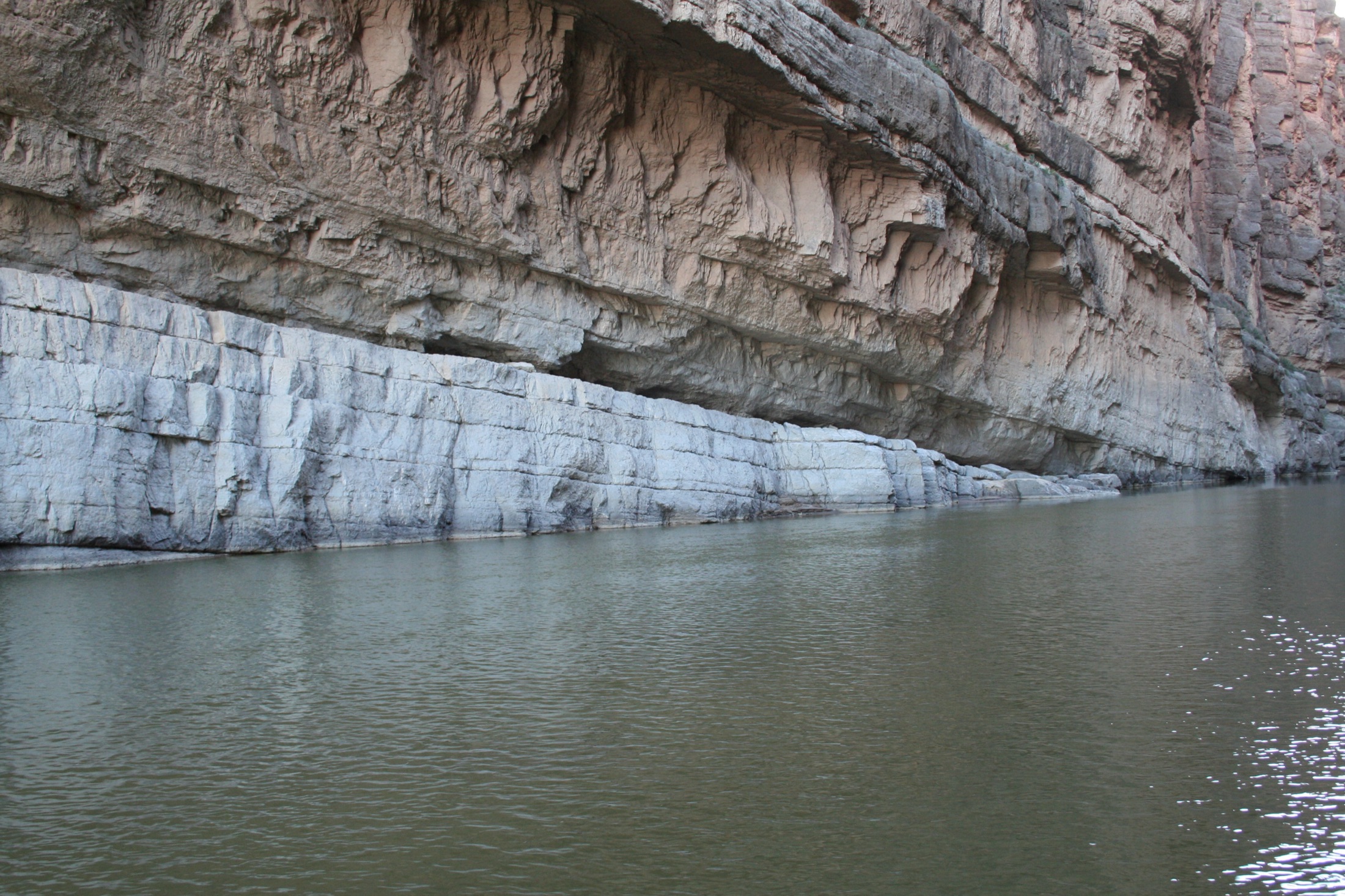
Darkest skies in the lower 48Big Bend
- Best for
- Milky Way views with almost no light pollution
- Watch
- It is far from everything, services are sparse, and summer desert heat is intense, so plan fuel, water, and timing carefully.
Remote Big Bend sits at the heart of one of the largest certified dark sky reserves in the world, with some of the least light-polluted skies of any park in the contiguous United States.
Open the Big Bend guide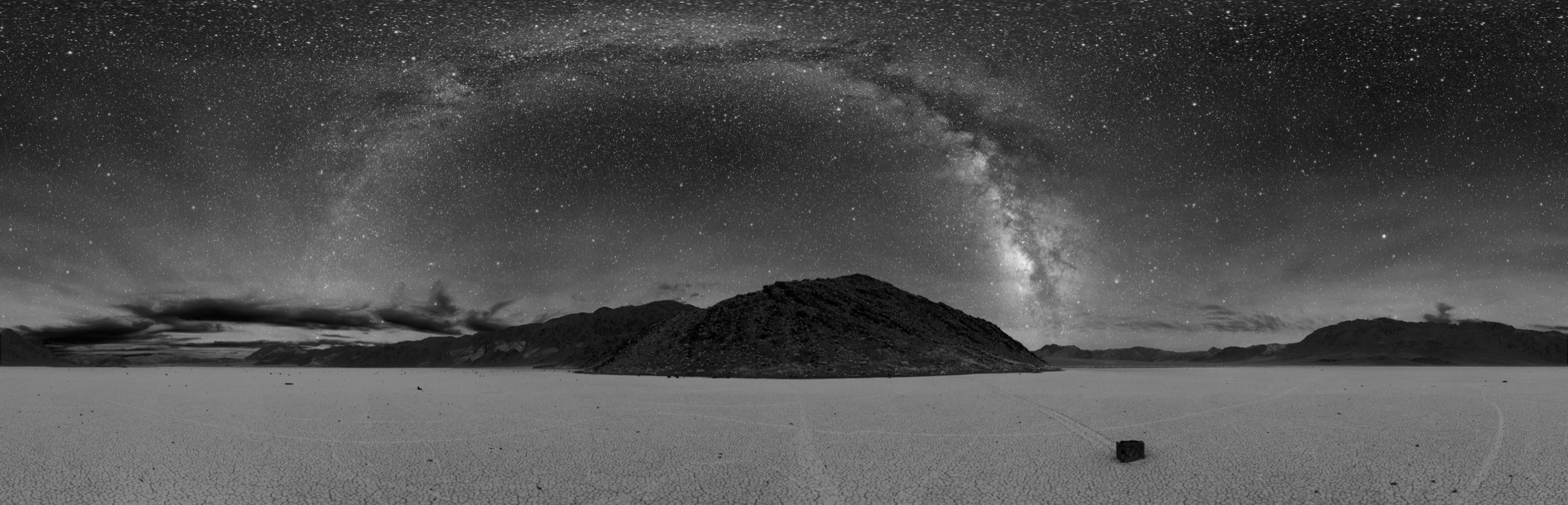 Gold-tier desert sky
Death Valley
- Best for
- Wide-open dark horizons and winter stargazing
- Watch
- Summer nights stay dangerously hot. Go in the cooler months, and carry far more water than feels necessary.
Death Valley holds a Gold Tier dark sky certification, the highest level, thanks to its remoteness and dry air. Spots like Harmony Borax Works and Mesquite Dunes give vast, unobstructed views.
Open the Death Valley guide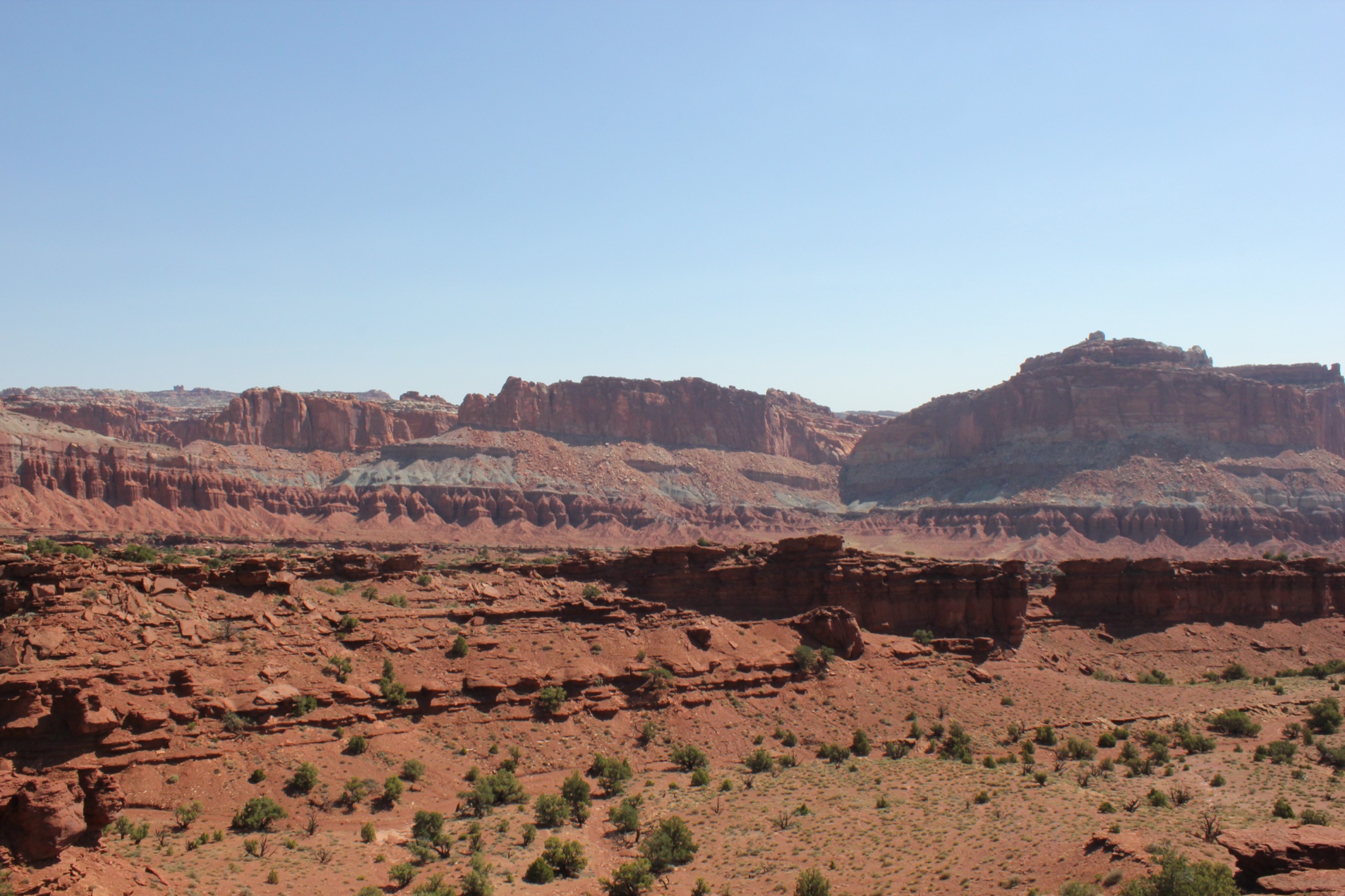 Quiet Utah dark sky
Capitol Reef
- Best for
- Crowd-free Milky Way nights in red-rock country
- Watch
- Services thin out around the park, and high desert nights get cold, so pack warm layers even after a hot day.
Capitol Reef is a certified dark sky park and the least crowded of Utah's five, so you get excellent star fields without the competition for viewpoints.
Open the Capitol Reef guide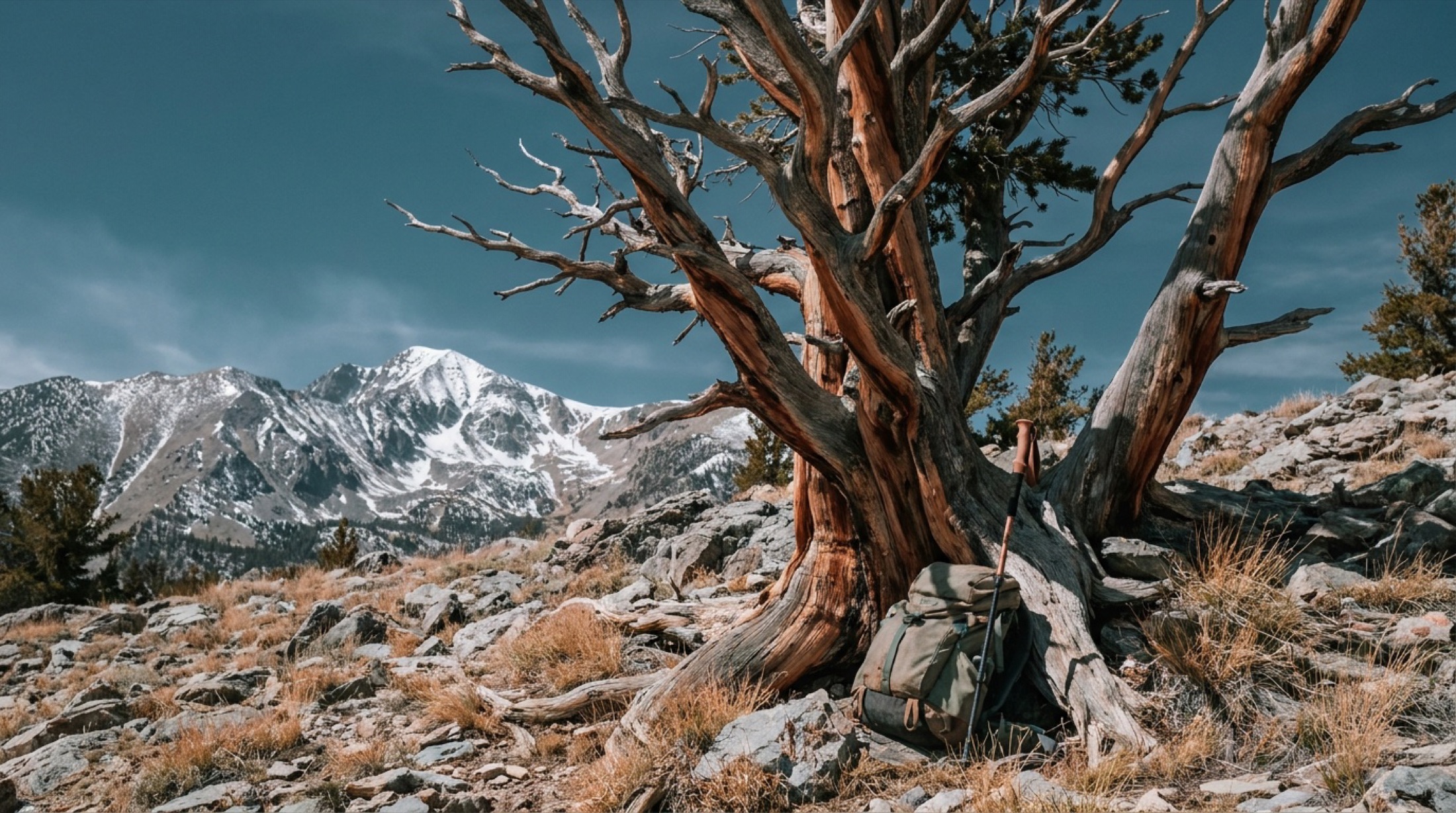 High-elevation clarity
Great Basin
- Best for
- Some of the darkest skies in the country and annual astronomy programs
- Watch
- It is genuinely out of the way, and the high elevation means cold nights and possible snow outside summer.
Remote Great Basin sits at high elevation in eastern Nevada and is famous for exceptionally dark, clear skies, plus a well-known astronomy program and star parties.
Open the Great Basin guide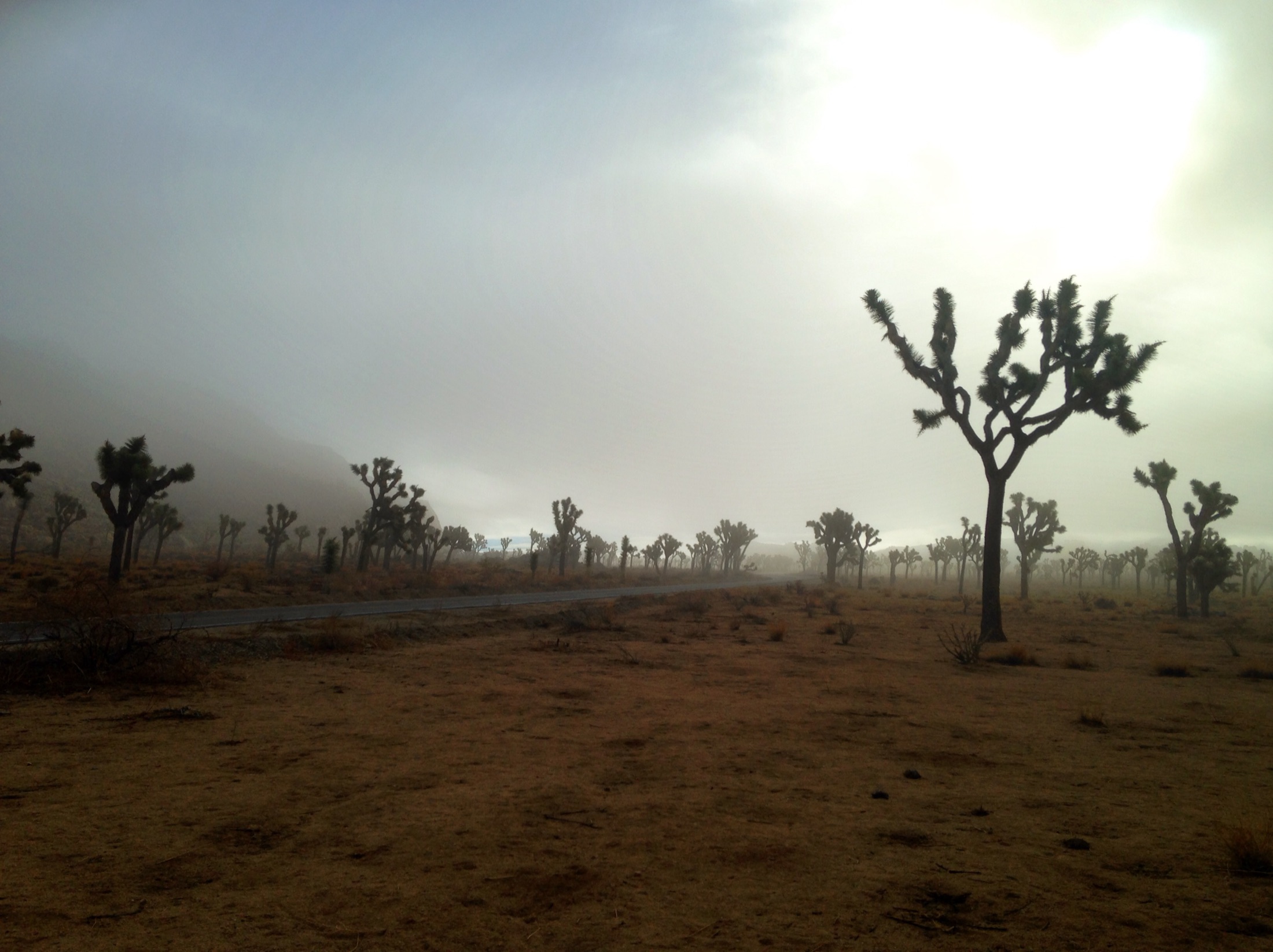 Most accessible dark sky
Joshua Tree
- Best for
- Easy-access stargazing from Southern California
- Watch
- Glow from distant cities touches the western horizon, and busy weekends crowd the popular pullouts.
Joshua Tree is a certified dark sky park within reach of major Southern California cities, making it one of the easier places to see a strong night sky without a remote expedition.
Open the Joshua Tree guide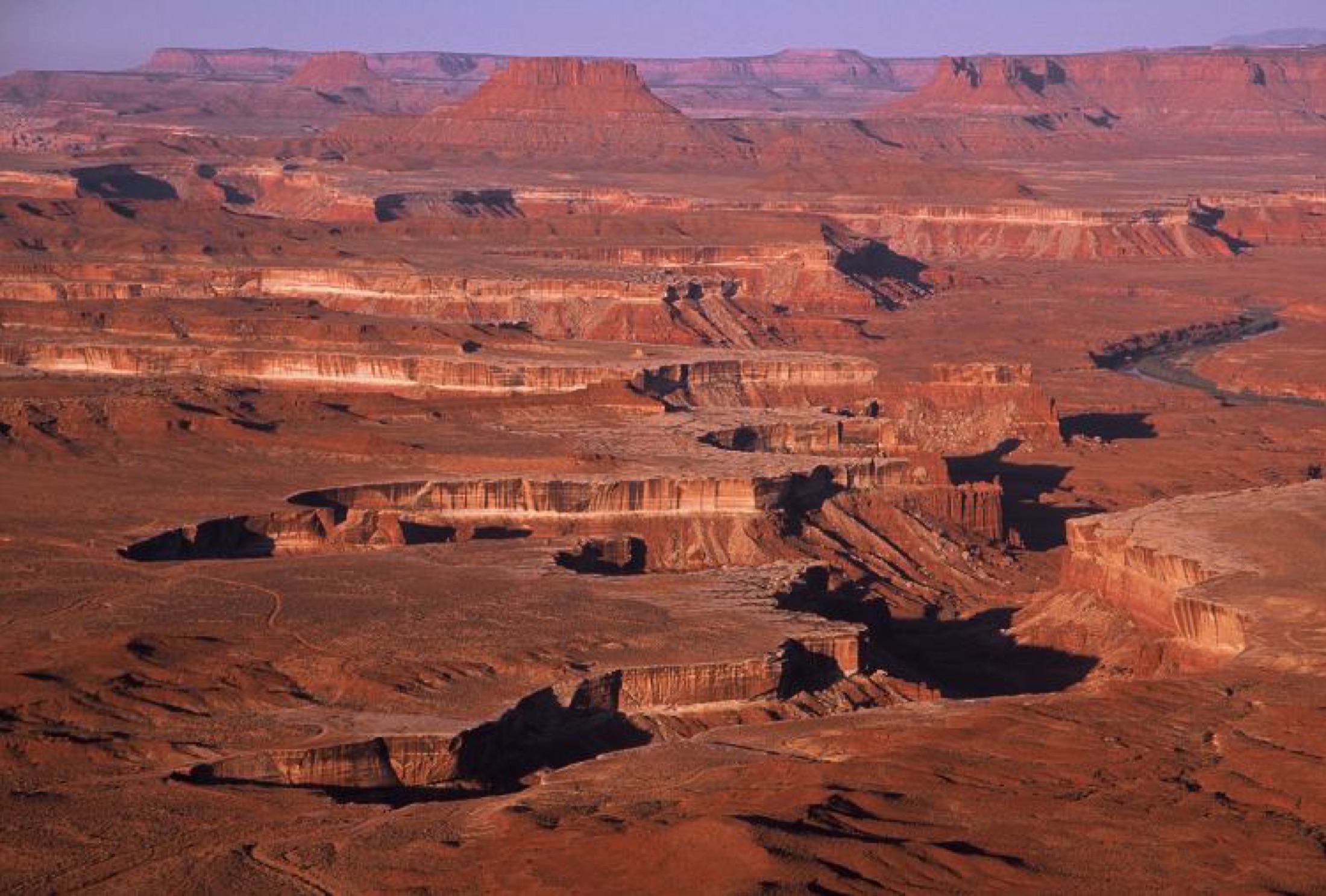 Big-sky overlooks
Canyonlands
- Best for
- Milky Way over canyon overlooks like Mesa Arch
- Watch
- Island in the Sky has almost no water, big exposure, and long distances, so plan night logistics and the drive back carefully.
Canyonlands is a certified dark sky park whose vast, open overlooks at Island in the Sky frame the night sky over deep canyons with very little light intrusion.
Open the Canyonlands guide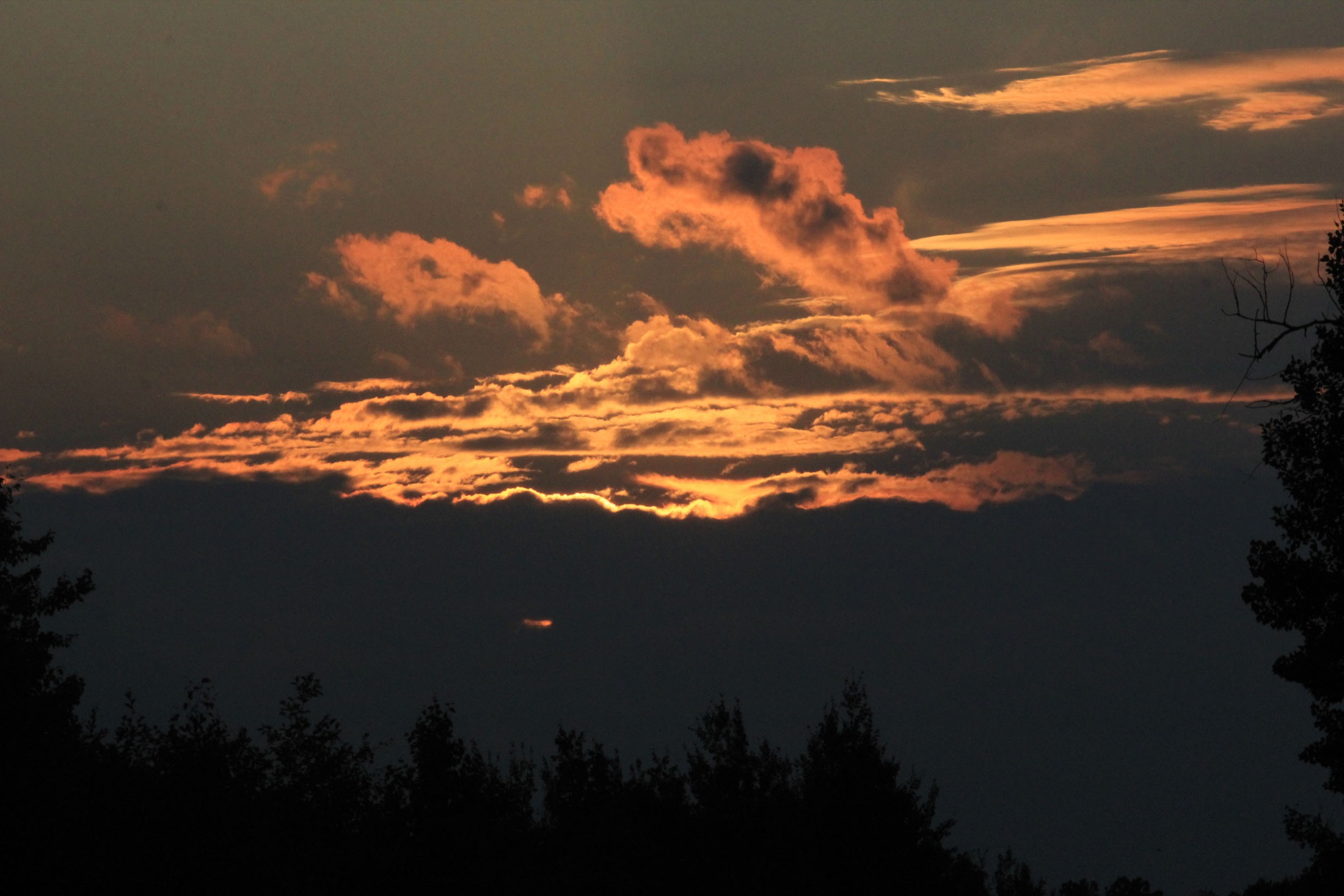 Northern dark sky
Voyageurs
- Best for
- Aurora chances and northern-lake star reflections
- Watch
- Much of the park is water-access, mosquitoes are fierce in summer, and aurora is never guaranteed.
Voyageurs is a certified dark sky park in far northern Minnesota, where the dark water-and-forest landscape occasionally adds the northern lights to the star show.
Open the Voyageurs guidePlanning notes
Plan the trip around the new moon
Even the darkest certified park is washed out by a bright moon. Aim viewing nights for the new-moon window for the strongest Milky Way.
Let your eyes adapt and skip the white light
Full dark adaptation takes about 20 to 30 minutes. Use a red headlamp so a single white flashlight does not reset everyone's night vision.
Check for ranger astronomy programs and star parties
Parks like Great Basin and Bryce Canyon run telescope nights and annual star parties. A ranger program adds guidance and gear you may not have.
Frequently asked questions
What is an International Dark Sky Park?
It is an official designation from DarkSky International for places that protect their night skies and limit light pollution. Over forty units in the National Park System hold the certification, which is a reliable signal of genuinely dark skies.
Which national park has the darkest skies?
Big Bend and Death Valley are often cited as having the darkest skies among the national parks. Big Bend anchors one of the largest dark sky reserves in the world, and Death Valley holds a Gold Tier certification, the highest level.
When is the best time to stargaze in a national park?
Plan around the new moon and a clear forecast. The Milky Way core is most prominent from late spring through early fall, but the darkest, steadiest skies often come on cold, dry winter nights in the desert parks.
Pack and plan this trip
Gear keyed to what these parks are for, the tools to size your days and budget, and explainers worth a read before you go.
What to pack
Plan with our tools
More trip planning paths
Season guide
Best National Parks for Fall Foliage
A researched shortlist of national parks with genuine fall color, with peak timing windows, crowd notes, and what to pack for cold mornings.
Open guideSeason guide
Best National Parks in October
A researched shortlist of national parks that make sense in October, with fall weather, crowd, route, and packing notes.
Open guideTrip style guide
Best National Parks for First Timers
The best national parks for a first trip, chosen for simple access, clear highlights, flexible lodging, and strong payoff without expert-level planning.
Open guide