
We may earn a commission from links on this page, at no extra cost to you.
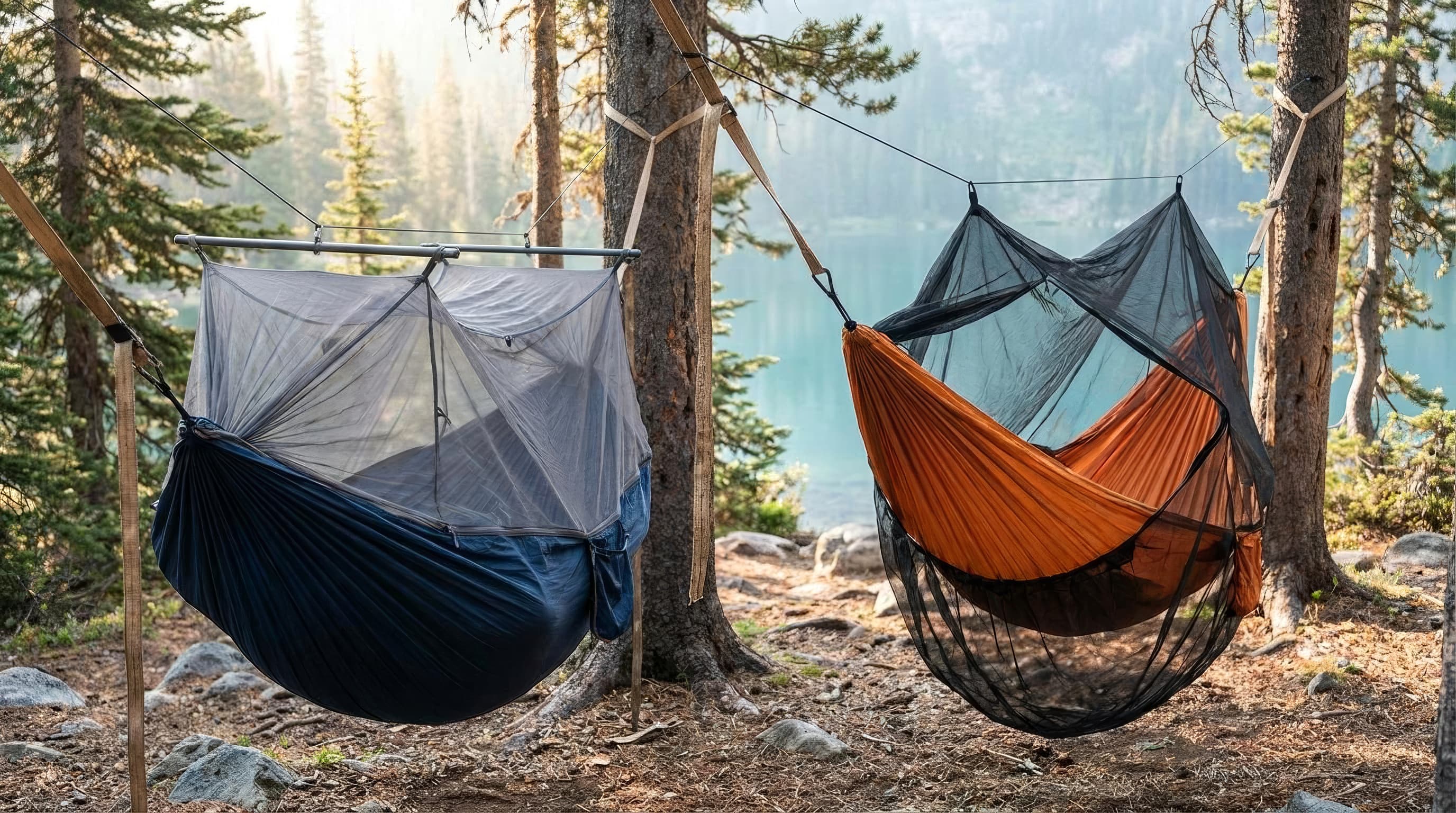
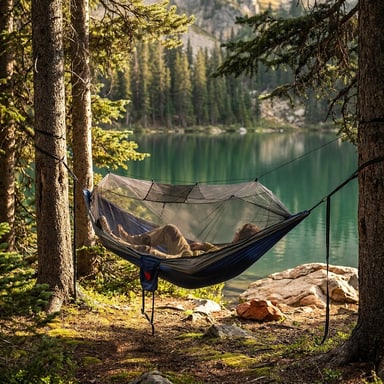
A bug net can be permanently attached to a hammock or carried as a separate sleeve around it. The attached version is faster and more difficult to rig incorrectly. The separate version is easier to leave home, replace, and pair with another hammock.
Our quick picks
The direct comparison
| Decision factor | Integrated net | Separate net |
|---|---|---|
| Setup | Fast, aligned with hammock | Extra rigging and centering |
| Forget risk | Net stays attached | Separate sack can be left behind |
| Warm, bug-free trips | Net may still add weight | Net can stay home |
| Repairs | Zipper or mesh tied to hammock | Net can be replaced alone |
| Hammock choice | Limited to netted models | Works with many open hammocks |
| Rain protection | Separate tarp required | Separate tarp required |
When an integrated net is better
An integrated net is the reliable choice when every overnight trip involves insects. The mesh coverage is already sized to the hammock, and its zipper line stays aligned around the body. On the Grand Trunk design, spreader bars create space above the sleeper's face.
The Grand Trunk Skeeter Beeter XT weighs 34 ounces and includes the net, carabiners, spreader bars, and support cord. It does not include tree straps, a rain tarp, or bottom insulation. The full Skeeter Beeter XT review separates those inclusions from the parts still required.
When a separate net is better
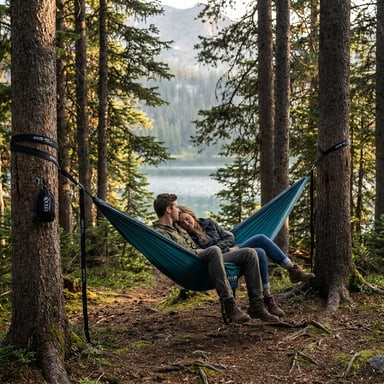
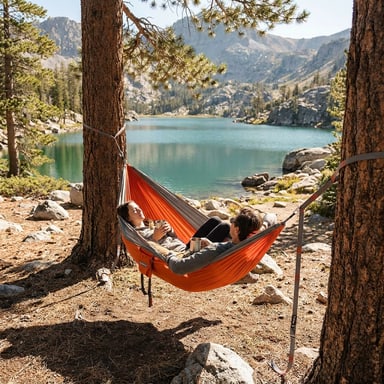
A separate net protects the modular value of an open hammock. It can stay home during bug-free weather, move to a replacement hammock, or be replaced after a tear without retiring the hammock body.
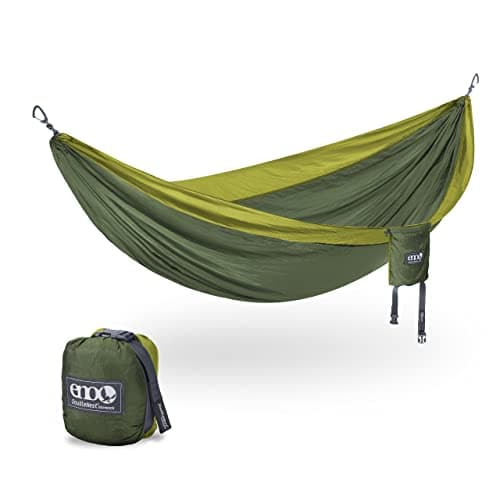
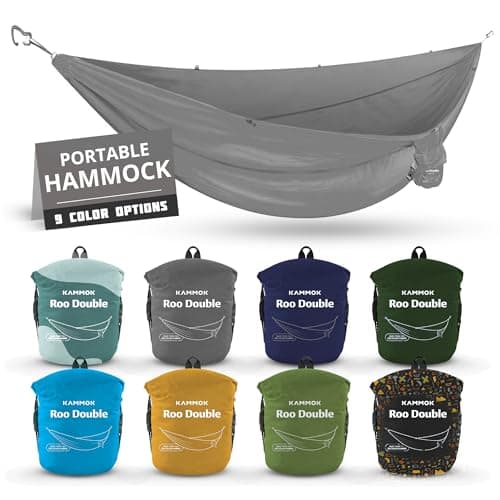
That approach makes sense around the ENO DoubleNest or Kammok Roo Double, especially when those hammocks also serve as daytime loungers. The downside is another component to pack, align, and close. A gap around suspension or a poorly centered sleeve can defeat the coverage.
Weight and cost are system questions
Do not compare a netted hammock's total weight with an open hammock's body weight. Add the open hammock, suspension, separate net, tarp, and insulation that the actual trip requires. The lighter-looking option can reverse once every sack is counted.
The same rule applies to price. A budget open hammock may include straps but still need three overnight components. Build a complete checkout list before deciding which base hammock appears cheaper.
Setup and campsite rules
Both systems hang from the same load-bearing suspension. Use wide webbing on healthy trees and avoid pulling the straps level. A visible 30-degree angle reduces force and creates a usable diagonal lie.
Tree and hammock rules vary by property, and some parks prohibit attachment entirely. Check the location before packing, then follow the complete sequence in how to hang a camping hammock.
Frequently asked questions
Does a hammock bug net stop rain?
No. Bug mesh is intentionally breathable and does not shed rain. Both integrated and separate bug-net systems need a tarp pitched above the hammock for wet weather.
Can mosquitoes bite through the bottom of a hammock?
They can bite through thin fabric when skin presses directly against it. Bottom insulation, a pad, or a full-coverage net creates another barrier while also addressing heat loss.
Can you remove an integrated hammock bug net?
Some models unzip fully, while others remain attached and flip below the hammock. Check the specific design. The Skeeter Beeter XT can be inverted for open use, but the net still travels with it.
See the complete product field in best camping hammocks, or compare the two premium open bodies in ENO DoubleNest vs Kammok Roo Double.
Related buying guide
Best camping hammocks 2026: from $24, plus a treeless pick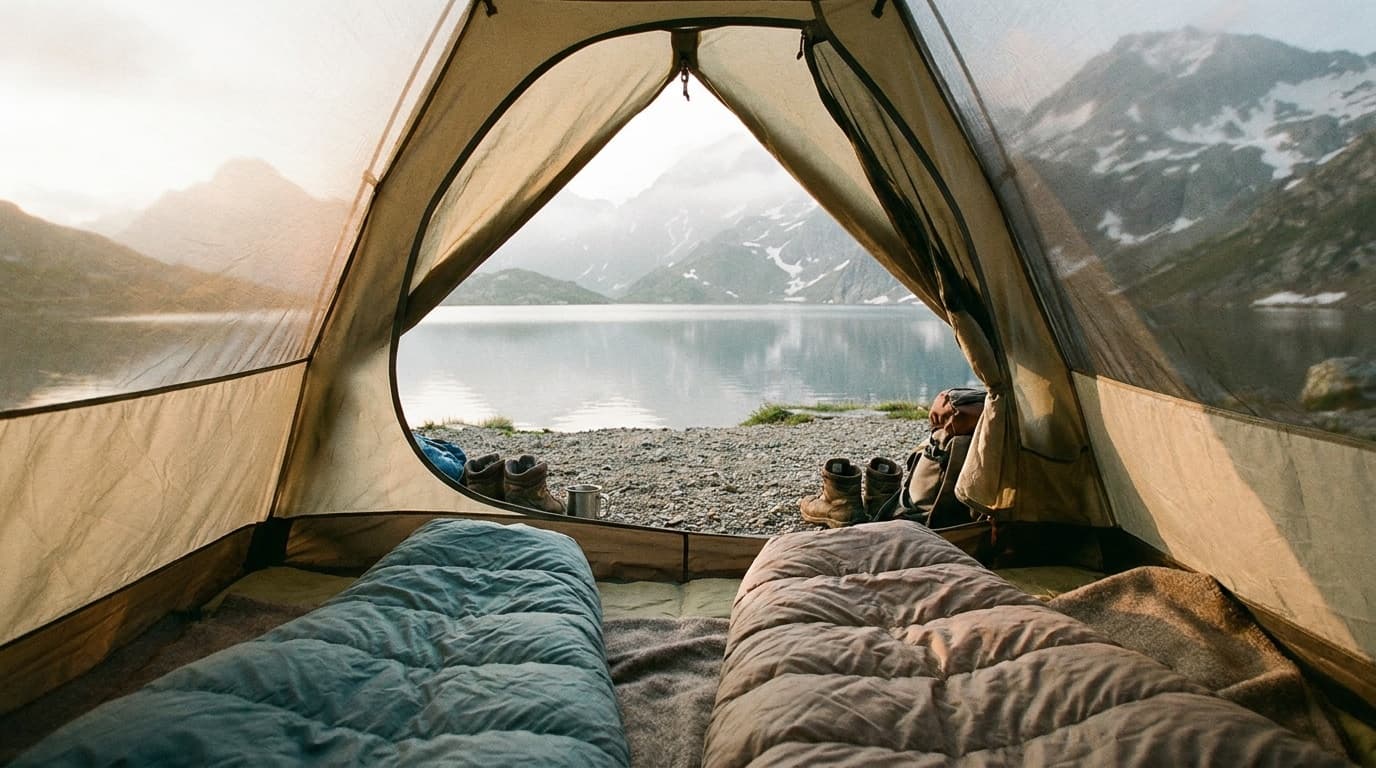
Complete camp loadout
Camp sleep system
Five coordinated pieces that solve shelter, insulation, cushioning, head support, and light for nights outside.
Build the complete kitRelated guides

Comparison
Hammock vs tent camping: weight, comfort, weather, and cost
Choose a hammock for tree-rich, fair-weather trips or a tent for the most dependable all-terrain shelter. Compare weight, comfort, weather, and cost.
Read guide
Comparison
ENO DoubleNest vs Kammok Roo Double: which premium hammock?
ENO is wider with thicker 70D fabric. Kammok is longer, lighter, and rated to 500 lb. Compare dimensions, hardware, and total system cost.
Read guide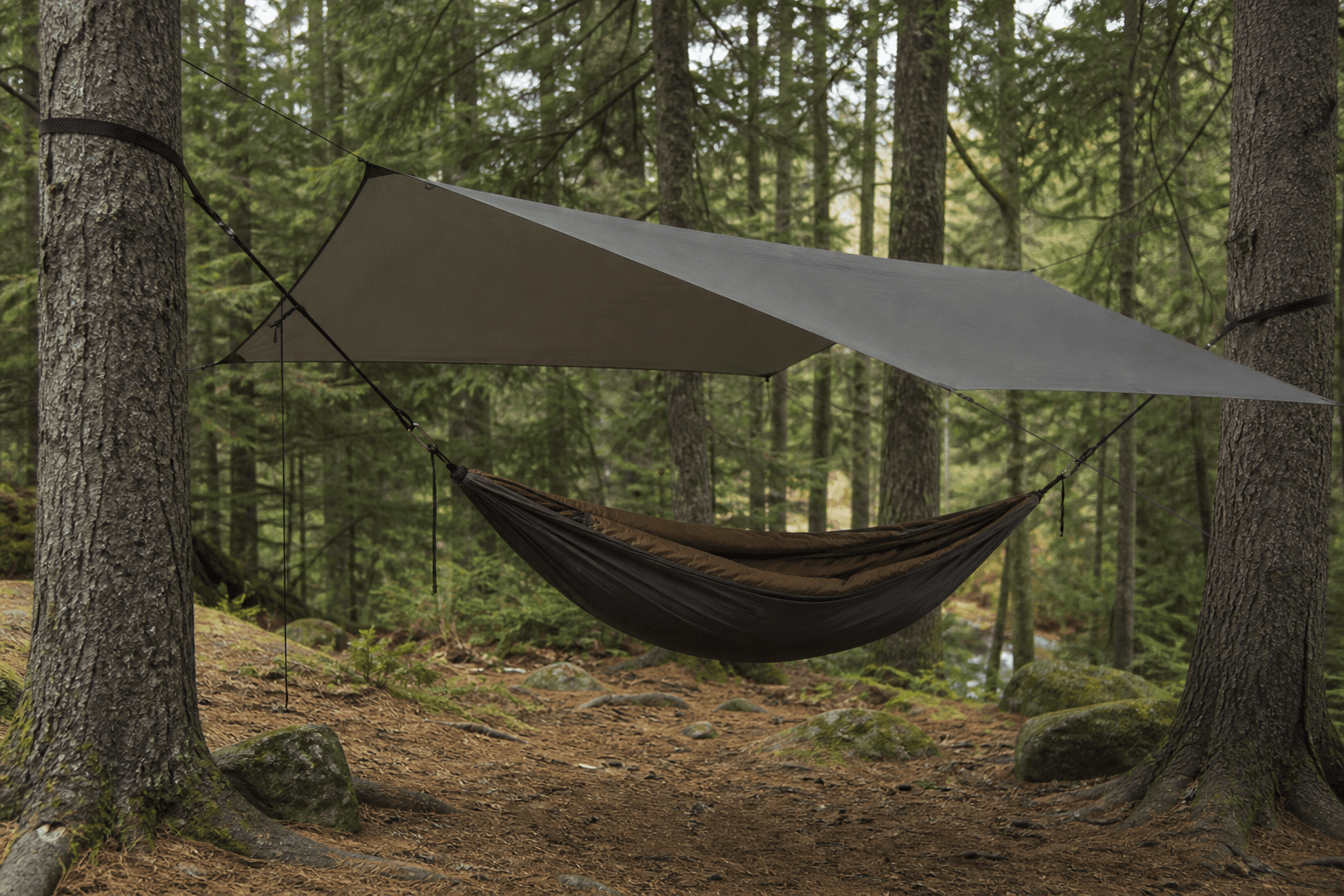
Field guide
How to hang a camping hammock
Get your hammock hang right the first time: the 30-degree strap angle, ideal tree spacing, correct sag, and the diagonal lie that turns a banana-tight hang into a flat, all-night sleep.
Read guide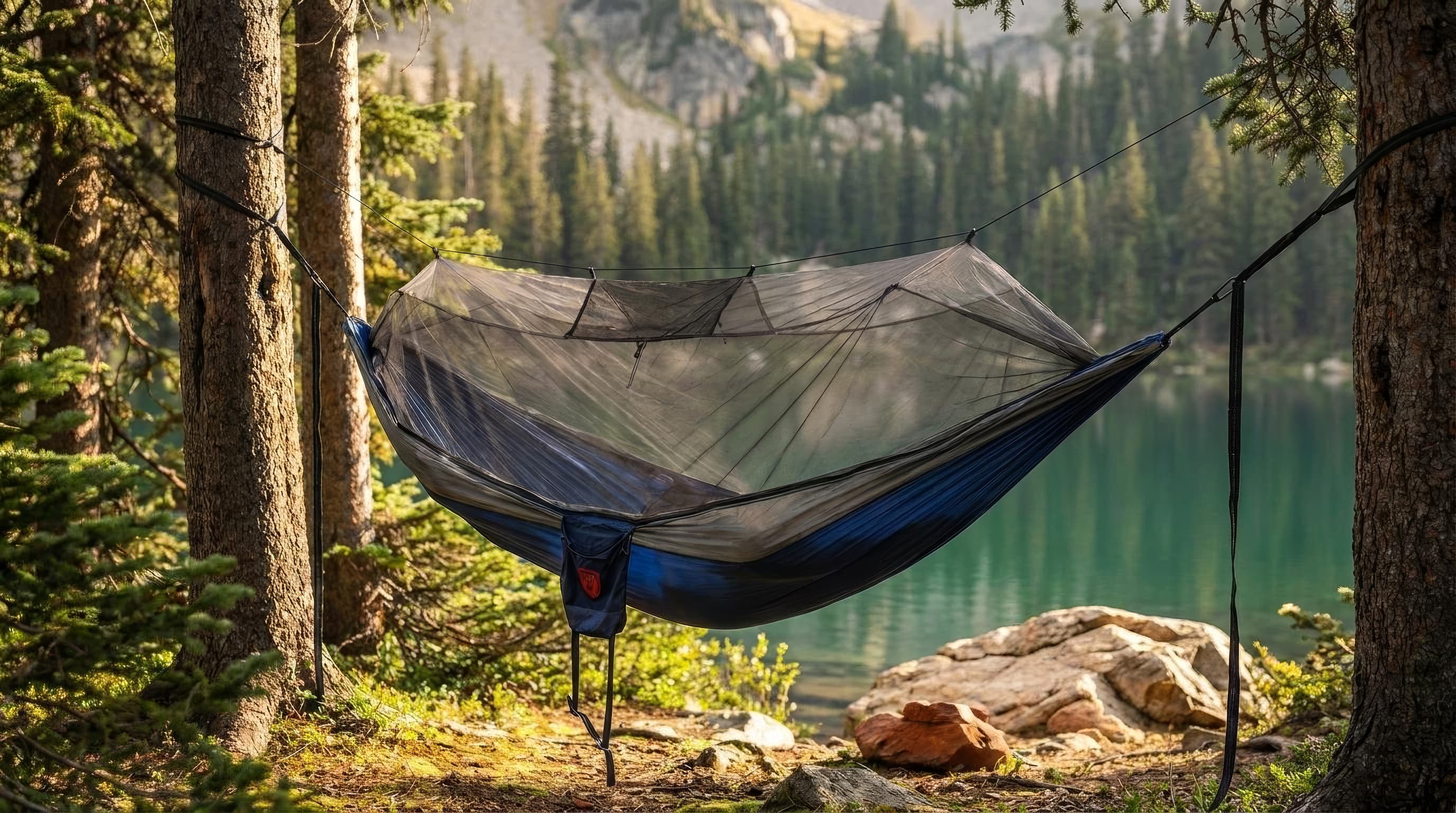
Product review
Skeeter Beeter XT review: built-in bug defense
Kit Score 8.2/10. Grand Trunk integrates no-see-um mesh into a 400 lb hammock, but the 34 oz package still needs straps and a tarp.
Read guideResearch-based guide
4 products comparedUpdated Jul 29, 2026Our recommendations draw on manufacturer documentation, retailer listings, owner feedback, and comparisons with alternatives.
As an Amazon Associate I earn from qualifying purchases. We may earn a commission from links here, at no extra cost to you. How we research →