We may earn a commission from links on this page, at no extra cost to you.
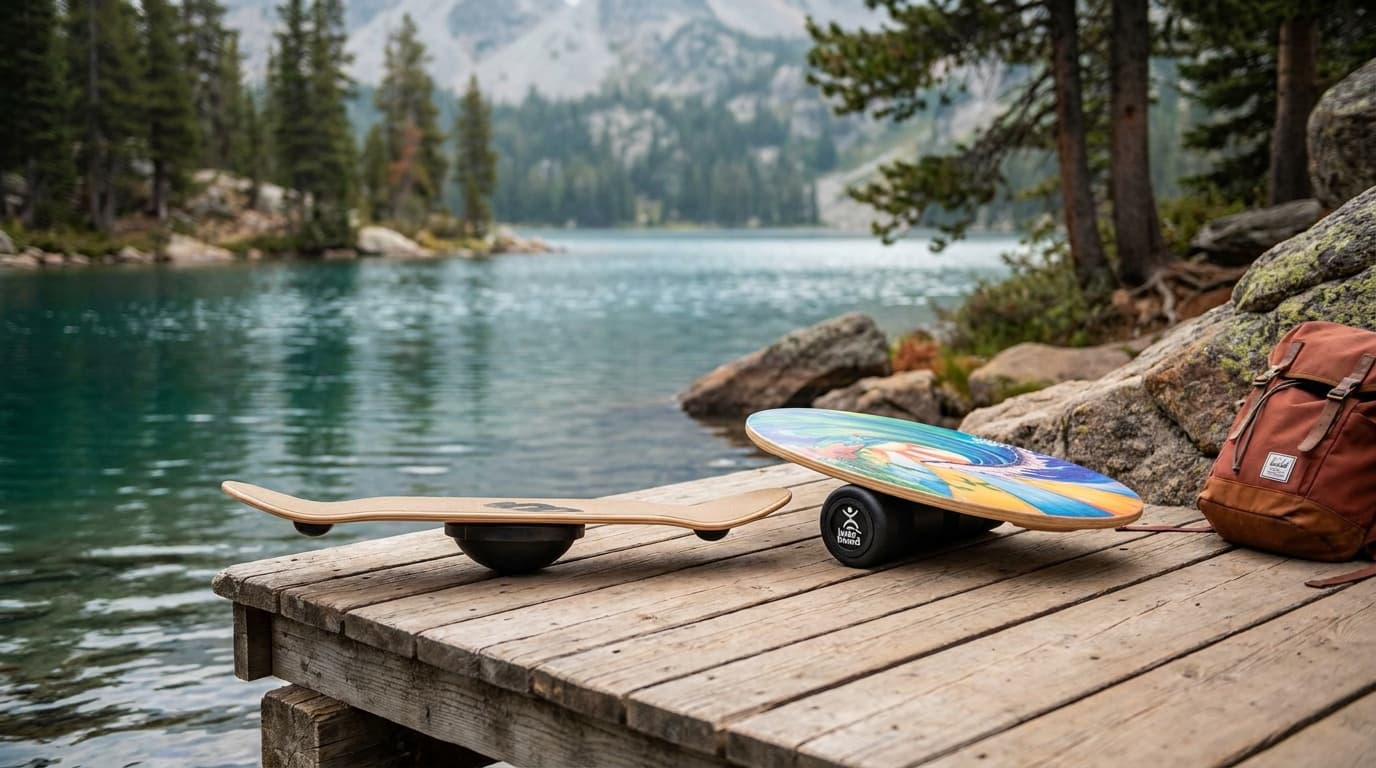
The Whirly Board Sport 360 and Indo Board Original are both premium wooden balance boards, but their bases create different sports. The Whirly rotates and transfers across three fixed pivots. The Indo travels laterally over a loose roller. Pick the movement you want to learn.
Specs side by side
| Spec | Whirly Board Sport 360 | Indo Board Original |
|---|---|---|
| Kit Score | 8.4 / 10 | 8.6 / 10 |
| Mechanism | Three attached half-sphere pivots | Loose cylindrical roller with deck stops |
| Deck | 31.875 x 8.25 in | 30 x 18 in |
| Height/base | 5 in overall | 6.5 in roller |
| Deck material | 8-ply Canadian maple | American maple |
| Surface | Cork or skateboard grip options | GripFlex textured coating |
| Weight | 5 lb | Larger deck and separate roller |
| User limit | 350 lb suggested on warranty page | 350 lb |
| Typical price | $160-$180 | $140-$200 |
| Best skill | Spins and transfers | Lateral roller control |
Where the Whirly Board wins
BEST FOR TRICKS
Whirly Board Sport 360
Best for: Active adults, board-sport athletes, and families who want balance training to feel like a skill toy rather than a rehabilitation chore.
Kit Score 8.4/10 · Check current price
- Three pivot points support more movement patterns than a single dome or cylindrical roller
- Narrow skateboard-style deck makes transfers and spins genuinely playful
- Steep first-session learning curve and a real fall risk without a rail or stabilizer ring
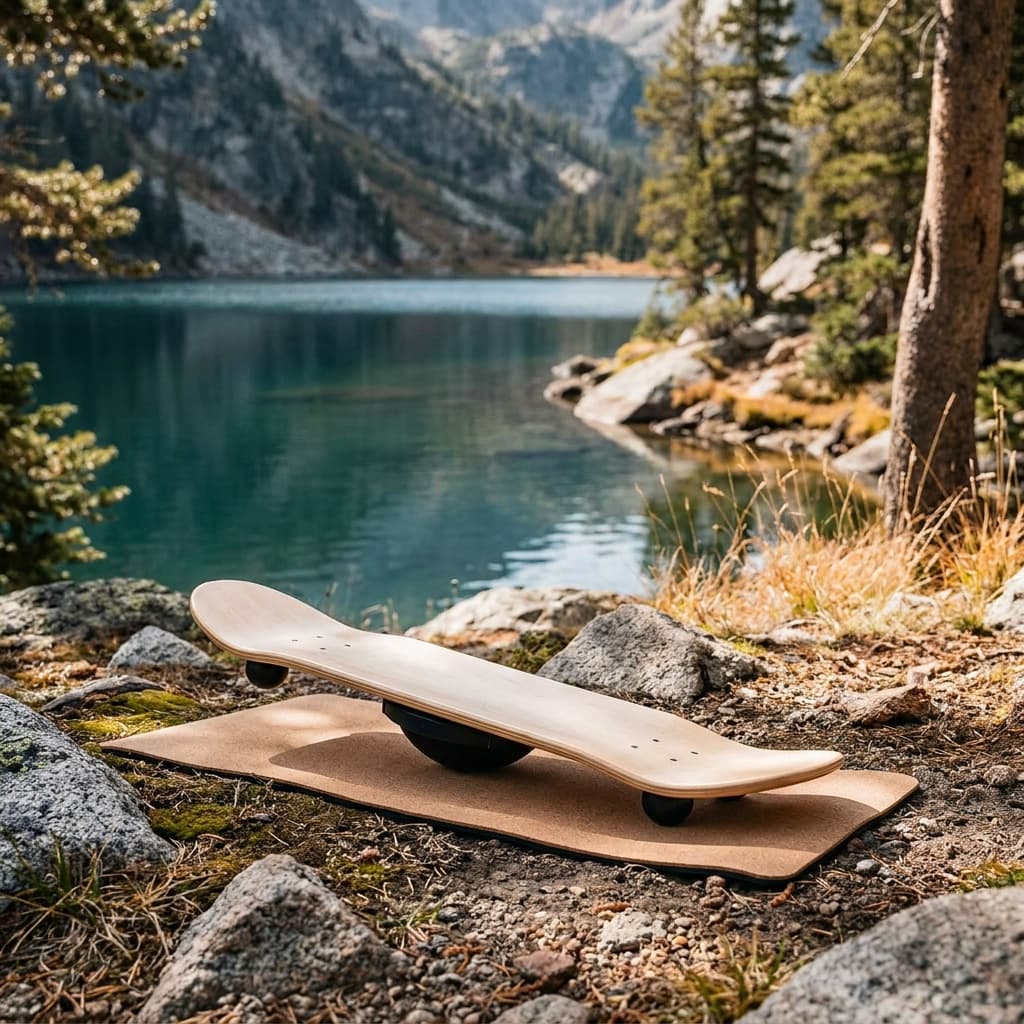
The Whirly wins on movement variety. Center balance, nose and tail balance, transfers, and full spins all come from the same three-pivot platform. The pivots stay fixed to the deck, so there is no cylinder to reposition after a step-off.
It is also easier to store. The 31.875-inch length is comparable to the Indo, but the 8.25-inch width is less than half as broad and there is no separate roller. That makes it the cleaner fit for a closet, apartment, or shared family room.
The tradeoff is stance room. An 8.25-inch deck rewards precise foot placement and feels familiar to skateboarders, but beginners have less platform available during a correction. Its rotational freedom also makes the center balance more demanding than a basic wobble board.
Read the full Whirly Board Sport 360 review for the grip options, floor setup, and current warranty conflict.
Where the Indo Board wins
BEST FOR SURF AND SNOW
The Original Indo Board Balance Board Trainer (Includes Board and Roller)
Best for: Surfers, snowboarders, and active adults who want a proven roller board with the widest deck in its class and a track record backed by nearly 30 years of use.
Kit Score 8.6/10 · Check current price
- Wide 30 x 18 in maple deck provides more margin for error than narrower roller boards, making the steep learning curve less steep
- Decades of documented use by surfers, snowboarders, and physical therapists give it a credibility base no newer brand can match yet
- Roller is loud on hardwood floors, a real consideration in apartments or shared spaces
The Indo wins on free-roller feel and stance space. Its 30 x 18-inch deck gives you a broad surface for shifting foot position, widening your stance, and practicing the lateral control used in surfing, snowboarding, wakeboarding, and rola-bola-style balance.
The 6.5-inch roller moves independently under the flat deck. Inlaid stops prevent the deck from leaving the roller, but they do not remove the continuous side-to-side travel. That mechanism is more specific to roller skill than the Whirly's attached pivots.
The tradeoff is room and noise. The roller needs a wider clear zone, takes a separate storage spot, and can be loud on a hard floor. It also offers fewer distinct tricks unless you move to a more advanced stop-free Indo model.
Read the full Indo Board Original review for the deck construction and warranty.
Learning curve and safety
Neither board is the correct first step for everyone. A healthy beginner can learn either beside a fixed support, but the initial problems differ.
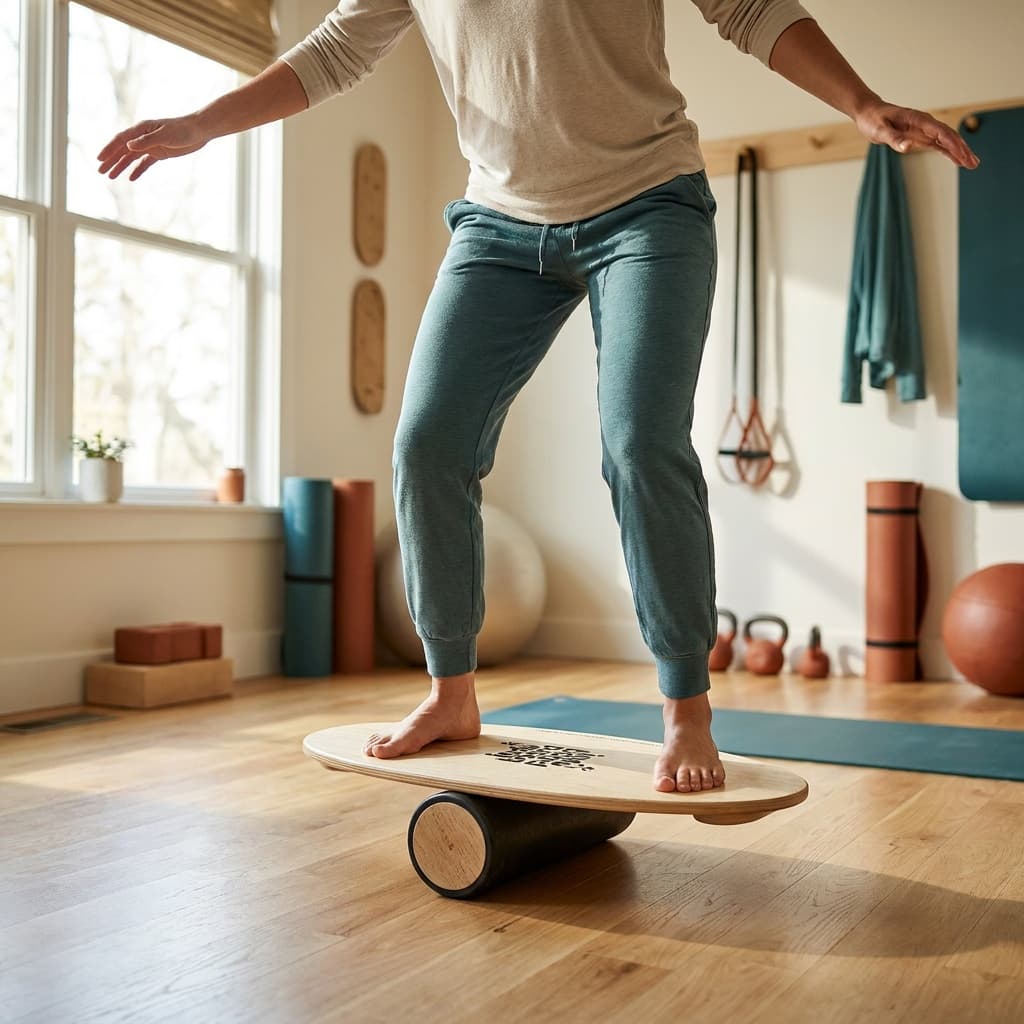
On the Whirly, learn a two-foot center balance without adding rotational momentum. On the Indo, learn how to mount over the roller, center the deck, and step off toward a lowered edge. Keep a clear area in every direction and use the surface recommended by the manufacturer.
If this is your first unstable surface and both options sound aggressive, start with the rocker-to-wobble progression in how to use a balance board. Injury rehabilitation should follow a clinician's plan rather than this consumer comparison.
Which is better for circus or rola-bola?
The Indo Board is the closer match because a rola-bola also balances a flat platform over a free cylinder. Its deck and roller can train the lateral control and mounting logic of the skill.
It is not automatically a performance-ready prop. Stage equipment may use a harder cylinder, different deck length, edge treatment, and venue-specific safety requirements. Use a dedicated prop for performance and treat the Indo as a more forgiving training platform.
The Whirly is the stronger choice for spins and transfers, but its fixed half-spheres do not reproduce a free roller.
Which is better for a standing desk?
Neither Sport 360 nor the Indo Original is our desk-first pick. The Whirly's narrow concave deck becomes tiring during passive standing, while the Indo's free roller requires too much attention and floor space.
For desk work, use a broad attached-base board such as the StrongTek. If you already own the Whirly, choose the cork surface and use it for short active intervals. If you already own the Indo, move it away from the desk for focused practice.
The decision
Choose by the movement you want
Spins and end balances
Buy the Whirly. Three attached pivots create a larger trick vocabulary.
Surf and snow crossover
Buy the Indo. The loose roller trains continuous lateral weight transfer.
Rola-bola practice
Buy the Indo as a training board, then verify dedicated performance-prop requirements.
Small storage footprint
Buy the Whirly. It has no separate cylinder and is less than half as wide.
Roomy beginner stance
Buy the Indo. Its 18-inch width gives both feet more margin.
Passive desk standing
Buy neither; use a broad fixed rocker instead.
Manufacturer details were checked against the Whirly Sport 360 product page, Whirly warranty page, and Indo Board Original product page.
Frequently asked questions
Is the Whirly Board harder than the Indo Board?
They are difficult in different ways. The Whirly's narrow deck and rotational pivots demand precise foot placement and control during spins. The Indo's loose roller demands continuous lateral correction, but its 18-inch deck gives beginners more stance room. Prior skateboard experience may make the Whirly feel familiar; surf or rola-bola experience may favor the Indo.
Can the Indo Board spin like the Whirly Board?
The Original Indo Board is designed primarily for lateral movement over a cylindrical roller. Its deck stops and flat shape do not create the same center and end-pivot spins as the Whirly. Indo sells other advanced formats, but the Original in this comparison is the roller-first choice.
Which board takes up less space?
The Whirly. Its deck is 31.875 x 8.25 inches and the pivots stay attached. The Indo deck is 30 x 18 inches and comes with a separate 6.5-inch roller, so it needs more riding and storage room.
Which board is better for kids?
That depends on age, coordination, supervision, and the space available. The Whirly is playful but narrow and rotational; the Indo is wide but uses a loose roller. In either case, use direct adult supervision, a fixed support, and a clear step-off zone. A simple rocker may be a safer first board.
See all five types and price points in our best balance boards guide.
Related buying guide
Best balance boards: rehab, desk, tricks, circus trainingRelated guides
Field guide
How to use a balance board safely: beginner progression
Learn balance-board setup, stance, stepping on and off, and the correct rocker-to-wobble-to-roller progression without rushing harder drills.
Read guide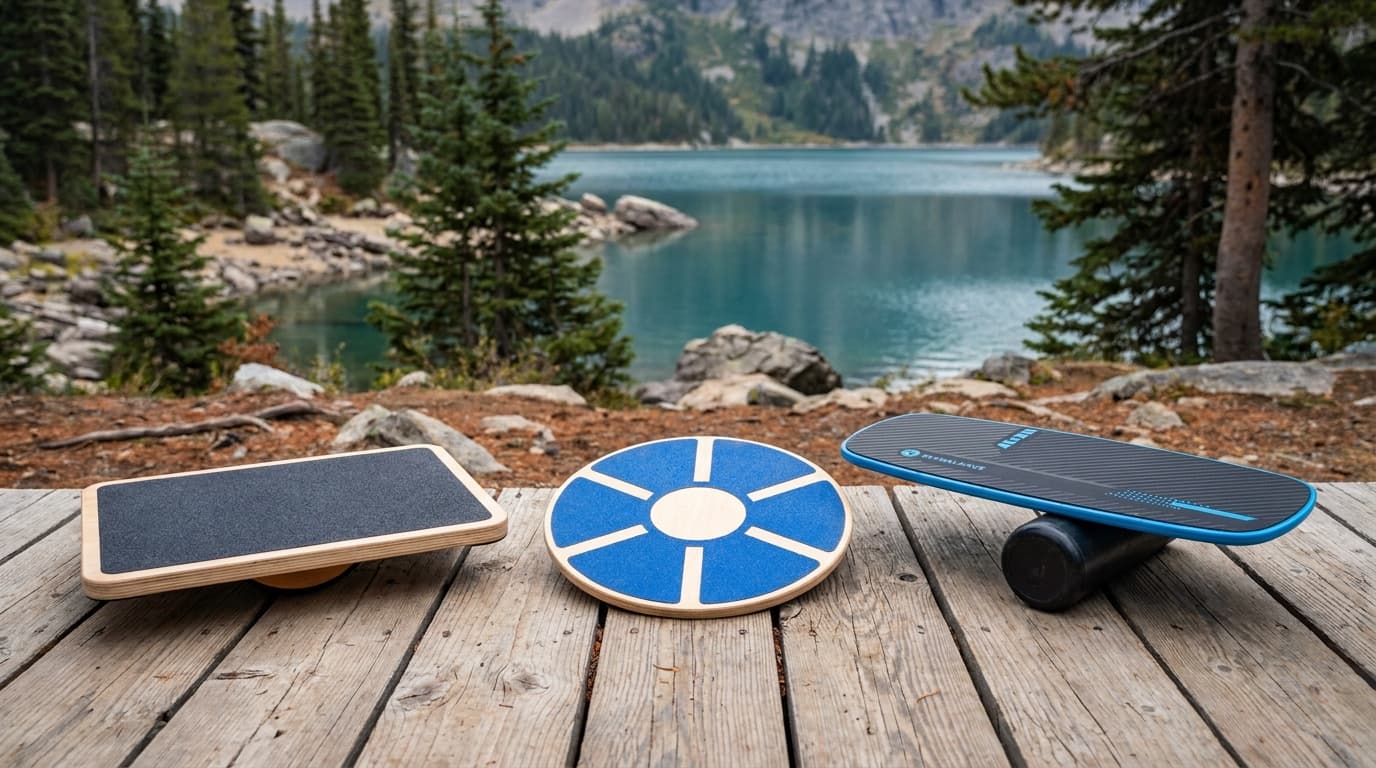
Comparison
Rocker vs wobble vs roller balance boards: choose the right base
Rocker, wobble, roller, and spinning balance-board mechanisms compared by movement, difficulty, desk use, training goal, fall risk, and progression.
Read guide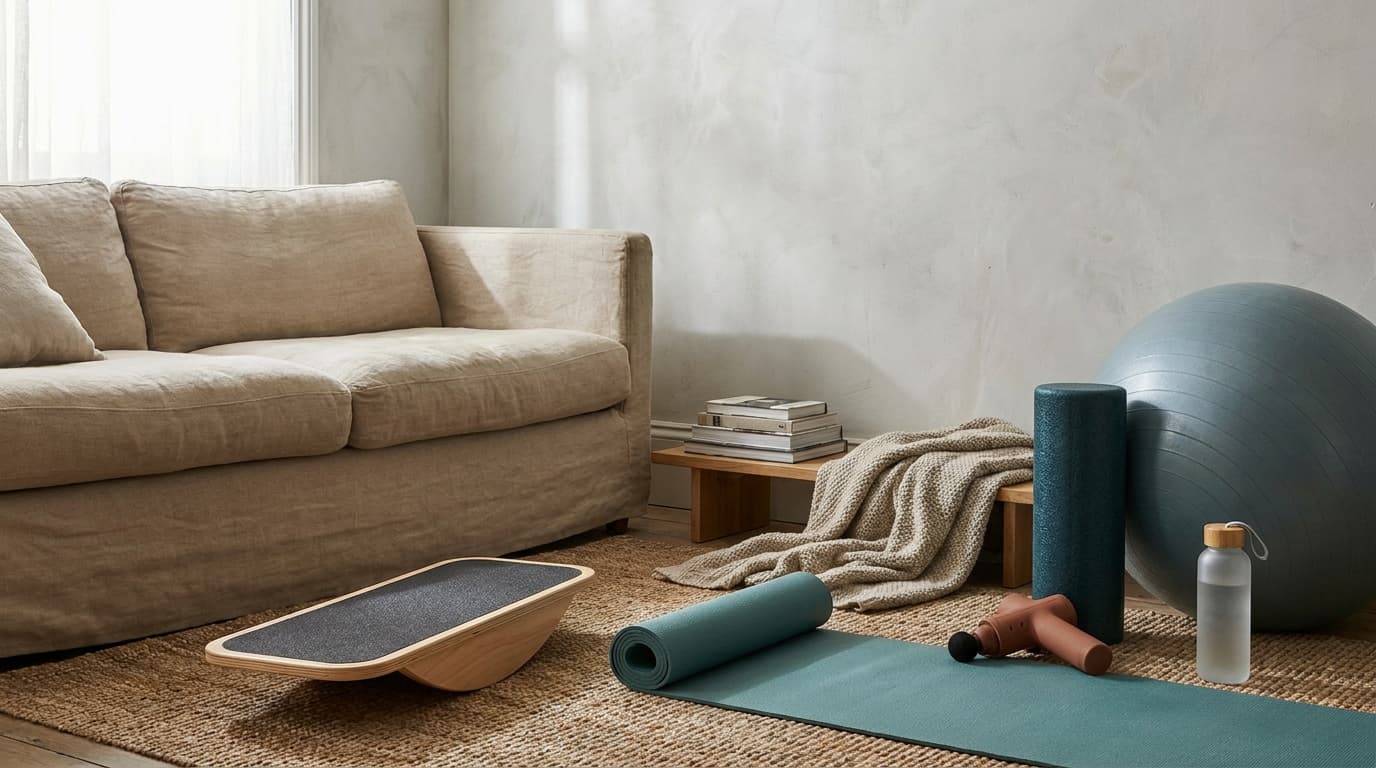
Field guide
Are balance boards good for you? What the evidence supports
Balance boards can improve the balance task you practice and can support some ankle programs. Here is what evidence supports, what remains uncertain, and who should be cautious.
Read guide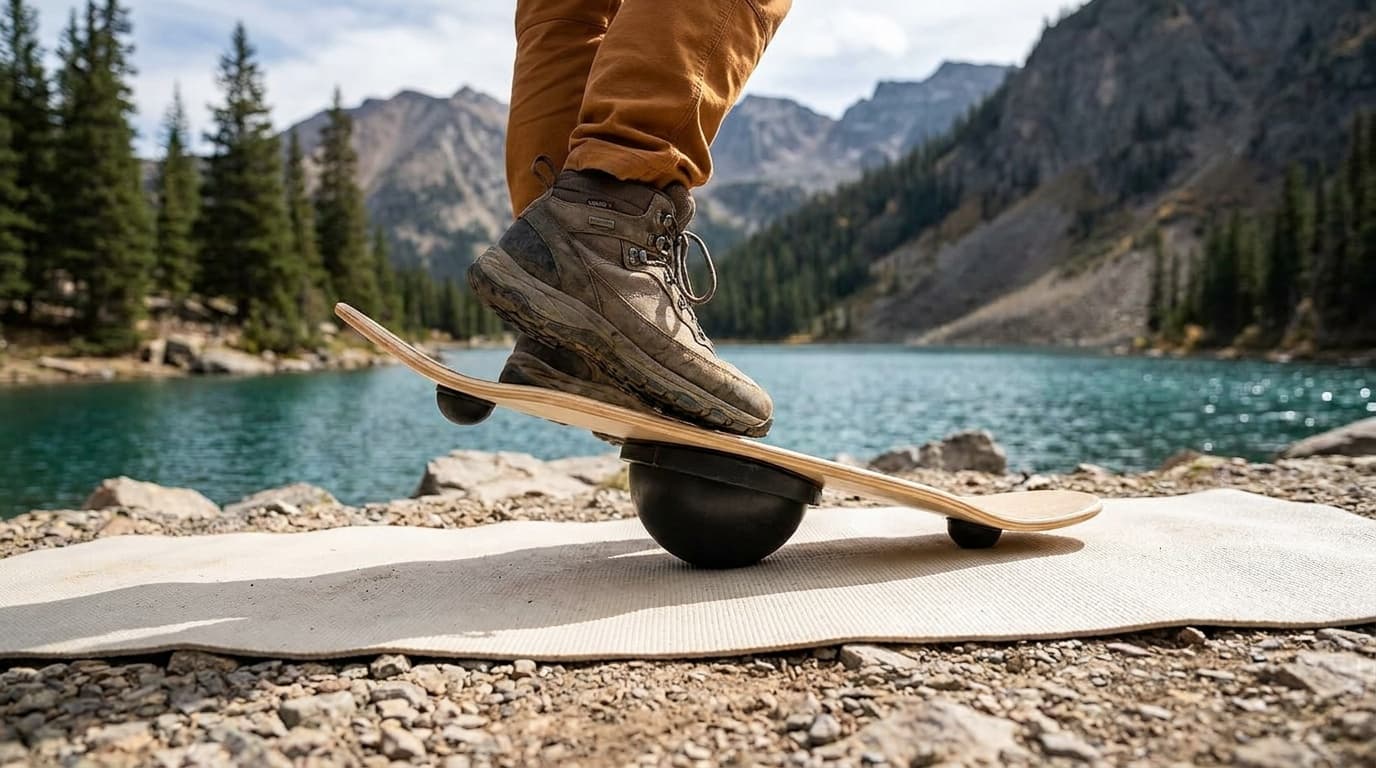
Product review
Whirly Board Sport 360 review: the balance board built for tricks
Kit Score 8.4/10. Three independent pivots, a 31.875 x 8.25-inch maple deck, and full spins make the Whirly Sport the most playful board we rate.
Read guideResearch-based guide
2 products comparedUpdated Jul 29, 2026Our recommendations draw on manufacturer documentation, retailer listings, owner feedback, and comparisons with alternatives.
As an Amazon Associate I earn from qualifying purchases. We may earn a commission from links here, at no extra cost to you. How we research →