
We may earn a commission from links on this page, at no extra cost to you.
Walking shoes get chosen carelessly more than any other footwear category, usually by grabbing whatever running shoe is on sale. That mostly works, because walking and easy running load the foot similarly. What does not work is walking daily miles in a fashion sneaker with a flat foam sole, which is how most women end up with plantar fascia pain.
How we picked
Our ratings aggregate manufacturer specs, verified-owner reviews across major retailers, and outdoor-publication coverage into a single Kit Score. For walking shoes we weight cushioning quality and fit consistency most heavily, then upper breathability and outsole durability, because these are shoes worn for hours at a time, most days.
Our quick picks
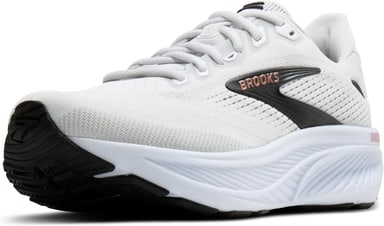
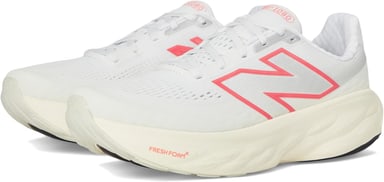
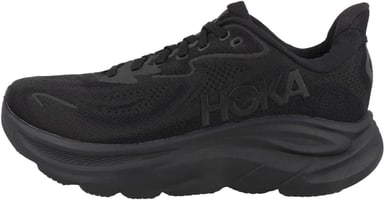
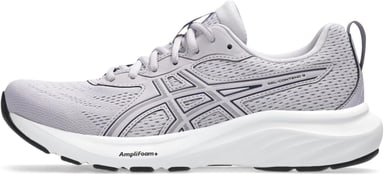
Best overall: Brooks Ghost 18 Women's
The Ghost is the least exciting and most frequently correct answer in this category. DNA Loft v3 cushioning is soft without feeling unstable, the neutral platform suits the majority of walking gaits, and Brooks' fit consistency year over year means that if the 17 fit you, the 18 will too. That predictability is worth real money in a shoe you will wear daily.
At 8.8 it is the highest-rated shoe on this page, and the reason is boring reliability rather than any standout feature. Fit runs true to size, with wide and extra-wide versions available.
BEST OVERALL
Brooks Ghost 18 (Women's)
Best for: Women who want the most dependable daily walking shoe with no surprises.
Kit Score 8.8/10 · Check current price
- Same smooth DNA Loft v3 ride as the men's model in women's lasts and widths
- Wide size and width range covers hard-to-fit feet
- Not a trail shoe: the smooth outsole gives up grip on gravel and mud
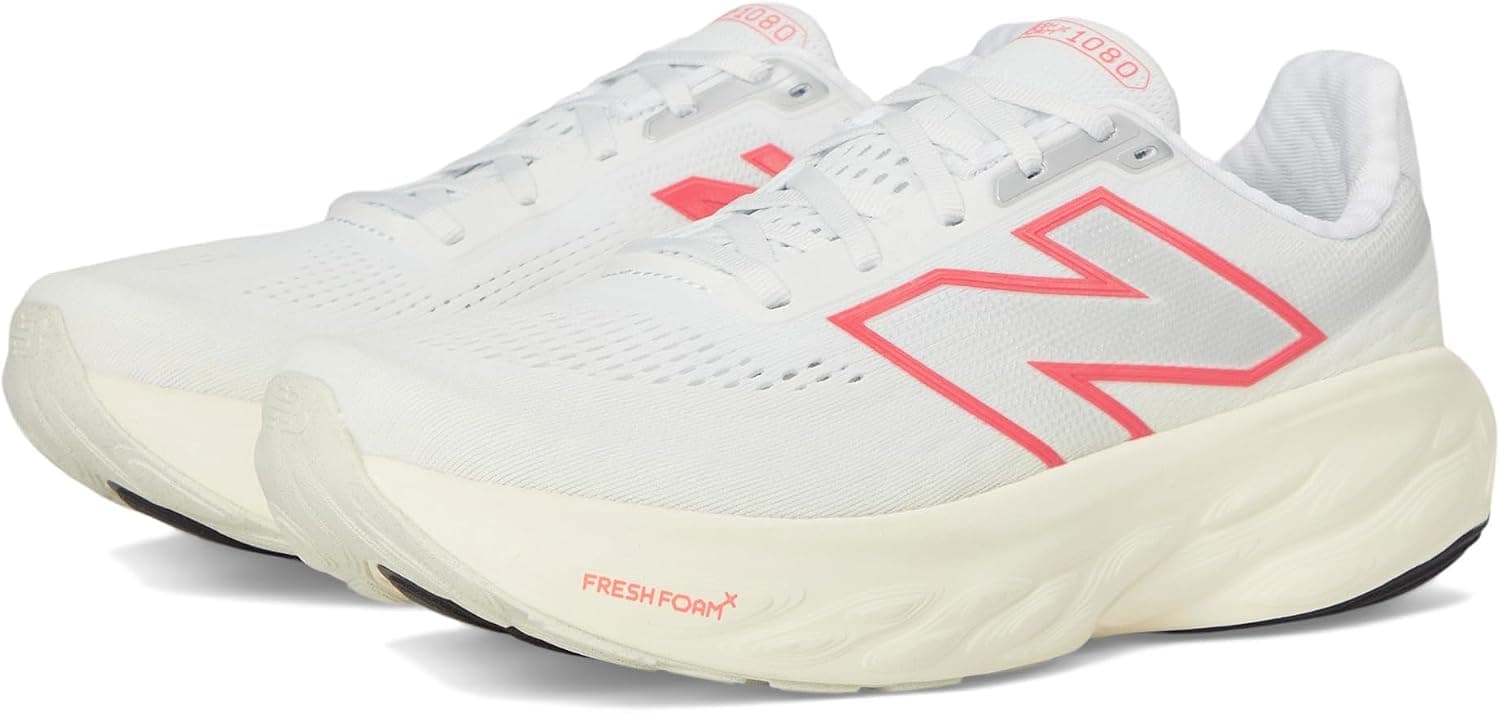
Best for foot and joint pain: New Balance 1080v14 Women's
If your walks end early because of your feet, knees, or hips rather than your fitness, this is where to start. The 1080v14 uses New Balance's Fresh Foam X in a notably deep stack, and the plush landing takes measurable load off the impact chain. The knit upper is forgiving over bunions and other pressure points, which conventional overlays aggravate.
The softness costs some stability, so if you overpronate significantly, get gait advice before committing. Frequent discounting means the street price is often far below list.
BEST FOR JOINT PAIN
New Balance 1080v14 (Women's)
Best for: Women whose feet or joints complain first on long walks.
Kit Score 8.4/10 · Check current price
- The plushest ride in the walking lineup, in women's widths
- Breathable jacquard mesh upper
- Soft foam gives up some ground feel and stability on uneven paths
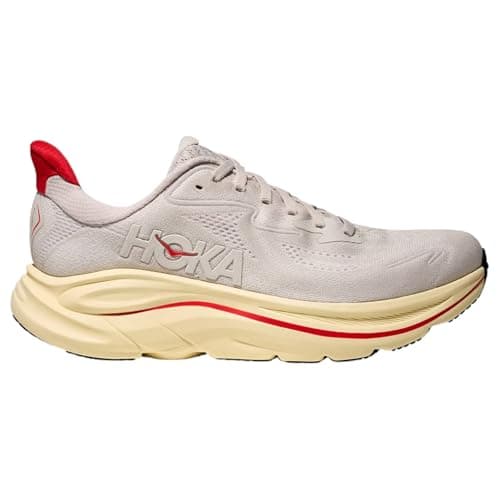
Best lightweight cushion: HOKA Clifton 10 Women's
HOKA's reputation is built on stack height, and the Clifton is the model that made maximal cushioning wearable for people who are not running ultras. It delivers a stack close to the 1080's at meaningfully less weight, which is why it suits women who walk fast, walk far, or are on their feet all day at work.
The rocker geometry is the thing to know before buying: it rolls you forward through your stride, which most walkers find effortless and a minority find unsettling for a week. Fit runs slightly narrow through the midfoot compared to the Ghost.
BEST LIGHTWEIGHT CUSHION
HOKA Clifton 10 (Women's)
Best for: Women who walk fast and far and want cushion without bulk.
Kit Score 8.4/10 · Check current price
- Big cushion in a light package
- The walking-fitness favorite for long step-count days
- Durability trails the Ghost on rough pavement
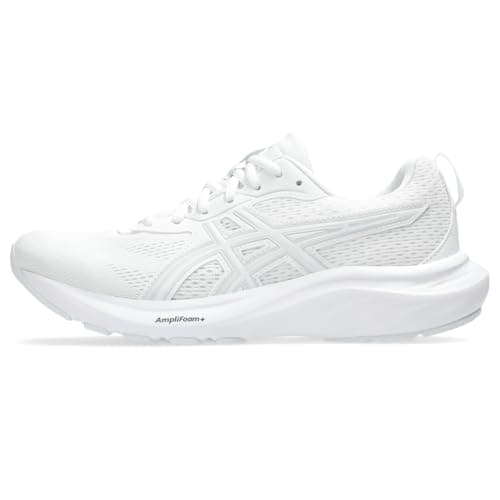
Best budget: ASICS Gel-Contend 9 Women's
Under $75, this is the shoe to buy when you are starting a walking habit and do not yet know whether it will stick. Gel cushioning in the rearfoot and an EVA midsole give real impact protection, not just foam-shaped filler, and the shoe holds up for a first few hundred miles.
You are giving up midsole quality and long-term durability compared to the Ghost, and it will flatten sooner. That is a reasonable trade for a first pair, and a poor one if you already know you walk five miles a day.
BEST BUDGET
ASICS Gel-Contend 9 (Women's)
Best for: Women starting a walking habit without committing premium money.
Kit Score 7.9/10 · Check current price
- Real running-brand construction at a fashion-sneaker price
- GEL heel takes the edge off pavement
- Basic upper and midsole vs the premium picks: it is a starter shoe
How to choose a walking shoe
Four questions, in order
Where does it hurt?
Heel or arch pain points toward more cushion and support. No pain means a neutral shoe like the Ghost is fine.
How far daily?
Under two miles, any decent shoe works. Over four, midsole quality starts deciding how your legs feel at night.
Wide or narrow foot?
Brooks and New Balance offer true wide and extra-wide sizing; HOKA runs narrower through the midfoot.
Fast or strolling?
A rockered shoe like the Clifton rewards a brisk pace and feels less natural at a slow amble.
When to replace them
Midsole foam compresses long before the outsole looks worn, which is why so many women walk on dead shoes. At 300 to 500 miles the cushioning has meaningfully degraded even on a shoe that still looks fine. For a daily 10,000-step walker, that is roughly every seven to ten months.
The honest signal is your body: new aches in your feet, shins, or knees on routes you have walked comfortably for months usually mean the shoes, not the routes.
Walking with a weighted vest
If you are adding load to your walks, cushioning matters more, not less. Extra weight increases impact through the same joints, and a flattened midsole under a loaded vest is how a walking habit becomes a foot injury. Our best weighted vests for women guide covers load selection, and the vest weight calculator sets a sensible starting weight.
For walking off pavement, the best trail running shoes for women roundup covers shoes with the traction that gravel and dirt paths need.
Are running shoes okay for walking?
Yes. Walking and easy running load the foot similarly enough that neutral running shoes are the standard recommendation for walkers, and every shoe on this page is a running model. What does not work is a flat-soled fashion sneaker for daily mileage.
What are the best walking shoes for women with plantar fasciitis?
Look for substantial arch support with a cushioned heel: the New Balance 1080v14 and Brooks Ghost 18 are the two here most often recommended for it. Plantar fasciitis has multiple causes, so persistent heel pain deserves a visit to a podiatrist rather than another shoe purchase.
How often should women replace walking shoes?
Every 300 to 500 miles. At 10,000 steps a day, roughly five miles, that lands between seven and ten months. Foam compresses invisibly, so replace on mileage rather than appearance.
Should I size up in walking shoes?
Usually a half size above your street shoe. Feet swell over a long walk, and a shoe that fits snugly at the start of an hour is tight by the end. Leave about a thumbnail of space in front of your longest toe.
Do women need women's-specific walking shoes?
Women's lasts are narrower through the heel and lower in instep volume, which resolves the heel slip many women experience in unisex or men's sizing. If a unisex shoe already fits you well, there is no need to switch.
Make the next decision
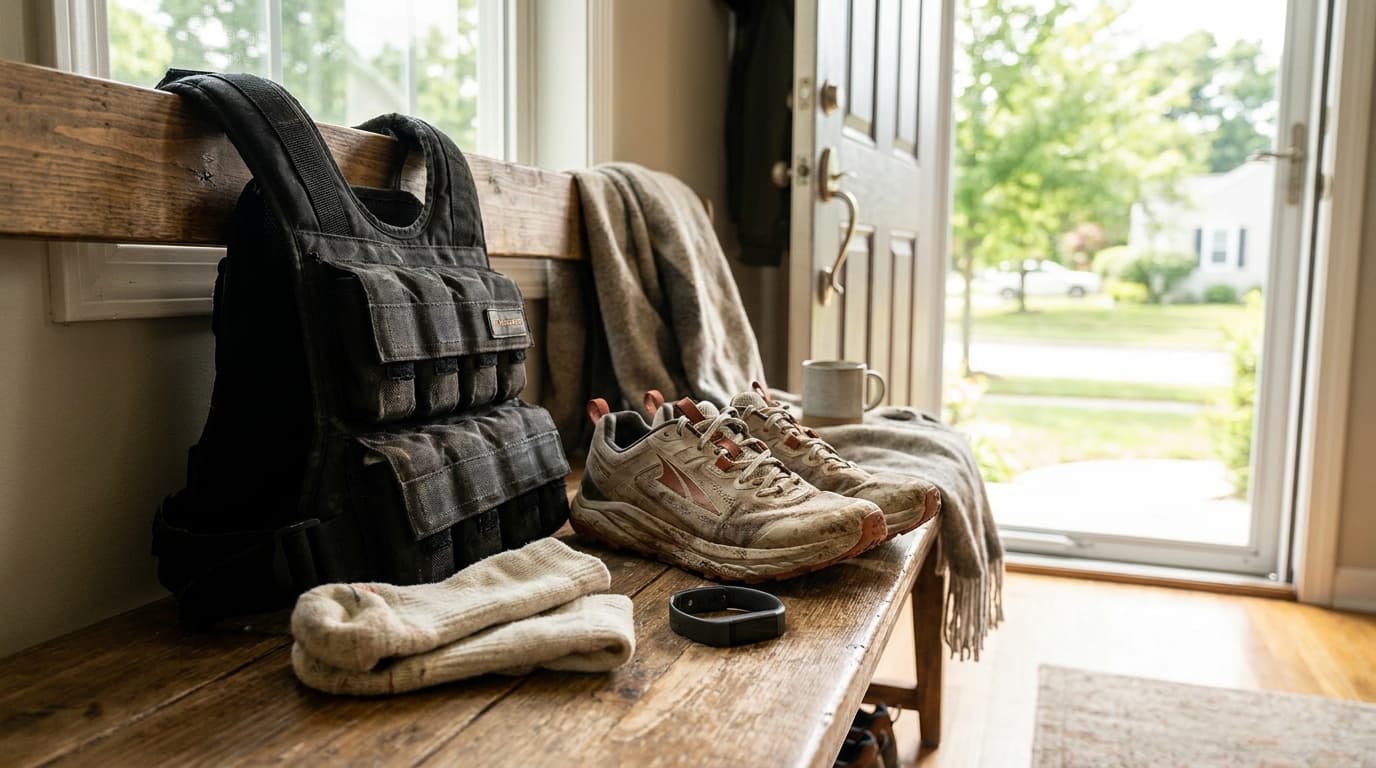
Complete fitness loadout
Weighted-vest starter kit
A beginner setup that pairs an adjustable vest with shoes, socks, and tracking for a repeatable walking routine.
Build the complete kitRelated guides
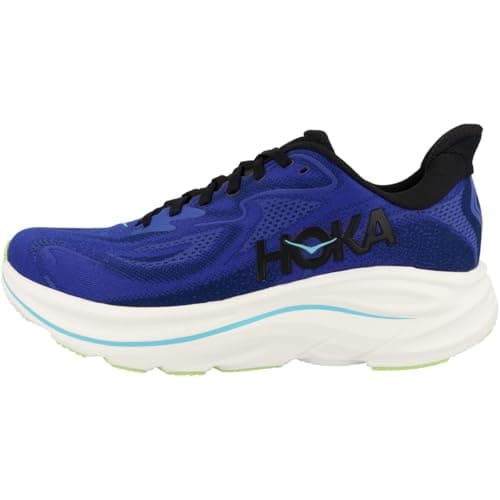
Product review
Hoka Clifton 10 review: the max-cushion walking shoe we rate highest
Kit Score 8.4/10. A 42mm stack that stays light for its size and rolls rather than sinks. Who the Clifton 10 is simply too much shoe for.
Read guide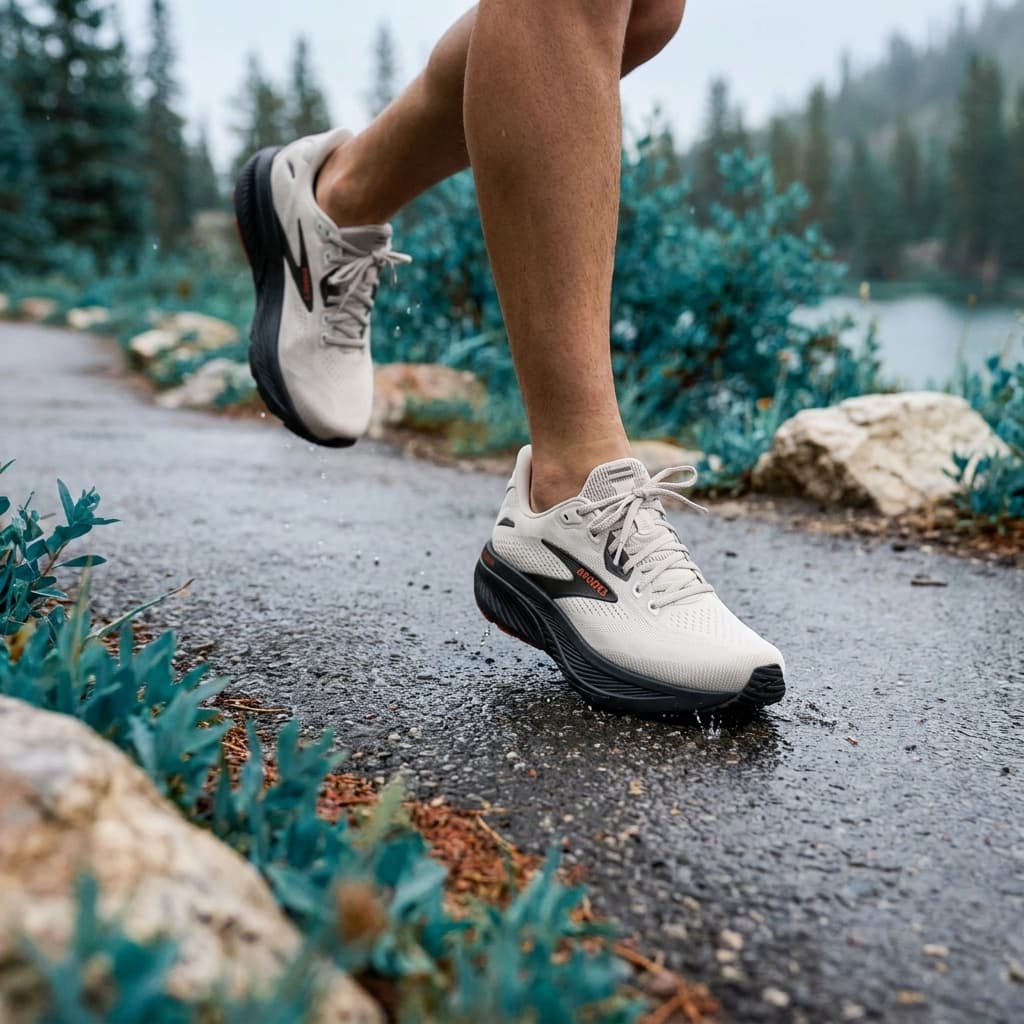
Product review
Brooks Ghost 18 review: the neutral daily trainer we rate best for walking
Kit Score 8.8/10, our pick for most walkers. DNA Loft v3, a 10mm drop, and widths through 4E. The 400 to 500 mile lifespan is the number that matters.
Read guide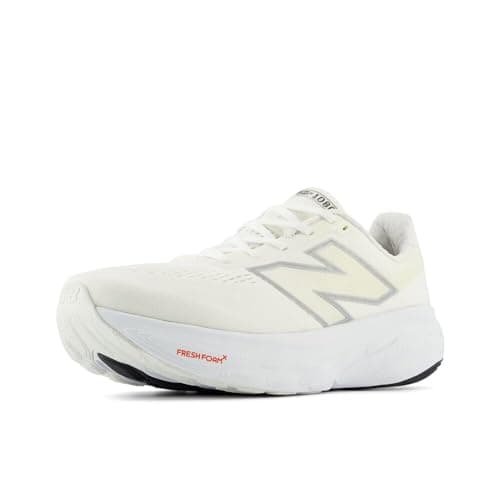
Product review
New Balance Fresh Foam X 1080 V14 review: the most cushioned walking shoe we rate
Kit Score 8.4/10. A 38mm stack at a 6mm drop, built for hours rather than miles. Where it beats the Clifton for long daily walking, and where it loses.
Read guide
Buying guide
Best walking shoes: top picks for fitness walkers
Brooks Ghost 18, Hoka Clifton 10, New Balance 1080 V14, and ASICS Gel-Contend 9 reviewed. Real specs, owner feedback, and a clear guide to picking the right shoe for daily fitness walks.
Read guideResearch-based roundup
4 products comparedUpdated Aug 6, 2026Our recommendations draw on manufacturer documentation, retailer listings, owner feedback, and comparisons with alternatives.
As an Amazon Associate I earn from qualifying purchases. We may earn a commission from links here, at no extra cost to you. How we research →