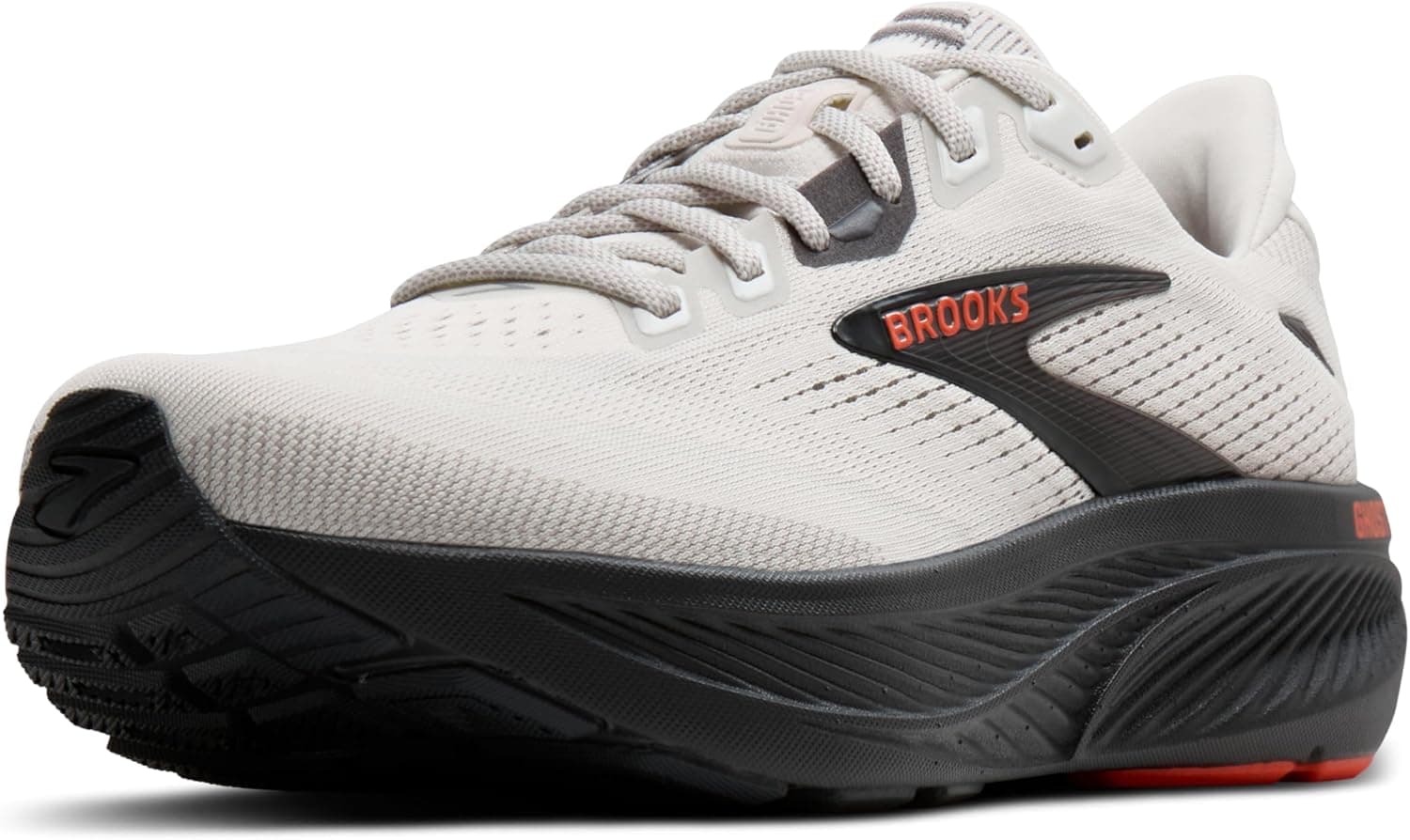
The short version
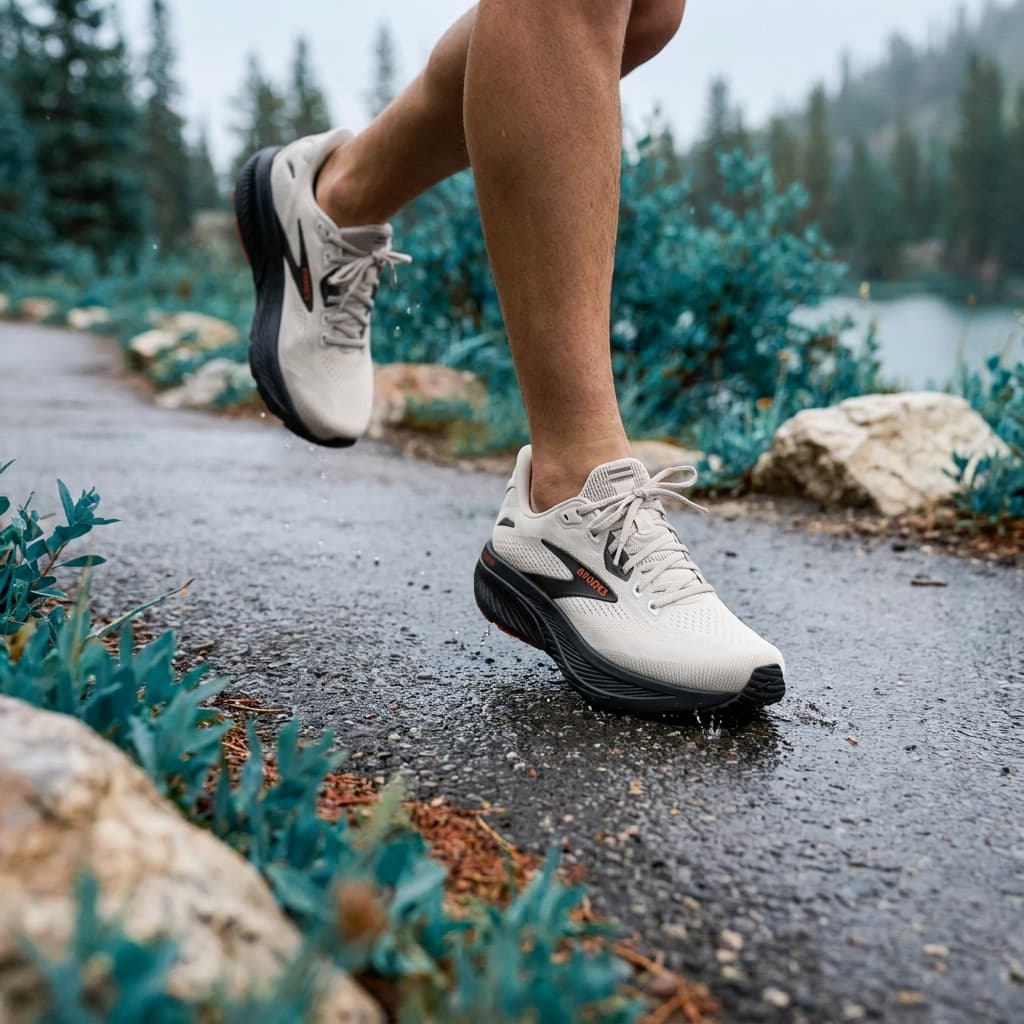
The Brooks Ghost 18 earns a Kit Score of 8.8 and our top overall slot for walking. Brooks markets it as a neutral running and walking shoe, and the label holds up: a DNA Loft v3 nitrogen-injected midsole, a 10mm drop, and the widest width lineup in our roundup (narrow through 4E) make it the most foot-shape-friendly general-purpose pick we tracked. It rides stable and cushioned from the first wear with no break-in, and a 400 to 500 mile outsole makes it the most cost-per-mile efficient shoe here. It is the best choice if you want one proven, durable, width-inclusive shoe for everyday walking. If you want plusher max-cushion, the New Balance Fresh Foam X 1080 is the alternative, and the Hoka Clifton is the max-stack pick.
The Brooks Ghost 18 is the shoe we recommend first in our best walking shoes guide, and it is the one most daily walkers should look at before anything pricier or plusher. This review covers exactly what you get, the spec details that matter for walkers specifically, and where it wins or loses against the max-cushion alternatives.
How it scores
8.8/10
Strong pick
Kit Score, weighted: fit for purpose 30%, owner sentiment 25%, build quality 25%, value 20%. How we score
Fit for purpose30%9.0
Explicitly designed and labeled for both running and walking; heel bevel and forefoot flex suit heel-strike walkers well.
Owner sentiment25%9.0
86/100 audience score and a top-5% popularity ranking on RunRepeat; 4.4 out of 5 across 373 reviews on Brooks.com (Sep 2026).
Build quality25%9.0
RunRepeat's outsole wear test showed only 0.8 mm of wear; upper breathes well with updated two-tone mesh on the v18.
Value20%8.0
At $150 MSRP the Ghost 18 is priced competitively; frequent Amazon sales bring it to $110–$130.
Who it is for
This shoe fits one buyer especially well: the daily fitness walker who wants a dependable, comfortable shoe and does not want to think about it. The Ghost line has logged 18 generations because it reliably delivers a stable, cushioned ride that works from a 20-minute morning loop to a full day on pavement. Owners consistently report comfort from the first wear with no break-in period, which is exactly what you want in a shoe you will reach for every day.
It also fits walkers who fall outside the standard-width default. The Ghost 18 comes in narrow, standard, wide (2E), and extra wide (4E), so it covers the widest range of foot shapes of anything in our guide. If you have struggled to find a walking shoe that fits, this is the first one to try. It carries both the APMA Seal of Acceptance and PDAC A5500 diabetic footwear certification, which adds real credibility for walkers who need that reassurance.
It is less ideal if you are a heavier walker or have joint sensitivity and want the maximum amount of foam underfoot. The Ghost 18 is cushioned, but its forefoot is firmer and lower-stack than a dedicated max-cushion shoe. If that describes you, read on to the comparison section. If you are brand new to walking for exercise, start with how to start walking for fitness before you fixate on gear: the shoe matters less than the habit early on.
Full specifications
| Spec | Detail |
|---|---|
| Kit Score | 8.8 / 10 (researched, not lab-tested) |
| Category | Neutral daily trainer (running and walking) |
| Weight | 10.2 oz (men) / 9.2 oz (women) |
| Heel drop | 10 mm |
| Stack height | 36 mm heel / 26 mm forefoot |
| Midsole | DNA Loft v3 nitrogen-injected foam |
| Widths | Narrow, Standard, Wide (2E), Extra Wide (4E) |
| Est. lifespan | 400–500 miles |
| Certifications | APMA Seal of Acceptance, PDAC A5500 diabetic |
| Price | $110–$150 (MSRP $150, frequent sales to $110–$130) |
The detail walkers should weigh most: the 10mm drop and 36mm heel stack. That is a traditional, stable geometry that suits heel-strike walkers who log miles on pavement and do not need specialty support. It is not a max-cushion profile, and that is by design.
Pros and cons
What it does well:
- Best width selection in the roundup, including narrow and 4E, so it fits the widest range of foot shapes of anything we tracked.
- The 10mm drop and stable neutral platform suit heel-strike walkers who log miles daily without specialty support needs.
- A 400 to 500 mile outsole lifespan makes it the most cost-per-mile efficient pick here, with outsole wear tests showing minimal 0.7mm indentation.
- Reliable comfort from the first wear with no break-in, plus an updated two-tone mesh upper that breathes well.
Where it falls short:
- Forefoot cushioning is firmer and lower-stack than the Clifton 10 or the New Balance 1080 v15, so heavier walkers or those with joint sensitivity may want more underfoot volume.
- At 10.2 oz for the men's shoe, it feels heavier on longer outings than the lighter max-cushion options.
How it compares
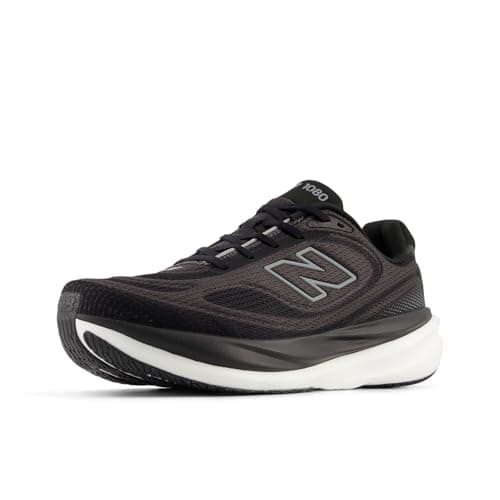
Against the New Balance 1080 v15, the trade is balance versus maximum protection. The 1080 v15 has a taller 40 mm heel stack of Infinion foam and a lower 6 mm drop (per Doctors of Running), which makes it the more protective ride for joint-sensitive walkers and those who get shin or calf strain from higher-drop shoes. It also costs more ($169.95 list). The Ghost gives up some underfoot volume but wins on value, and its firmer platform feels steadier.
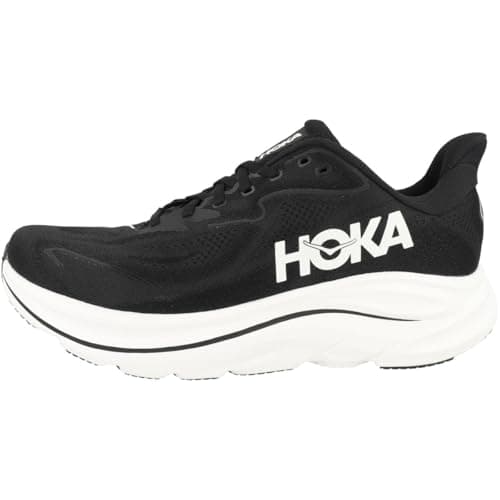
Against the Hoka Clifton, the trade is balance versus maximum cushion. The Clifton 10 pushes the stack to 42mm at the heel with a metarocker geometry that rolls the foot forward, which is the smoothest all-day ride here for walkers who want as much foam as possible. But its EVA midsole is less modern than the Ghost's nitrogen-injected DNA Loft v3, and the thicker upper breathes less well. If you want one balanced, durable, width-inclusive shoe rather than a max-cushion specialist, the Ghost 18 is the pick.
For the full field, including budget options scored the same way, see our best walking shoes guide. If you are just getting going, how to start walking for fitness covers building the habit before you spend on gear.
Not the one?
The Brooks Ghost 18 is route 01 (Daily fitness walks) in our guide Best walking shoes 2026. These are the routes for other jobs.
02 On your feet all day · 42 mm
Hoka Clifton 1003 More than 5 miles a day · 6 mm
New Balance 1080 v1504 Two or three miles a day · 4 of 5
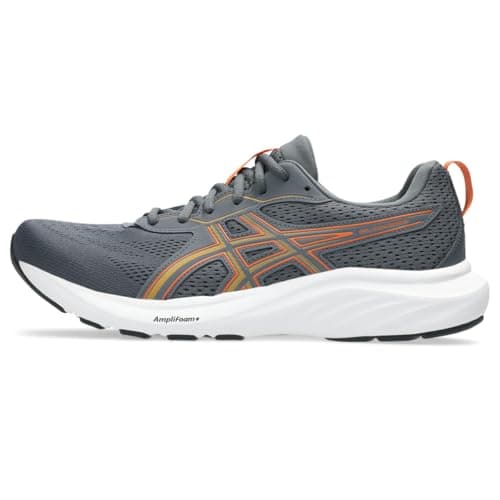
ASICS Gel-Contend 9
Frequently asked questions
Is the Brooks Ghost 18 good for walking?
Yes. Brooks officially markets it as a neutral running and walking shoe, and it earns our top walking Kit Score (8.8). Its 10mm drop and stable neutral platform suit heel-strike walkers, it is comfortable from the first wear with no break-in, and a 400 to 500 mile outsole makes it durable enough for daily use. It is the first shoe most fitness walkers should try.
What is the heel drop on the Brooks Ghost 18?
The Ghost 18 has a 10mm heel drop, with a 36mm heel and 26mm forefoot stack height. That is a traditional, stable geometry. If you have had calf or Achilles strain with higher-drop shoes, a lower-drop option like the New Balance Fresh Foam X 1080 (6mm) may suit you better.
Does the Brooks Ghost 18 come in wide widths?
Yes, and this is one of its biggest advantages. It comes in narrow, standard, wide (2E), and extra wide (4E), the broadest width lineup in our roundup. That makes it the easiest shoe here to fit if you have wide or narrow feet that other walking shoes do not accommodate. See how its widths and toe box compare in the best walking shoes for wide feet.
How long does the Brooks Ghost 18 last?
We estimate 400 to 500 miles, which is on the higher end for this category. Outsole wear tests show minimal 0.7mm indentation, and that longevity is why it is the most cost-per-mile efficient pick in our guide. For daily walkers, that translates to many months of use before the cushioning and tread give out.
Brooks Ghost 18 vs Hoka Clifton 10: which is better for walking?
The Clifton 10 has a taller 42mm heel stack and a rocker geometry, so it is the plusher, smoother max-cushion ride for walkers who want as much foam as possible. The Ghost 18 uses a more modern nitrogen-injected midsole, breathes better, comes in more widths, and lasts longer. For a balanced, durable everyday walking shoe, choose the Ghost; for maximum cushion, choose the Clifton.
For the full field, including premium and max-cushion alternatives scored the same way, see our best walking shoes guide.