Destinations
Texas outdoors
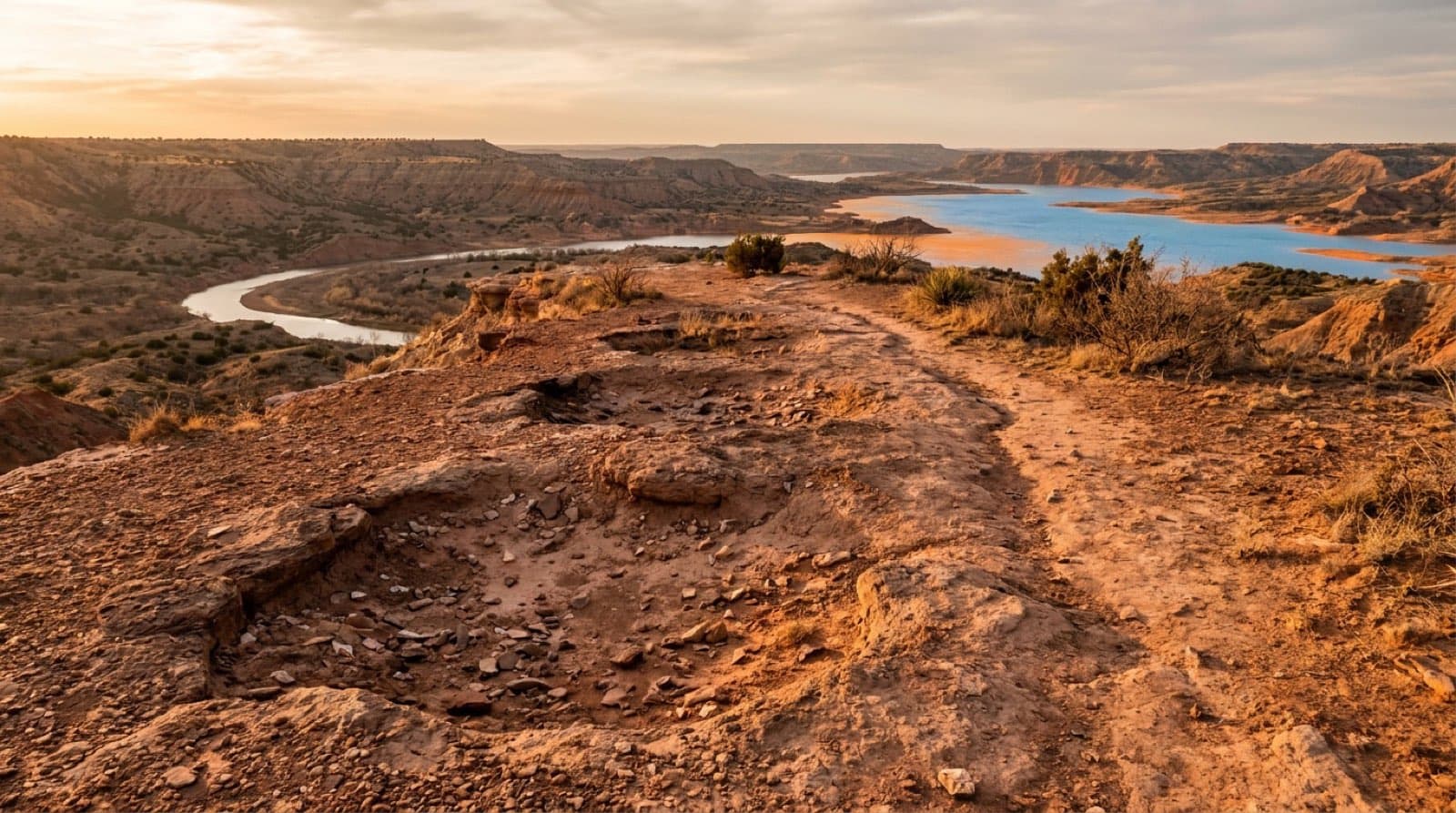
From desert mountains and a second-largest canyon to Hill Country swimming holes and Gulf Coast beaches, Texas packs wildly different outdoors into one big state.
Top parks in Texas
See all 90 parks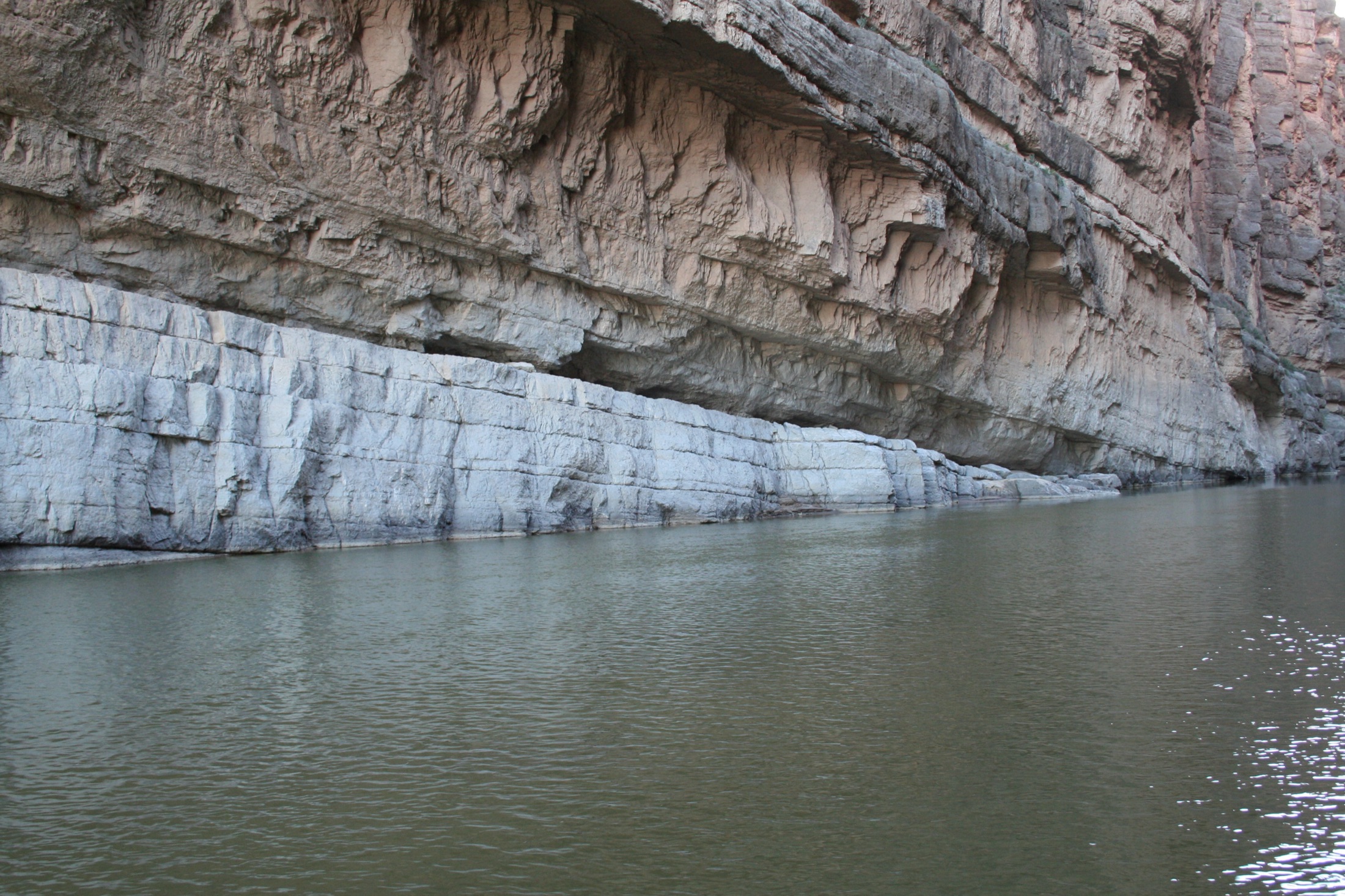
Big Bend
A vast, remote stretch of Chihuahuan Desert, Rio Grande canyons, and the cool Chisos Mountains, with some of the darkest night skies in the country.
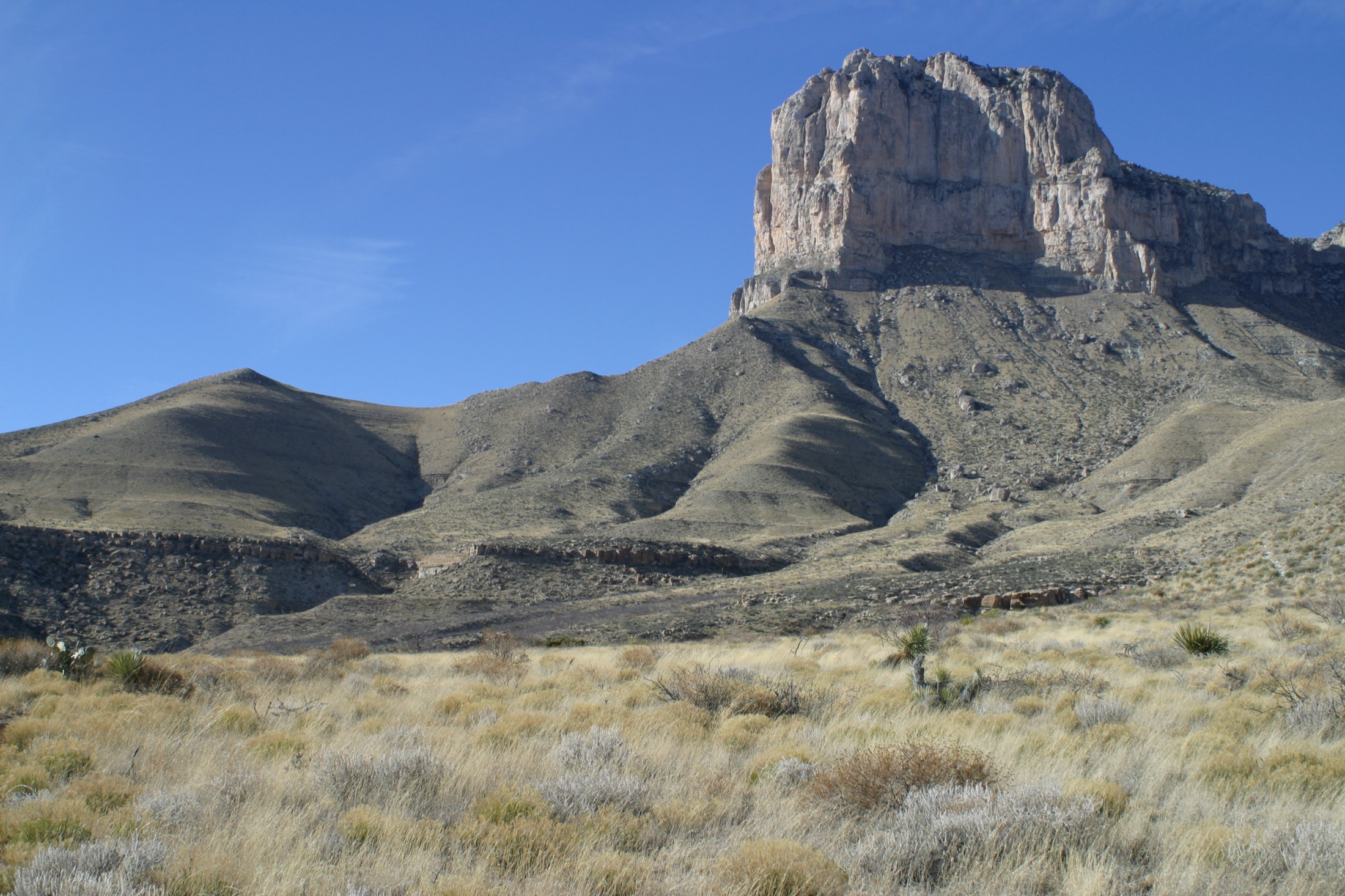
Guadalupe Mountains
Texas's highest peak, the world's best fossil reef, and dark desert skies, all in one wild West Texas range.
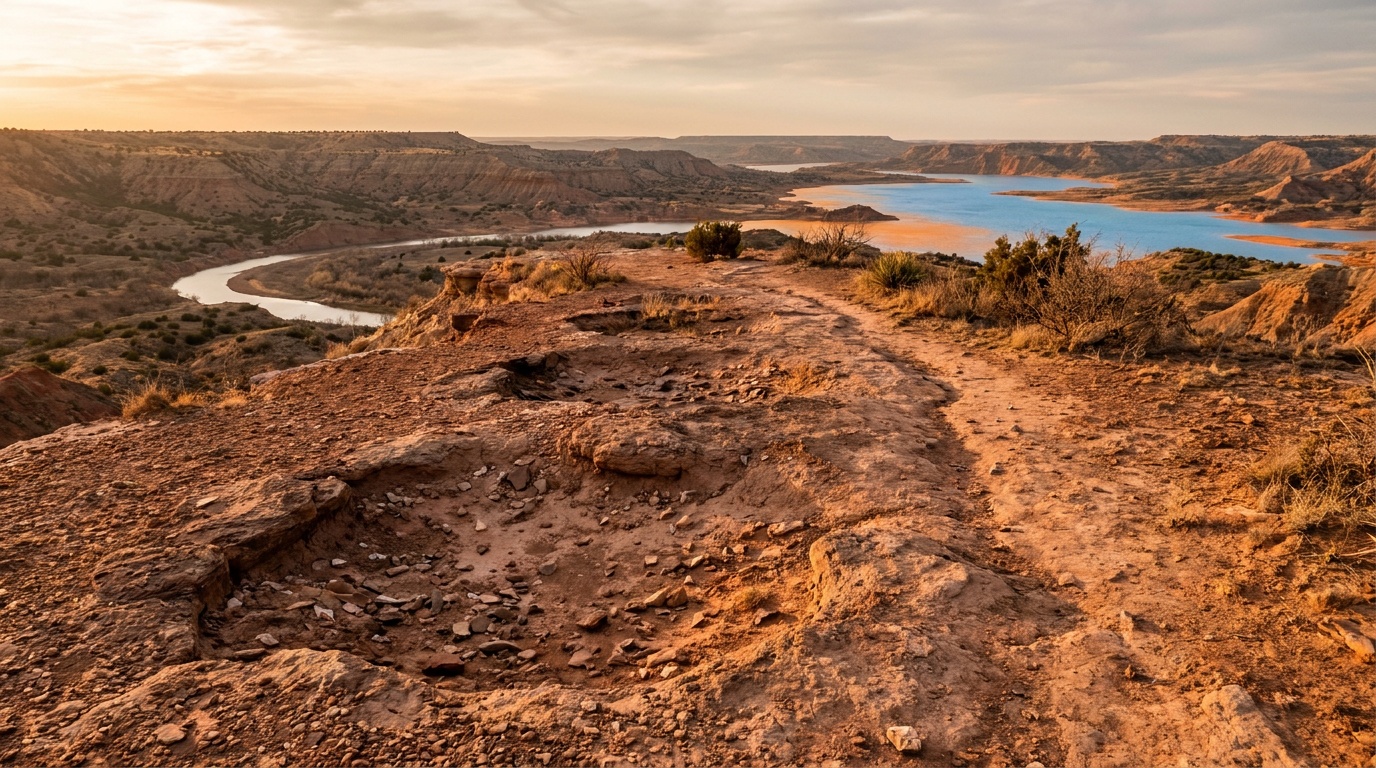
Alibates Flint Quarries National Monument
The only national monument in Texas, where the colorful Alibates flint that Native peoples quarried for 13,000 years can be seen only on a ranger-guided, reservation-required hike above Lake Meredith.
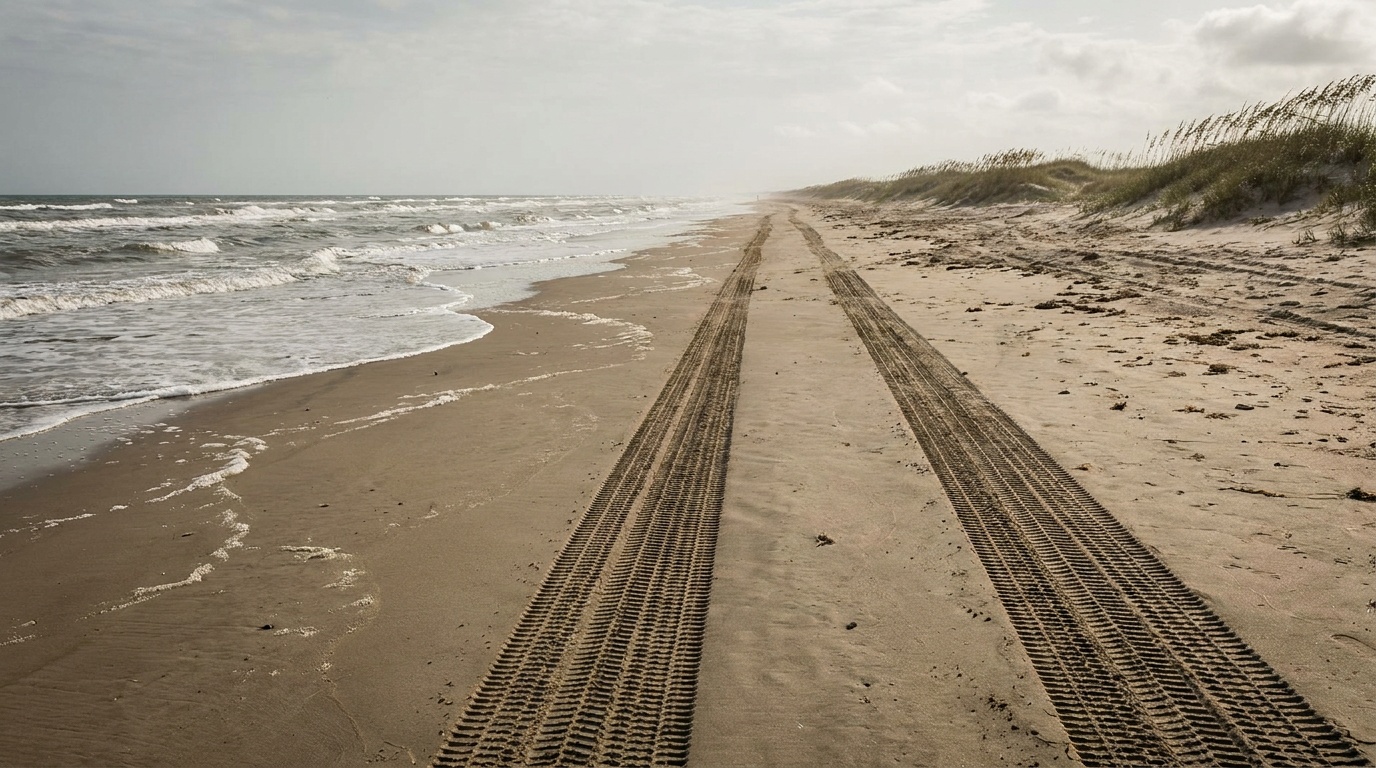
Padre Island National Seashore
The longest stretch of undeveloped barrier island in the world, where 60 miles of drivable Gulf beach and summer Kemp's ridley sea turtle hatchling releases define the visit.
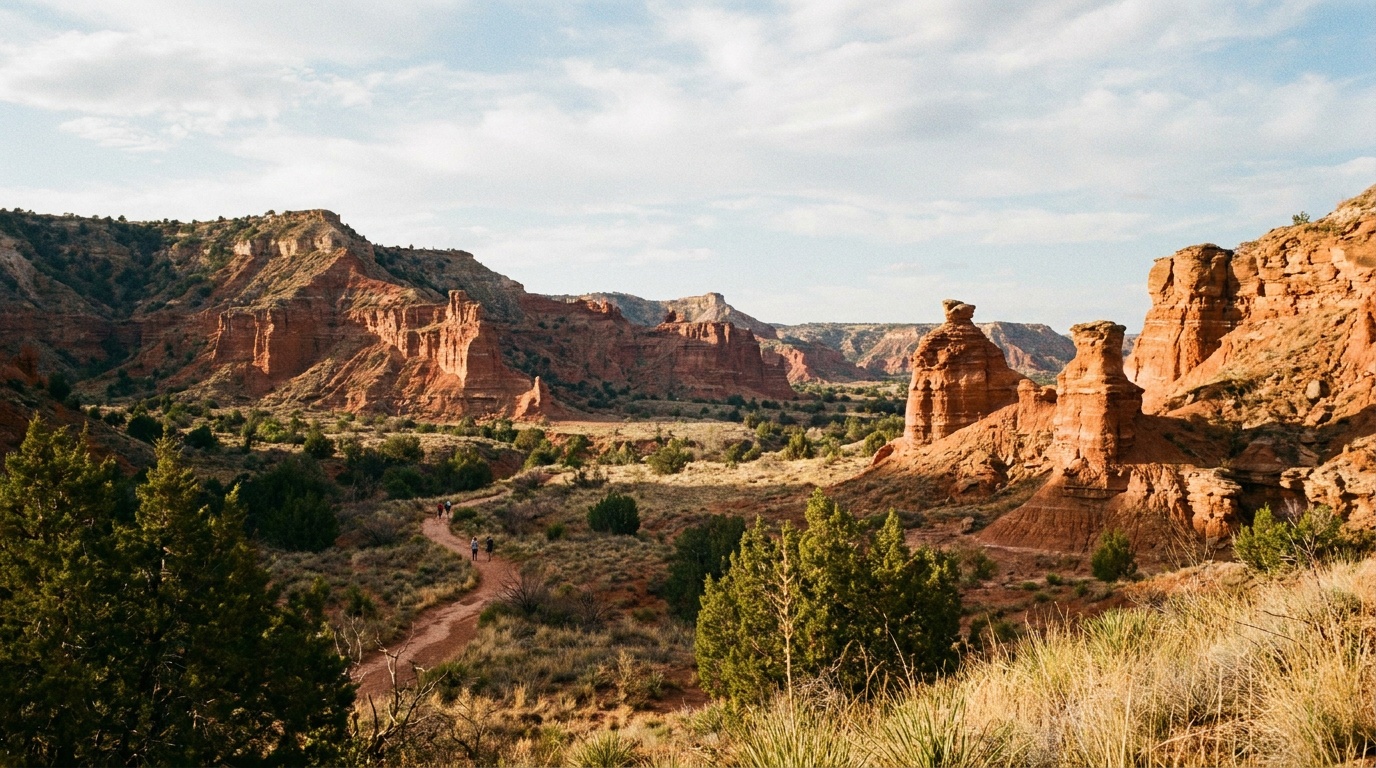
Caprock Canyons State Park and Trailway
Panhandle red-rock canyons, the official Texas State Bison Herd roaming free, a 64-mile rail trail, and dark-sky camping near Quitaque.
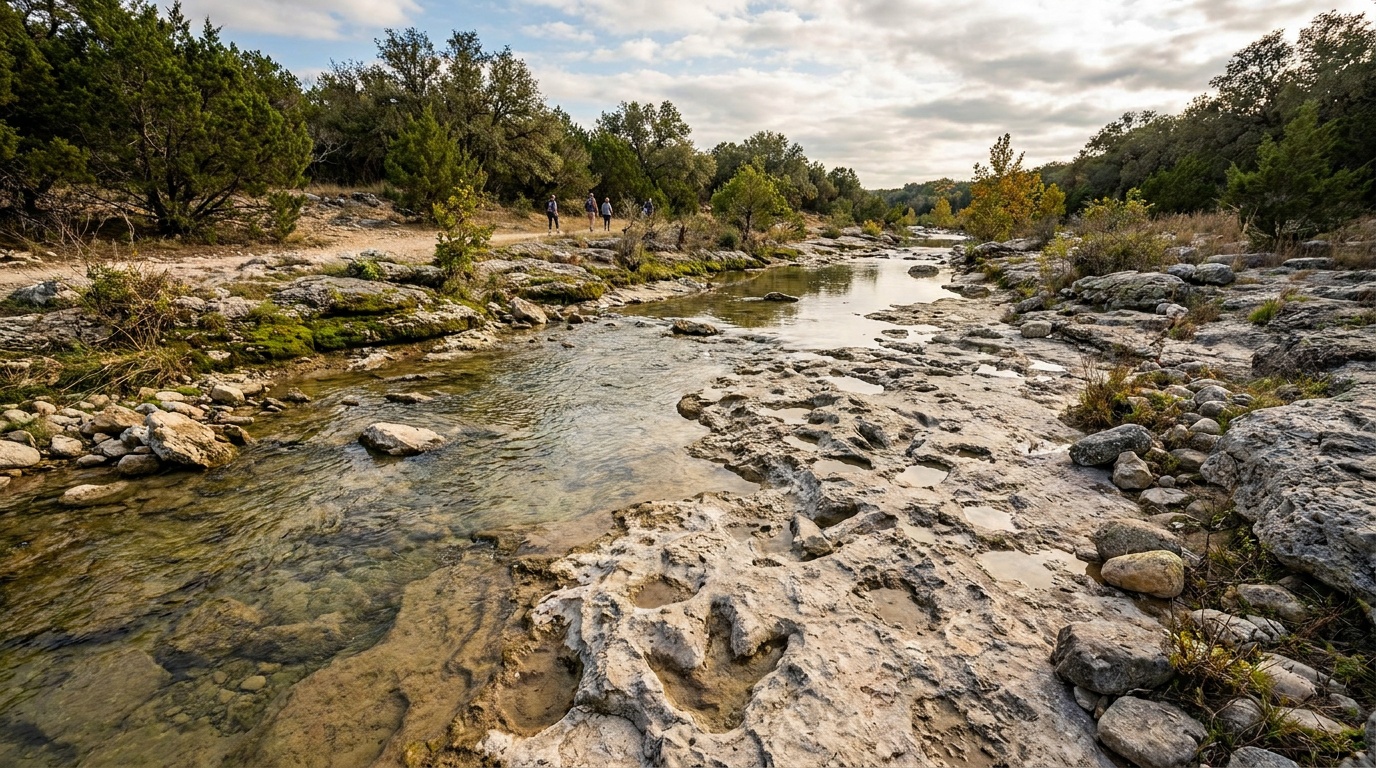
Dinosaur Valley State Park
Walk in real dinosaur tracks pressed into the Paluxy riverbed near Glen Rose, with river wading, hiking, and reservable campsites.
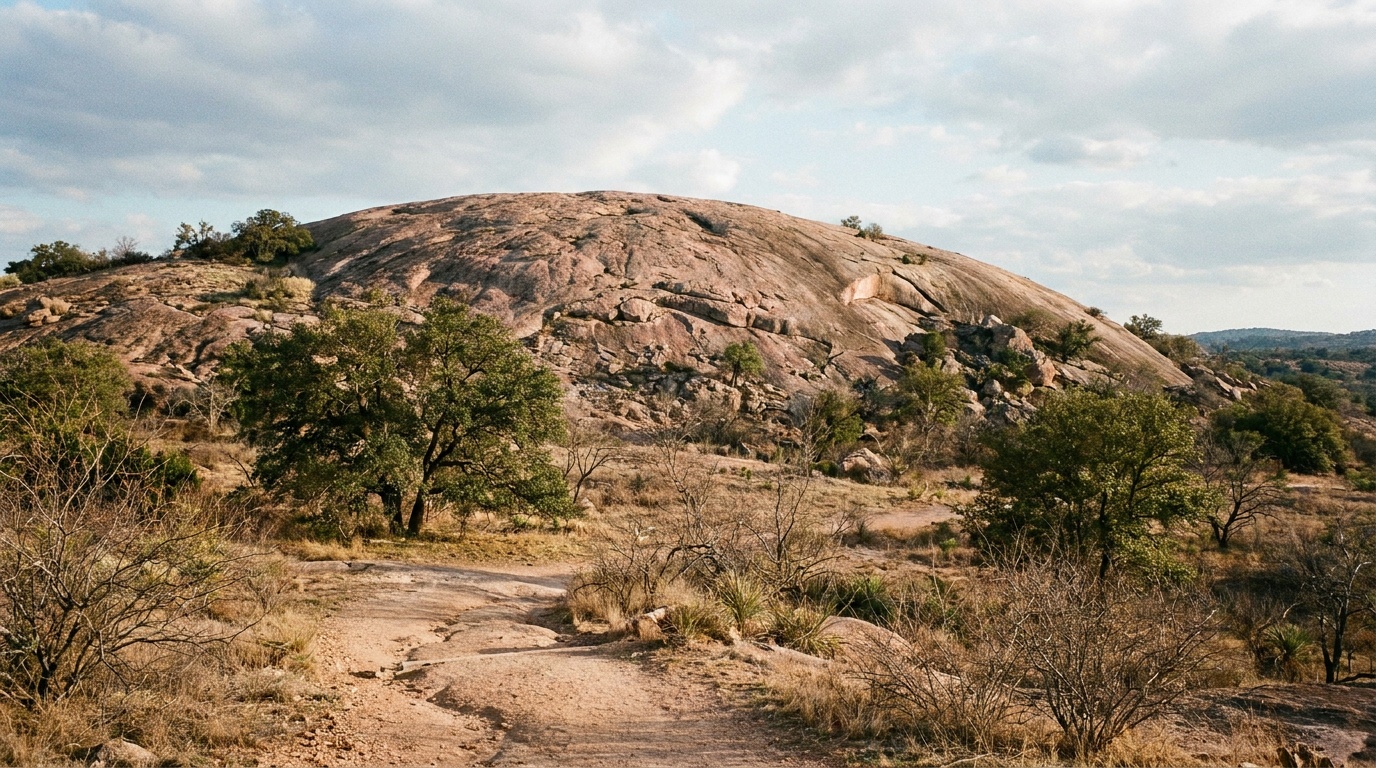
Enchanted Rock State Natural Area
The Hill Country's iconic pink-granite dome: a steep summit climb, a day pass that sells out, primitive camping, and dark skies.
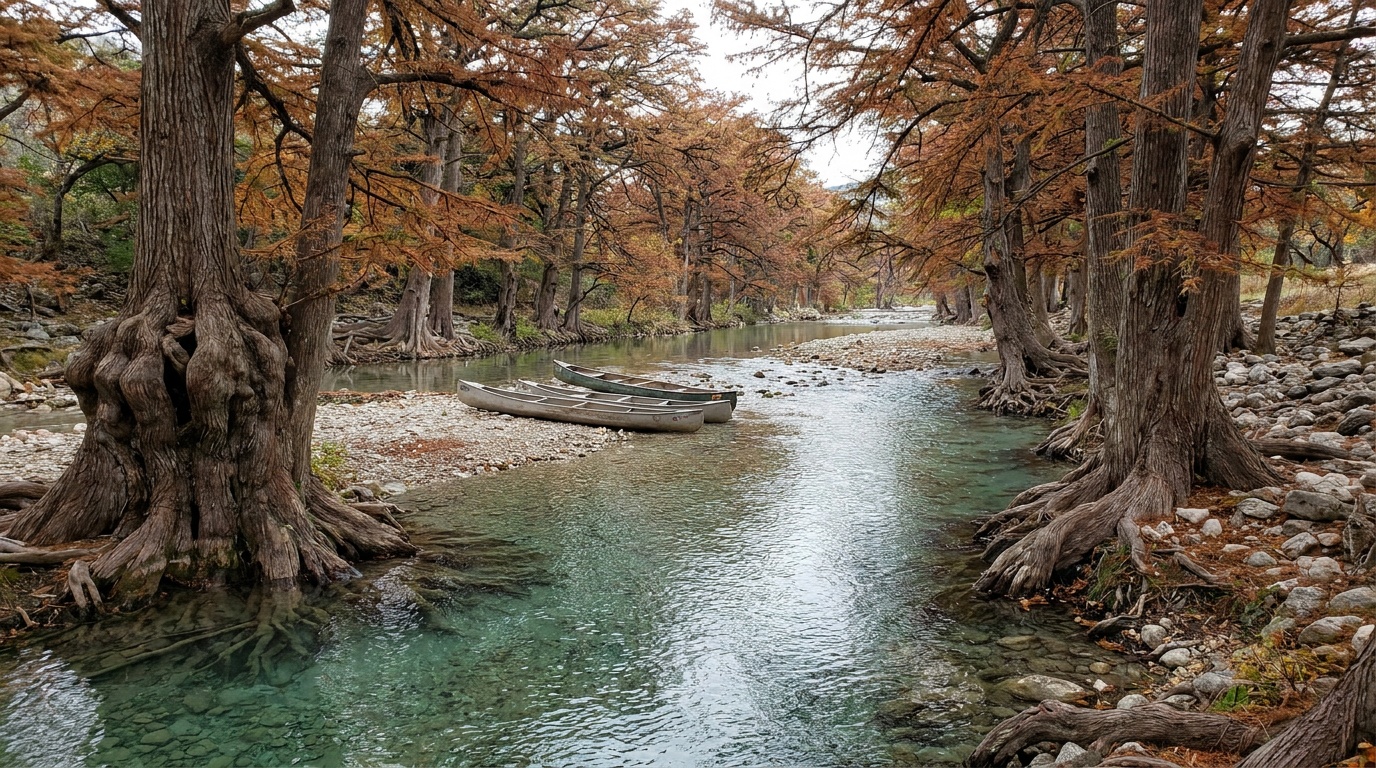
Garner State Park
Texas's most loved overnight park: the Frio River, Old Baldy, summer jukebox dances, and a reservation race that starts the day the window opens.
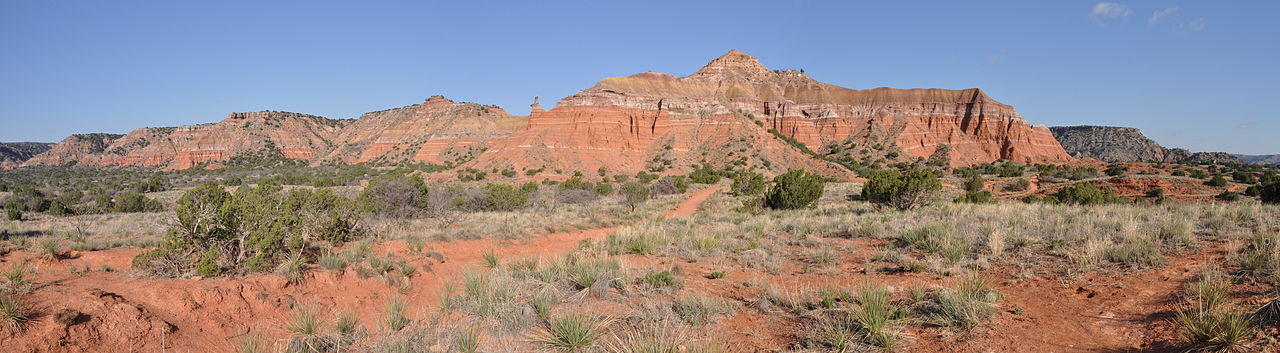
Palo Duro Canyon State Park
Texas canyon country with red-rock drives, the Lighthouse Trail, day-use capacity limits, cabins, glamping, and reservable campsites.
Planning a Texas trip
Texas is less one outdoor destination than five or six, and the trick is knowing which one you came for. Out west, the Chihuahuan Desert rises into real mountains, with the state's two national parks anchoring the high, remote corner near the Rio Grande and the New Mexico line. Up in the Panhandle, Palo Duro Canyon (the second-largest canyon in the country) carves red and orange walls into otherwise flat plains. In the middle of the state, the Hill Country between Austin and San Antonio gives you spring-fed swimming holes, granite domes, and rolling oak country. East Texas turns green and shaded in the Piney Woods, and the Gulf Coast trades trails for sandy beaches and some of the best birdwatching in the nation.
For state-park hiking, the standouts are easy to name. Enchanted Rock is a massive pink-granite dome you can climb for big views. Lost Maples is the place to be in fall, when its namesake maples go gold and red (rare for Texas). Colorado Bend mixes caves with more than 35 miles of trail, and Guadalupe River State Park has the clear water and swimming holes the Hill Country is known for. Palo Duro is its own kind of trip: hike, bike, or drive the canyon floor, and catch the outdoor musical in summer.
Timing matters more here than in most states. Spring is wildflower season, with bluebonnets across the Hill Country, and fall cools things off statewide. Summer gets brutally hot, especially in the western desert, while winter is actually the comfortable season for the far-west mountains, with daytime highs around 60F (though mountain nights drop below freezing). Pack for that range: sun protection and far more water than feels reasonable in the desert and on exposed canyon trails, layers for cold mountain mornings, and water shoes plus a swimsuit for the Hill Country rivers. Good traction underfoot covers you on everything from slick granite to loose canyon switchbacks.
Getting around Texas
Texas is huge, and your airport depends on which Texas you are visiting. Dallas-Fort Worth (DFW) and Houston's George Bush Intercontinental (IAH) are the two big national and international hubs, each serving 40 million-plus travelers a year, and both put you within a few hours of Hill Country, Piney Woods, and Gulf Coast trips. Austin (AUS) and San Antonio (SAT) are the most convenient bases for the Hill Country itself. For the far west, El Paso (ELP) is the practical gateway to the mountain parks. For the Panhandle and Palo Duro Canyon, fly into Amarillo (AMA).
Distances out west are the part visitors underestimate. From El Paso, Big Bend is roughly 300 miles and close to 5.5 to 6 hours of driving, much of it through open desert with long gaps between services, so fuel up and carry water. From Austin, Big Bend is around 470 to 500 miles and a full 7.5 to 9 hours behind the wheel; it is a commitment, not a day trip. The two western national parks sit reasonably close to each other in that same remote corner, so many travelers pair them on one trip.
The other regions are far gentler on the odometer. Palo Duro Canyon is only about 30 miles (under an hour) from Amarillo. Hill Country parks like Enchanted Rock, Guadalupe River, and Lost Maples cluster within one to two hours of Austin and San Antonio, which makes a multi-park Hill Country loop easy in a weekend. A car is essentially required everywhere outdoors in Texas: public transit does not reach the parks, and the best stuff is spread across hundreds of miles.
All 10 Texas park guides
State park directory
Every Texas state park
A source-backed inventory layer for planning breadth. Full Kit Authority guides are marked when a park has camping detail, rules, and packing notes; the rest link straight to the official page. Looking for rail trails and state trails? They have their own Trail Guide.
90 parks
6 full guides · 73 with photos
Caprock Canyons State Park
State Park
Wind and water over the eons shaped the rugged beauty of Caprock Canyons State Park in the Panhandle of Texas.
- Camping
- Hiking
- Biking
- Fishing
Texas Parks and Wildlife
Full guideDinosaur Valley State Park
State Park
Long ago, dinosaurs left footprints in the mud at the edge of an ancient ocean.
- Camping
- Hiking
- Biking
- Fishing
Texas Parks and Wildlife
Full guideEnchanted Rock State Natural Area
State Natural Area
Climb the ancient dome for amazing Hill Country views.
- Camping
- Backpacking
- Hiking
- Biking
Texas Parks and Wildlife
Full guideGarner State Park
State Park
Fun traditions and beautiful scenery bring people back to Garner State Park time after time.
- Camping
- Cabins
- Hiking
- Biking
Texas Parks and Wildlife
Full guidePalo Duro Canyon State Park
State Park
The second largest canyon in the country lies in the heart of the Texas Panhandle, offering rugged beauty and colorful history.
- Hiking
- Biking
- Horseback Riding
- Camping
Texas Parks and Wildlife
Full guidePedernales Falls State Park
State Park
Flowing over huge slabs of limestone, the Pedernales River offers a place to relax and recharge just 30 miles west of Austin.
- Camping
- Hiking
- Biking
- Picnicking
Texas Parks and Wildlife
Full guideAbilene State Park
State Park
Come to the shady banks of Elm Creek, where large trees arch overhead and deer and other critters wander by.
- RV Camping
- Camping
- Hiking
- Nature Trails
Texas Parks and Wildlife
Official pageAtlanta State Park
State Park
Fishing, camping, birding await in scenic northeast Texas.
- Camping
- Hiking
- Nature Trails
- Biking
Texas Parks and Wildlife
Official pageBalmorhea State Park
State Park
Dive into the crystal-clear water of the world's largest spring-fed swimming pool.
- Camping
- Fishing
- Swimming
- Picnicking
Texas Parks and Wildlife
Official pageBastrop State Park
State Park
For more than 70 years, folks have visited Bastrop State Park to enjoy its history and marvel at the Lost Pines.
- RV Camping
- Camping
- Cabins
- Hiking
Texas Parks and Wildlife
Official pageBentsen-Rio Grande Valley State Park
State Park
Down in the valley you'll find a birder's paradise.
- Camping
- Hiking
- Biking
- Fishing
Texas Parks and Wildlife
Official pageBig Bend Ranch State Park
State Park
Big Bend Ranch State Park offers outdoor recreation for the truly adventurous.
- Camping
- Backpacking
- Hiking
- Biking
Texas Parks and Wildlife
Official pageBlanco State Park
State Park
Come for a picnic, afternoon swim, fishing trip or a weekend campout on the banks of the spring-fed Blanco River.
- Camping
- Hiking
- Fishing
- Boating
Texas Parks and Wildlife
Official pageBonham State Park
State Park
Northeast of Dallas is a small park filled with natural beauty.
- Camping
- Hiking
- Biking
- Fishing
Texas Parks and Wildlife
Official pageBrazos Bend State Park
State Park
You will find it at Brazos Bend State Park, just 45 miles from downtown Houston!
- Camping
- Cabins
- Hiking
- Nature Trails
Texas Parks and Wildlife
Official pageBuescher State Park
State Park
East of Austin and a short drive past Bastrop State Park, you'll find its sibling, Buescher.
- Camping
- Cabins
- Hiking
- Biking
Texas Parks and Wildlife
Official pageCaddo Lake State Park
State Park
Bald cypress trees draped with Spanish moss tower over the Big Cypress Bayou.
- Camping
- Cabins
- Hiking
- Fishing
Texas Parks and Wildlife
Official pageCedar Hill State Park
State Park
Relax by the lake, tour an old Texas farm, or explore our rugged limestone hills and rare prairie pockets.
- Camping
- Hiking
- Biking
- Fishing
Texas Parks and Wildlife
Official pageChoke Canyon State Park
State Park
Watch the sun rise over the lake while birds sing in the brush.
- Camping
- Cabins
- Hiking
- Fishing
Texas Parks and Wildlife
Official pageCleburne State Park
State Park
Get away from hectic city life at Cleburne State Park, just 30 minutes southwest of Fort Worth on the northern edge of the Hill Country.
- Camping
- Cabins
- Hiking
- Biking
Texas Parks and Wildlife
Official pageColorado Bend State Park
State Park
Spend a weekend exploring the unspoiled wilderness of Colorado Bend.
- Camping
- Hiking
- Biking
- Fishing
Texas Parks and Wildlife
Official pageCopper Breaks State Park
State Park
Early Americans, including the Comanche, camped in this part of North Texas for thousands of years, replenishing body and soul.
- Camping
- Hiking
- Nature Trails
- Biking
Texas Parks and Wildlife
Official pageDaingerfield State Park
State Park
Tall trees reach for the sky in the northeast corner of Texas.
- Camping
- Cabins
- Hiking
- Fishing
Texas Parks and Wildlife
Official pageDavis Mountains State Park
State Park
High in the mountains of West Texas you will find a beautiful and historic park.
- Camping
- Backpacking
- Hiking
- Biking
Texas Parks and Wildlife
Official page


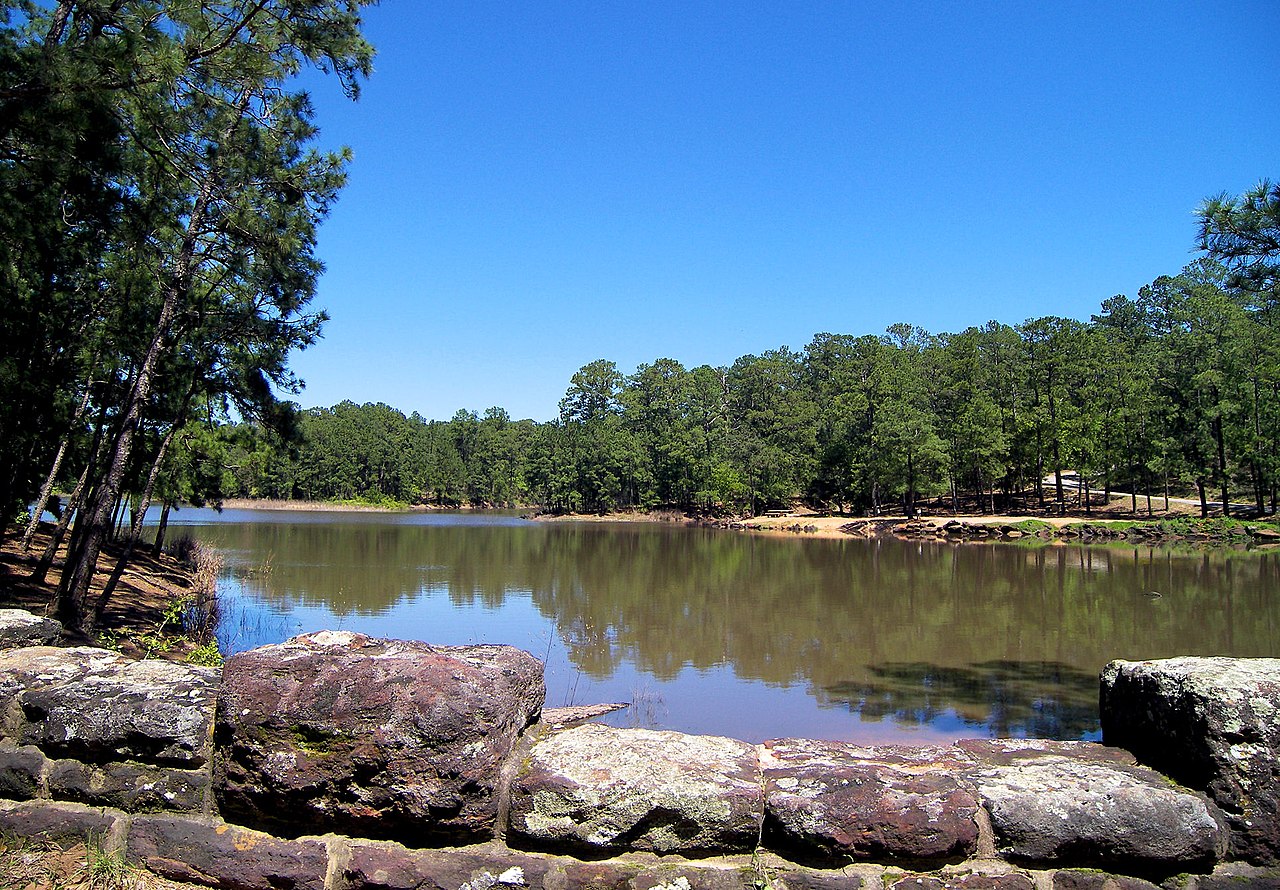


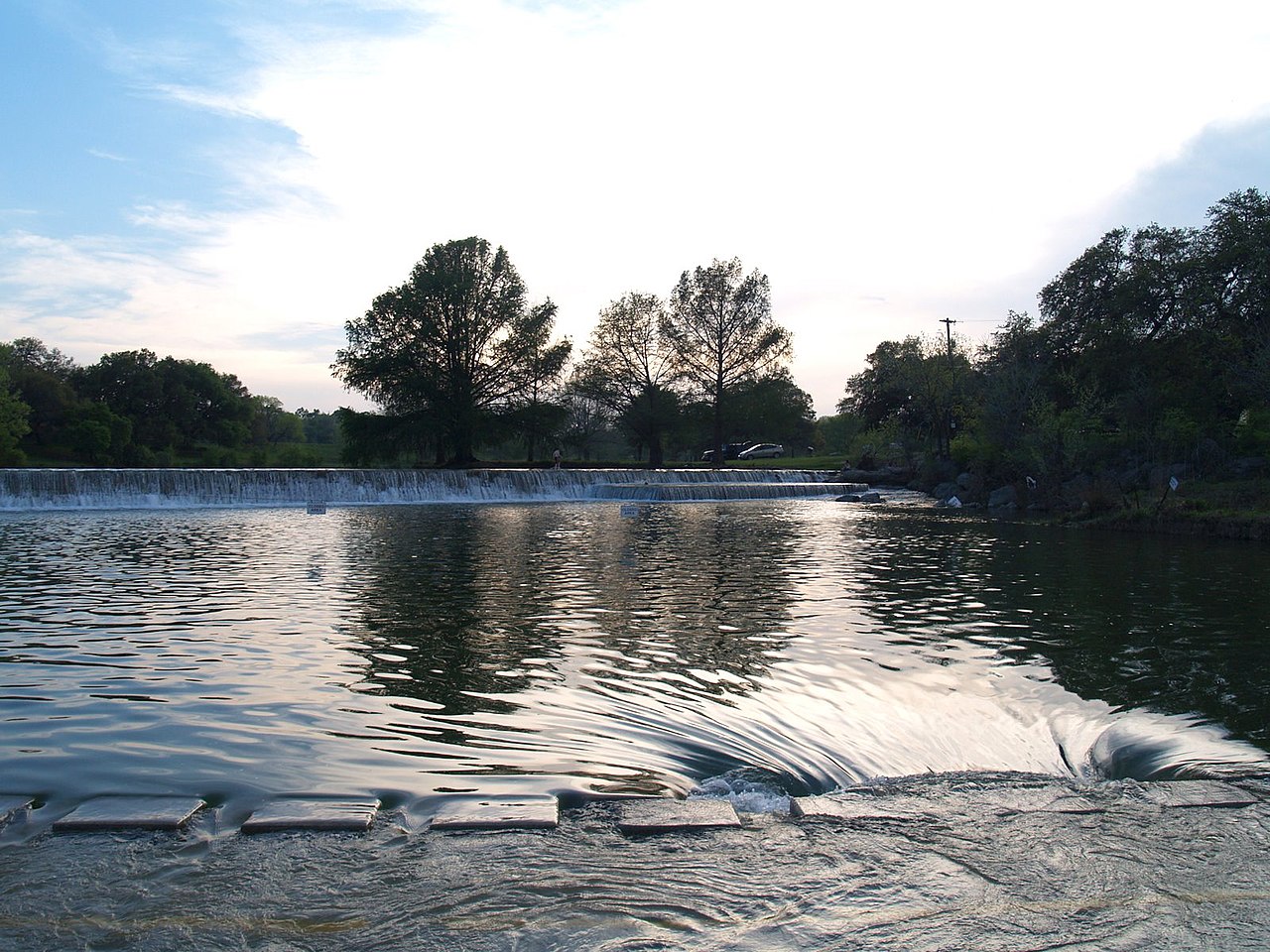


Inventory source: USGS PAD-US 4.1. Photos are public-domain or Creative Commons via Wikimedia Commons, credited per image. Official reservations and rules remain state-specific, so use the state booking links before committing to dates.
Native plants of Texas
Texas runs from piney woods to hill country to high desert, and its wildflowers are the show. Here are natives you will spot across its parks, and most of these you can grow in a home garden too.
Texas bluebonnet
Lupinus texensis
The state flower, blanketing roadsides and hill-country meadows in April.
Sow seed in fall for a spring bloom. Grow itFirewheel (Indian blanket)
Gaillardia pulchella
Red-and-gold daisies that ring prairies and coastal dunes through the summer heat.
A tough, self-seeding annual for sunny beds. Grow itBlackfoot daisy
Melampodium leucanthum
Low mounds of white daisies on rocky limestone slopes, in bloom much of the year.
Drought-proof groundcover for hot, well-drained spots. Grow itAutumn sage
Salvia greggii
A shrubby sage that draws hummingbirds across the Edwards Plateau.
An easy, long-blooming xeriscape shrub. Grow itMealycup sage
Salvia farinacea
Spikes of blue-violet flowers common in prairies and parks statewide.
A reliable perennial for a pollinator border. Grow itFirecracker penstemon
Penstemon eatonii
Scarlet tubular flowers on tall stalks through the drier west of the state.
A water-wise perennial hummingbirds love. Grow itEastern prickly pear
Opuntia humifusa
Flat-padded cactus with yellow blooms and edible fruit across central and east Texas.
Starts from a single pad in fast-draining soil. Grow itLanceleaf coreopsis
Coreopsis lanceolata
Golden tickseed daisies that light up roadsides and meadows in late spring.
A cheerful, easy native for a sunny garden. Grow itBlack-eyed Susan
Rudbeckia hirta
Gold petals around a dark cone, a prairie staple from spring into fall.
A garden classic that self-sows freely. Grow itScarlet sage
Salvia coccinea
Bright red spikes along woodland edges, a hummingbird magnet.
Blooms from seed in its first year in part sun. Grow it
Grow-at-home guides for these come from our sister site, Sprout Authority.
Frequently asked questions
What is the best national park in Texas?
It depends on what you want. Big Bend National Park is the larger and more varied of the two, with more than 150 miles of trail spanning desert, the Chisos Mountains, and the Rio Grande canyons, so it tends to be the headline pick. Guadalupe Mountains National Park is the choice for peak-baggers and fall color, home to the highest point in Texas and the fiery autumn display in McKittrick Canyon. Both sit in the remote far-west corner of the state and pair well on a single trip.
When is the best time to visit Texas parks?
Spring and fall are the sweet spots for most of the state, with mild temperatures, wildflowers in spring, and fall color at places like Lost Maples. Summer is brutally hot, especially in the western desert and exposed canyons, so it is best avoided for hard hiking. Winter is the exception out west: the desert mountain parks are actually most comfortable then, with daytime highs near 60F, though pack layers because mountain nights can drop below freezing.
Do I need a car to visit the outdoors in Texas?
Yes. Texas parks are spread across a very large state and public transit does not reach them, so a rental car (or your own) is essential. Western trips especially involve long desert drives with few services, so plan fuel and water stops. Closer-in regions like the Hill Country near Austin and San Antonio make multi-park loops easy, but you will still be driving between them.