When to go
Weather, crowds, and what the season changes about the trip.
Spring
Warm, breezy, and increasingly humid, with the start of the sea turtle hatchling release season.
Pack Sun protection, a beach-ready vehicle, and an early arrival for turtle release mornings.
Summer
Hot, humid, and buggy, with strong sun, warm Gulf water, and peak hatchling releases.
Pack Lots of water, sun shirt, insect repellent, and a low-pressure tire plan for soft sand.
Fall
Warm and pleasant as crowds thin, with good fishing and beachcombing and lingering humidity.
Pack Sun protection, water, and a recovery board or traction aid for the sand.
Winter
Mild and breezy, cooler with occasional cold fronts and excellent beach solitude.
Pack Wind layer, warm top for fronts, and tide and weather checks before driving down-island.
Top things to do
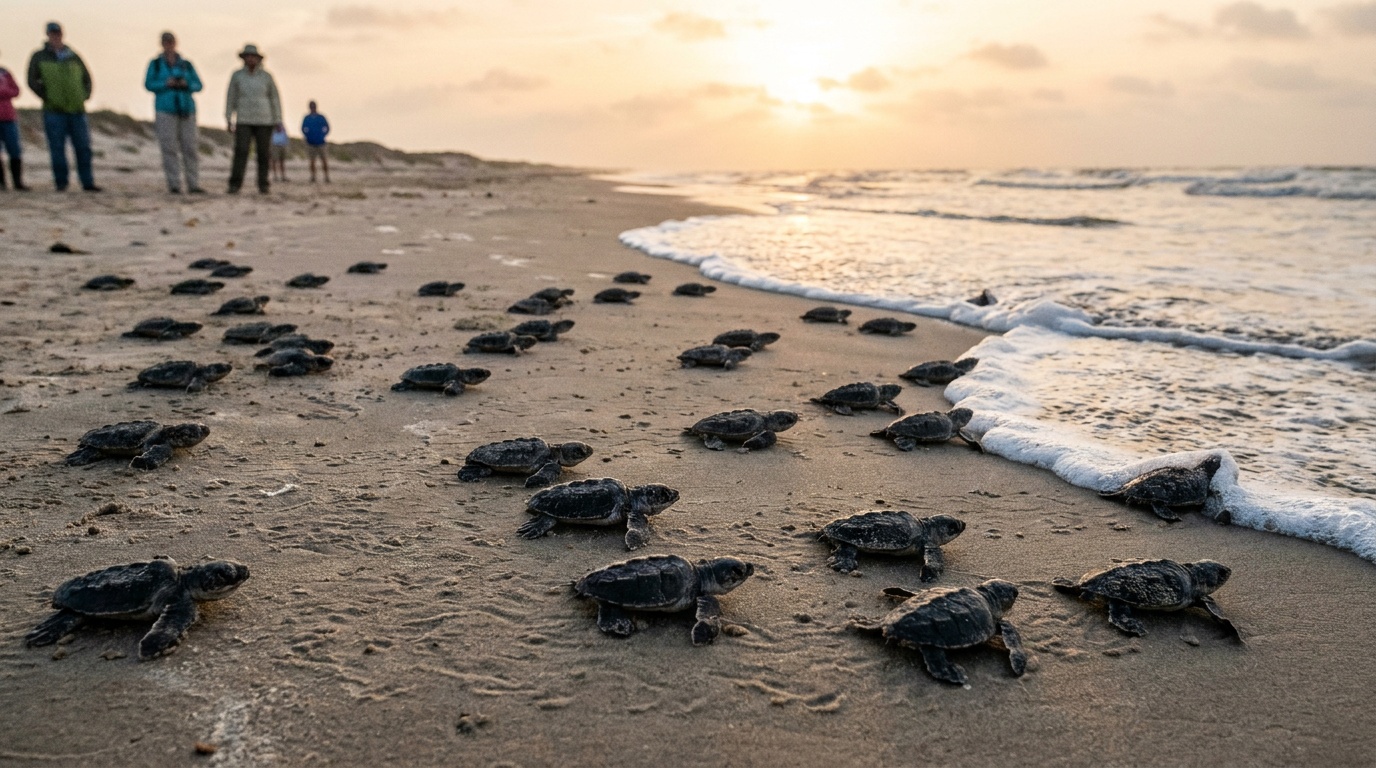
Kemp's ridley sea turtle hatchling releases
Free, public dawn releases of the world's most endangered sea turtle on Malaquite Beach, typically June through October when nests hatch.
Down-island beach drive
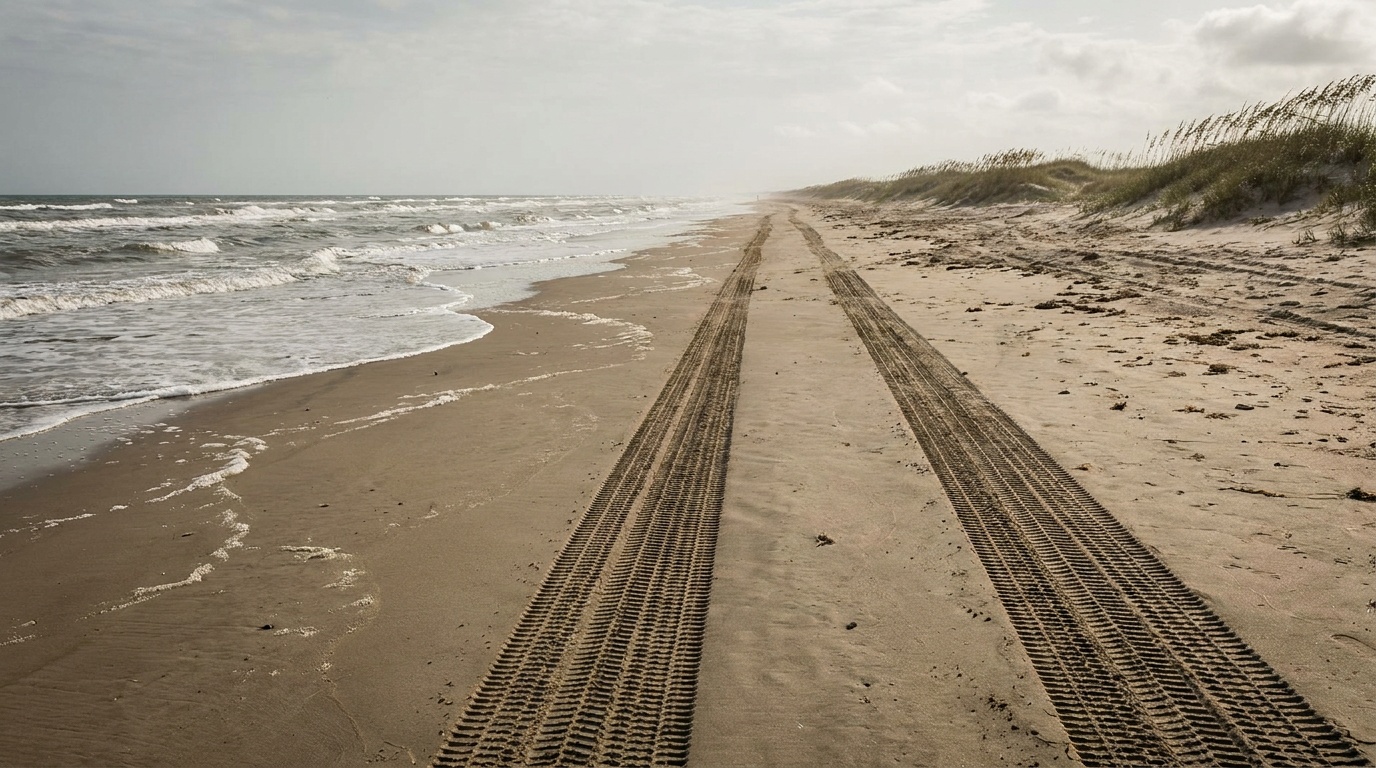
Up to 60 miles of soft-sand Gulf beach you can drive, but only with the right vehicle and tire pressure. The four-wheel-drive zone past the five-mile marker is for experienced sand drivers.
Malaquite Beach and visitor center
The developed, no-driving swimming beach with restrooms, showers, and the main visitor center.
Anchor the day around Kemp's ridley sea turtle hatchling releases
Keep one flexible slot in the day, because weather, parking, and energy usually decide more than the map does. For one day in Padre Island National Seashore, make Kemp's ridley sea turtle hatchling releases the non-negotiable, add Down-island beach drive only if the first stop runs clean, and keep Malaquite Beach and visitor center as the flexible finish.
- 1Start with Kemp's ridley sea turtle hatchling releases: Free, public dawn releases of the world's most endangered sea turtle on Malaquite Beach, typically June through October when nests hatch.
- 2Add Down-island beach drive: Up to 60 miles of soft-sand Gulf beach you can drive, but only with the right vehicle and tire pressure. The four-wheel-drive zone past the five-mile marker is for.
- 3Use Malaquite Beach and visitor center as the optional finish, not as a reason to rush the whole day.
Where to stay
Inside the seashore you can camp at Malaquite Campground near the visitor center, at Bird Island Basin on the Laguna Madre side, or free on the open beach itself if you are self-sufficient. There is no lodging in the park. For hotels, Corpus Christi and North Padre Island are about 30 to 45 minutes north and offer the full range of beach-town accommodations and supplies.
Camping reservations
Camping reservations
Camp at the developed sites near the visitor center, or free right on the open beach if you are self-sufficient.
Padre Island camping ranges from the semi-developed Malaquite and Bird Island Basin sites to free primitive camping directly on the sand. Beach camping is first-come and self-sufficient, and how far down-island you can safely go depends entirely on your vehicle and the sand, so the driving plan and the camping plan are the same plan.
Reviewed June 11, 2026
Booking window
Park campsites are first-come, first-served. There is no reservation system, so arrive early on holiday weekends.
- Malaquite Campground is the semi-developed option near the visitor center, with restrooms and a dump station.
- Bird Island Basin sits on the Laguna Madre and is popular with paddlers and windsurfers.
- Free beach camping is allowed on the open sand; past the 5-mile marker needs four-wheel drive and aired-down tires.
- There is no fresh water down-island, so carry all of it and pack out everything you bring.
Where to book or verify
NPS page covering Malaquite, Bird Island Basin, and beach camping rules.
The official guidance on the four-wheel-drive zone and not getting stuck down-island.
Check for federal campground, backcountry, tour, and permit inventory tied to this park.
Campgrounds to know
Malaquite Campground
Details- Season
- Year-round
- Sites
- Semi-developed first-come sites near the visitor center, restrooms and a dump station.
- The easiest base, steps from the swimming beach and the turtle release site.
Bird Island Basin
Details- Season
- Year-round
- Sites
- First-come sites on the Laguna Madre, popular for paddling and windsurfing.
- The bay-side alternative for paddlers, calmer water than the Gulf beach.
Getting there and practical info
Plan the handoff from arrival to shuttle.
Parking, pedestrian entrances, and shuttle timing decide how calmly the first morning starts.
Getting there
Get to Padre Island National Seashore, then remove the first-morning friction.
- Nearest airport
- Corpus Christi (CRP) about 45 minutes; San Antonio (SAT) about 3 hours
- Access rhythm
- Plan the last mile
- Region
- Texas
Car strategy
Padre Island National Seashore is about 30 to 45 minutes southeast of Corpus Christi, reached via Park Road 22 across the JFK Causeway and through the North Padre Island development.
Shuttle access
The entrance station, Malaquite Visitor Center, and developed beach are near the north end.
Car strategy
From there, South Beach runs more than 60 miles down-island, drivable only as far as your vehicle and the sand allow.
Book ahead
- Rental cars at Corpus Christi (CRP)Paid link, Economybookings
- Guided tours in Padre Island National SeashorePaid link, Viator
Paid links: we may earn a commission if you book, at no extra cost to you.
Pair this with lodging: sleep where the park transfer is simple, especially if your route needs an early start.
Plan your trip
Turn Padre Island's conditions into water, pack, and sleep-system decisions.
Build around conditions
Let season, elevation, and weather set the plan.
Plan your trip
2 quick tools, already seeded for Padre Island National Seashore. Tune the numbers around temperature swings, footing, layers, and how much margin the route needs.
What to pack
Start with the gear decisions this park changes: footing, weather, camping, and water.
Kit Authority
Padre Island National Seashore packing list
0 of 19 packed. Check items as you pack, then take this list to the store, trailhead, or campsite.
Pack planning
Decide what Padre Island National Seashore asks of your kit before you start checking boxes.
Use this as a constraint check while you are still shaping the trip. The active checklist becomes useful once your route, dates, and sleep plan are set.
- First constraintHydration and exposureWater, Electrolyte mix, hat, sunscreen, sunglasses, 4 more
- If overnightSleep and shelterTent, Sleeping bag, Sleeping pad
- Season checkLayers for conditionsMoisture-wicking base layers, Insulated jacket, Traction devices for ice, 1 more
Checklist mode
19 items, grouped for the trip you are actually taking.
- Dates and season are set.
- Primary route, campground, or lodge is chosen.
- Water, footwear, and overnight needs are sized.
One researched pick
The first gear decision for Padre Island National Seashore
An 8x42 binocular is the useful middle ground between reach, field of view, and all-day carry weight.
We may earn a commission from links on this page, at no extra cost to you. Product prices and availability are accurate as of the date/time indicated and are subject to change. Any price and availability information displayed on Amazon at the time of purchase will apply to the purchase of this product.
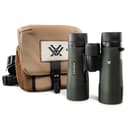
THE WILDLIFE PICK
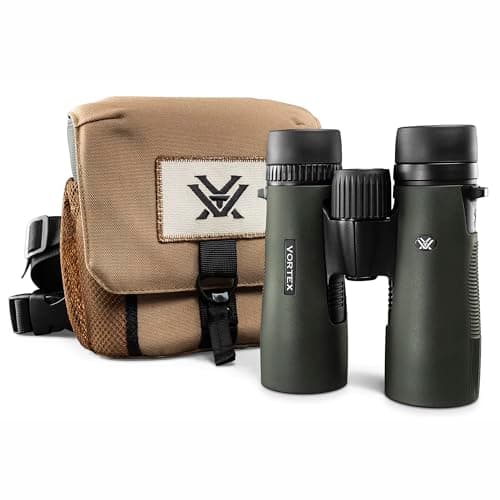
Vortex Diamondback HD 8x42 Binoculars
Best Value
Kit Score 9.0/10
$239.00 Price checked Oct 26, 7:39 AM CDT
Best for: Hikers and birders who want genuine HD optics and a class-leading warranty without paying mid-range prices.
- Exceptional brightness and contrast for the price: measured light transmission outperforms comparably priced models
- Some chromatic aberration visible at the edges of the field in high-contrast scenes
- Magnification
- 8x
- Objective lens
- 42 mm
- Weight
- 21.8 oz (618 g)
- Field of view
- 393 ft at 1,000 yds (7.5 deg)
- Eye relief
- 17 mm
- Waterproof / fogproof
- Yes, argon-purged, O-ring sealed
About this pick
The Diamondback HD delivers HD glass, dielectric and phase-corrected coatings, and a wide 393-foot field of view at a street price well below its MSRP. Reviewers and birders routinely note it performs like binoculars costing twice as much, and Vortex backs it with an unlimited, unconditional transferable warranty.
Strengths
- Exceptional brightness and contrast for the price: measured light transmission outperforms comparably priced models
- Wide field of view aids bird-finding and tracking fast-moving wildlife
- Vortex VIP warranty is unlimited and unconditional, no receipt required
Weaknesses
- Some chromatic aberration visible at the edges of the field in high-contrast scenes
- At 21.8 oz it is on the heavier end for ultralight backpackers
Kit Score breakdown
Gear for Padre Island
The buying guides that match what Padre Island asks of your kit, with our current top picks across budget and use case.
Can you photograph here? Permit and drone rules
No blanket permit; the Texas Film Commission routes you to each property's process, TPWD permits media production in state parks with 90 days lead, and Government Code Chapter 423 restricts drone imaging.
- Permit
- Usually fine for personal shoots; commercial or large productions can need a permit
- Drones
- Legal under FAA rules, with state statutory limits on image capture; commercial drone work requires FAA Part 107
- Land
- Yes: photographing people and property visible from public space is legal in the US
From our photography sister site, Aperture Authority. Verified 2026-07-01.
Frequently asked questions
Can you drive on the beach at Padre Island National Seashore?
Yes, on South Beach. The first roughly five miles are firm enough for most vehicles, but past the 5-mile marker the sand is soft and requires four-wheel drive, aired-down tires, and recovery gear. Driving is not allowed on the developed Malaquite Beach. Getting stuck far down-island is a real risk, so check conditions first.
How do I see a sea turtle release at Padre Island?
The free public Kemp's ridley hatchling releases happen on Malaquite Beach when nests hatch, typically June through October, around 6:45 a.m. They are not scheduled in advance, so call the park Hatchling Hotline at 361-949-7163 the night before to find out if one is happening.
How much does Padre Island National Seashore cost?
$25 per private vehicle for a 7-day pass, or $10 for a single-day pass. Camping fees at the developed sites are separate, and beach camping on the open sand is free.
Where can you camp at Padre Island?
At Malaquite Campground or Bird Island Basin near the north end, both first-come, or free on the open beach if you are fully self-sufficient. How far down-island you can camp depends on your vehicle and the sand.