
We may earn a commission from links on this page, at no extra cost to you.
Water pools when a tarp has a low pocket with no downhill path. The urgent fix is to unload that weight from a safe position. The lasting fix is to rebuild the pitch with a clear high line, steep faces, and evenly tensioned anchors.
Do not stand beneath a loaded tarp or push the pool upward from below. A released pocket can dump its full weight at once, and a pole can tear unsupported fabric.
Drain the pool without getting underneath it
Fix an active pool in the rain
Clear the area
Move sleepers, stoves, electronics, and loose gear away from the sagging panel.
Choose the drainage side
Pick the edge where released water will flow away from the tent, fire area, and footpath.
Unload from outside
Loosen or lower that edge gradually while standing beyond the expected sheet of water.
Restore the high point
Raise or retension the ridgeline so every tarp panel has a downhill path.
Tune the corners
Shorten low-side guylines and balance the remaining anchors until wrinkles and pockets disappear.
If the tarp is heavily loaded, do not yank a center line or stab the pool with a trekking pole. Release the edge in a controlled way. In lightning, falling branches, extreme wind, or rapidly accumulating snow or hail, leave the tarp and move to safer shelter.
Why the pool formed
Most pooling comes from one or more of these setup problems:
- The pitch is too flat. A broad roof may create shade, but it gives rain little help moving toward an edge.
- The ridgeline or a corner slipped. A few centimeters of lost tension can create a bowl in a large fabric panel.
- The fabric relaxed when wet. Some tarp fabrics stretch or settle under sustained rain and need retensioning.
- The anchors are uneven. One long guyline or soft stake can turn a smooth plane into a low pocket.
- The span is too large for the available tie-outs. An unsupported panel can sag even when its corners feel tight.
A tarp does not need to be drum-tight. It needs continuous downhill planes with no place for water to stop.
Rebuild the pitch for runoff
An A-frame is the clearest foul-weather shape: one continuous high ridgeline with two sloped faces. Aim for faces around 30 degrees or steeper when rain is the main concern. Greater slope sheds water more decisively, though it reduces covered floor area.
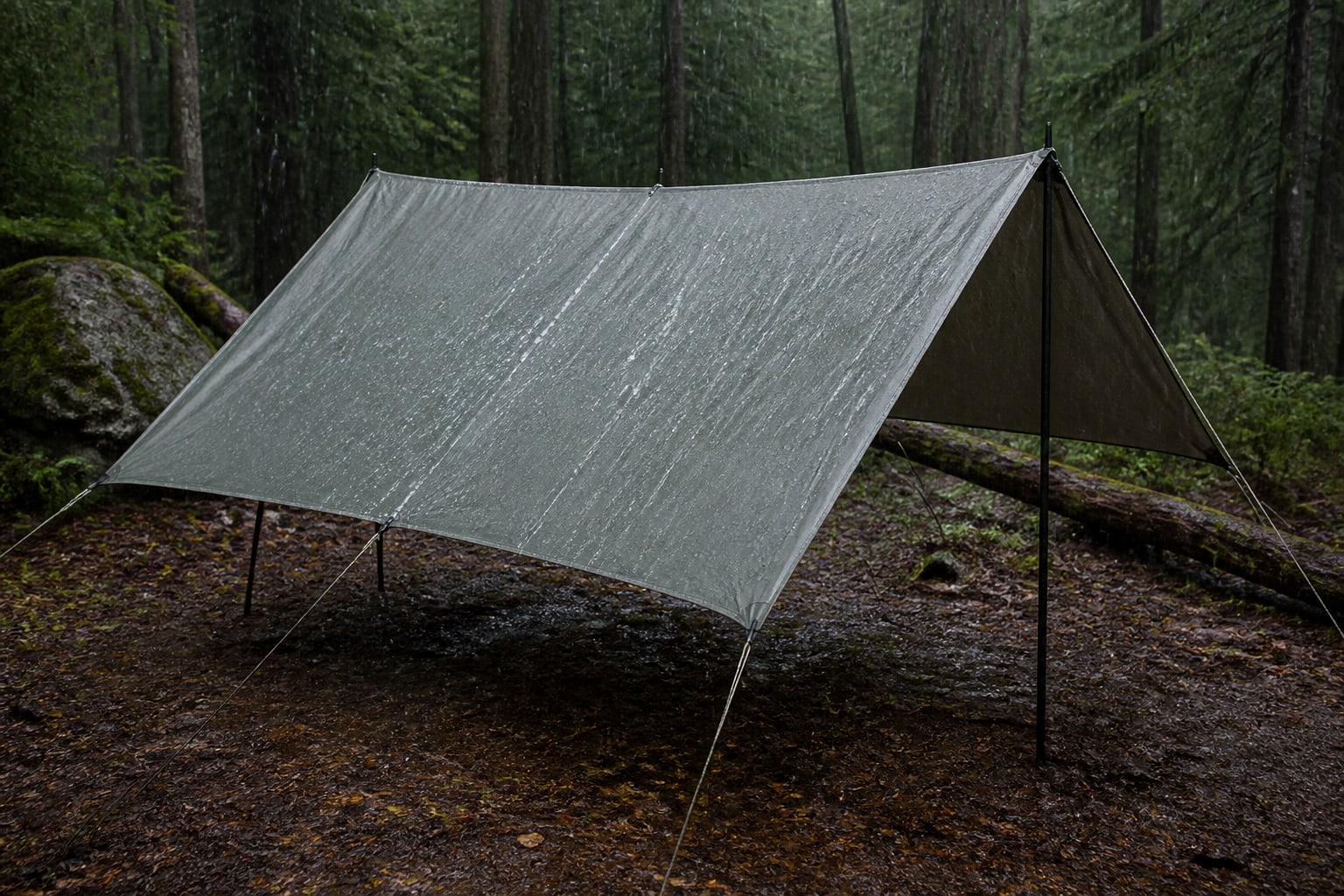
A reliable rain pitch has one obvious high line, steep uninterrupted faces, and no flat center panel where water can pause.
Set the ridgeline first. Then stake the four corners so opposing lines share the load. Add side tie-outs only at reinforced loops supplied for that purpose. Walk around the shelter at eye level and look across each panel; a wrinkle that converges into a low spot often shows where the next pool will form.
Our complete camping tarp setup guide covers knots, anchors, site choice, and several pitch shapes.
Correct soft anchors and slipping lines
A perfect shape will not survive if one stake slowly pulls through wet soil. Reset weak anchors at a stronger angle, use a larger stake, move to firmer ground, or build an appropriate deadman anchor. Keep guylines visible so people do not trip over them and collapse the pitch.
Use knots or tensioners that hold when wet but can still be released under load. Secure loose tails so they do not work into hardware. Recheck the tarp after the first sustained rain and after any major wind shift.
Do not create a new puncture
Trekking poles and tarp poles should support reinforced loops, grommets, or protected handle pockets designed for them. A narrow pole tip pressed into open fabric concentrates the entire load in one small spot. Even if it stops the pool for a few minutes, it can turn a setup problem into a tear.
Likewise, adding an adhesive tie-out in the middle of a storm is not an instant structural repair unless the tarp maker explicitly supports it. Change the existing pitch first.
When a different tarp helps
A tarp with well-placed reinforced tie-outs is easier to tune around trees, poles, and uneven campsites. For larger family coverage, compare the AquaQuest Safari 10 x 10. For a lighter backpacking shelter, see the Paria Sanctuary SilTarp 12 x 10.
Our best camping tarps guide compares size, material, tie-outs, and the type of camping each design suits.
Should I push pooled water off a tarp from underneath?
No. You would be standing where the water and stressed fabric can fall. Clear the area and drain the pool gradually from an outside edge.
How steep should a tarp be in rain?
There is no single required angle for every fabric and pitch, but faces around 30 degrees or steeper give water a clearer path than a nearly flat roof. The key is an uninterrupted slope with no low pocket.
Why does my tarp sag only after it starts raining?
Wet fabric can relax, guylines can settle, and stakes can move in softened soil. Inspect and retension the whole system after sustained rain instead of tightening only the visible pool.
Keep going
Related buying guideBest camping tarps: 3 picks by weight and coverageRelated guides
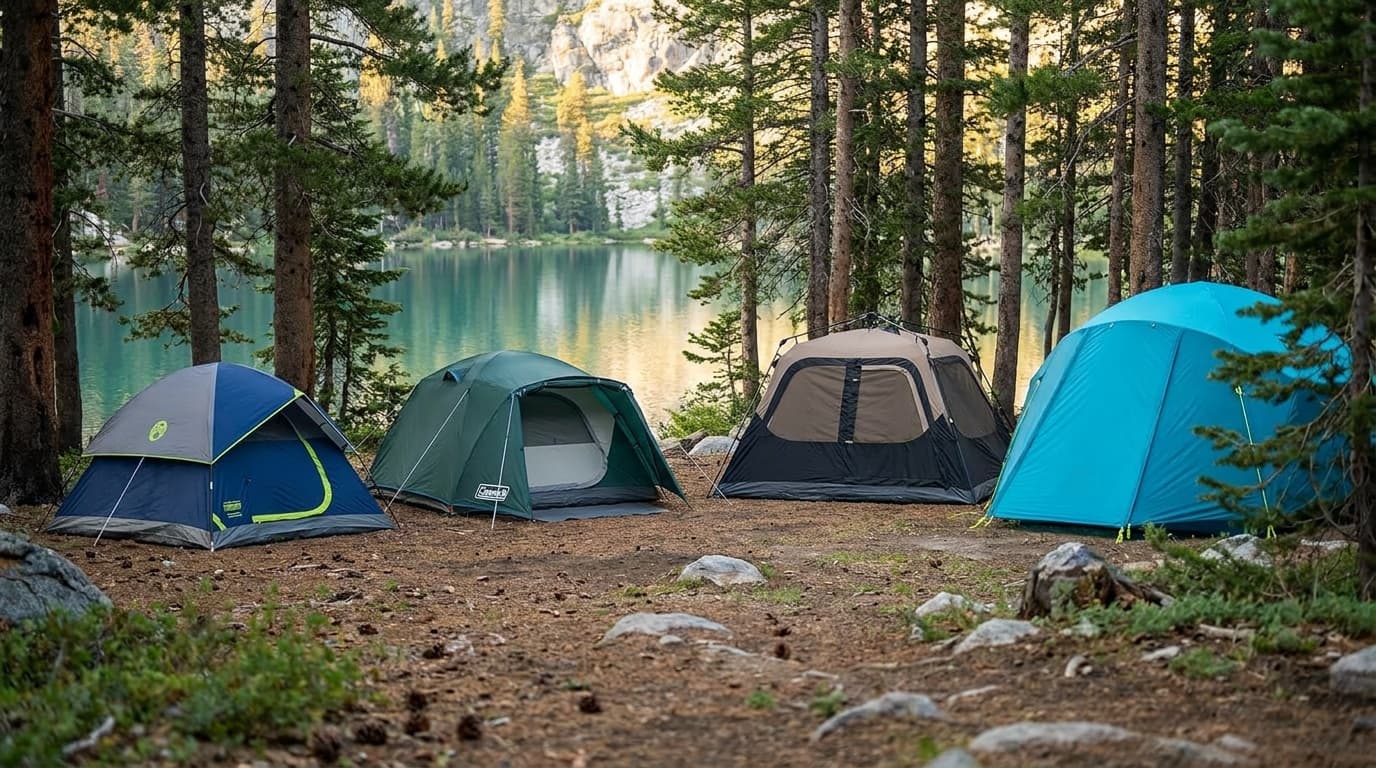
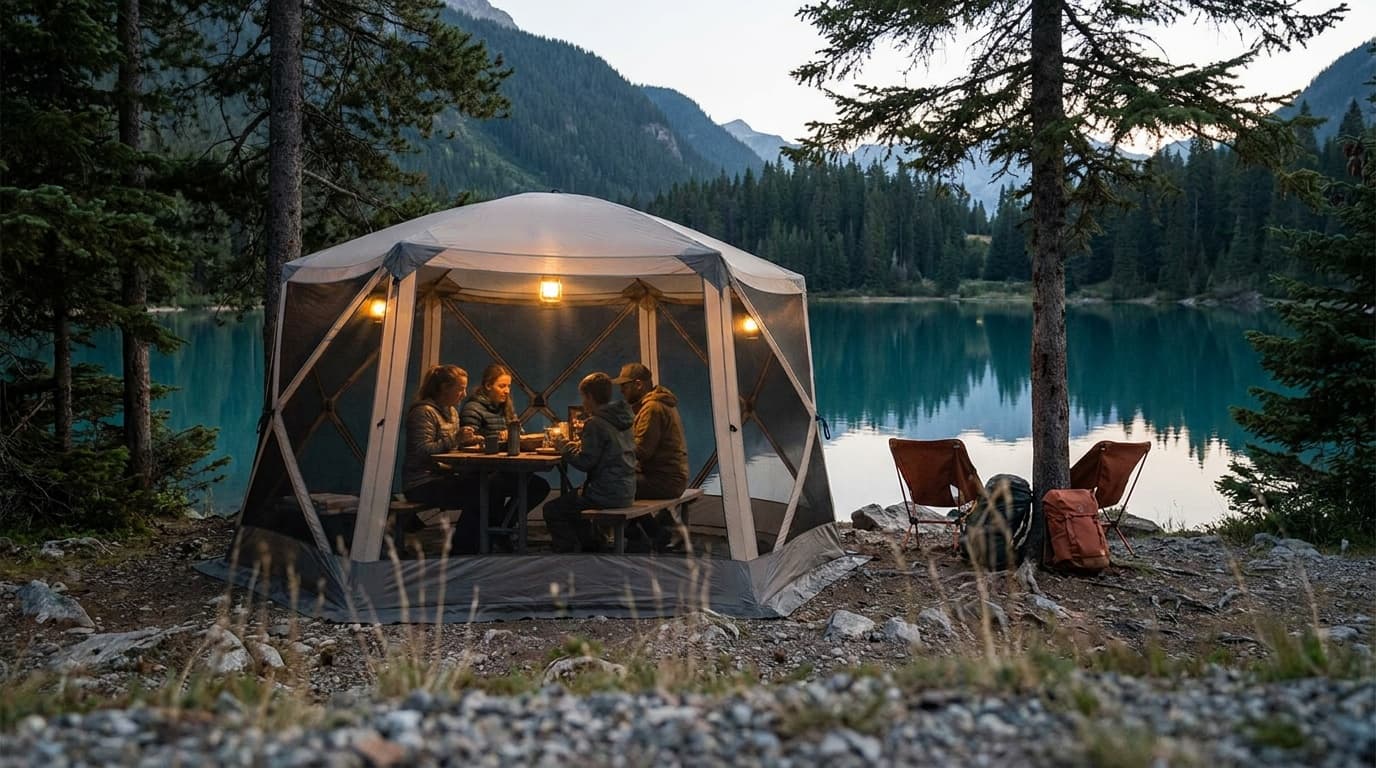

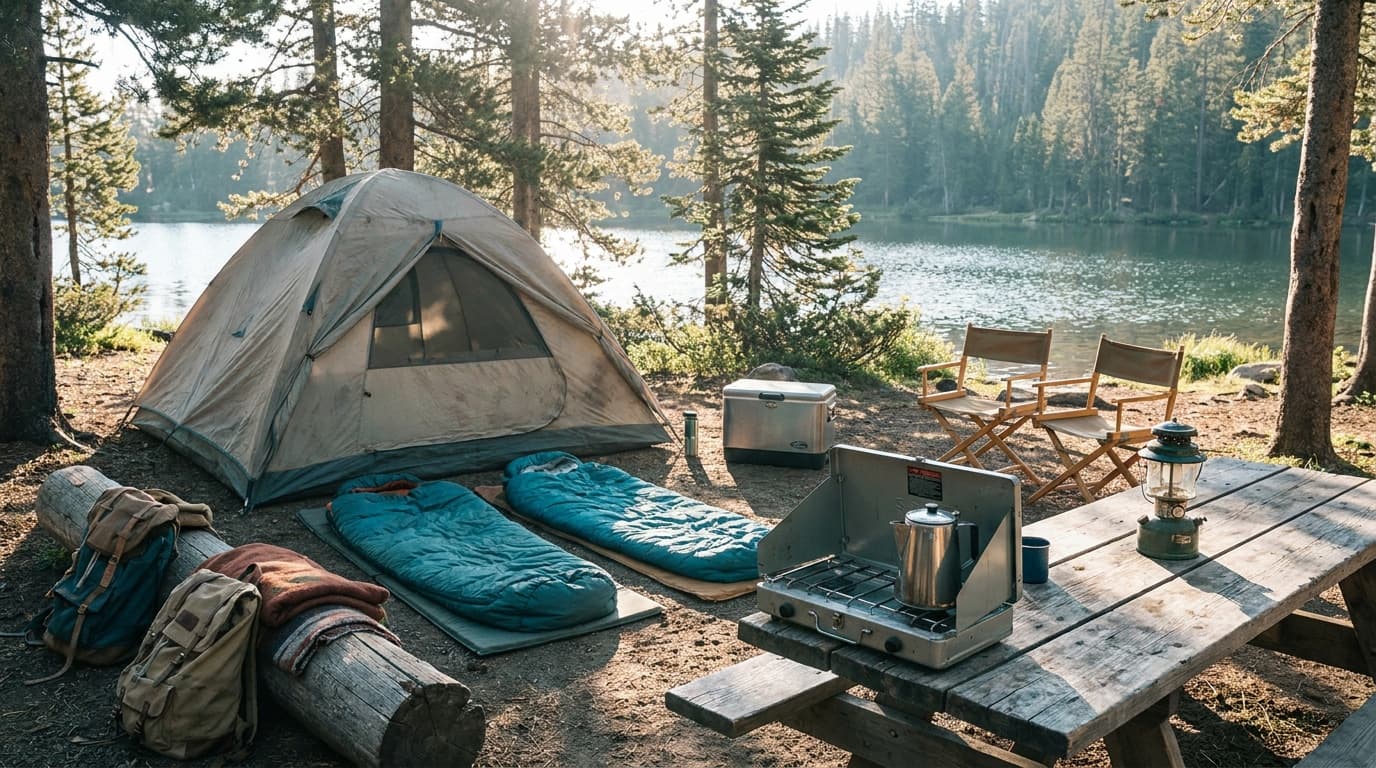 Complete camp loadoutCar-camping starter kitBuild the complete kit
Researched, not hands-on tested
Updated Aug 19, 2026Our recommendations draw on manufacturer documentation, retailer listings, owner feedback, and comparisons with alternatives.
As an Amazon Associate I earn from qualifying purchases. We may earn a commission from links here, at no extra cost to you. How we research →
Related buying guide
Best camping tarps: 3 picks by weight and coverage