We may earn a commission from links on this page, at no extra cost to you.
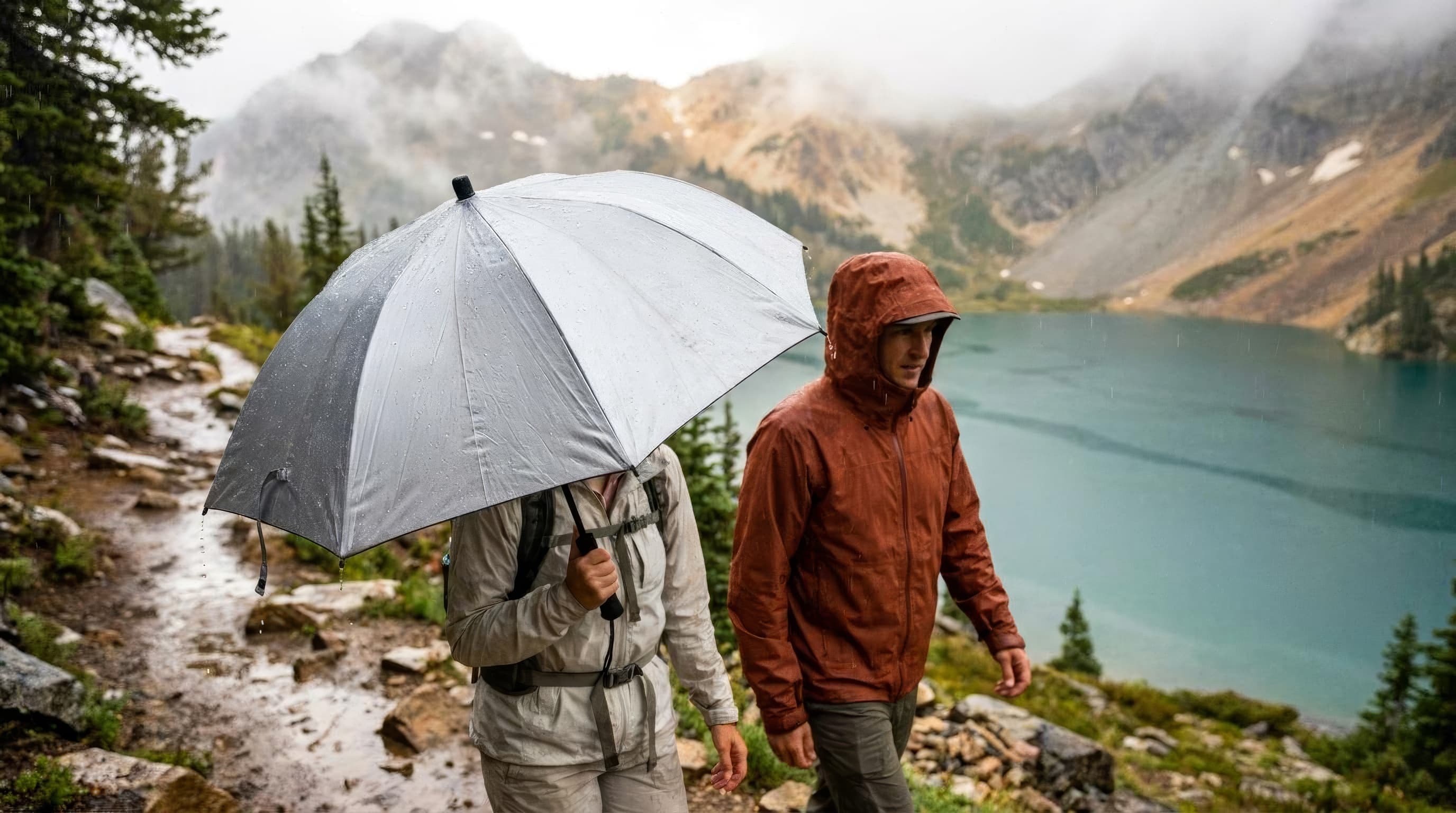
A trekking umbrella keeps rain and direct sun off the upper body without wrapping the hiker in a membrane. A rain jacket moves with the body and remains controllable in wind, brush, and technical terrain. The right answer depends on the consequence of losing protection.
Our quick picks
Where an umbrella wins
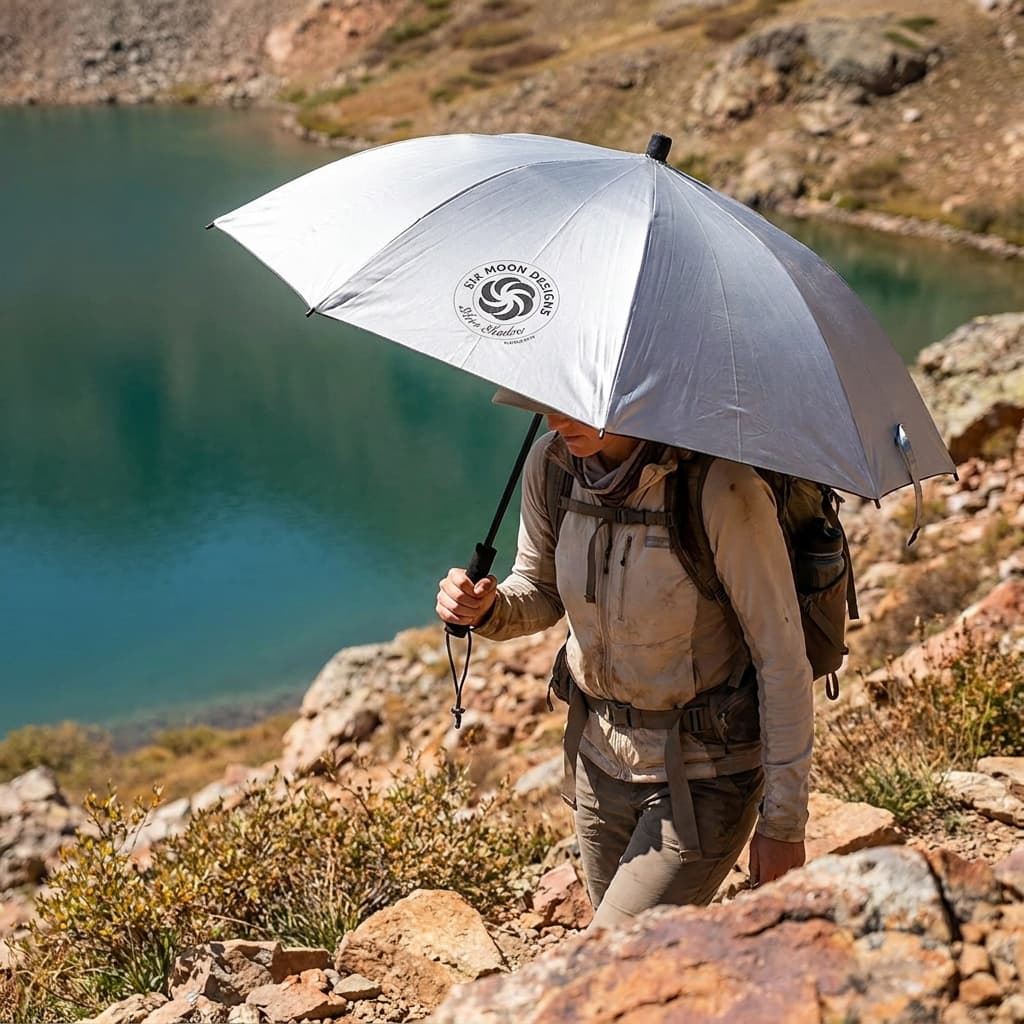
An umbrella creates a physical roof rather than a worn barrier. Air moves beneath it, sweat can evaporate, and the same canopy provides shade before rain begins. A reflective UPF 50+ model such as the Silver Shadow Carbon is therefore useful on hot, exposed routes even when the forecast is dry.
It can also cover part of an open map, camera, snack, or backpack opening during a stop. Those small uses explain why the product can feel more versatile than its odd trail appearance suggests.
Where a jacket wins
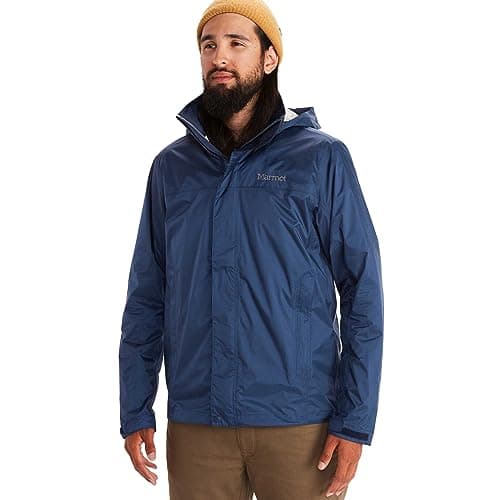
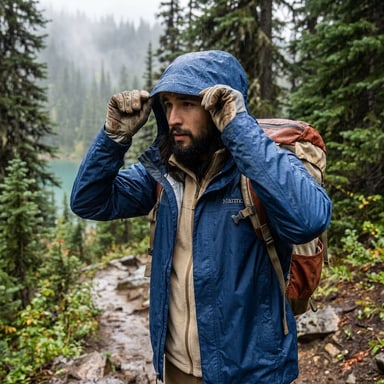
A jacket remains attached to the body. Wind cannot pull it from the hand, branches cannot catch a 37-inch canopy, and the wearer can use both hands without a pack-mount system. A hood and sealed shell also protect when rain moves horizontally or air temperature makes wet clothing dangerous.
Rain jackets still trap heat and moisture. Mechanical vents, breathable fabrics, and pacing reduce that problem but do not create the open airflow of an umbrella.
Decision table
| Condition | Better default | Why |
|---|---|---|
| Hot desert sun | Trekking umbrella | Portable shade without another clothing layer |
| Warm steady rain on open trail | Trekking umbrella | High ventilation and upper-body coverage |
| Cold rain | Rain jacket | Wind control and retained warmth |
| Strong or variable wind | Rain jacket | No exposed canopy to control |
| Dense brush or low branches | Rain jacket | Smaller profile and protected hands |
| Scrambling or technical trail | Rain jacket | Both hands and overhead clearance remain free |
| Long mixed forecast | Often both | Umbrella for comfort, shell for consequence management |
Hands-free does not erase conditions
A shoulder-strap attachment lets the hiker keep using trekking poles, but it also transfers canopy force into the pack. It works best on open, moderate terrain. A mounted umbrella still needs to be lowered before brush, gusts, or scrambling.
Read how to attach an umbrella to a backpack before treating a few cords as a secure storm system.
Frequently asked questions
Can a trekking umbrella completely replace a rain jacket?
It can replace a worn shell in low-consequence warm rain on open terrain. It should not be the only protection when cold, wind, route exposure, or delayed shelter could make wet clothing dangerous.
Does an umbrella keep a backpack dry?
It can cover the top and part of the pack, but wind angle and canopy size leave areas exposed. Keep critical gear in waterproof liners or dry bags rather than relying on overhead coverage alone.
Which is lighter?
Silver Shadow Carbon weighs 6.8 oz. Many full rain jackets weigh more, but an umbrella may not replace the shell in every condition, so adding both increases total system weight. Compare the complete weather system, not isolated product weights.
Sources
- Six Moon Designs Silver Shadow Carbon specifications
- Patagonia Torrentshell 3L product specifications
- Six Moon Designs hiking umbrella selection guide
Start with are trekking umbrellas worth it, or compare current umbrella designs in best trekking umbrellas.
Related buying guide
Best trekking umbrellas for hiking: 4 useful odditiesMake the next decision
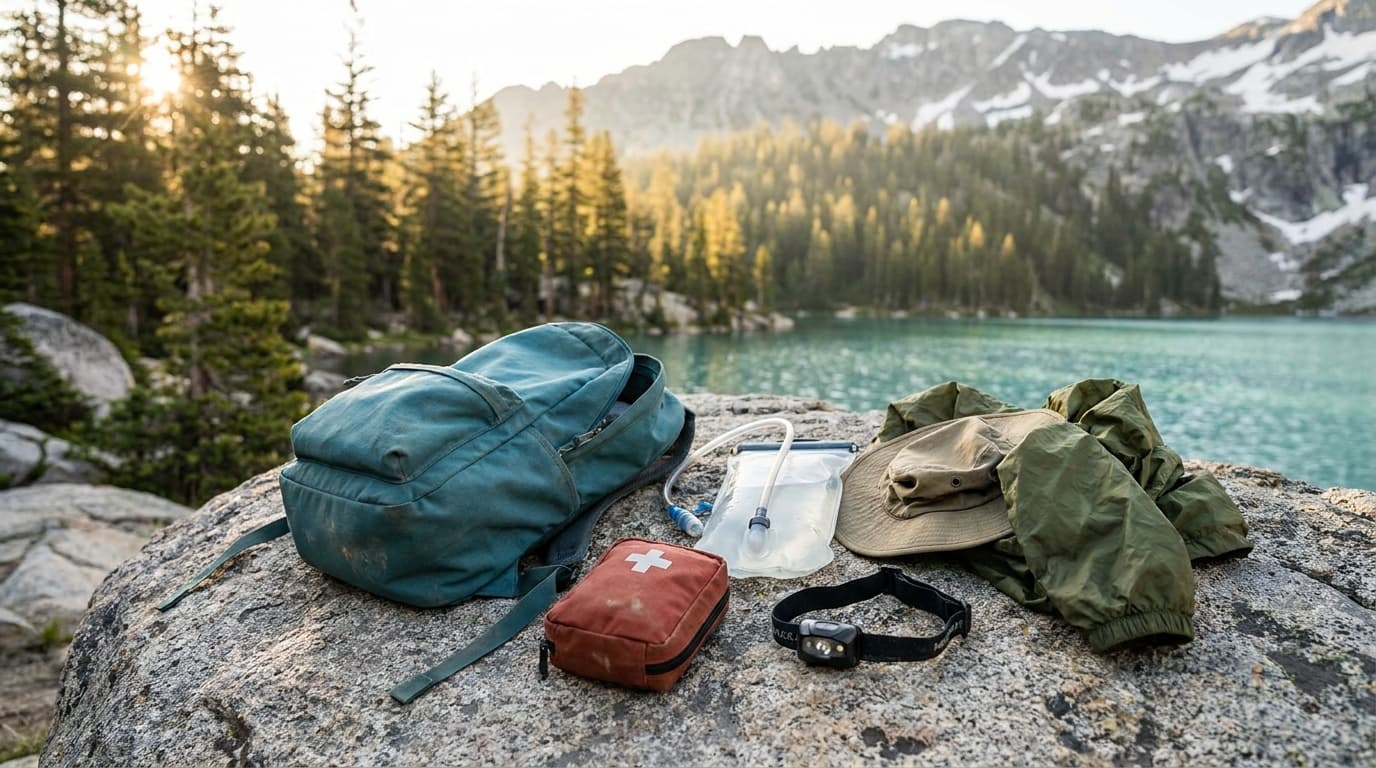
Complete hike loadout
Day hike kit
Seven slots for a full trail day, from the pack and water system to light and weather protection.
Build the complete kitRelated guides
Field guide
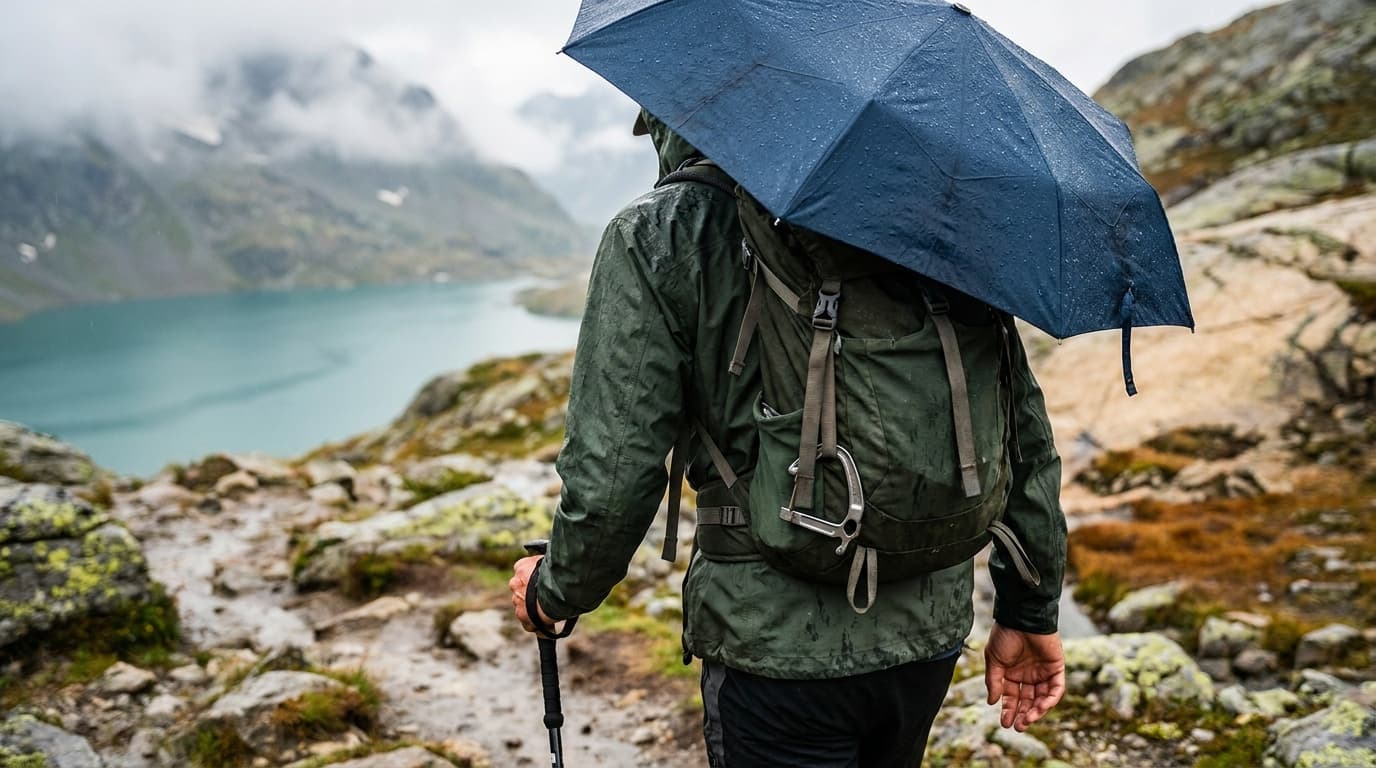
Are trekking umbrellas worth it
Where a trekking umbrella earns its place, where it falls short, and how to decide if one belongs in your pack.
Read guide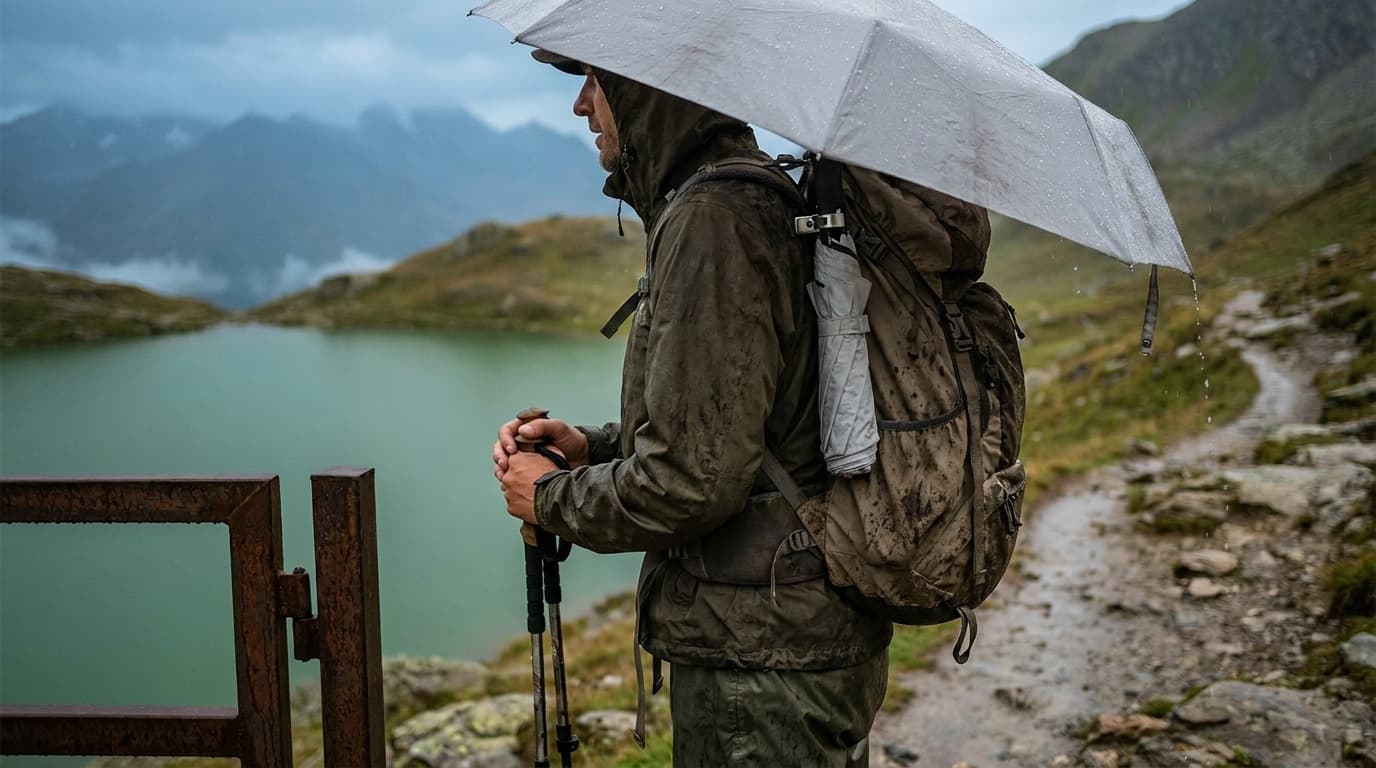
Field guide
How to attach an umbrella to a backpack for hands-free hiking
Shoulder-strap clamp mounts, DIY cord-and-clip rigs, angle and stability tips, and wind management so you can hike with both hands free under a trekking umbrella.
Read guide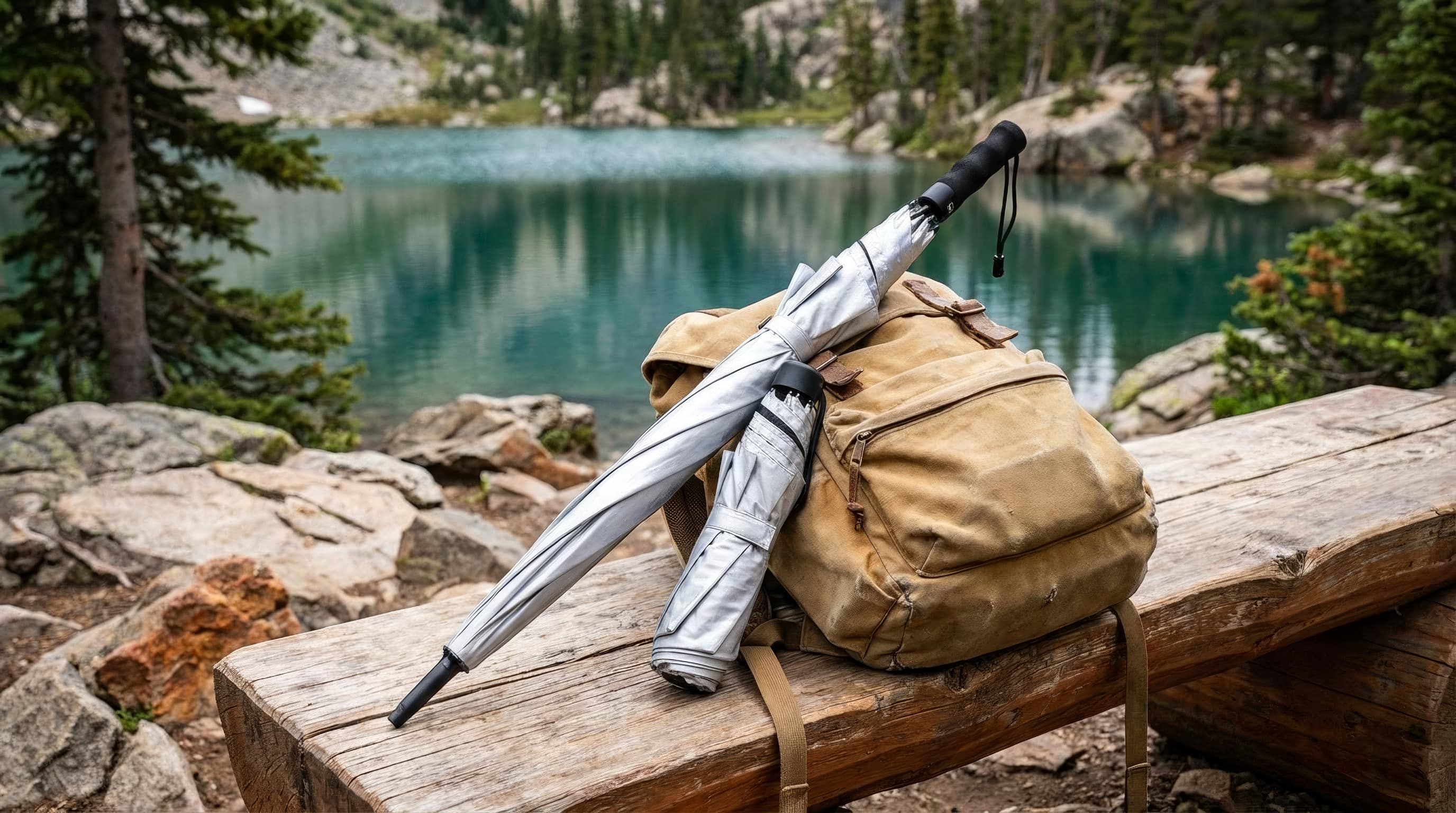
Comparison
Silver Shadow Carbon vs Mini: same weight, different bag
Both weigh 6.8 oz. Carbon uses a rigid 25-inch frame; Mini collapses to 10 inches and adds moving joints. Choose by storage and handling.
Read guide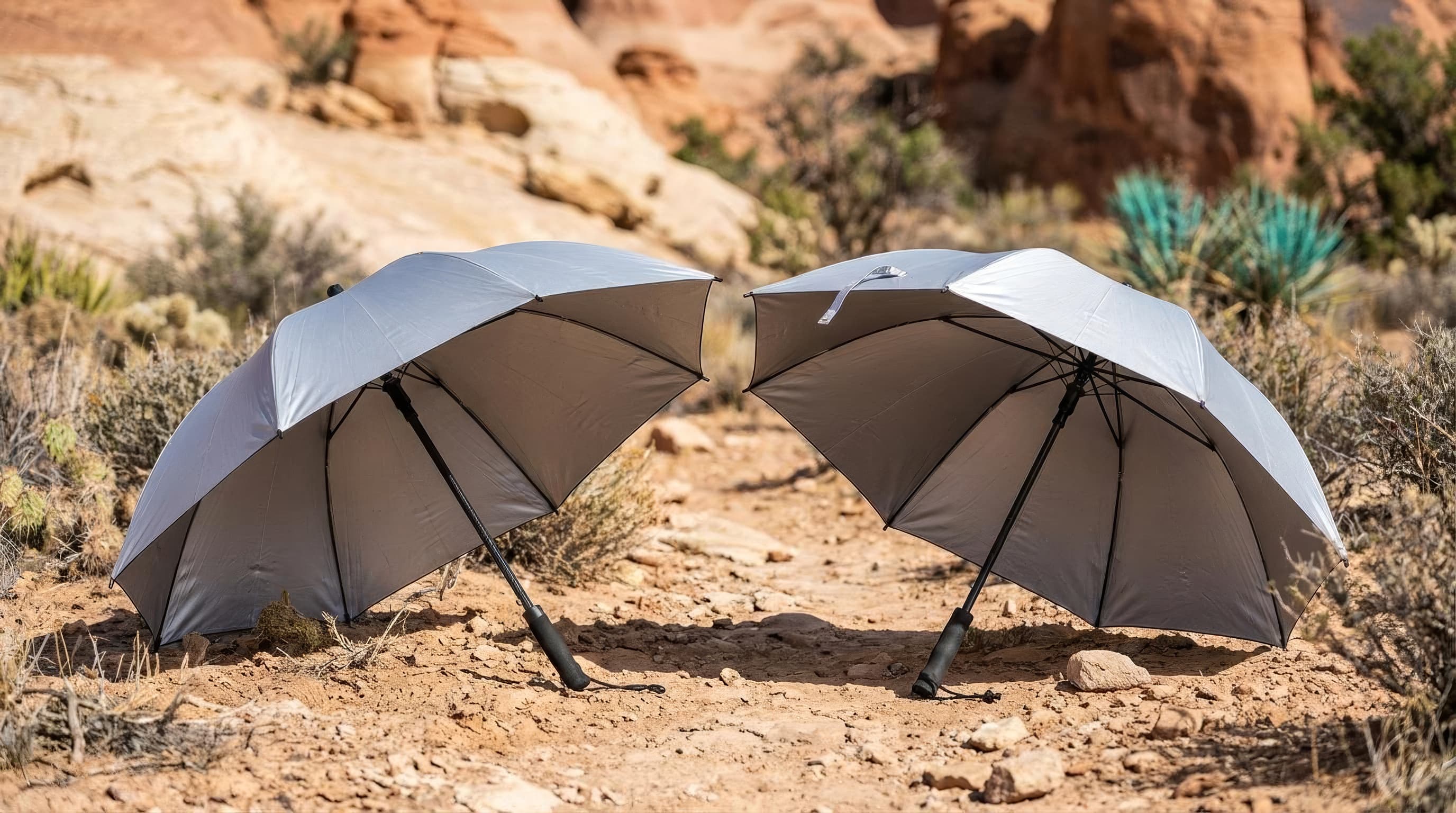
Comparison
Silver Shadow Carbon vs standard: is 2.1 oz worth $10?
Carbon and standard share the same 37-inch canopy and packed length. Carbon saves 2.1 oz; fiberglass saves about $10. Compare the value.
Read guideResearch-based guide
2 products comparedUpdated Jul 31, 2026Our recommendations draw on manufacturer documentation, retailer listings, owner feedback, and comparisons with alternatives.
As an Amazon Associate I earn from qualifying purchases. We may earn a commission from links here, at no extra cost to you. How we research →