An outdoor pizza oven is a shape, fuel, and workflow decision before it is a brand decision. Measure the counter, decide whether 12-inch pizza is genuinely enough, and choose the fire you will enjoy managing. Those three answers remove most bad buys.
Start with the pizza, not the oven
Twelve-inch ovens dominate because they are easier to ship, store, and market as portable. That does not make 12 inches the right food size for your household.
One 12-inch pizza feeds one hungry adult or two people eating lightly. A family dinner becomes a sequence of small pizzas, which can be fun when everyone builds their own and frustrating when two people are eating while two wait. A 16-inch pizza has roughly 78 percent more surface area than a 12-inch pizza. It is a different meal format, not a small upgrade.
The bigger stone also creates working margin. A 12-inch dough round in a 12-inch oven leaves almost no recovery space after a crooked launch. The same dough in a 16-inch oven gives you room to turn early, avoid a hot spot, and retrieve a pizza that has stretched.
Read what size pizza oven you need for the full footprint and serving math.
Choose the fuel by how often you want to cook
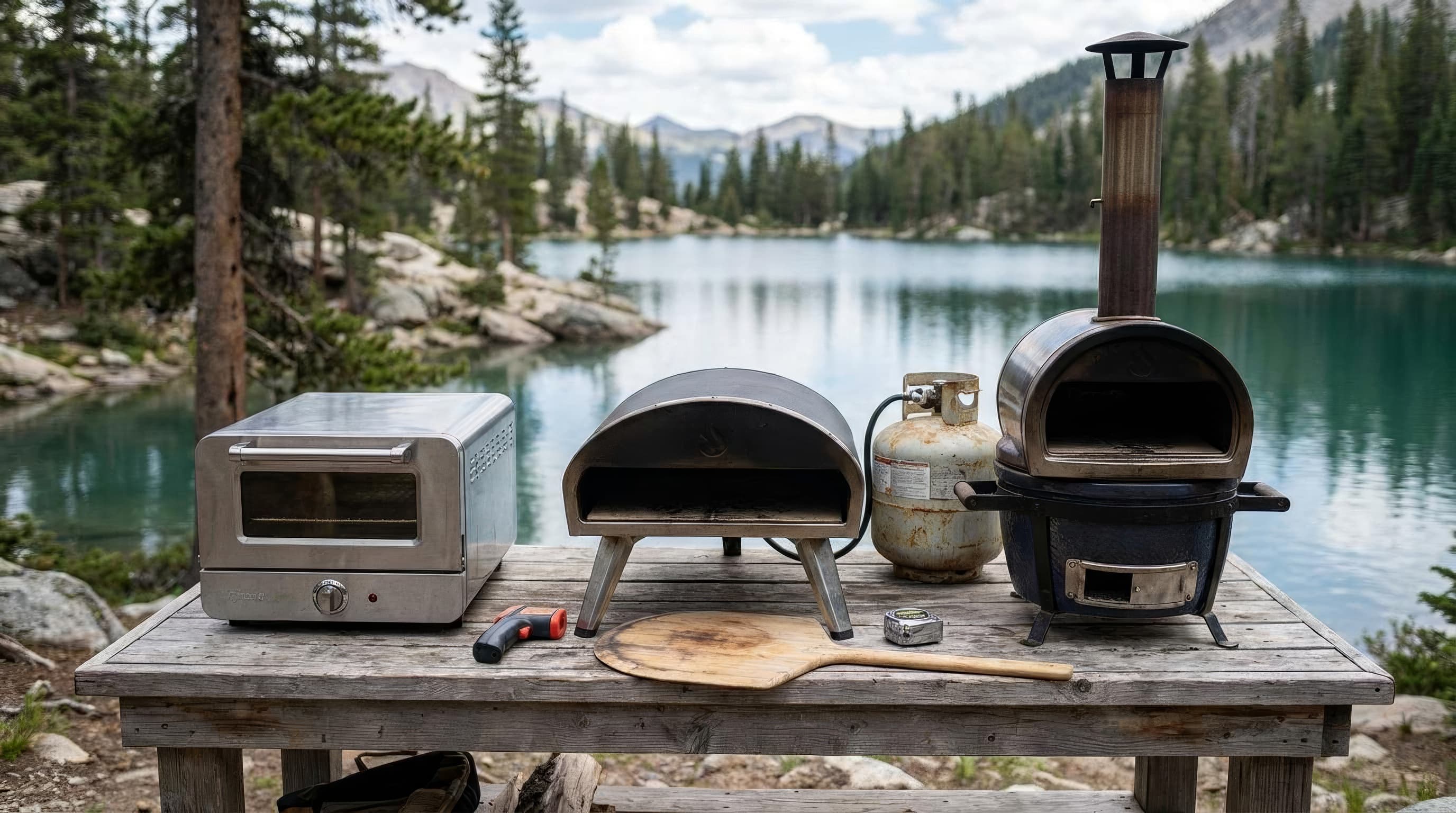
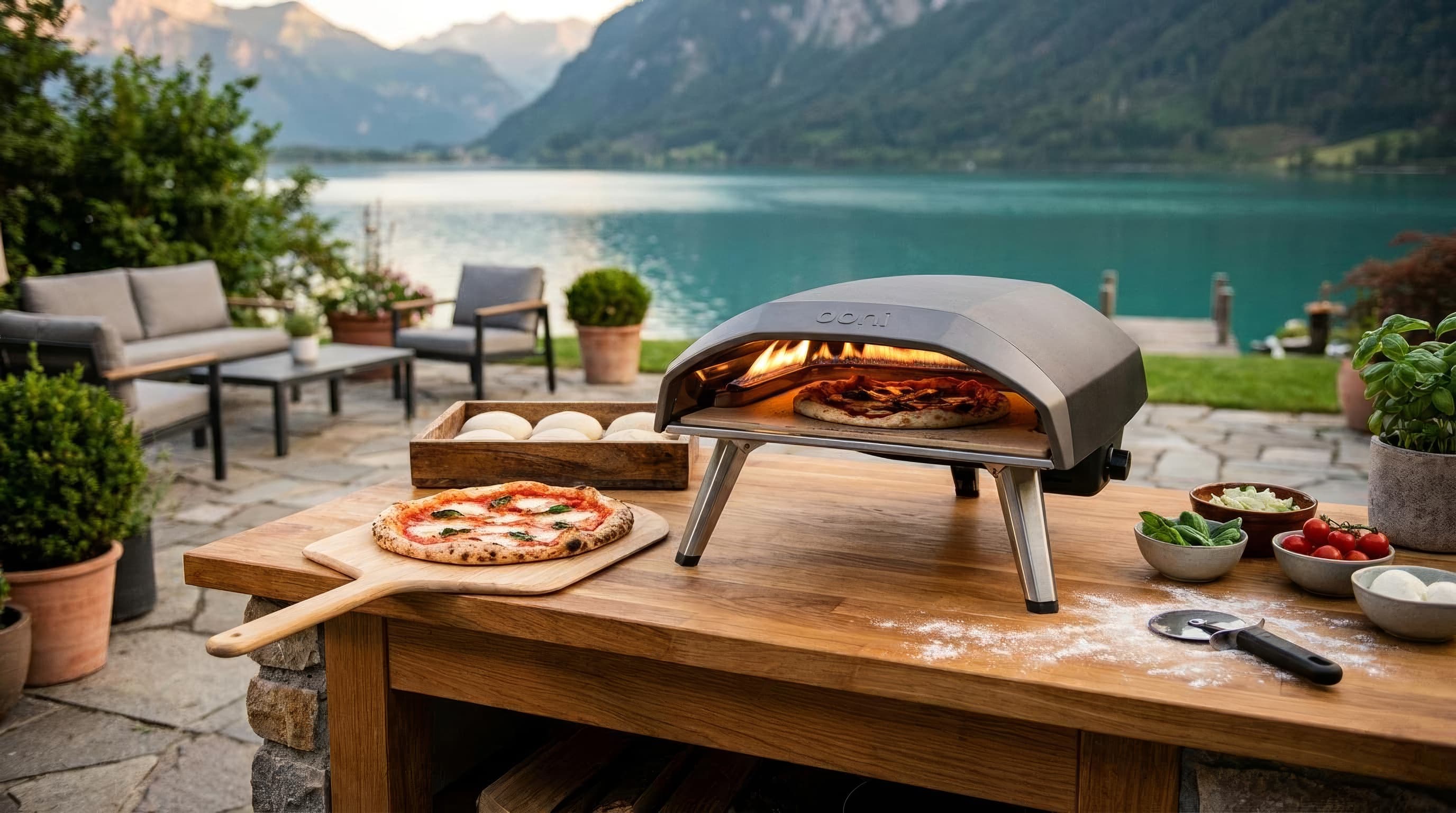
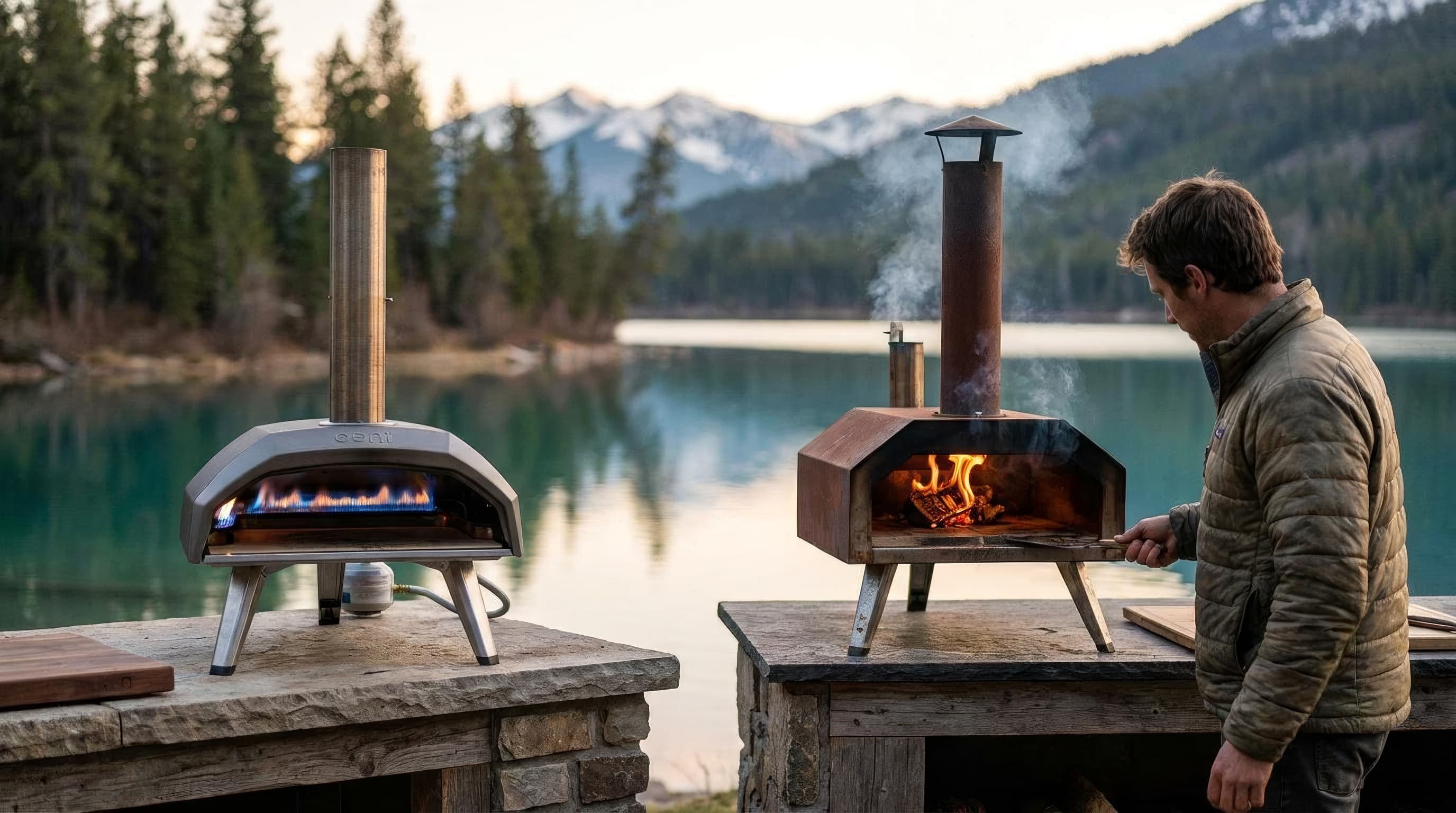
Propane is the default for frequency. It lights from a dial, responds quickly, and lets you lower the flame while the stone recovers. That makes the second and third pizzas easier to repeat. It also requires a cylinder, hose inspection, outdoor-only placement, and safe storage.
Electric is the default for control. A product like the Ninja Artisan Outdoor Pizza Oven holds selected temperatures from proofing range to 700 F and needs no open flame. The outlet is the constraint: a 1,760 W oven needs a suitable outdoor circuit and sensible cord placement.
Wood and pellets are the default for involvement. The flame changes as fuel catches and collapses, so you watch, feed, and rotate more actively. Small pellet ovens can be cheap and light, but their heat falls quickly between pizzas. The process is the reason to buy one, not a free side effect.
See gas vs wood pizza ovens before paying for a multi-fuel option you may never use.
Measure the exterior and the safe zone
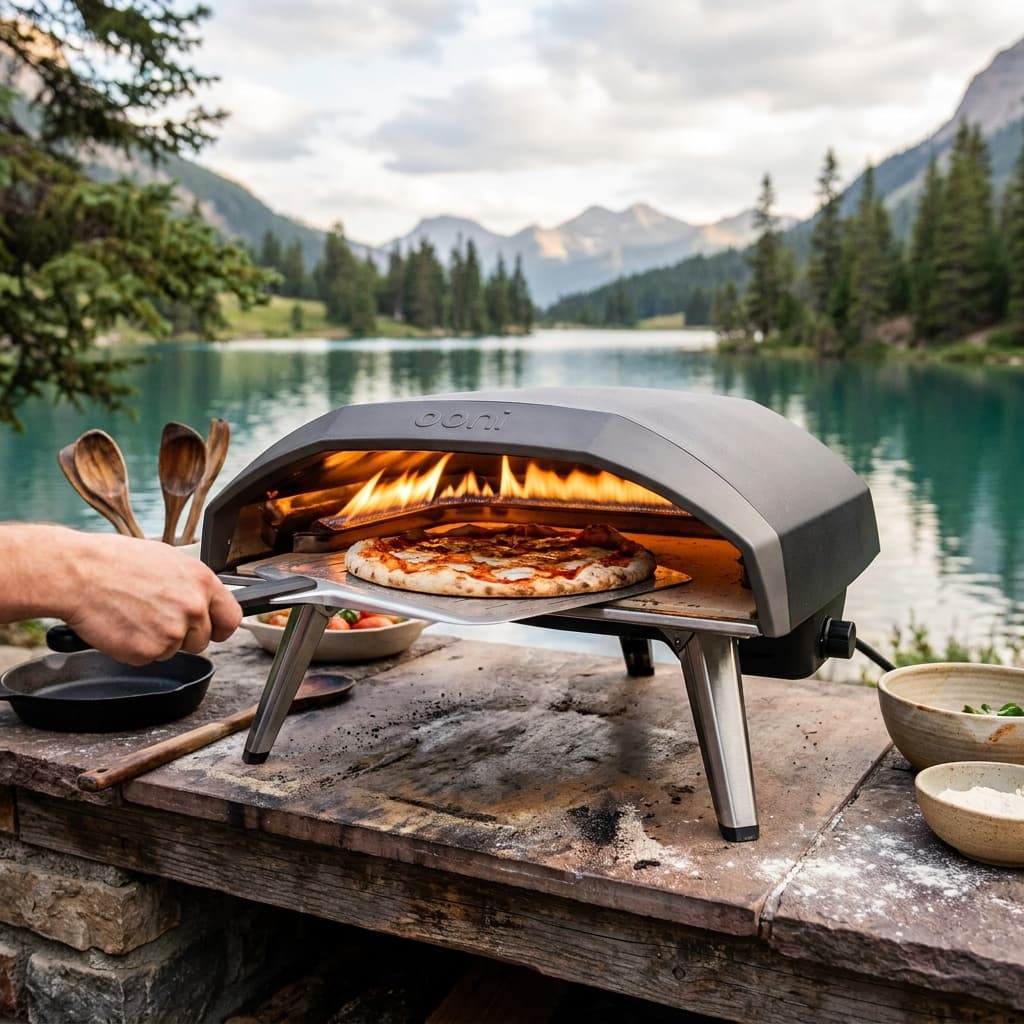
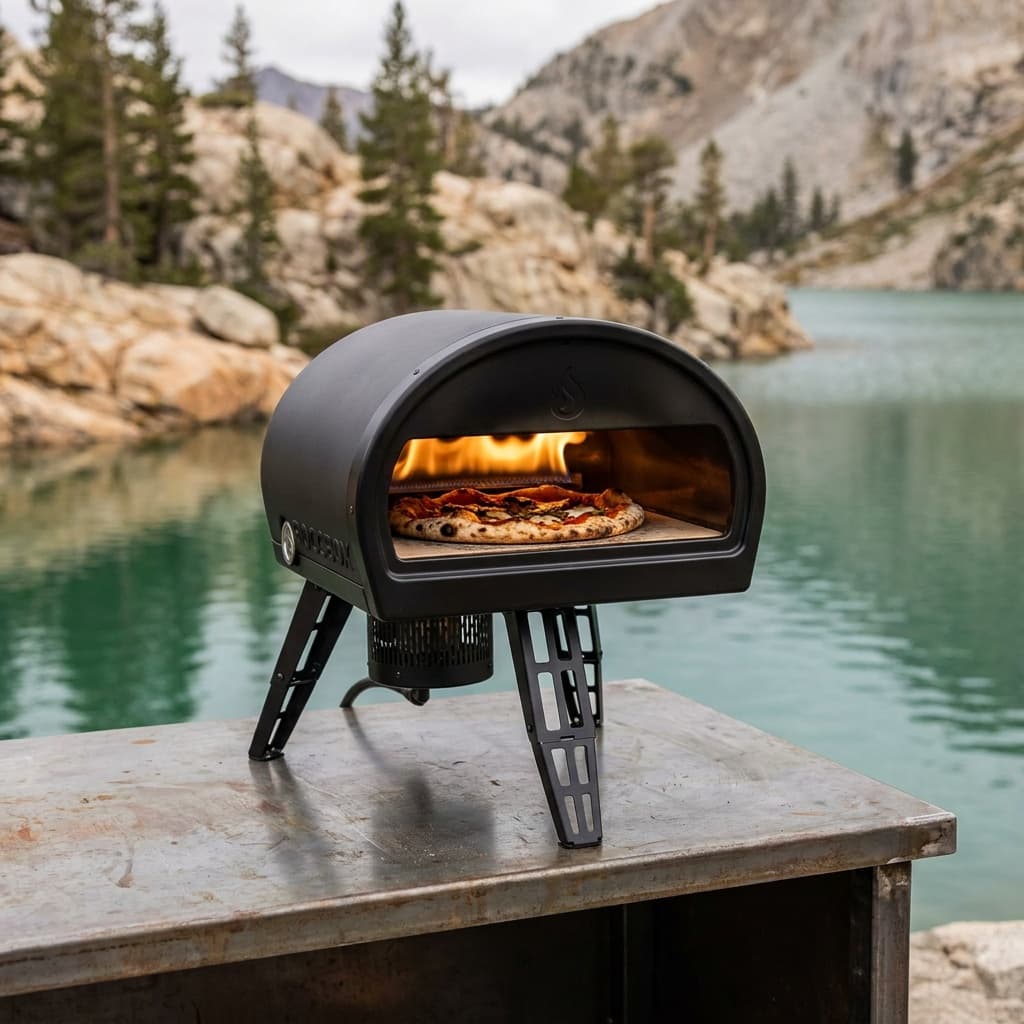
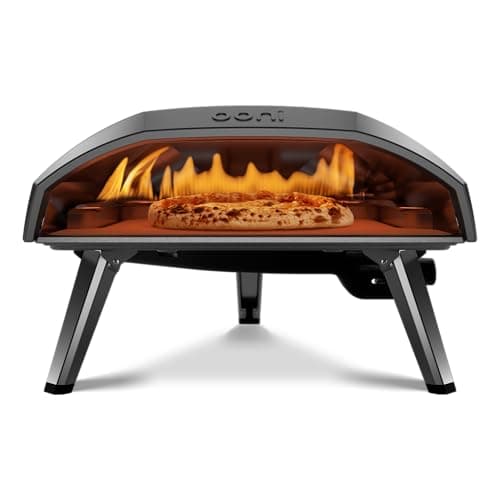
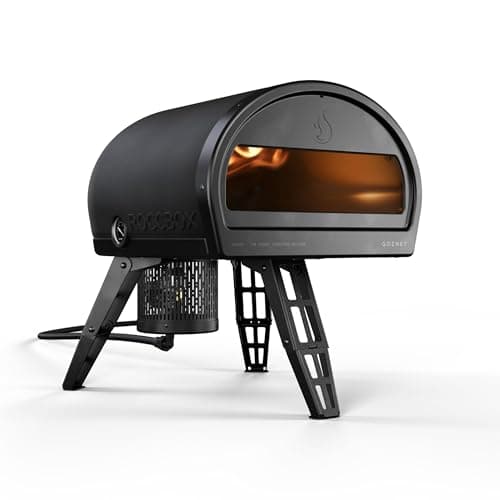
Stone size is not appliance size. The Ooni Koda 16 holds a 16-inch pizza but its body measures 25 by 23.2 inches. The Gozney Roccbox cooks a 12-inch pizza in a body 21.2 inches deep with its legs extended. Add the manufacturer's required clearance around the shell, room for a peel to enter the mouth, and a safe path for a hose or power cord.
Use a tape measure on the real surface. Then place a 16-inch cutting board where the oven would sit and walk through a launch. If the handle collides with a wall, railing, or dining chair, the listed footprint has not told the whole story.
The surface must be stable, level, heat-safe, and outdoors for combustion ovens. A plastic folding table that happens to support the weight is not automatically a safe oven stand.
Heat recovery matters more than maximum temperature
Maximum temperature gets the headline because it is one number. Recovery is the behavior you live with.
Every cold dough round pulls heat from the stone. A dense stone and well-insulated chamber return to cooking temperature faster; a thin portable shell needs a longer pause. Gas helps because you can drive the flame while watching the stone. A small pellet fire needs attention to rebuild both flame and floor heat.
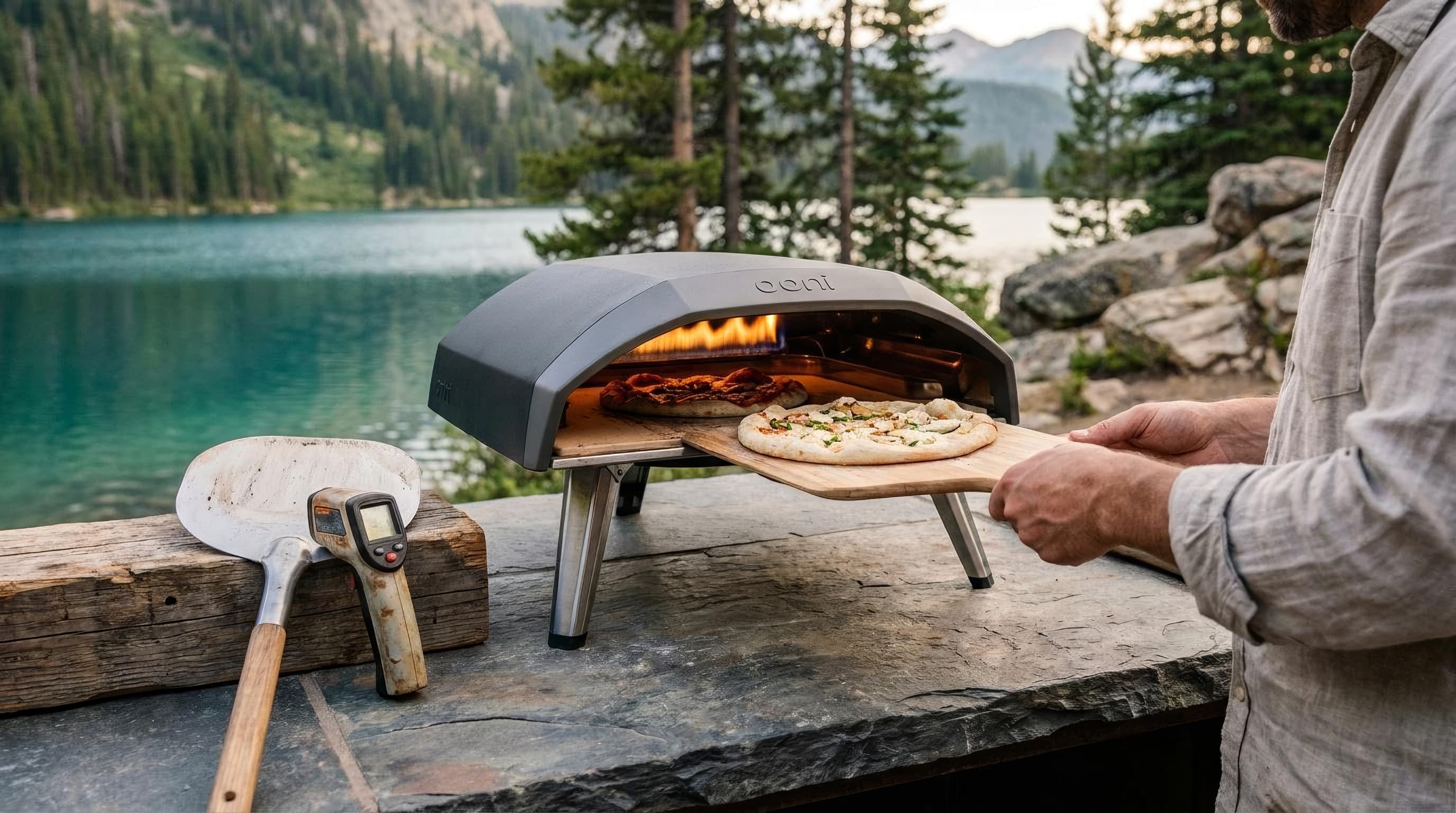
This is why an infrared thermometer belongs in the starter kit. Air temperature, a door thermometer, and a hot-looking flame do not tell you whether the center of the stone is ready for the next base.
Decide what portable means
There are three useful weight classes:
| Oven weight | Practical meaning |
|---|---|
| Under 25 lb | One-person carry, plausible for car camping and tailgates |
| 25 to 35 lb | Easy to store and move around a patio, occasional car travel |
| 40 lb and up | Relocatable appliance, usually happiest on a dedicated cart |
Folding legs and a carry cover help with shape, not mass. The 44 lb Gozney Roccbox is compact and transportable, but carrying it from a distant car park is still carrying 44 lb of dense hot-side hardware.
Price the tools with the oven
A complete first setup needs:
- A launching peel, preferably wood or perforated aluminum
- A small metal turning peel
- An infrared thermometer
- Heat-resistant gloves
- A fitted cover if the oven remains outdoors
- Fuel, regulator, or approved electrical access
Bundles can be rational when they include tools you would buy anyway. Ignore decorative extras until the thermometer and two peels are covered. The tools determine whether the first cook is controlled or improvised.
The buying check
Food size
Choose 12 inches for personal pizzas and continuous party cooking; choose 16 inches for one large pie and easier handling.
Fuel habit
Gas for frequency, electric for control, wood or pellets for the ritual.
Real footprint
Measure body depth, safe clearance, peel travel, and hose or cord routing.
Recovery
Favor insulation and stone mass if you expect to make several pizzas back to back.
Storage
Be honest about whether a 40 to 44 lb oven will ever leave its cart.
Frequently asked questions
How much should I spend on an outdoor pizza oven?
Around $100 to $200 buys a light pellet oven with a real learning curve. Around $200 to $350 buys a controlled electric oven or an entry gas model. Around $350 to $550 buys the stronger gas and insulated portable ovens that recover heat better and carry longer warranties. Spend for the size, fuel, and recovery behavior you need, not for a bundle of tools that hides a mediocre oven.
Is gas or wood better for a first pizza oven?
Gas is better for most first-time owners because it separates dough and launch practice from fire management. You can hold a stable flame, lower it while the stone recovers, and reproduce a successful bake. Wood is better only when building and tending the fire is part of what you want from pizza night.
Do I need a built-in thermometer?
It is useful, but you still need an infrared thermometer. A built-in dial may read air or a point beneath the stone; the infrared tool tells you the surface temperature where the dough will land. That is the number that decides whether the base sets before the top burns.
Should I buy a multi-fuel pizza oven?
Only if you can name the two fuel modes you will actually use. Multi-fuel often means buying another burner or heater, storing more parts, and accepting compromises in a chamber designed around several heat sources. A strong gas-only oven is better value when propane is what you will light every week.
Our best outdoor pizza ovens guide applies these decisions to five current models. Once you choose, the first-cook guide covers setup and stone temperature.
Recommended gear
Our current top picks from the Best outdoor pizza ovens: 5 picks from $120 to $500 guide, if you are ready to buy.
Best for: Families and frequent hosts who want 16-inch capacity, fast gas control, and enough room to make pizza without feeling cramped.
- A 16-inch stone leaves real room to launch, turn, and retrieve a pizza
- The 25 by 23.2 inch footprint needs a deep, sturdy outdoor counter
- Fuel
- Propane gas
- Maximum pizza
- 16 in
- Maximum heat
- Up to 950 F
- Unboxed size
- 25 x 23.2 x 14.7 in
- Weight
- 40.1 lb
- Stone
- 0.6 in cordierite
About this pick
The roomy gas oven for people who want to make full 16-inch pizzas without fighting a small mouth. It is large and heavy for a portable oven, but the working space and L-shaped flame make it the easiest all-round choice for a family patio.
More specifications
- Warranty
- 1 year; 5 years with registration
Strengths
- A 16-inch stone leaves real room to launch, turn, and retrieve a pizza
- L-shaped gas burner covers more of the chamber than a narrow rear flame
- Gas control makes repeatable back-to-back pizzas easier than tending a small wood fire
- Registered five-year warranty adds useful protection to a high-ticket appliance
Weaknesses
- The 25 by 23.2 inch footprint needs a deep, sturdy outdoor counter
- At 40.1 lb it moves around a patio, but it is not an oven most people will carry to a picnic
- Gas convenience does not provide the fire-tending ritual some buyers want
Kit Score breakdown
Best for: Frequent pizza makers who value heat retention, durable construction, and repeatability more than maximum pizza size.
- Excellent heat retention supports consistent back-to-back cooking
- The 11.9 inch mouth caps practical pizza size near 12 inches
- Fuel
- Propane; optional wood burner
- Maximum pizza
- 12 in
- Maximum heat
- Up to 950 F
- Assembled size
- 18.5 x 16.1 x 21.2 in
- Weight
- 44 lb
- Thermometer
- Built-in underfloor dial
About this pick
A compact oven built like a commercial appliance, with dense insulation and a thick stone floor that recover heat well between pizzas. The body travels, but its 44 lb weight makes it better for serious cooks than casual picnics.
More specifications
- Warranty
- 1 year; 5 years with registration
Strengths
- Excellent heat retention supports consistent back-to-back cooking
- Retractable legs and detachable burner make a dense oven easier to store
- Built-in underfloor thermometer gives a useful read on stone recovery
- Optional wood burner adds a second fuel path without replacing the core oven
Weaknesses
- The 11.9 inch mouth caps practical pizza size near 12 inches
- A 44 lb oven is transportable, not lightweight
- Premium construction costs more than many larger gas-only ovens
Kit Score breakdown
SOLO STOVE
Solo Stove Pi Prime
Easiest to Use
Kit Score 8.8/10
$359.99 Price checked Oct 26, 7:39 AM CDT
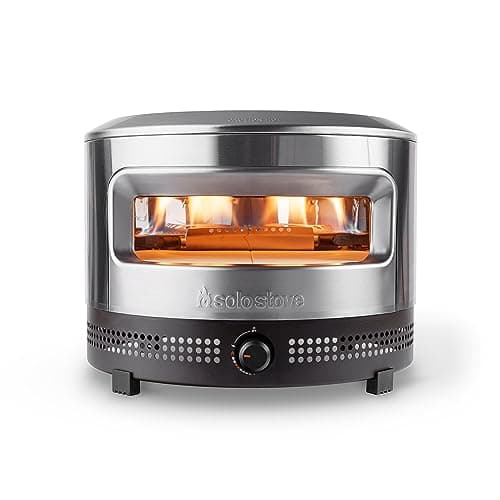
Best for: First-time outdoor pizza makers who want a forgiving gas oven, a wide mouth, and minimal setup.
- One-dial propane setup is easy to learn and repeat
- Limited to roughly 12-inch pizzas despite a fairly broad exterior diameter
- Fuel
- Propane gas
- Maximum pizza
- 12 in
- Maximum heat
- Over 950 F
- Size
- 20.5 in diameter x 15.5 in high
- Weight
- 30 lb
- Opening
- 13 x 3.5 in
About this pick
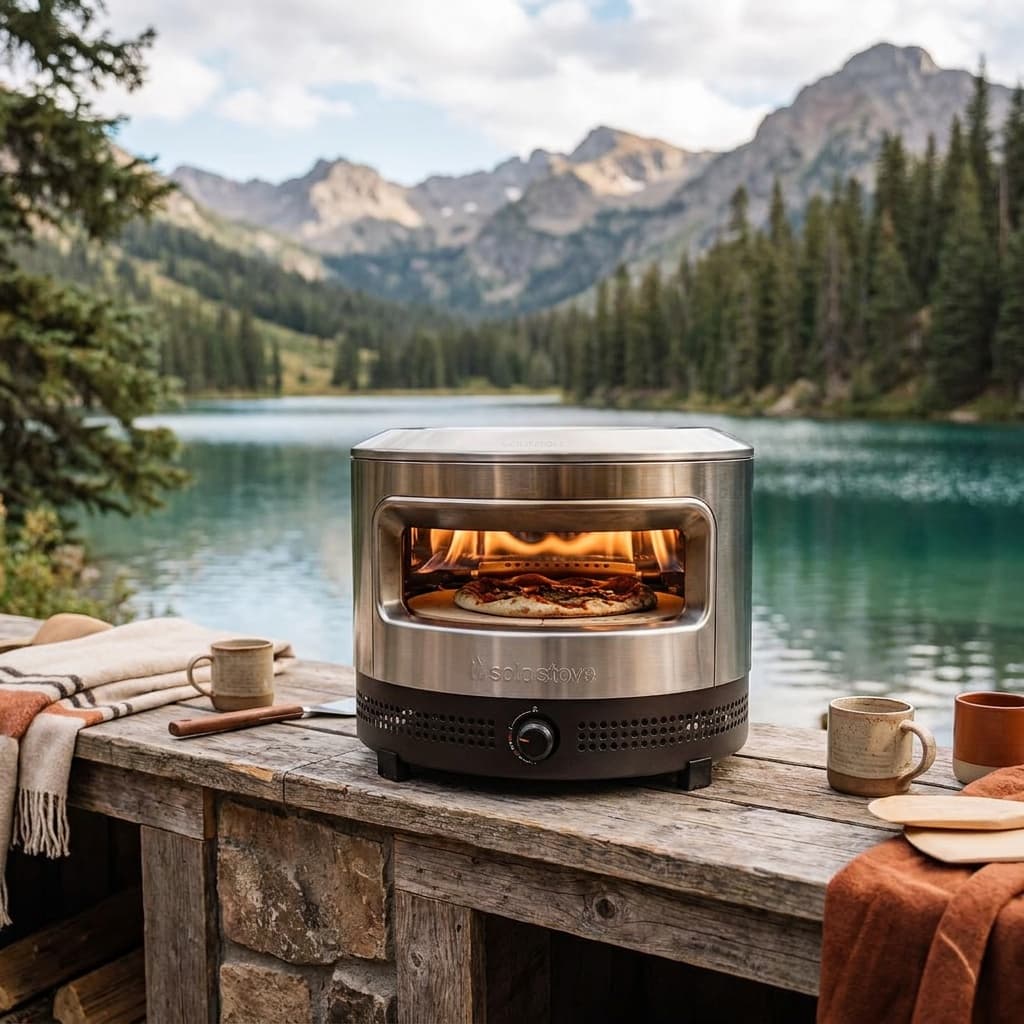
The low-friction first pizza oven: connect propane, turn one dial, and work through a broad 13-inch mouth. Its round stainless body is compact and the lifetime warranty is unusually strong, though it stays in the 12-inch pizza class.
More specifications
- Warranty
- Lifetime limited warranty
Strengths
- One-dial propane setup is easy to learn and repeat
- Wide panoramic opening makes launches and turns less intimidating
- 30 lb weight is manageable for storage and occasional transport
- Lifetime limited warranty is the strongest coverage in this group
Weaknesses
- Limited to roughly 12-inch pizzas despite a fairly broad exterior diameter
- Propane-only design has no path to wood or pellet cooking
- Round body uses counter depth less efficiently than a rectangular oven
Kit Score breakdown
See all picks in Best outdoor pizza ovens: 5 picks from $120 to $500
Keep going
Researched, not hands-on tested
Updated Jul 28, 2026Our recommendations draw on manufacturer documentation, retailer listings, owner feedback, and comparisons with alternatives.
As an Amazon Associate I earn from qualifying purchases. We may earn a commission from links here, at no extra cost to you. How we research →