We may earn a commission from links on this page, at no extra cost to you.
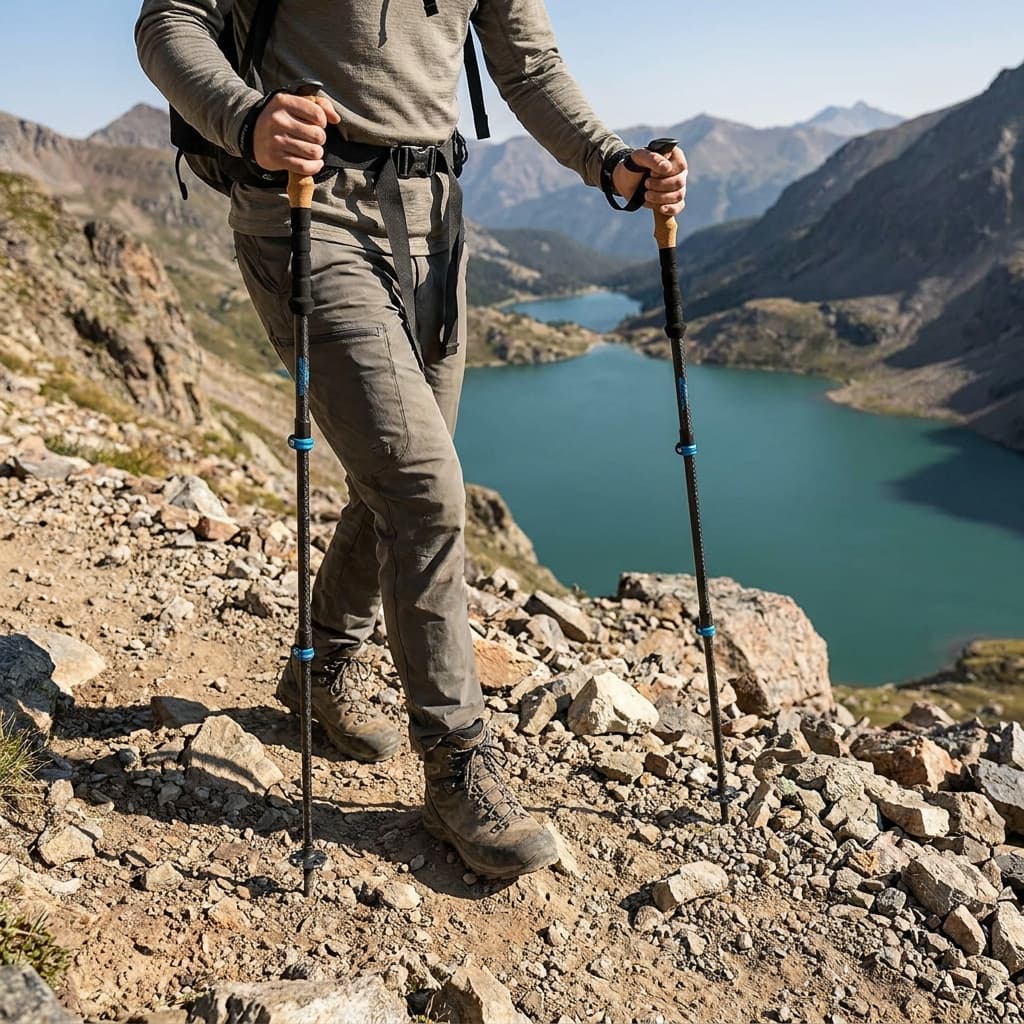
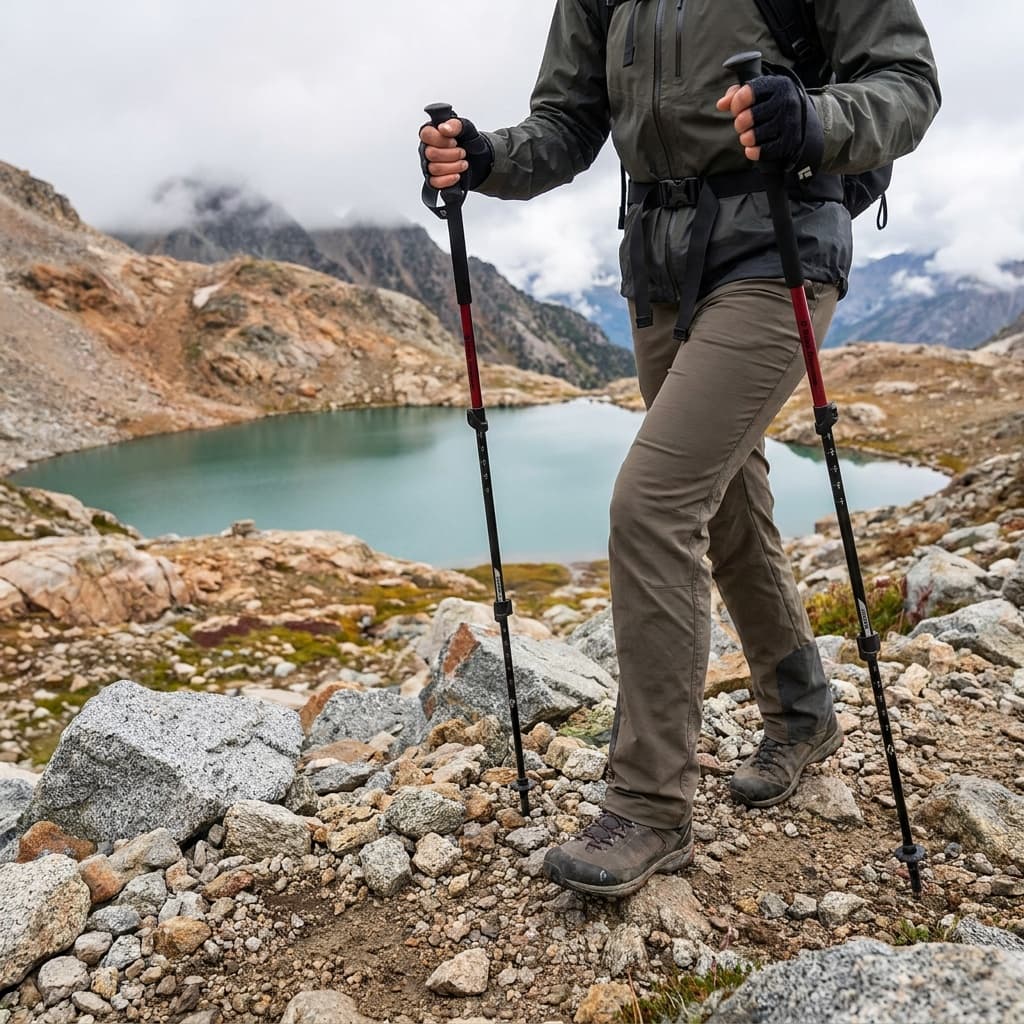
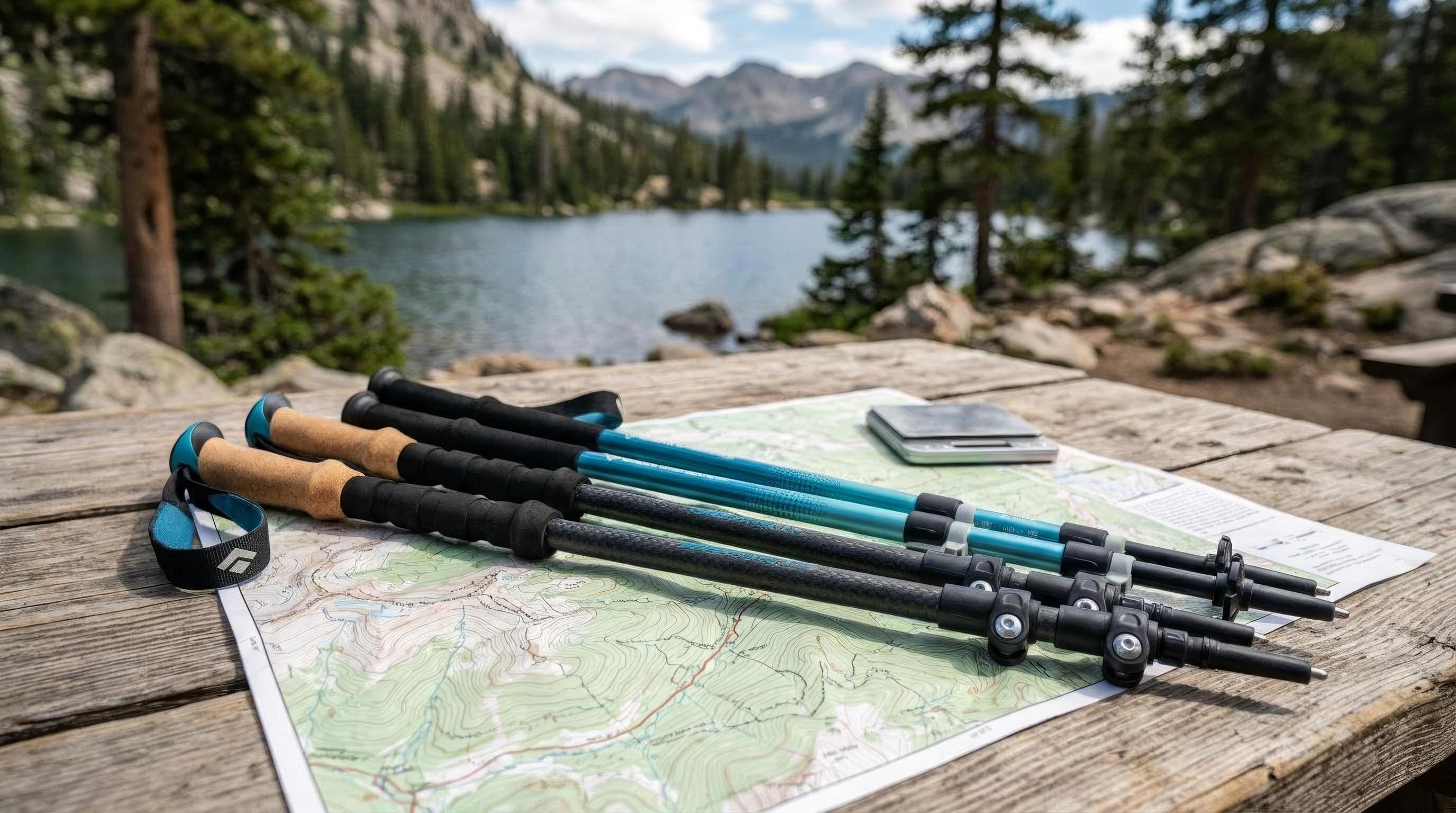
Cascade Mountain Tech Carbon Quick Lock and Black Diamond Trail Back cost similar money in current Amazon offers, but they spend it differently. Cascade prioritizes low shaft weight. Black Diamond prioritizes a broad range and a conventional aluminum design.
Our quick picks
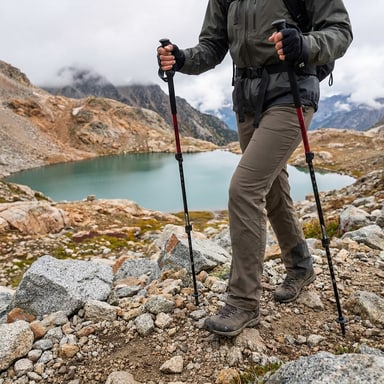
| Product | Kit Score | Price | Best for |
|---|---|---|---|
| Cascade Mountain Tech Carbon Fiber Quick Lock Trekking Poles | 7.9 | Check current price | Budget-conscious hikers and weekend backpackers who want carbon fiber weight savings without the premium price tag. |
| Black Diamond Trail Back Trekking Poles | 8.6 | Check current price | Day hikers and backpackers who favor visible lever locks, broad adjustment, and included snow baskets over minimum weight or compact packing. |
The five-ounce question
Cascade's published 7.2 oz per pole figure excludes rubber tips, producing a 14.4 oz bare pair. Trail Back lands around 19–20 oz on Black Diamond's current figures. That difference is noticeable because the poles move with every step.
Weight alone does not make Cascade universally better. Both pairs still pack to about 25 inches, so neither solves travel storage. The carbon pair is lighter during use, not dramatically smaller when stowed.
Locks and adjustment
Trail Back covers 100–140 cm. Cascade's current manufacturer page lists 25–53 inches, or 63.5–135 cm, while its verified Amazon listing says 26–54 inches. Either way, Cascade reaches farther down for short users but not as high at its confirmed manufacturer maximum.
Both use external levers. Black Diamond's FlickLock has a deeper replacement-parts history; Cascade's quick-release hardware is simpler. Inspect and retension either system before a steep descent.
Material and terrain
Choose aluminum if your routes regularly trap poles between rocks, include brushy off-trail movement, or encourage using the shaft as a lever. Aluminum can bend under a severe lateral load. Carbon remains stiff until its damage threshold and may fracture.
Choose carbon if your routes are maintained, you plant the pole along its axis, and reducing repeated swing weight matters. Material does not excuse poor technique: pull a trapped pole backward rather than continuing to walk past it.
The full material explanation is in carbon vs aluminum trekking poles.
Frequently asked questions
Are Cascade Mountain Tech poles as durable as Black Diamond?
There is no honest universal lifespan number. They use different shaft materials and hardware, and durability depends heavily on lateral impacts and maintenance. Trail Back is the more conservative choice for abuse; Cascade is the lighter choice for normal trail loading.
Which pair packs smaller?
The difference is minor. Cascade lists about 25 inches, and Trail Back lists 24.2 inches. For substantially shorter storage, choose a folding pole.
Which is the better first trekking pole?
Trail Back is the simpler default because its range is clear, baskets are included, and aluminum tolerates novice handling. Cascade is a smart first pair when low weight is already a priority and the hiker understands carbon's lateral-load limitation.
Read the individual Cascade review and Trail Back review, then compare all four picks in best trekking poles.
Related buying guide
Best trekking poles for hiking: 4 verified picks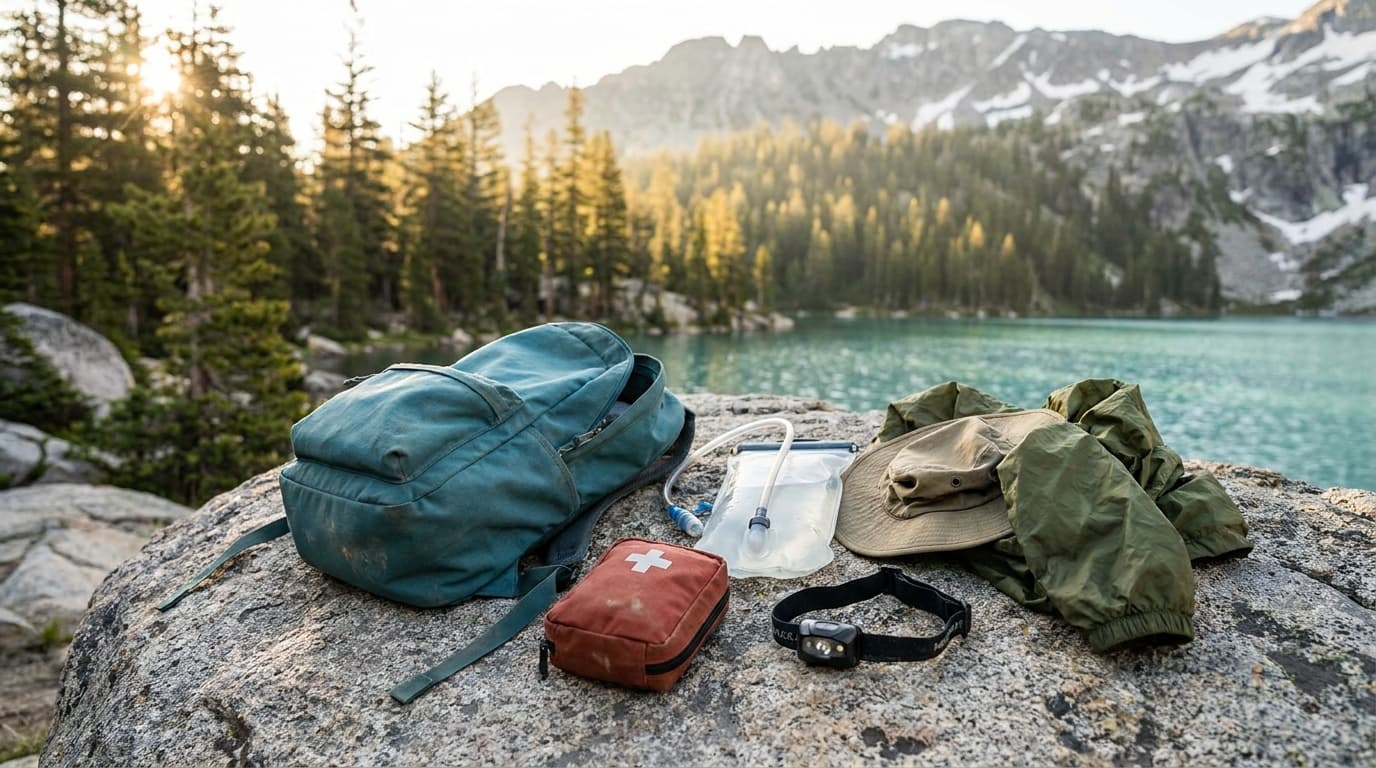
Complete hike loadout
Day hike kit
Seven slots for a full trail day, from the pack and water system to light and weather protection.
Build the complete kitRelated guides
Comparison
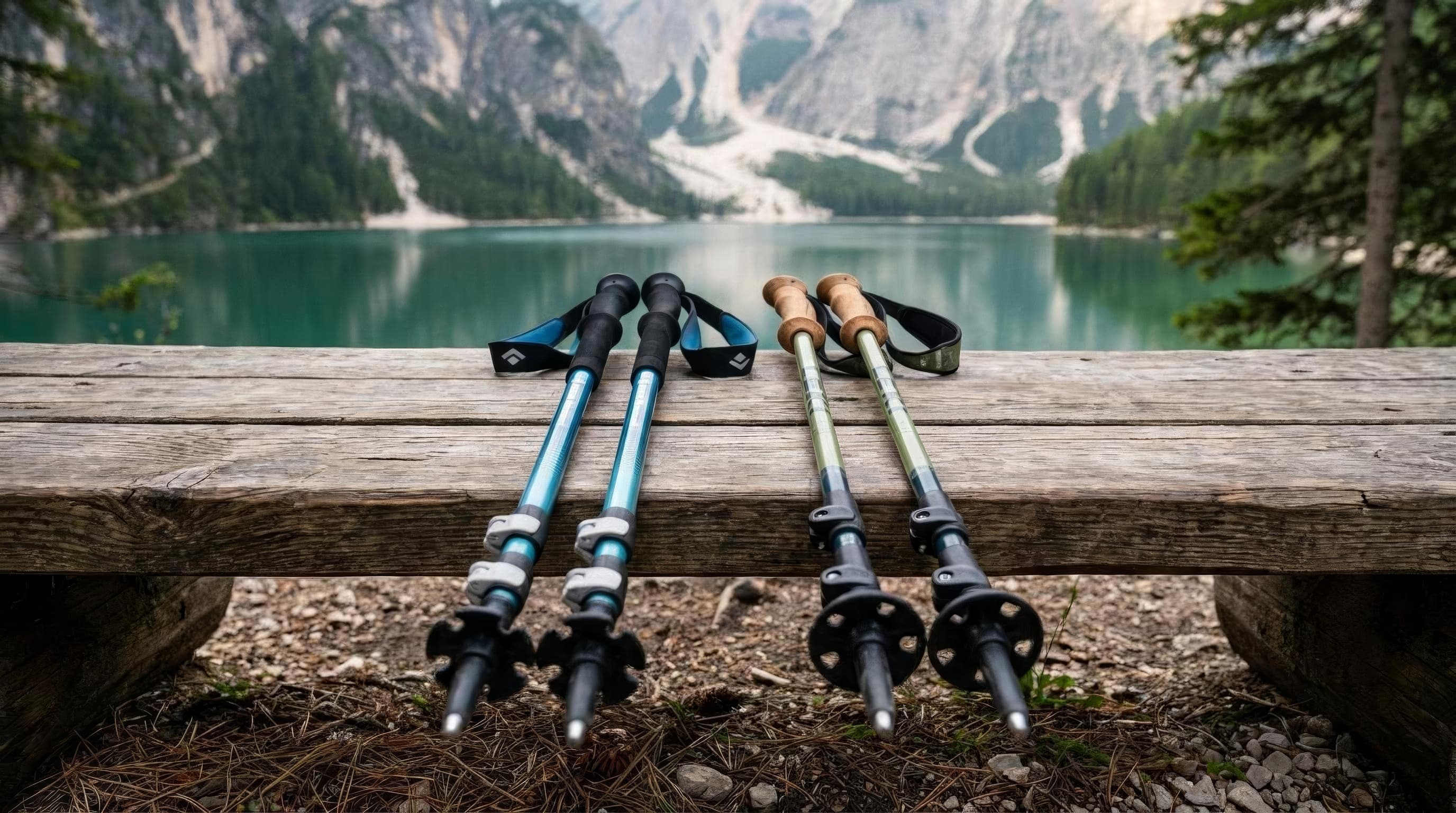
Black Diamond Trail Back vs LEKI Legacy Lite
Trail Back costs less and adjusts farther; Legacy Lite adds an 80% cork grip and lifetime shaft-breakage coverage. Compare the numbers.
Read guide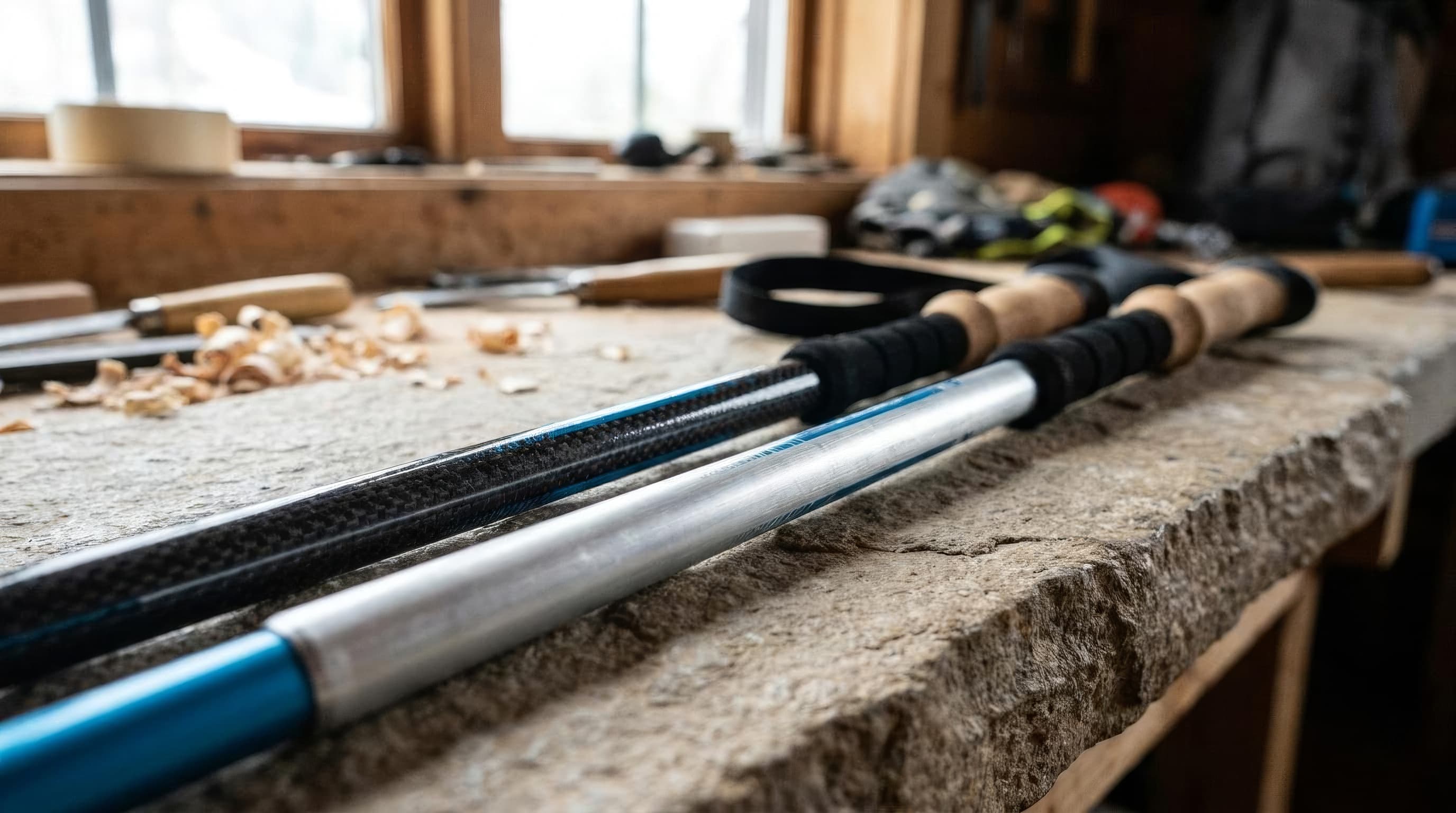
Comparison
Carbon vs aluminum trekking poles: weight, cost, and durability
Buy carbon trekking poles for lower swing weight or aluminum for lower cost and rough terrain. Compare stiffness, failure behavior, fit, and value.
Read guide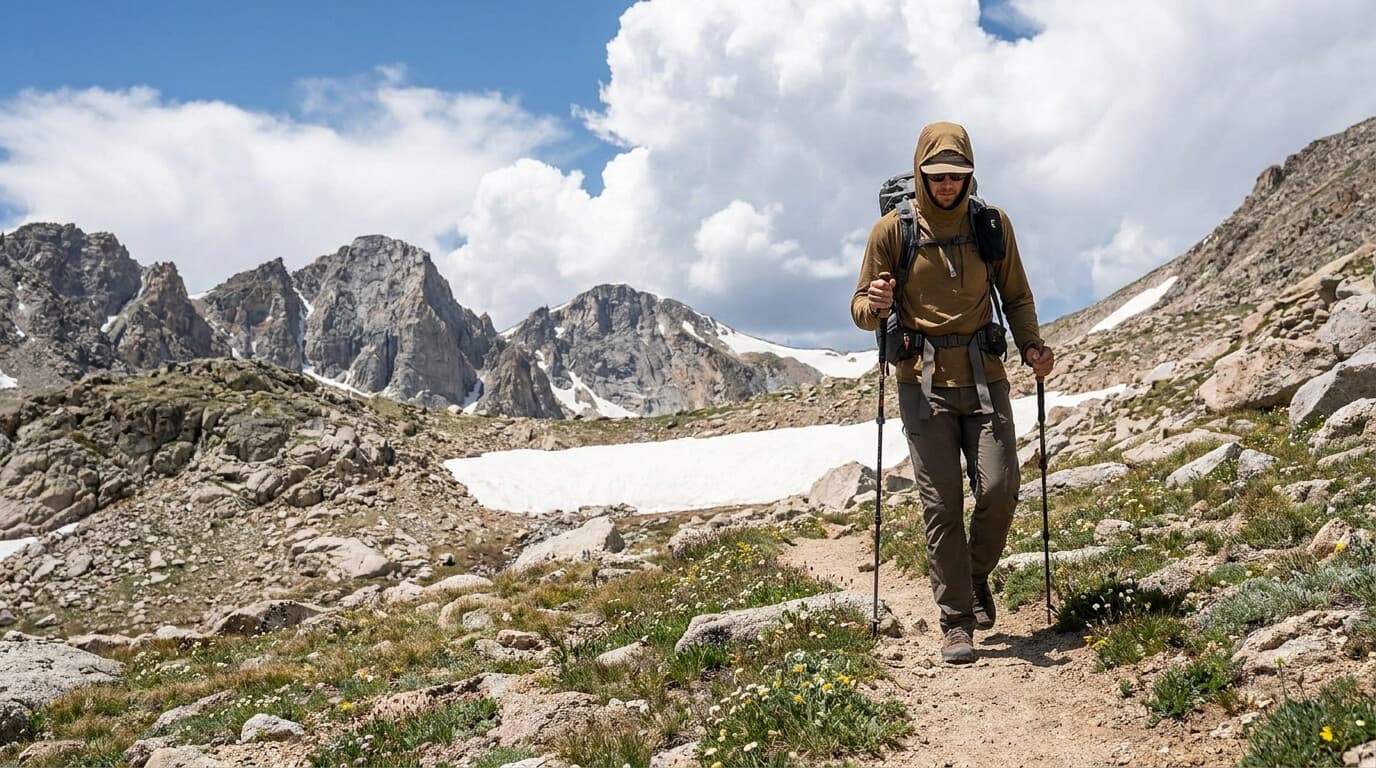
Field guide
High-altitude hiking gear list: UV, thunderstorms, and 30-degree swings
A packing guide for high-elevation parks like Rocky Mountain, Grand Teton, and Great Basin: UV that climbs with altitude, afternoon thunderstorm protocol, layering, hydration, and sleeping high.
Read guide
Field guide
Are trekking poles worth it?
Peer-reviewed data on knee load reduction, muscle damage, and energy cost. Plus when poles help, when to stow them, and the three technique rules that make them work.
Read guideResearch-based guide
2 products comparedUpdated Jul 31, 2026Our recommendations draw on manufacturer documentation, retailer listings, owner feedback, and comparisons with alternatives.
As an Amazon Associate I earn from qualifying purchases. We may earn a commission from links here, at no extra cost to you. How we research →