We may earn a commission from links on this page, at no extra cost to you.
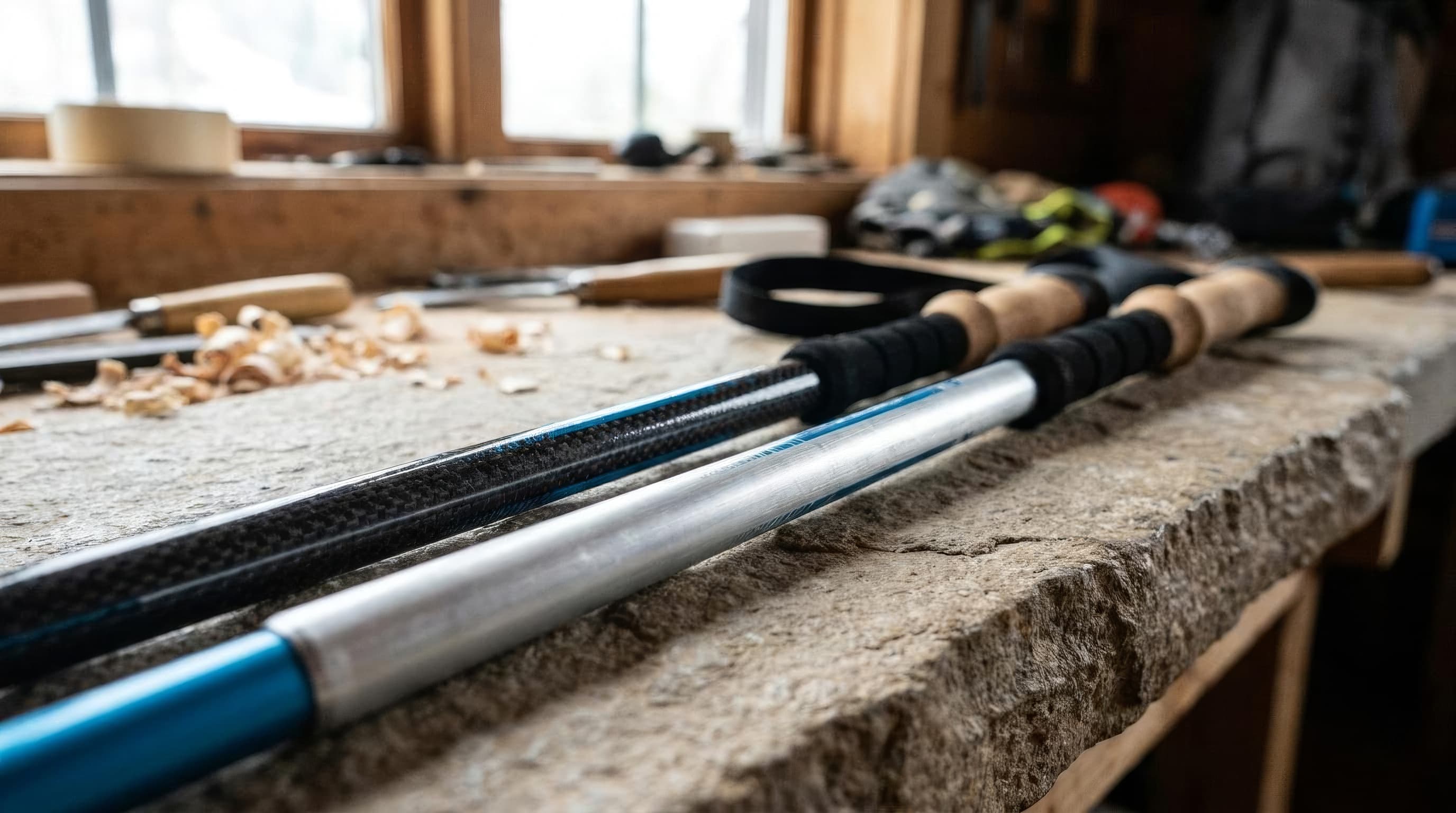
Choose carbon trekking poles for lower swing weight on maintained trails and high-mileage days. Choose aluminum poles for lower cost and more forgiving behavior around rock traps, brush, and rough handling. Shaft material matters, but lock design, grip, packed architecture, replacement parts, and terrain can matter more.
Compare complete pole designs, not just shaft materials, in our guide to the best trekking poles.
Our quick picks
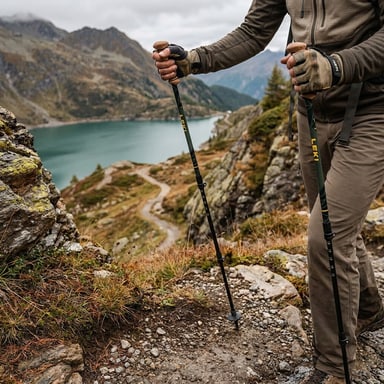
Current examples make the tradeoff concrete
| Product | Kit Score | Price | Best for |
|---|---|---|---|
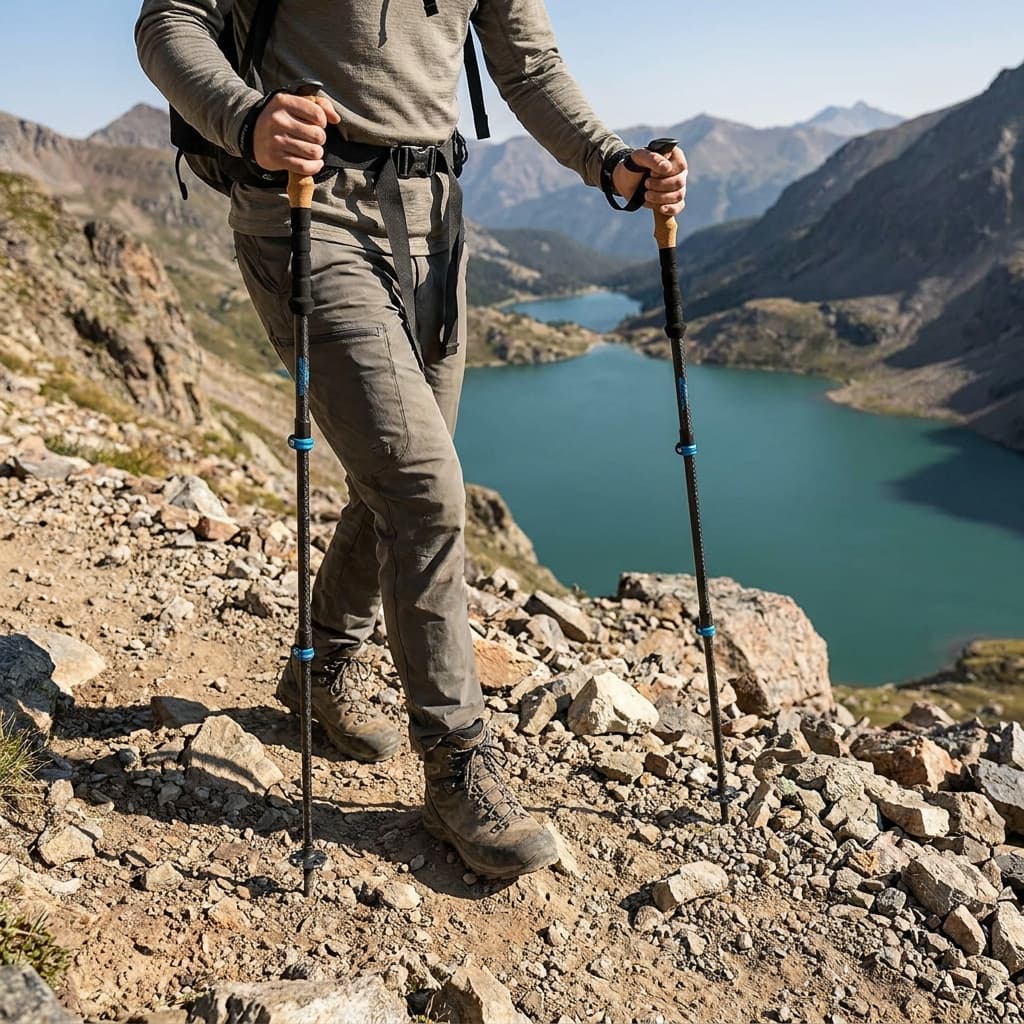
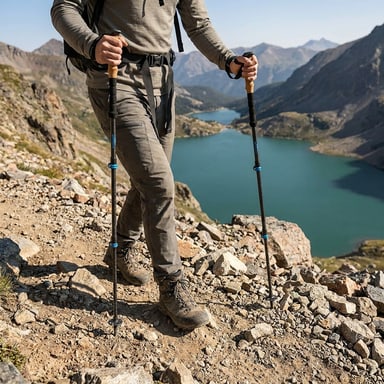
| Cascade Mountain Tech Carbon Fiber Quick Lock Trekking Poles | 7.9 | Check current price | Budget-conscious hikers and weekend backpackers who want carbon fiber weight savings without the premium price tag. |
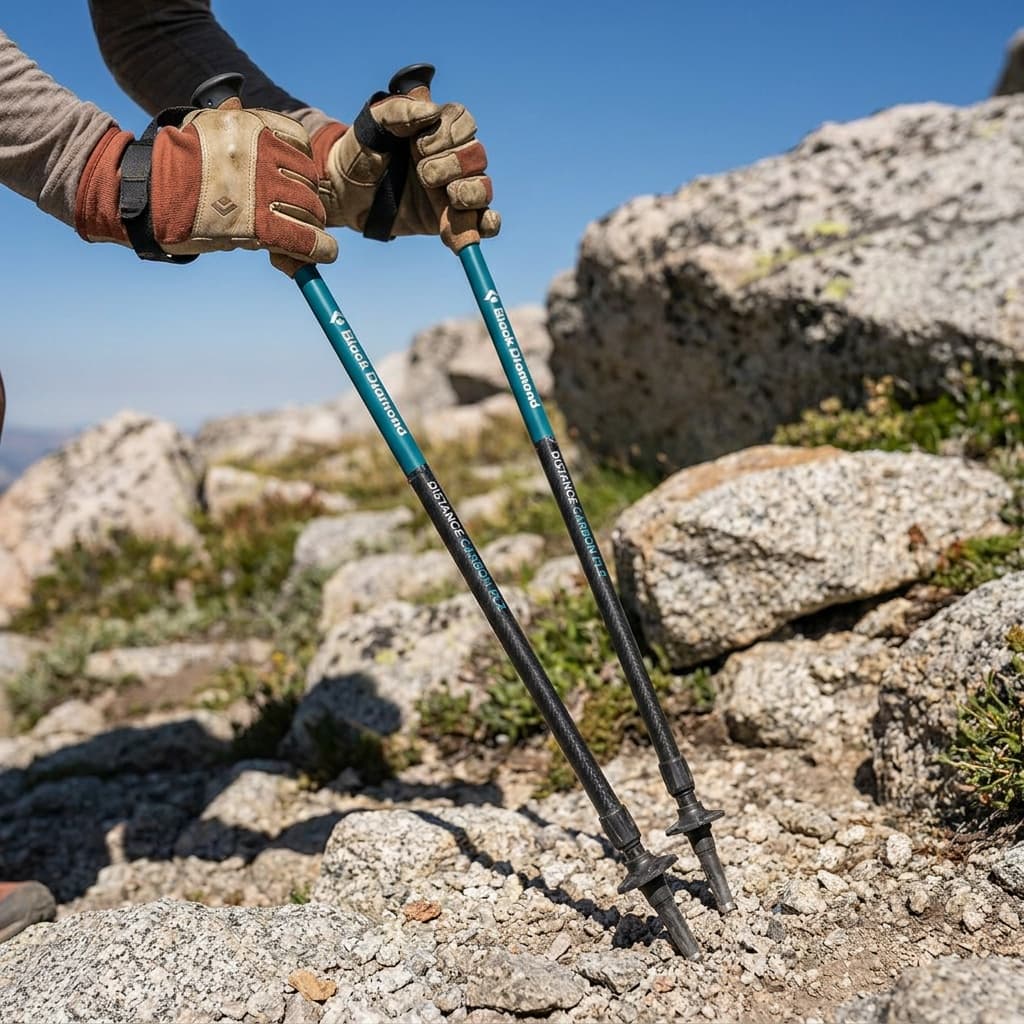
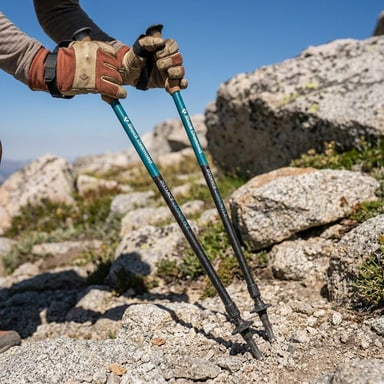
| Black Diamond Distance Carbon FLZ Trekking Poles | 8.4 | Check current price | Trail runners, ultralight backpackers, and fastpackers who need a pole that disappears when stowed and weighs almost nothing when in hand. |
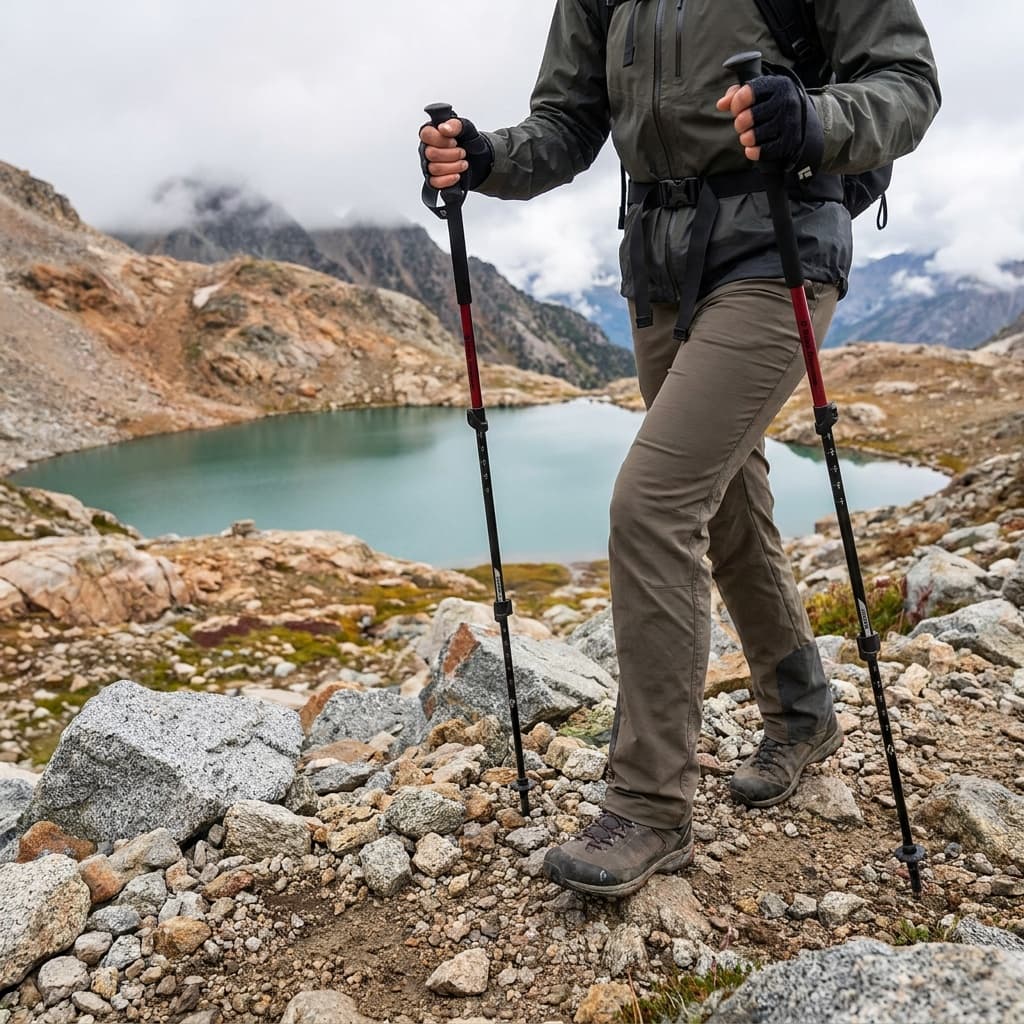
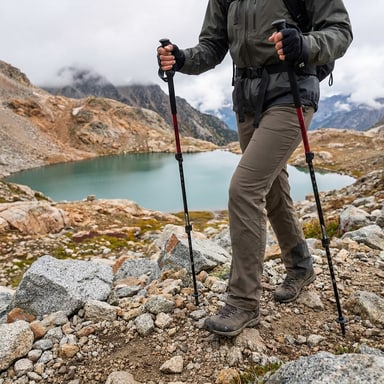
| Black Diamond Trail Back Trekking Poles | 8.6 | Check current price | Day hikers and backpackers who favor visible lever locks, broad adjustment, and included snow baskets over minimum weight or compact packing. |
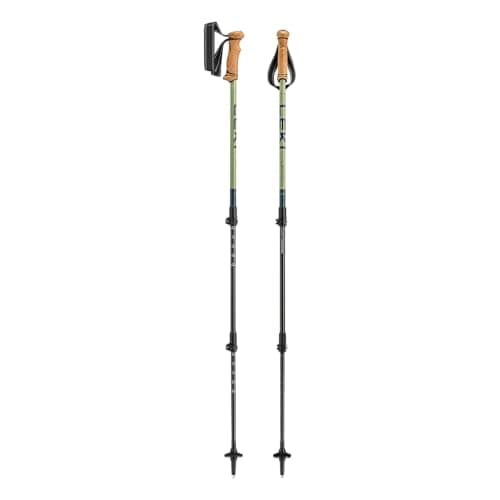
| LEKI Legacy Lite Trekking Poles | 8.5 | Check current price | Day hikers and backpackers who prioritize a cork-rich grip and long-term shaft coverage over compact packing. |
Cascade's carbon pair is roughly 14.4 oz before tips and costs about $68. Black Diamond's aluminum Trail Back is roughly 19–20 oz and costs about $75 in its current Amazon variant. Material alone does not dictate price.
At the premium end, Black Diamond's carbon Distance FLZ costs $175–$220 because it combines low weight with folding sections and FlickLock+ adjustment. The buyer is paying for an entire architecture, not merely carbon cloth.
Carbon advantages
Carbon fiber shafts can be made lighter and stiffer than an equivalent general-purpose aluminum design. Low swing weight matters most to trail runners, fastpackers, and high-mileage hikers who lift and plant the pair thousands of times.
Stiffness also creates a direct plant with less shaft flex. Some users prefer that precise feel. It does not mean the pole can be used as a pry bar. A sharp lateral impact or a shaft trapped between rocks concentrates force in a direction the tube was not meant to carry.
Aluminum advantages
Aluminum is inexpensive to form, familiar to repair, and often deforms visibly before complete separation. A bent pole is not safe to trust indefinitely, but it may provide clearer damage evidence than a hidden composite crack.
Aluminum models also tend to occupy the broad, adjustable middle of the market. Trail Back covers 100–140 cm in one pair, while each Distance Carbon FLZ size covers only 15 cm. That difference comes from product design rather than an inherent material limit, but it affects the real buying decision.
Choose by route
Match material to how the pole gets used
Maintained trail and high mileage
Carbon saves repeated swing weight when lateral impacts are uncommon.
Rocky off-trail travel
Aluminum is the conservative choice when shafts may wedge between rocks or strike edges.
Frequent air travel
Packed architecture matters more than shaft material; compare folding and telescoping designs.
Occasional day hiking
Buy the grip, fit range, and lock you trust. A few saved ounces rarely justify a large premium by themselves.
Frequently asked questions
Do carbon trekking poles snap easily?
Not under normal axial pole plants. The greater concern is a hard lateral load, impact, or trapped shaft. Good carbon poles are legitimate structural tools, but no lightweight trekking pole should be levered sideways between rocks.
Can a bent aluminum pole be straightened?
Minor bends are sometimes field-straightened, but bending work-hardens and weakens the tube. Replace a visibly damaged section rather than treating a straightened shaft as fully restored.
Are carbon poles worth the money?
They are worth it when low swing weight solves a real fatigue or pace problem. Cascade proves carbon itself does not require a premium price; expensive carbon poles usually add compact folding, refined locks, lighter hardware, or brand support.
Sources
- Black Diamond Trail Back aluminum specifications
- Black Diamond Distance Carbon FLZ specifications
- Cascade Mountain Tech carbon pole specifications
- LEKI Legacy Lite aluminum specifications
Next, decide whether your pack needs a folding or telescoping trekking pole, then compare the current shortlist in best trekking poles.
Related buying guide
Best trekking poles for hiking: 4 verified picks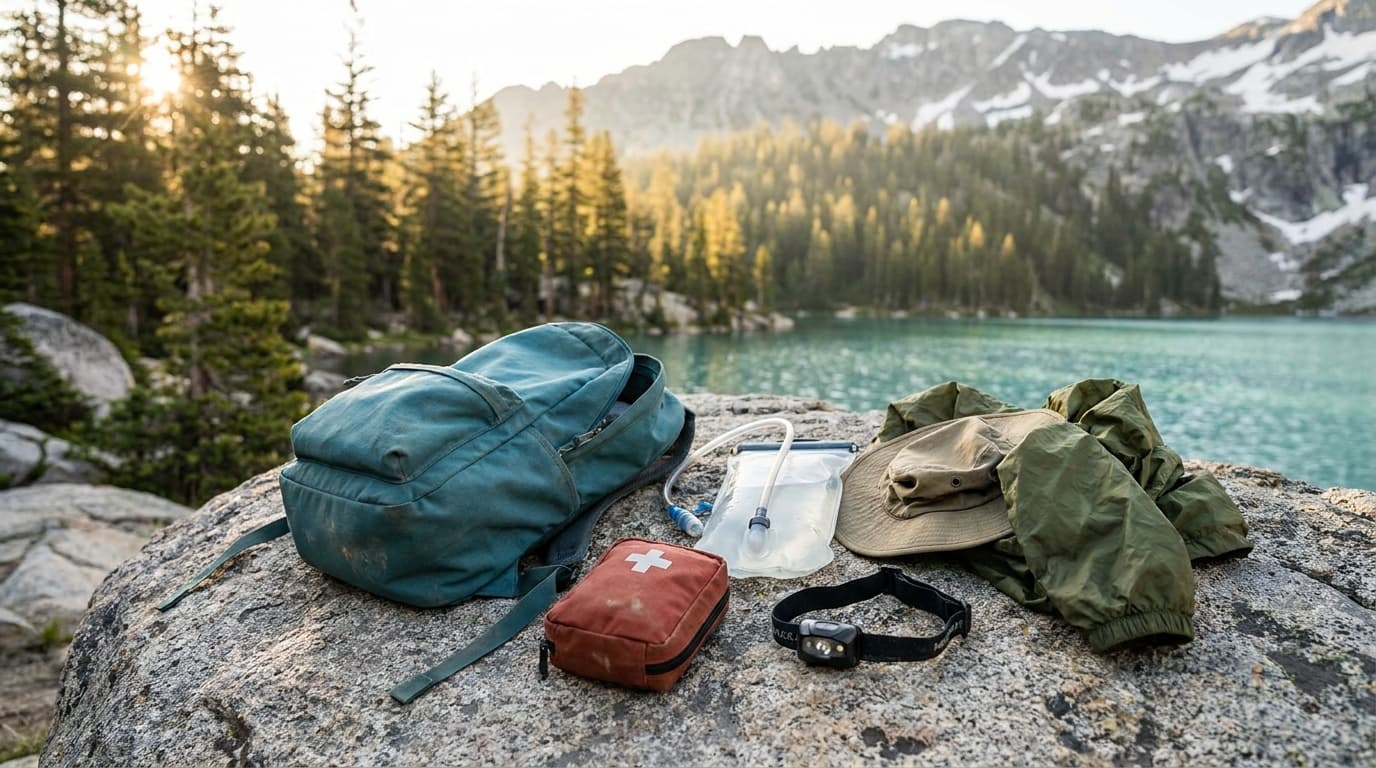
Complete hike loadout
Day hike kit
Seven slots for a full trail day, from the pack and water system to light and weather protection.
Build the complete kitRelated guides
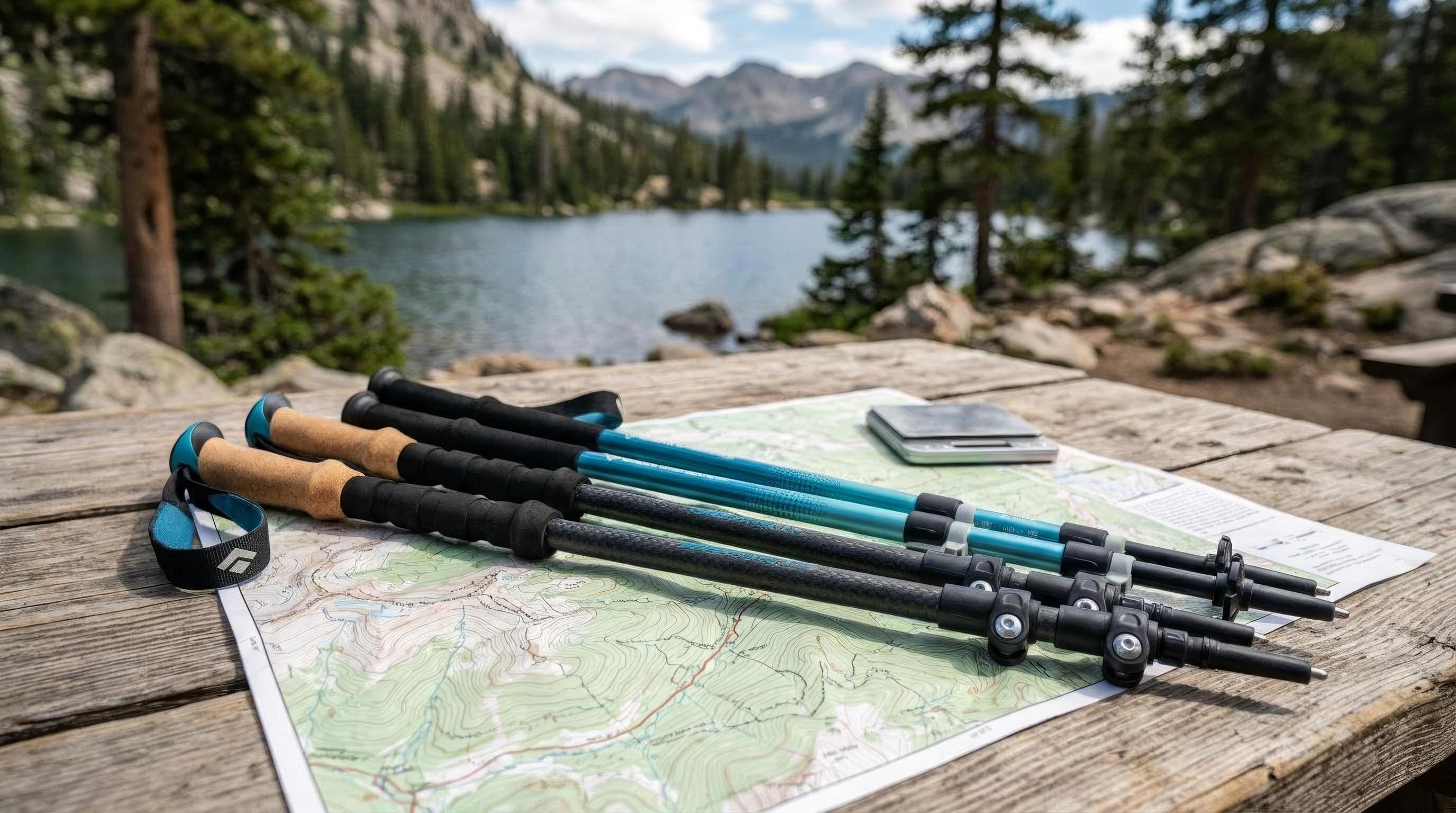
Comparison
Cascade Mountain Tech vs Black Diamond Trail Back
Cascade saves roughly five ounces with carbon; Trail Back offers a wider range, aluminum shafts, and established FlickLocks. See which compromise fits.
Read guide
Field guide
Are trekking poles worth it?
Peer-reviewed data on knee load reduction, muscle damage, and energy cost. Plus when poles help, when to stow them, and the three technique rules that make them work.
Read guide
Comparison
Folding vs telescoping trekking poles: pack first
Folding poles pack nearly 10 inches shorter; telescoping poles usually adjust farther and cost less. Compare storage, deployment, fit, and repair.
Read guide
Comparison
Black Diamond Trail Back vs LEKI Legacy Lite
Trail Back costs less and adjusts farther; Legacy Lite adds an 80% cork grip and lifetime shaft-breakage coverage. Compare the numbers.
Read guideResearch-based guide
4 products comparedUpdated Aug 14, 2026Our recommendations draw on manufacturer documentation, retailer listings, owner feedback, and comparisons with alternatives.
As an Amazon Associate I earn from qualifying purchases. We may earn a commission from links here, at no extra cost to you. How we research →
Top picks
Related buying guide
Best trekking poles for hiking: 4 verified picks