When to go
Weather, crowds, and what the season changes about the trip.
Spring
55-70F
Cool and wet, highs 55-70F. Waterfalls run hard and the river is high and cold.
Pack Rain shell, grippy footwear, and caution around fast water.
Summer
80-90F
Warm and humid, highs 80-90F. Peak river-float, swimming, and waterfall season.
Pack Sun protection, water, and a reservation for river camping.
Fall
60-75F
Crisp and colorful, highs 60-75F. Prime hiking with strong leaf color in October.
Pack Warm layer, headlamp, and footwear for leaves on steep rock.
Winter
35-45F
Cold and quiet, highs 35-45F. Frozen waterfalls and bare-forest views, with seasonal closures.
Pack Insulation, traction, and a check on which roads and access points are open.
Top things to do
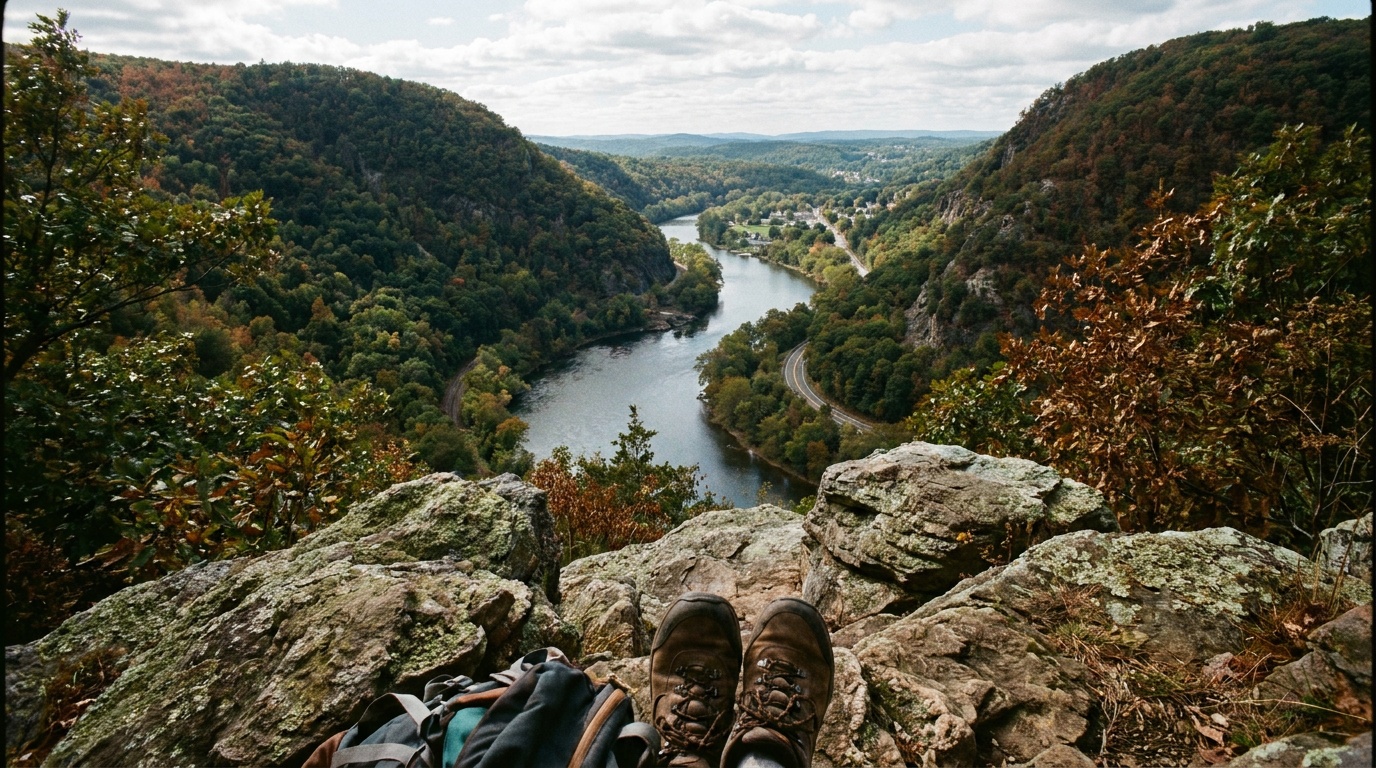
Mount Tammany via the Red Dot and Blue Dot loop
A steep, rocky climb to a cliff-top view straight down the water gap. Short but punishing, with about 1,200 feet of gain on loose rock.
Raymondskill and Dingmans Falls
Two of the park's signature waterfalls, both reached on short walks and boardwalks on the Pennsylvania side.
Canoeing the Middle Delaware
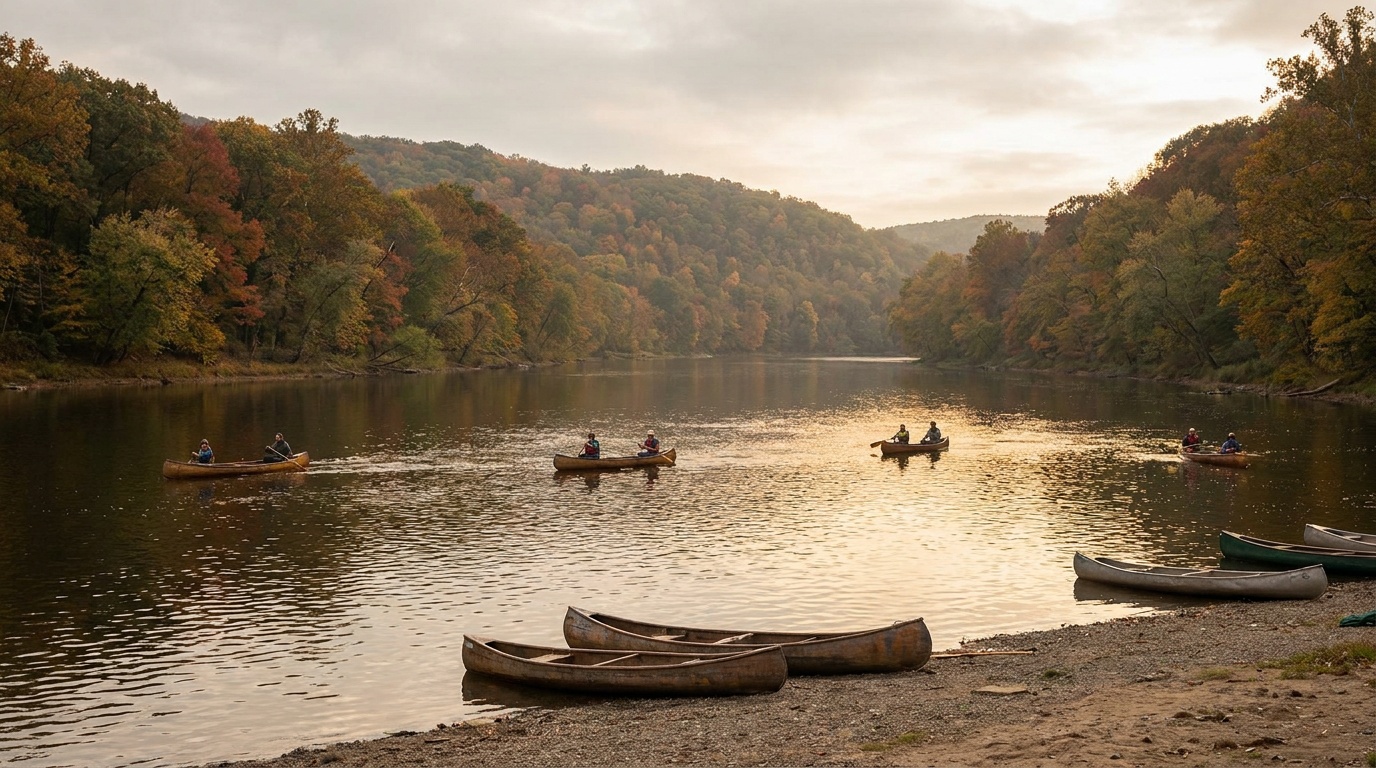
A gentle, scenic National Scenic and Recreational River for canoes, kayaks, and tubes, with liveries handling shuttles.
Anchor the day around Mount Tammany via the Red Dot and Blue Dot loop
Lock the boat, ferry, tide, or water access first, then fit the route list around that schedule. For one day in Delaware Water Gap National Recreation Area, make Mount Tammany via the Red Dot and Blue Dot loop the non-negotiable, add Raymondskill and Dingmans Falls only if the first stop runs clean, and keep Canoeing the Middle Delaware as the flexible finish.
- 1Start with Mount Tammany via the Red Dot and Blue Dot loop: A steep, rocky climb to a cliff-top view straight down the water gap. Short but punishing, with about 1,200 feet of gain on loose rock.
- 2Add Raymondskill and Dingmans Falls: Two of the park's signature waterfalls, both reached on short walks and boardwalks on the Pennsylvania side.
- 3Use Canoeing the Middle Delaware as the optional finish, not as a reason to rush the whole day.
Plan your trip
Turn Delaware Water Gap's conditions into water, pack, and sleep-system decisions.
Build around conditions
Let season, elevation, and weather set the plan.
Plan your trip
4 quick tools, already seeded for Delaware Water Gap National Recreation Area. Tune the numbers around temperature swings, footing, layers, and how much margin the route needs.
What to pack
Start with the gear decisions this park changes: footing, weather, camping, and water.
Kit Authority
Delaware Water Gap National Recreation Area packing list
0 of 23 packed. Check items as you pack, then take this list to the store, trailhead, or campsite.
Pack planning
Decide what Delaware Water Gap National Recreation Area asks of your kit before you start checking boxes.
Use this as a constraint check while you are still shaping the trip. The active checklist becomes useful once your route, dates, and sleep plan are set.
- First constraintHydration and exposureWater, Electrolyte mix, hat, sunscreen, sunglasses, 4 more
- Route realityFooting and tractionHiking boots, Hiking socks, Trekking poles
- Load choicePack and carry systemDaypack
- If overnightSleep and shelterTent, Sleeping bag, Sleeping pad
Checklist mode
23 items, grouped for the trip you are actually taking.
- Dates and season are set.
- Primary route, campground, or lodge is chosen.
- Water, footwear, and overnight needs are sized.
One researched pick
The first gear decision for Delaware Water Gap National Recreation Area
A stable daypack is the one purchase that organizes water, layers, food, first aid, and the small safety margin.
We may earn a commission from links on this page, at no extra cost to you.
THE DAY-HIKE PICK
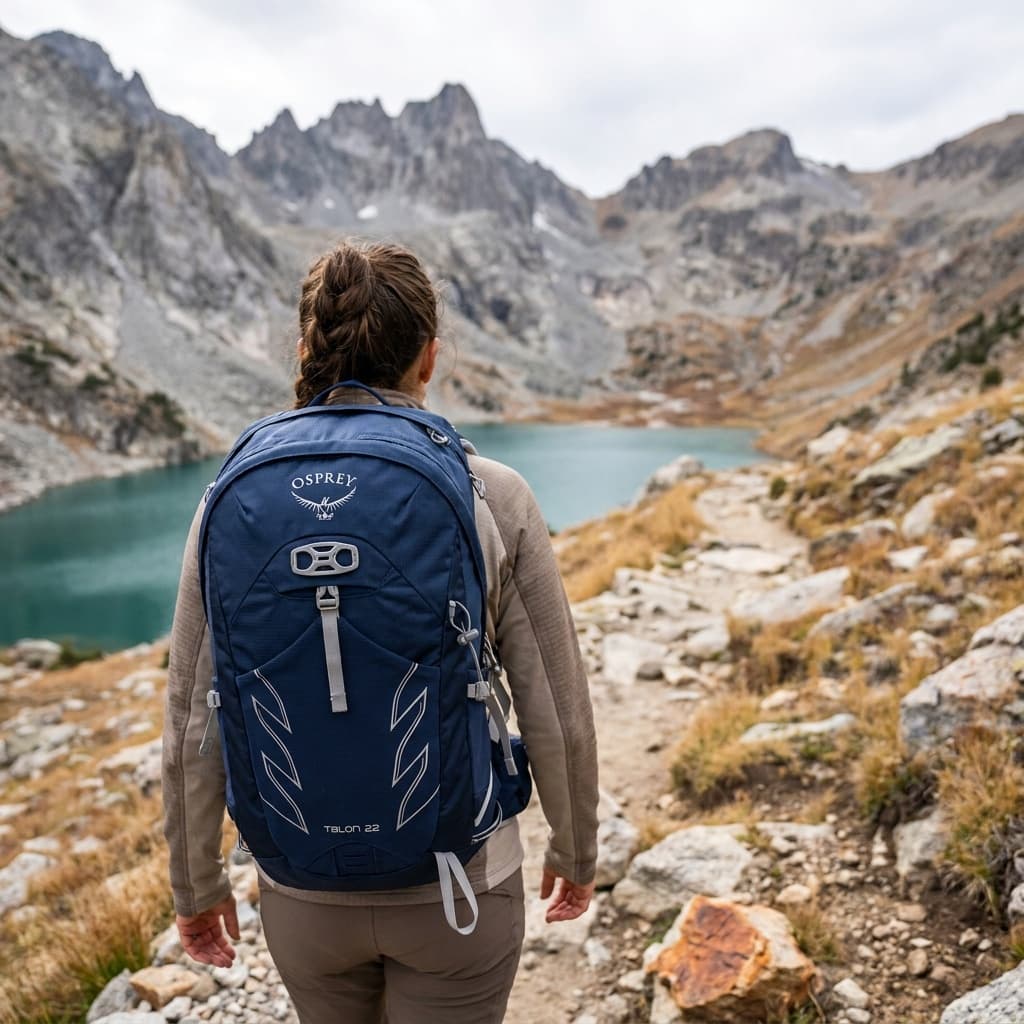
Osprey Talon 22
- Volume
- 22 L
- Weight
- 2 lb 1 oz (945 g)
- Back Panel
- AirScape foam with ventilation channels
- Hipbelt Pockets
- 2 zippered
- Hydration
- Compatible up to 3 L reservoir (sold separately)
- Warranty
- All Mighty Guarantee (lifetime repair or replace)
The Talon 22 is the daypack you see on the trail more than any other for good reason: it packs in a padded hipbelt, adjustable torso harness, and dual hipbelt pockets into a 22-liter package that handles loads up to 20 lb without complaint. Owners across hundreds of Amazon ratings consistently cite its adjustability and durability as standouts.
- Adjustable torso fit covers a wide range of body sizes
- Padded hipbelt and dual hipbelt pockets at this size are rare
- At 2 lb 1 oz it runs heavier than ultralight rivals for the same volume
Best for
Hikers who want a proven all-around daypack with solid load support, plenty of adjustment, and a warranty they can actually use.
Gear for Delaware Water Gap
The buying guides that match what Delaware Water Gap asks of your kit, with our current top picks across budget and use case.
Where to stay
Stroudsburg and East Stroudsburg in Pennsylvania, and Milford to the north, are the practical lodging hubs, with the village of Delaware Water Gap right at the southern end. Inside the recreation area, the signature overnight is primitive river camping along the Middle Delaware, designed for canoe and kayak trips. Several private campgrounds and liveries near the river round out the options for paddlers who want a shuttle and a developed base.
Camping reservations
Camping reservations
The signature camping is primitive river sites, reserved by zone on Recreation.gov for paddlers.
The park's distinctive camping is along the Middle Delaware River: 60-plus primitive canoe-access sites you reach by boat, reserved through a zonal permit system on Recreation.gov. These are for multi-day float trips, not drive-up camping.
Reviewed June 11, 2026
Booking window
River campsites open for the season in mid-spring, and permits are purchased by zone through Recreation.gov. Reserve ahead for summer weekends and plan the float around your zone.
- There is no general per-vehicle entrance fee, but new amenity fees of $5 to $25 apply at certain beaches, boat launches, and picnic areas from roughly Memorial Day through Labor Day.
- River campsites are canoe-access primitive sites, reserved by zone, not individual numbered sites.
- There are no drive-in NPS campgrounds inside the recreation area; car campers use nearby private campgrounds.
- River levels and weather change float safety quickly, so check conditions before launching.
Where to book or verify
Official NPS page explaining the zonal river-camping permit system.
Primitive river campsites and zones book through Recreation.gov.
Check for federal campground, backcountry, tour, and permit inventory tied to this park.
Primitive river camping requires a zonal permit reserved through Recreation.gov.
Campgrounds to know
Middle Delaware River campsites
Details- Booking
- Reserve by zone on Recreation.gov; season opens in mid-spring.
- Season
- Open roughly mid-April through fall.
- Sites
- More than 60 primitive canoe-access sites along the river, reserved by zone.
- The signature overnight, built for canoe and kayak float trips rather than car camping.
Nearby private campgrounds
Details- Booking
- Book directly with each campground.
- Season
- Mostly seasonal.
- Sites
- Developed private campgrounds and liveries near the river for car campers.
- Use these when you want a drive-in base and a paddling shuttle rather than primitive river sites.
Getting there and practical info
Plan the handoff from arrival to shuttle.
Parking, pedestrian entrances, and shuttle timing decide how calmly the first morning starts.
Getting there
Get to Delaware Water Gap National Recreation Area, then remove the first-morning friction.
- Nearest airport
- Lehigh Valley International (ABE), about 45 minutes from the Water Gap
- Access rhythm
- Car required
- Region
- Pennsylvania
Arrival note
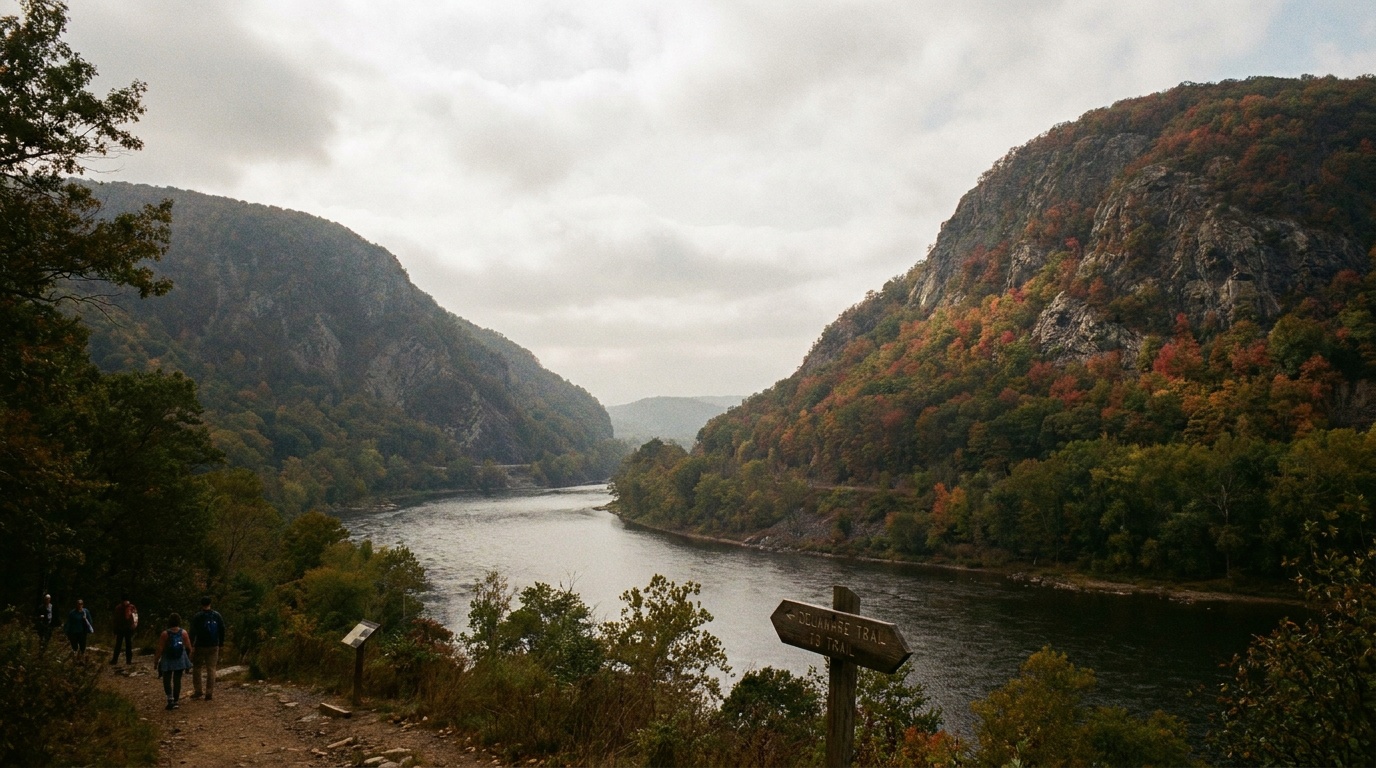
The recreation area straddles the Delaware River for about 40 miles along the Pennsylvania and New Jersey border, easiest to reach off Interstate 80 at the water gap itself, about 90 minutes from New York City and Philadelphia.
Car strategy
A car is essential to move between the Pennsylvania waterfalls, the New Jersey trailheads, and the river launches, since the park is long and linear with access points on both banks.
Pair this with lodging: sleep where the park transfer is simple, especially if your route needs an early start.
Can you photograph here? Permit and drone rules
No statewide photo permit; the PA Film Office coordinates state property access, DCNR agreements cover state parks and forests, and Philadelphia and Pittsburgh run their own permits.
- Permit
- Usually fine for personal shoots; commercial or large productions can need a permit
- Drones
- Legal under FAA rules; commercial drone work requires FAA Part 107
- Land
- Yes: photographing people and property visible from public space is legal in the US
From our photography sister site, Aperture Authority. Verified 2026-07-01.
Frequently asked questions
Is there an entrance fee at Delaware Water Gap National Recreation Area?
There is no general per-vehicle entrance fee. New amenity fees of $5 to $25 apply at certain beaches, boat launches, and picnic areas during the peak season from roughly Memorial Day through Labor Day.
How do you camp along the Delaware River?
The signature camping is primitive river sites reached by canoe or kayak, reserved by zone through Recreation.gov. River campsites open in mid-spring, and the system is built for multi-day float trips rather than drive-up camping.
How hard is the Mount Tammany hike?
It is the hardest hike in the park: a steep climb of about 1,200 feet over roughly 3.5 miles on loose rock, with a spectacular cliff-top view of the water gap. Wear real footwear and carry water.
Which waterfalls are easiest to reach?
Dingmans Falls and Raymondskill Falls on the Pennsylvania side are reached by short walks and boardwalks, making them the easiest big payoffs in the park.