State guide
Utah's Mighty 5 national parks ranked
Utah's five national parks, the Mighty 5, cluster across the southern half of the state in red-rock canyon country: slot canyons, hoodoos, arches, mesa overlooks, and quiet orchards. This guide ranks them by overall payoff and explains the access and crowd tradeoffs for each.
By Joel KellyResearched, not hands-on tested. How we research
Short answer
Zion ranks first for sheer canyon drama and ease of access, followed by Bryce Canyon for its hoodoo amphitheater, Arches for its concentration of red-rock arches, Canyonlands for vast overlooks, and Capitol Reef as the quiet, underrated fifth. All five link into one classic road trip across southern Utah.
How the Mighty 5 were ranked
- Scenic payoff and how unique each park's signature landscape is.
- Ease of access, lodging, and how forgiving the logistics are.
- Crowd pressure, since the famous parks can feel very busy in peak season.
- Range of hikes and scenic drives for different energy levels.
Recommended parks
Each pick links to the full park guide with season tables, logistics, packing, and route context.
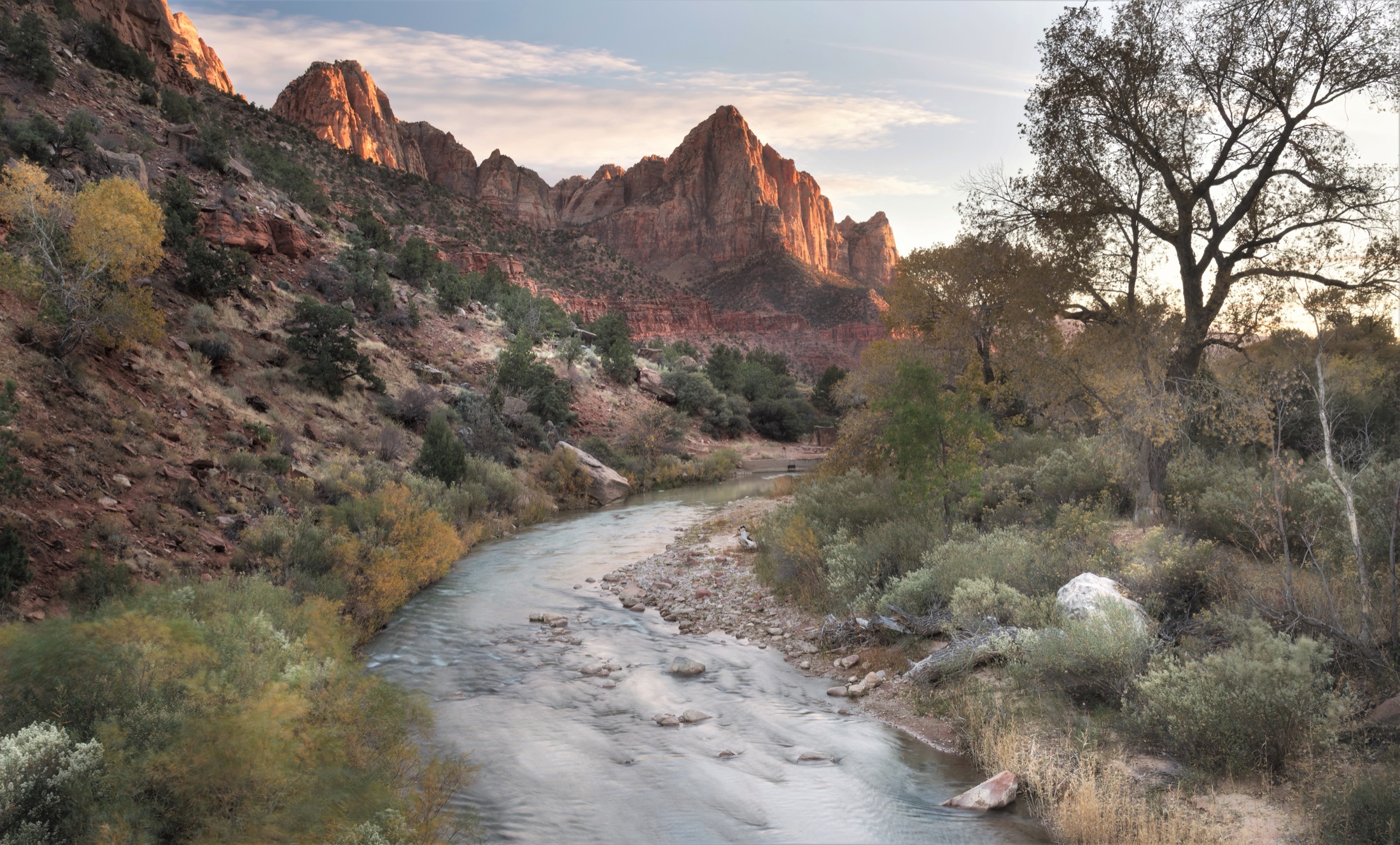
The dramatic leaderZion
- Best for
- Canyon hikes, the Narrows, and shuttle-based days
- Watch
- A mandatory canyon shuttle runs spring through fall, and Angels Landing needs a separate permit lottery. Crowds are heaviest of any Utah park.
Zion is the most visited and most dramatic of the five, with towering canyon walls, the Narrows river hike, and a shuttle system that concentrates the main canyon into a clear route.
Open the Zion guide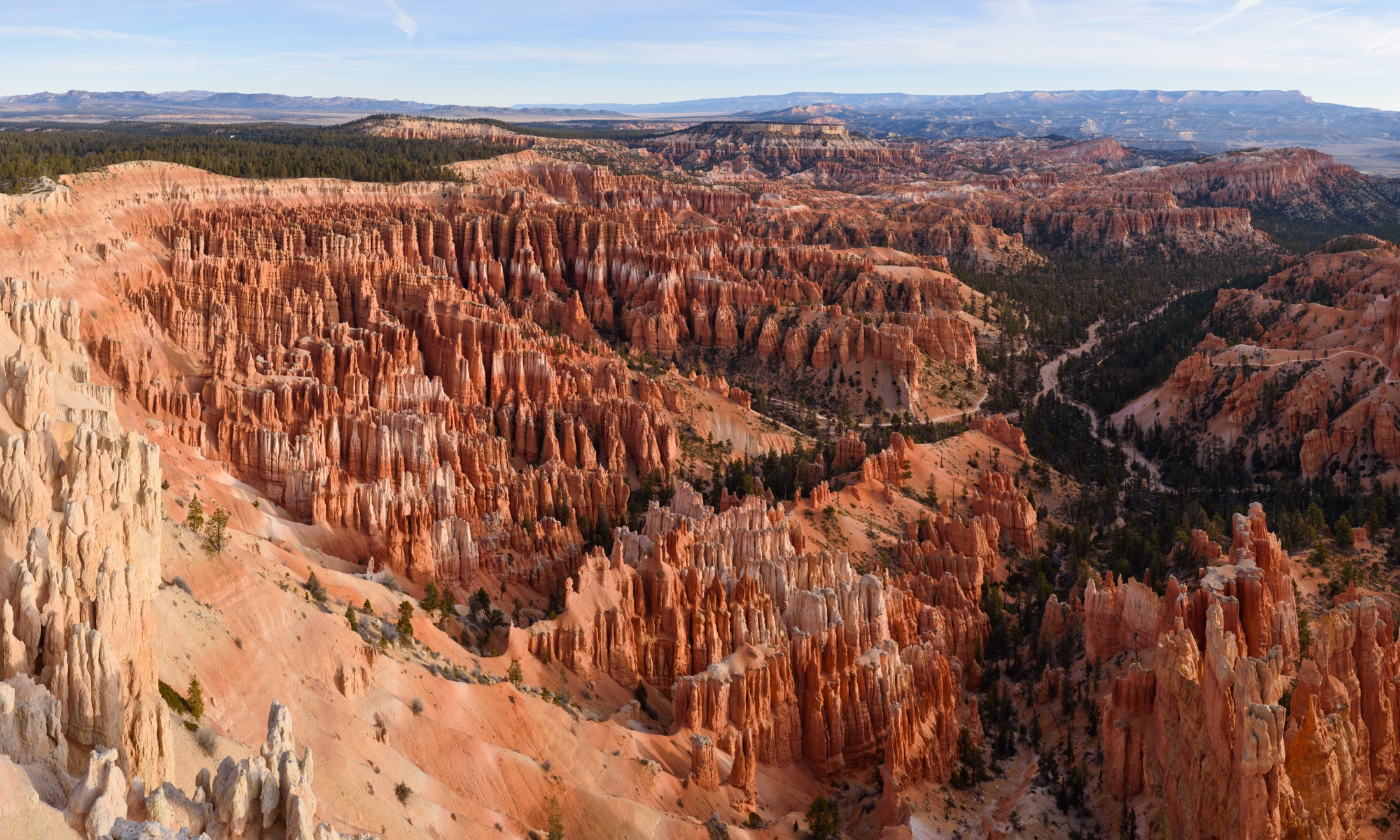 The hoodoo amphitheater
Bryce Canyon
- Best for
- Sunrise over the hoodoos and the Navajo Loop
- Watch
- At nearly 8,000 feet, Bryce runs cold and can hold snow into spring, even when Zion was hot. Pack a warm layer.
Bryce's amphitheater of orange hoodoos is unlike anywhere else, and the rim viewpoints plus the Navajo and Queens Garden loop pack a huge payoff into one day.
Open the Bryce Canyon guide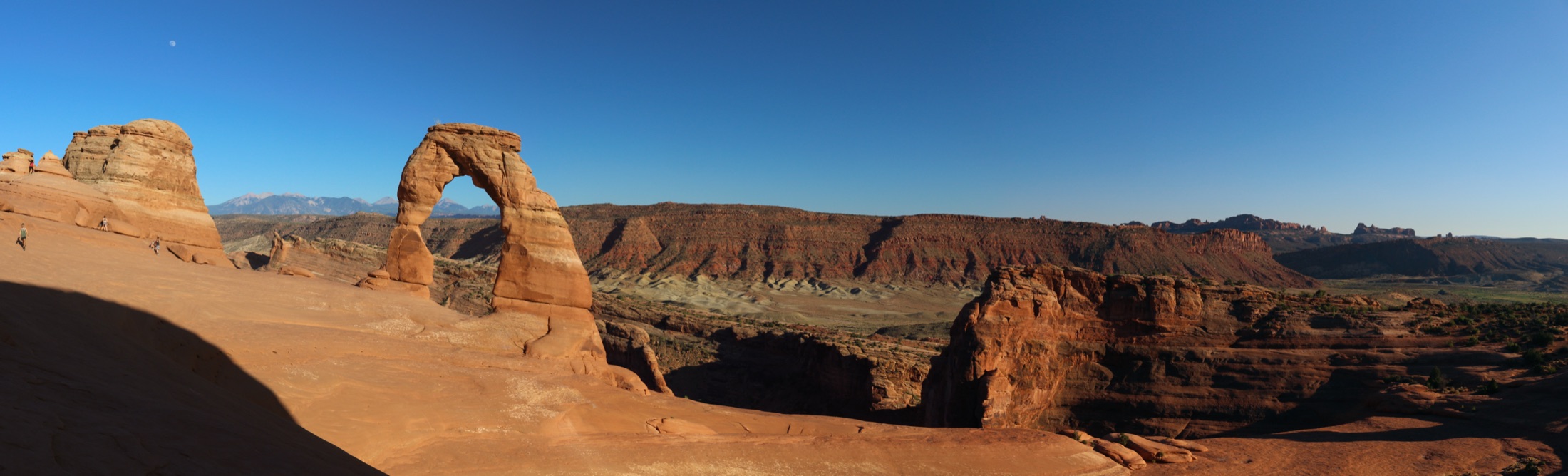 The arch capital
Arches
- Best for
- Delicate Arch, the Windows, and Devils Garden
- Watch
- Midday summer heat and parking are the real constraints. Confirm the park's current entry rules, since seasonal timed-entry systems have come and gone.
Arches has the densest concentration of natural stone arches in the world, with Delicate Arch and the Windows section delivering iconic red-rock scenery on short hikes.
Open the Arches guide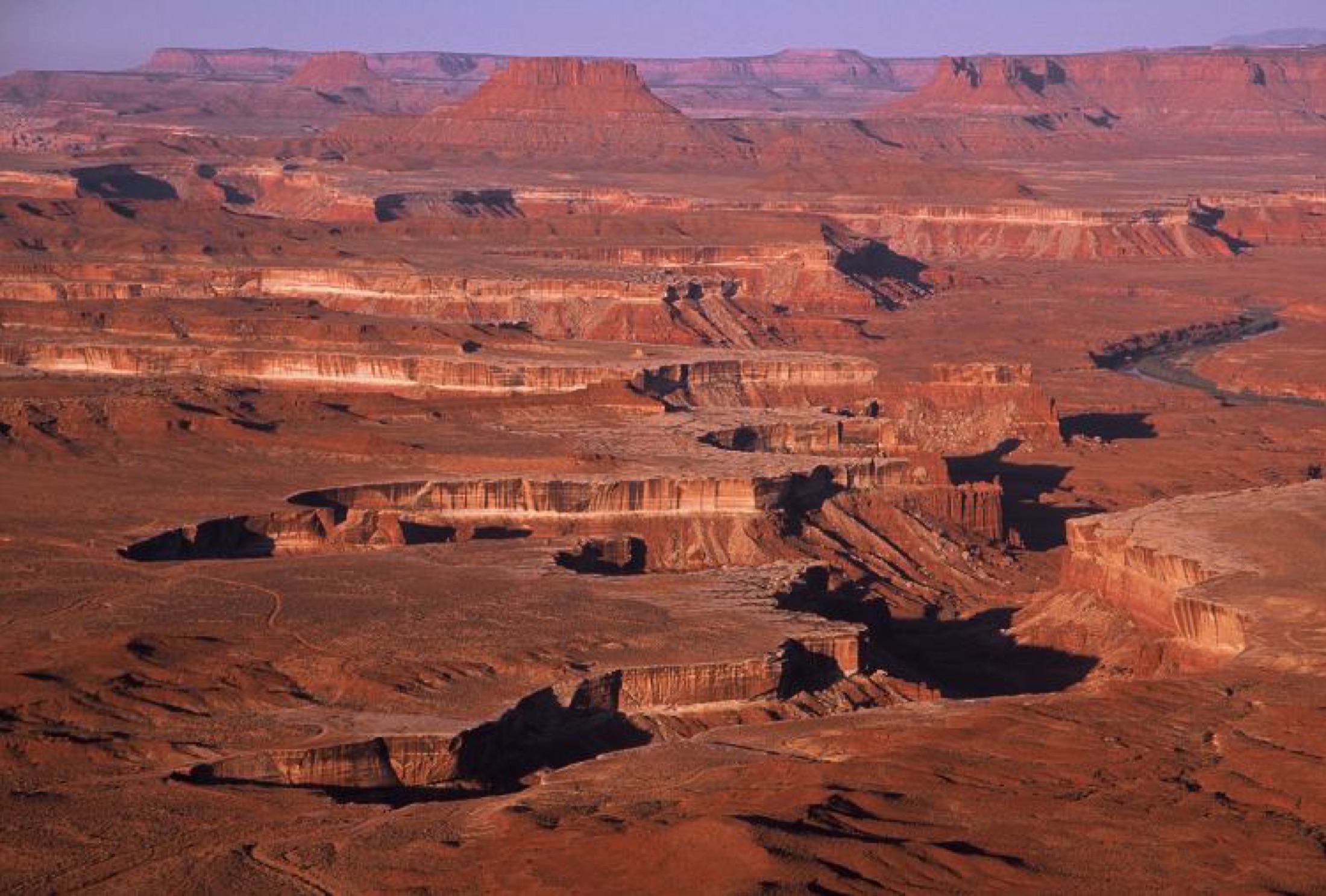 The big overlooks
Canyonlands
- Best for
- Island in the Sky, Mesa Arch sunrise, and Grand View Point
- Watch
- Island in the Sky has almost no water and big exposure. The Needles and Maze districts are far separate drives, not a quick add-on.
Canyonlands' Island in the Sky district rewards short walks with vast canyon overlooks, a quieter big-sky counterpoint to nearby Arches.
Open the Canyonlands guide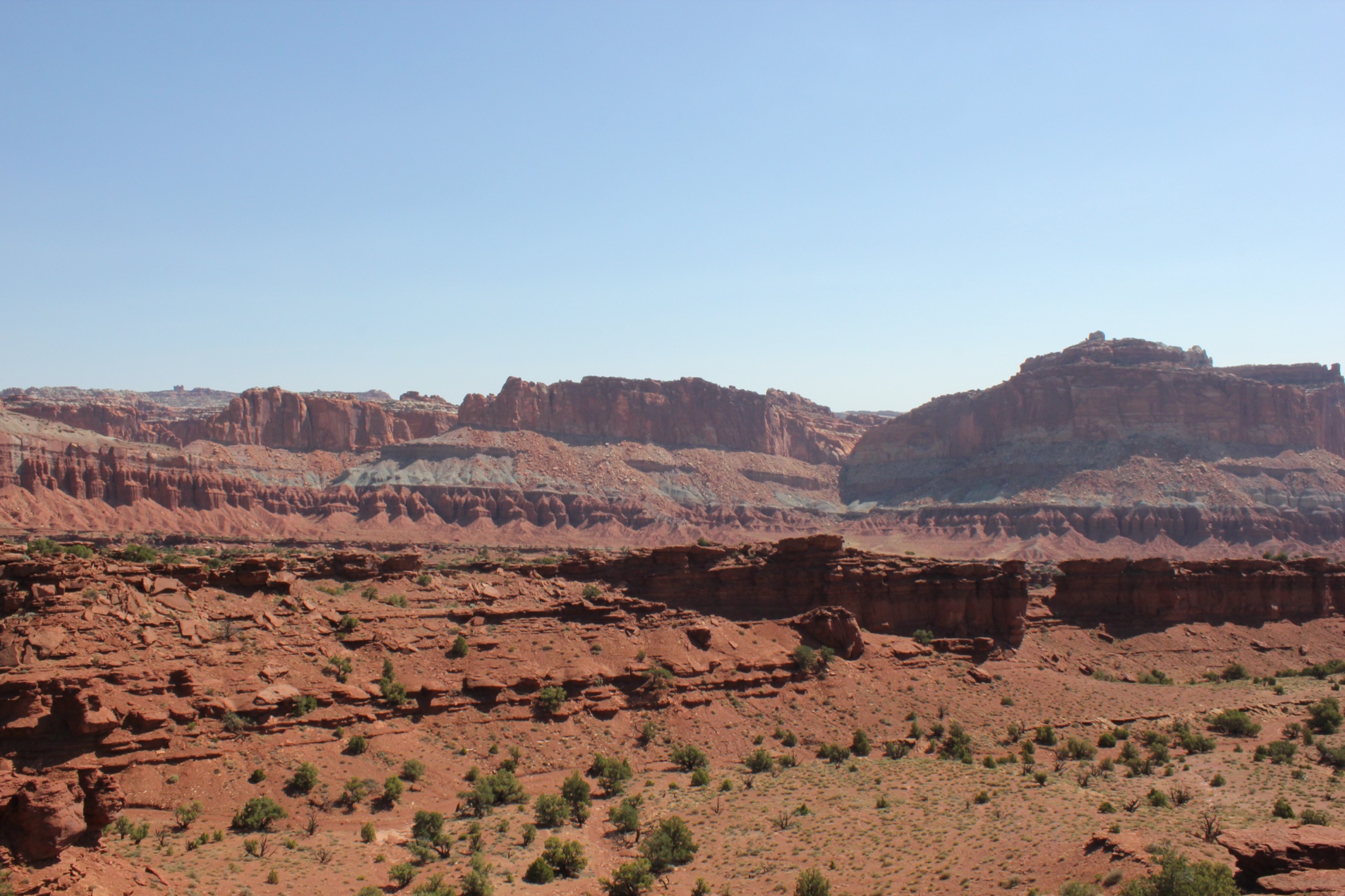 The quiet underdog
Capitol Reef
- Best for
- Scenic drives, historic orchards, and uncrowded hikes
- Watch
- Services thin out around the park, and backcountry roads need conditions checks and flash-flood awareness.
Capitol Reef is by far the least crowded of the five, offering the same red-rock scenery, a historic orchard district, and good hikes with far less competition for trails and parking.
Open the Capitol Reef guidePlanning notes
Link them into one west-to-east loop
The five parks sit close enough to drive as one trip. The standard order runs Zion, Bryce Canyon, Capitol Reef, Canyonlands, and Arches, ending in Moab, with Las Vegas as the usual fly-in airport.
Base in Springdale and Moab, and book early
Springdale anchors Zion and Moab anchors the Arches and Canyonlands pair. These two towns fill earliest, so lock them before fine-tuning the middle nights.
Time it for spring or fall
April to May and September to October are the comfortable windows. Summer bakes Zion, Arches, and Canyonlands, while high Bryce can hold snow into spring, so pack for elevation swings.
Frequently asked questions
What are Utah's Mighty 5 national parks?
The Mighty 5 are Zion, Bryce Canyon, Capitol Reef, Canyonlands, and Arches, all in southern Utah. The nickname reflects how five distinct red-rock parks cluster close enough to link into one road trip.
Which Utah national park is the best?
Zion is the most popular and most dramatic, usually ranked first for its canyon scenery and access. Bryce Canyon's hoodoos and Arches' stone arches are close behind, while Capitol Reef is the quiet favorite for those avoiding crowds.
Can you visit all five Utah national parks in one trip?
Yes. The classic Mighty 5 road trip links all five over about 7 to 10 days, running west to east from Zion to Arches and ending in Moab. With less time, a Zion, Bryce, and Arches trim covers the highlights in 4 to 5 days.
Pack and plan this trip
Gear keyed to what these parks are for, the tools to size your days and budget, and explainers worth a read before you go.
What to pack
Plan with our tools
More trip planning paths
Season guide
Best National Parks for Fall Foliage
A researched shortlist of national parks with genuine fall color, with peak timing windows, crowd notes, and what to pack for cold mornings.
Open guideSeason guide
Best National Parks in October
A researched shortlist of national parks that make sense in October, with fall weather, crowd, route, and packing notes.
Open guideTrip style guide
Best National Parks for First Timers
The best national parks for a first trip, chosen for simple access, clear highlights, flexible lodging, and strong payoff without expert-level planning.
Open guide