Road trip guide
California national parks road trip
California has nine national parks, too many for one sensible trip. The road-trip subset that flows is the Sierra and southern desert chain: Yosemite, Sequoia, and Kings Canyon, then Death Valley and Joshua Tree, with Pinnacles and Redwood as separate detours.
By Joel KellyResearched, not hands-on tested. How we research
Short answer
The practical loop runs Yosemite, then Sequoia and Kings Canyon, then Death Valley, then Joshua Tree, fly into San Francisco or Sacramento and out of Las Vegas or Los Angeles. Budget 10 to 12 days. Spring and fall are best: summer makes Death Valley dangerous and Joshua Tree harsh, while winter closes the Sierra high country. Pinnacles and Redwood are worthwhile but sit off this line.
What makes the California loop work
- A north-to-south flow through the Sierra and into the southern deserts, ending near Las Vegas or Los Angeles.
- Realistic spacing: the Sierra parks cluster, but Death Valley and Joshua Tree are long desert legs.
- A spring or fall window that keeps Death Valley survivable and the Sierra high roads open.
- Honesty about scope: Redwood (far north) and Pinnacles (central coast) are detours, not stops on the same line.
The route, day by day
- Trip length
- 10 to 12 days for the five-park Sierra-and-desert loop.
- Total driving
- Roughly 1,000 to 1,200 miles from San Francisco through Yosemite to Joshua Tree and out near Los Angeles or Las Vegas.
- 1
Yosemite National Park
3 nightsSan Francisco to Yosemite, about 4 hours
Base in Yosemite Valley or El Portal
- 2
Sequoia and Kings Canyon National Parks
2 nightsYosemite to Sequoia, about 3.5 to 4 hours
Base in Three Rivers
- 3
Death Valley National Park
2 nightsSequoia area to Death Valley, about 5 hours
Base in Furnace Creek
- 4
Joshua Tree National Park
2 nightsDeath Valley to Joshua Tree, about 4 hours
Base in Twentynine Palms or Joshua Tree town
Recommended parks
Each pick links to the full park guide with season tables, logistics, packing, and route context.
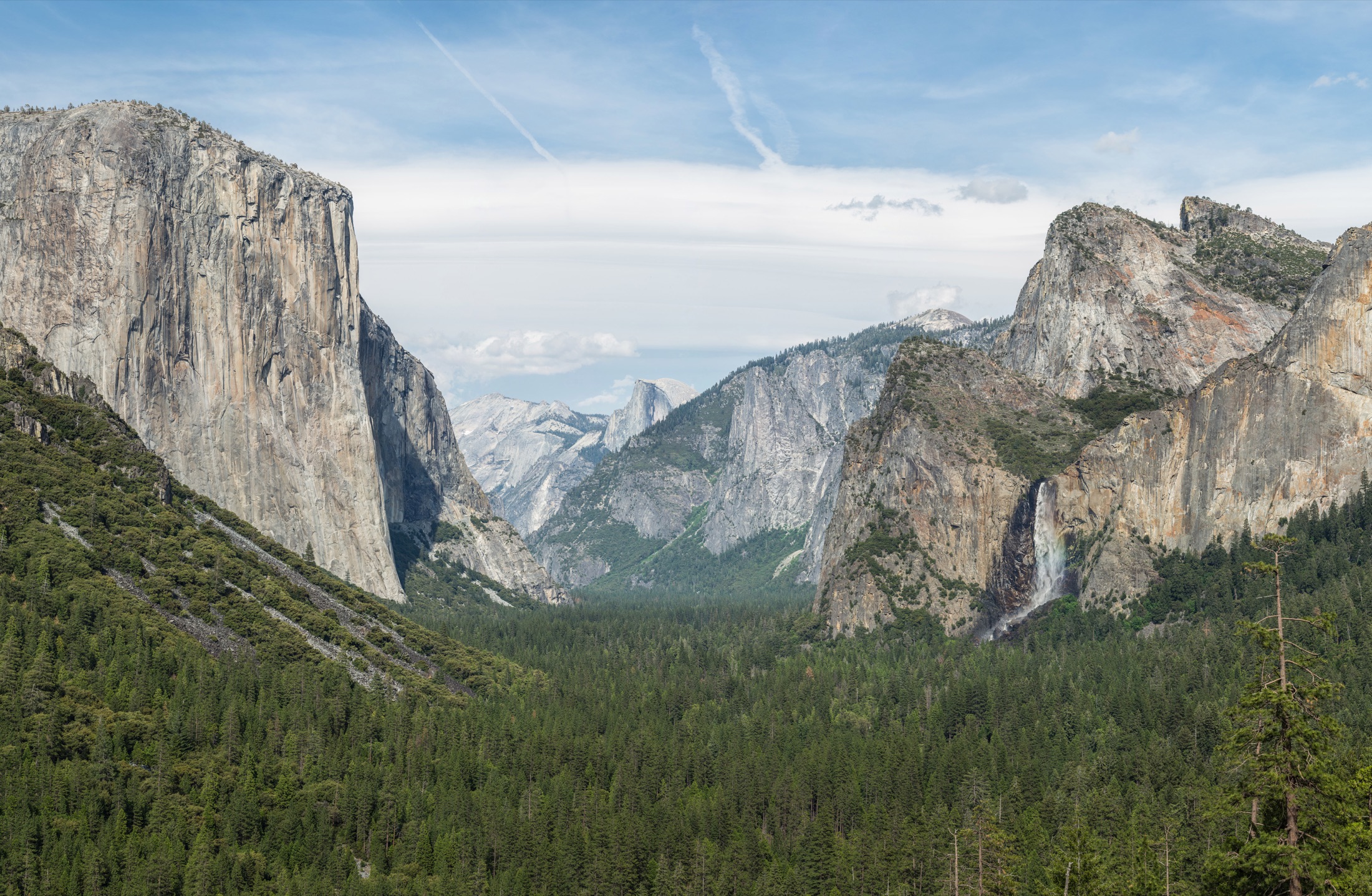
Leg 1: the granite iconYosemite
- Best for
- First 3 days, Yosemite Valley, the Mist Trail, and Glacier Point
- Watch
- Waterfalls peak in May and June, then fade. Tioga Road across the high country is closed by snow from roughly November to late spring.
Yosemite is the anchor and deserves three nights: the valley walls and waterfalls, one bigger hike, and a Glacier Point sunset. From San Francisco it is about a 4-hour drive in.
Open the Yosemite guide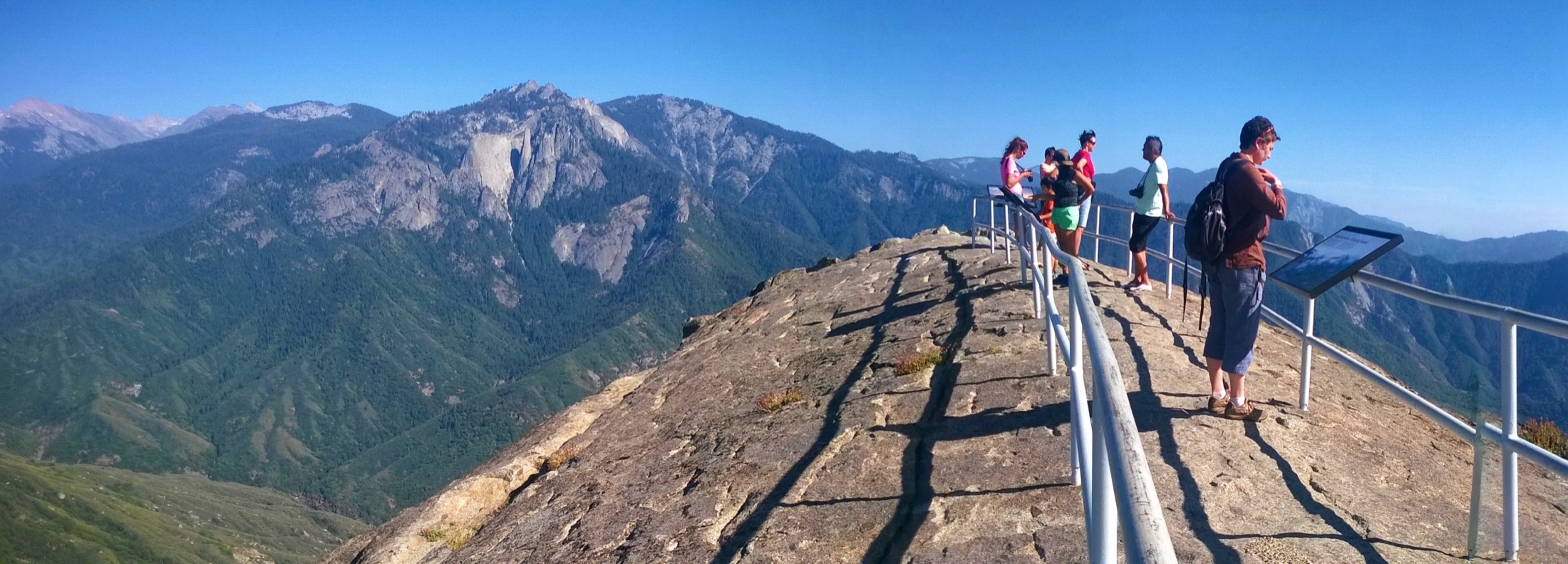 Leg 2a: the big trees
Sequoia
- Best for
- Days 4 to 5, the General Sherman Tree and the Giant Forest
- Watch
- The road up from Three Rivers is steep and winding, hard on large RVs. Snow can require chains well into spring.
Sequoia is about 3.5 to 4 hours south of Yosemite and pairs with neighboring Kings Canyon from one Three Rivers base. The Giant Forest holds the largest trees on Earth by volume.
Open the Sequoia guide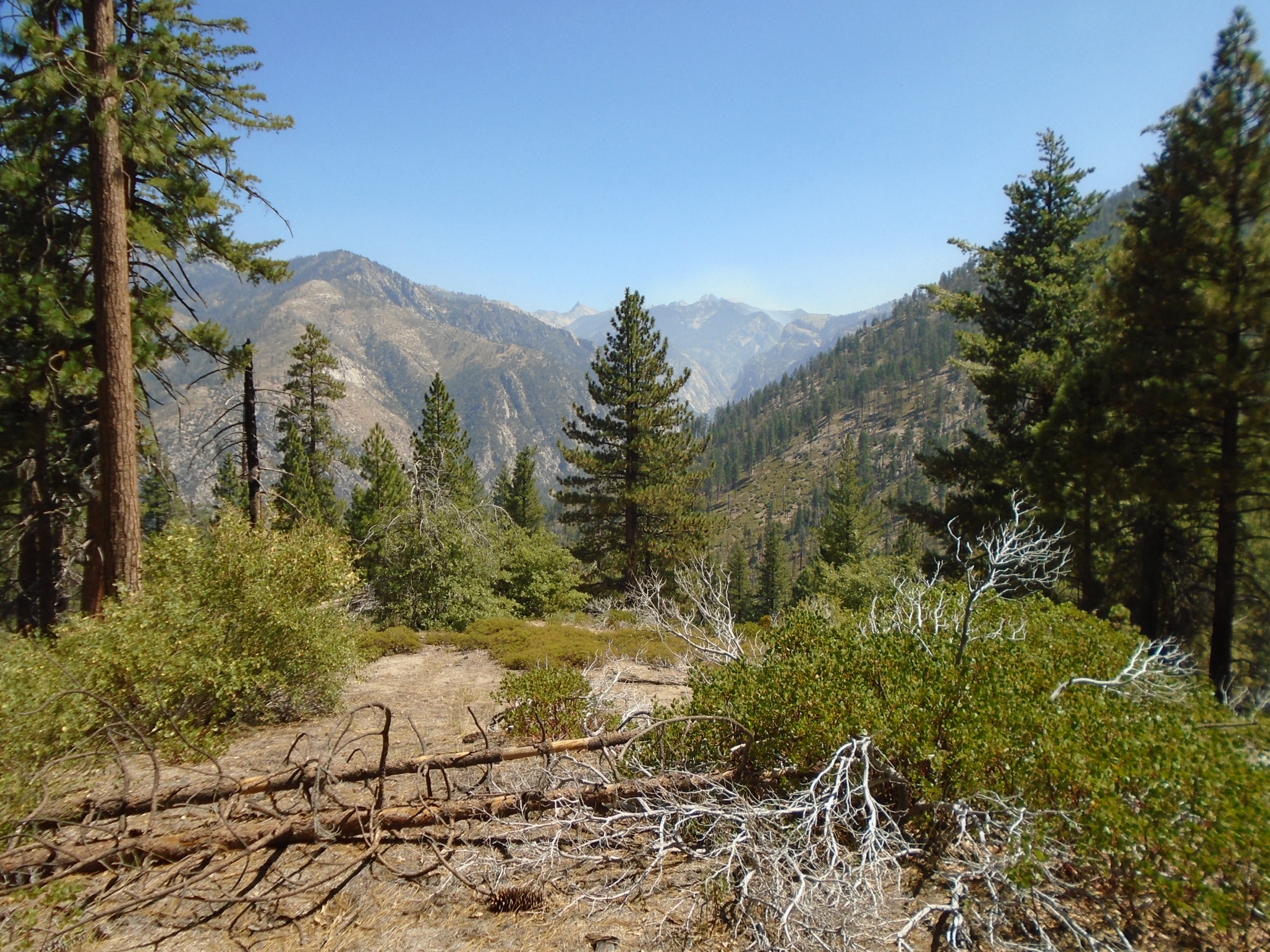 Leg 2b: the deep canyon
Kings Canyon
- Best for
- Day 5, Grant Grove and the Kings Canyon Scenic Byway
- Watch
- The scenic byway into the canyon floor is seasonal and closes in winter. Confirm it is open before planning that drive.
Kings Canyon shares an entrance and management with Sequoia, so it slots into the same two nights. Grant Grove is quick, and the scenic byway drops into one of the deepest canyons in the country.
Open the Kings Canyon guide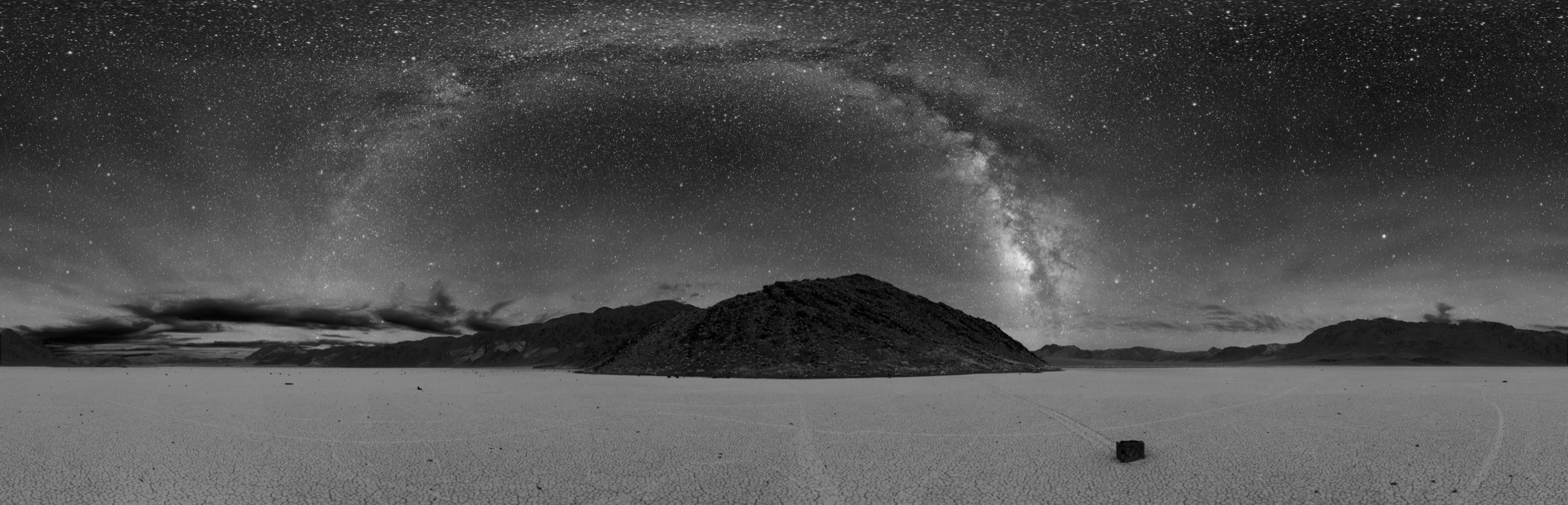 Leg 3: the extreme desert
Death Valley
- Best for
- Days 6 to 7, Badwater Basin, Zabriskie Point, and Mesquite Dunes
- Watch
- Summer is genuinely dangerous, with regular highs above 120F. Carry far more water than feels necessary and watch fuel range between distant stations.
Death Valley is a long but striking leg, about 5 hours from the Sierra. Furnace Creek makes a central base for Badwater, the dunes, and sunrise at Zabriskie Point.
Open the Death Valley guide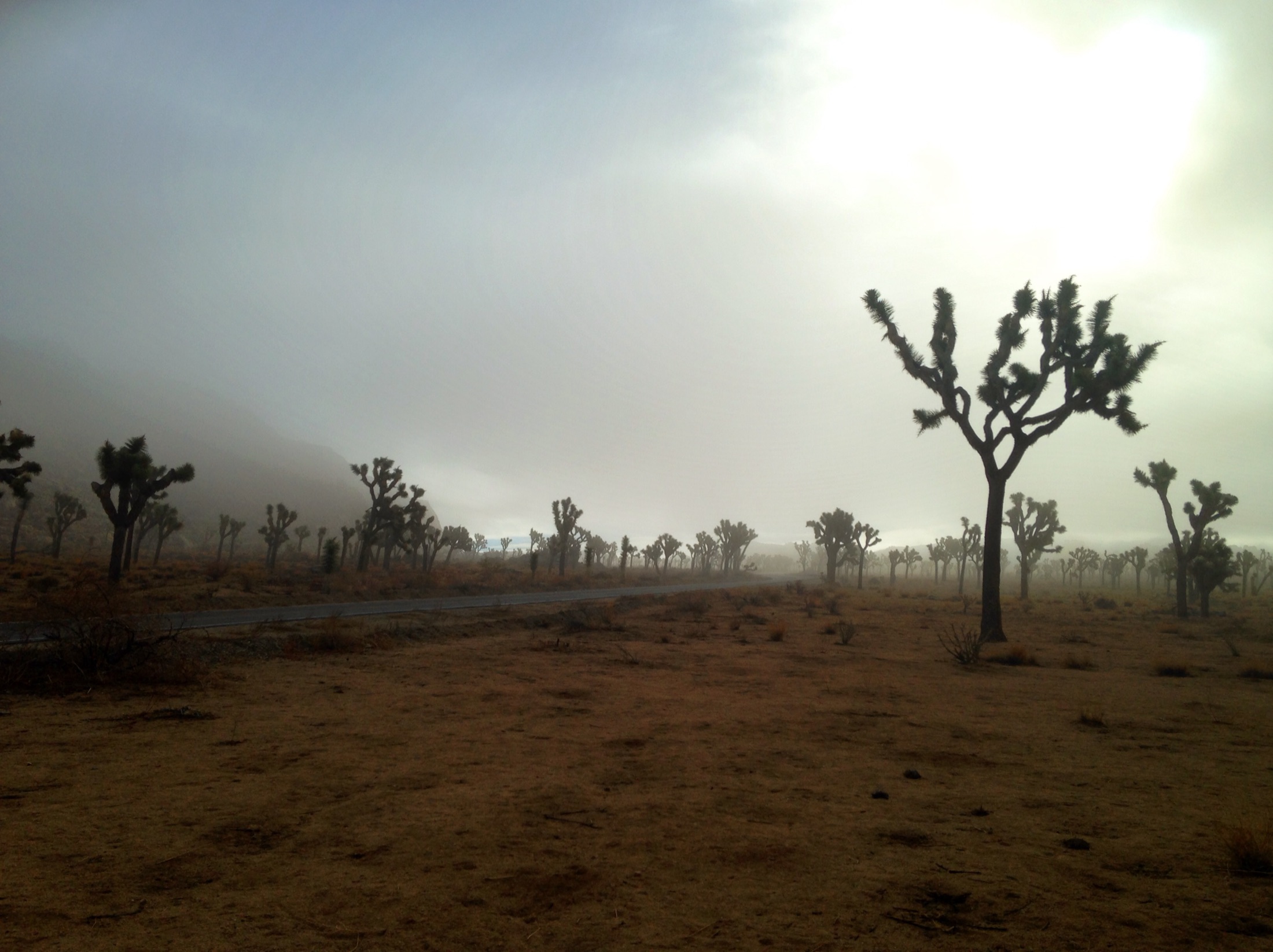 Leg 4: the southern finish
Joshua Tree
- Best for
- Days 8 to 9, Hidden Valley, Keys View, and the Cholla Cactus Garden
- Watch
- Summer heat changes everything here too. There is little water and patchy cell service, so plan fuel and water before you enter.
Joshua Tree is about 4 hours from Death Valley and makes a fitting desert finale near Palm Springs and the Los Angeles or Las Vegas airports. Short trails, boulders, and the namesake trees fill an easy two days.
Open the Joshua Tree guidePlanning notes
Run it north to south and fly out a different airport
Fly into San Francisco or Sacramento for Yosemite, then end near Las Vegas or Los Angeles after Joshua Tree. A one-way rental turns a sprawling state into a single forward line instead of a backtrack.
Pair Sequoia and Kings Canyon from one base
The two parks share an entrance and are managed together, so a single Three Rivers or Grant Grove base covers both. Do not budget separate travel days for them.
Respect the desert legs
Death Valley and Joshua Tree are not quick add-ons. Each is a multi-hour drive with long gaps between services, so top off fuel and water and avoid the summer months entirely.
Treat Redwood and Pinnacles as separate trips
Redwood is far up the north coast and Pinnacles sits inland from Monterey. Both are excellent but pull hard off this Sierra-to-desert line, so save them for a dedicated coastal or central-California loop.
Frequently asked questions
Can you road trip multiple California national parks together?
Yes. The cleanest loop links Yosemite, Sequoia, Kings Canyon, Death Valley, and Joshua Tree from north to south over 10 to 12 days. California's other parks, like Redwood and Pinnacles, sit off this line and fit better on separate coastal trips.
How many days do you need for a California national parks road trip?
Plan 10 to 12 days for the five-park Sierra-and-desert loop. That allows three days in Yosemite, two for Sequoia and Kings Canyon together, and two each in Death Valley and Joshua Tree, with driving in between.
When is the best time for a California national parks road trip?
Spring and fall are best. Summer makes Death Valley dangerous and Joshua Tree harsh, while winter closes Yosemite's Tioga Road and the Kings Canyon scenic byway. April to May and September to October balance open roads with bearable desert heat.
Pack and plan this trip
Gear keyed to what these parks are for, the tools to size your days and budget, and explainers worth a read before you go.
What to pack
Plan with our tools
More trip planning paths
Season guide
Best National Parks for Fall Foliage
A researched shortlist of national parks with genuine fall color, with peak timing windows, crowd notes, and what to pack for cold mornings.
Open guideSeason guide
Best National Parks in October
A researched shortlist of national parks that make sense in October, with fall weather, crowd, route, and packing notes.
Open guideTrip style guide
Best National Parks for First Timers
The best national parks for a first trip, chosen for simple access, clear highlights, flexible lodging, and strong payoff without expert-level planning.
Open guide